Curling Shingles: Repair or Replace
Finding curling shingles on your roof can be a gut-wrenching moment for any homeowner. It's a clear sign that something isn't quite right up there, and it immediately sparks the dreaded question: Is this a simple fix, or am I looking at a massive, expensive roof replacement? The uncertainty, coupled with the thought of potential leaks, can be incredibly stressful. This guide is here to walk you through the nuances of curling shingles, helping you understand what causes them and, more importantly, whether you should repair or replace your roof.
Understanding Why Your Asphalt Shingles Start to Curl
Curling shingles aren't just an aesthetic issue; they're a symptom, a warning sign that your roof's integrity might be compromised. Understanding the root cause is the first step in deciding on the best course of action. It's not always about age, though that's a big factor, but rather a combination of environmental stresses and sometimes, even how the roof was installed.
The Different Types of Curling: Cupping vs. Clawing
When we talk about curling, it's actually helpful to distinguish between two main types you might see on your asphalt shingles: cupping and clawing. While both involve the shingle edges lifting, the direction and appearance can tell you a lot.
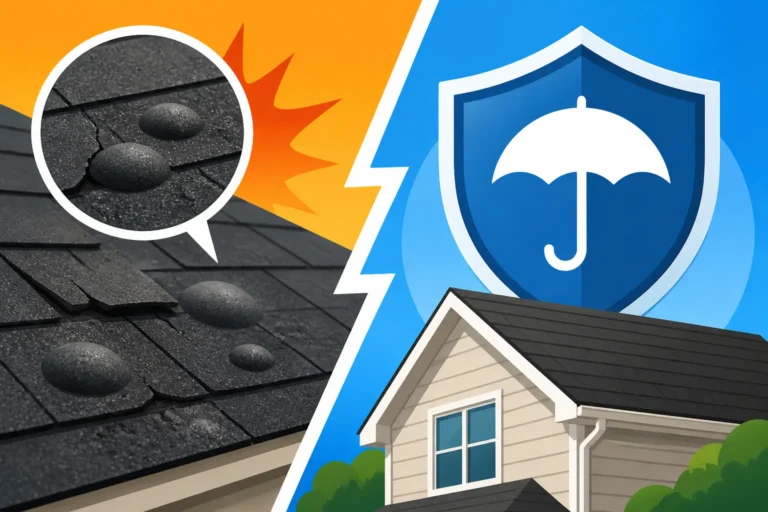
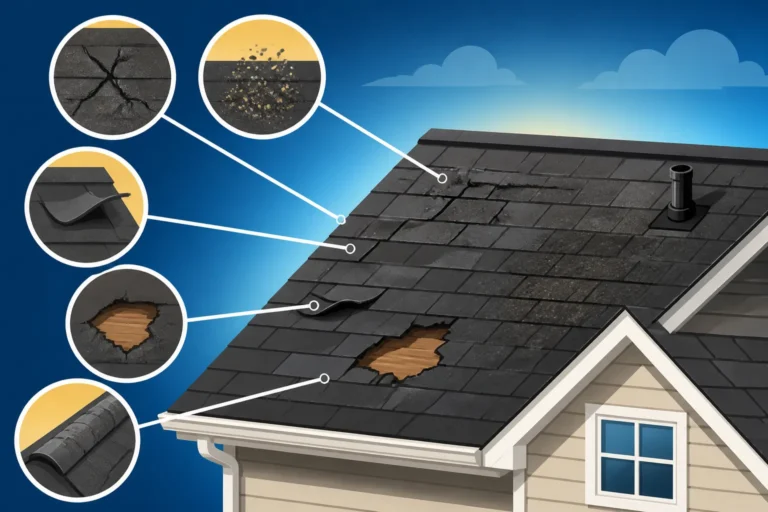
- Cupping: This happens when the edges of the shingle turn upward, creating a concave shape. Imagine holding a cup – that's the shape. Cupping usually occurs when the underside of the shingle absorbs moisture while the top surface, exposed to the sun, dries out and shrinks faster. This imbalance causes the material to warp. It's a common issue, especially in areas with high humidity or where attic ventilation is insufficient, leading to moisture buildup in the roof deck below. The sun bakes the exposed surface, the moist underside expands, and voilà, you have cupped shingles.
- Clawing: In contrast, clawing is when the shingle edges turn downward, creating a convex, claw-like shape. This is often a sign of advanced aging and granule loss. As the asphalt in the shingle dries out and becomes brittle over time, the fiberglass mat inside starts to pull inward. The sealant strip along the shingle’s bottom edge might still be somewhat adhered, while the top portion shrinks, causing the bottom edge to curl down. This is typically a more severe indicator of an aging roof that’s losing its protective qualities and flexibility.
Recognizing whether you're dealing with cupping or clawing can give you a better initial read on the situation and help explain what causes curling shingles on a roof.
Age and Weathering: The Primary Culprits
Let's be real: no roof lasts forever. The relentless assault of nature takes its toll, and often, age combined with weathering is the biggest reason shingles start to curl.
- Ultraviolet (UV) Radiation: The sun's UV rays are incredibly damaging. Over years, they break down the asphalt binder in your shingles, making them brittle and less flexible. This process causes the protective granules, which shield the asphalt, to loosen and fall off. Without these granules, the asphalt is even more exposed, accelerating the curling process. Think of it like a sunburn – prolonged exposure leads to damage.
- Temperature Fluctuations: The constant expansion and contraction of shingles due to daily and seasonal temperature swings contribute significantly to their degradation. Hot summers make shingles expand, cold winters make them contract. This repeated stress weakens the shingle's internal structure, leading to cracking, splitting, and ultimately, curling. In places like Denver, Colorado, where you can have 70-degree days followed by snow, this thermal shock is particularly harsh.
- Moisture Absorption and Drying Cycles: As mentioned with cupping, water is a major factor. Shingles are designed to shed water, but over time, their ability to do so diminishes. When shingles repeatedly get wet and then dry out, especially if they absorb moisture, it can cause them to swell and shrink unevenly, leading to warping. This is exacerbated if your roof has poor drainage or if areas stay wet for too long after rain.
For more on how long these roofs typically last, check out our guide on how long an asphalt roof lasts.
Installation Errors and Ventilation Issues
Sometimes, the problem isn't just the age of your roof but how it was put on in the first place, or how your attic manages air. These factors can drastically shorten a shingle's lifespan and lead to premature curling.
- Improper Nailing: This is a surprisingly common culprit. If shingles are nailed too high, too low, or over-nailed (driving the nail too deep, cutting into the shingle), they can't properly expand and contract. This restricts their movement and can cause them to buckle, lift, and curl prematurely. Manufacturers like GAF and Owens Corning have specific nailing patterns for a reason – they're critical for performance. Improper nailing can even void a manufacturer roof warranty, which is a huge headache you want to avoid.
- Insufficient Attic Ventilation: This is a big one, and often overlooked. A properly ventilated attic allows hot, moist air to escape. If your attic lacks adequate ventilation, heat and moisture get trapped. This trapped heat radiates down onto the underside of your roof deck and shingles, effectively baking them from below. The combination of heat from the sun above and heat from the attic below dramatically speeds up the drying and cracking of the shingles, leading to curling and granule loss. Similarly, trapped moisture can cause the roof deck to swell and warp, transferring that distortion directly to the shingles. Understanding how roof ventilation works is key to preventing these issues.
- Applying Shingles Over an Existing Layer: While it can save money initially, installing new shingles directly over an old, failing layer (known as a "roof overlay") can contribute to premature curling. The irregularities and degraded condition of the underlying shingles can transfer to the new layer, preventing them from lying flat and sealing properly. Plus, it traps more heat and moisture between the layers, accelerating wear. Many building codes now restrict the number of shingle layers allowed, precisely for these reasons.
Diagnosing the Severity: When is a Repair Possible?
So, you've spotted some curling shingles. Don't panic just yet! Not every curled shingle signals an immediate need for a full roof overhaul. The key is to accurately assess the extent and severity of the damage.
Spotting Minor Curling and Isolated Damage
Sometimes, curling is localized and manageable, making a targeted repair a viable and cost-effective solution.
- A Few Isolated Shingles: If you notice only a handful of shingles curling, particularly in one small area, and the rest of your roof looks generally healthy and relatively young (say, under 10-15 years old), it might be a case for repair. This could be due to a specific issue like a section of poor nailing, localized moisture, or a manufacturing defect in that batch of shingles.
- Recent Installation with Curling: If your roof was installed just a few years ago and you're already seeing curling, it's a strong indicator of an installation error or a defect in the materials. In this scenario, a repair, covered by your workmanship or manufacturer's warranty, is definitely the way to go. You’ll want to contact the original contractor immediately.
- Cupping Over Clawing: As discussed, cupping is often related to moisture imbalance or heat. If it’s not widespread and the shingles still have good granule coverage, sometimes improving attic ventilation can help mitigate further damage, and individual cupped shingles can be gently flattened and re-adhered if they haven't become too brittle. This usually isn't a long-term fix for already curled shingles but can prevent new ones from cupping.
When assessing the situation, safety is paramount. If you're not comfortable on a ladder or inspecting your roof, it's always best to call a professional for a roof inspection. They can give you an accurate, safe assessment.
The DIY vs. Professional Repair Debate
Once you've identified minor curling, the next question is whether to tackle it yourself or call in the pros.
- DIY Shingle Repair: When It's Safe: If you're comfortable on a ladder, have the right safety gear, and the damage is truly minimal (a single shingle or two, easily accessible, no steep pitch), a DIY repair might be feasible. For example, if a shingle has simply lifted and the sealant hasn't fully cured, you might be able to gently warm it with a heat gun (on a very low setting, from a safe distance!) and apply a dab of roofing cement underneath to re-adhere it. The critical part is not to force brittle shingles, as they'll likely crack. Remember, any work on your roof carries risks, including falls and further damage to the roof if done incorrectly.
- When to Call a Pro for Roof Repair: For anything beyond a very simple, isolated re-adhesion, a professional roofer is your best bet. They have the experience, tools, and safety equipment to work efficiently and effectively. A pro can correctly identify the cause of the curling, ensure proper material matching, and complete the repair without inadvertently damaging surrounding shingles. They can also inspect the underlayment and decking for any hidden issues, which DIYers often miss. For complex repairs, a contractor found through a service like Modernize can help ensure the job is done right. Plus, professional repairs often come with a warranty, giving you peace of mind. Learning how to choose a roofing contractor is crucial here.
Temporary Fixes and What They Entail
Sometimes, you need a quick patch to get through a storm or until you can afford a more permanent solution. Temporary fixes are just that – temporary.
- Roofing Cement and Sealants: For a single lifted shingle, a high-quality roofing cement or asphalt sealant can be applied underneath the lifted edge to help re-adhere it to the layer below. This is best done on a warm, sunny day when the shingles are more pliable. However, if the shingle is severely curled or brittle, this won't work well and may actually cause it to break.
- Shingle Replacement: If a shingle is beyond repair (e.g., it's cracked, brittle, or extensively clawed), a temporary fix might involve cutting out the damaged shingle and carefully sliding a new, matching one into place. This is a more involved repair and requires skill to avoid damaging surrounding shingles. It also means you need to find a matching shingle, which can be tough on older roofs where the color has faded. Keep in mind that replacing a few damaged shingles is still a repair. For more on this, you might look into how much it costs to fix missing shingles.
These temporary solutions buy you time but don't address systemic issues like widespread aging or poor ventilation. They are not a substitute for proper maintenance or a full replacement when it’s genuinely needed.
When Curling Signals a Full Roof Replacement is Needed
There comes a point when repairs are like putting a band-aid on a gaping wound – they might offer a momentary respite, but the underlying problem persists and will inevitably resurface. Widespread curling is often a tell-tale sign that your roof has reached the end of its serviceable life.
Widespread Curling and Advanced Granule Loss
If curling shingles are not just an isolated incident but a common theme across large sections of your roof, it's time to shift your thinking from "repair" to "replace."
- Beyond Localized Damage: When you see curling on multiple slopes, or if every third shingle is exhibiting some form of cupping or clawing, that's widespread damage. It indicates a systemic failure of the shingles due to age, consistent weather exposure, or a pervasive installation flaw. Trying to repair dozens, or even hundreds, of individual curled shingles becomes economically impractical and doesn't solve the core issue of an aging, compromised roofing system. Imagine replacing individual floorboards when the entire foundation is crumbling – it just doesn't make sense.
- Significant Granule Loss: Go take a look at your gutters. Are they filled with gritty, sandy material? That's your shingles' protective granules washing away. These granules are the first line of defense against UV radiation, and without them, the asphalt binder underneath is fully exposed to the sun's harsh rays. Shingles with significant granule loss and widespread curling are typically brittle, easily damaged, and no longer effectively protecting your home. This is one of the clearest signs you need a new roof.
- Diminished Aesthetic Appeal: Let's not forget curb appeal. A roof with extensive curling and granule loss can make your entire home look neglected and significantly reduce its market value. Even if it's not leaking yet, the appearance alone can be a major deterrent if you're considering selling.
Underlying Structural Issues and Water Damage
Curling shingles can sometimes be the visible tip of a much larger, hidden iceberg – underlying issues that necessitate a full replacement for the safety and structural integrity of your home.
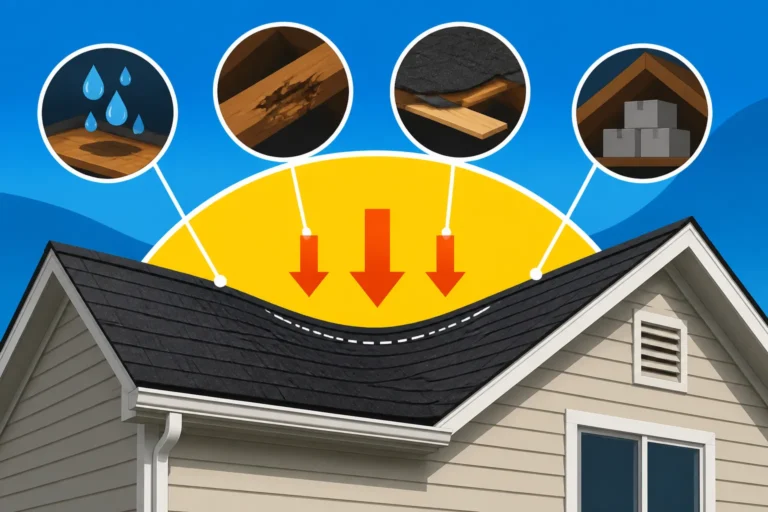
- Evidence of Leaks: If you're seeing curling shingles and you've experienced leaks, water stains on your ceilings, or damp spots in your attic, it's a huge red flag. Curling shingles can create pathways for water to seep beneath, damaging the underlayment, roof decking, and potentially the structural components of your home. A single shingle repair won't fix rotted plywood or mold growth in your attic. This situation often means you need to replace roof decking and shingles simultaneously.
- Soft Spots on the Roof Deck: If you can safely access your roof or attic, check for soft or spongy spots on the roof deck. These indicate moisture damage or rot, meaning the structural wood underneath your shingles is compromised. This is a serious issue that demands a full tear-off and replacement, as simply patching shingles over rotten wood is like building on quicksand.
- Mold or Mildew in the Attic: Beyond water stains, active mold or mildew growth in your attic points to chronic moisture problems, often exacerbated by poor ventilation and compromised shingles. Addressing this effectively means getting to the source, which, if it's related to widespread roof failure, means a new roof system is required.
These are critical signs that point to needing a complete roof replacement, not just a patch-up job.
Weighing the Costs of Repeated Repairs Against Replacement
This is often where homeowners get stuck. The immediate cost of a repair seems lower, but you need to think about the long game.
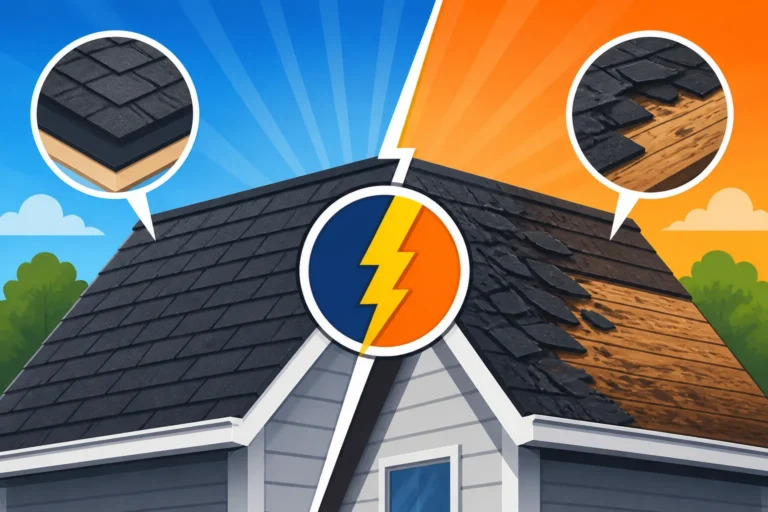
- The "Death by a Thousand Cuts" Scenario: Repeated small repairs can quickly add up. You fix a few curled shingles here, a few more there, and before you know it, you've spent a significant amount of money that could have gone towards a new roof. This is a classic example of when a roof repair is a waste of money. Each repair often has a limited lifespan, especially if the underlying cause (like widespread aging) isn't addressed.
- Repair vs. Replacement Cost Analysis: While a full roof replacement is a larger upfront investment, it offers a complete, long-term solution. It comes with a new warranty (both manufacturer and workmanship), improved curb appeal, and enhanced protection for your home for decades to come. When you look at the average roof replacement cost this year, it might seem daunting, but consider the long-term value. Let's say a small repair costs $300-$500, but you need one every year for the next five years. That's $1500-$2500, and your roof is still failing. A full replacement might cost $10,000-$15,000, but it lasts 20-30 years. The per-year cost suddenly looks much more favorable for replacement.
- Insurance Considerations: If the curling and damage are extensive due to a recent storm (wind damage, hail damage), your homeowner's insurance might cover a significant portion of a full replacement. However, insurance rarely covers normal wear and tear. It's crucial to understand how to get insurance to pay for a roof. Trying to claim multiple small repairs for wear and tear will likely be denied, whereas a single claim for widespread storm damage often has a better chance of approval.
| Factor | Repair (Minor Curling) | Replace (Widespread Curling) |
|---|---|---|
| Cost (Initial) | Lower (e.g., $200-$1,000) | Higher (e.g., $8,000-$25,000+) |
| Longevity | Short-term, addresses symptoms, not underlying issues | Long-term (20-30+ years with new warranty) |
| Warranty | Limited (often just for the repair itself) | Comprehensive (manufacturer and workmanship) |
| Curb Appeal | Minimal improvement, potential for mismatched shingles | Significant improvement, fresh, uniform look |
| Protection | Patchy, vulnerable to further issues | Full system upgrade, enhanced protection |
| Timeframe | Quick (hours to a day) | Longer (2-5 days for typical home) |
| Best For | Isolated issues, newer roofs, temporary fixes | Widespread aging, systemic issues, home value enhancement |
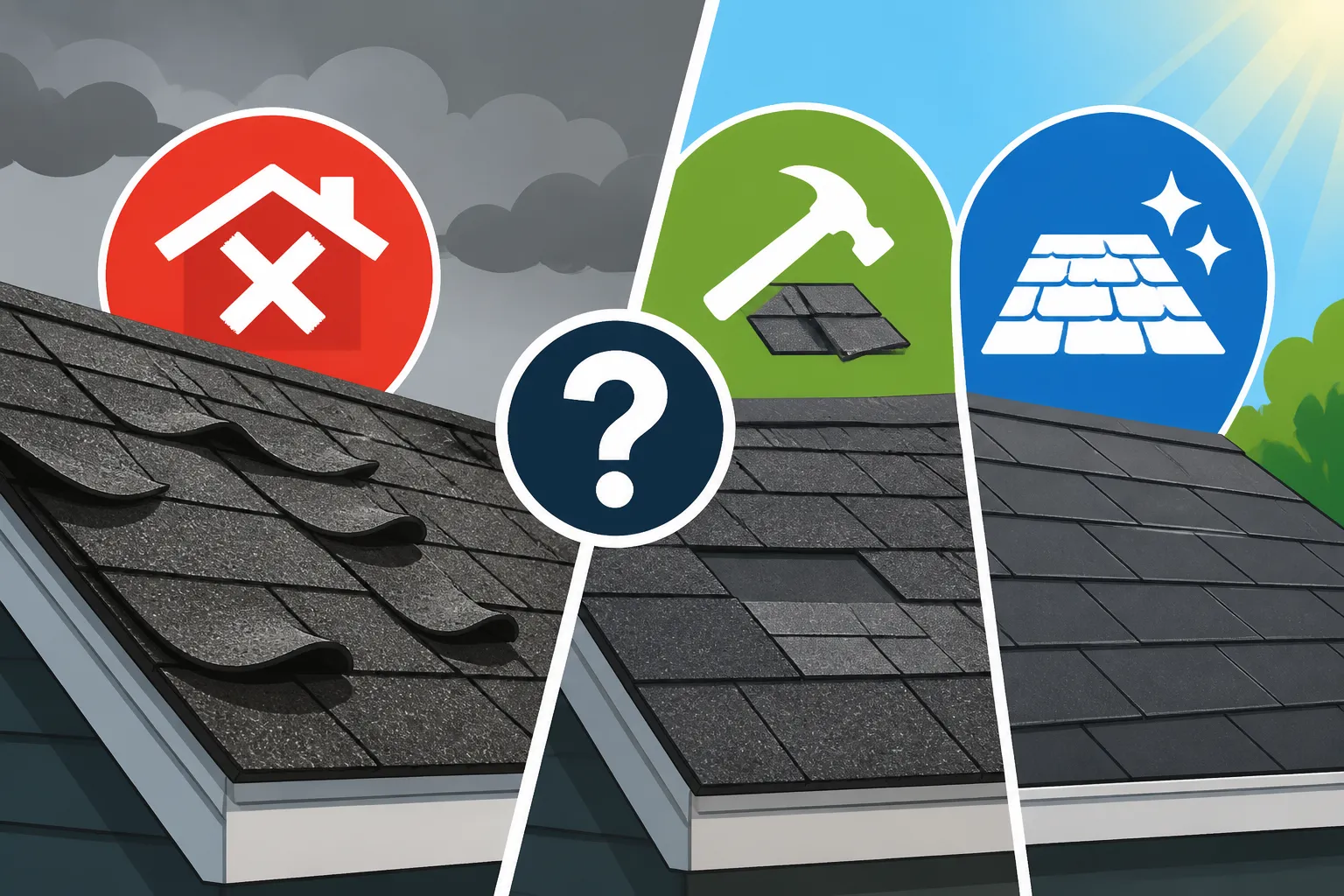
Ultimately, the decision to repair or replace comes down to a comprehensive assessment of the damage, the age of your roof, your budget, and your long-term plans for your home.
The Financial and Practical Implications of Your Decision
Once you’ve wrestled with the repair-or-replace dilemma, the practicalities and financial commitments of your chosen path come into sharp focus. Each option carries its own set of considerations, from the type of contractor you'll hire to the warranties you'll receive.
Repairing Curling Shingles: What to Expect
If you've determined that a repair is feasible and makes sense for your specific situation, it's important to know what the process typically involves and what to look for in a contractor.
- Finding the Right Repair Specialist: For minor curling issues, you want a roofer who is experienced in precise shingle repair and matching. They should be able to assess the underlying cause – whether it's poor nailing, localized moisture, or a defective batch of shingles – and address it. Ask for references for repair jobs they've done, not just full replacements. A local, reputable contractor is often best equipped for these smaller, nuanced jobs. Services like Modernize can connect you with qualified local roofers for both repairs and replacements.
- The Repair Process: A typical repair for curled shingles involves carefully lifting the shingle above the damaged one, removing the affected shingle (often requiring loosening or cutting nails), preparing the area, applying roofing cement to the new shingle, sliding it into place, and then securing it with nails that are strategically placed to be covered by the overlapping shingle above. If the shingle is only mildly cupped and pliable, a roofer might attempt to gently flatten it, apply roofing cement, and then weigh it down to re-adhere. This is more common for cupping than brittle clawing.
- Cost and Warranty for Repairs: The cost of fixing curling shingles can vary widely depending on the number of shingles, their accessibility, and the complexity of the underlying issue. Expect to pay anywhere from a few hundred dollars for a very minor fix to over a thousand for more extensive sectional repairs. For a better estimate, you might want to look at how much it costs to fix curling shingles. Most reputable roofers will offer a warranty on their repair work, typically covering the workmanship for a period of time, often a year or two. Ensure you get this in writing.
Opting for a Full Roof Replacement: Key Considerations
When widespread curling or severe underlying issues necessitate a full roof replacement, you're looking at a larger project, but also a chance to fundamentally upgrade your home's protection and value.
- The Full Scope of Work: A full replacement means a complete tear-off of all existing roofing materials down to the roof decking. This allows for a thorough inspection of the decking for rot or damage, which can then be repaired or replaced. New underlayment, flashing, and then the new shingles are installed. This is a comprehensive process that ensures every component of your roofing system is new and up to code. Understanding how a roof replacement works: the full process can help you manage expectations.
- Choosing Your Materials and Features: A new roof offers the opportunity to choose modern, durable materials. You might opt for architectural shingles, which offer a more dimensional look and often superior wind resistance compared to traditional 3-tab shingles. Consider upgrades like impact-resistant shingles if you live in a hail-prone area, or cool-roof shingles for energy efficiency in hot climates. You also have a chance to improve attic ventilation, ensuring your new shingles last their full lifespan.
- Financing and Investment: A new roof is a significant investment, but it's one that often provides a strong return on investment (ROI), especially if your old roof was failing. Explore various roof financing options explained, from home equity loans to contractor financing, to make it manageable. Remember, a new roof also boosts your home's curb appeal and can be a major selling point if you plan to move in the future.
Finding the Right Professional for the Job
Regardless of whether you repair or replace, the contractor you choose is arguably the most critical factor in the success and longevity of the work. Don't rush this step.
- Vet Thoroughly: Always get multiple estimates (at least three) from licensed and insured roofers. Ask for proof of insurance (liability and workers' compensation), check their references, and look up online reviews on platforms like Google, Yelp, and the Better Business Bureau. Confirm they pull the necessary permits – this protects you and ensures the work meets local building codes. Our guide on how to choose a roofing contractor offers more in-depth advice.
- Review Estimates and Contracts Carefully: Don't just look at the bottom line. Understand what each estimate includes, from materials and labor to disposal and cleanup. A detailed estimate should itemize everything. The contract should clearly outline the scope of work, payment schedule, project timeline, and warranty information. Look out for red flags in a roofing estimate, such as unusually low bids or vague descriptions.
- Manufacturer Certifications: For a full replacement, consider contractors who are certified by leading shingle manufacturers like GAF, Owens Corning, or CertainTeed. These certifications often allow them to offer extended, enhanced warranties that protect your investment for decades. For instance, a GAF Master Elite Contractor can offer stronger warranty coverage than a standard installer. This manufacturer certification can directly impact the quality and durability of your new roof.
By carefully considering these practical and financial aspects, you can move forward with confidence, knowing you've made an informed decision about your curling shingles.
Disclaimer
Please remember that the information provided in this article is intended for general guidance and informational purposes only. Every roof situation is unique, and professional assessment is always recommended. Consult with a qualified and licensed roofing contractor for specific advice regarding your roof's condition, repair, or replacement needs. They can provide an accurate diagnosis and recommended solutions tailored to your property and local building codes.