High-Wind Roofing Code Requirements
High-wind roofing code requirements explain enhanced nailing patterns, starter strips, drip edges, and wind resistance ratings for homes.

High-wind roofing code requirements explain enhanced nailing patterns, starter strips, drip edges, and wind resistance ratings for homes.
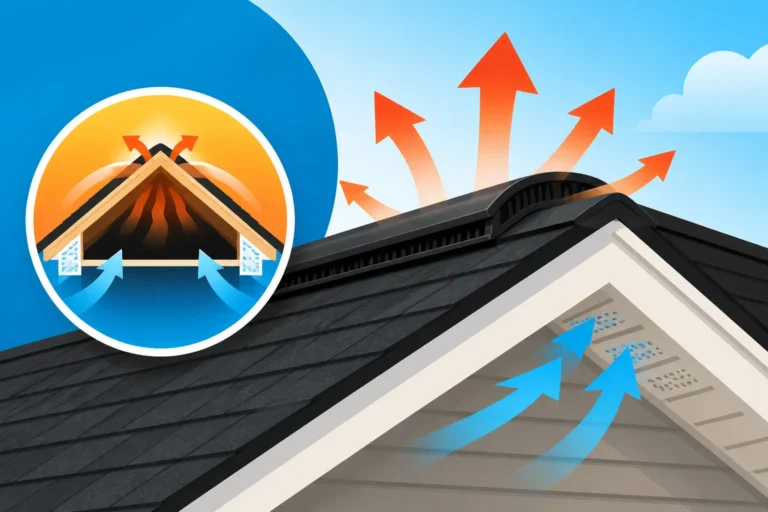
Roof ventilation codes explain attic airflow requirements, the one-third-hundred rule, and balanced intake and exhaust vent placements.
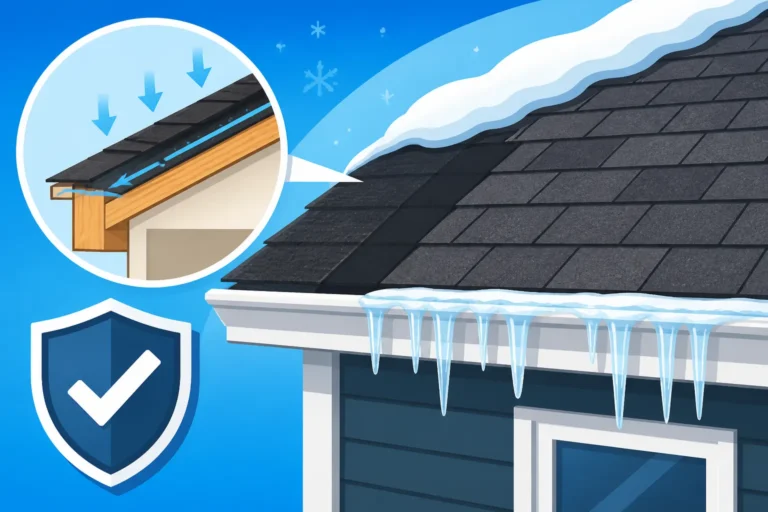
Ice barrier code requirements detail regional rules, minimum eave coverage, and approved materials to prevent winter roof water damage.
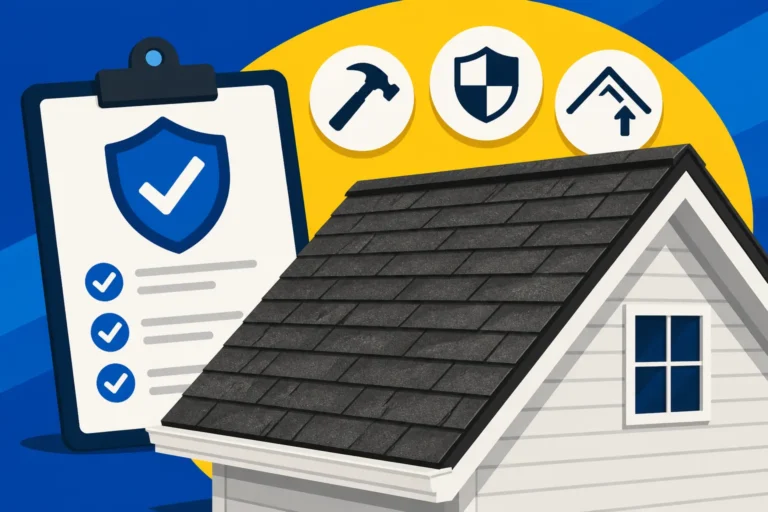
Roofing building codes for asphalt shingles dictate minimum standards for underlayment, ventilation, fasteners, and flashing.
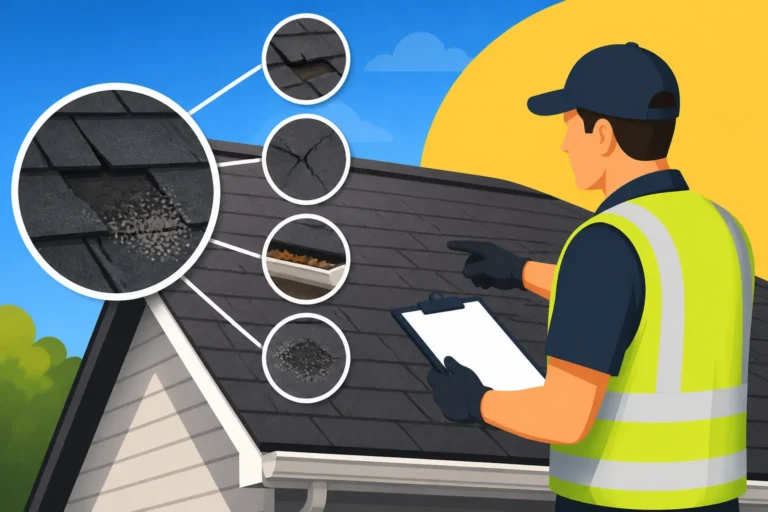
Professional roof inspectors check shingle condition, flashing, decking, drainage systems, and attic ventilation to identify damage.
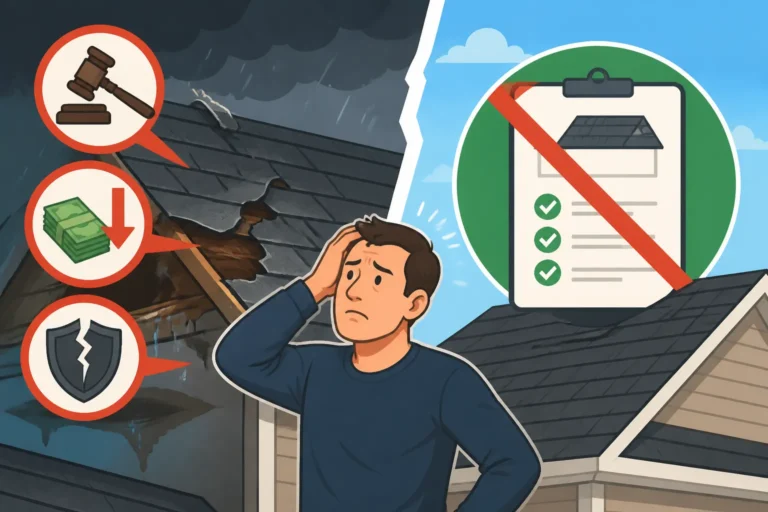
Skipping a roofing permit leads to stop-work orders, costly municipal fines, insurance claim denials, and mandatory tear-downs.
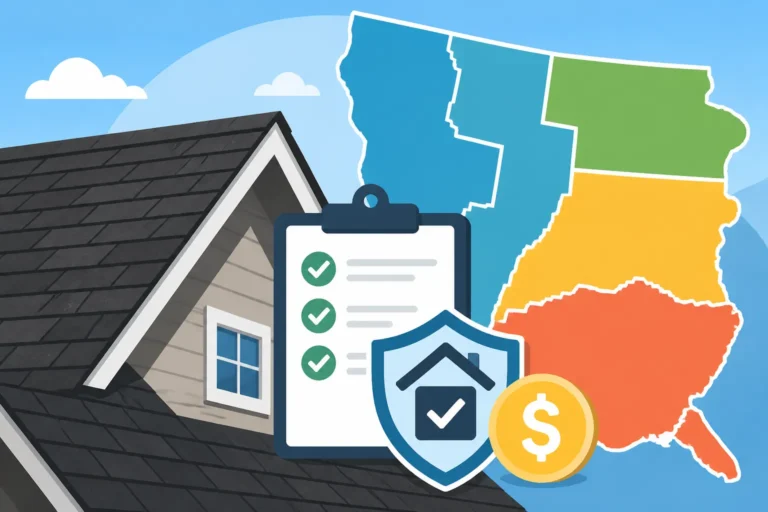
Roofing permit fees vary by location and project scope, and local building departments enforce safety codes and project inspections.

Roofing permit responsibilities usually fall on the contractor, but certain situations require homeowners to obtain them directly.
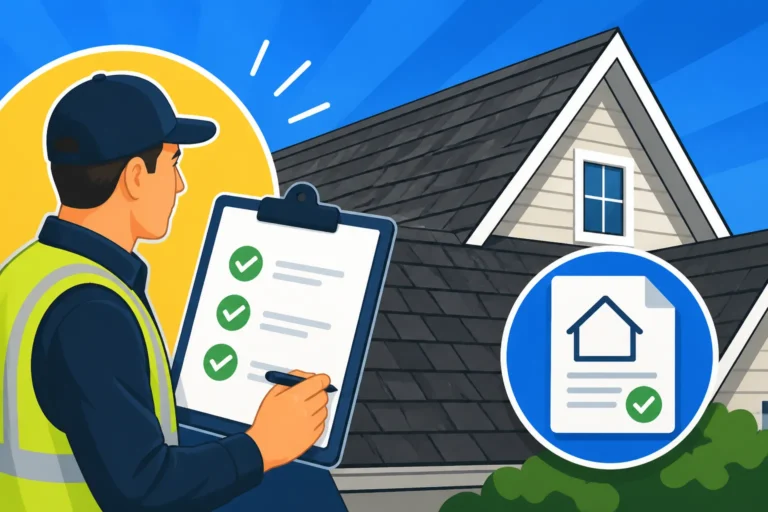
Roofing permit requirements explain safety standards, local building codes, and inspections needed for full replacements and repairs.

Roofing permits protect homeowners through building code compliance during full replacements, overlays, and structural alterations.