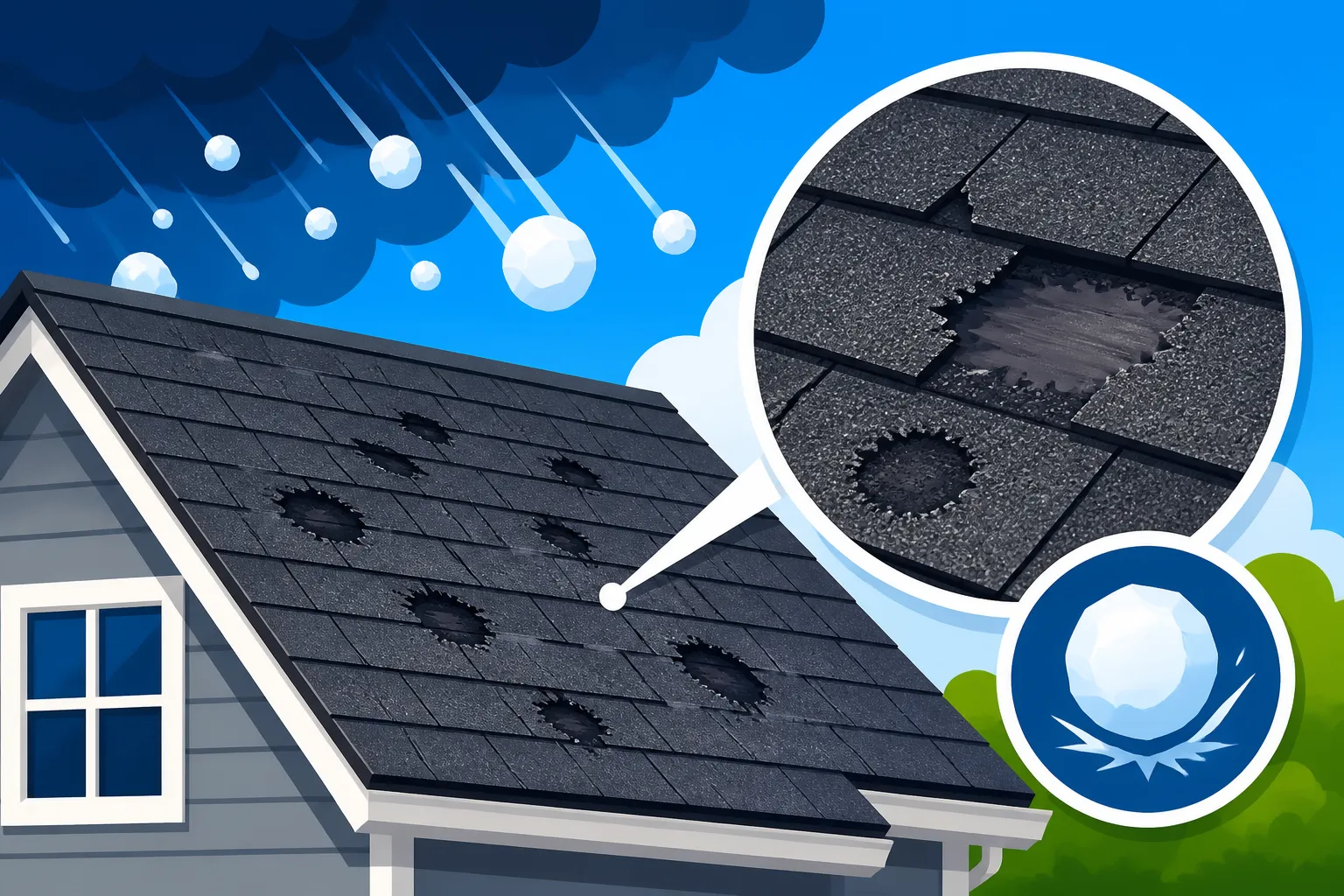
Signs of Roof Hail Damage
There's nothing quite like the stomach-dropping feeling of a severe hailstorm rolling through your neighborhood, leaving behind a trail of uncertainty and potential damage to your most important asset – your home's roof. You might step outside afterward, see no gaping holes, and breathe a sigh of relief, but often, the most destructive hail damage isn't immediately obvious. This comprehensive guide will walk you through the subtle and overt signs of hail damage on your asphalt roof, helping you understand what to look for and what steps to take next.
Understanding Hail and Its Impact on Roofs
Hail isn't just frozen rain; it's a destructive force that can vary wildly in size, shape, and density. Even small hailstones, when propelled by high winds, can cause significant damage. The immediate aftermath of a hailstorm can leave homeowners feeling anxious, wondering if their roof, which often looks fine from the ground, has actually sustained hidden trauma. This section will delve into why hail is such a menace to roofing and how it compromises your entire roof system.
What Makes Hail So Destructive
The destructive potential of hail comes down to a few key factors: its size, density, shape, and the speed at which it impacts your roof. Think of it like this: a tiny pea-sized hailstone might just bounce off, but a golf ball-sized chunk of ice, especially if it's jagged and falling at high velocity, hits your shingles with incredible force. This force doesn't just chip paint; it can effectively "bruise" or "dent" the asphalt shingle, breaking the matting beneath the protective granules.
Hailstones are formed in strong thunderstorms, where updrafts carry raindrops into extremely cold areas of the atmosphere, freezing them. As they fall, they can collect more supercooled water, growing larger and larger until they're too heavy for the updraft to support. The bigger and denser the hail, the more kinetic energy it carries, leading to more severe impact damage. This is why even a relatively new roof, designed to withstand normal weather, can be significantly compromised by a sudden, intense hailstorm. The impact isn't just cosmetic; it's structural to the shingle itself.
How Hail Affects Different Parts of Your Roof System
It's easy to focus solely on the shingles, but a hailstorm can wreak havoc on the entire roofing system, from the very top to the edges. When hail strikes, it transfers energy, and that energy can weaken much more than just the visible surface.
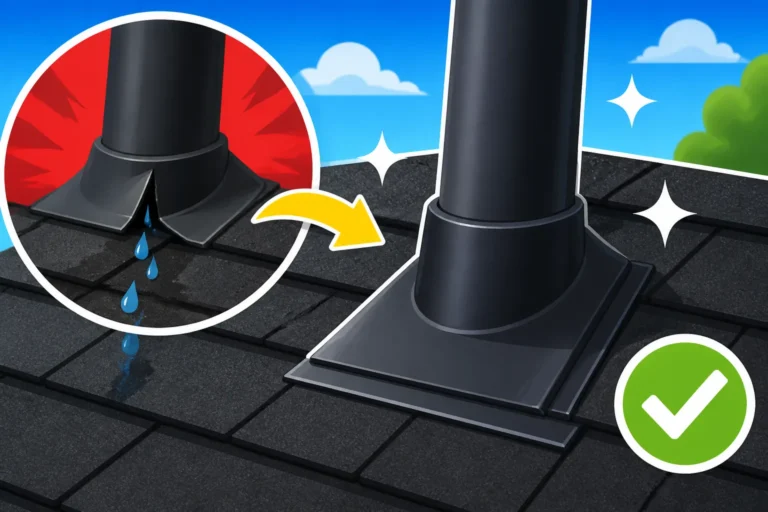
First and foremost, asphalt shingles take a direct hit. The impact can dislodge protective granules, expose the underlying asphalt, and even fracture the fiberglass matting. This exposure accelerates the aging process of the shingle and makes it vulnerable to UV rays and water infiltration. But it doesn't stop there. The flashing around chimneys, skylights, and vents, often made of metal, can be dented, bent, or even torn, compromising its watertight seal. Similarly, your gutters and downspouts are exposed, and dents or cracks in these components can hinder proper drainage, leading to water accumulation and potential foundation issues. Even the vents themselves, whether they're plastic or metal, can crack, allowing water to enter your attic. Understanding that hail is a system-wide threat, not just a shingle issue, is crucial for a thorough inspection. For a full rundown of how a roof replacement works, it helps to understand all the components involved.
Visual Signs of Hail Damage on Asphalt Shingles
When you're trying to assess potential hail damage, starting with the shingles is always the first step. However, it's not always as simple as seeing a gaping hole. Many signs are subtle, requiring a careful eye and often a ladder – which, for safety reasons, is best left to professionals. Still, knowing what to look for can help you decide if it's time to call in the experts.
Granule Loss and "Bruising"
This is perhaps the most common, yet often overlooked, sign of hail damage on asphalt shingles. When a hailstone impacts a shingle, it can dislodge the ceramic granules that protect the asphalt layer from UV radiation and shed water. This often leaves behind circular or irregularly shaped dark spots, usually dime-to-quarter sized, where the asphalt is exposed. These aren't just cosmetic blemishes; exposed asphalt degrades much faster under sunlight, dramatically shortening the shingle's lifespan and inviting leaks.
Beyond the visible granule loss, the impact can also cause what roofers call "bruising." This means the hailstone has compressed or fractured the fiberglass matting underneath the granules and asphalt layer. You might not see an immediate hole, but if you gently press on the affected area (again, this is best done by a professional for safety and accuracy), it might feel softer or spongy compared to the surrounding shingle. These bruised areas are weak points, susceptible to cracking and tearing, especially during subsequent freeze-thaw cycles or high winds. It's a bit like getting a bruise on your arm – it may not break the skin, but the underlying tissue is damaged.
Cracking and Punctures
While less common with smaller hail, larger, denser hailstones can definitely cause more severe visible damage like cracking and even outright punctures. These are the signs that immediately scream "trouble." Cracks often appear as crescent-shaped or starburst patterns around the point of impact. They indicate that the shingle has been fractured all the way through, compromising its integrity and creating a direct path for water to enter.
Punctures are even more critical. If a hailstone is particularly sharp or large, it can penetrate the shingle entirely, leaving a noticeable hole. This is an open invitation for water to enter your home, leading to leaks in your attic or ceilings. These types of damage are usually quite visible from the ground, though they might be harder to spot if the roof is very steep or has multiple levels. Any visible cracking or holes immediately signals the need for professional inspection and likely repair. If you're wondering when to repair a roof leak versus replace the roof entirely, this type of damage usually leans heavily towards needing immediate professional attention.
Missing Shingles and Exposed Underlayment
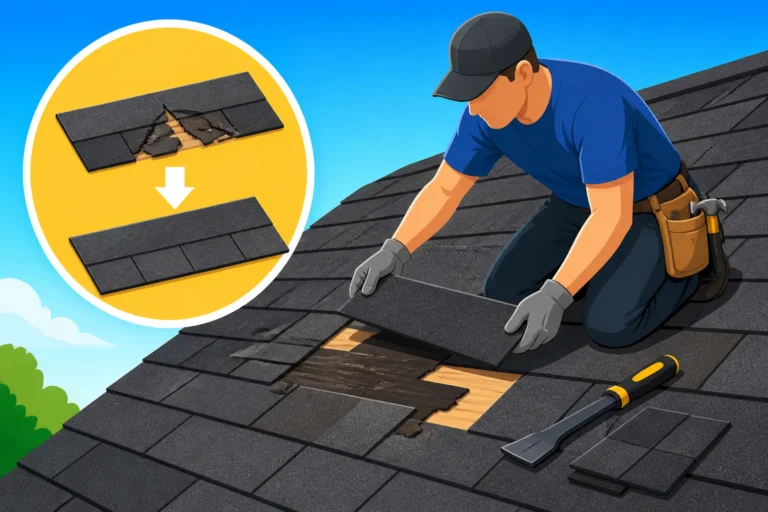
While hail usually impacts the surface, a severe hailstorm, especially one accompanied by high winds, can contribute to missing shingles. The force of the hail striking already weakened or older shingles, combined with powerful gusts, can lift and tear them away. This leaves the underlying roof components, such as the underlayment or even the roof decking, completely exposed to the elements.
When shingles are missing, you'll see large sections of felt or synthetic underlayment, or even bare wood, visible on your roof. This is a critical situation, as the underlayment, while a secondary barrier, is not designed for prolonged exposure to direct sunlight and precipitation. It will degrade quickly, and the roof decking itself will become saturated, leading to rot, mold, and interior leaks. If you observe large areas where shingles are simply gone, it's an undeniable sign of significant storm damage. This kind of damage often prompts homeowners to consider a full roof replacement. For a more detailed look at the health of your roof, consult a comprehensive Roof Damage Assessment: A Homeowner's Guide.
Less Obvious and Secondary Indicators of Hail Damage
It's not just the shingles that tell the story of a severe hailstorm. Often, the true extent of damage becomes apparent by looking at collateral signs on other parts of your property, or even by what's happening inside your home. These secondary indicators are crucial for building a complete picture of the hail's impact.
Damage to Other Exterior Elements
Hail doesn't discriminate; if it hit your roof, it likely impacted other exposed surfaces around your home. Inspecting these areas can provide strong evidence of hail activity, even if direct roof damage isn't immediately obvious from the ground. Look at your gutters and downspouts: are there dents, dings, or even small holes? Aluminum gutters are particularly susceptible to showing these signs. Examine your window screens for tears or punctures. Your siding, especially vinyl or aluminum, might show impact marks. Even your outdoor light fixtures, air conditioner fins, mailboxes, and deck staining can exhibit signs of hail impact.
Consider a house in suburban Dallas after a spring storm. The homeowner, unsure if their roof was damaged, noticed multiple small, circular dents on their metal downspouts and a few torn window screens. While their roof initially looked fine, these auxiliary clues pointed to a severe hailstorm, prompting a professional roof inspection that revealed significant, non-visible shingle bruising. These seemingly minor damages can act as powerful corroborating evidence when you're making an insurance claim or trying to decide if you need a professional roofer to inspect the house. Reputable companies found through platforms like Modernize can help connect you with contractors experienced in identifying this full scope of damage.
Attic and Interior Signs of Leaks
While often a delayed symptom, interior leaks or signs in your attic are definite red flags that point to significant roof damage, which could very well be from hail. Remember, hail damage often doesn't cause immediate leaks. It weakens the shingles, creates micro-cracks, or compromises flashing, and then rain or melting snow exploits those vulnerabilities over time.
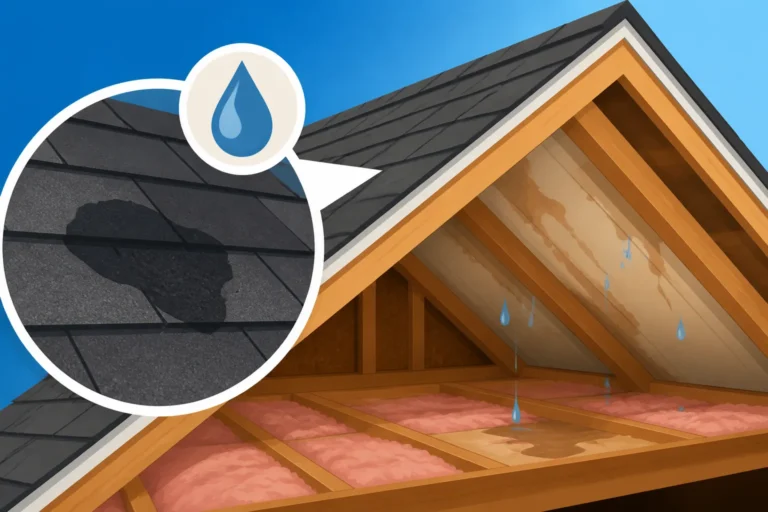
After a hailstorm, keep an eye out for water spots or discoloration on your ceilings, especially in rooms directly below the roof. In the attic, look for water stains on the underside of the roof decking, insulation, or rafters. You might also notice a musty smell, which could indicate mold growth from prolonged moisture exposure. These signs can sometimes appear weeks or even months after the actual hailstorm, as it takes time for water to seep through the damaged layers. If you notice any of these interior signs, it means your roof's protective barrier has been breached, and immediate action is needed to prevent further structural damage and potential health hazards. Understanding the Signs You Need a New Roof becomes critical when leaks become apparent.
Differentiating Hail Damage from Other Roof Issues
This is where things can get tricky. Many types of roof wear and tear can mimic hail damage, making it difficult for the untrained eye to accurately diagnose the problem. An insurance adjuster or a professional roofer will be adept at telling the difference, but it helps for homeowners to understand the distinctions.
Hail vs. Wind Damage
While often occurring together, hail damage and wind damage have distinct characteristics. Wind damage typically manifests as lifted, creased, or missing shingles, particularly along the eaves, rake edges, and ridges – areas most exposed to uplift forces. You'll often see distinct lines of missing shingles or "flipping" where the wind has bent them backward. The damage tends to be directional, indicating the path of the strong winds.
Hail damage, on the other hand, is usually more randomized and impacts all slopes of the roof to some degree, though the severity may vary depending on the angle of impact and wind direction during the storm. The key difference lies in the type of mark. Wind creates tears, rips, and creases. Hail creates impact marks: circular dents, bruises, and focused granule loss. For example, if you see a section of shingles peeled back and torn from the adhesive strip, that's classic wind damage. If you see a scattering of pockmarks with missing granules across multiple shingles, that's a strong indicator of hail. If your roof has suffered from a particularly aggressive storm, it's worth reviewing how to identify Signs of Roof Wind Damage in addition to hail.
Hail vs. Normal Wear and Tear
Many common signs of an aging roof can be mistaken for hail damage. Granule loss, for instance, happens naturally over time as shingles are exposed to UV rays and weather cycles. However, normal granule loss is typically widespread and uniform, leading to a generally faded appearance across the entire roof surface. Hail-induced granule loss, conversely, presents as localized, distinct spots or patterns of impact.
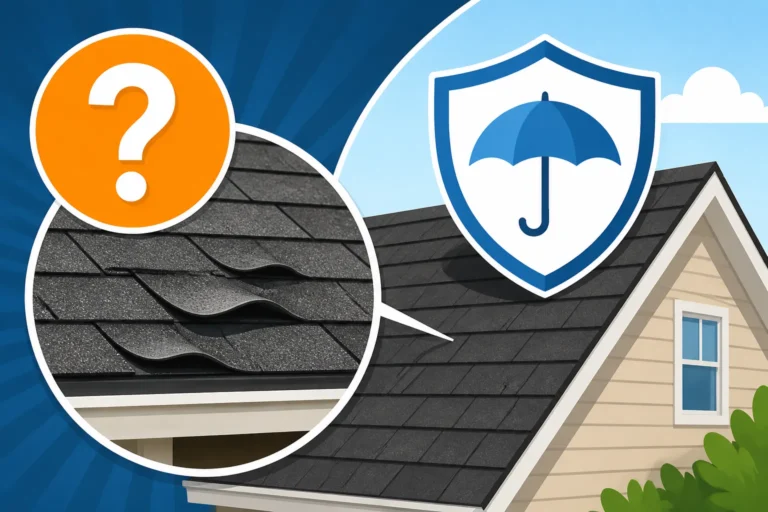
Similarly, blistering, cracking, and curling can all be signs of an old roof. Blistering occurs when moisture or trapped gases expand under the shingle surface, creating small bubbles that eventually burst, exposing the asphalt. Cracking from age often appears as random, thin lines, particularly as shingles dry out and become brittle. Curling shingles are a clear sign of an aging roof, where the shingle edges lift and become brittle, often due to UV exposure. Hail damage, by contrast, results in more defined, impact-specific cracks, punctures, or bruising.
Consider a homeowner in Phoenix who observes some granule loss and faded shingles. This is usually typical for a roof enduring years of intense sun. If, however, after a sudden desert hailstorm, they notice concentrated, dark, quarter-sized spots of granule loss clustered on certain slopes, that's specific hail impact, not general aging. Knowing the difference is critical, especially when discussing potential repairs or replacement options with a contractor or insurance provider.
What to Do When You Suspect Hail Damage
Discovering potential hail damage can be overwhelming, but having a clear plan of action can make the process much smoother. The first steps you take are critical for your safety and for ensuring a successful insurance claim, should one be necessary.
Safety First and Initial Documentation
Your personal safety should always be the top priority. After a hailstorm, resist the urge to immediately climb onto your roof, especially if you're not experienced. Roofs can be slippery, unstable, and walking on them can exacerbate existing damage or even create new problems. Instead, conduct your initial inspection from the ground with binoculars. Look for the obvious signs on the shingles, gutters, and other ground-level elements we discussed earlier.
Once you've done a safe ground-level assessment, the next crucial step is documentation. Grab your phone or camera and take plenty of photos and videos. Get wide shots of your house and roof, then zoom in on any areas where you suspect damage. Don't forget to capture damage to other exterior components like gutters, siding, and even outdoor furniture. Timestamp your photos if possible. This visual evidence is invaluable when you communicate with your insurance company and a roofing contractor. It provides a clear record of the damage as it appeared shortly after the storm. Remember, the goal here isn't to diagnose every single problem yourself, but to gather enough evidence to warrant a professional assessment. Understanding How to Document Roof Damage for Insurance is a critical skill in this process.
Contacting Your Insurance Company and a Qualified Roofer
As soon as you suspect hail damage and have completed your initial documentation, your next call should be to your homeowners insurance provider. Inform them about the recent hailstorm and your concerns about potential roof damage. They will guide you through their claims process and likely schedule an adjuster to inspect your property. Be prepared to share your photos and notes.
Simultaneously, it's a wise move to contact a reputable, local roofing contractor for their assessment. A professional roofer can often provide a more detailed and experienced evaluation of the damage than an insurance adjuster, who may not be a roofing expert. Look for contractors who are licensed and insured in your area. For example, if you're in Florida, you'd want to confirm they meet Florida's specific licensing requirements. You can use platforms like Modernize to find vetted local professionals. A contractor can identify not only the extent of the damage but also provide an estimate for repairs or replacement. This estimate can be incredibly helpful when you're negotiating with your insurance company. Remember, you want an advocate who understands both roofing and the claims process. Many homeowners find peace of mind by getting multiple estimates, as outlined in our guide on How to Get Roofing Quotes and Compare Them.
The Importance of Professional Hail Damage Assessment
While homeowners can perform a preliminary check, a professional assessment is non-negotiable when dealing with potential hail damage. The nuances of hail impact, the hidden damage, and the complexities of insurance claims all demand expert intervention.
Why DIY Inspections Fall Short
Let's be honest, most of us aren't trained roofing experts. A DIY inspection, while useful for initial identification, has significant limitations. Firstly, there's the safety aspect. Climbing on a potentially damaged or wet roof is dangerous and best left to professionals with proper safety gear. Secondly, identifying subtle hail damage is incredibly difficult. Those "bruises" or fractured mats under the granules require a trained eye and tactile inspection, often feeling for soft spots on the shingle. What might look like normal wear and tear to you could be a compromised shingle to a professional.
Furthermore, a homeowner's assessment lacks the authority and detail required by insurance companies. An insurance adjuster will look for specific evidence, and a detailed report from a qualified contractor often carries more weight. Without a professional inspection, you might miss significant damage that leads to future leaks, structural issues, and ultimately, a much more expensive problem down the line. It's truly a scenario where you don't know what you don't know, and ignoring expert advice could be costly.
Getting a Certified Assessment and Report
When you hire a professional roofing contractor for a hail damage assessment, you're not just getting an opinion; you're getting an expert evaluation backed by experience and often, certifications. A good contractor will perform a thorough, multi-point inspection, meticulously examining every slope of your roof, the flashing, gutters, vents, and any other vulnerable components. They will document their findings with photos and a detailed written report.
Many reputable contractors, often those certified by major manufacturers like GAF, Owens Corning, or CertainTeed, are highly skilled in distinguishing hail damage from other forms of wear. They can provide a comprehensive estimate that details all necessary repairs or the cost of a full roof replacement, including materials and labor. This professional report is invaluable for your insurance claim, providing concrete evidence of damage and a roadmap for restoration. Don't underestimate the power of a professional assessment; it's your best defense against future problems and your strongest tool when navigating the complexities of Roof Replacement and Insurance Claims. You can even ask about specific certifications, like becoming a GAF Master Elite Contractor, which indicates a high level of training and expertise.
Here's a table to help differentiate between common roof issues you might spot after a storm:
| Type of Damage | Common Appearance on Shingles | Typical Location | Key Distinguishing Factor | Recommended Action |
|---|---|---|---|---|
| Hail Damage | Circular or irregular dark spots (granule loss), bruising/soft spots, starburst cracks, small punctures. | Often scattered across multiple roof slopes. | Distinct impact marks, often circular, with underlying matting damage. | Professional inspection, contact insurance. |
| Wind Damage | Lifted, creased, torn, or missing shingles. | Eaves, rake edges, ridge lines, or specific slopes. | Directional tearing, creasing, or shingle removal, exposing adhesive. | Professional inspection, temporary repair, contact insurance. |
| Normal Wear & Tear | Widespread, uniform granule loss; faded color; general curling, blistering, or random cracking. | All over the roof, more severe on sun-exposed slopes. | Gradual, widespread degradation over many years, not sudden impacts. | Routine maintenance, plan for future replacement. |
| Tree/Debris Damage | Scratches, gouges, deep cuts, punctures, broken shingles in specific areas. | Localized where branches fell or rubbed. | Linear marks, deep abrasions, or concentrated punctures from external objects. | Immediate professional repair, inspect for structural damage. |
Dealing with the aftermath of a hailstorm can be incredibly stressful, but by understanding the signs of damage and knowing the right steps to take, you can protect your home and ensure its longevity. Don't let hidden damage compromise your peace of mind or your investment. Be proactive, be informed, and always prioritize safety by calling a qualified professional.
Disclaimer
This article is intended for informational purposes only and does not constitute professional advice. Always consult with a qualified, licensed roofing contractor and your insurance provider for specific guidance regarding your individual situation and potential roof damage. Roofing work can be dangerous, and inspections should be performed by trained professionals.