3-Tab vs Architectural Shingle Cost Compared
Choosing a new roof can feel like navigating a maze, especially when you're faced with what seem like endless options and confusing price tags. Many homeowners find themselves scratching their heads, wondering if the cheaper option is truly a bargain or a hidden headache waiting to happen, or if the more expensive choice is actually worth the investment. It’s a common frustration, and one that often boils down to understanding the real differences, not just the upfront cost, between popular choices like 3-tab and architectural asphalt shingles. This comprehensive guide will help demystify the cost comparison, diving deep into what drives the price for each type, and helping you make an informed decision for your home and budget.
Understanding Asphalt Shingles: The Basics
Before we can even begin to talk about costs, it's crucial to understand what exactly we're comparing. Asphalt shingles are by far the most popular roofing material in North America, largely due to their affordability, versatility, and relative ease of installation. But within the broad category of asphalt shingles, there are distinct types, and 3-tab and architectural shingles stand out as the two most common. They might look similar from a distance, but their construction, appearance, performance, and yes, their price tags, are quite different.
What are 3-Tab Shingles?
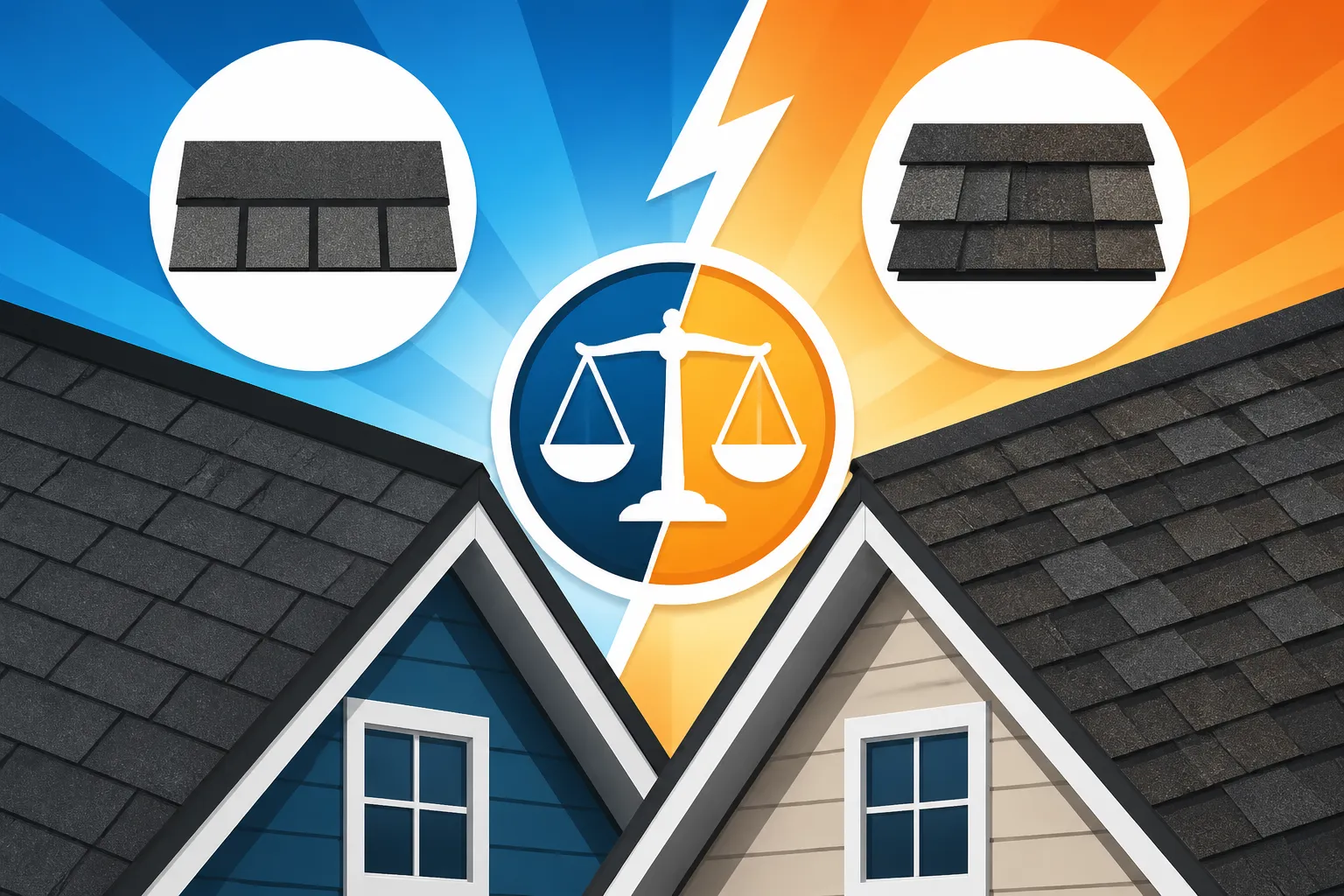
Let's start with the classic: 3-tab shingles. If you grew up in a house built before the turn of the millennium, chances are good you lived under a 3-tab roof. These shingles get their name from their design: they are single-layer shingles with cutouts or "tabs" that create the illusion of three separate pieces on each strip. They are flat, uniform, and generally provide a very clean, linear look on a roof.
Think of them as the foundational, no-frills option in the asphalt shingle world. They consist of a fiberglass mat base, coated with asphalt and topped with ceramic granules for protection against UV rays, fire, and impact. Their simplicity is a big part of their appeal. Because they are lighter and thinner than their architectural counterparts, they are often easier to manufacture and transport. This straightforward construction contributes directly to their lower material cost and, frequently, a lower installation price. However, this simplicity also means they typically offer less protection against harsh weather and have a shorter lifespan. Homeowners often choose 3-tab shingles for their budget-friendliness or when replacing an existing 3-tab roof on a starter home or a rental property where ultimate curb appeal isn't the primary driver. You might pay less upfront, but it's important to weigh that against their generally shorter warranty periods and less robust performance, especially in areas prone to high winds or severe storms.
What are Architectural Shingles?
On the other side of the spectrum, we have architectural shingles, often referred to as laminated or dimensional shingles. These are the current darlings of the roofing industry, and for good reason. Unlike the flat, single-layer 3-tabs, architectural shingles are multi-layered, creating a thicker, more robust roofing material. They are manufactured with irregular, staggered patterns that produce a rich, textured, and often three-dimensional appearance, mimicking the look of natural wood shakes or slate without the associated high cost or intensive maintenance.
The multi-layered construction isn't just for show; it's a key factor in their superior performance. These layers are fused together with asphalt, providing a much heavier and more durable product. This added thickness and weight contribute significantly to their enhanced wind resistance and impact resistance, making them a much more resilient option against severe weather conditions. When you look at an architectural shingle roof, you immediately notice the depth and shadow lines that add character and curb appeal to a home. Brands like GAF Timberline HDZ and Owens Corning Duration are popular examples of architectural shingles, known for their visual appeal and performance. Their increased durability and aesthetic appeal translate into a higher material cost compared to 3-tab shingles, but they often come with longer warranties and can even increase your home's resale value. For many homeowners, the blend of enhanced performance, extended lifespan, and superior aesthetics makes the slightly higher upfront investment more than worthwhile in the long run.
The Core Difference in Cost: Materials & Manufacturing
When you're trying to understand why one shingle costs more than another, it really boils down to what they're made of and how they're put together. It's not just about a fancy name; there are tangible differences in the components and the processes that dictate the final price tag. This is where the core cost distinction between 3-tab and architectural shingles truly lies.
How Material Composition Impacts Price
The fundamental building blocks of asphalt shingles are largely similar: a fiberglass mat, an asphalt coating, and ceramic granules. However, the amount and arrangement of these materials vary significantly between 3-tab and architectural shingles, leading directly to price disparities.
3-tab shingles are essentially a single layer of these basic components. They use a thinner fiberglass mat, less asphalt, and a relatively uniform layer of granules. This streamlined construction makes them lighter per square (a roofing square is 100 square feet) and consumes fewer raw materials during production. For example, a square of 3-tab shingles might weigh around 200-220 pounds. This lighter weight reduces manufacturing costs, shipping costs, and even the labor involved in handling them on a job site. It's the most basic, functional assembly designed to provide essential weather protection.
Architectural shingles, on the other hand, are built with multiple layers of the fiberglass mat that are bonded together. This laminated construction means they use considerably more fiberglass, more asphalt to fuse these layers, and often a denser application of granules, especially in high-wear areas or for specialized features like algae resistance. These multiple layers give them their distinctive "dimensional" look and significantly increase their weight. A square of architectural shingles can weigh anywhere from 240 to 450 pounds, or even more for premium lines like CertainTeed Presidential Shake. This increase in material volume and density directly drives up the manufacturing cost. More raw materials mean higher production expenses. The added heft also sometimes requires more robust packaging and can increase shipping costs due to the heavier load. All these factors contribute to a higher cost per square for the materials themselves. When you're comparing asphalt roof replacement costs, you'll see this material difference reflected directly in the estimate.
Manufacturing Process & Complexity
The difference in material composition naturally leads to variations in the manufacturing process, further influencing the cost. The simpler design of 3-tab shingles translates into a more straightforward and efficient manufacturing process. They are essentially cut from a continuous roll of material, with uniform tabs punched out. This process is highly automated and requires fewer steps, allowing manufacturers to produce them in large volumes quickly and at a lower unit cost. There's less waste generated during production, and the machinery involved is often less complex, contributing to overall production efficiency.
Architectural shingles, by contrast, involve a more intricate and labor-intensive manufacturing process. The multiple layers need to be carefully aligned and fused together, often with specialized cuts and adhesive applications to create the distinctive patterns and textures. This lamination process is more complex, slower, and requires more precise equipment. Some architectural shingles even incorporate additional features like reinforced nailing zones or specialized granule blends for enhanced performance, adding further steps and complexity to the production line. For instance, the intricate designs that mimic wood shakes or slate require advanced cutting technology and more rigorous quality control to ensure consistency in appearance. This increased complexity, coupled with the higher material input, directly contributes to the higher manufacturing cost per square for architectural shingles. The investment in technology and the longer production cycle per unit mean that architectural shingles inherently have a higher price point coming out of the factory. This is one of the key reasons you'll see a noticeable difference in the cost of roof tear-off and disposal for these heavier shingles.
Breaking Down the Installation Cost Factors
It's easy to focus solely on the material cost, but a new roof is more than just shingles. The labor involved, the complexity of the installation, and the other components that make up a complete roofing system all play a significant role in the final bill. While the material itself is a major factor, the installation process also sees variations depending on whether you're using 3-tab or architectural shingles.
Labor Differences Between Shingle Types
You might assume that laying shingles is just laying shingles, regardless of the type, but there are subtle yet impactful differences in labor requirements that affect the overall cost.
For 3-tab shingles, their lighter weight and uniform size generally make them quicker and easier to install. A roofing crew can often lay them faster because they are less cumbersome to handle and align. The single-layer construction means there's less fussing with alignment and layering compared to architectural shingles. This can translate to fewer labor hours for the project. For example, a standard 2,000 sq ft roof might take a crew slightly less time to install 3-tab shingles than architectural ones, assuming all other factors (roof pitch, complexity, etc.) are equal. Less time on the roof means lower labor costs. This is often where homeowners looking for the most budget-friendly option find a significant advantage with 3-tab shingles. If you're comparing roofing material cost vs labor cost, the proportion of labor might be slightly lower for 3-tabs.
Architectural shingles, being thicker and heavier, can demand a bit more from the roofing crew. They are more challenging to lift, carry, and maneuver on the roof, especially on steeper pitches. The multi-layered design also requires more careful alignment to achieve the desired dimensional effect and ensure proper interlocking for maximum wind resistance. While experienced roofers are highly efficient with architectural shingles, the inherent characteristics of the material mean that the installation can be slightly more time-consuming. This can result in a higher labor cost for architectural shingles compared to 3-tabs, simply because the job requires a bit more effort and precision. Reputable contractors, when providing estimates, will factor in these nuances. However, some might argue the difference in labor time is negligible for skilled crews, focusing more on the material premium. Regardless, the physical demands and precision required can sometimes justify a slightly higher labor rate or estimated hours for architectural shingle installation.
Accessory and System Component Costs
A roof replacement isn't just about the shingles; it's a complete system involving various accessories and underlayments that protect your home. These components also factor into the overall cost, and while they might seem independent of shingle type, there can be subtle cost variations.
For instance, both types of shingles require underlayment (synthetic or felt), starter strips, ridge caps, and flashing. However, given the longer lifespan and enhanced performance of architectural shingles, many homeowners opt for higher-grade, more durable accessories to match their investment. You might choose a premium synthetic underlayment over traditional felt underlayment, or invest in specialized ridge cap shingles designed to complement the architectural shingles' aesthetics and performance. These upgraded components naturally add to the total cost. If you're installing 3-tab shingles, you might be more inclined to choose standard, more basic accessories to keep the overall project budget-friendly.
Furthermore, the manufacturer's warranty often plays a role here. Many top manufacturers, such as GAF, Owens Corning, and CertainTeed, offer enhanced system warranties (like GAF's Golden Pledge or Owens Corning's Platinum Protection) that require the use of their proprietary accessory components – not just their shingles. For example, to get a top-tier warranty on your GAF Timberline HDZ roof, you'll need to use GAF starter strips, GAF Leak Barrier (ice and water shield), GAF Cobra attic ventilation, and GAF TimberTex ridge cap shingles. These specialized, manufacturer-branded accessories often cost more than generic alternatives. Since architectural shingles are more commonly chosen for their long-term value and come with longer, more comprehensive warranties, homeowners are often encouraged (or required for warranty purposes) to invest in these higher-cost system components. This means that while the core accessories are needed for both shingle types, the quality and brand of those accessories chosen for an architectural roof can significantly increase the total project cost. For a deeper understanding of these complete systems, you might want to read about a full roofing system explained.
Real-World Cost Comparison: 3-Tab vs Architectural
Now for the part you've probably been waiting for: the actual numbers. While precise costs can fluctuate wildly based on your location, the specific contractor, and the exact shingle line you choose, we can provide some general ranges to help you understand the financial difference between 3-tab and architectural shingles. It's not just about the upfront price; it’s about what that money gets you in terms of longevity and home value.
Average Cost Per Square Installed
When we talk about roofing costs, it's typically broken down by the "square," which is a roofing term for 100 square feet. So, if your roof is 2,000 square feet, that's 20 squares.
For 3-tab asphalt shingles, you can generally expect to pay somewhere in the range of $250 to $400 per square installed. This includes the materials, labor, underlayment, flashing, and disposal of old shingles for a straightforward replacement. So, for a 20-square (2,000 sq ft) roof, you might be looking at a total cost between $5,000 and $8,000. These are often the most economical choice when budget is the absolute top priority. You might see the cost to replace a roof on a 1,500 sq ft house or a 1,000 sq ft roof fall into the lower end of the total cost spectrum when using 3-tab.
For architectural asphalt shingles, the price jumps up, reflecting their enhanced materials, manufacturing complexity, and superior performance. You're typically looking at $350 to $600 per square installed, and even higher for premium or designer architectural lines. For that same 20-square (2,000 sq ft) roof, the total cost could range from $7,000 to $12,000 or more. The "Architectural Shingle Roof Cost" is undoubtedly higher, but many homeowners view it as a wise investment due to the benefits. Keep in mind these are averages, and local market conditions in places like Florida or California might push these numbers higher due to regional labor rates and specific building codes. It’s always best to get several detailed quotes from local professionals.
Here's a quick comparison table:
| Feature | 3-Tab Shingles (Installed) | Architectural Shingles (Installed) |
|---|---|---|
| Material Cost (per square) | Lower (e.g., $50-$80) | Higher (e.g., $70-$150) |
| Labor Cost (per square) | Moderate | Slightly Higher |
| Total Cost (per square) | $250 – $400 | $350 – $600+ |
| Total for 20-sq Roof | $5,000 – $8,000 | $7,000 – $12,000+ |
| Appearance | Flat, uniform, classic | Dimensional, textured, modern |
| Lifespan (typical) | 15-20 years | 25-30+ years |
| Warranty (typical) | 20-25 years | 30 years to Lifetime |
| Wind Resistance | Up to 60-70 mph | Up to 110-130 mph+ |
Note: These figures are general estimates. Actual costs will vary based on location, contractor, roof complexity, and specific shingle product chosen.
Long-Term Value and ROI
While the upfront cost comparison is crucial, it's equally important to consider the long-term value and return on investment (ROI) for each shingle type. A roof is a significant investment, and looking beyond the initial sticker price can reveal true savings or added value over time.
Architectural shingles, despite their higher initial cost, often provide superior long-term value. Their extended lifespan, typically 25-30 years or more (compared to 3-tab's 15-20 years), means you'll likely go longer without needing another roof replacement. This alone can result in significant savings over the decades. Furthermore, their enhanced durability and wind resistance (often rated for winds up to 130 mph or more, compared to 3-tab's 60-70 mph) can mean fewer repairs after storms, saving you money and headaches down the line. In some regions, especially those prone to severe weather, installing impact-resistant or Class 4 shingles (which are almost exclusively architectural) can even qualify you for insurance premium discounts, further boosting your long-term savings. You might want to explore if Class 4 shingles lower insurance premiums in your area.
Beyond functionality, architectural shingles dramatically enhance a home's curb appeal. The rich, textured look can make a house stand out and contribute positively to its resale value. Many real estate professionals agree that a new architectural shingle roof can offer a strong return on investment, as buyers often prioritize a well-maintained, aesthetically pleasing exterior. It’s considered a significant upgrade that signals quality and durability to potential buyers. For instance, a homeowner selling their house in suburban Dallas might find that a new GAF Timberline UHDZ roof not only provides excellent protection but also makes their home more attractive in a competitive market. In contrast, while 3-tab shingles are perfectly functional, they don't offer the same aesthetic boost or perceived value, and their shorter lifespan means the next homeowner might be facing a roof replacement sooner. Therefore, while the initial "How Much Does an Asphalt Shingle Roof Cost" question might favor 3-tab, the "Is an Asphalt Shingle Roof Worth the Money" question often leans towards architectural for long-term ROI.
Beyond the Sticker Price: Hidden Costs and Considerations
It's tempting to just look at the material price per square, but a smart homeowner knows that there are deeper considerations that influence the true cost of a roof over its lifetime. These "hidden" costs aren't always immediately apparent in a roofing estimate but play a crucial role in the overall value and expense of your investment.
Durability and Longevity Factors
The initial cost difference between 3-tab and architectural shingles is clear, but their varying durability and longevity significantly impact long-term expenses. This is where architectural shingles truly begin to earn their higher price tag.
3-tab shingles are generally thinner and lighter, making them more susceptible to wear and tear from the elements. Their lower wind ratings (typically 60-70 mph) mean they are more prone to blow-offs during moderate storms. When shingles start lifting or missing, it leads to costly repairs, and if enough damage occurs, it can trigger a premature roof replacement. The granules on 3-tab shingles, which protect the asphalt from UV degradation, can also shed more quickly, accelerating the aging process. A 3-tab roof might last 15-20 years, but its performance can decline noticeably in the latter half of its life, requiring more frequent inspections and potential repairs.
Architectural shingles, with their multi-layered, heavier construction, offer superior durability. Their higher wind resistance (often 110-130 mph or more) means they are much less likely to be damaged in strong winds, reducing the risk of expensive repairs or early replacement. Many architectural shingles also incorporate advanced technologies, such as improved adhesive seals and impact resistance (especially Class 4 options), which further bolster their ability to withstand hail and debris. This inherent robustness translates to a longer lifespan, typically 25-30 years, and often comes with a more comprehensive manufacturer warranty, sometimes even a limited lifetime warranty for the original homeowner. While the cost of an impact-resistant roof upgrade might seem high initially, it can pay off significantly in storm-prone regions by avoiding damage and potentially lowering insurance costs. This enhanced resilience means fewer unexpected repair bills and greater peace of mind over the decades, making the initial investment in architectural shingles a sensible long-term financial decision for many.
Aesthetics and Curb Appeal Impact
While not a "cost" in the traditional sense, the aesthetic impact and curb appeal of your chosen shingles have a real financial influence, especially when it comes to your home's value and marketability.
3-tab shingles offer a very traditional, flat, and uniform look. For some homes, particularly older, modest styles, this classic appearance might be appropriate. However, their singular design doesn't provide the depth or visual interest that many modern homeowners and homebuyers are looking for. In today's competitive real estate market, an outdated or visually uninteresting roof can detract from a home's overall appeal and potentially affect its appraisal value. If you're planning to sell your home in the next 5-10 years, a 3-tab roof, even if new, might not provide the curb appeal boost that architectural shingles would. It might simply be seen as "adequate" rather than a desirable feature.
Architectural shingles, on the other hand, are designed to create a dynamic, textured, and often high-end appearance that mimics the look of natural wood shakes or slate. This dimensional quality adds significant character and sophistication to a home's exterior, elevating its curb appeal dramatically. The variety of styles, colors, and shadow lines available in architectural shingles (from brands like Owens Corning or CertainTeed) allows homeowners to achieve a custom look that complements their home's architectural style. For instance, a Tudor-style home might benefit immensely from architectural shingles that mimic heavy shake, while a contemporary home might look best with a sleeker, modern dimensional shingle. This visual upgrade can translate into a higher perceived value for your home, attracting more potential buyers and potentially commanding a higher selling price. In essence, while 3-tab shingles cover your home, architectural shingles adorn it, making a substantial difference in its visual impact and long-term market value.
Factors That Drive Your Overall Roofing Project Cost
It's easy to get fixated on the shingle type, but your roof replacement project cost is a complex equation with many variables. Beyond the choice between 3-tab and architectural shingles, there are several significant factors that can swing the final price tag dramatically. Understanding these will help you interpret roofing estimates more accurately and budget effectively.
Roof Complexity and Pitch
The design and geometry of your roof play an enormous role in determining the labor and material costs, regardless of the shingle type you choose. A simple, low-pitch gable roof will almost always be less expensive to replace than a multi-faceted, steep-pitch roof with numerous dormers, valleys, and skylights.
Consider the roof's pitch, or its steepness. A low-slope roof (under 4/12 pitch) is safer and easier for roofers to walk on and work, requiring less specialized safety equipment and reducing labor time. As the pitch increases (e.g., 7/12, 10/12, or even steeper), the work becomes more challenging, slower, and riskier. Roofers need to take extra precautions, use ropes and harnesses, and often work at a slower pace to ensure safety and quality. This often results in a "steep roof cost premium," where labor costs can increase by 10-30% or more. Think about working on a simple ranch home versus a two-story Victorian with a sharp, pointed roof – the time and effort involved are vastly different.
Beyond pitch, roof complexity refers to the number of planes, valleys, hips, chimneys, skylights, and other penetrations. Each interruption adds complexity to the job. Valleys, where two roof planes meet, require careful flashing and shingle cutting to ensure watertight seals, which is more labor-intensive and uses more material. Dormers, chimneys, and skylights all require intricate flashing work. More complex roofs also generate more waste material from shingle cuts, adding to disposal costs. For instance, replacing a roof on a home with multiple valleys and dormers will take significantly longer and cost more than a straightforward rectangular roof, even if both houses are the same square footage. These structural elements necessitate skilled craftsmanship and additional time, directly impacting the overall "How Much Does an Asphalt Shingle Roof Cost" figure.
Regional Labor Rates and Supply Chain
Just like buying a house, roofing costs are heavily influenced by where you live. The economics of construction, local regulations, and material availability all contribute to significant regional variations in pricing across the country.
Regional labor rates are perhaps the biggest driver of cost differences. A skilled roofing crew in a high cost-of-living area like Boston or San Francisco will command higher wages than a similar crew in a rural area of Tennessee or Ohio. These labor costs are reflected directly in the contractor's bid. States with strong economic growth, high demand for construction, or stringent licensing requirements often have higher labor costs. For example, the asphalt roof replacement cost in California can be significantly higher than the asphalt roof replacement cost in Georgia, largely due to differences in labor expenses, insurance, and operating costs for businesses. When considering how much roofers charge per hour, you'll see a clear distinction based on your location.
The supply chain also plays a critical role. The cost of asphalt shingles and related materials can fluctuate based on commodity prices (like crude oil, a key component of asphalt), manufacturing capacity, and transportation costs. A manufacturer like GAF or Owens Corning might have distribution centers across the country, but the cost to transport materials to a remote job site, or areas facing supply shortages, can add to the final price. Recent years have seen significant fluctuations in material costs due to global supply chain disruptions, impacting roofing projects nationwide. Furthermore, local building codes can dictate the type of materials required. For example, hurricane-prone regions in Florida and Texas might require specific high-wind rated shingles and advanced nailing patterns, which could mean a slightly higher material or labor cost to meet compliance, even for standard architectural shingles. Consulting a local contractor, perhaps found through services like Modernize, will give you the most accurate picture of costs in your specific area, as they are intimately familiar with local pricing trends and regulations.
Making the Right Choice for Your Home
Deciding between 3-tab and architectural shingles isn't just a matter of checking boxes; it's a significant decision for your home, your wallet, and your peace of mind. There's no universal "best" choice; the ideal option depends entirely on your specific circumstances, priorities, and long-term vision for your property.
Budgeting for Your Shingle Selection
Before you even start looking at shingle samples, establishing a clear budget is paramount. This isn't just about how much you can spend right now, but also about understanding the long-term financial implications.
If your primary concern is the lowest upfront cost and you have a very tight budget, 3-tab shingles will undeniably be the more attractive option. They offer essential protection at an accessible price point, making them a suitable choice for starter homes, rental properties, or situations where you plan to sell the house in the very near future (e.g., 5 years) and just need a functional, inexpensive roof to get by. You'll definitely want to read our guide on how to budget for a new roof to explore all the financial angles. However, it's crucial to acknowledge the trade-offs: a shorter lifespan, less resistance to severe weather, and minimal impact on curb appeal compared to architectural shingles. While the initial "How Much Does an Asphalt Shingle Roof Cost" might be lower, be prepared for potential repair costs or an earlier replacement down the line.
If your budget allows for a bit more flexibility and you're looking for a better long-term investment in your home, architectural shingles are generally the way to go. Their higher initial cost is offset by a longer lifespan, superior durability against harsh weather, and a significant boost in curb appeal and potential resale value. For homeowners planning to stay in their homes for 10+ years, the added expense often translates into fewer maintenance headaches and a longer period before another costly replacement is needed. Think of it as investing in your home's longevity and aesthetics. When considering roof replacement payment plans, it might be worth exploring options that allow you to comfortably afford architectural shingles, given their long-term benefits. You might pay more initially, but you’re likely getting more value, better performance, and enhanced peace of mind over the decades.
Expert Advice and Getting Estimates
Once you have a general idea of your budget and priorities, the next critical step is to engage with roofing professionals. This isn't a DIY project for most, and the quality of installation is just as important as the quality of the materials.
Start by seeking out multiple estimates from reputable local roofing contractors. Don't settle for just one quote; aiming for at least three is a good practice. This allows you to compare not only the pricing but also the scope of work, warranty offerings, and the contractor's professionalism. When requesting quotes, be specific about whether you want pricing for 3-tab, architectural, or both, so you can make a direct comparison. A good estimate should break down the costs for materials, labor, tear-off and disposal, permits, and any other components like new flashing or ventilation upgrades. Our guide on how to read and compare roofing estimates can be incredibly helpful here.
Beyond just the numbers, critically evaluate the contractors themselves. Look for companies that are licensed and insured, have a strong local reputation, and can provide references. Ask about their experience with both 3-tab and architectural shingles, and inquire about the manufacturer certifications they hold (e.g., GAF Master Elite, Owens Corning Platinum Preferred). These certifications often indicate a higher level of training and allow them to offer enhanced manufacturer warranties that an uncertified installer cannot. A service like Modernize can help you connect with vetted local roofers who understand the nuances of both shingle types. Don't be afraid to ask questions about the installation process, the specific shingle lines they recommend, and what kind of warranty they offer on their workmanship. The cheapest bid isn't always the best; sometimes, paying a little more for an experienced, certified contractor can save you significant money and stress in the long run.
Maintenance and Warranty: Protecting Your Investment
A new roof, whether 3-tab or architectural, is a significant investment. Understanding how to maintain it and what your warranty actually covers is paramount to protecting that investment and maximizing its lifespan. Many homeowners overlook these crucial aspects until a problem arises, but being proactive can save you a lot of headache and expense down the road.
Ongoing Care for Each Shingle Type
While asphalt shingles are generally low maintenance, some basic care can significantly extend their life and ensure they perform optimally. The type of shingle can subtly influence the specific maintenance considerations.
For 3-tab shingles, due to their lighter weight and simpler construction, they can be more susceptible to wind uplift and granular loss over time. Regular visual inspections are key. After a significant storm, it’s a good idea to check for any missing or lifted tabs. If you spot any, addressing them quickly can prevent more extensive water damage. Because they have a shorter lifespan, paying attention to signs of aging, such as widespread curling, cracking, or excessive granule loss, becomes even more important as the roof approaches its 15-20 year mark. Keeping gutters clean is vital for both types, but especially for 3-tabs, as proper drainage prevents water from sitting on the roof and accelerating wear. Algae and moss growth can also be more noticeable on 3-tabs and, if left unchecked, can compromise the shingle surface. Gentle cleaning solutions can sometimes help, but always consult a professional to avoid damaging the shingles.
Architectural shingles, with their enhanced durability, typically require less frequent intervention for storm damage, though periodic checks are still wise. Their heavier, multi-layered design makes them more resistant to wind and hail. However, their textured surface can sometimes trap more debris like leaves or pine needles, which, if left to accumulate, can hold moisture and encourage moss growth. Therefore, keeping the roof clear of excessive debris is a good practice. While architectural shingles often come with algae-resistant granules, it’s not a 100% guarantee, so keep an eye out for dark streaks. Because they are designed for a longer lifespan (25-30+ years), understanding how proper ventilation extends roof life and ensuring your attic is well-ventilated is critical. Good ventilation helps regulate attic temperature and moisture, preventing premature aging of the shingles from the underside. Regardless of shingle type, annual inspections by a qualified professional can catch minor issues before they become major, costly repairs.
Understanding Manufacturer Warranties
Navigating roofing warranties can feel like deciphering a legal document, but it's incredibly important to understand what you're getting. There are typically two main types of warranties: the manufacturer's warranty on the materials and the contractor's warranty on the workmanship.
Manufacturer warranties for 3-tab shingles generally offer 20-25 years of coverage, often with a shorter non-prorated period (meaning the manufacturer covers 100% of the replacement cost) before it becomes prorated (meaning the payout decreases as the roof ages). These warranties typically cover defects in the shingle material itself, like premature granule loss or manufacturing flaws. However, they usually don't cover damage caused by improper installation, extreme weather beyond their wind rating, or lack of maintenance. It's crucial to read the fine print about what voids a shingle warranty.
For architectural shingles, manufacturer warranties are much more robust, often extending to 30 years or even "lifetime" (which typically means the lifespan of the original homeowner, or a defined period like 50 years, not literally forever). Many architectural shingles, especially when installed by a manufacturer-certified contractor using a complete roofing system, qualify for enhanced warranties that cover not only material defects but also a significant portion of labor and disposal costs for a longer non-prorated period. For example, GAF Timberline HDZ or Owens Corning Duration shingles, installed by their respective certified contractors, can come with powerful extended warranties that provide superior protection. These enhanced warranties often require the use of specific manufacturer-branded accessories (like starter strips, underlayment, and ridge caps) to be valid. You'll want to ask your contractor to explain their specific warranty offerings, how manufacturer certification affects installation, and ensure you receive all necessary documentation and registration information. A good warranty, combined with proper installation and maintenance, provides invaluable peace of mind and protection for your significant investment.
Disclaimer
Please remember that the information provided in this guide is intended for general informational purposes only and should not be considered professional advice. Roofing costs, material availability, building codes, and contractor rates vary significantly by location and market conditions. Always consult with multiple licensed and insured roofing professionals in your area for accurate estimates, tailored recommendations, and specific warranty details for your home.