How a Roofing Estimate Is Calculated
Trying to figure out how a roofing contractor comes up with that big, daunting number on your estimate can feel like deciphering a secret code. It's not just about the shingles; there's a whole intricate process behind the scenes. This guide is here to pull back the curtain and explain, in plain language, all the various elements that contribute to your asphalt roofing estimate, helping you understand exactly what you're paying for.
Understanding the Core Components of a Roofing Estimate
When you receive a roofing estimate, it's not just a single price tag slapped on your project. A thorough and transparent estimate breaks down the costs into several key categories. Knowing these categories helps you understand the value and scope of the work proposed, allowing you to compare different bids more effectively.
Material Costs: More Than Just Shingles
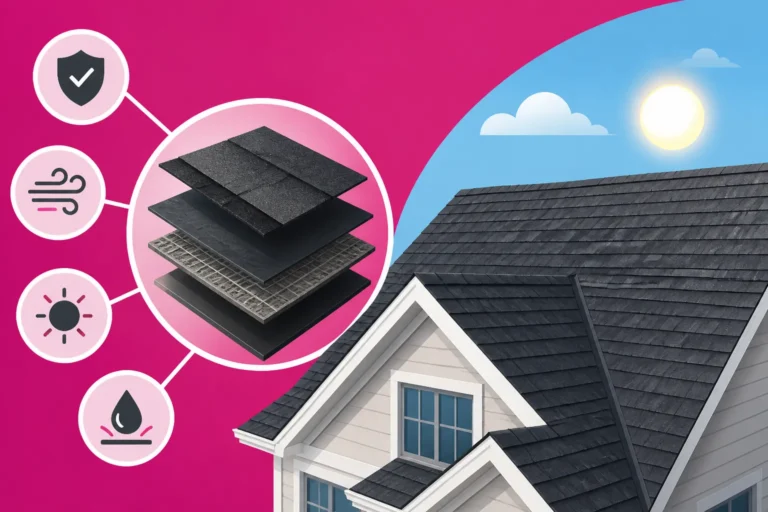
It’s easy to think of a new roof as simply "shingles," but the truth is, a complete asphalt roofing system involves a whole array of materials, each playing a critical role in protecting your home. The type and quality of these components significantly impact the overall cost.
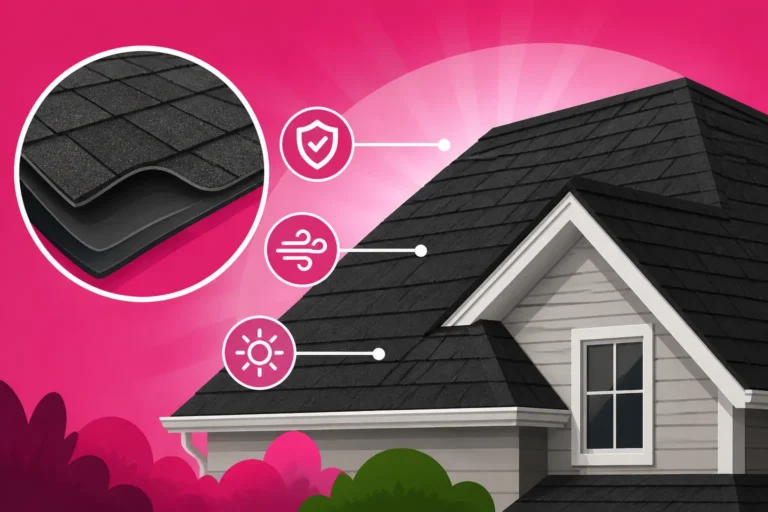
First and foremost, you have the asphalt shingles themselves. These come in various styles, from the classic 3-tab shingles to more durable and aesthetically pleasing architectural shingles, and even premium designer shingles. Brands like GAF, Owens Corning, and CertainTeed offer a wide range of options, with different impact resistance ratings, wind warranties, and granule adhesion technologies. The choice between a basic 3-tab shingle and a high-end architectural shingle like the GAF Timberline HDZ or Owens Corning Duration can drastically alter your material expense. For instance, if you're looking for an upgrade in durability and appearance, you'll naturally see a higher cost.
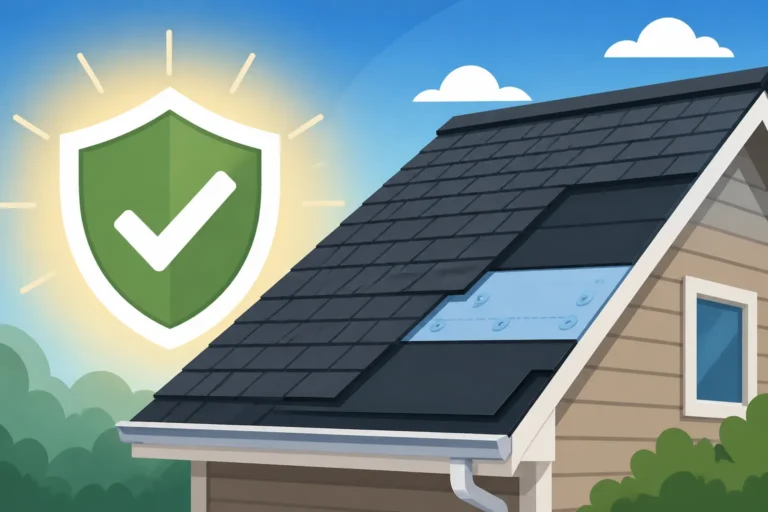
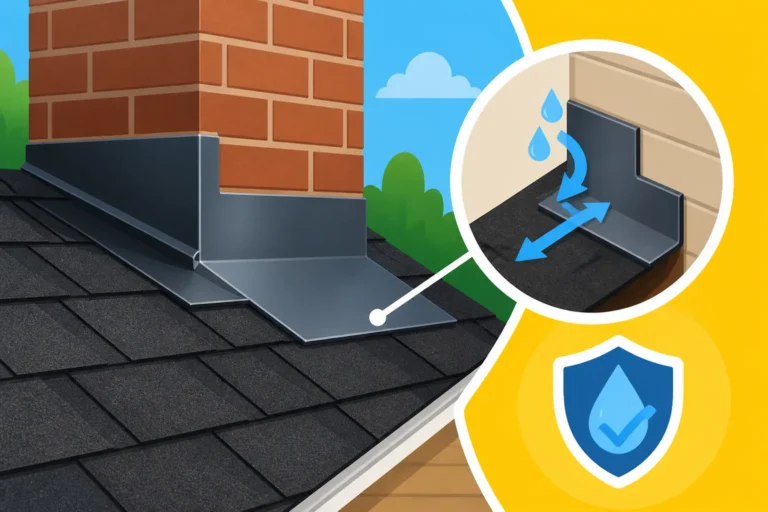
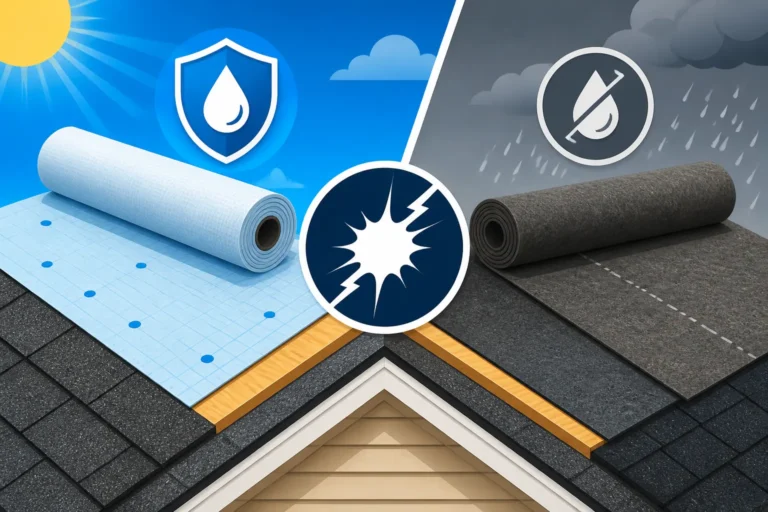
Beyond the visible shingles, there are essential underlying materials. This includes the underlayment, which can be traditional felt or more advanced synthetic options, both offering an extra layer of protection against moisture. Then there's the critical drip edge installed along the eaves and rakes to direct water off the roof and into the gutters, preventing damage to the fascia. Flashing, typically made of metal, is used around penetrations like chimneys, skylights, and vent pipes to create a watertight seal, and ridge cap shingles are specifically designed to cover the peaks of your roof, providing a finished look and crucial protection. In colder climates, or areas prone to ice dams, an ice and water shield is a mandatory component applied along the eaves and valleys, adding another layer of cost but invaluable protection. Don't forget the fasteners – thousands of nails are used to secure everything, along with sealants and adhesives that bond shingles and seal critical areas. Each of these items, from the smallest tube of caulk to the largest bundle of shingles, contributes to the overall material line item in your estimate.
Labor Costs: The Human Element
While materials are a tangible expense, the labor involved in a roof replacement is often the largest single cost factor, representing expertise, hard work, and the time it takes to get the job done right. This isn't just about hourly wages; it encompasses a variety of elements that determine how much a crew charges for their skilled work. Understanding the distinction between labor and material costs is crucial when evaluating bids. For a deeper dive, you can explore the intricacies of roofing material cost vs labor cost.
The primary drivers of labor costs are the size and experience of the roofing crew, as well as the complexity of your roof. A larger, more experienced crew might complete the job faster, but their hourly rate could be higher. Conversely, a smaller crew might take longer, potentially increasing overall labor hours. The actual time spent on your roof is a major factor; a sprawling ranch home might have a large footprint but be relatively straightforward, while a smaller, multi-story home with numerous dormers and steep pitches will demand more intricate, time-consuming work. Factors like the difficulty of transporting materials onto the roof and disposing of old materials also fall under labor.
Regional labor rates play a significant role. Just like housing prices, the cost of labor can vary wildly depending on where you live. For example, roofing labor in a high-cost-of-living area like coastal California or the Northeast will typically be higher than in a more rural part of the Midwest. This is often tied to local economic conditions, the availability of skilled labor, and prevailing wages in the construction industry. Furthermore, specialized tasks, such as intricate flashing around a custom chimney or repairing extensive rotten decking, may require specific skills that command higher rates, all of which will be factored into the final labor portion of your estimate.
Overhead and Profit: Keeping the Business Running
Every legitimate business has operational costs that go beyond direct materials and labor, and roofing contractors are no exception. These overhead expenses, combined with a reasonable profit margin, are essential for a company to stay in business, provide quality service, and stand behind its work. It's not just about paying the crew and buying shingles; it’s about maintaining a sustainable enterprise.
Overhead includes a wide range of indirect costs. Think about the office staff who handle scheduling, invoicing, and customer service. There are insurance premiums, including general liability and workers' compensation, which are absolutely critical for protecting both the contractor and you, the homeowner, in case of an accident on your property. Equipment costs, such as trucks, trailers, power tools, safety gear, and even the dumpsters for debris, all need to be purchased, maintained, and replaced over time. Marketing and advertising efforts, professional certifications (like GAF Master Elite or Owens Corning Platinum Preferred), ongoing training for their crews, and administrative expenses like permits and licensing fees also fall under this umbrella. These are all necessary expenses for a reputable company to operate legally and efficiently.
Finally, there's the profit margin. This isn't just extra money; it's what allows the business to reinvest in better equipment, offer competitive wages, grow, and have a buffer for unforeseen issues. A healthy profit margin ensures the company can honor warranties, handle call-backs, and remain a reliable resource in your community for years to come. When you see a contractor's profit margin, remember it supports the entire infrastructure that makes a smooth, professional roof replacement possible. When seeking out estimates, platforms like Modernize can help you connect with reputable contractors who factor these essential business components into their pricing, ensuring you're getting a fair and sustainable quote.
Factors That Significantly Influence Your Roofing Estimate
Beyond the basic materials and labor, many specific characteristics of your home and roof contribute to the final cost. These are the variables that make every roofing job unique and why it's so difficult to get a ballpark figure without a detailed assessment.
Roof Size and Pitch: The Bigger, The Steeper, The More
The dimensions and slope of your roof are arguably the most fundamental factors in determining the cost of your roof replacement. It's intuitive that a larger roof requires more materials and more labor, but the pitch adds another layer of complexity and cost. Understanding how roof size is measured, often in "squares" (a roofing square equals 100 square feet), is key to deciphering your estimate. You can learn more about how to calculate your roof cost per square to get a better understanding of this measurement.
When it comes to size, it's not just the footprint of your house. Roofers measure the actual surface area of the roof planes, which is typically larger than the square footage of your home due to overhangs and pitches. More squares mean more shingles, underlayment, and all the other components. Beyond size, the roof's pitch, or steepness, is a major cost driver. A low-slope roof is easier and safer to work on, requiring less specialized equipment and less time for workers to move around. As the pitch increases, safety measures become more stringent, requiring harnesses, scaffolding, and slower, more deliberate work.
A steep roof will always incur a cost premium. For instance, a roof with a 8/12 pitch or higher might be significantly more expensive per square than a 4/12 pitch. This is due to the increased hazard, the need for specialized equipment to prevent slips and falls, and the fact that materials are harder to stage and install. Think of a two-story Victorian home with a very sharp, angular roof compared to a single-story ranch with a gentle slope – the labor required per square will be much higher on the Victorian. This "steep roof cost premium" is a legitimate charge that ensures the safety of the crew and the quality of the installation on challenging surfaces.
Roof Complexity and Accessibility
Not all roofs are created equal, even if they're the same size. The architectural style of your home and the surrounding landscape can dramatically impact the labor and time required, which in turn affects your estimate. A simple, unobstructed roof is always less expensive to work on than one filled with intricate details or access challenges.
Features like valleys, dormers, chimneys, and skylights add significant complexity. Each of these elements requires specialized flashing and careful cutting and fitting of shingles to ensure a watertight seal. A roof with multiple valleys, for example, will take considerably more time and skill to install properly than a simple gable roof. If your home has a lot of architectural flair, such as a turret or multiple roof planes intersecting at odd angles, expect the labor portion of your estimate to reflect that intricacy. You can dive deeper into the specific costs associated with a roof with multiple valleys or the cost to reroof a home with dormers to understand these additional charges.
Accessibility also plays a huge role. If your home is set back from the road, surrounded by dense landscaping, or has limited space for a dumpster and material delivery, the contractor might incur additional costs for maneuvering equipment or manually transporting materials. A multi-story home, especially one with limited ground-level access, will require more effort and specialized safety gear to set up. Trees overhanging the roof might need trimming before work can begin, or special precautions taken to protect them and your property. All these logistical challenges translate to increased time and effort for the roofing crew, which will be reflected in your final price.
Existing Roof Removal and Disposal (Tear-Off)
Before any new materials go on, the old roof often has to come off. This crucial step, known as a "tear-off," is a significant part of the overall cost and involves labor, equipment, and disposal fees. It's more than just pulling off old shingles; it's a messy, labor-intensive process that ensures a clean, sound base for your new roof.
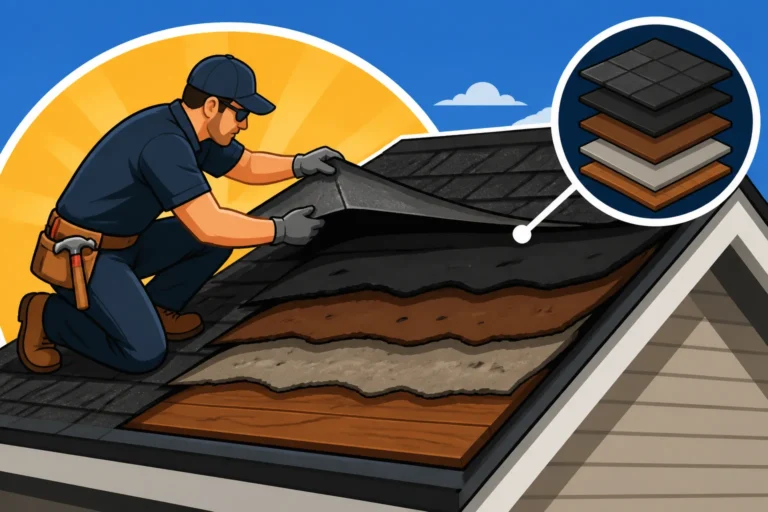
The tear-off process involves removing all existing layers of shingles, underlayment, and flashing down to the roof decking. This requires careful work to avoid damaging the underlying structure. The amount of existing material is a major factor here; if your roof has multiple layers of old shingles, the tear-off will be more arduous, time-consuming, and generate significantly more debris. Many local building codes limit the number of shingle layers allowed, so a tear-off might be legally mandated. For a full breakdown, explore the cost of roof tear-off and disposal.
Once the old materials are removed, they need to be disposed of properly. This typically involves a large dumpster, which is brought to your property and then hauled away once filled. Landfill fees and transportation costs for this debris are a non-negotiable part of the expense. The heavier and bulkier the waste (e.g., multiple layers of asphalt shingles, rotten decking, or old wood shakes), the higher these disposal costs will be. A reputable contractor will always include these costs in their estimate, giving you peace of mind that the cleanup and disposal will be handled professionally.
Additional Repairs and Upgrades
Sometimes, a new roof isn't just about replacing the shingles. During the tear-off process, or even during the initial inspection, contractors might discover underlying issues that need to be addressed. These unexpected repairs or homeowner-requested upgrades can add to the final bill, but often represent crucial investments in the long-term health and performance of your roof.
Common discoveries include rotten or damaged roof decking. This can be caused by long-term leaks, poor ventilation, or insect infestation. If the decking is soft, cracked, or severely compromised, it must be replaced to provide a solid foundation for the new shingles. Ignoring damaged decking can lead to premature roof failure and void manufacturer warranties. The cost of roof decking replacement can vary based on the extent of the damage and the type of decking material needed (e.g., OSB or plywood).
Beyond repairs, many homeowners opt for upgrades to improve their roof's performance and longevity. Enhanced ventilation, such as installing a continuous ridge vent, can significantly improve attic airflow, reducing heat buildup in summer and preventing moisture issues in winter. This can even extend the life of your new shingles. You might also consider upgrading to impact-resistant shingles in hail-prone areas or installing new skylights, solar tubes, or even a new chimney cap. While these additions increase the initial cost, they often provide long-term benefits in terms of energy efficiency, comfort, and protection. For example, you might look into the cost of roof ventilation upgrades.
Navigating the Estimation Process and What to Look For
Receiving multiple roofing estimates can be overwhelming, with different companies presenting varying prices and scopes of work. Knowing how to properly compare these bids and what critical details to scrutinize will empower you to make an informed decision and avoid costly mistakes.
Getting Multiple Bids and What to Compare
It's absolutely essential to get at least three detailed estimates from different reputable roofing contractors. Just like you wouldn't buy a car without test driving a few options, you shouldn't commit to a major home improvement project like a roof replacement based on a single quote. However, simply comparing the bottom-line price can be misleading. You need to understand how to read and compare roofing estimates thoroughly.
When comparing bids, look for an itemized breakdown of costs. A good estimate will clearly list materials, labor, tear-off and disposal, permits, and any additional services. This transparency allows you to see if one contractor is proposing higher-quality materials (e.g., premium architectural shingles vs. standard 3-tab), more extensive underlayment coverage, or a different type of flashing that justifies a higher price. Be wary of estimates that are significantly lower than others; this could indicate shortcuts in materials, uninsured labor, or missing essential components.
Beyond the numbers, pay close attention to the scope of work. Does each estimate include the same components: new drip edge, ice and water shield, proper ventilation, and flashing? Are they all proposing the same number of shingle layers to be removed? Are they addressing potential decking repairs? It's also critical to inquire about the warranty offered – both the manufacturer's warranty on materials and the contractor's workmanship warranty. A slightly higher bid that includes a comprehensive, long-term warranty and uses top-tier materials often represents better long-term value. Platforms like Modernize can simplify this process by connecting you with pre-vetted local contractors, making it easier to gather and compare multiple, high-quality bids.
Permits and Local Regulations
Navigating the world of building permits and local regulations can be confusing, but it's a non-negotiable part of a legal and safe roof replacement. These requirements are put in place by your local municipality to ensure that work is performed to code, protecting both your property value and the safety of your home.
The need for a roofing permit varies by location, but in most areas, a full roof replacement (especially one involving a tear-off) will require one. The permit process typically involves submitting an application to your city or county building department, and often includes an inspection by a municipal inspector during or after the work is complete. This inspection verifies that the new roof meets current building codes for things like nailing patterns, ventilation, and flashing installation. Skipping a permit can lead to fines, difficulties with insurance claims, and problems when you eventually sell your home. For more detailed information on this, check out our guide on whether you need a permit to replace a roof.
The cost of a permit is usually a minor component of the overall estimate, but it's an important one. A reputable contractor will always include the permit fee in their estimate and handle the entire permit application process on your behalf. They should also be well-versed in local building codes, which can dictate specific requirements like the type of underlayment, the number of nails per shingle, or whether impact-resistant shingles are mandatory in certain storm-prone regions. Ensure your contractor explicitly states in the contract that they will pull the necessary permits and arrange for any required inspections.
Warranties and Certifications
A roof replacement is a significant investment, and the warranties that come with it are your ultimate protection. Understanding the difference between manufacturer and workmanship warranties, and the value of contractor certifications, is paramount when evaluating bids and ensuring long-term peace of mind.
Most asphalt shingle manufacturers, such as GAF, Owens Corning, and CertainTeed, offer warranties that cover their materials against defects. These often range from 25 years for basic 3-tab shingles to 50 years or even lifetime for architectural and designer shingles. However, these standard warranties typically only cover the materials themselves, not the labor to install them or any issues arising from poor installation. This is where contractor workmanship warranties become vital. A good contractor will stand behind their work with a separate warranty, often for 5 to 10 years, covering any installation defects. You can delve into the nuances of a roofing warranty: workmanship vs manufacturer to fully understand your coverage.
Beyond standard warranties, many manufacturers offer enhanced warranty programs through certified contractors. For example, GAF has its Master Elite program, and Owens Corning has its Platinum Preferred Contractor network. To achieve these certifications, contractors must meet rigorous standards for training, insurance, and customer satisfaction. The benefit to you is that these certified contractors can often offer extended, non-prorated material and workmanship warranties directly from the manufacturer, sometimes covering the entire roofing system for up to 50 years. While hiring a certified contractor might sometimes result in a slightly higher upfront cost due to their expertise and the quality of their comprehensive system, the enhanced warranty protection and peace of mind can be invaluable over the lifespan of your roof.
How Technology and Professional Tools Aid in Estimates
Gone are the days when a roofer would just eyeball your roof and scribble a number on a notepad. Modern roofing estimates are increasingly precise and data-driven, thanks to advancements in technology and specialized software. These tools provide accuracy, efficiency, and transparency, ultimately benefiting the homeowner.
Satellite and Drone Measurements
One of the most significant technological advancements in roofing estimation is the use of satellite imagery and drone technology. These tools provide highly accurate measurements of your roof without anyone ever having to step foot on it initially, which is a huge advantage for safety and speed.
Satellite measurement services use high-resolution aerial imagery to map out every plane, pitch, and dimension of your roof. Companies like EagleView and RoofScope provide detailed reports that include square footage, linear feet of ridges, hips, valleys, eaves, and rakes. This data is incredibly precise, minimizing human error that can occur with manual measurements from a ladder or on the roof itself. This technology allows contractors to generate an initial estimate quickly and accurately, often before they even visit your property. You can learn more about how satellite roof measurement explained to see how this works.
Drones take this a step further. Contractors can deploy drones to capture high-definition photos and videos of your roof from multiple angles. This not only provides accurate measurements but also allows the contractor to assess the condition of your existing roof in detail, identifying damage, potential issues, and areas of concern that might influence the scope of work. These visual records are invaluable for documenting existing damage for insurance claims or for showing you exactly why certain repairs or components are needed. Both satellite and drone technology contribute to more consistent and reliable estimates, giving you confidence in the numbers presented.
Software for Detailed Material and Labor Calculations
Once the precise measurements are in hand, specialized roofing software plays a crucial role in transforming that data into a comprehensive and accurate estimate. This software streamlines the entire estimation process, making it more efficient and less prone to manual calculation errors.
Modern roofing estimation software is designed to take the detailed measurements (from satellite reports or manual inputs) and automatically calculate the exact quantities of every material needed. This means not just shingles, but also underlayment, drip edge, ridge cap, ice and water shield, nails, and flashing. The software can account for waste factors, roof pitch adjustments, and even specific manufacturer installation requirements. This level of detail ensures that the material cost component of your estimate is precise, avoiding over-ordering or under-ordering which can lead to delays or unexpected charges.
Furthermore, these software programs help contractors calculate labor costs more consistently. They can factor in variables like roof complexity, number of stories, specific installation methods, and even local labor rates to generate a realistic labor estimate. Some advanced programs can even integrate with supplier pricing, ensuring the most up-to-date material costs are used. This automation and integration allow contractors to generate professional, itemized estimates quickly, providing you with a transparent breakdown of costs that's easy to understand and compare. When considering a roofing project, working with contractors who leverage such tools, often found through services like Modernize, ensures a more professional and accurate quoting experience.
Typical Roofing Estimate Breakdown
Here's a simplified table to give you a general idea of how costs might be distributed in a comprehensive asphalt roofing estimate. Keep in mind these are averages and can vary significantly based on location, roof complexity, and material choices.
| Component | Description | Typical % of Total Cost |
|---|---|---|
| Materials | Shingles, underlayment, drip edge, flashing, ridge cap, ice & water shield, nails, sealants | 25-40% |
| Labor | Crew wages, installation time, skill level, roof pitch/complexity | 35-50% |
| Tear-off & Disposal | Removal of old roof layers, dumpster rental, landfill fees, labor for cleanup | 5-10% |
| Overhead & Profit | Business operations, insurance, equipment, administrative costs, marketing, reasonable profit margin | 10-20% |
| Permits & Inspections | Local municipality fees for permit application and required inspections | 1-3% |
| Additional Repairs/Upgrades | Decking replacement, ventilation upgrades, chimney repair, skylight flashing (if needed/requested) | Variable (5-15%+) |
Understanding how these percentages might fluctuate helps you gauge the reasonableness of an estimate and where to ask for clarification if something seems out of line.
Disclaimer
Please remember that this article provides general information and estimates. Roofing costs and regulations can vary significantly based on your specific location, the unique characteristics of your home, and current market conditions. Always consult with multiple licensed and insured roofing professionals for accurate, personalized estimates and advice tailored to your project.