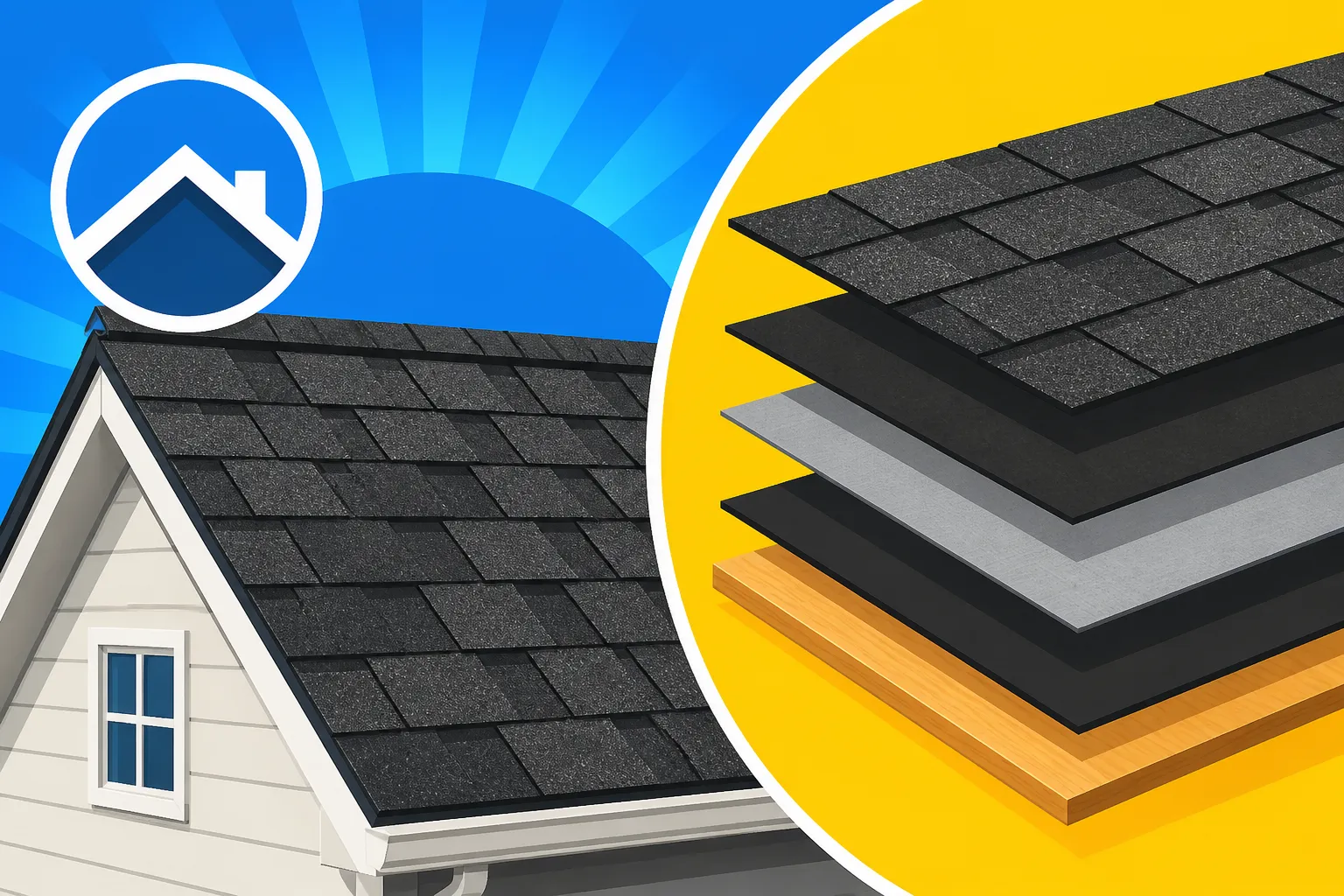
Architectural Shingle Construction Explained
Choosing a new roof can feel like navigating a maze, especially when you start hearing terms like "architectural shingles" thrown around. It’s easy to get overwhelmed trying to understand what makes them different from traditional options and why they often come with a higher price tag. This guide will peel back the layers – literally – to explain the intricate construction of architectural shingles, so you can confidently understand their benefits and make an informed decision for your home.
Understanding the Foundation of Architectural Shingles
When you're looking at roofing options, the world of asphalt shingles can seem pretty straightforward until someone brings up "architectural" or "dimensional" shingles. Suddenly, it's not just about color anymore; there's a whole new layer of complexity. But don't worry, once you understand the basic concept, it all clicks into place. These aren't just fancy names; they describe a fundamentally different way shingles are built, offering distinct advantages over their flatter cousins, the 3-tab shingles.
What Makes Them "Architectural"?
The term "architectural" really refers to the aesthetic and structural design of these shingles. Unlike 3-tab shingles, which are a single, uniform layer with cutouts to mimic individual tabs, architectural shingles are built with multiple layers of material bonded together. This creates a much thicker, more robust product that doesn’t lie flat. Instead, they have varying shapes and sizes, often featuring tapered edges and random cuts that produce a natural, textured, and often three-dimensional appearance on your roof. Think of it as moving from a flat, printed image to a sculpted relief. This multi-layered, irregular design is what gives them their distinctive shadow lines and depth, emulating the look of traditional wood shakes or natural slate without the associated cost or maintenance. It's not just about curb appeal, though that's a huge part of it; it's about a construction method that inherently provides more mass and resilience.
The Core Components of an Architectural Shingle
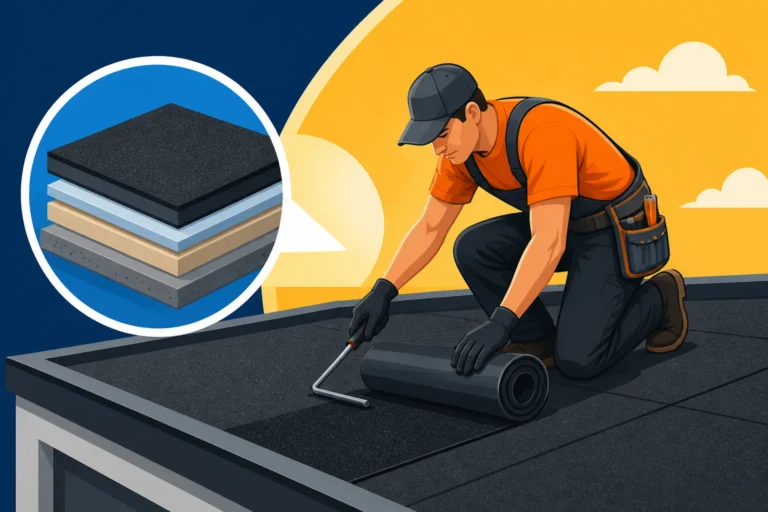
At its heart, an architectural shingle shares some fundamental materials with its 3-tab counterparts, but it's how these materials are arranged and combined that sets it apart. Every asphalt shingle starts with a fiberglass mat. This mat provides the structural integrity and resistance to tearing. For architectural shingles, this mat is often heavier and more robust than what you'd find in a basic 3-tab shingle. Bonded to this mat is a thick layer of asphalt, which is essentially what makes the shingle waterproof and flexible. This asphalt is typically modified to enhance its performance, improving its resistance to weathering and UV degradation.
Finally, and perhaps most visibly, there are the granules. These tiny, ceramic-coated mineral bits are embedded into the top surface of the asphalt. They provide color, protect the asphalt from the sun's harsh UV rays, and often contain algae-resistant properties. In architectural shingles, these granules are applied with great precision to create the desired aesthetic effect, mimicking natural materials with varying hues and textures. The key difference in construction, however, is the use of multiple layers of this mat and asphalt, factory-laminated together to create the distinctive dimensional profile and enhanced durability. This process results in a heavier, more substantial shingle that feels much more rigid than a single-ply 3-tab, giving it its superior performance characteristics.
A Deep Dive into Layered Construction
The real magic of architectural shingles lies in their sophisticated, layered construction. This isn't just about sticking a few pieces together; it's a carefully engineered process designed to maximize durability, weather resistance, and aesthetic appeal. Understanding these layers helps explain why these shingles perform so well and are a popular choice for homeowners looking for a balance of beauty and brawn. If you're weighing your options for a roof replacement, knowing how these layers work together can definitely give you peace of mind about the investment.
The Shingle Mat and Asphalt Coating
The structural backbone of any asphalt shingle, including architectural ones, is the fiberglass mat. This non-woven mat provides tensile strength and dimensional stability, ensuring the shingle maintains its shape and resists tearing under stress from wind or temperature fluctuations. In architectural shingles, this mat is often thicker and denser, contributing to the shingle's overall heft and rigidity. Imagine trying to tear a single sheet of paper versus a stack of ten; the thicker mat offers a similar advantage. This robust base is crucial for the extended lifespan and performance warranties that often come with architectural shingles.
Once the fiberglass mat is in place, it's thoroughly saturated and coated with asphalt. This isn't just any asphalt; it's a specially formulated compound, often blended with mineral fillers and polymers to enhance its properties. The asphalt serves several vital functions: it waterproofs the shingle, protecting your home from rain and snow; it provides flexibility, allowing the shingle to expand and contract with temperature changes without cracking; and it acts as the adhesive binder for the protective granules. For architectural shingles, the asphalt layers are more substantial and are often applied in strategic patterns to create varying thicknesses and contours. This meticulous application is key to achieving the distinctive, three-dimensional look while also boosting weather resistance. The quality and quantity of this asphalt are primary drivers of a shingle's overall performance and longevity.
The Critical Role of Granules
While the fiberglass mat and asphalt coating form the structural and waterproof core, it's the surface granules that truly complete the architectural shingle, impacting both its protective capabilities and its visual appeal. These small, ceramic-coated mineral particles are embedded into the top layer of asphalt, forming a protective shield that’s indispensable. Their primary function is to protect the underlying asphalt from the sun's ultraviolet (UV) radiation, which can otherwise cause the asphalt to dry out, become brittle, and degrade prematurely. Think of them as tiny, armored plates safeguarding the shingle's most vulnerable component.
Beyond UV protection, granules contribute significantly to the shingle's aesthetic. They are available in a vast array of colors and blends, allowing manufacturers to create shingles that mimic the sophisticated appearance of slate, cedar shakes, or other premium roofing materials. The multi-dimensional nature of architectural shingles often means a more varied and intricate granule application, enhancing the shadow lines and visual depth. Many modern architectural shingles also incorporate specialized granules. For instance, some are embedded with copper particles or other proprietary materials that inhibit the growth of algae, preventing those unsightly black streaks that can mar a roof's appearance, especially in humid climates. Other "cool roof" shingles feature highly reflective granules that bounce sunlight away, reducing heat absorption and potentially lowering attic temperatures and energy bills. This combination of protection, beauty, and advanced functionality makes the granules far more than just a decorative element; they are an active and essential part of the shingle's long-term performance.
Manufacturing Process: From Raw Materials to Roof
Have you ever wondered how those sturdy, beautiful architectural shingles actually come to be? It's not just some simple assembly line; it's a sophisticated manufacturing process that brings together various materials and techniques to create a durable, weather-resistant, and aesthetically pleasing roofing product. This journey from raw materials to a finished shingle involves precision engineering and rigorous quality control to ensure they stand up to years of sun, rain, and wind. Understanding this process can help you appreciate the value of a well-made shingle and why it’s worth seeking out reputable brands.
Layering and Laminating Techniques
The creation of an architectural shingle begins with unwinding large rolls of the fiberglass mat, which forms the core. This mat then travels through a series of stations where it is saturated and coated with hot asphalt. What distinguishes architectural shingles from traditional 3-tab varieties is the laminating process. Instead of just one continuous sheet, architectural shingles are made by bonding multiple layers of asphalt-coated mat together. Imagine carefully placing precisely cut pieces of asphalt-saturated fiberglass on top of a base layer, strategically offsetting and overlapping them. This layering is what gives architectural shingles their distinctive thickness and shadow lines.
This layering isn't random; it's precisely engineered to create specific patterns and profiles. The process involves cutting a base shingle layer and then attaching additional "tabs" or "dragon's teeth" overlay strips in an offset pattern. These additional pieces are firmly bonded to the base layer using specialized asphalt adhesives, often under heat and pressure, to create a single, robust unit. This intricate lamination is what provides the shingle's strength, its dimensional appearance, and its enhanced wind resistance. Manufacturers like GAF, Owens Corning, and CertainTeed have refined these techniques over decades, allowing them to create shingles that not only look fantastic but also offer superior protection, often backed by impressive warranties. It's this careful layering that ultimately delivers the rugged, yet refined, finish homeowners desire.
Quality Control and Performance Standards
Once the layering and laminating are complete, the shingles aren't immediately packaged and shipped. They go through a battery of rigorous quality control (QC) checks to ensure they meet strict performance standards. This is absolutely crucial, because a roof is your home's primary defense against the elements. QC starts from the raw materials, ensuring the fiberglass mat meets tear strength requirements and the asphalt blend has the correct viscosity and weather resistance. During manufacturing, automated systems monitor asphalt coating thickness, granule application uniformity, and the integrity of the lamination bonds.
Finished shingles are subjected to tests that simulate real-world conditions. This includes accelerated weathering tests to gauge UV resistance and long-term durability, impact resistance tests (especially for Class 4 shingles), and wind uplift tests to determine how well they'll hold up against severe gales. For example, shingles are often tested according to ASTM (American Society for Testing and Materials) standards for various performance metrics, like fire resistance and wind resistance. These standards ensure that when a contractor installs your new roof, you're getting a product that has been proven to perform. This commitment to quality is what gives homeowners confidence, especially when choosing a system installed by a manufacturer-certified roofer who understands these standards. When working with a contractor, you can always ask about the specific performance ratings and warranties associated with the architectural shingles they recommend.
Key Differences from 3-Tab Shingles
Walking through a home improvement store or browsing roofing samples, you might find yourself wondering, "What's the big deal about architectural shingles?" They look different, sure, but what does that really mean for your home? The truth is, the differences go far beyond mere aesthetics. While 3-tab shingles have served reliably for decades, architectural shingles represent a significant advancement in both form and function, directly impacting your home's appearance, protection, and long-term value.
Visual Aesthetics and Thickness
The most immediate and striking difference between architectural and 3-tab shingles is their visual appearance and physical thickness. Traditional 3-tab shingles are designed to be flat and uniform, giving your roof a smooth, almost tiled look. They are typically a single layer of asphalt and fiberglass, with cutouts that create the illusion of three separate tabs. This uniformity can look clean and classic, but it often lacks depth and character, and the thinner profile means a less substantial presence on the roof.
Architectural shingles, also known as dimensional shingles, are a game-changer in this regard. Their multi-layered, laminated construction creates a dramatic, sculpted effect on the roof. These layers are intentionally staggered and cut to create variations in thickness and projection, casting appealing shadow lines that add incredible depth and texture. This design mimics the high-end look of natural wood shakes or slate, but at a fraction of the cost and with far less maintenance. Imagine the difference between a flat painted wall and one with decorative molding – the latter simply has more character and dimension. This enhanced visual appeal can significantly boost your home's curb appeal, making it stand out in your neighborhood. The additional thickness, often double or triple that of a 3-tab shingle, doesn't just look better; it also signals a more robust and substantial roofing material. When homeowners are looking for ways to enhance their property value and appearance, the choice often leans heavily towards the sophisticated look of architectural shingles.
Durability and Wind Resistance
Beyond looks, the construction of architectural shingles offers substantial improvements in durability and wind resistance compared to 3-tab shingles. This is where the layered design really shines in a practical sense. Because architectural shingles are heavier and constructed with multiple bonded layers, they are inherently more robust. This increased mass makes them less susceptible to damage from impacts like hail or falling debris. They simply have more material to absorb and dissipate energy.
More importantly, the laminated construction significantly enhances their wind resistance. 3-tab shingles rely on a single adhesive strip to seal them to the underlying shingle. While effective in moderate conditions, strong winds can get underneath the edges of these flatter, lighter shingles, causing them to lift, tear, or even blow off entirely. Architectural shingles, with their thicker profile and multiple bonded layers, present a much more difficult target for wind uplift. Their irregular edges and greater weight mean they are less likely to catch the wind, and the stronger, broader adhesive bonds provide a more secure attachment. Many architectural shingles are designed and tested to withstand wind gusts of 110 mph to 130 mph or more, whereas standard 3-tab shingles typically offer resistance in the 60-70 mph range. This superior wind resistance is a critical factor, especially for homes in areas prone to severe weather. It translates directly to a longer-lasting roof, fewer repairs, and greater peace of mind during storms. This is one of the primary reasons why, when considering the long-term protection of your home, architectural shingles often represent a smarter, more resilient investment.
Here's a quick comparison of the two main types of asphalt shingles:
| Feature | 3-Tab Shingles | Architectural Shingles |
|---|---|---|
| Construction | Single layer of asphalt and fiberglass | Multiple, laminated layers of asphalt and fiberglass |
| Appearance | Flat, uniform, gives a "tiled" look | Dimensional, varied, creates shadow lines and depth |
| Thickness | Thinner, lighter | Thicker, heavier, more substantial |
| Durability | Good, but less resistant to impact | Excellent, higher resistance to hail and impacts |
| Wind Resistance | Typically 60-70 mph | Often 110-130+ mph |
| Lifespan | 15-25 years | 25-50 years, often with longer warranties |
| Cost | Lower initial cost | Higher initial cost, but better long-term value |
| Aesthetics | Basic, traditional | Premium, mimics wood shake or slate |
Types of Architectural Shingles and Their Construction Nuances
Just when you thought you had a handle on architectural shingles, you discover there are types of architectural shingles! It's like finding out there are different kinds of apples after you just learned what an apple is. But don't despair; it’s a good thing! These variations exist to meet diverse needs, offering specialized features for everything from enhanced aesthetics to extreme weather protection. Understanding these nuances can help you zero in on the perfect roofing solution for your specific home and climate. If you’re looking to get a comprehensive understanding of your options, platforms like Modernize can connect you with professionals who can explain these differences in detail.
Dimensional vs. Designer Shingles
Within the architectural shingle category, you'll most commonly hear about dimensional shingles and designer shingles (sometimes called luxury shingles). While both offer the multi-layered construction that defines architectural shingles, they sit at different points on the spectrum of aesthetics, complexity, and cost.
Dimensional shingles are the standard architectural shingle. They achieve their dimensional look through strategically placed cutouts and variations in the overlay tabs, creating those desirable shadow lines that give depth to the roof. They are thicker and heavier than 3-tab shingles and are designed to mimic the appearance of natural wood shakes. These are extremely popular because they offer a significant upgrade in appearance and durability over 3-tab shingles without breaking the bank. For example, a homeowner replacing a roof in a suburban neighborhood might choose GAF Timberline HDZ or Owens Corning Duration for their excellent balance of aesthetics, performance, and value. Their construction involves at least two layers of asphalt-coated fiberglass mat bonded together, creating a robust and visually appealing product. This provides much more resistance to wind uplift and impact than a single-layer shingle, making them a solid choice for most homes.
Designer shingles, on the other hand, take the concept of architectural shingles to a whole new level of sophistication and visual complexity. These are often the thickest and heaviest asphalt shingles available, constructed with even more elaborate layering patterns and specially blended granules to replicate the highly sought-after look of natural slate, hand-split cedar shakes, or European clay tiles with incredible realism. They are designed for homeowners who prioritize premium aesthetics and are willing to invest more for a truly distinctive roof. Brands often feature designer lines, such as CertainTeed Presidential Shake or GAF Grand Sequoia, which use multiple, irregularly shaped layers to create deeper, more pronounced shadow lines and a more intricate texture. The manufacturing process for designer shingles involves even more precise cutting and lamination, often using three or more layers in specific areas to create their unique profiles. This advanced construction not only provides a stunning visual impact but also contributes to superior durability and longevity, often coming with some of the longest warranties in the industry. The choice between dimensional and designer typically comes down to your budget and how much you want your roof to stand out.
Specialized Architectural Shingles
Beyond the general categories of dimensional and designer, architectural shingles can also incorporate specialized construction features designed to address specific environmental challenges or homeowner needs. These aren't just cosmetic upgrades; they involve distinct material compositions and manufacturing processes that enhance performance in particular areas.
One popular type is impact-resistant shingles, often designated with a Class 4 rating. These shingles are engineered with a modified asphalt formula and/or a reinforced fiberglass mat that makes them significantly more resilient to hail and other impacts. The key to their construction often involves integrating a rubber-like polymer into the asphalt blend, which allows the shingle to absorb and dissipate impact energy more effectively without cracking or fracturing. This can be a huge benefit for homeowners in hail-prone regions, as they may even qualify for reduced homeowner's insurance premiums due to the enhanced protection. A good example would be Malarkey's Legacy shingles, which feature polymer-modified asphalt for exceptional impact resistance.
Another critical innovation is cool-roof shingles. These are designed to reflect more sunlight and absorb less heat than traditional asphalt shingles, which can significantly reduce attic temperatures and lead to lower air conditioning costs. Their specialized construction involves incorporating highly reflective granules, often lighter in color or treated with reflective coatings, into the top layer of the shingle. These granules are formulated to bounce infrared and ultraviolet light back into the atmosphere, rather than absorbing it and transferring heat to the roof deck and attic below. While some cool-roof options might be lighter in color, advancements in granule technology now allow for darker "cool" colors that still offer impressive reflectivity. This technology isn't just about the surface; it’s about a careful selection and application of materials during manufacturing to achieve specific thermal properties. Both impact-resistant and cool-roof shingles demonstrate how architectural shingle construction can be adapted and refined to offer targeted solutions, providing homeowners with choices that go beyond basic weather protection.
The Benefits of Architectural Shingle Construction
When it's time for a new roof, you're not just buying shingles; you're investing in your home's protection, longevity, and appearance. Architectural shingles, with their advanced construction, offer a compelling package of benefits that often make them the preferred choice for many homeowners. It's about getting more for your money in the long run, both in terms of peace of mind and visual satisfaction.
Enhanced Aesthetic Appeal and Curb Appeal
One of the most immediate and undeniable benefits of architectural shingle construction is the significant boost in aesthetic appeal and curb appeal they provide. Unlike the flat, uniform look of 3-tab shingles, architectural shingles are designed with multiple layers and varying dimensions that create a rich, textured appearance on your roof. These intentional variations cast beautiful shadow lines that change with the angle of the sun, adding depth and character that simply can't be achieved with single-layer shingles.
Imagine driving up to a home with a flat, monochromatic roof versus one that boasts the sculpted look of architectural shingles, mimicking natural slate or rugged cedar shakes. The difference is striking. This premium aesthetic can dramatically transform the entire look of your home, elevating its architectural style and making it stand out in the neighborhood. For homeowners planning to sell in the future, this enhanced curb appeal is a massive advantage. A beautiful, well-maintained roof is one of the first things potential buyers notice, and architectural shingles signal quality and thoughtful investment. They suggest that the homeowner has taken pride in their property, which can translate into a faster sale and even a higher asking price. This isn't just a subjective feeling; studies often show that a high-quality roof replacement, especially with architectural shingles, offers one of the best returns on investment for home improvements.
Superior Longevity and Protection
Beyond their good looks, the multi-layered construction of architectural shingles translates directly into superior longevity and protection for your home. This is where the practical benefits really come into play, offering long-term value that often outweighs the initial higher cost compared to 3-tab options. The increased mass and multiple bonded layers make these shingles inherently more durable and resistant to the various stresses a roof endures over its lifetime.
Think about it: a thicker, heavier shingle is better equipped to withstand the onslaught of hail, falling branches, and general wear and tear from the elements. Where a single-layer 3-tab shingle might crack or lose granules under impact, an architectural shingle's robust build offers a much stronger defense. Furthermore, their enhanced wind resistance is a critical factor, particularly in regions prone to strong storms. As discussed, many architectural shingles are rated for significantly higher wind speeds, meaning they are less likely to lift, tear, or blow off during severe weather events. This reduces the likelihood of costly repairs and leaks, providing greater peace of mind during hurricane season or intense thunderstorms. This inherent strength and resilience often allow manufacturers to offer much longer warranties – often 25 to 50 years, sometimes even lifetime warranties – compared to the typical 15-25 years for 3-tab shingles. This extended warranty coverage is a testament to their expected lifespan and the confidence manufacturers have in their construction. Choosing architectural shingles isn't just about installing a roof; it's about investing in a long-term, robust shield for your home, protecting your most valuable asset for decades to come.
Disclaimer
Please remember that the information provided in this article is intended for general informational purposes only and does not constitute professional roofing or construction advice. Always consult with a qualified and licensed roofing contractor for specific recommendations, estimates, and installation services tailored to your home's needs and local building codes. Roofing projects can be complex and dangerous, so professional expertise is always recommended.