Best Way to Compare Roofing Companies
Choosing a roofing company for your home can feel like navigating a minefield. You’re looking for someone reliable, trustworthy, and skilled enough to protect your biggest investment, but the sheer number of options and the fear of making the wrong choice can be paralyzing. This guide is here to walk you through the most effective strategies for comparing roofing companies, ensuring you find a contractor who meets your needs, stands by their work, and gives you peace of mind.
Understanding Your Project Needs Before You Start Comparing
Before you even begin reaching out to roofing companies, it's incredibly helpful to have a clear picture of what you need and what you expect. This isn't just about knowing you need a new roof; it’s about understanding the nuances of your specific project. When you can articulate your needs clearly, you'll be better equipped to evaluate potential contractors and spot any red flags. It puts you in the driver's seat, allowing you to ask informed questions and gauge whether a company is truly listening to you or just trying to push their standard package.
Defining Your Roofing Project Scope
The first step in any successful home project is clearly defining the work. Are you facing a full asphalt roof replacement, or is it a targeted repair after some storm damage? The answer significantly impacts the type of contractor you need. For instance, a small leak repair might be handled by a local handyman, but a complete tear-off and replacement demands a fully licensed, insured, and experienced roofing contractor. Consider the age of your existing roof – if it's nearing or past its typical lifespan of 20-25 years for asphalt shingles, a full replacement is likely the more economical and long-term solution, even if current damage seems minor.
Think about the condition of your roof decking. Has there been any water infiltration that might have compromised the structural integrity beneath the shingles? A thorough contractor will inspect this, but it’s good to be aware that it might be a component of the project. Also, consider the complexity of your roof. Does it have multiple valleys, dormers, or a steep pitch? These factors can influence labor time and material costs, so discussing them upfront with potential contractors is crucial. Having a clear idea of what you need helps you compare apples to apples when you receive bids.
Identifying Your Budget and Financing Options
Let's be real: a new roof is a significant investment, often ranging from $10,000 to $30,000 or more, depending on your home's size and location. Going into the comparison process without a realistic budget can lead to frustration. Start by researching the Average Roof Replacement Cost This Year in your area. This will give you a ballpark figure and help you understand what you might be looking at. Don't forget to factor in potential unexpected costs, like unforeseen damage to the roof decking once the old shingles are removed.
Exploring how you plan to pay for the project is equally important. Are you paying cash? Will you need a home equity loan, a personal loan, or perhaps a contractor-provided financing option? Many reputable roofing companies partner with lenders to offer payment plans, which can make a large expense more manageable. For example, some might offer 0% APR financing options for a limited time. If you suspect storm damage, you'll also want to understand how your homeowners insurance might factor in. Familiarize yourself with your policy and know what questions to ask when discussing financing with a contractor.
Knowing Your Preferred Shingle Type and Style
While asphalt shingles are incredibly popular, they're far from a one-size-fits-all solution. There's a wide world of options out there, from the basic yet effective 3-tab shingles to the more robust and aesthetically pleasing architectural shingles, and even luxury designer shingles that mimic slate or cedar shakes. Each type comes with different price points, durability, and warranty protections. For instance, 3-Tab vs Architectural Shingle Cost Compared can be a significant difference in your overall project cost and long-term value.
Beyond the type, consider the style and color. Do you want to stick with a traditional look, or are you hoping to update your home's curb appeal with a more modern, dimensional shingle? Some homeowners even opt for cool-roof shingles, designed to reflect sunlight and reduce attic temperatures, which can save on energy bills. Knowing your preferences helps contractors provide accurate quotes and ensures you're happy with the final look. Companies like GAF, Owens Corning, and CertainTeed offer extensive color palettes and styles, so take some time to browse their offerings online before meeting with contractors.
The Essential Checklist for Vetting Roofing Companies
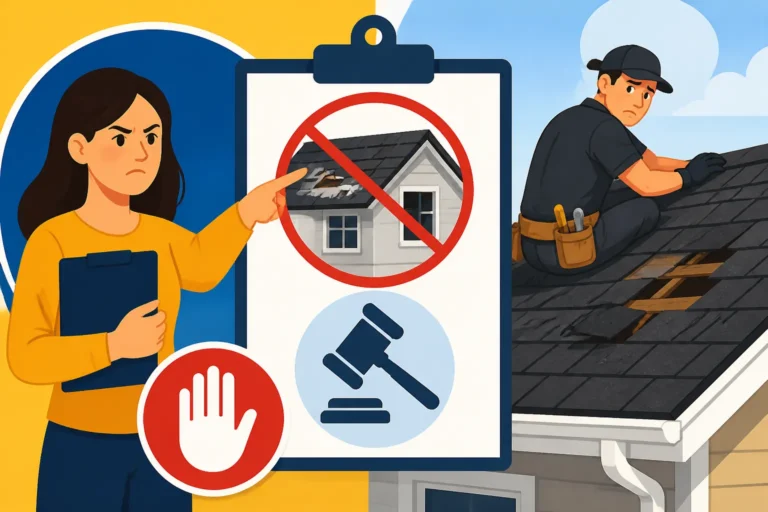
Once you have a handle on your project's specifics, it's time to start evaluating potential roofing companies. This is where the real work of comparison comes in. It's not just about getting three quotes; it's about meticulously vetting each candidate against a set of non-negotiable criteria to ensure you're hiring a truly qualified and reliable professional. Rushing this step is a common mistake that can lead to headaches and costly repairs down the road.
Verifying Licenses, Insurance, and Certifications
This is probably the single most important step in vetting any contractor. Never, ever hire a roofing company that cannot provide proof of proper licensing and insurance. A license ensures they meet the state or local requirements for professional operation and have a minimum level of competence. While requirements vary by state—some, like Texas, don't have a statewide licensing board, leaving it up to individual cities—it's still crucial to check what's mandated in your specific municipality. A quick call to your local building department can confirm the necessary credentials.
More importantly, insist on proof of insurance: both general liability and workers' compensation. General liability insurance protects your property in case the contractor causes damage during the project. Workers' compensation insurance is absolutely vital; if a worker is injured on your property and the company isn't covered, you, the homeowner, could be held liable for their medical bills and lost wages. Don't just take their word for it – ask for a certificate of insurance directly from their insurer and verify its validity. Additionally, look for manufacturer certifications, such as a GAF Master Elite Contractor or an Owens Corning Platinum Preferred Contractor. These certifications mean the company has undergone specific training and meets strict standards set by the shingle manufacturers, often allowing them to offer enhanced warranties.
Diving Deep into Reviews and References
In today's digital age, online reviews are a goldmine of information, but they should be approached with a critical eye. Start by looking at reputable platforms like Google, Yelp, and the Better Business Bureau (BBB). Pay attention to the overall rating, but also read through a variety of reviews – both positive and negative. Look for patterns in complaints, such as issues with communication, project timelines, or shoddy workmanship. Conversely, positive reviews often highlight responsiveness, professionalism, and quality.
Beyond online reviews, always ask for a list of recent references. A trustworthy contractor will be happy to provide them. When you call these references, ask specific questions:
- Were they satisfied with the quality of the work?
- Was the project completed on time and within budget?
- How was communication throughout the process?
- Did they clean up thoroughly after the job?
- Would they hire this company again?
If possible, drive by some of their completed projects. Seeing their work firsthand can provide valuable insight into their craftsmanship and attention to detail. Remember, positive word-of-mouth is a powerful indicator of a company's reliability, and you can learn a lot from previous clients about How to Vet a Roofing Company.
Assessing Experience and Specialization
Experience truly matters in roofing. A company that has been around for decades has likely weathered various economic conditions, gained extensive knowledge, and built a solid reputation. Inquire about how long the company has been in business under its current name. A long track record suggests stability and expertise. Ask about the experience level of the crew that will be working on your roof, not just the company owner. Do they use their own employees, or do they rely heavily on subcontractors? While subcontractors aren't inherently bad, understanding this helps clarify responsibility.
Beyond general experience, consider if they specialize in asphalt roofing, especially if your project involves specific challenges like a low-slope section or a historic home. A company that primarily installs metal roofs might not have the nuanced expertise required for intricate asphalt shingle work. For instance, if you have a steep-pitch roof or a roof with multiple valleys, you'll want a team accustomed to those complexities. Sometimes, finding a specialist, even if they're a bit pricier, can save you from potential headaches and costly reworks down the line.
Scrutinizing the Roofing Estimate and Contract Details
Comparing roofing estimates can be tricky because not all estimates are created equal. You might receive bids that vary wildly in price, and the lowest bid isn't always the best choice – sometimes it's a major red flag, indicating cutting corners or hidden costs. A good estimate should be detailed, transparent, and itemized, clearly outlining all materials, labor, and services included. Look for a breakdown of costs for things like tear-off and disposal, underlayment, starter shingles, flashing, ridge vents, and the shingles themselves. A vague, one-line estimate is a recipe for disaster.
When comparing estimates, pay close attention to the specific materials being proposed. Are they using quality brands like GAF, Owens Corning, or CertainTeed? What type of underlayment is included (synthetic vs. felt)? Is an ice and water shield specified, especially if you live in a colder climate? The contract itself should mirror the estimate's detail and clearly state the payment schedule, project timeline, cleanup procedures, and warranty information. Ensure there are no clauses that allow for excessive price increases or extensions without clear justification. It's also wise to understand the Roofing Estimate vs Roofing Bid differences and what to look for in a Roofing Contract: What to Look For to avoid surprises later. When you receive a detailed estimate, you're not just comparing prices; you're comparing value and scope of work.
Beyond the Basics: Factors That Set Great Roofers Apart
While licenses, insurance, and competitive pricing are non-negotiables, the truly exceptional roofing companies distinguish themselves in other, less tangible ways. These factors often speak to the contractor's professionalism, commitment to quality, and overall customer experience. Paying attention to these details can make a significant difference in how smoothly your project runs and your satisfaction with the final result.
Communication and Customer Service Expectations
You've probably heard horror stories about contractors who disappear after getting a deposit, don't return calls, or leave homeowners in the dark. Good communication is paramount. From the initial consultation, assess how responsive and clear a contractor is. Do they answer your questions thoroughly? Do they provide a clear point of contact for the duration of the project? What's their process for updates or addressing concerns that might arise during the job? A reputable company will set clear expectations for communication from the outset.
Consider the initial interaction. Did they arrive on time for the estimate? Were they professional and courteous? Did they seem genuinely interested in your project, or did they rush through it? A contractor who communicates well and demonstrates strong customer service values indicates that they respect your time and business. Companies that prioritize client relationships often go the extra mile, whether it's by providing daily updates, being proactive about potential issues, or ensuring the work site is meticulously clean at the end of each day. Tools like Modernize can help connect you with vetted contractors who tend to uphold higher standards of communication.
Understanding Warranties and Guarantees
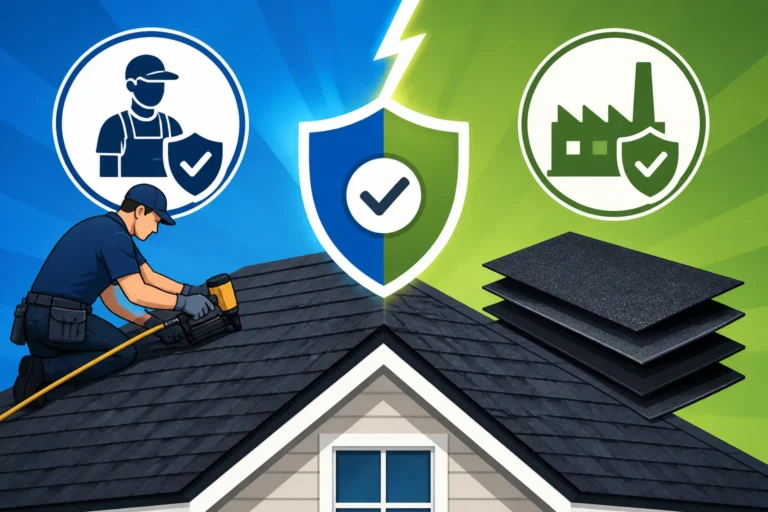
A roof replacement should come with two distinct types of warranties: a manufacturer's warranty on the materials and a workmanship warranty from the contractor. The manufacturer's warranty covers defects in the shingles themselves, often lasting 25 to 50 years, or even a lifetime for some architectural shingles. Pay close attention to the fine print – what specifically is covered, and is it prorated over time? For example, shingles from brands like GAF often come with robust warranties, especially when installed by their certified contractors.
The workmanship warranty, provided by the contractor, covers the installation itself. This is critical because even the best shingles won't perform if they're not installed correctly. A good workmanship warranty should be at least 5 to 10 years, though some premium contractors offer longer terms. Understand what voids these warranties (e.g., improper repairs by another party) and how to initiate a claim if issues arise. Ensure all warranty details are clearly spelled out in your contract. It's worth asking Questions to Ask About Roofing Warranties to fully grasp your protection.
Evaluating Project Management and Timelines
A well-run roofing company excels at project management. They should be able to provide a realistic timeline for your project, from start to finish. This includes when materials will be ordered and delivered, the estimated start date, and the expected completion date. While weather can sometimes throw a wrench into plans, a professional contractor will communicate any delays proactively. Ask about their process for managing the project:
- Who will be the primary contact person on-site?
- How do they handle material delivery and storage?
- What steps do they take to protect your landscaping and property during the tear-off and installation process?
- What is their cleanup plan at the end of each day and upon project completion?
A contractor who has a clear, organized plan for these logistics will likely execute the project more smoothly. They should also discuss local permit requirements and confirm who will be responsible for pulling them. Understanding What Happens During a Roof Tear-Off and the general order of operations during installation can help you gauge if a contractor's plan is sound.
Exploring Value-Added Services and Materials
Sometimes, what sets a great roofing company apart isn't just the roof itself, but the extra steps they take to add value to your home and protect your investment. This could include recommending upgrades that improve ventilation, which is crucial for extending the life of your roof and reducing energy costs. They might suggest installing new gutters along with your roof replacement, which can save you money and ensure proper water drainage.
Consider if they offer enhanced underlayment options like synthetic underlayment or specialized ice and water shield products, especially in areas prone to severe weather. These materials, while adding to the initial Synthetic vs Felt Underlayment Cost, provide superior protection against leaks. Some companies also offer aesthetic upgrades, like using higher-quality flashing that blends seamlessly with the roof. While these might seem like small details, they reflect a contractor’s commitment to a comprehensive, high-quality solution rather than just doing the bare minimum. Discussing these options can help you decide if the contractor is looking out for your home's long-term health, not just a quick installation.
Disclaimer
Please remember that the information provided in this article is intended for general guidance and informational purposes only. Roofing regulations, costs, and best practices can vary significantly based on your specific location, the nature of your project, and current market conditions. Always consult with multiple licensed and insured roofing professionals in your area for personalized advice and detailed estimates before making any decisions regarding your roof replacement or repair.