Roofer Ghosted After Deposit: Options
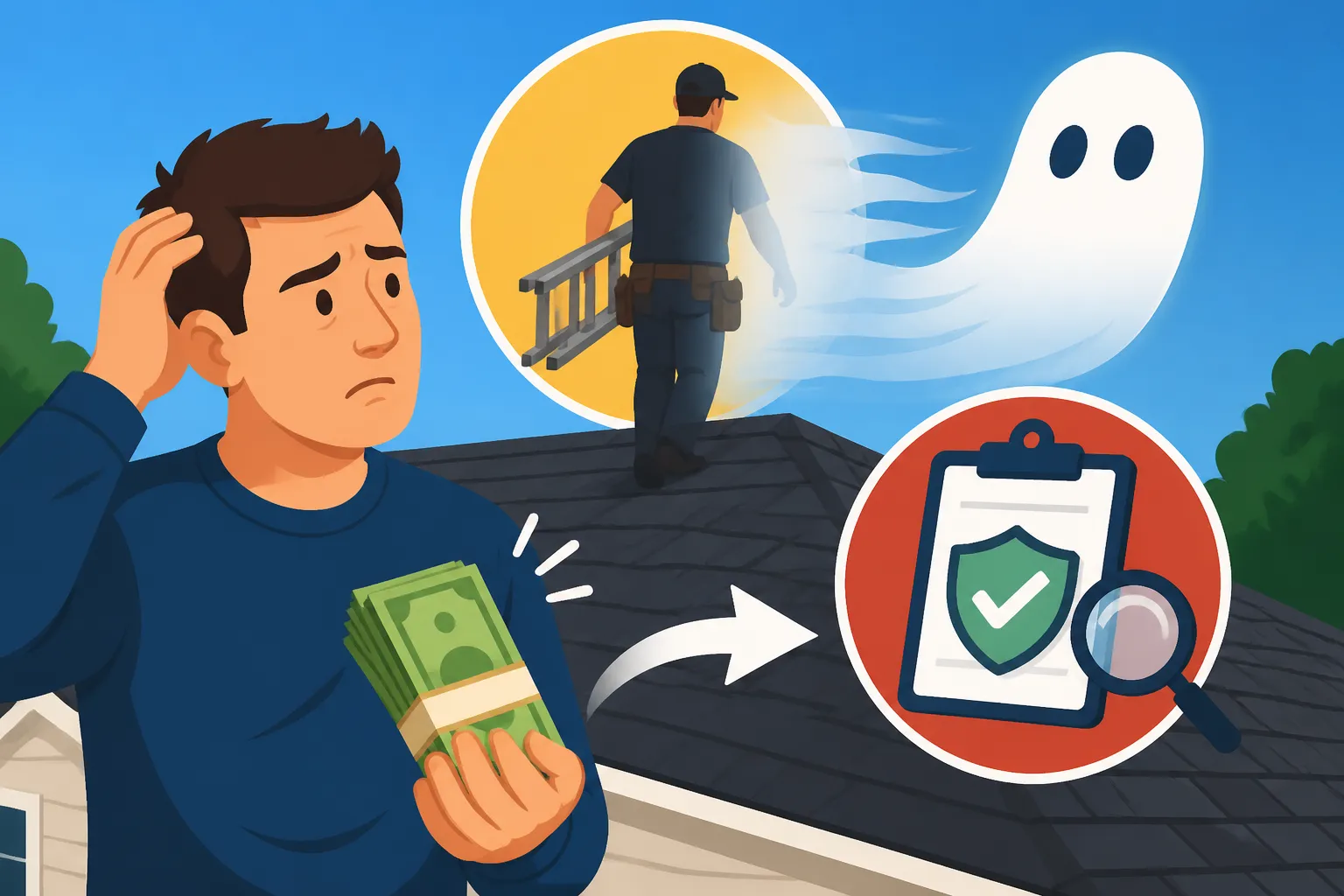
It’s a nightmare scenario: you’ve paid a significant deposit for a much-needed roof replacement or repair, eagerly anticipating the work, only for your contractor to vanish into thin air. The calls go unanswered, emails bounce back, and the promised start date comes and goes without a trace of your roofer or your money. This isn't just frustrating; it's a deeply concerning financial blow that leaves your home vulnerable. This guide is here to walk you through the concrete steps you can take if you find yourself in this terrible situation, helping you understand your options and how to protect yourself moving forward.
Immediate Steps When a Roofer Disappears After Taking a Deposit
When a roofing contractor ghosts you after taking your hard-earned money, the initial shock can be paralyzing. It’s easy to feel overwhelmed, angry, and unsure of what to do next. However, taking swift and deliberate action is crucial. Think of this as putting on your detective hat and gathering all the necessary evidence, because a clear, documented timeline of events will be your best friend as you pursue a resolution.
Document Everything Meticulously
The first rule of thumb is to document every single detail. This isn't just about collecting papers; it's about building a solid case for yourself, whether you end up filing a complaint, a police report, or a lawsuit.
- Gather All Communications: This includes every text message, email, voicemail, call log, and even social media direct message you've had with the contractor. Screenshot messages, save emails, and note down dates and times of phone calls, including if they went unanswered. If you left voicemails, summarize their content and the date/time. The goal is to show a clear pattern of communication attempts and lack of response.
- Compile Contract and Payment Proof: Dig out your signed contract – if you have one. This is vital, as it should outline the scope of work, payment schedule, and timelines. Also, gather all proof of payment: canceled checks, bank statements showing wire transfers, credit card statements, or receipts. Clearly highlight the deposit amount and date it was paid. It’s also wise to review your contract to know exactly what to include in a roofing contract to protect yourself in the future.
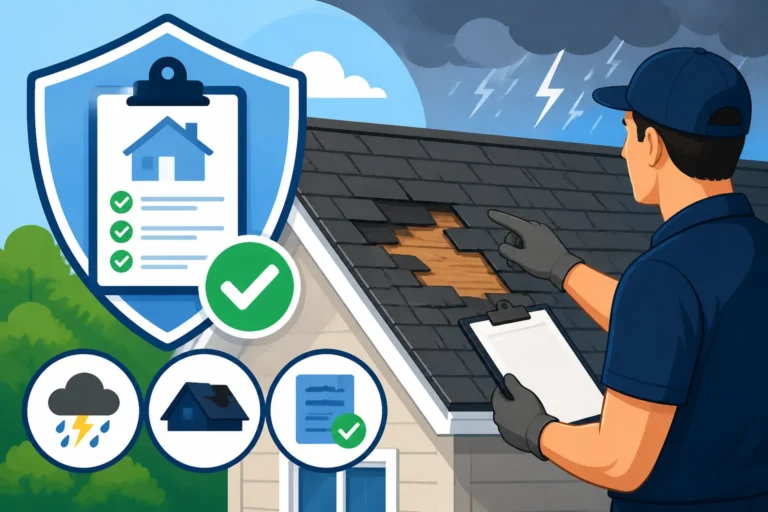
- Photographs and Videos: While no work may have started, document the current state of your roof and property. This helps establish that no services were rendered. If any preliminary work was done (e.g., materials dropped off), document that too. A visual record proves the contractor's partial or complete abandonment of the project.
- Maintain a Detailed Log: Keep a chronological journal of every action you take, every person you speak to, and every document you collect. Include dates, times, names, and a summary of conversations. This log will serve as your personal timeline and help you recall specifics if things drag on.
Attempt to Re-establish Contact Officially
Before jumping to conclusions, give the contractor a final, formal chance to respond. Sometimes, there might be a legitimate, albeit poorly communicated, reason for a delay or silence. Perhaps they had an unexpected emergency, though a professional company should always have contingency plans or at least an answering service.
- Send a Certified Letter: This is a critical step. Draft a formal letter outlining the project details, the deposit amount paid, the lack of communication, and a clear deadline for their response or commencement of work (e.g., 7-10 business days). State your intention to pursue further action if they fail to respond. Send this letter via certified mail with a return receipt requested. This provides irrefutable proof that they received your communication.
- Consider a Legal Demand Letter: If the certified letter yields no results, you might consider having an attorney draft a more formal demand letter. While this costs money, the official letterhead can sometimes spur a response where a homeowner's letter might not. This step is a clear signal that you are serious about pursuing the matter legally.
- Public Record Checks: Do a quick online search for the contractor or company. Check their website, social media, and business listings. Have they posted any updates? Are there other complaints surfacing online? Sometimes, a company might suddenly shut down, change its name, or move locations. This information can be helpful in understanding the scope of the problem.
Exploring Formal Avenues and Legal Recourse
Once you’ve exhausted attempts at direct communication and gathered all your evidence, it’s time to escalate. You have several formal avenues available, depending on the amount of money involved, the laws in your state, and the contractor's licensing status. This is where understanding how to file a complaint against a roofer becomes critical.
Contact Your State's Contractor Licensing Board
Many states require roofing contractors to be licensed. If your contractor is licensed, the state licensing board is often the first and most effective place to file a formal complaint. These boards exist to protect consumers and regulate the industry.
- Verify License Status: First, check if the contractor is licensed in your state. You can usually do this through the state's Department of Professional Regulation, Contractor's Board, or a similar agency's website. If they weren't licensed when they took your deposit, that's a significant red flag and can strengthen your case.
- File a Formal Complaint: The board will have a specific process for filing a complaint. You'll typically need to submit all your documentation (contract, payment proof, communication logs, photos). The board can investigate, mediate disputes, or even impose disciplinary actions on licensed contractors, such as fines, suspension, or revocation of their license. While they often can't recover your money directly, disciplinary action can put pressure on the contractor to resolve the issue to protect their livelihood.
- Understand Their Scope: It's important to understand that licensing boards have specific mandates. They regulate professional conduct and licensing, but direct monetary recovery might be limited or require additional steps. However, their involvement signals that a professional body views the contractor's actions as potentially violating industry standards.
Consumer Protection Agencies and Associations
Beyond licensing boards, several other organizations can offer assistance and help you hold a rogue contractor accountable. These agencies are set up to protect consumers from fraudulent or unfair business practices.
- Better Business Bureau (BBB): File a complaint with the BBB. While the BBB doesn't have enforcement power, they mediate disputes and publicly document complaints, which can impact a contractor's reputation and business rating. Many contractors want to maintain a good BBB rating, so this can sometimes prompt a response.
- State Attorney General's Office: Your state's Attorney General's office typically has a consumer protection division. They investigate consumer complaints and can sometimes take legal action against businesses engaging in widespread fraudulent practices. While they may not handle individual cases, your complaint adds to their database and can contribute to a larger investigation.
- Local Consumer Affairs Departments: Some counties or cities have their own consumer protection departments. A quick search for "consumer affairs [your city/county]" can help you locate these resources.
Small Claims Court or Legal Action
If the deposit amount is within the limits for small claims court in your state, this can be a more direct route to recovering your money. For larger sums, or if the contractor is completely unresponsive to other efforts, consulting with an attorney may be necessary.
- Small Claims Court: This is designed for individuals to resolve disputes without needing an attorney, though you can hire one if you choose. There are limits on the amount of money you can sue for (which varies by state, often ranging from $5,000 to $20,000). You'll need to formally serve the contractor with the lawsuit, present your evidence, and argue your case before a judge. This can be time-consuming but offers a direct path to a judgment for monetary recovery.
- Hiring an Attorney: For larger deposits or more complex cases, a civil attorney specializing in contract disputes or construction law can be invaluable. They can advise you on the best course of action, negotiate on your behalf, and represent you in court. While legal fees are a consideration, the potential for recovering a significant sum might make it worthwhile. They can also help you navigate the nuances of your specific roofing contract.
- Filing a Police Report: If you believe the contractor intentionally defrauded you, filing a police report might be appropriate. This is particularly relevant if there’s no intent to perform work, and they’ve merely taken your money. While law enforcement may not get involved in contract disputes, outright fraud is a criminal matter.
Financial Recovery and Moving Forward
Beyond seeking legal recourse, there are practical financial steps you can take to try and recover your funds or protect yourself from further losses. This is also a good time to reflect on how to prevent this from happening again and to safely find a new, trustworthy contractor.
Recouping Your Deposit
Depending on how you paid, you might have options for recovering your money even before a court judgment.
- Credit Card Dispute (Chargeback): If you paid the deposit with a credit card, contact your credit card company immediately to dispute the charge. Most credit card companies offer consumer protection against services not rendered or fraudulent charges. There are usually time limits for filing a dispute, so act quickly. Provide them with all your documentation as proof.
- Bank Dispute: If you paid via a debit card or bank transfer, contact your bank. While less protection is typically available compared to credit cards, they may still be able to investigate or advise on options, especially if it points to potential fraud.
- Homeowner's Insurance: In very rare and specific circumstances, your homeowner's insurance might offer some coverage if the contractor's actions led to direct damage covered by your policy, or if there's a specific rider for contractor fraud. However, this is highly unlikely to cover a deposit for unstarted work. It's always worth checking your policy or calling your agent, but don't hold your breath for this one.
Preventing Future Ghosting and Scams
Getting ghosted by a contractor is a traumatic experience, but it’s an opportunity to learn and protect yourself for future projects. Many of these preventative measures boil down to thoroughly vetting any company you consider.
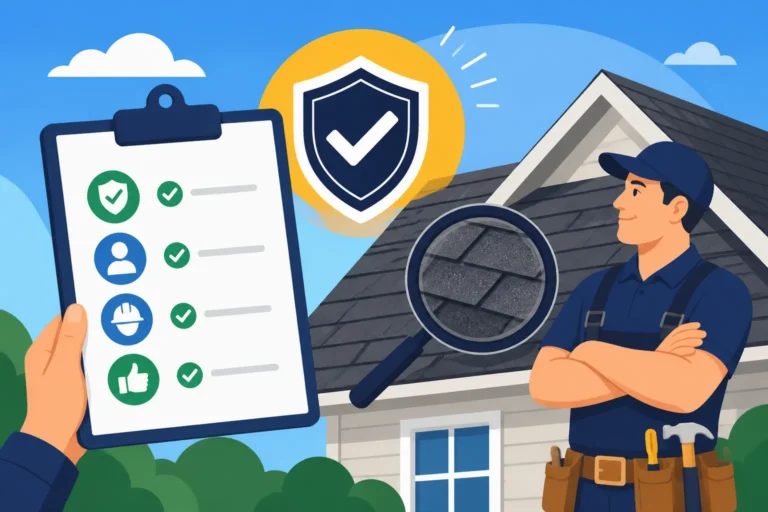
- Thorough Vetting is Key: Before hiring any contractor, do your homework. Check their licenses, insurance, and bond status. Look up their business on the state's Secretary of State website to ensure they are a legitimate entity. Platforms like Modernize can help homeowners connect with pre-screened, reputable roofing contractors, reducing the risk of encountering unreliable companies. Always get multiple estimates from different companies, as this helps you understand fair market pricing and compare options.
- Verify References and Reviews: Don't just rely on online reviews; ask for recent customer references and actually call them. Ask specific questions about the contractor's communication, adherence to timelines, and how they handled any unexpected issues. Check out their profile on the BBB and other review sites like Google or Yelp. This thorough check is part of learning how to choose a roofing contractor.
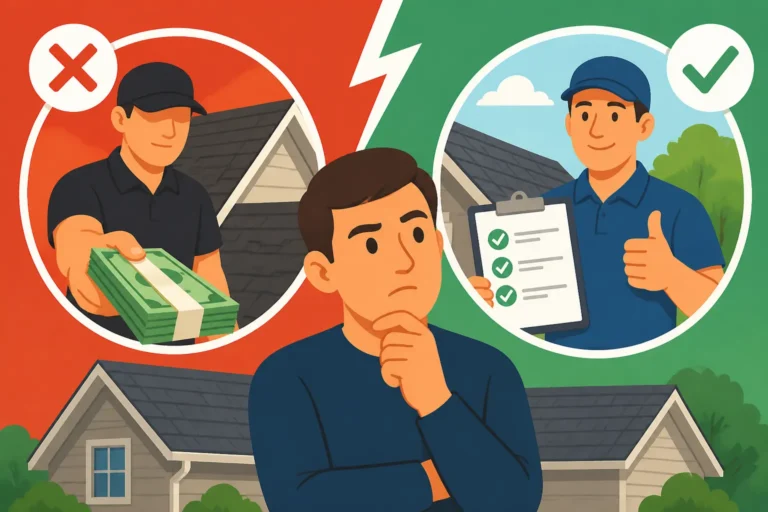
- Payment Schedule Scrutiny: Never, ever pay the full amount upfront. A reasonable payment schedule usually involves a deposit (often 10-30% of the total project cost, depending on local regulations and project size) to secure materials and schedule the job. Subsequent payments should be tied to specific milestones of completed work. Be wary of any contractor demanding an unusually large upfront payment or 100% payment before work begins. This is a significant red flag in the roofing deposit and payment schedule conversation.
- Detailed Contracts: Always demand a comprehensive written contract that clearly outlines the scope of work, materials, timeline, total cost, payment schedule, and warranty information. Read every line carefully. It should also include provisions for delays, change orders, and dispute resolution. A well-written contract is your best protection. For a complete understanding, see what to include in a roofing contract.
- Check for Insurance and Bonding: Ensure the contractor carries general liability insurance and workers' compensation insurance. Ask for certificates of insurance and call the insurance company to verify their validity. If a worker gets injured on your property and the contractor isn't properly insured, you could be held liable. This highlights why licensed and insured roofers: why it matters.
- Obtain Permits Yourself (or Verify): Depending on your locality, many roofing projects require permits. Understand if you need a permit to replace a roof and ensure the contractor pulls the necessary permits before work begins. You can often verify a permit's status with your local building department.
Finding a New Roofer After a Bad Experience
It's understandable to feel hesitant and distrustful after being ghosted, but your roof still needs attention. Take a deep breath and apply all the lessons you've learned.
- Start Fresh with Vetting: Use the experience as a lesson. Don't rush into hiring the next available contractor. Take your time to vet thoroughly, perhaps using services like Modernize to find qualified professionals who have already undergone a screening process. Ask for multiple quotes, understanding that a much lower bid than others can be a red flag.
- Discuss Your Past Experience: Be open with new contractors about what happened. A reputable contractor will understand your caution and be transparent in their processes and communication. They should be able to provide clear answers to questions to ask a roofing contractor before hiring, offer references, and explain their payment structure in detail.
- Consider Escrow Accounts: For larger projects, you might explore using an escrow service where payments are held by a neutral third party and released only when work milestones are met and verified. This adds an extra layer of financial security.
Remember, while dealing with a ghosting contractor is incredibly frustrating and stressful, you have options. By meticulously documenting everything and systematically pursuing the available avenues, you increase your chances of recovering your deposit and getting your roofing project back on track with a trustworthy professional.
Disclaimer
Please note: This article provides general information and guidance regarding issues with roofing contractors. It is not intended as legal advice. Laws and regulations regarding contractors, consumer protection, and legal recourse vary significantly by state and local jurisdiction. If you are experiencing a situation where a contractor has ghosted you after taking a deposit, it is highly recommended that you consult with a legal professional or your state's consumer protection agencies for advice specific to your circumstances.