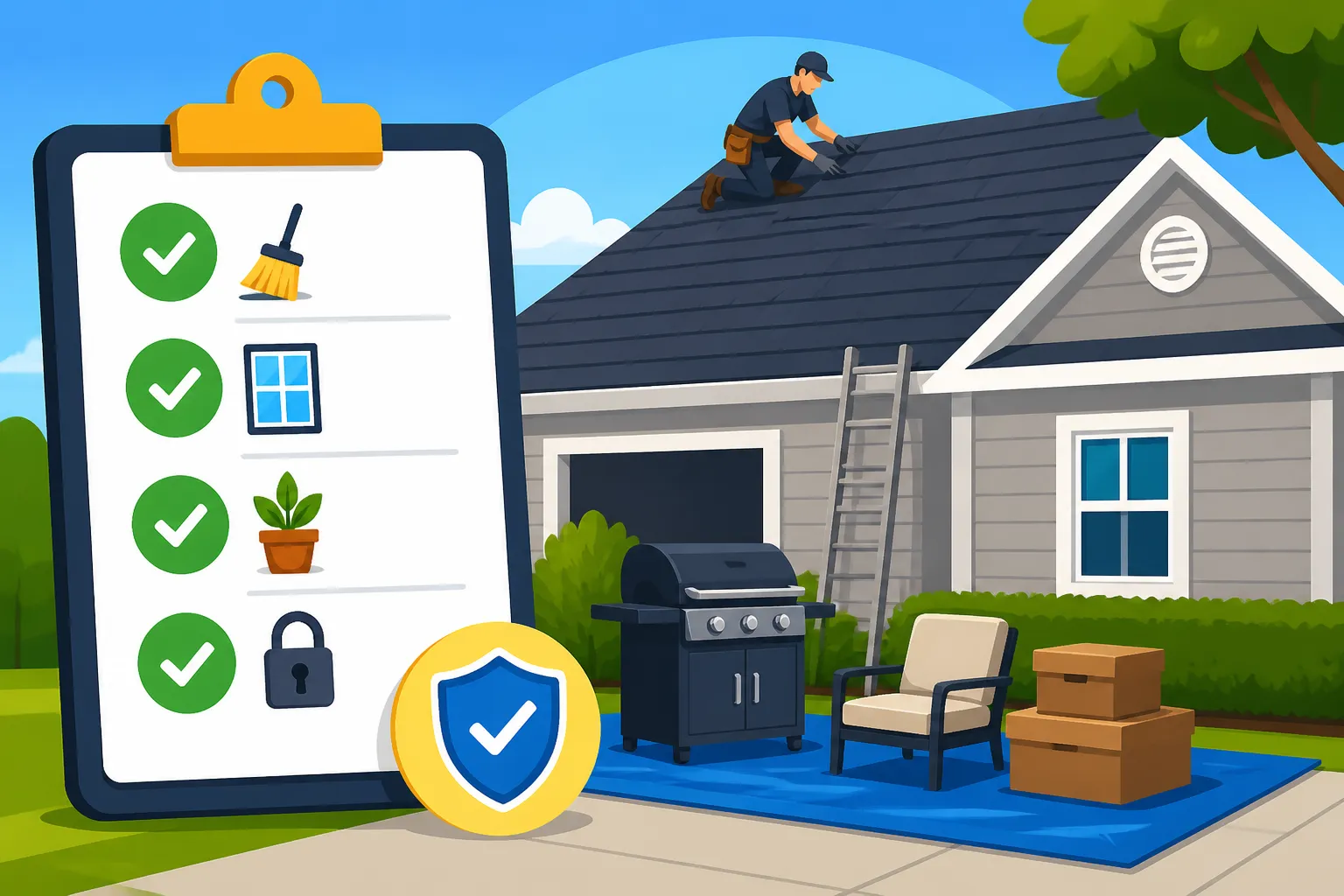
What to Do Before Roofers Arrive
The days leading up to a roof replacement can feel like a whirlwind of anxiety, with homeowners often wondering what they really need to do to prepare their property and their family. It’s totally normal to feel a bit overwhelmed thinking about the noise, the debris, and the sheer scale of the work. This comprehensive guide is here to walk you through every essential step, ensuring a smoother, safer, and less stressful experience before your roofing crew even sets foot on your property.
Safeguarding Your Exterior and Valuables
The moment your roofing crew arrives, your yard transforms into a bustling construction zone. Debris will fly, heavy materials will be moved, and tools will be everywhere. Taking proactive steps to protect your exterior spaces and valuables isn't just a good idea; it's absolutely crucial for preventing damage and ensuring a clear, safe workspace for the pros.
Clearing the Immediate Work Area
Think of your yard as a giant magnet for roofing debris – nails, old shingles, wood fragments, and dust will inevitably end up on the ground. To minimize potential damage to your belongings and make cleanup easier for the crew, a thorough clearing of the perimeter is a must. Start by removing anything within 10-15 feet of your house, if possible. This includes moving vehicles out of the driveway and away from the house entirely. Punctured tires from stray nails are a surprisingly common issue that no one wants to deal with. Patio furniture, grills, decorative planters, and even garden gnomes should find a temporary home in your garage or a safe spot far from the action. Don't forget to take down any wall-mounted decorations, wind chimes, or hanging baskets from your porch or eaves, as vibrations can easily send them crashing down.
For those with pools or ponds, covering them completely with a heavy-duty tarp is non-negotiable. Imagine a shower of shingle granules and small debris settling in your pristine pool – it's a cleanup nightmare you definitely want to avoid. Likewise, delicate shrubs, flower beds, and young trees directly alongside your house need protection. You can drape tarps over them or gently tie back branches to keep them out of harm's way. Some roofing companies, especially those found through platforms like Modernize, are excellent about laying down large tarps to catch debris, but a homeowner's pre-emptive clear-out goes a long way in supporting their efforts and protecting your property. Remember, the goal is to create as much clear, unobstructed space around your home as possible.
Securing Interior Belongings and Attics
It's easy to focus solely on the exterior, but the interior of your home is also susceptible to the tremors and vibrations of a roof replacement. The constant hammering and movement can cause items to shift, fall, or even break. Take a careful walk through your home, especially rooms directly below the roofline, such as bedrooms, bathrooms, and upper-story hallways. Remove any fragile items from shelves, mantelpieces, and walls, particularly picture frames, mirrors, and decorative plates. That heirloom vase might look sturdy, but it's better safe than shattered. For chandeliers or light fixtures that hang directly from the ceiling, especially those with delicate glass components, consider securing them or even temporarily removing them if they seem particularly vulnerable.
The attic is another critical area that often gets overlooked. If you use your attic for storage, know that it will be a high-vibration zone. Dust, dirt, and even small pieces of insulation can be dislodged and settle on your stored items. Cover everything in your attic with old sheets or plastic sheeting to protect them from dust and potential falling debris from the roof deck. It's also a good idea to move boxes and valuables away from direct contact with the roof decking if possible. This preparation step protects your cherished belongings and helps the roofing crew should they need access to your attic for inspection or repairs during the job, which can happen if they encounter unexpected issues like rotted roof decking.
Essential Communication with Your Roofing Contractor
A successful roof replacement project hinges on clear, consistent communication between you and your roofing contractor. Before the work even begins, you should have a firm understanding of the plan, the timeline, and who to talk to if questions or concerns arise. Don't be afraid to ask too many questions; a reputable contractor will appreciate your diligence.
Confirming Logistics and Expectations
Before the crew starts, it's wise to have a quick chat with your project manager or lead roofer to confirm the day's plan. This might seem redundant after all your discussions during the initial estimation phase, but it helps ensure everyone is on the same page. Confirm the exact start time, how many crew members to expect, and where they will park their vehicles and equipment. Discuss the access points for material delivery and debris removal, ensuring these areas are clear. If you have specific concerns, such as a garden you're particularly proud of or a pet that might react strongly to noise, reiterate them. This is also a good time to ask about their estimated completion time for the entire project. For instance, you might ask, "How Long a Roof Replacement Takes" or "What to Expect on Roof Installation Day."
Ask about their daily cleanup routine. Will they do a thorough sweep for nails at the end of each day, or only after the entire job is done? Knowing this helps you plan your own movements around your property. Clarifying these smaller details upfront can prevent misunderstandings and unnecessary stress. Many contractors understand these concerns and will offer a detailed overview of the process, but it's your home, so empower yourself to ask for the information you need.
Understanding the Project's Scope and Timeline
Beyond the daily logistics, ensure you have a solid grasp of the overall project scope. Your roofing contract should clearly outline what will be done, but it's helpful to review it one last time. Does the plan include a full tear-off of old shingles, or are they roofing over existing shingles? Are there provisions for replacing roof decking if rot or damage is found? Knowing the exact steps involved in "How a Roof Replacement Works: The Full Process" will prepare you for each stage. For instance, the initial tear-off is often the loudest and messiest part of the job, and understanding "What Happens During a Roof Tear-Off" can help you mentally prepare for the disruption.
It's also crucial to confirm the estimated timeline. While weather and unforeseen issues can cause delays, a good contractor will provide a realistic estimate and communicate any changes promptly. Ask about their process for handling unexpected issues. What happens if they discover significant structural damage to the roof decking? What are the implications for the schedule and your "Roof Decking Replacement Cost"? A transparent contractor will have clear answers and solutions for such scenarios. This level of detail helps you feel more in control and less surprised by the various stages of the project.
Preparing for Noise and Household Disruption
Let's be real: a roof replacement is not a quiet affair. From the tearing off of old shingles to the hammering of new ones, your home will be subjected to significant noise and vibration. Being mentally prepared for this, and making arrangements to minimize its impact on your family and pets, is essential for maintaining sanity.
Managing Pets and Children During the Project
For many homeowners, pets are like family, and their well-being during a noisy construction project is a top priority. The loud banging, unfamiliar voices, and general commotion can be incredibly stressful for animals, even those usually calm and collected. Consider making arrangements for your pets to stay elsewhere for the duration of the project, especially on the busiest days. A friend's house, a relative's home, or even a reputable pet boarding facility are excellent options. If that's not possible, create a designated "safe room" in your home, as far away from the exterior walls and roof as possible, preferably in the basement or a quiet interior room. Provide their favorite bed, toys, food, water, and perhaps some calming music or a white noise machine to help mask the sounds. Check on them frequently to ensure they're not too distressed.
Children, especially younger ones, can also find the noise and activity unsettling or, conversely, dangerously intriguing. The worksite is not a playground, and loose nails or falling debris pose significant hazards. Plan activities outside the home during peak work hours, or arrange for them to stay with friends or family. If they must be home, establish clear "off-limits" zones and ensure constant adult supervision to keep them away from windows, doors leading outside, and any areas where tools or materials might be stored. Explaining the process in simple terms can also help older children understand why their normal routine is temporarily disrupted.
Minimizing Household Inconvenience
Beyond pets and children, the entire household will feel the impact of a roof replacement. Expect intermittent power outages if the crew needs to use your exterior outlets for power tools, or if circuits become overloaded. It’s always a good idea to unplug sensitive electronics beforehand to prevent any potential damage from power fluctuations. Access to certain parts of your home might be temporarily restricted for safety reasons. You might find it challenging to use certain entrances or walk freely around your house at times.
The pervasive noise can make working from home, napping, or even having a conversation nearly impossible. Plan accordingly: if you work remotely, consider working from a coffee shop, a library, or a co-working space for the day. If someone in your household works night shifts and needs to sleep during the day, this needs to be communicated to the contractor, and alternative sleeping arrangements might be necessary. Stock up on easy-to-prepare meals, as cooking might be disrupted, and consider earplugs or noise-canceling headphones for those moments when you just need a break from the cacophony. Remember, this disruption is temporary, and a bit of planning can prevent a lot of frustration.
Final Checks and Essential Considerations
As the start date for your roof replacement draws near, there are a few critical administrative and safety checks you absolutely shouldn't skip. These aren't just about convenience; they're about protecting your investment, your property, and your peace of mind.
Verifying Permits and Contractor Insurance
One of the most important things you need to confirm before any work begins is that all necessary permits have been secured and are properly displayed. Local building departments require permits for major home renovations like roof replacements to ensure the work adheres to safety and building codes. If your contractor hasn't pulled the necessary permits, it could lead to fines, work stoppages, and even issues with your homeowner's insurance down the line. You can confirm this directly with your local building department or ask your contractor to show you the permit. A good contractor, often vetted through services that help you find reputable professionals, will always handle the permit process for you, such as those recommended by Modernize.
Equally vital is verifying your contractor's insurance. They should carry both General Liability insurance, which protects your property in case of damage during the project, and Workers' Compensation insurance, which covers their crew if someone gets injured on your property. Without proper insurance, you could be held liable for accidents or damages. Don't just take their word for it; ask for current certificates of insurance directly from their insurance provider. You need to verify that the coverage dates are current and that the policy limits are adequate. This step is non-negotiable and provides a critical layer of protection for you, the homeowner. Learning about "Licensed and Insured Roofers: Why It Matters" will underscore the importance of this step.
Ensuring Accessibility and Emergency Contacts
On installation day, the roofing crew will need unimpeded access to your home and yard. Ensure there's a clear path for them to bring in materials and set up their equipment. Move any trash cans, recycling bins, or garden hoses that might obstruct their entry or movement. If you have an exterior water spigot they might need access to, make sure it’s easily available.
Furthermore, establish clear lines of communication for the duration of the project. Provide your contractor with a reliable phone number where you can be reached at all times. In turn, ensure you have the direct contact information for the project manager or site supervisor, not just the main office number. This is crucial for addressing any questions, concerns, or emergencies that might arise quickly. Discuss what their protocol is for unforeseen issues – for instance, if they discover significant structural problems or if there's an unexpected weather event. Knowing who to call and what to expect in various scenarios will alleviate a lot of stress during the project.
Remember that a major project like a roof replacement is a partnership between you and your contractor. By taking these preparatory steps, you're not just safeguarding your home; you're actively contributing to a more efficient, safer, and ultimately more successful outcome for your new roof.
| Task Category | Specific Action | Why It's Important | Estimated Time |
|---|---|---|---|
| Exterior Protection | Move vehicles away from the house | Prevents damage from falling debris, nails | 15-30 min |
| Clear patio furniture, grills, planters | Protects personal items, provides clear workspace | 30-60 min | |
| Cover pools, ponds, and delicate landscaping | Prevents debris contamination, protects plants | 30-60 min | |
| Take down wall decorations, wind chimes | Prevents items from falling due to vibrations | 15-30 min | |
| Interior Protection | Remove fragile items from shelves, walls, mantels | Protects valuables from vibrations and potential falls | 30-90 min |
| Secure or remove hanging light fixtures | Prevents damage to delicate fixtures from vibrations | 15-30 min | |
| Cover stored items in the attic with tarps/sheets | Protects against dust, dirt, and minor debris | 30-60 min | |
| Logistics & Safety | Confirm project schedule and access points with crew | Ensures everyone is aligned, prevents misunderstandings | 15 min (call) |
| Verify current permits are posted | Ensures legal compliance, avoids fines | 5 min (check) | |
| Confirm contractor's general liability & worker's comp insurance | Protects you from liability for damage or injury | 15 min (request/verify) | |
| Create a "safe zone" for pets and children | Minimizes stress for animals, ensures safety for children | 30-60 min | |
| Provide emergency contact information | Ensures quick communication for any issues | 5 min | |
| Unplug sensitive electronics | Protects against power fluctuations | 10 min | |
| Stock up on easy meals, plan for noise | Minimizes household inconvenience, prepares for disruption | Varies |
Disclaimer
Please remember that this article provides general information and recommendations. Every roofing project and home is unique. Always consult with your chosen professional roofing contractor for advice tailored to your specific situation and refer to your local building codes and regulations.