Roofing Contractor Won’t Return Calls: What to Do
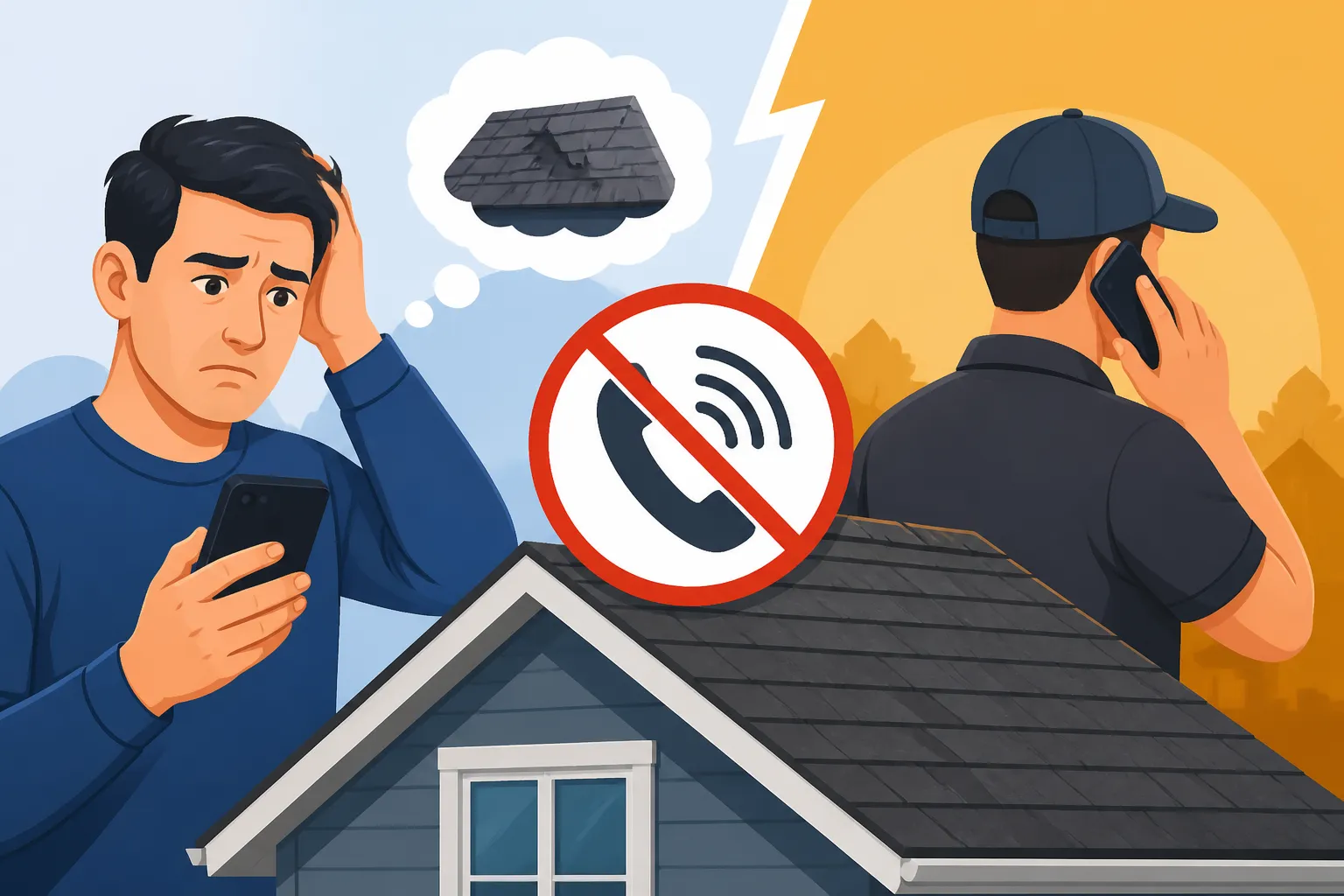
It's incredibly frustrating, isn't it? You've spent time discussing your roofing needs, maybe even received an estimate, and now your chosen roofing contractor has simply gone silent. The calls go to voicemail, emails disappear into the abyss, and you're left wondering what to do next with your home's most important defense. This guide is here to walk you through exactly what steps you can take when a roofing contractor won't return calls, helping you regain control and move forward.
Understanding Why Contractors Go Silent
When a roofing contractor goes silent, it's easy to jump to the worst conclusions. Is it a scam? Did they just forget about me? While sometimes it might be a sign of trouble, there are often more benign reasons behind the lack of communication. Understanding these can help you approach the situation more calmly and effectively.
Common Reasons for Lack of Communication
Let's be real, roofers are busy people, and sometimes their communication skills aren't as polished as their shingle-laying abilities. Here are some typical scenarios:
- Overwhelmed with Workload: Especially after a major storm, roofing companies can get absolutely swamped. They might be juggling dozens of projects, emergency repairs, and new estimates. Your project, while important to you, might have simply fallen through the cracks temporarily due to sheer volume. Imagine a hail storm sweeping through your town; every roofer is suddenly inundated with calls about "Hail Damage: Repair or Replace", making it tough to keep up.
- Staffing Issues or Turnover: The construction industry can have high turnover. Key personnel, like the estimator you spoke with or the project manager, might have left the company, and your project details didn't get properly transferred. Or, they might be short-staffed due to illness or other unforeseen circumstances, leaving fewer people to handle incoming calls and follow-ups.
- Administrative Disorganization: Some smaller companies, or even larger ones during peak season, might not have the most robust administrative systems. Calls and emails can genuinely get lost, filed incorrectly, or simply overlooked amidst a sea of paperwork and digital correspondence. This isn't an excuse, but it happens more often than you'd think.
- Estimating Stage Delays: If you're still in the early stages of getting a quote, there could be delays in the estimation process. Perhaps they're waiting on a specific material price, or their estimator is backed up. While they should communicate this, an unresponsive contractor might just default to silence. Sometimes, these delays can even affect the overall Roof Cost Per Square: What You'll Pay, leading to them needing more time to finalize figures.
- Genuine Oversight or Error: Believe it or not, sometimes it's just a simple mistake. A phone call wasn't logged, an email went to spam, or they genuinely thought someone else on their team was handling your follow-up. It's frustrating, but human error is a factor in any business.
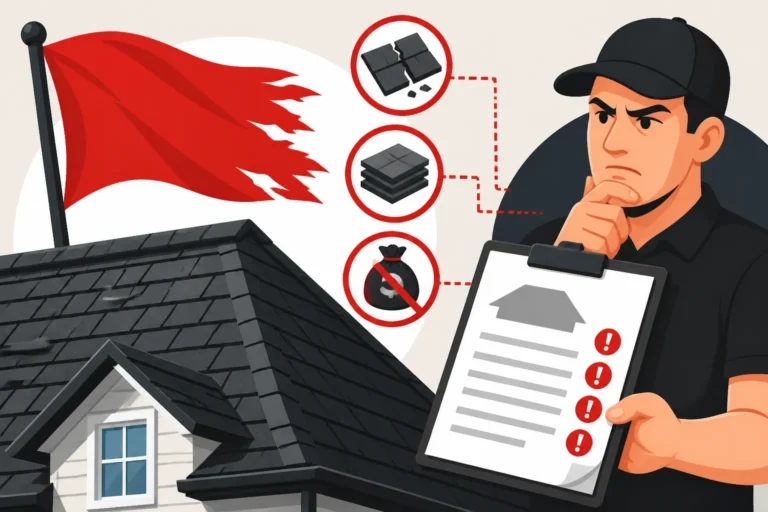
When Silence Is a Red Flag
While some communication gaps are understandable, others are definite warning signs. Knowing the difference can save you a lot of headache and potentially, money.
- After a Deposit Has Been Paid: This is a critical one. If you've already paid a deposit and the contractor suddenly becomes unreachable, that's a major red flag. A reputable company will maintain consistent communication, especially once funds have exchanged hands. If they aren't, it could be a sign of financial instability or, in worst cases, a scam. Remember to always understand "Roofing Deposit: How Much Is Normal" before committing any money.
- Refusal to Provide Updates: If you do manage to get through, but they offer vague answers, refuse to provide a timeline, or seem to be avoiding direct questions about your project's status, that's concerning. You deserve clear, concise updates on your roofing project.
- Inconsistent Contact Information: Have you noticed their phone number changes often, or their email address seems unofficial? A legitimate business will have consistent, professional contact details. If you're struggling to even confirm their basic information, it’s a sign to step back.
- No Physical Address or Business Presence: A lack of a physical office, or only a P.O. box address, can be a warning. While many smaller operations might work from home, established businesses usually have a verifiable location. You want to know where to find them if an issue arises.
- Pressure to Pay Upfront (and then silence): If a contractor pressured you into a large upfront payment and then disappeared, that’s a classic "Roofing Contractor Red Flags to Avoid" scenario. Legitimate contractors usually have a reasonable payment schedule, often tied to project milestones.
Your Initial Steps When Calls Go Unanswered
Okay, so you've waited a reasonable amount of time, and still nothing. It's time to take proactive steps, but do so methodically. Don't immediately assume the worst; start by giving them every opportunity to respond.
Checking Your Records and Their Communication Habits
Before you bombard them with calls, take a moment to gather your thoughts and information.
- Review All Past Communications: Go through your call logs, emails, text messages, and any physical mail. When was the last time you heard from them? What was the nature of that communication? Did they promise to call back by a certain date? Having this timeline will be crucial. Note down the exact dates and times you've attempted to reach them.
- Verify Contact Information: Double-check the phone numbers and email addresses you have. Is it possible you have an old number? Look up their official business website or check platforms like Modernize to ensure you have their most current contact details. Sometimes, a simple typo is all it takes to send your messages into the void.
- Assess Their Typical Response Time: Think back to your initial interactions. Were they always a bit slow to respond, or is this a sudden change? If they generally took a few days to get back to you, perhaps a bit more patience is warranted before you escalate.
Crafting Effective Follow-Up Messages
When you do reach out, make your communications clear, concise, and professional. Avoid accusatory tones initially.
- Send a Polite Email/Text: Start with a polite email or text message, as these create a written record. State your name, project address, and politely remind them of your last interaction or the reason for your call. For example: "Hi [Contractor Name], this is [Your Name] at [Your Address] regarding the roofing estimate/project discussion we had on [Date]. I haven't heard back and wanted to follow up on the status of [specific item, e.g., the estimate, scheduling, etc.]. Please let me know the best way to reach you."
- Leave a Clear Voicemail: If you call, leave a detailed voicemail. State your name, number, address, and the specific reason for your call. Clearly state what you need from them (e.g., "I need an update on the installation schedule" or "I'm calling about the revised estimate"). Give them a specific deadline for a response, like "Please call me back by end of day Friday."
- Try Different Channels: If you've only been calling, try email. If you've only been emailing, try calling. Some contractors prefer one method over another. Check their website or social media to see if they list other contact methods.
Seeking Alternative Contacts or Information
If direct outreach isn't working, it's time to broaden your search within the company.
- Call the Main Office Line: If you've been dealing with a specific individual, try calling the general office number if they have one. Explain that you're having trouble reaching your contact person and need assistance.
- Check Their Website or Social Media: Look for "contact us" sections, or even employee listings. Sometimes you can find a project manager or office administrator's contact details. Many reputable companies use platforms like Modernize to list their services, and you might find alternative contact methods there.
- Ask for References (if applicable): If you're still in the hiring phase, and they provided references, consider contacting one (if appropriate and you're not revealing private info) to ask about their experience with communication. However, this is usually for vetting before you've committed.
Escalating the Situation and Protecting Yourself
If your polite attempts at communication yield no results, it's time to get a bit more serious. You need to protect your interests, especially if money has been exchanged.
Formalizing Your Communication
Moving beyond casual calls and emails, formal communication establishes a clear paper trail.
- Send a Certified Letter: This is a crucial step. A certified letter, sent with a return receipt requested, provides undeniable proof that the contractor received your communication. In this letter, clearly state your intent, refer to previous attempts at contact, outline the issue (e.g., lack of work progress, unreturned deposit), and specify a reasonable deadline for their response or action (e.g., "Within 7 business days"). Keep a copy of the letter for your records. This is especially important if you’ve already paid a deposit and the project has stalled, leading you to wonder about "Roofing Payment: Milestones vs Lump Sum" and your options.
- Document Everything: From this point forward, keep meticulous records. Every call, email, text, and letter. Note down the date, time, who you spoke with (if anyone), and the gist of the conversation. This documentation will be invaluable if you need to take further action.
Leveraging Third-Party Resources and Reviews
Online platforms and consumer protection agencies can be powerful tools.
- Check Online Review Sites: Look up the contractor on sites like Google Reviews, Yelp, Better Business Bureau (BBB), or industry-specific platforms like Modernize. See if other homeowners have reported similar issues. If you do find yourself needing to leave a review, be factual and objective about your experience.
- File a Complaint with the BBB: If the contractor is accredited with the Better Business Bureau, you can file a formal complaint. The BBB acts as a mediator and can often prompt a response from unresponsive businesses.
- Contact Your State's Contractor Licensing Board: Most states have a licensing board for contractors. If your contractor is licensed, this board can investigate complaints and may be able to help resolve the issue or provide guidance on how to proceed. For example, knowing "Roofing License Requirements by State" is crucial when vetting a contractor.
- Consider a Public Adjuster (if insurance is involved): If your roofing project stems from an insurance claim due to storm damage, and the contractor you hired (or your insurance-recommended contractor) has gone silent, a public adjuster might be able to help navigate the situation and push for communication, though their primary role is to represent you to the insurance company.
Considering Legal or Professional Recourse
When all else fails, you may need to consider more serious measures.
- Consult an Attorney: If you've paid a significant deposit, signed a contract, and the contractor remains unresponsive or refuses to fulfill their obligations, it's wise to consult a lawyer specializing in construction law or consumer protection. They can advise you on your legal options, such as sending a demand letter, filing a lawsuit, or even placing a lien on the contractor's assets if permissible.
- Small Claims Court: For disputes involving smaller amounts of money (the limit varies by state), small claims court can be a more accessible and less expensive option than a full-blown lawsuit. You often don't need a lawyer for small claims.
- File a Police Report (in cases of suspected fraud): If you have strong reason to believe you've been scammed (e.g., they took a large deposit and completely vanished without any work or intent to do work), filing a police report might be appropriate. This is usually a last resort for clear-cut fraud cases.
Here's a quick action checklist for when a contractor goes silent:
| Step | Action | Key Takeaway |
|---|---|---|
| Initial Review | Review past communications, verify contact info. | Understand the context of the silence. |
| Attempt Contact (1-2 times) | Polite email, text, or voicemail. | Create a clear, written record; set response expectations. |
| Wait Period | Allow 2-3 business days for a response. | Give them a fair chance to reply before escalating. |
| Second Attempt / Alternative Channels | Try main office line, check website/social media, ask for another contact. | Explore all internal communication avenues. |
| Formal Communication | Send a certified letter with return receipt. | Legal proof of contact and establishment of formal notice. |
| Documentation | Log all calls, emails, texts, and dates. | Essential for any future complaints or legal action. |
| Third-Party Review/Complaint | Check BBB, local licensing board, online reviews (Modernize). | Leverage consumer protection resources and public feedback. |
| Legal/Professional Advice | Consult an attorney or consider small claims court. | Understand your legal rights and options for recovery. |
Avoiding Unresponsive Contractors in the Future
The best defense is a good offense, right? When it comes to hiring a roofing contractor, taking proactive steps can significantly reduce your chances of dealing with communication black holes down the line.
Prioritizing Clear Communication in the Hiring Process
From the very first phone call, pay attention to how a contractor communicates. This is a huge indicator of how they'll perform once the project begins.
- Observe Initial Responsiveness: How quickly do they return your initial inquiry calls or emails? If it takes them a week to get back to you for an estimate, imagine how long it might take for a project update. While some delay is normal, consistent slowness from the start is a warning.
- Ask About Their Communication Protocol: Don't be shy! Ask questions like: "What's your typical response time for calls or emails?" "Who will be my main point of contact during the project?" "How will I receive updates on the project schedule and progress?" A good contractor will have clear answers.
- Get Everything in Writing: This goes beyond just the estimate. Ensure any agreements, changes, or important discussions are documented. This creates a reference point for both parties and reduces misunderstandings. When you're comparing bids, make sure to ask "What a Roofing Estimate Should Include" so you know exactly what you're getting.
The Importance of a Solid Roofing Contract
Your contract is your ultimate protection. Don't gloss over it.
- Detailed Scope of Work: The contract should explicitly detail every aspect of the project. What materials will be used (brand, type, color)? What's included in the tear-off? Are permits covered? What about cleanup? A vague contract leaves too much open to interpretation and potential disputes. This ties into why a thorough Roofing Contract: What to Look For is paramount.
- Clear Payment Schedule: A well-structured payment schedule outlines when payments are due, usually tied to project milestones (e.g., a deposit, payment upon material delivery, payment upon completion of tear-off, final payment upon project completion and your satisfaction). Avoid contractors who demand large upfront payments, especially 100% upfront.
- Timelines and Deadlines: While unforeseen circumstances can always arise, the contract should include estimated start and completion dates. It should also outline what happens if there are significant delays.
- Dispute Resolution Clause: A good contract will include a clause on how disputes will be handled, such as mediation or arbitration, before resorting to costly litigation.
- Warranty Information: Ensure the contract clearly states the terms of both the manufacturer's warranty on the shingles (e.g., GAF, Owens Corning, CertainTeed) and the contractor's workmanship warranty. Understanding "Roofing Warranty: Workmanship vs Manufacturer" is vital for long-term peace of mind.
Utilizing Reputable Platforms and Certifications
Doing your homework on a contractor before hiring them is the most effective preventative measure.
- Research Thoroughly: Don't just pick the first name you see. Get at least three to five estimates from different companies. When you're learning how to "How to Get Roofing Quotes and Compare Them", make sure you're asking the same set of questions to each potential contractor. Check their licensing, insurance, and bonding. You can find out more about "Licensed and Insured Roofers: Why It Matters" for your peace of mind.
- Check Reviews and References: Go beyond just reading online reviews. Ask the contractor for a list of recent references and actually call them. Ask about their experience with communication, project timelines, and problem resolution. Platforms like Modernize can be a great resource for finding vetted professionals and reading reviews.
- Look for Manufacturer Certifications: Many top shingle manufacturers like GAF, Owens Corning, and CertainTeed offer certification programs for contractors. A "GAF Master Elite Contractors Explained" or "Owens Corning Platinum Preferred Explained" status indicates that the contractor has met rigorous standards for training, insurance, and customer satisfaction, and often means they can offer enhanced warranties. These certifications can be a strong indicator of a reliable and communicative contractor.
- Trust Your Gut: If something feels off, it probably is. If a contractor is too pushy, vague with details, or makes you feel uncomfortable, it's perfectly fine to walk away, even if their quote is the lowest. The cheapest option often comes with hidden costs, including headaches from poor communication.
Dealing with an unresponsive roofing contractor is incredibly stressful, especially when your home's protection is on the line. By being patient yet persistent, methodical in your communication, and knowing when to escalate, you can navigate these challenging situations. More importantly, by taking the time to thoroughly vet contractors and prioritize clear communication from the outset, you can minimize the chances of facing this frustrating problem in the future.
Disclaimer
Please remember that this article provides general information and guidance. Roofing regulations, contractor licensing laws, and legal recourse options can vary significantly by state and local jurisdiction. Always consult with a qualified legal professional or local authorities for advice specific to your situation.