How to Find a Good Roofer in Arizona
Finding a good roofer in Arizona can feel like navigating a minefield, especially with the intense heat and unpredictable monsoon storms that can wreak havoc on your roof. You're not just looking for someone to nail shingles; you need a trustworthy professional who understands the unique challenges of the Arizona climate and will protect your home with quality craftsmanship. This guide is here to walk you through the essential steps to find a reputable, reliable roofing contractor in places like Phoenix, Tucson, Mesa, or Flagstaff, ensuring your asphalt roof stands strong against the desert elements.
Understanding Arizona's Unique Roofing Environment
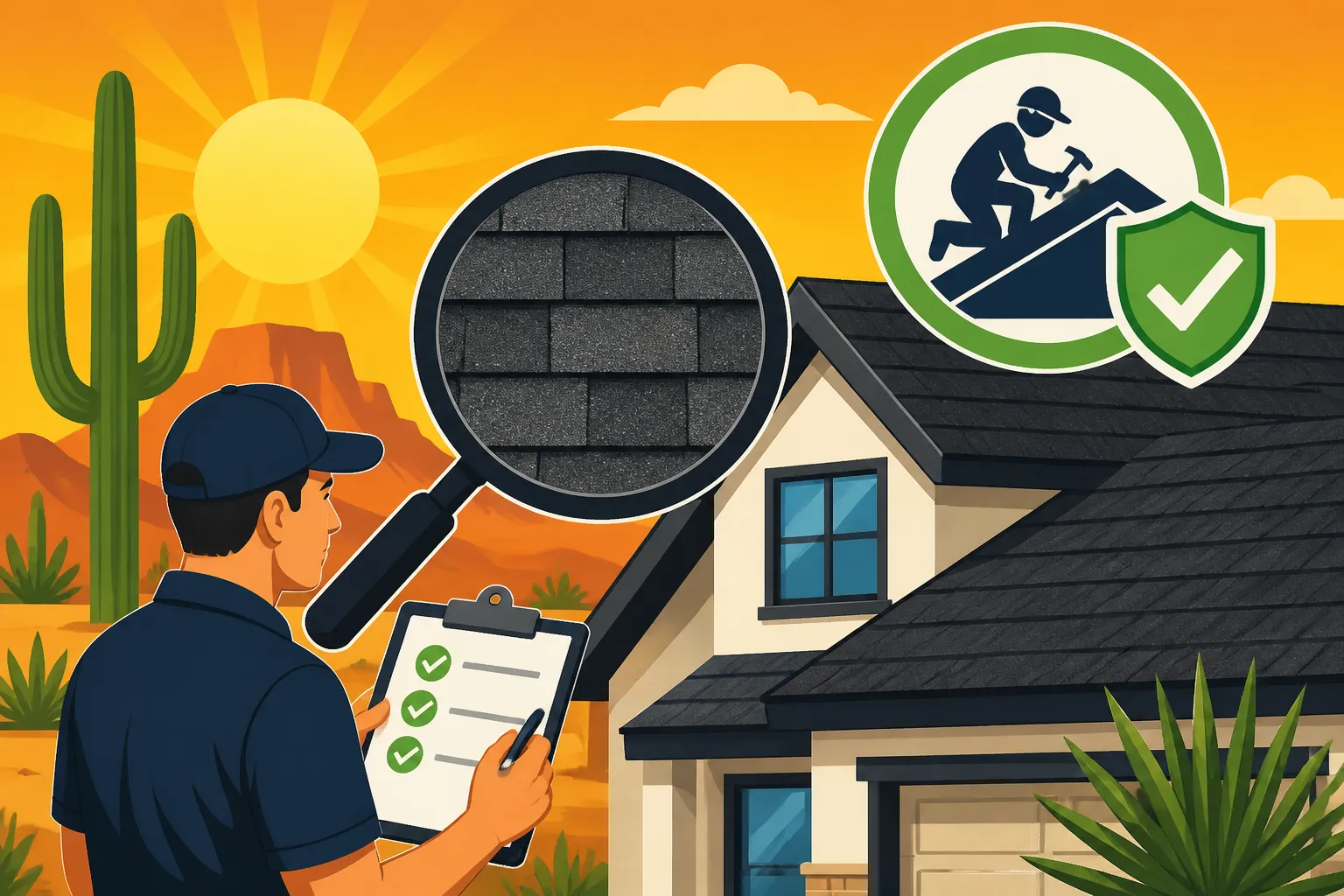
Before you even start looking for a contractor, it's helpful to understand what makes roofing in Arizona a bit different. We're not talking about snowy winters, but rather scorching summers, intense UV radiation, and sudden, violent monsoons with high winds and heavy downpours. These conditions put asphalt shingles to the test in ways that roofers in other states might not fully grasp.
The Impact of Extreme Heat and UV on Asphalt Shingles
Arizona's relentless sun means your roof is constantly exposed to extreme heat and powerful ultraviolet (UV) rays. This exposure can accelerate the aging process of asphalt shingles, leading to issues like granule loss, cracking, and curling much faster than in cooler climates. A good Arizona roofer will understand these effects and recommend materials and installation techniques designed to withstand them. They might suggest lighter-colored shingles that reflect more sunlight, or certain types of sealant that hold up better under prolonged heat. They'll also know to pay close attention to proper attic ventilation, which is crucial for prolonging roof life and keeping your energy bills down in our hot climate.
Navigating Monsoon Season and Hail Damage
While we don't often think of hail in Arizona, those powerful monsoon storms, especially in areas like Scottsdale or Peoria, can bring surprisingly large hailstones that cause significant damage to asphalt roofs. Beyond hail, the sheer force of monsoon winds can lift, tear, or even entirely remove shingles. A skilled local roofer will be experienced in identifying and repairing this specific type of storm damage. They'll also be knowledgeable about local building codes that might require enhanced fastening methods to improve wind resistance, especially for homeowners living in areas prone to severe weather. This specialized knowledge is critical for making sure your roof isn't just repaired, but fortified against future events.
Verifying Licenses, Insurance, and Local Credentials
This is perhaps the most crucial step when selecting any contractor, and in Arizona, it's particularly important due to the state's specific licensing requirements. You wouldn't trust a surgeon without a license, so why trust your home's biggest protector to someone who isn't properly credentialed?
Checking Arizona Registrar of Contractors ROC License
In Arizona, all contractors, including roofers, must be licensed by the Arizona Registrar of Contractors (ROC). This isn't an option; it's the law. A legitimate roofer will have an active license, and you can easily verify it online through the ROC website. This step is non-negotiable. An ROC license ensures the contractor has met certain experience requirements, passed necessary exams, and is bonded to protect consumers. When you're looking for a roofer, always ask for their ROC license number, then double-check it. Look for any complaints filed against them or any disciplinary actions. This public database is an invaluable resource for homeowners. Remember, hiring an unlicensed contractor, even for a small repair, leaves you vulnerable to shoddy work, no recourse, and potential legal headaches. Many homeowners fall for the trap of a super low bid, only to find out the contractor wasn't licensed, and their "deal" turned into a costly nightmare. If you're wondering about specifics, you can check out the comprehensive guide on Roofing Contractor License Requirements by State.
Ensuring Proper Insurance Coverage
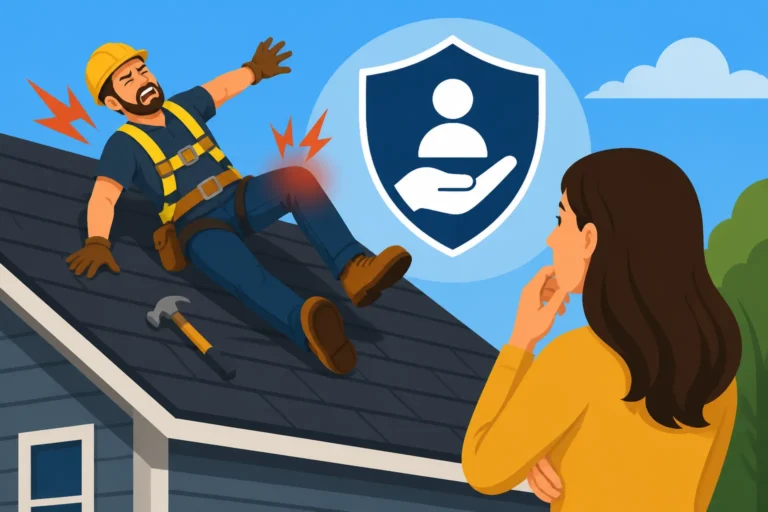
Beyond a license, a good roofer in Arizona must carry comprehensive insurance. We're talking about two main types: Workers' Compensation and General Liability. Workers' Comp protects the roofing crew if someone gets injured on your property. Without it, you, the homeowner, could be held liable for medical bills and lost wages. General Liability insurance protects your property from any damage caused by the roofing company during the project. Imagine a roofer accidentally drops a bundle of shingles through your skylight or drives a truck over your sprinkler system; General Liability covers those incidents. Always ask for current Certificates of Insurance directly from the insurer, not just a copy the contractor provides. It's smart to call the insurance company yourself to verify the policy is active and covers the specific dates of your project. This due diligence might seem excessive, but it protects your biggest investment – your home. For more on this, check out Should Your Roofer Be Bonded and Insured.
The Importance of Local Presence and Reputation
While a license and insurance are fundamental, local presence and reputation offer another layer of assurance. A roofer with a long-standing history in Arizona, particularly in your specific city or region, is likely to be more reliable. They've built their business on serving the community, and they understand local climate nuances better than an out-of-state "storm chaser" who might disappear after the job is done. Look for a physical office address, not just a P.O. box, and verify it. Check how long they've been in business. A company like Lyons Roofing, for example, has been serving Arizona for decades, demonstrating a commitment to the region. Reputation can be gauged by online reviews, Better Business Bureau (BBB) ratings, and personal references. Ask neighbors, friends, or even local hardware store employees for recommendations. A company that consistently delivers quality work in the Arizona heat will have a strong local following.
Seeking Out and Evaluating Roofing Estimates
Once you've narrowed down your list to licensed and insured contractors with a good local reputation, the next step is to get detailed estimates. This isn't just about comparing prices; it's about understanding the scope of work, materials, and timelines.
Getting Multiple, Detailed Bids
Don't settle for just one bid. Aim for at least three to five detailed estimates from different Arizona roofers. This gives you a broader understanding of fair market value for the work and allows you to compare proposals side-by-side. Make sure each estimate is broken down in detail, including:
- Material Costs: The type and brand of asphalt shingles (e.g., GAF, Owens Corning, CertainTeed), underlayment, flashing, vents, and other components. Don't be afraid to ask about specific material grades designed for high heat or impact resistance.
- Labor Costs: How many crew members, estimated hours, and daily rates.
- Permit Fees: Who is responsible for pulling the necessary roofing permits in your specific Arizona municipality (Phoenix, Tucson, etc.)?
- Disposal Fees: Cost of tearing off and disposing of old roofing materials.
- Warranty Information: Details on both the manufacturer's warranty for materials and the contractor's warranty for workmanship.
- Payment Schedule: Clearly outlined payment milestones.
- Timeline: Estimated start and completion dates.
A good roofing contractor in Arizona will take the time to inspect your roof thoroughly, not just give you a quick quote over the phone. They should get up on the roof, check the decking, assess the attic ventilation, and look for signs of previous water damage. For a deep dive into what to expect, read How to Get Roofing Quotes and Compare Them.
Reading and Comparing Roofing Contracts
A professional, detailed contract is your best friend. It should clearly outline everything discussed in the estimate and protect both you and the contractor. Red flags include vague language, missing details, or a contract that seems rushed or incomplete. Pay close attention to clauses about change orders – what happens if unforeseen damage (like rotted decking) is discovered? How will that additional work be approved and priced? Ensure the contract specifies the exact materials to be used, including brand, model, and color of shingles.
Here's a quick checklist for what to look for in a roofing contract:
| Contract Item | What to Look For |
|---|---|
| Full Company Information | Legal name, physical address, ROC license number, phone, email. |
| Scope of Work | Detailed description of all work, including tear-off, repairs, installation of all components (shingles, underlayment, flashing, vents, etc.). |
| Material Specifications | Brand, type, color, and quantity of all materials. |
| Total Cost | Clear, all-inclusive price. |
| Payment Schedule | Initial deposit, progress payments, final payment. Avoid paying full upfront. |
| Project Timeline | Start and estimated completion dates. |
| Warranties | Manufacturer's warranty details and contractor's workmanship warranty (length, coverage). |
| Proof of Insurance | Confirmation that contractor holds General Liability and Workers' Comp insurance. |
| Permits | Who is responsible for obtaining and paying for all necessary permits. |
| Cleanup Procedures | How debris will be handled and disposed of, magnet sweep for nails. |
| Change Order Process | How additional work or changes will be documented and approved. |
| Lien Waivers | To protect you from subcontractors placing liens on your home if they aren't paid. |
When you're comparing these documents, don't be afraid to ask questions. A good contractor will be patient and willing to explain every line item. For assistance in matching you with reputable local companies that provide thorough estimates, platforms like Modernize can be a valuable resource. They often pre-screen contractors, saving you considerable time and effort in your initial search. If you’re struggling to compare different proposals, an article like How to Read and Compare Roofing Estimates can provide further clarity.
Scrutinizing Reviews and References
Online reviews are a great starting point, but they shouldn't be your only source of information. Check multiple platforms like Google, Yelp, Angie's List, and the Better Business Bureau. Look for patterns: do customers consistently praise communication, cleanliness, and quality? Or are there recurring complaints about missed deadlines, hidden fees, or poor workmanship?
Beyond online reviews, always ask for at least three recent references from the contractor, preferably customers whose roofs were completed in the last year or two. Call these references! Ask them about their experience:
- Were they happy with the quality of the work?
- Was the project completed on time and within budget?
- Was the job site kept clean and tidy?
- How did the contractor handle any unexpected issues or challenges?
- Would they hire this contractor again?
A truly good roofer in Arizona will be proud to share their satisfied customers' contact information. If a contractor hesitates or refuses to provide references, consider that a significant red flag. You can also explore How to Check Roofer Reviews and References for more tips on this process.
Identifying Red Flags and Avoiding Scams
Unfortunately, the roofing industry, especially after severe weather events, can attract unscrupulous individuals. Being aware of common scams and red flags can save you a lot of grief and money.
Common Roofing Scams in Arizona
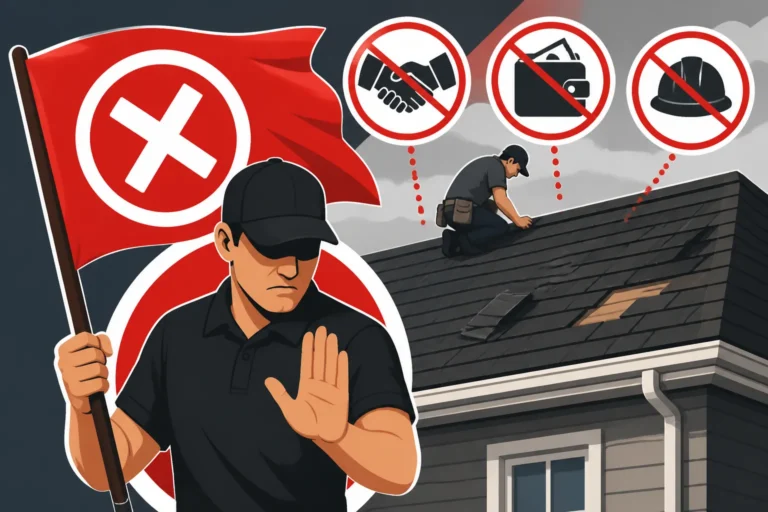
Arizona, with its intense weather patterns, can unfortunately become a target for "storm chasers" – out-of-state contractors who follow bad weather, offer quick fixes, and then disappear. Be wary of anyone who:
- Shows up unsolicited at your door after a storm, claiming to have noticed damage from the street. While legitimate roofers might canvas after a major event, be cautious and always verify credentials thoroughly.
- Pressures you into signing a contract immediately, saying it's a "limited-time offer" or that materials prices are about to skyrocket. High-pressure sales tactics are a major red flag.
- Asks for the full payment upfront or an unusually large deposit. A reasonable deposit is typically 10-30% of the total cost, with payments tied to project milestones.
- Offers to handle your insurance claim for you, especially if they suggest waiving your deductible. This is often illegal and a form of insurance fraud. Your insurance company should work directly with you or your contractor.
- Doesn't provide a written contract or offers a vague, incomplete one.
- Insists on cash payments only or refuses to provide receipts. This can be a sign they're trying to avoid taxes or operate outside the law.
Remember, if an offer seems too good to be true, it almost certainly is. Always prioritize thorough vetting over the lowest price. Platforms like Modernize can help homeowners avoid these pitfalls by connecting them only with pre-vetted and qualified contractors, reducing the risk of encountering a scam.
Signs of an Unreliable Contractor
Beyond outright scams, there are more subtle signs that a contractor might not be the right fit:
- Lack of clear communication: They don't return calls promptly, their explanations are confusing, or they seem hesitant to answer your questions.
- No physical address or only a P.O. box: This makes it difficult to track them down if problems arise later.
- Vehicle branding is inconsistent or nonexistent: Professional companies usually have clearly marked trucks or vans.
- Poor online reviews or multiple complaints with the ROC: While one or two negative reviews might be explainable, a consistent pattern is concerning.
- Unwillingness to provide references or proof of insurance: As mentioned, this is a deal-breaker.
- Excessive alcohol or drug use on the job site: This is not only unprofessional but also a major safety hazard.
- Leaving excessive debris or nails around your property: A good contractor prioritizes safety and cleanliness.
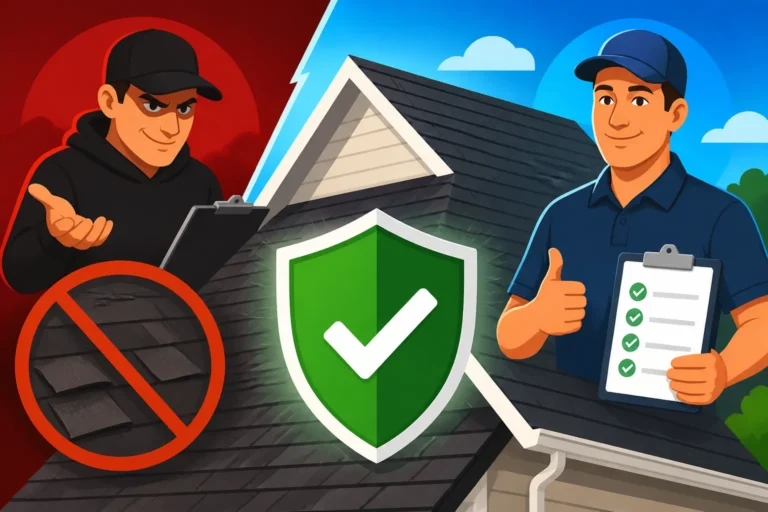
Taking your time and performing due diligence is the best way to avoid these headaches. Your roof is a long-term investment, and rushing the hiring process can lead to costly mistakes down the line. To further educate yourself on what to avoid, consider reading Roofing Contractor Red Flags to Avoid.
Making the Final Decision
After all your research, you'll likely have a clear frontrunner. Trust your gut feeling, but also base your decision on concrete evidence.
What a Good Arizona Roofer Brings to the Table
A truly good roofing contractor in Arizona will offer peace of mind. They will:
- Be fully licensed and insured: No exceptions.
- Possess deep local knowledge: They understand Arizona's specific climate challenges and how to build or repair roofs to withstand them.
- Provide clear, detailed, and transparent estimates and contracts: No hidden fees or vague promises.
- Have a strong track record of customer satisfaction: Evidenced by positive reviews and glowing references.
- Offer robust warranties: Both manufacturer-backed material warranties and their own workmanship warranty. For example, a GAF Master Elite Contractor or an Owens Corning Platinum Preferred Contractor can offer enhanced warranties that are often transferable, providing extra value if you decide to sell your home. These certifications mean they've undergone extra training and meet strict standards set by the manufacturers.
- Prioritize safety and cleanliness: Keeping your property safe and tidy throughout the project.
- Communicate effectively: Keeping you informed every step of the way.
Remember, the cheapest bid isn't always the best value. Investing a little more upfront in a quality, reputable roofer often saves you money and headaches in the long run by preventing future repairs and extending the life of your roof.
The Long-Term Benefits of Choosing Wisely
Choosing the right roofer in Arizona means more than just getting a new roof; it means getting a roof that will protect your home and family for years, even decades. A properly installed asphalt roof by a skilled Arizona contractor will contribute to your home's energy efficiency, enhance its curb appeal, and most importantly, keep you dry and safe through every scorching summer and intense monsoon storm. This critical decision impacts your home's structural integrity, its resale value, and your overall peace of mind. Don't underestimate the value of a professional, local expert when it comes to something as vital as your roof.
Disclaimer
This content is for informational purposes only and does not constitute professional advice. Always consult with a qualified roofing contractor and local authorities for specific advice regarding your roofing project and local building codes.