When to Walk Away from a Roofing Contractor
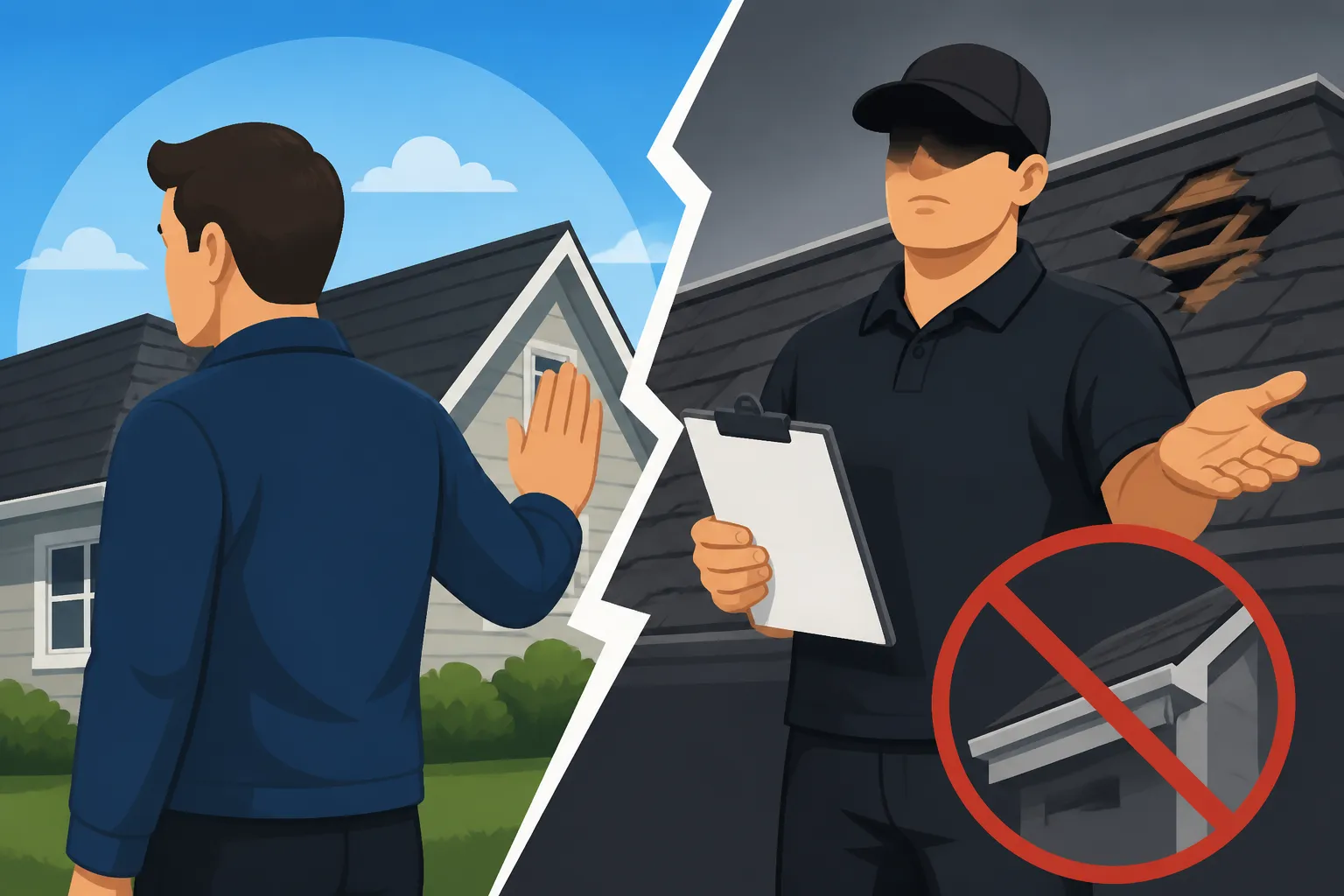
It's incredibly frustrating when you're trying to make a major home improvement like a roof replacement, and you encounter contractors who just don't inspire confidence. You're investing a significant amount of money, time, and trust into this project, and the last thing you want is to feel like you're making a mistake. This guide is here to empower you with the knowledge to identify those critical moments when it's absolutely necessary to step back and walk away from a roofing contractor, protecting your home and your wallet.
Red Flags Before Signing the Contract
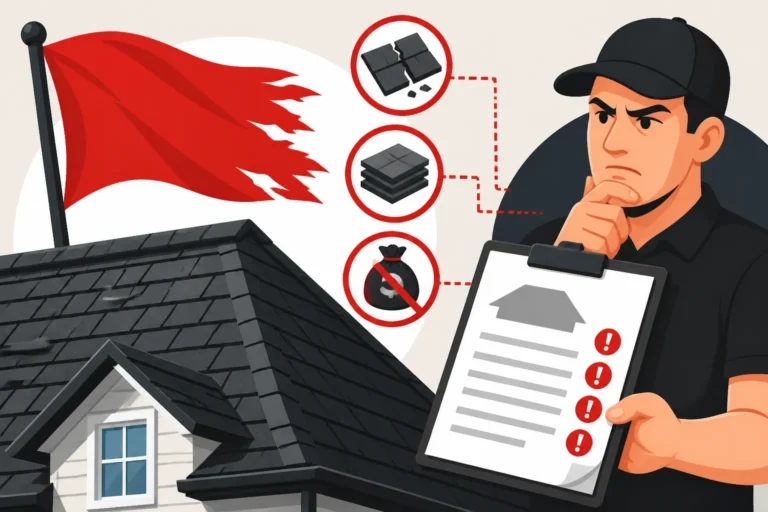
Before you even put pen to paper, there are often clear warning signs that a contractor might not be the right fit. Paying close attention to these early indicators can save you a world of trouble and heartache down the line. It's all about listening to your gut and understanding what constitutes a professional and trustworthy interaction.
High-Pressure Sales Tactics
Have you ever felt like you're being rushed into a decision, almost like a salesperson is trying to close a deal on a used car rather than discussing a significant home renovation? That's a classic red flag. A reputable roofing contractor understands that a new roof is a major investment and homeowners need time to consider their options, compare bids, and ask questions. If a contractor shows up and immediately starts pushing for a signature today, offering steep "discounts" that expire in hours, or making you feel guilty for wanting to think about it, that's a huge warning sign.
Imagine a scenario: a representative from "QuickFix Roofing" comes to your home, does a rapid assessment, and then sits you down, telling you they have an "exclusive deal" that's only valid if you sign the contract before they leave your driveway. They might say, "My manager authorized a 15% discount, but only if we get your commitment now because we're booking up fast!" This kind of manufactured urgency isn't about saving you money; it's about preventing you from getting other estimates or researching their company. A truly professional contractor will provide an estimate, answer your questions thoroughly, and then give you ample time—days, even a week or more—to review everything, discuss it with your family, and make an informed decision without feeling pressured.
Vague or Incomplete Estimates
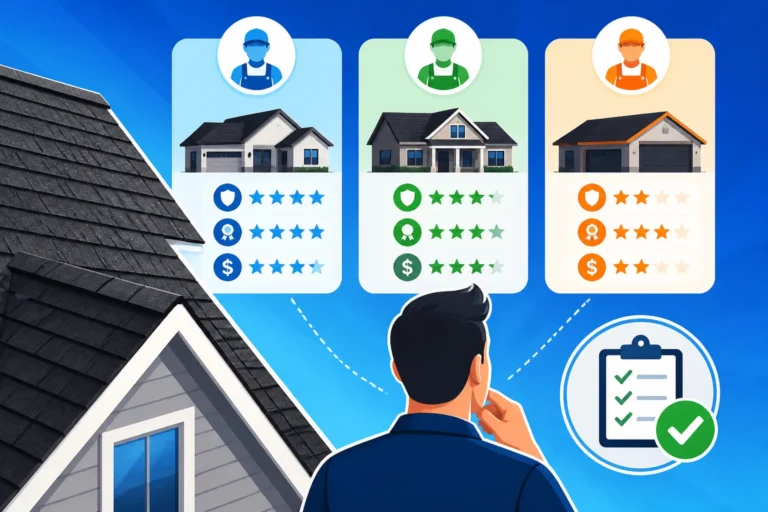
When you're comparing bids for a new roof, one of the most frustrating things is getting an estimate that doesn't actually tell you much. You might receive a single-page document with just a total price and "new roof installation" listed as the service. This lack of detail is a massive problem. How can you compare apples to apples if one contractor lists every single component and another just gives you a lump sum? A vague estimate leaves too much open to interpretation and can lead to costly surprises later on.
A comprehensive estimate should meticulously break down every aspect of the job. This includes the type of shingles (e.g., GAF Timberline HDZ, Owens Corning Duration), the underlayment, drip edge, flashing, ventilation, and even the cost of debris removal. It should specify the number of "squares" (a roofing term for 100 square feet) of material, labor costs, and any additional services like repairing damaged decking. If a contractor can't or won't provide a detailed breakdown, it's a sign they might be cutting corners, planning to nickel-and-dime you later, or simply don't have a clear plan for your project. Always insist on an itemized estimate, and if they push back, it's time to walk away. For a deeper dive into what you should expect, take a look at our guide on What a Roofing Estimate Should Include.
Demanding Full Upfront Payment
It’s completely reasonable for a roofing contractor to ask for a deposit to cover materials and to secure your place on their schedule. This shows a commitment from both sides. However, if a contractor demands full payment upfront before any work has even begun, or asks for an unusually large percentage (say, more than 50% for residential projects), consider that a major red flag. This practice can leave you incredibly vulnerable.
Think about it: once a contractor has all your money, what incentive do they have to start or even finish the job in a timely manner, or to address any issues that arise? You lose all leverage. Standard industry practice typically involves a deposit (often 10-30%), with subsequent payments tied to project milestones, such as material delivery, initial tear-off, and final completion after a satisfactory inspection. In some states, there are even legal limits on how much a contractor can request upfront. If a contractor seems desperate for your cash before they've even lifted a hammer, it's a huge risk. You want to ensure your financial arrangements are fair and protect you, the homeowner. Our article on Roofing Deposit: How Much Is Normal offers more insights into acceptable payment structures.
Warning Signs Regarding Credentials and Professionalism
Beyond the initial sales pitch, a contractor's professional standing and how they present themselves are crucial. A lack of proper documentation or a shady history can be just as problematic as high-pressure sales.
Lack of Proper Licensing and Insurance
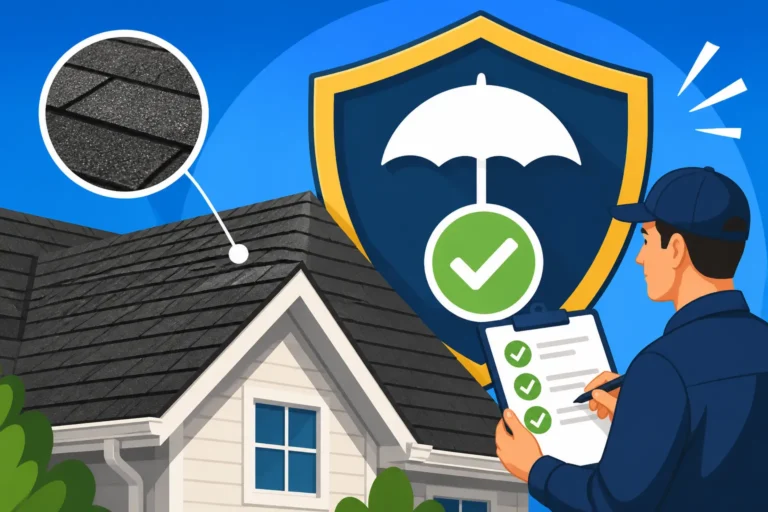
This is arguably one of the biggest, non-negotiable red flags. Any legitimate roofing contractor must be properly licensed and insured. Licensing ensures they meet minimum competency standards set by the state or local municipality. Insurance, specifically general liability and workers' compensation, protects you the homeowner.
Let's break down why this is so critical. If a contractor isn't licensed, they might not be up-to-date on local building codes or best practices, leading to a subpar and potentially unsafe roof. More importantly, if they don't have workers' compensation insurance and one of their crew members gets injured on your property, you, the homeowner, could be held liable for their medical bills and lost wages. Imagine someone falling off your roof and discovering the contractor skipped this vital insurance. That nightmare scenario could cost you hundreds of thousands of dollars. Similarly, general liability insurance protects against damage to your property (e.g., a shingle bundle falling through your garage window). Always ask for proof of both licenses and insurance, and verify them independently with the issuing authorities. If a contractor hesitates or can't provide these documents, it's an immediate deal-breaker. Learn more about why this matters in Licensed and Insured Roofers: Why It Matters.
Unverifiable References or Poor Reviews
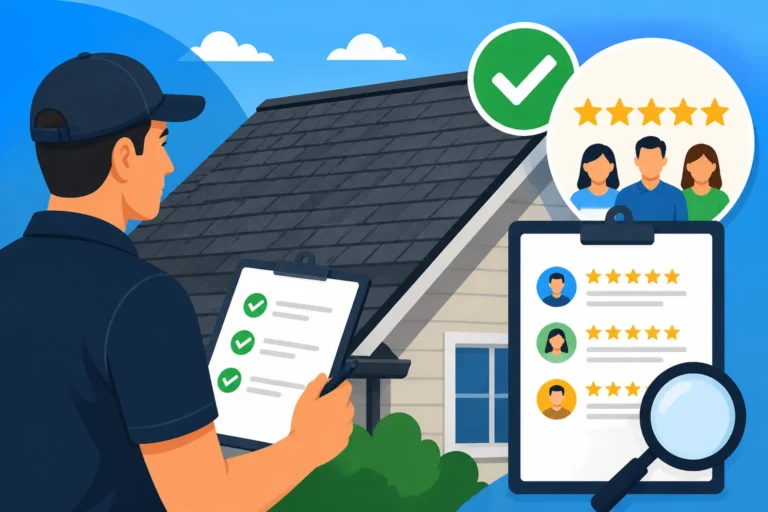
In today's digital age, it's easier than ever to research businesses. A reputable roofing company will have a solid online presence, complete with reviews from previous customers on platforms like Google, Yelp, or even industry-specific sites. They should also be happy to provide you with a list of recent references you can contact directly.
If a contractor has no online footprint, a scattering of extremely negative reviews without any positive counterbalance, or only provides references that never answer their phone or seem vaguely suspicious, that should raise your eyebrows. Be wary of contractors with only five-star reviews, especially if they're all short, generic, and posted around the same time – this can be a sign of fake reviews. On the flip side, don't dismiss a contractor over one or two negative reviews if the company has a consistent track record of responding professionally and rectifying issues. What you're looking for is a pattern of reliability and customer satisfaction. If you can't find verifiable information or their reputation seems shaky, it's wise to reconsider. You can find more helpful tips in our guide on How to Check Roofer Reviews and References.
No Physical Office or Local Presence
While many contractors operate efficiently without a massive storefront, a complete lack of a local presence can be a significant concern. This often goes hand-in-hand with "storm chasers" – contractors who follow severe weather events, swoop into an area, do quick and often shoddy repairs, collect payment, and then disappear, making it impossible to hold them accountable for warranty work or future issues.
A contractor with a local office, a consistent business address, and a long-standing history in your community is generally a safer bet. They have a reputation to uphold and are much more likely to stand behind their work. When you're looking for a contractor, try searching for them on business directories or mapping tools. If all you find is a P.O. Box or a residential address far from your area, it's worth investigating further. This doesn't mean every small, local contractor needs a fancy office building, but they should have a clear, verifiable business address and a history in the community. You can find more about avoiding such issues by reading Storm Chaser Roofers: How to Spot Them. Platforms like Modernize can help connect you with local, vetted professionals, making this verification process a bit easier.
Communication Breakdowns and Unprofessional Behavior
The way a contractor communicates and conducts themselves during the estimation and consultation phases is a strong indicator of how they'll perform once the job starts. Professionalism isn't just about skill; it's about respect and clear understanding.
Poor Communication from the Outset
Good communication is the cornerstone of any successful home improvement project. If a contractor is difficult to reach from the very first contact, takes days to respond to calls or emails, or gives vague and confusing answers to your questions, this is a major red flag. This pattern of poor communication isn't likely to improve once the project starts; in fact, it often gets worse.
Imagine you've got questions about the type of underlayment they plan to use, or you need clarification on a warranty detail, and you're constantly chasing them down for answers. This lack of responsiveness can lead to misunderstandings, delays, and a lot of unnecessary stress. A professional contractor should be proactive in their communication, keeping you informed every step of the way, from scheduling the initial estimate to explaining the project timeline. If you're feeling frustrated by their communication before you even hire them, it's a clear sign that you might be in for a rough ride.
Disrespectful or Aggressive Demeanor
You're hiring someone to work on your home, arguably your biggest asset, and you deserve to be treated with respect. If a contractor or their representative is rude, dismissive of your concerns, talks down to you, or exhibits any form of aggressive behavior, that's a huge warning sign. This extends to how they treat their own staff, other tradespeople, or even your property during the initial visit.
A contractor's demeanor is a direct reflection of their professionalism and how they'll handle problems if they arise. If they're difficult to deal with now, imagine how challenging it will be if there's a disagreement about the quality of work or an unexpected issue. You want to work with someone who listens to your needs, respects your property, and can explain things clearly without making you feel unintelligent or pressured. Trust your instincts here: if you feel uncomfortable or disrespected, it's best to sever ties before the project begins.
Refusal to Provide a Written Contract
This might seem obvious, but it's astonishing how many homeowners get caught in verbal agreements for major projects. A detailed, written contract isn't just a formality; it's a legally binding document that protects both you and the contractor. It spells out every detail of the job, including the scope of work, materials to be used, payment schedule, timeline, warranty information, and dispute resolution processes.
If a contractor tries to convince you that a handshake deal is enough, or provides a contract that's only a page long with minimal details, run, don't walk. Without a written contract, you have very little recourse if something goes wrong. There's no proof of what was agreed upon, no specified materials, and no timeline to hold them accountable to. This lack of a formal agreement makes it incredibly difficult to enforce warranties or resolve disputes. Always insist on a comprehensive, clearly written contract that you've had time to review thoroughly before signing anything. For a more detailed understanding of what to look for, check out What to Include in a Roofing Contract.
Problems During the Project (If You've Already Started)
Sometimes, despite your best efforts, red flags only emerge once the project is underway. This is a tough spot to be in, but recognizing these issues early can prevent further damage or financial loss.
Significant and Unexplained Delays
Unexpected delays can happen with any construction project. Weather, material shortages, or unforeseen structural issues are all legitimate reasons for a timeline adjustment. However, if a contractor constantly pushes back start dates, disappears from the job site for extended periods without explanation, or misses agreed-upon milestones without communicating, that's a serious problem.
While a minor delay due to a sudden rainstorm is understandable, an ongoing pattern of excuses, ignored calls, or a lack of progress for weeks on end is not. A professional contractor will proactively inform you of any delays, explain the reasons, and provide a revised timeline. They should also make efforts to minimize the impact of these delays. If your contractor seems to have abandoned your project or is continually dragging their feet without good reason, it might be time to consider your options for disengagement. Understanding the typical timeframe can also help; consult our article on How Long a Roof Replacement Takes for a realistic expectation.
Substandard Workmanship or Materials
This is perhaps the most direct threat to your home's integrity and value. If you notice obvious signs of poor workmanship during the installation—shingles laid unevenly, visible gaps, improperly installed flashing, or a messy job site with nails and debris everywhere—these are clear indicators of trouble. Similarly, if the contractor starts installing materials that are different from what was specified in your contract (and of a lesser quality), you have every right to be concerned.
For example, if your contract specifies premium architectural shingles from a brand like CertainTeed, but you see generic, thinner 3-tab shingles being delivered and installed, that's a breach of contract and a serious quality issue. Another sign might be improper nailing patterns, which can severely compromise the roof's wind resistance. While you might not be a roofing expert, some signs of shoddy work are obvious to the untrained eye. Don't be afraid to ask questions, take photos, and even consult a third-party inspector if you have significant concerns. Ignoring these issues will only lead to a roof that fails prematurely and costs you more in the long run. Our resource on Signs of a Bad Roofing Job can help you identify common errors.
Constant Upselling or Hidden Fees
It's one thing for a contractor to discover an unforeseen issue, like rotted decking beneath old shingles, and present you with a reasonable change order. It's an entirely different matter if they're constantly hitting you with new charges for things that should have been included in the original estimate or pushing unnecessary "upgrades" mid-project.
Be very wary of a contractor who seems to find a new, expensive problem every other day, especially if they weren't thorough in their initial inspection. These situations often start with a low initial bid to get your business, only to inflate the price with endless add-ons once the work begins. Any change to the scope of work or cost should always be documented in a written change order, detailing the new work, materials, cost, and impact on the timeline, and requiring your signature before proceeding. If you feel like you're being held hostage by escalating costs, or if the "hidden" fees seem endless, it's a strong indication of a contractor who isn't operating with integrity. Being prepared for this kind of situation is key; read our guide on How to Avoid Roofing Change Order Surprises.
Financial and Legal Red Flags
These are the most serious types of red flags, as they can have profound legal and financial consequences for you, the homeowner. They often involve deceptive practices that are designed to benefit the contractor at your expense.
Asking for Cash Only or Avoiding Paper Trails
A contractor who insists on being paid only in cash, or suggests structuring payments in a way that avoids official records, is a major red flag. This often indicates they're trying to avoid taxes, operating without proper licensing, or engaging in other illicit activities. While a small cash discount might seem appealing, the risks far outweigh the benefits.
Paying in cash leaves no verifiable paper trail, making it incredibly difficult to prove payments were made or to seek recourse if the contractor disappears or performs shoddy work. It also complicates warranty claims, as you won't have official receipts. Legitimate businesses want a clear record of transactions, usually preferring checks, credit card payments, or bank transfers. If a contractor pressures you to deal strictly in cash, or seems to be operating "off the books," it's time to walk away immediately. This practice exposes you to significant financial and legal vulnerabilities.
Lien Waivers and Payment Disputes
A mechanics lien is a legal claim against your property that can be filed by contractors, subcontractors, or suppliers if they are not paid for their work or materials. While it's a legitimate tool for them to ensure payment, it can become a nightmare for homeowners if not managed properly. If your contractor fails to pay their subcontractors or material suppliers, those parties can place a lien on your home, even if you've already paid the main contractor in full.
This scenario is terrifying for homeowners. You could end up paying twice or having your home's title clouded, making it impossible to sell or refinance until the lien is resolved. A responsible contractor will provide you with lien waivers from all subcontractors and suppliers, especially with each progress payment, confirming they've been paid and waiving their right to place a lien on your property. If a contractor resists providing these waivers or you start receiving calls from unpaid suppliers, it's a critical situation that requires immediate attention and might necessitate disengagement and legal advice. Understanding Roofing Lien Waivers Explained is crucial for protecting your interests.
Pressuring You to Commit Insurance Fraud
This is a grave and illegal red flag. Some unscrupulous contractors might try to convince you to inflate your insurance claim, falsely claim damage, or sign an "assignment of benefits" (AOB) that gives them control over your insurance payout. They might promise to "cover your deductible" by inflating the scope of work or offer other shady deals.
For example, a contractor might tell you, "Don't worry about the deductible, we'll just add it into the claim, the insurance company will never know." This is insurance fraud, and participating in it can have severe legal consequences for you, including fines, denial of coverage, and even criminal charges. Your insurance policy is a contract, and any attempt to defraud it can void your coverage entirely. If a contractor suggests anything that feels dishonest or encourages you to mislead your insurance company, immediately disengage and report them. Protecting yourself from such schemes is vital, and our article on How to Spot Roofing Insurance Fraud provides valuable information. Modernize emphasizes working with ethical, reputable contractors who operate within legal and ethical boundaries.
Taking Action: When It's Time to Disengage
It can be incredibly daunting to consider walking away from a project, especially if work has already begun. However, sometimes it's the only way to prevent further losses or greater headaches. Knowing how to proceed is essential.
Document Everything
Regardless of when you decide to walk away, documentation is your best friend. From the moment you suspect an issue, start keeping meticulous records. This includes:
- All communications: Save emails, text messages, and detailed notes from phone calls (date, time, who you spoke to, what was discussed).
- Photos and videos: Take pictures of the work site, any damaged areas, materials delivered, and progress (or lack thereof). Date-stamped photos are ideal.
- Contracts and estimates: Keep all versions of signed agreements, proposals, and change orders.
- Payment records: Keep copies of all checks, credit card statements, and bank transfers showing payments made to the contractor.
- Third-party assessments: If you had another contractor or inspector come out to evaluate the work, keep their reports.
This comprehensive paper trail will be invaluable if you need to pursue legal action, file a complaint, or engage your insurance company. It provides concrete evidence of your claims and helps establish a timeline of events. Without proper documentation, it becomes a "he said, she said" situation, which is incredibly difficult to win.
Consult Legal Counsel
If you've paid a significant amount of money, work has started, and you've identified serious red flags, it's often wise to consult with an attorney specializing in construction law or consumer protection. They can review your contract, assess the situation, and advise you on your legal rights and the best course of action.
An attorney can help you understand if you have grounds to terminate the contract, send official demand letters, or pursue recovery of damages. They can also help navigate complex issues like mechanics liens or insurance fraud. While legal fees are an additional cost, they can often save you much more in the long run by preventing further financial loss or protecting you from legal liabilities. Don't try to go it alone if the situation is complex or substantial amounts of money are at stake. A good lawyer can be your strongest advocate.
Reporting Unethical Contractors
If you've encountered a contractor who is clearly operating unethically or illegally, reporting them is not just about protecting yourself, but also about protecting other homeowners in your community. There are several avenues for reporting:
- State Licensing Board: If your state requires roofing contractors to be licensed (and many do), their licensing board is the primary place to file a complaint. They can investigate, mediate, and potentially revoke or suspend a contractor's license.
- Better Business Bureau (BBB): The BBB allows consumers to file complaints against businesses. While they don't have enforcement power, a complaint can negatively impact a contractor's rating and serves as a public record of their conduct.
- Local Consumer Protection Agencies: Your city or county might have a consumer affairs department that handles complaints against local businesses.
- Attorney General's Office: For more serious cases involving fraud or widespread unethical practices, your state's Attorney General's office may be an appropriate contact.
Providing detailed documentation when you file a complaint will significantly strengthen your case. Taking the time to report an unscrupulous contractor helps ensure they can't continue to take advantage of other unsuspecting homeowners. For guidance on this process, refer to our article on How to File a Complaint Against a Roofer.
Here's a quick summary of key red flags:
| Category | Red Flag | When to Walk Away |
|---|---|---|
| Pre-Contract | High-pressure sales | When asked to sign immediately for "limited-time" deals |
| Vague/incomplete estimate | If they refuse a detailed, itemized quote | |
| Demanding full upfront payment | Any request for 50%+ upfront (or full payment) | |
| Credentials/Pro | No license/insurance | Immediately; verify independently |
| Poor/unverifiable reviews/references | If their reputation is consistently bad or untraceable | |
| No local presence/storm chaser | If they lack a verifiable, local business address | |
| Communication/Behavior | Poor communication | Ongoing unresponsiveness, vague answers |
| Disrespectful/aggressive demeanor | If you feel uncomfortable or treated poorly | |
| Refusal of written contract | Immediately; never work without a detailed agreement | |
| During Project | Unexplained/significant delays | Consistent missed deadlines without communication |
| Substandard workmanship/materials | Visible defects, using different materials than agreed | |
| Constant upselling/hidden fees | Frequent, undocumented, or unjustified added costs | |
| Financial/Legal | Cash-only requests/no paper trail | Any suggestion to avoid official financial records |
| Issues with lien waivers/subcontractor payments | If subs/suppliers aren't paid or waivers aren't provided | |
| Pressuring insurance fraud | Immediately; illegal and risky for you |
Disclaimer
Please remember that the information provided in this article is intended for general guidance and informational purposes only, and does not constitute professional legal, financial, or construction advice. Always consult with qualified professionals, such as attorneys, financial advisors, or certified roofing contractors, for advice tailored to your specific situation. Roofing regulations, licensing requirements, and consumer protection laws can vary significantly by location and are subject to change.