High-Wind Nailing Cost Premium
Getting a roofing estimate can be a rollercoaster of emotions. Just when you think you've got a handle on the main costs, a line item like "high-wind nailing" pops up, leaving you wondering what it is and why it costs extra. It's a common frustration, feeling like you're constantly discovering new expenses for something as essential as your home's protection. This guide aims to clear up the confusion surrounding high-wind nailing, explain its crucial role in protecting your asphalt roof, and detail the factors contributing to its cost premium, helping you prepare for a more resilient roof.
What Exactly Is High-Wind Nailing?
When we talk about high-wind nailing, we're not just discussing a simple upgrade; we're talking about a fundamental shift in how your asphalt shingles are secured to your roof deck. Standard shingle installation typically involves four nails per shingle, placed in a specific nailing zone. This method works perfectly fine for homes in areas not regularly subjected to intense winds. However, certain regions and circumstances demand a more robust approach to prevent shingles from tearing off during severe weather events.
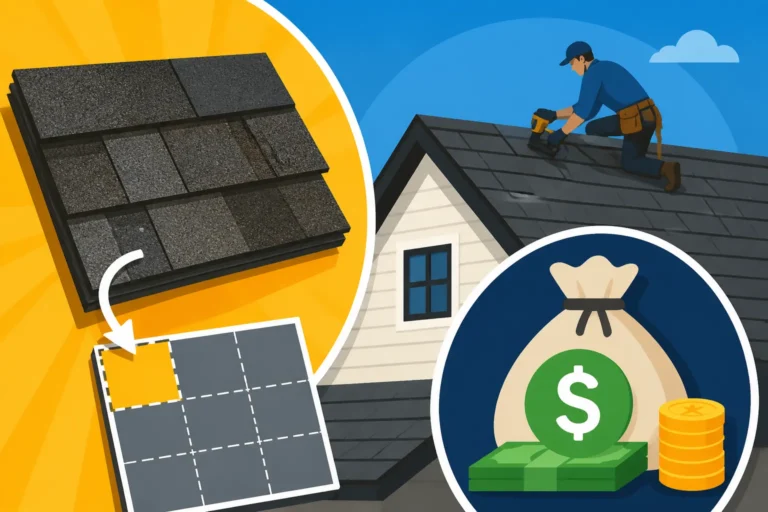
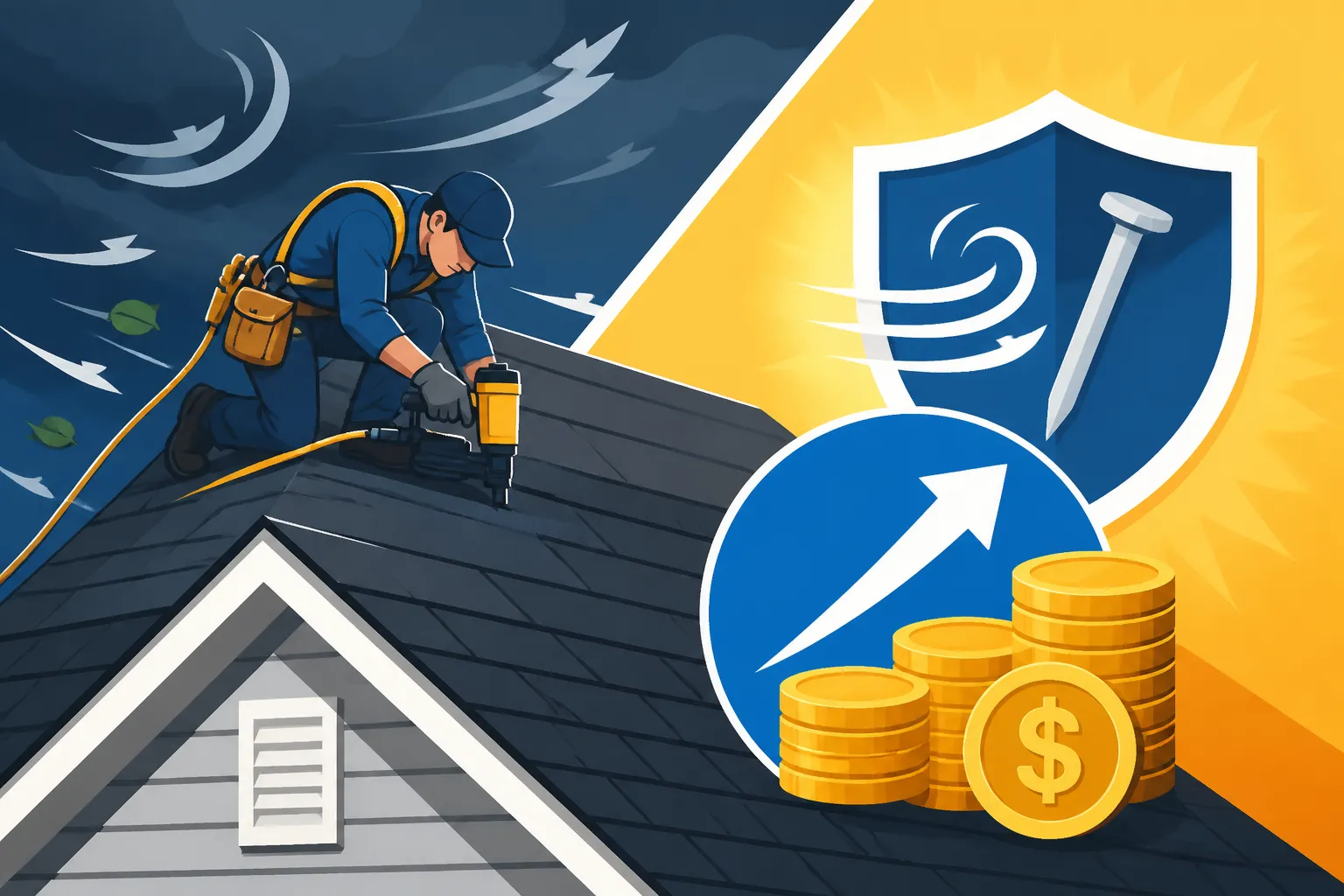
High-wind nailing, also known as enhanced nailing or six-nail application, involves using more fasteners per shingle and often placing them in slightly different, reinforced patterns. It's an intentional and meticulous method designed to increase the adhesion and mechanical fastening of each shingle, significantly improving the roof's ability to withstand extreme wind uplift forces. This isn't just about adding more nails; it's about a strategic fortification of your entire roofing system to provide an extra layer of defense against Mother Nature's fury.
Standard Nailing Versus High-Wind Nailing Patterns
The difference between standard and high-wind nailing lies primarily in the number and placement of nails. For a typical asphalt shingle, a standard installation usually involves four nails. These nails are strategically placed along the shingle's common bond line, which is designed to be covered by the overlapping shingle above it. This four-nail pattern provides adequate resistance for most residential applications in moderate climates, protecting against average wind speeds.
In contrast, high-wind nailing often increases that count to six nails per shingle. These additional nails are not just haphazardly added; they are placed within the shingle's designated nailing zone, often slightly higher or in a staggered pattern to maximize its resistance to wind uplift. For example, instead of just two nails per side, a high-wind application might feature three per side, creating a much stronger bond. This enhanced pattern distributes the force more effectively across the shingle and the roof deck, preventing individual shingles from lifting, tearing, or detaching completely. Think of it as adding extra bolts to something that needs to stay absolutely secure—the more anchor points, the more resilient it becomes.
The Role of Fasteners and Sealants
Beyond just the number of nails, the type of fasteners and the integral role of factory-applied sealants are critical to the effectiveness of high-wind nailing. Most asphalt shingles come with a self-sealing strip, typically made of an asphalt-based adhesive, that activates with the warmth of the sun. This sealant bonds the overlapping shingles together, creating a powerful barrier against water penetration and wind uplift. However, this sealant takes time to fully cure and activate, and in cold weather or during early high-wind events, the mechanical fastening from the nails is the primary defense.
For high-wind applications, roofers often use galvanized steel roofing nails that are corrosion-resistant and of the proper length to penetrate through the shingle and the roof decking adequately. Some specialized shingles, particularly those with higher wind ratings, might even specify certain types of fasteners or wider heads for improved grip. It’s a combination of these robust mechanical fasteners and the chemical bond from the sealants that gives high-wind nailed roofs their superior resistance. Without proper nailing, even the best sealants can fail under extreme stress, making the careful application of nails a non-negotiable part of a durable, high-wind resistant roof.
Why Your Roof Might Need High-Wind Nailing
You might be wondering if high-wind nailing is just an upsell or a genuine necessity. The truth is, for many homeowners, it's a critical investment, driven by geographical factors and stringent building codes. Nobody wants to spend extra money if it's not truly needed, but understanding why this practice exists can help alleviate that concern and reassure you about the long-term protection of your home. It's about proactive defense against events that could otherwise lead to costly damage and immense stress.
Imagine living in a region prone to severe thunderstorms, hurricanes, or even just consistent strong gusts. A standard roof might not be enough to withstand the relentless forces. High-wind nailing is designed precisely for these scenarios, turning your roof from a potential vulnerability into a fortress. It's not just about surviving one big storm; it's about ensuring your roof can handle years of exposure to challenging weather, safeguarding your investment and your peace of mind.
Geographical and Code Requirements
The primary drivers for high-wind nailing are the local building codes and the geographical location of your home. If you live in a hurricane-prone area like Florida, the Gulf Coast of Texas, or coastal regions of North Carolina, high-wind nailing is often mandated by law. These codes are put in place for a good reason: to protect lives and property from the devastating effects of tropical storms and hurricanes. For instance, in many parts of Florida, the Florida Building Code explicitly requires enhanced nailing for shingles, often specifying six nails per shingle, to achieve higher wind resistance ratings.
Even if you're not in a direct hurricane zone, areas known for high winds, severe thunderstorms, or even strong winter gusts can benefit greatly from this practice. States like Colorado and parts of the Midwest, which experience frequent hail and strong winds, also see an emphasis on more robust roofing installations. Before any work begins, your reputable roofing contractor, like those you can find through platforms such as Modernize, should always check local building codes for asphalt roofing. They'll ensure your new roof meets or exceeds the minimum requirements, which is vital not only for safety but also for ensuring your home insurance remains valid. Neglecting these requirements can lead to big headaches down the line, including denied insurance claims or having to redo the work.
Protection Against Severe Weather
The tangible benefit of high-wind nailing is superior protection against nature's fiercest elements. While no roof is entirely indestructible, a properly installed high-wind nailed asphalt roof drastically reduces the risk of shingle blow-off during intense wind events. This is critical because a single missing shingle can quickly lead to widespread damage. Once one shingle is gone, it exposes the underlying layers and creates an entry point for wind to get underneath adjacent shingles, potentially peeling off large sections of your roof like a zipper.
This enhanced resistance is often reflected in the shingle's wind warranty. Many manufacturers offer different wind warranties depending on whether standard or high-wind nailing practices are followed. For example, a shingle might carry a 110 mph wind warranty with a standard four-nail application, but that rating could jump to 130 mph or even higher with a six-nail application and accompanying components. This increased wind resistance is a huge deal, especially when you consider that a roof replacement can cost tens of thousands of dollars. Investing a bit more upfront for High-Wind Nailing Cost Premium can prevent catastrophic damage and the overwhelming stress of dealing with a compromised home after a storm. It’s an investment in the longevity and resilience of your entire roofing system.
Understanding the Cost Premium for High-Wind Nailing
So, you're convinced that high-wind nailing is a good idea, or maybe even a requirement for your home. Now comes the part everyone dreads: the cost. It's natural to feel a pang of frustration when you see an extra charge, but understanding why there's a premium can help you budget realistically and appreciate the value it adds. This isn't just arbitrary pricing; it reflects genuine increases in labor, materials, and the specialized skill required for this enhanced installation.
The "premium" isn't necessarily a massive price hike, but it is a distinct addition to your overall roofing project cost. It encompasses everything from the extra time roofers spend on your property to the specific products chosen to fortify your roof. When you're comparing quotes, remember that a lower bid might omit this crucial detail, leaving you with a less secure roof or unexpected costs later. Always ensure that you're comparing apples to apples when evaluating different proposals for your roof replacement.
Increased Labor and Time
The most significant factor contributing to the high-wind nailing cost premium is the increase in labor and time. It’s straightforward: installing six nails per shingle instead of four means a roofer has to drive 50% more fasteners into your roof. While each individual nail takes only a fraction of a second, when you multiply that by thousands of shingles on an average roof, it adds up to a substantial amount of extra work. For a typical 2,000 square foot roof, which might have roughly 200 squares of shingles, an extra two nails per shingle translates to thousands more nails.
This additional labor can extend the installation timeline, albeit usually by only a few hours or, at most, an extra half-day for a larger project. However, that extra time directly impacts the roofing crew's payroll and operational costs. Reputable contractors account for this increased workload in their bids, reflecting the honest cost of ensuring your roof is installed to the highest standards. When considering the cost to replace a roof by house size, these extra labor hours can push the overall price up, but it's a trade-off for enhanced durability and peace of mind.
Material Upgrades and Specifics
While the number of nails is a primary factor, material specifics can also play a role in the high-wind nailing cost premium. In some cases, to meet stringent high-wind codes, contractors might recommend specific types of asphalt shingles that are designed with stronger bonding strips, heavier fiberglass mats, or even a different composition that enhances their overall wind resistance. These premium shingles, like certain architectural or designer shingles, inherently cost more than standard 3-tab shingles. For example, some manufacturers offer shingles explicitly engineered for high-wind performance, and these often come at a slightly higher price point per square.
Beyond the shingles themselves, there might be other components of the roofing system that are upgraded. For instance, in areas prone to very high winds, roofers might opt for a thicker, more tear-resistant synthetic underlayment instead of traditional felt, or even use specialized sealants at vulnerable points. While the cost of these individual components might not seem like much, collectively they contribute to a stronger, more resilient roof system that can withstand extreme conditions, thus justifying the slight increase in material costs. Ensuring your contractor uses the best materials for your climate is key to a long-lasting roof.
Roof Complexity and Pitch
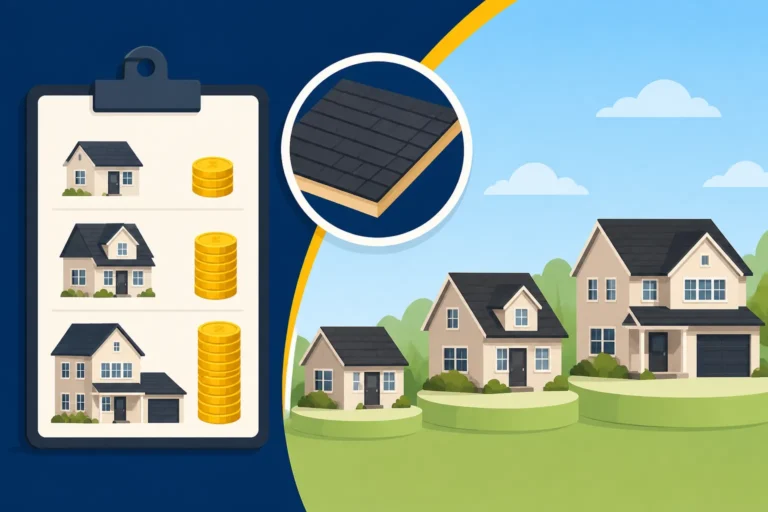
The complexity and pitch of your roof can significantly amplify the high-wind nailing cost premium. A simple, low-slope ranch home with a straightforward roof design is much easier and quicker to nail than a multi-story home with a steep pitch, numerous dormers, valleys, and intricate roof lines. On a steep roof, workers might need additional safety equipment, more staging, and will generally move slower, making the increased nailing time even more pronounced and labor-intensive. This is often factored in as a Steep Roof Cost Premium.
Furthermore, complex rooflines mean more cutting, more waste, and more areas where shingles need meticulous attention, like around chimneys, skylights, and vent pipes, all of which are potential weak points in high winds if not properly secured. The effort involved in carefully installing each shingle with six nails on a 12/12 pitch roof, while navigating multiple hips and valleys, is considerably higher than on a simple 4/12 pitch. Therefore, the architectural complexity of your home can definitely impact the final cost when you opt for or are required to have high-wind nailing.
Here's a quick comparison of standard vs. high-wind nailing:
| Feature | Standard Nailing | High-Wind Nailing |
|---|---|---|
| Nails Per Shingle | 4 | 6 (or more, depending on code/manufacturer) |
| Wind Resistance | Typically up to 90-110 mph (Manufacturer Dependent) | Typically up to 130 mph+ (Manufacturer Dependent) |
| Primary Regions | Moderate weather zones | High-wind zones (coastal, tornado-prone, etc.) |
| Code Requirements | Meets basic local codes | Often mandated by stricter local building codes |
| Labor Impact | Less labor-intensive, faster installation | More labor-intensive, slightly longer installation |
| Cost Premium | Generally none, included in standard bid | Typically a noticeable cost premium |
| Shingle Warranty | Standard wind warranty | Enhanced wind warranty (if applicable) |
Preparing Your Budget for High-Wind Nailing
When you're facing a roof replacement, budgeting is always a major concern. The idea of an extra cost for high-wind nailing can feel like another hurdle, but with a bit of foresight and the right approach, you can integrate this necessary expense without feeling blindsided. It's about being proactive and asking the right questions upfront, ensuring there are no hidden surprises lurking after the work begins.
Remember, a roof is one of the most critical components of your home's protection. Investing in its resilience now can save you exponentially more in repair costs and stress later, especially if you live in an area prone to harsh weather. Getting prepared means gathering comprehensive quotes, understanding your insurance, and choosing a contractor who values quality and transparency.
Getting Detailed Quotes
The absolute best way to prepare for the high-wind nailing cost premium is to get detailed quotes from multiple reputable roofing contractors. Don't settle for a one-page summary that just lists a total price. Ask for an itemized breakdown that clearly specifies whether high-wind nailing is included, what the exact nailing pattern will be, and any associated costs. This is where platforms like Modernize can be incredibly helpful, connecting you with local professionals who are familiar with your area's specific needs and building codes.
When you're comparing roofing estimates, explicitly inquire about the wind resistance rating of the proposed shingles and how the nailing pattern affects that rating and the overall warranty. A contractor who is transparent about these details and happy to explain them is a good sign. If a quote seems significantly lower than others, it's worth asking if high-wind nailing was factored in, as this could be an area where corners are cut to reduce the initial price. Being thorough now will prevent expensive surprises later and ensure you understand exactly what you're paying for. You should also check out our guide on How to Read and Compare Roofing Estimates for more insights.
Insurance Considerations
Your homeowners insurance policy can play a crucial role when it comes to high-wind nailing, especially if you live in a high-risk area. Many insurance carriers offer discounts or incentives for homes that have upgraded to impact-resistant or high-wind resistant roofing systems. Installing shingles with a higher wind rating through enhanced nailing often qualifies for these savings, as it reduces the insurer's risk of paying out a large claim after a storm. It's definitely worth checking with your insurance provider to see if installing an asphalt roof with high-wind nailing could lower your annual premiums.
Furthermore, if you're replacing your roof due to storm damage, your insurance company might even require high-wind nailing if local building codes have changed since your last roof was installed. This is a common scenario in areas that have experienced significant hurricane or tornado activity. In such cases, the cost for high-wind nailing might be partially or fully covered as part of bringing your home up to current code. Always discuss these details with your insurance adjuster and your chosen roofing contractor to understand your coverage and potential benefits. It’s an essential step in understanding Does Insurance Cover Roof Replacement and what stipulations might apply.
Finding the Right Contractor
Choosing the right roofing contractor is paramount when dealing with specialized installations like high-wind nailing. You need a team that is not only experienced but also deeply knowledgeable about local building codes and manufacturer specifications for enhanced fastening. An inexperienced or disreputable contractor might cut corners, either by not applying the correct number of nails or by using an improper nailing pattern, which could void your shingle warranty and leave your home vulnerable. Look for contractors who are manufacturer-certified (e.g., GAF Master Elite, Owens Corning Platinum Preferred, CertainTeed SELECT ShingleMaster), as these certifications often indicate a commitment to rigorous installation standards, including high-wind nailing protocols.
Don't hesitate to ask prospective contractors specific questions about their experience with high-wind installations, the types of nails they use, and how they ensure compliance with local codes. You should also ask about their workmanship warranty, which typically covers installation errors. Reputable companies will provide detailed answers and show proof of their certifications and insurance. Taking the time to vet your contractor thoroughly will ensure that your investment in a high-wind nailed roof truly pays off in enhanced protection and longevity. You might find our article Questions to Ask a Roofing Contractor Before Hiring particularly useful during this process.
Disclaimer
Please remember that the information provided in this article is intended for general guidance only. Roofing costs, building codes, and insurance policies can vary significantly based on your specific location, local regulations, market conditions, and individual circumstances. Always consult with qualified local roofing professionals and your insurance provider for personalized advice and accurate estimates tailored to your project.