Material-Only vs Installed Roof Pricing
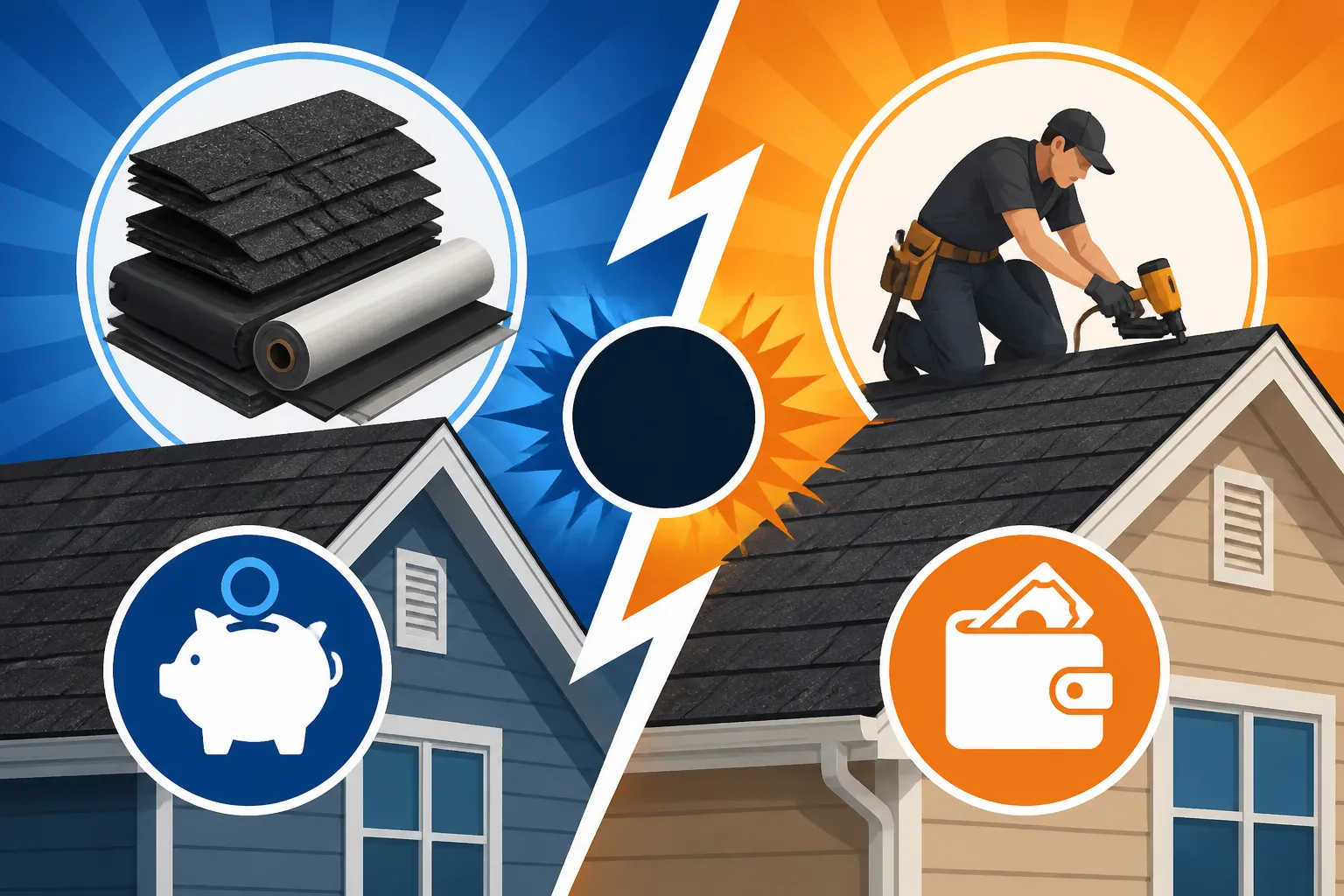
One of the most common head-scratchers for homeowners trying to figure out their roofing budget is the vast difference between quotes. You might see one figure that seems incredibly low, only to realize it's just for the shingles themselves, while another quote is significantly higher because it includes the entire installation. This guide will help you clearly understand the distinction between material-only and installed roof pricing, breaking down what each covers, and arming you with the knowledge to make an informed decision for your asphalt roofing project.
Understanding Material-Only Roof Pricing
When you get a quote that's "material-only," it means exactly what it sounds like: you're just paying for the physical components that go onto your roof. This kind of pricing can be tempting because it appears to be much cheaper on the surface, but it's crucial to understand what you're truly getting, and perhaps more importantly, what you're not getting. It's like buying all the ingredients for a gourmet meal but then realizing you still have to cook it, clean up, and hope it tastes good!
What's Included in Material-Only Costs?
A material-only quote for an asphalt roof will typically itemize the core components needed to cover your home. This list usually starts with the shingles themselves – whether they're 3-tab, architectural, or even designer shingles. You'll also see line items for the roofing underlayment, which is the protective layer beneath the shingles, and often options for either traditional felt paper or modern synthetic underlayment. Don't forget the vital metal components like drip edge, which helps shed water away from your fascia boards, and various types of flashing designed to protect vulnerable areas around chimneys, skylights, and vent pipes.
Beyond these basics, a comprehensive materials list should also include starter shingles, which create a sealed edge at the eaves, and hip and ridge cap shingles that cover the peaks and hips of your roof, providing both protection and a finished look. Nails, sealants, and any specific adhesives recommended by the shingle manufacturer for warranty compliance would also be part of this package. Think of it as the raw inventory you'd pick up from a building supply store like ABC Supply or Beacon Building Products. This can be a great starting point for understanding your overall asphalt roof replacement cost: complete breakdown.
When Material-Only Pricing Makes Sense
There are specific scenarios where opting for material-only pricing might seem like a good idea. The most obvious is if you're an experienced DIY enthusiast, perhaps a retired contractor or someone with extensive roofing knowledge who plans to install the roof yourself. For these folks, the labor cost is essentially their own time and effort, making the material-only price a direct reflection of their out-of-pocket expense.
Another instance might be if you've already secured a labor-only contractor—someone who specializes purely in installation and expects you to provide all the materials. This isn't super common in residential roofing, as most reputable companies prefer to source materials to ensure quality and warranty compliance, but it does happen. Lastly, homeowners might look at material-only prices simply to get a baseline understanding of what the components cost before they dive into the full cost of a new roof project. If you're comparing bids, knowing the basic material cost helps you evaluate the labor and overhead charges.
The Hidden Hurdles of Buying Materials Yourself
While the upfront savings of material-only pricing can look appealing, there are several hidden challenges you absolutely need to consider. First, there's the issue of accurate estimation. Ordering the right amount of shingles, underlayment, and accessories requires precise measurements and an understanding of waste factors, especially on complex roofs with many valleys or dormers. Under-ordering means delays and potentially higher costs for small, last-minute deliveries, while over-ordering leaves you with excess materials that are often difficult and costly to return, especially bulky items like shingles.
Then there's the logistics. How will you get several thousand pounds of shingles, underlayment rolls, and metal flashing from the supplier to your home? And where will you store it all, safely and out of the elements, until installation day? Professional roofers have dedicated trucks, forklifts, and often direct-to-roof delivery services that homeowners simply don't have access to. Plus, let's talk about product knowledge. Are you confident you're selecting the right grade of shingles, the proper underlayment for your climate, and all the necessary flashing components? Manufacturer warranties often require specific system components to be used together. Missteps here can void your warranty before the first shingle is even nailed down.
| Component Type | Included in Material-Only Pricing | Typically NOT Included (but essential for install) |
|---|---|---|
| Shingles | Yes (3-tab, architectural, designer) | Labor for installation, disposal of old shingles |
| Underlayment | Yes (felt, synthetic) | Labor for installation |
| Drip Edge | Yes (metal sections) | Labor for installation |
| Flashing | Yes (valley, step, chimney pieces) | Labor for custom fabrication/installation |
| Starter Shingles | Yes | Labor |
| Hip & Ridge Caps | Yes | Labor |
| Nails/Fasteners | Yes | Labor for nailing |
| Sealants | Yes | Labor for application |
| Dumpster/Disposal | No | Yes, in installed price |
| Permits | No | Yes, often managed by contractor |
| Warranties | Manufacturer Material Warranty only | Workmanship Warranty, full system warranty |
| Insurance | No | Contractor's Liability/Workers' Comp |
Deciphering Installed Roof Pricing
Now, let's talk about the more comprehensive, and usually higher, "installed roof pricing." This is what most homeowners encounter when they seek bids from professional roofing companies. An installed price covers the entire package, from removing your old roof to installing the new one, and everything in between. It's the "turnkey" solution that offers convenience and peace of mind, essentially handing you a finished, warrantied roof without you having to lift a finger (or even a shingle).
What's Baked into an Installed Price?
An installed roof price is a true reflection of the total project cost. It encompasses not just the materials we discussed earlier, but also the significant cost of labor. This includes the skilled crew who will tear off your old roof, prepare the decking, and meticulously install all the new components according to manufacturer specifications and local building codes. You're paying for their expertise, efficiency, and the muscle to get the job done right. We have a detailed guide on how much roofers charge per hour if you're curious about the labor aspect.
Beyond labor, an installed price usually includes the cost of a dumpster and proper disposal of your old roofing materials, which can be surprisingly substantial. Think about it: thousands of pounds of old shingles, nails, and debris need to go somewhere. Crucially, it also includes project management, site cleanup, and importantly, obtaining any necessary permits from your local municipality. A reputable roofing company like those found through Modernize will handle all these details, saving you countless headaches.
The Value Proposition of Full Installation
Choosing a full installation from a reputable contractor offers immense value, often far outweighing the apparent savings of buying materials yourself. Foremost is the expertise. Professional roofers bring years of experience and specialized training, ensuring your roof is installed correctly and efficiently. They know the ins and outs of proper ventilation, flashing techniques, and how to prevent common issues like leaks or wind damage. This expertise is critical for the long-term performance and lifespan of your roof.
Then there's the warranty. When a certified contractor installs a complete roofing system, you typically receive not only the manufacturer's material warranty but also a workmanship warranty covering the installation itself. This is huge! If a problem arises due to faulty installation, the contractor stands behind their work. This is a level of protection you simply won't get if you install the roof yourself. Furthermore, there's the convenience and safety factor. Roofing is dangerous work, and leaving it to professionals eliminates the risk to yourself and ensures the job is done quickly and safely. They carry liability and worker's compensation insurance, protecting you from potential financial disaster if an accident occurs on your property. This complete package of service and protection really speaks to the value of an installed roof.
Factors that Drive Installed Costs
Installed roof pricing isn't a one-size-fits-all number; it's influenced by a myriad of factors. The complexity of your roof's design plays a major role. A simple, low-pitch ranch-style home will cost less to roof than a multi-story house with a steep pitch, numerous dormers, and multiple valleys. Each architectural feature adds labor time and requires more intricate flashing.
Your geographic location also significantly impacts pricing. Roofing labor rates and material costs can vary widely from state to state, or even city to city. For instance, asphalt roof replacement cost in Florida might differ substantially from the asphalt roof replacement cost in Michigan due to differing labor costs, local regulations, and storm activity. The type of asphalt shingle you choose—from basic 3-tab to premium designer shingles—will also affect the material portion of the cost. Finally, the contractor's reputation and experience can influence their pricing. Highly-rated, established companies with manufacturer certifications often command higher prices, but they also typically offer superior quality work and robust warranties.
Comparing the Two: A Practical Look
Understanding the individual components of material-only versus installed pricing is essential, but let's put it into a practical context. This comparison isn't just about the dollar amount on the invoice; it's about weighing time, effort, risk, and long-term peace of mind.
Cost Breakdown Examples
Let's imagine you own a modest 1,500 square foot home with a relatively simple gable roof, requiring about 15 "squares" (a roofing square is 100 square feet) of shingles.
Scenario A: Material-Only Purchase
You might find architectural shingles for, say, $90-$120 per square.
- Shingles (15 squares): $1,350 – $1,800
- Underlayment: $200 – $400
- Starter/Ridge Caps: $150 – $300
- Drip Edge/Flashing/Nails/Sealants: $300 – $600
- Estimated Material-Only Cost: $2,000 – $3,100
This looks affordable, right? But remember, this doesn't include the dumpster ($300-$600), potential delivery fees ($50-$200), or the tools you might need to buy or rent. And certainly not the labor, which for a project this size could easily be 40-60 hours of work for one person, or a couple of days for a small crew.
Scenario B: Full Installed Price
For the same 1,500 square foot roof, a full replacement with architectural shingles might range from $4.50 to $7.00 per square foot, or $450 to $700 per roofing square.
- Total Cost (15 squares x $450-$700): $6,750 – $10,500
This covers everything: material acquisition, delivery, tear-off, disposal, installation, permits, and comprehensive warranties. The cost of roof tear-off and disposal alone can be a few hundred to over a thousand dollars, depending on the layers being removed. When you consider the labor, which often accounts for 40-60% of the total cost, the installed price makes a lot more sense. We often see that roofing material cost vs labor cost is nearly a 50/50 split, sometimes with labor being slightly higher.
Long-Term Value and Warranty Considerations
One of the biggest differences between material-only and installed pricing lies in the long-term value and warranty protection. When you purchase materials yourself and install them, you're primarily relying on the manufacturer's limited material warranty. This warranty covers defects in the shingles themselves, but it won't cover problems arising from improper installation – which is the number one cause of roof leaks and failures. If a shingle curls or cracks due to a manufacturing defect, you might get replacement materials, but the labor to install them would be on you.
However, when you hire a certified roofing contractor, especially one with "preferred" or "master" status from a major manufacturer like GAF, Owens Corning, or CertainTeed, you're often eligible for enhanced warranties. These warranties typically include both material and workmanship coverage for an extended period, sometimes up to 25 years or even a lifetime. This means if the roof fails due to either a material defect or an installation error, both the materials and the labor to fix it are covered. This peace of mind is invaluable and significantly enhances your home's value, especially if you ever decide to sell, as many of these warranties are transferable. This is why understanding your roofing warranty: workmanship vs manufacturer is so critical.
Getting Accurate Quotes for Your Project
To avoid confusion and make the best decision, always aim to get at least three detailed quotes for a full, installed roof replacement. Don't settle for verbal estimates or vague numbers. A professional contractor, like those vetted by Modernize, will provide a written estimate that clearly itemizes materials, labor, tear-off, disposal, permits, and warranty information. This allows you to compare apples to apples.
When you're reviewing estimates, don't be afraid to ask questions. Inquire about the specific shingle brands and models being quoted (e.g., GAF Timberline HDZ or Owens Corning Duration), the type of underlayment, the ventilation system, and the duration of both the material and workmanship warranties. Ensure the quote specifies whether a permit is included and who will be responsible for pulling it. A thorough estimate should also outline the payment schedule and provide proof of the contractor's licensing and insurance. Remember, the cheapest quote isn't always the best; sometimes a slightly higher price reflects better quality materials, more experienced labor, or superior warranty protection. Knowing how to read and compare roofing estimates is a skill every homeowner needs to master.
Key Considerations Before You Decide
Making the choice between buying materials yourself and hiring a full-service installer is a big one. It's not just about the immediate cost, but about assessing your own capabilities, understanding the risks, and prioritizing long-term protection for your home.
Your Skill Level and Time Commitment
Be brutally honest with yourself about your skill level and available time. Installing a new roof is not a weekend warrior project for most people. It requires specialized tools, a solid understanding of roofing techniques, and a significant amount of physical endurance. Lifting heavy bundles of shingles, working on a steep incline, and performing precise measurements and cuts under the sun are all part of the job.
If you have extensive construction experience, the necessary safety equipment, and weeks of free time, a DIY approach might be feasible. However, for the average homeowner, the learning curve is steep, and mistakes can be costly. A poorly installed roof can lead to leaks, mold, structural damage, and premature failure, costing far more in repairs down the line than you initially saved on labor. Factor in the time off work, potential injuries, and the sheer effort involved before committing to a DIY roofing project.
Warranty Implications and Protection
We touched on this, but it bears repeating: warranty protection is a huge differentiator. With a DIY installation, your warranty coverage is minimal – typically just the basic material warranty from the shingle manufacturer. This warranty will likely be voided if the installation isn't performed according to their strict guidelines, which are challenging for even experienced DIYers to consistently meet.
When you hire a professional, especially a manufacturer-certified contractor, you're investing in peace of mind. These certifications mean the contractor has undergone specific training and meets stringent quality standards set by the shingle manufacturer. As a result, they can offer enhanced warranties that cover not only the materials but also their labor. This means if a leak develops five years down the road due to an installation error, the warranty will cover the fix. This level of comprehensive protection is a significant benefit of full-service installation and can save you thousands in potential repair costs over the life of your roof.
Local Regulations and Permitting
This is an area where going the material-only route can get homeowners into serious trouble if they're not careful. Most municipalities require a permit for roof replacement, even if you're doing the work yourself. These permits ensure that the new roof meets local building codes and safety standards. Skipping a permit can lead to fines, delays, and even legal issues if you try to sell your home later.
A professional roofing contractor will typically handle all aspects of the permitting process, from application to final inspection. They know the local codes, understand the specific requirements (like ice and water shield mandates in colder climates or high-wind nailing patterns in storm-prone areas), and ensure their work passes inspection. This saves you the headache of navigating bureaucratic processes and ensures your new roof is compliant, which is vital for insurance purposes and future home sales. We have a detailed guide on roofing permits: who pulls them that can help clarify this process.
Disclaimer
Please remember that this article is intended for informational purposes only and should not be considered professional advice. Roofing costs and requirements vary significantly based on location, contractor, materials, and the specific details of your project. Always consult with multiple qualified, licensed, and insured roofing professionals to get accurate estimates and advice tailored to your specific situation. Do not rely solely on the information presented here when making financial or construction decisions.