Cost of a New Roof for a Shed
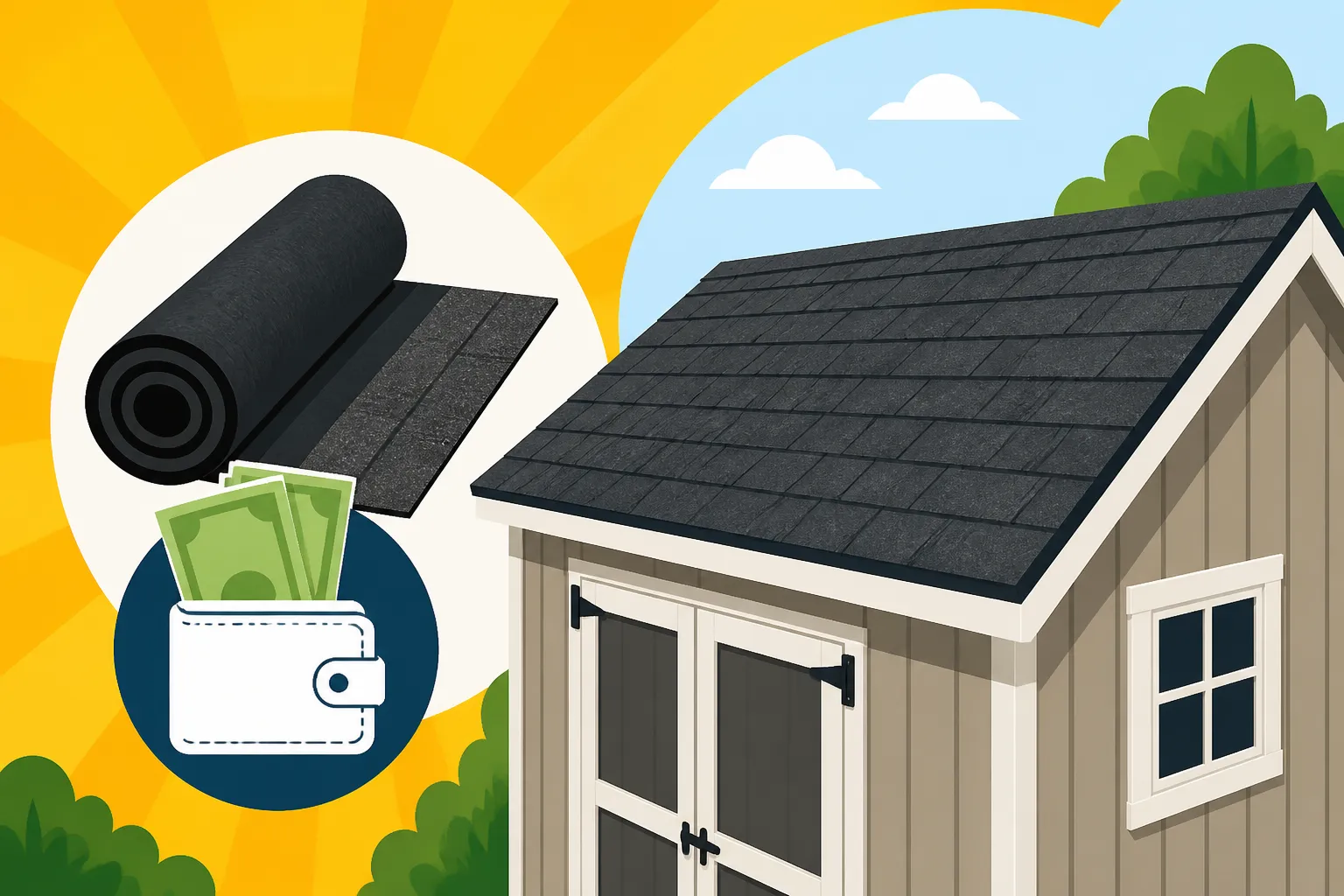
That old shed in the backyard can be a real workhorse, storing everything from garden tools to holiday decorations. But when its roof starts to leak, curl, or shed granules like crazy, it can feel like a major headache. You might be wondering if it's even worth fixing, or if a full replacement is in order, and what that might actually cost. This guide will help you navigate the ins and outs of getting a new roof for your shed, breaking down the costs and considerations so you can make an informed decision.
Understanding the Factors That Drive Shed Roof Costs
Replacing a shed roof isn't just a mini-version of replacing your house roof; it comes with its own set of nuances and cost drivers. Many homeowners assume it's a simple, cheap fix, but without understanding what goes into it, you might be in for a surprise.
Shed Size and Roof Pitch Matters More Than You Think
Just like with a full-sized house, the dimensions and design of your shed's roof play a huge role in the final price tag. A small, simple 8×10 foot shed with a low-slope gable roof is going to be significantly less expensive than a larger 12×20 foot shed with a steeper pitch and multiple peaks or a complex gambrel design. More surface area means more materials and more labor. A steeper pitch also complicates the job, requiring more safety measures and careful shingle installation, which often translates into higher labor costs per square foot. Imagine trying to shingle a tiny doghouse roof compared to a shed roof that feels like climbing a ladder all day – the effort and time are vastly different.
Material Choices Beyond Basic Asphalt Shingles
While we're talking about asphalt roofing, it's worth noting that even within asphalt, there are choices that impact cost. For most sheds, people lean towards cost-effective 3-tab shingles, which are lighter and simpler to install. However, some prefer the more durable and aesthetically pleasing architectural shingles, which offer a thicker, multi-dimensional look and often come with better wind resistance. You might also consider cool-roof shingles if your shed stores items sensitive to heat or if you want to be environmentally conscious. The quality of the underlayment also plays a role. While a basic felt paper might suffice for a shed, a synthetic underlayment offers superior protection against moisture and can extend the life of your roof, even for a humble shed. These upgrades, even on a small scale, will add to the overall material cost.
Existing Roof Condition and the Necessity of a Tear-Off
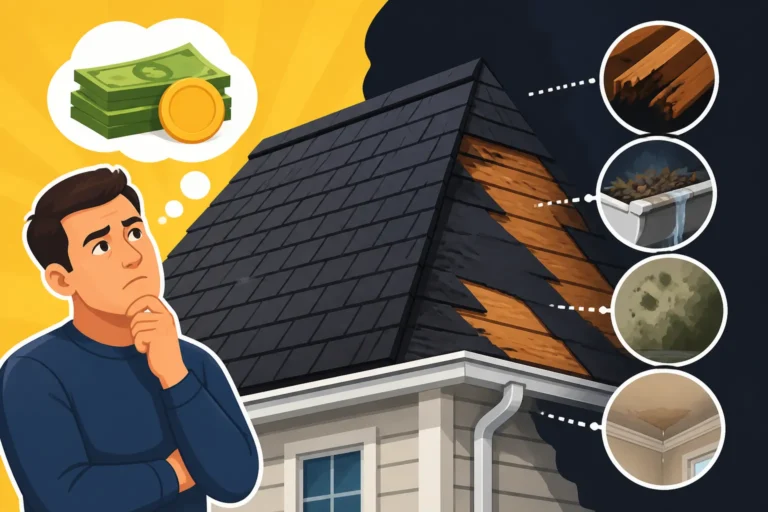
When your current shed roof is failing, you have to consider what's underneath. Is it just a few missing shingles, or is there widespread rot and water damage to the roof decking? If the existing roof is in good shape and only has one layer of shingles, you might be able to simply roof over existing shingles, saving on labor and disposal costs. However, if there are multiple layers of old shingles, significant rot, or structural issues with the decking, a full tear-off and potential roof decking replacement might be necessary. This process involves removing all old materials, inspecting the underlying structure, replacing any damaged wood, and then installing new components from scratch. This can significantly increase the project's complexity and cost, but it's crucial for a long-lasting and sound roof.
Shed Roof Replacement Cost Estimates
Let's get down to the numbers. The cost of a new roof for a shed can vary widely, but understanding the breakdown helps in budgeting effectively.
Material Costs for Asphalt Shingles and Components
For an asphalt shingle shed roof, you'll need more than just the shingles themselves. You'll need underlayment, drip edge, starter shingles, and ridge cap shingles. The price of these materials can fluctuate based on market conditions and your location, but here are some general estimates.
- 3-Tab Shingles: These are the most economical option, typically costing anywhere from $30 to $50 per bundle. A "square" of roofing (100 square feet) usually requires three bundles. So, for a small shed, you might be looking at $90 to $150 per square just for the shingles.
- Architectural Shingles: These are a step up in durability and appearance, running about $40 to $80 per bundle, or $120 to $240 per square. Many homeowners opt for these even on sheds for the enhanced look and longer lifespan.
- Underlayment: Basic felt paper might be $20-$30 per roll, while synthetic options can be $50-$100 per roll, offering better protection.
- Drip Edge: Usually sold in 10-foot sections, costing around $2-$4 per piece.
- Fasteners and Sealants: Roofing nails, caulk, and possibly roof cement will add another $20-$50 to your material bill.
Remember, these are material-only costs. If your shed is particularly old or has suffered extensive damage, you might also be looking at additional costs for things like new fascia boards, soffit repair, or even structural reinforcement.
Labor Costs for Professional Installation
Hiring a professional roofer for a shed can be a bit tricky. Many larger roofing companies prefer to take on full house roof replacements, as the economies of scale make them more profitable. For a small shed, you might find that the per-square-foot labor cost is disproportionately higher because it still involves setup, travel, and minimum crew rates. However, for those who don't have the time, tools, or expertise, it's often the best route.
Roofers often charge a minimum fee for small jobs, regardless of how tiny the roof is. This covers their crew's travel time, equipment setup, and the basic overhead of running a business. Hourly rates for roofers can range from $40 to $80 per hour per person, but for small projects, they might quote a flat fee. For an average shed, labor could run anywhere from $200 to $800, depending on the complexity, size, and your local market. For instance, labor costs in a high-cost-of-living area like New York City or San Francisco will be significantly higher than in a rural part of Arkansas or Ohio.
Total Project Cost Ranges
Bringing it all together, here's a general idea of what you might expect for the total cost, including materials and labor for a professionally installed asphalt shingle roof, assuming a single layer tear-off is included.
| Shed Size (approx.) | Shingle Type | Estimated Material Cost | Estimated Labor Cost | Total Project Cost Range |
|---|---|---|---|---|
| Small (8×10 ft) | 3-Tab | $150 – $250 | $200 – $400 | $350 – $650 |
| Small (8×10 ft) | Architectural | $200 – $350 | $250 – $500 | $450 – $850 |
| Medium (10×12 ft) | 3-Tab | $200 – $350 | $300 – $600 | $500 – $950 |
| Medium (10×12 ft) | Architectural | $300 – $500 | $400 – $800 | $700 – $1300 |
| Large (12×20 ft) | 3-Tab | $350 – $600 | $500 – $900 | $850 – $1500 |
| Large (12×20 ft) | Architectural | $500 – $800 | $700 – $1200 | $1200 – $2000+ |
These ranges are general estimates and can vary based on your specific location, roof pitch, existing damage, and the contractor you choose. You might find that the Cost to Replace a Roof by House Size article offers some comparable insights into how size impacts roofing projects, even if it's on a much larger scale. Always get multiple estimates to ensure you're getting a fair price.
DIY vs. Professional Installation: Weighing Your Options
When it comes to re-roofing a shed, many homeowners ponder whether to tackle it themselves or bring in the pros. Both options have their clear advantages and disadvantages.
The DIY Route: Savings vs. Challenges
If you're handy and have some experience with home improvement projects, doing it yourself can definitely save you money on labor. For a small, simple shed roof, this might be a perfectly viable option. You'd primarily be paying for materials, tool rentals (if needed), and your time.
- Potential Savings: This is the biggest draw. You could potentially save hundreds of dollars by doing the work yourself, especially for smaller sheds with low pitches.
- Learning Opportunity: It's a great way to learn basic roofing skills, which could be useful for minor repairs on your home or other structures in the future.
- Control over Materials and Schedule: You get to pick out every component and work at your own pace, fitting the project into your weekends or free time.
However, the DIY route comes with its own set of challenges. You'll need to gather all the necessary tools – a hammer or roofing nailer, utility knife, measuring tape, chalk line, safety gear (gloves, eye protection, sturdy shoes), and a ladder. If you’re not familiar with how asphalt shingles are installed step by step, you risk improper installation, which can lead to leaks and premature roof failure. Hauling away old shingles and debris can also be a significant undertaking, potentially requiring a trip to the local dump or arranging for a small dumpster. Don't underestimate the physical demands and the time commitment. A "weekend project" can easily stretch into several if you encounter unforeseen issues or bad weather.
Hiring a Professional: Benefits and Considerations
For those who are short on time, lack the confidence, or have a more complex shed roof, hiring a professional is almost always the better choice. While it comes with a higher upfront cost, it often offers peace of mind and a superior result.
- Expertise and Experience: A professional roofer knows the ins and outs of proper installation, local building codes, and best practices. They can spot underlying issues you might miss, like compromised roof decking, and address them correctly.
- Efficiency: Professionals can complete the job much faster and more efficiently than a DIYer. What might take you several weekends, they could finish in a day or two.
- Warranties: Reputable contractors often provide a workmanship warranty on their installation, in addition to the manufacturer's warranty on the shingles. This gives you recourse if problems arise down the road. Understanding Roofing Warranties: Manufacturer vs Workmanship is key here.
- Safety: Roofing work involves ladders and working at heights, which can be dangerous. Professionals have the right safety equipment and training to minimize risks.
When considering a professional, it's vital to How to Choose a Roofing Contractor. Ask for multiple bids, check references, and ensure they are licensed and insured. For a shed roof, you might look for a smaller, local handyman service or a roofing contractor who handles smaller jobs, as their overhead might be lower. Platforms like Modernize can be incredibly helpful for finding local, vetted contractors who are experienced with projects of all sizes, including shed roofs. They can streamline the process of getting competitive quotes without you having to cold-call every roofer in town.
Maximizing Your Investment and What to Ask For
Even for a shed, you want your new roof to last. Making smart choices upfront and knowing what questions to ask can save you money and headaches in the long run.
Smart Material Choices and Important Upgrades
Don't just default to the cheapest option without considering the long-term implications. For example, while 3-tab shingles are budget-friendly, architectural shingles generally offer better durability and a longer lifespan, especially in areas prone to high winds or hail. An upgraded underlayment, like synthetic felt, can provide an extra layer of protection against moisture, which is invaluable for anything you're storing in your shed. Also, ensure proper ventilation for your shed roof. Just like a house, inadequate ventilation can lead to heat and moisture buildup, shortening the life of your shingles and potentially damaging anything stored inside. A simple ridge vent or a few small box vents can make a big difference, especially if your shed gets a lot of direct sun.
Getting the Right Contractor for a Small Job
Finding a good contractor for a small project like a shed roof can sometimes be more challenging than finding one for a full house. Some larger companies might not be interested, or they might charge a premium that feels excessive for the scope of work.
- Look for Local and Smaller Operations: Often, smaller, independent contractors or general handymen are more willing and competitively priced for shed roofs. They might also be more flexible with scheduling.
- Get Detailed Quotes: Ensure any quote you receive clearly breaks down material costs, labor costs, and any additional charges like tear-off or disposal. A good quote will outline the specific type of shingles, underlayment, and other components being used. Don't be afraid to ask what the Cost of Roof Tear-Off and Disposal will be.
- Check References and Reviews: Even for a shed, you want someone reliable. Ask for examples of their previous work or check online reviews.
- Specify Your Needs: Clearly communicate if you have specific material preferences (e.g., you want Owens Corning Duration shingles, even for a shed) or if you want them to address any underlying issues with the roof decking.
- Leverage Online Platforms: Services like Modernize can connect you with contractors in your area who are interested in projects of various sizes. This can be a huge time-saver and help you find someone reliable quickly.
Maintenance Tips for Shed Roof Longevity
Once your new shed roof is installed, a little maintenance goes a long way in ensuring it reaches its full lifespan.
- Keep it Clean: Regularly remove leaves, branches, and other debris that accumulate on the roof. This prevents moisture from getting trapped and causing premature wear.
- Clear Gutters: If your shed has gutters, keep them clean to ensure proper drainage. Clogged gutters can lead to water backing up under shingles.
- Trim Overhanging Branches: Trees can drop debris, scratch shingles, and provide pathways for pests. Trimming branches that hang over your shed roof can prevent significant damage.
- Regular Inspections: Periodically, take a look at your shed roof. Look for missing or damaged shingles, signs of moss or algae growth, or any areas where the flashing might be compromised. Catching small issues early can prevent them from becoming major, costly repairs down the line. It's often helpful to refer to a guide on Roof Anatomy: Parts of an Asphalt Shingle Roof to know what to look for during these inspections.
By being proactive, you can ensure your shed roof provides reliable protection for many years, making that initial investment truly worthwhile.
Disclaimer
Please remember that all cost estimates and advice provided in this article are general in nature. Actual costs and regulations can vary significantly based on your specific location, the current market conditions for materials and labor, and the unique characteristics of your shed and project. Always obtain multiple quotes from qualified local professionals before making any decisions.