Architectural Shingle Cost Per Square
When you’re staring down the barrel of a roof replacement, one of the first questions that pops into your head (after, "How much is this going to cost me?!") is often about the materials. Specifically, if you're leaning towards the popular architectural shingles, you're likely wondering about the architectural shingle cost per square. It's a common concern, and frankly, it can feel like you're trying to crack a secret code when estimates start rolling in. This guide is here to demystify those numbers, explaining exactly what goes into the pricing so you can approach your roofing project with confidence and a clear understanding of your investment.
Understanding Architectural Shingles and Their Value
Let's be real, a roof isn't just about keeping the rain out anymore, though that's certainly job number one! Homeowners these days are looking for durability, curb appeal, and a good return on their investment. That's where architectural shingles, also known as dimensional or laminated shingles, really shine. They've become the go-to choice for so many people, and for good reason.
What Makes Architectural Shingles Different?
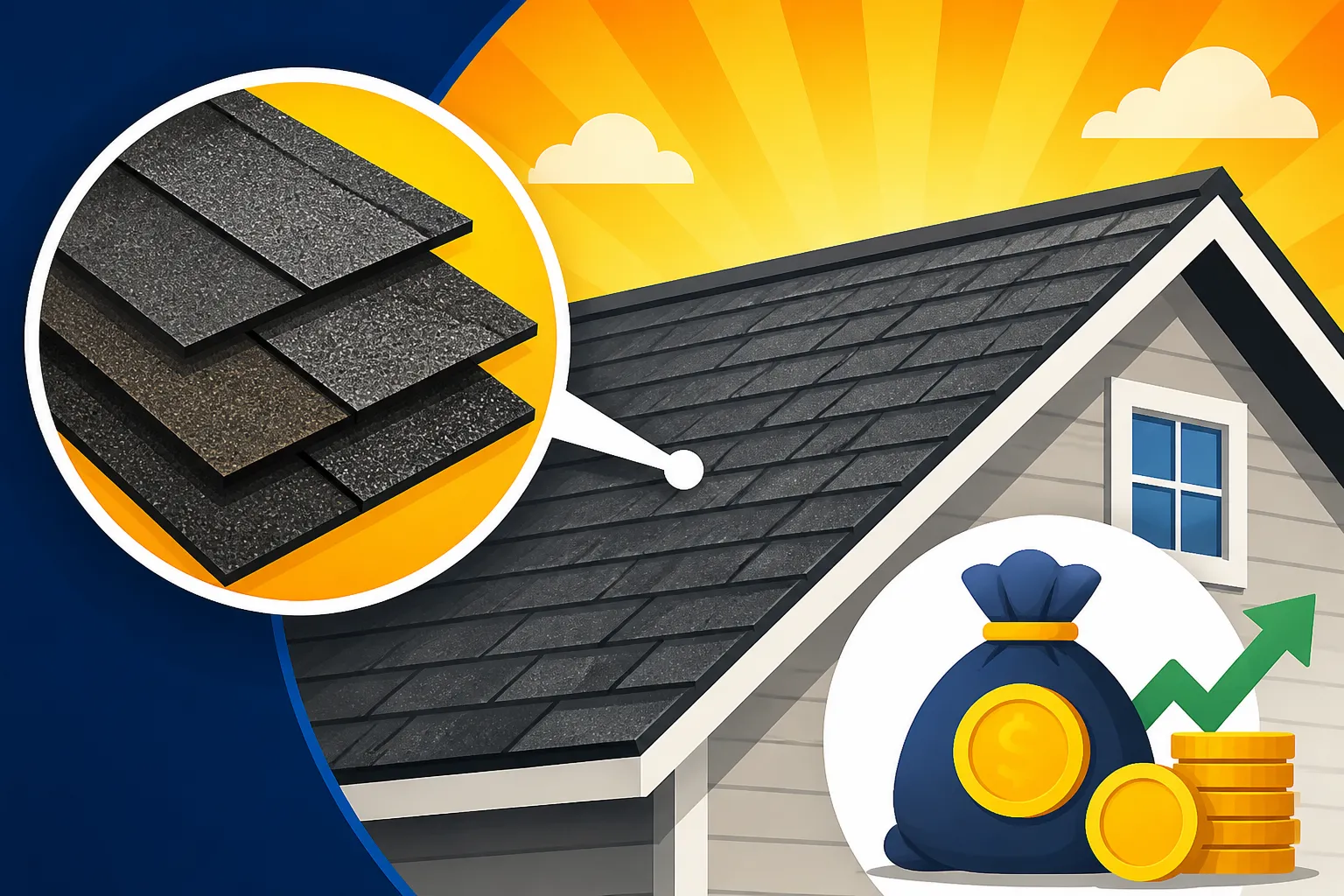
Unlike traditional 3-tab shingles, which are flat and uniform, architectural shingles are designed with multiple layers of asphalt and granules fused together. This manufacturing process creates a much thicker, more robust product that mimics the appearance of natural wood shakes or slate tiles without the hefty price tag or maintenance requirements. Think of it like a high-end haircut versus a basic trim – both get the job done, but one offers a lot more style and substance.
The layered construction of architectural shingles isn't just for looks, though. That extra thickness provides superior protection against the elements, giving them a significant edge in terms of resilience. They tend to have a higher wind resistance rating, often up to 130 mph, compared to 3-tab shingles which typically max out around 60-70 mph. This is a huge deal, especially if you live in an area prone to strong storms or high winds, like many parts of Florida or Texas. The granules are also often more deeply embedded, which helps them resist granule loss, a common sign of wear on older roofs.
Why They're a Popular Choice for Homeowners
It's easy to see why architectural shingles have surged in popularity. For one, their aesthetic appeal is undeniable. They add a beautiful, rich, three-dimensional look to a home's roofline that flat shingles just can't match. Whether you're aiming for a classic, rustic, or modern look, there's an architectural shingle style and color that can complement your home's exterior. This enhanced curb appeal can significantly boost your home's value, which is always a bonus if you're thinking about selling down the line.
Beyond the aesthetics, the longevity and durability are huge selling points. Most architectural shingles come with impressive warranties, often 30 years or even limited lifetime, compared to the 20-25 years typical of 3-tab shingles. This means less worry about premature roof failure and fewer repairs over the roof's lifespan. This longer lifespan can also impact your long-term Asphalt Roof Replacement Cost: Complete Breakdown. Plus, some architectural shingles are designed with advanced features like algae resistance (those pesky black streaks!) or impact resistance (Class 4 shingles can even qualify for insurance discounts in hail-prone areas). These aren't just fancy add-ons; they're features that provide real-world benefits and peace of mind for homeowners. Many homeowners find that the slightly higher initial 3-Tab vs Architectural Shingle Cost Compared is well worth it for the improved look and performance.
Breaking Down the Cost Per Square for Architectural Shingles
Now, let's get down to the numbers. When talking about roofing costs, you'll often hear the term "per square." A "square" in roofing jargon is simply 100 square feet of roof area. So, if a roofer quotes you $300 per square, that means it costs $300 for every 100 square feet of your roof. Understanding this unit of measurement is crucial for making sense of any roofing estimate you receive. The overall Roof Cost Per Square: What You'll Pay will vary greatly depending on a host of factors.
The architectural shingle cost per square isn't a single, fixed number. It's a blend of several components, primarily the material cost for the shingles themselves and the labor cost for installation, plus other essential materials and potential complexities.
Material Costs: What You'll Pay for Shingles Alone
The price tag on architectural shingles can fluctuate quite a bit based on the brand, quality, specific features, and even the region you live in. You can expect to pay anywhere from $100 to $250 per square for the shingles themselves, not including installation.
Let's look at some examples:
- Standard Architectural Shingles: Brands like GAF (e.g., Timberline HDZ), Owens Corning (e.g., Duration), and CertainTeed (e.g., Landmark) offer their popular architectural lines typically in the $100-$150 per square range for materials. These are excellent, reliable choices that provide a significant upgrade over 3-tab shingles in both appearance and durability. For instance, the GAF Timberline HDZ Roof Cost Installed is often a fantastic middle-ground option for many homeowners.
- Mid-Range Architectural Shingles: If you opt for shingles with enhanced features, such as algae resistance (often found in products like Owens Corning Duration with StreakGuard or GAF Timberline HDZ with LayerLock technology) or slightly thicker profiles, you might see prices in the $150-$200 per square range. These often come with extended warranties and better performance in specific conditions.
- Designer or Luxury Architectural Shingles: For a truly distinctive look, like the deep, sculpted appearance of CertainTeed Presidential Shake or GAF Grand Sequoia, you're looking at higher material costs, potentially $200-$250+ per square. These luxury options mimic natural cedar shakes or slate with incredible realism and offer top-tier performance and warranties. For those interested, the CertainTeed Presidential Roof Cost Installed will give you a good idea of the higher end of the spectrum.
It's worth noting that these are material-only costs. When you get an estimate from a contractor, it will usually be an all-in installed price. Speaking of contractors, Modernize is a platform that can connect you with local roofing professionals who can provide detailed quotes based on your specific needs.
Labor Costs: The Skill and Time Investment
Labor is another significant chunk of your total architectural shingle cost per square, often representing 40-60% of the overall project price. Roofing is demanding, specialized work, and you're paying for the crew's expertise, efficiency, and safety. Labor costs typically range from $150 to $300 per square, but this can vary based on several factors:
- Regional Differences: Labor rates aren't uniform across the country. A roofing crew in, say, California or New York will likely charge more per hour than one in a lower cost-of-living area like Arkansas or Alabama.
- Roof Complexity: A simple, single-story ranch home with a low-slope roof is much faster and easier to shingle than a multi-story home with a steep pitch, multiple dormers, and complex valleys. The more cuts, angles, and difficult access points, the higher the labor cost will be. You can anticipate a Steep Roof Cost Premium for more complex roofs.
- Crew Experience and Reputation: Highly experienced, reputable roofing companies with certified crews (e.g., GAF Master Elite or Owens Corning Platinum Preferred contractors) might charge a bit more, but they often deliver superior workmanship and better warranty backing. This expertise is worth its weight in gold.
- Time of Year: In some areas, roofing demand is seasonal. If you're getting your roof done during peak season, contractors might be busier and have less flexibility on pricing. Conversely, during slower months, you might find some more competitive bids, though working in extreme weather conditions can sometimes add to the labor cost.
Understanding the Roofing Material Cost vs Labor Cost breakdown is key to interpreting your quotes.
Additional Factors Influencing the Final Price
Beyond the basic shingles and labor, several other components contribute to the total architectural shingle cost per square for a complete roof replacement. These are crucial elements of a healthy roof system that protect your home and ensure your warranty remains valid.
- Old Roof Tear-Off and Disposal: Almost every roof replacement starts with removing the old shingles. This process, known as a tear-off, involves labor for removal and costs for disposal at a landfill. If you have multiple layers of old shingles, or a particularly large roof, this cost will go up. Expect to pay anywhere from Cost of Roof Tear-Off and Disposal $50 to $100 per square for tear-off and disposal, though complex tear-offs (like those with multiple layers or tricky access) can be more.
- Underlayment: This is the protective layer installed directly onto your roof deck before the shingles go on. It's an essential secondary barrier against water penetration. Standard felt paper is cheaper, but synthetic underlayments offer superior protection and durability and are increasingly popular. The cost for underlayment typically ranges from $20 to $60 per square, depending on the type.
- Flashing and Drip Edge: Flashing are metal pieces installed around chimneys, skylights, vents, and in valleys to prevent water from seeping into vulnerable areas. Drip edge is metal flashing installed along the edges of your roof to direct water off and away from the fascia and into the gutters. These are non-negotiable components for a watertight roof and typically add $5-$15 per linear foot, or $10-$30 per square, to the overall cost.
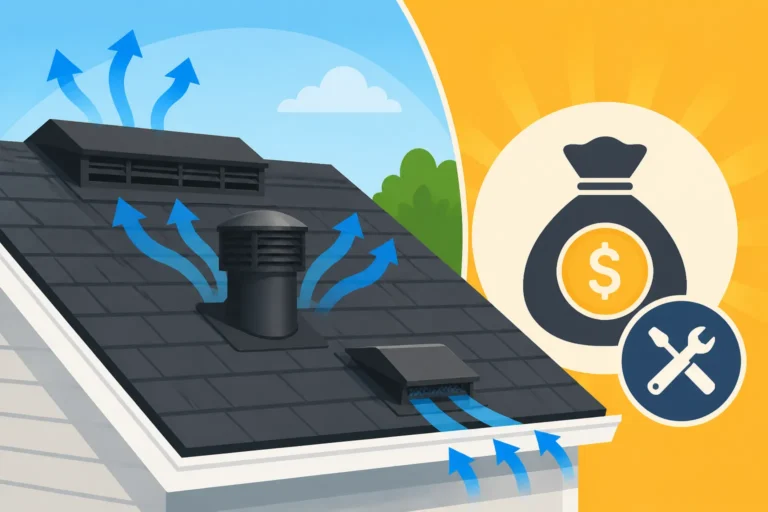
- Vents and Accessories: Ridge vents, soffit vents, and other ventilation components are critical for proper attic airflow, which prevents heat buildup and moisture issues. Pipe boots, sealants, and fasteners also add to the material costs. These typically range from $10 to $40 per square.
- Roof Decking Repairs: If your roof decking (the plywood or OSB sheeting) has water damage, rot, or is simply not up to code, it will need to be repaired or replaced. This is an extra cost that can be unpredictable until the old shingles are off. Roof Decking Replacement Cost can range from $70-$120 per sheet (4×8 ft), including labor and materials.
Here's a simplified table illustrating the typical breakdown of architectural shingle costs per square for a full replacement:
| Component | Low-End Estimate (Per Square) | High-End Estimate (Per Square) | Notes |
|---|---|---|---|
| Shingle Materials | $100 | $250 | Based on standard to luxury architectural shingles |
| Underlayment | $20 | $60 | Felt vs. Synthetic, specialized ice and water shield areas |
| Flashing & Drip Edge | $10 | $30 | Cost per linear foot converted to square, varies with roof complexity |
| Vents & Accessories | $10 | $40 | Ridge vents, pipe boots, fasteners, sealants |
| Labor | $150 | $300 | Varies by region, roof complexity, crew experience |
| Tear-Off & Disposal | $50 | $100 | Dependent on layers, debris volume, and local disposal fees |
| Contingency (5-10%) | $20 | $80 | For unforeseen issues like decking repair (added if needed) |
| Total Estimated Cost | $360 | $860 | This represents an installed cost range for architectural shingles |
This table shows that the total installed architectural shingle cost per square can easily range from around $360 to $860 or more, depending on all these factors. Remember, this is an average, and specific quotes will always vary.
Getting Accurate Quotes and Maximizing Value
Navigating the world of roofing estimates can be intimidating. You want to make sure you're getting a fair price for quality work, and that means being proactive and asking the right questions. Don't settle for the first quote you get, and don't be afraid to dig into the details.
The Importance of Multiple Estimates
This is perhaps the single most important piece of advice anyone can give you when planning a roof replacement: always get at least three detailed estimates from different roofing contractors. Why? Because every contractor operates a little differently. Some might have lower overheads, some might specialize in certain materials, and some might be running specials. Comparing multiple bids helps you understand the market rate in your area for the specific work you need. It also allows you to compare not just the price, but also the scope of work, warranty offerings, and the professionalism of each company.
When you're comparing, don't just look at the bottom line. Really scrutinize each estimate. Does one quote specify a higher quality underlayment? Does another include all necessary flashing replacements, or are they just patching? Ask questions about the specific shingle product being used, the warranty, and the timeline. Services like Modernize can be incredibly helpful here, as they can connect you with multiple pre-vetted local professionals who are ready to provide quotes, saving you a lot of time and legwork. This platform streamlines the process of finding contractors and helps you get the necessary information to How to Read and Compare Roofing Estimates effectively.
Smart Budgeting and Cost-Saving Tips
Even with architectural shingles, which are a premium product, there are ways to approach your budget smartly and potentially save money without compromising quality.
- Timing Your Project: In many regions, the demand for roofing contractors can fluctuate seasonally. Spring and early fall are often peak seasons. Consider scheduling your project during a slower period, such as late fall or early winter (if weather permits), as contractors might offer more competitive pricing to keep their crews busy. You might find it's the Best Time of Year for Cheap Roofing.
- Understand Warranties: Architectural shingles typically come with strong manufacturer warranties, often limited lifetime. However, the installation warranty from your contractor is just as important. Ask about both. Many manufacturers, like Owens Corning and GAF, offer enhanced warranties when their entire "system" (shingles, underlayment, ventilation, etc.) is installed by a certified contractor. These can provide longer coverage and often include labor, which is a significant peace of mind. Make sure you understand how to register your warranty and what might What Voids a Shingle Warranty.
- Energy Efficiency Upgrades: While an initial cost, consider "cool roof" shingles or improved attic ventilation. Cool roof shingles, designed to reflect more sunlight and absorb less heat, can lower your attic temperature and reduce your energy bills, especially in warmer climates. Improved ventilation can also significantly reduce cooling costs and extend the life of your roof. These investments pay for themselves over time.
- Negotiate Wisely: Don't be afraid to discuss pricing with contractors, especially if you have multiple competitive bids. Sometimes, there's a little wiggle room, or they might offer alternative solutions to fit your budget. However, be wary of bids that are drastically lower than others; a super-low price often signals cut corners or inferior materials. For more insights, check out How to Get a Lower Roofing Quote.
- Financing Options: If the upfront cost is a concern, many reputable roofing companies, often through platforms like Modernize, offer various financing options, including interest-free periods or low monthly payments. This can help you manage the investment without breaking the bank. Don't forget to How to Budget for a New Roof before committing to a project.
Choosing architectural shingles is a fantastic investment in your home's protection and aesthetics. By understanding the factors that influence the cost per square and being a savvy consumer, you can ensure you get a high-quality roof that will protect your home for decades to come, all while staying within a comfortable budget.
Disclaimer
Please remember that the cost estimates provided in this article are general averages and can vary significantly based on your geographic location, the specific roofing contractor you choose, current material prices, and the unique characteristics of your roof. It's always best to obtain multiple, detailed quotes from local, licensed, and insured roofing professionals to get an accurate cost for your specific project.