Cost to Replace a Roof on a 1,500 sq ft House
It's incredibly frustrating when you're trying to budget for a big home improvement project like a new roof, and all you get are vague estimates that feel like they're for someone else's house. You just want a clear idea of what it will really cost to replace the asphalt roof on your 1,500 sq ft home. This guide is here to cut through the confusion, break down the actual expenses you'll face, and help you understand the factors that will impact your final bill, so you can plan with confidence.
Understanding the Average Cost for a 1,500 Sq Ft Roof Replacement
Let's get right to it. When you own a home that's roughly 1,500 square feet, you might think the roofing cost should be pretty straightforward. However, the world of roofing costs is a bit more nuanced than just the footprint of your house. We're going to dive into what you can realistically expect to pay, acknowledging that there's no single magic number, but rather a sensible range based on a multitude of factors.
The "Typical" Range for a 1,500 Sq Ft Home
For a 1,500 square foot house, the average cost to replace an asphalt shingle roof typically falls somewhere between $10,500 and $18,000. Now, I know that's a pretty wide range, and it can feel a little disheartening, but hear me out. This range accounts for standard architectural shingles, a single story, a moderately pitched roof, and includes both materials and labor. Think of this as your starting point, a baseline for a fairly common roof replacement scenario in many parts of the country.
To give you a better idea, most roofers talk in "squares" – a roofing square is 100 square feet. So, a 1,500 square foot house has a roof that is at least 15 squares. The cost per square can range from $700 to $1,200 or more, depending on your location, the specific materials chosen, and the complexity of the job. So, if we do a quick multiplication, 15 squares multiplied by $700 to $1,200 per square gives you that initial cost bracket. This general estimate often includes the tear-off of one layer of old shingles, the installation of new underlayment, new asphalt shingles, and basic flashing. For a deeper dive, check out our guide on how much an asphalt shingle roof costs.
Why Square Footage Isn't the Only Factor
It's common for homeowners to assume their roof's square footage is exactly the same as their home's living space. Unfortunately, that's almost never the case. Your roof's actual surface area, which is what roofers measure, will always be larger than your home's heated square footage. Why? Because it accounts for the overhangs, the pitch or slope of your roof, and any architectural features like gables or dormers. A steeper roof, for example, has a greater surface area than a flatter roof, even if they cover the same 1,500 sq ft footprint.
Consider a 1,500 sq ft ranch home versus a 1,500 sq ft two-story home with a steep pitch and several dormers. The ranch might have a simpler, lower-pitched roof closer to 1,600-1,800 actual roofing squares. The two-story home, however, could easily have 20-25 roofing squares or more due to its height, steeper slopes, and more intricate design. Each additional "square" adds to your material and labor costs. This is why when you're asking about the cost of roof replacement by house size, it's crucial to remember that the roof's actual dimensions and complexity are what truly dictate the final price, not just the square footage of your living space.
Key Factors Driving the Price of Your New Asphalt Roof
When you start digging into roofing quotes, you'll quickly realize that the final price isn't just pulled out of thin air. It’s a careful calculation based on several significant factors. Understanding these elements can help you make more informed decisions and feel less overwhelmed by the numbers.
Material Choices and Their Impact
The type of asphalt shingle you choose will have a substantial impact on your overall cost. It's not just about color anymore; different shingles offer varying levels of durability, aesthetics, and warranties.
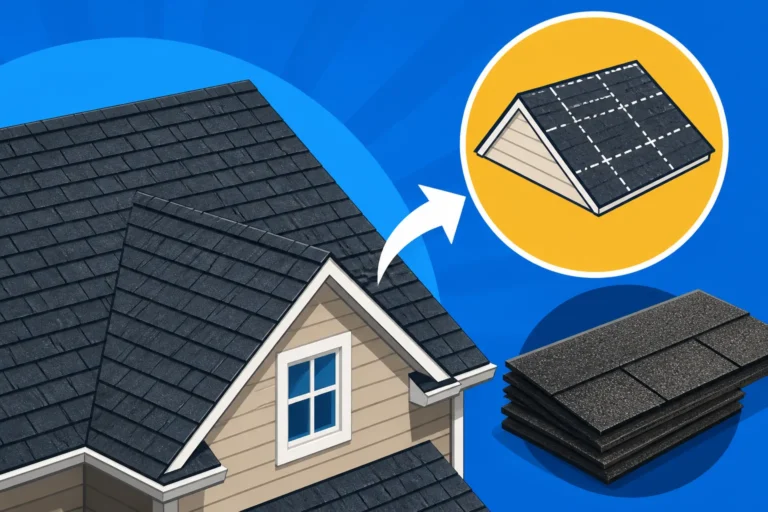
- 3-Tab Shingles: These are your most basic and most affordable option. They're thin, flat, and offer a very uniform look. While they get the job done, they typically have the shortest lifespan and lowest wind resistance. If you're on a very tight budget, they might seem appealing, but they often don't provide the long-term value of other options.
- Architectural (Laminated or Dimensional) Shingles: These are the most popular choice for homeowners today, and for good reason. They're thicker, more durable, and designed to mimic the look of wood shakes or natural slate, offering a more appealing, textured appearance. Brands like GAF Timberline HDZ and Owens Corning Duration are incredibly common in this category. They offer better wind resistance and a longer lifespan than 3-tab shingles, making their slightly higher cost a worthwhile investment for many. You can learn more about architectural shingle roof cost to see how they stack up.
- Designer (Luxury) Shingles: These are the top tier of asphalt shingles, designed to replicate premium roofing materials like slate or cedar shakes with exceptional detail and durability. They are significantly thicker and heavier, offering superior protection and a much more distinctive aesthetic. Think CertainTeed Presidential Shake or GAF Grand Sequoia. While they come with a higher price tag, they can dramatically enhance your home's curb appeal and longevity.
The cost difference between these types can be considerable, impacting the total cost of your 1,500 sq ft roof replacement by thousands of dollars. For instance, basic 3-tab shingles might run you $70-$100 per square for materials, while architectural shingles could be $100-$200 per square, and luxury shingles can easily exceed $300-$500+ per square. When you consider a roof that could be 15-25 squares, those per-square differences add up quickly.
| Shingle Type | Typical Material Cost Per Square (100 sq ft) | Average Total Material Cost for a 1,500 sq ft Roof (Approx. 18 squares) | Key Benefits |
|---|---|---|---|
| 3-Tab Shingles | $70 – $100 | $1,260 – $1,800 | Most affordable upfront cost |
| Architectural Shingles | $100 – $200 | $1,800 – $3,600 | Best value, aesthetic appeal, durability |
| Designer Shingles | $300 – $500+ | $5,400 – $9,000+ | Premium look, superior durability & performance |
Note: These are material costs only and do not include labor or other components of a full roof system.
Labor and Installation Complexity
Beyond the materials, labor is often the single largest component of your roof replacement cost. The intricacy of your roof's design directly translates to more time and effort for the roofing crew, which means a higher labor bill.
- Roof Pitch and Height: A steep roof, say anything over a 6/12 pitch, requires more safety equipment, slower work, and specialized techniques, leading to higher labor costs. Similarly, a two-story home costs more to roof than a single-story ranch because of the increased danger and effort involved in working at greater heights. Consider the "steep roof cost premium" and "multi-story roof cost premium" as real additional expenses.
- Architectural Features: Dormers, skylights, chimneys, and complex valleys all add to the labor cost. Each of these features requires custom cutting, flashing, and sealing, which takes more skill and time than simply laying shingles on a flat expanse. If your 1,500 sq ft home has intricate gables or multiple valleys, expect the labor portion of your estimate to reflect that.
- Old Roof Tear-Off and Disposal: Almost every roof replacement starts with tearing off the old layers. The cost of roof tear-off and disposal varies based on how many layers of old shingles need to be removed. If your roof has two or more layers, it will take more time, effort, and disposal fees than a single layer tear-off. Plus, the debris needs to be safely hauled away, which is another cost factor.
Labor rates also vary significantly by region. A roofing crew in a high-cost-of-living area like Southern California or the Northeast will charge more per hour than one in the Midwest or a rural area. Platforms like Modernize can help you connect with local contractors who can provide accurate quotes based on your specific location and roof characteristics. Understanding what affects your roofing material cost vs labor cost can help you anticipate the total expense.
Underlayment and Accessory Upgrades
A roof isn't just shingles; it's a complete system designed to protect your home. The underlying components play a crucial role in its performance and longevity, and upgrading them can add to the cost, but often provides excellent long-term value.
- Underlayment: This protective layer goes directly on your roof decking before the shingles. Traditional felt underlayment is standard, but synthetic underlayment offers superior tear resistance, water protection, and is often preferred. The choice between synthetic vs felt underlayment cost will impact your budget.
- Ice and Water Shield: In colder climates, or areas prone to heavy rain, ice and water shield is a critical component, typically installed along eaves, valleys, and around penetrations. It's a self-adhering membrane that provides an extra layer of waterproofing. The more areas that require this, the higher the cost.
- Flashing and Drip Edge: These metal components are vital for directing water away from vulnerable areas. While often replaced as standard, upgrading to more robust flashing or custom-fabricated pieces can add to the cost. The cost of new flashing and drip edge is a small but important part of the overall system.
- Ventilation: Proper roof ventilation is essential for preventing heat and moisture buildup in your attic, which can lead to premature roof deterioration, mold, and higher energy bills. If your current ventilation system is inadequate, upgrading to a ridge vent, soffit vents, or other options will be an added cost but is a smart investment in your home's health. You might consider the cost of ridge vent installation if your home doesn't currently have sufficient attic airflow.
Each of these components, while adding to the overall cost, contributes to a more durable, longer-lasting roof system that will protect your 1,500 sq ft home for decades to come.
Hidden Costs and Unexpected Expenses to Budget For
Nobody likes surprises, especially when they involve your wallet and a major home repair. While a good roofing contractor will try to provide a comprehensive estimate, there are some factors that can pop up unexpectedly or are simply easy to overlook if you're not prepared.
Addressing Unexpected Roof Deck Damage
One of the most common "hidden" costs homeowners face is unforeseen damage to the roof decking. The decking is the plywood or OSB sheathing that forms the structural base of your roof, on which the underlayment and shingles are installed.
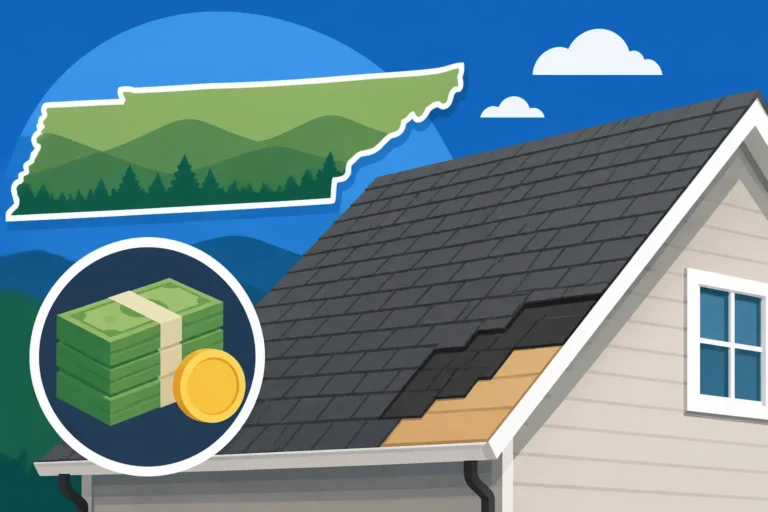
- Rot and Water Damage: After the old shingles are torn off, it's not uncommon to discover sections of plywood or OSB that are soft, rotted, or otherwise damaged due to long-term leaks or poor ventilation. Even if you've never noticed an internal leak, water can seep in and cause slow decay over time. Replacing this damaged decking is absolutely critical for the integrity of your new roof, as installing new shingles over a compromised deck can void warranties and lead to premature failure.
- Cost of Replacement: The cost for roof decking replacement can add significantly to your project. Roofers typically charge per sheet of plywood or OSB, plus the labor to cut out the old and install the new. Depending on the extent of the damage, this could be a few hundred dollars for a couple of sheets or several thousand if a large section needs replacing. It’s always wise to include a contingency fund, perhaps 5-10% of your total estimated cost, for potential decking repairs. A thorough roof inspection is often necessary to catch these issues.
Permits, Warranties, and Debris Removal
These are expenses that are often factored into an estimate but might not be explicitly broken out or fully understood by homeowners.
- Roofing Permits: In most cities and counties, you'll need a permit to replace your roof. This isn't just red tape; it ensures that the work complies with local building codes, promoting safety and proper installation. The cost of a roofing permit varies widely, from $75 to $500 or more, depending on your municipality. While your contractor usually pulls the permit, the cost is passed on to you. Ignoring this requirement can lead to fines, difficulties with insurance claims, and issues when selling your home. Make sure to ask, "Do you need a permit to replace a roof in my area?"
- Warranty Upgrades: Basic manufacturer warranties typically cover defects in the shingles themselves, but often for a limited time or prorated value. Many manufacturers, like GAF, Owens Corning, and CertainTeed, offer enhanced or "system" warranties when their complete roofing system (shingles, underlayment, flashing, ventilation) is installed by a certified contractor. These extended warranties can cover labor costs and offer longer non-prorated periods, but they often come with an additional fee. It's a small investment that can provide significant peace of mind down the road. You can always ask questions to ask about roofing warranties.
- Debris Removal: This might seem minor, but the sheer volume and weight of old shingles, nails, and other roofing debris can be substantial. Your estimate should include the cost of a dumpster rental and the labor for disposal. If your property has difficult access for a dumpster or if there are multiple layers of old roofing, these costs can climb. Ensure your estimate clearly outlines the plan and cost for disposing of all waste.
Thinking about these potential additions beforehand, and budgeting for them, can help you avoid unwelcome surprises during your 1,500 sq ft roof replacement project.
Getting Accurate Estimates for Your 1,500 Sq Ft Home
Now that you have a better understanding of what goes into the cost, the next crucial step is getting accurate estimates. This process can feel daunting, but it's essential for ensuring you get a fair price and a quality job for your 1,500 sq ft home.
The Importance of Multiple Quotes
One of the biggest mistakes homeowners make is settling for the first estimate they receive. Think of it like this: would you buy the first car you test drove or hire the first person you interviewed? Probably not. The same goes for a roof replacement. Getting at least three to five quotes from different roofing contractors is absolutely vital.
- Comparative Analysis: Multiple quotes allow you to compare not just the bottom-line price, but also the scope of work, material recommendations, warranties offered, and the professionalism of each company. You might find one contractor suggests an upgrade to impact-resistant shingles that another didn't mention, or perhaps one includes a better ventilation system. This comparison helps you understand the market value for your specific project and avoids overpaying or underscoping.
- Understanding Differences: Don't just look for the lowest price. A significantly lower bid might indicate cutting corners, using inferior materials, or lacking proper insurance. Conversely, a much higher bid isn't always ripping you off; it could mean a higher quality of materials, a more comprehensive warranty, or a particularly skilled crew. Use this opportunity to ask questions, clarify line items, and understand the value behind each quote. For guidance, check out how to read and compare roofing estimates.
- Finding Reputable Contractors: Platforms like Modernize can be incredibly helpful here. They connect homeowners with pre-vetted, local roofing contractors, making it easier to get multiple bids from reputable companies. This saves you the headache of searching blindly and helps ensure you're working with licensed and insured professionals. When you meet with contractors, don't hesitate to ask them questions to ask a roofing contractor before hiring.
What to Look For in a Roofing Estimate
A good roofing estimate should be detailed and transparent, leaving little room for ambiguity. When reviewing the proposals for your 1,500 sq ft home, make sure they clearly outline the following:
- Specific Materials: The type and brand of shingles (e.g., GAF Timberline HDZ, Owens Corning Duration), underlayment, ice and water shield, flashing, and other accessories should be itemized. This allows you to verify quality and compare like-for-like across different bids.
- Scope of Work: The estimate should clearly state whether it includes tear-off of old shingles, the number of layers to be removed, replacement of damaged decking (and how it's priced, usually per sheet), installation of new components, and cleanup. Make sure it explicitly states that the entire roof system is being replaced, not just shingles on top of existing layers, unless that's what you specifically discussed.
- Labor Costs: While often grouped, a good estimate will provide a breakdown of labor charges, especially if there are complexities like steep pitches or multiple stories that incur extra labor.
- Permit Fees: Confirm that the cost of the roofing permit is included and who is responsible for pulling it.
- Warranty Information: Details on both the manufacturer's warranty (for materials) and the contractor's workmanship warranty should be provided. Ask about upgrade options if you're interested in extended coverage.
- Payment Schedule: A clear payment schedule, often with an upfront deposit, progress payments, and a final payment upon completion, should be outlined. Avoid contractors who demand full payment upfront.
- Proof of Insurance and Licensing: Always verify that the contractor is properly licensed and insured (both liability and workers' compensation). This protects you from financial responsibility if there are accidents or damages during the project.
By meticulously reviewing each estimate and asking questions, you'll be well-equipped to choose the best contractor and ensure your 1,500 sq ft roof replacement is completed to a high standard, without any unpleasant financial surprises.
Disclaimer
Please remember that the cost estimates provided in this guide are general averages and can vary significantly based on your specific geographic location, the unique characteristics of your roof, the materials you choose, and the contractor you hire. These figures should be used as a planning tool, not a fixed quote. Always obtain multiple detailed estimates from licensed and insured roofing professionals to get the most accurate pricing for your project.