Do You Need a Permit for a Roof Overlay
Oh, the infamous question of roofing permits! It’s one of those things that can make your head spin, especially when you're looking at something like a roof overlay. You're probably thinking, "I'm just adding another layer, it's not a full replacement, why would I need all that paperwork?" It's a completely valid frustration, and the truth is, the rules aren't always crystal clear or consistent across the board. This comprehensive guide is here to cut through the confusion, helping you understand when a permit is absolutely necessary for your roofing project and how to navigate the process with confidence, avoiding costly mistakes down the line.
Understanding What a Roof Overlay Really Is
When you hear "roof overlay," it probably sounds straightforward: just put new shingles over the old ones, right? And in a nutshell, that’s exactly what it is. But the simplicity of the concept can often mask a layer of complexity when it comes to regulations and the long-term health of your roof.
The Basic Concept of a Roof Overlay
An asphalt roof overlay, sometimes called a "re-roof" or "roofing over," involves installing a new layer of asphalt shingles directly on top of your existing ones, without removing the old roof first. Imagine your current roof as the foundation, and you're just stacking another protective layer right on top of it. This method usually appeals to homeowners for a couple of compelling reasons that hit close to home, especially when budgeting is a concern.
The primary appeal is undoubtedly the potential for significant cost and time savings. When you skip the tear-off process, you eliminate the labor costs associated with stripping the old roof, the fees for disposing of tons of old debris, and the extra time it takes to complete that initial phase of the project. This can make a new roof seem much more attainable, especially if your current roof isn't in terrible shape but just needs a refresh.
However, it's crucial to understand that an overlay isn't always an option. Your existing roof needs to be relatively flat, smooth, and free from major damage like rot or significant sagging. If your current shingles are severely curled, buckled, or you have obvious structural issues, an overlay won't fix those underlying problems; it'll just cover them up, potentially making things worse down the line. A proper inspection is key to determining if an overlay is even physically feasible for your home.
Overlay vs. Full Tear-Off: The Critical Difference
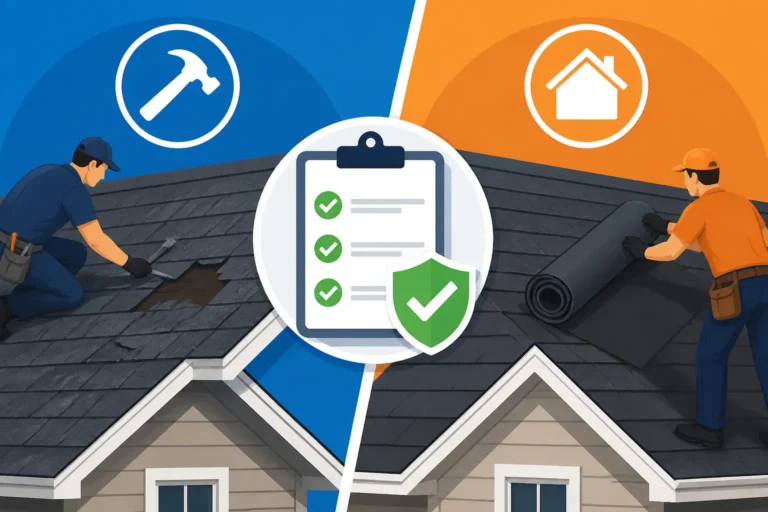
While an overlay might seem like a clever shortcut, it's really quite different from a full roof replacement, often referred to as a "tear-off." In a full tear-off, every single shingle, the old underlayment, and often even damaged sections of the roof decking are completely removed, exposing the bare roof sheathing. This allows for a thorough inspection of the roof's structural components, ensuring a clean, sound base for the new materials.
A full tear-off, while more expensive and time-consuming upfront, addresses any potential underlying issues that might be hiding beneath your old shingles. Think about it: if you have a leak or soft spots on your roof deck, simply covering them with a new layer won't solve the problem; it'll just postpone and exacerbate it. With a tear-off, any rotten or water-damaged plywood can be replaced, ensuring the integrity of your entire roofing system. This comprehensive approach is often what makes a new roof last its full expected lifespan. If you're wondering about the entire process, our guide on how a roof replacement works: the full process goes into great detail.
Moreover, the difference impacts your roof's lifespan and warranty. Many premium manufacturer warranties, especially those offering enhanced coverage, often require a full tear-off to ensure their products are installed on a perfect substrate. When you install new shingles over existing ones, the new shingles don't always lie as flat, and the integrity of the nail penetration can be compromised, potentially leading to issues that might void parts of your warranty. It's a significant factor to consider when weighing the initial savings against long-term peace of mind.
Navigating the Local Permit Landscape for Overlays
Here's where things can get a bit tricky and why so many homeowners find themselves scratching their heads. Unlike a universal law, roofing permit requirements for overlays aren't the same everywhere you go. It’s a truly localized affair.
Why Local Regulations Are the Ultimate Authority
The most important thing to understand is that there is no single federal or even statewide rule that dictates whether you need a permit for a roof overlay. Building codes, including those for roofing, are primarily enacted and enforced at the municipal or county level. This means what's perfectly acceptable in one town might be strictly prohibited just a few miles down the road in another. It's not uncommon for homeowners to assume that because their neighbor in the next county didn't need a permit, they won't either – and that assumption can lead to serious trouble.
These local building departments are responsible for protecting public safety and ensuring that construction within their jurisdiction meets minimum standards. They develop and adopt specific codes that dictate everything from structural load limits to fire safety and ventilation requirements. These codes are not just suggestions; they are legally binding rules.
Because of this hyper-local nature, relying on anecdotal evidence or general internet advice can be risky. What applies to one area might be completely irrelevant to yours. The dangers of assuming nationwide consistency are real, and it's why your first, best resource is always your local building official. They are the ultimate authority on what's required for your specific property.
Common Scenarios and State-Specific Nuances
While rules vary, there are some common trends you'll notice. Many jurisdictions have what's often called the "two-layer rule," which states that you cannot have more than two layers of roofing on a structure. So, if your home already has one layer of shingles, an overlay would be its second, and a permit would likely be required to ensure compliance. If you already have two layers, a tear-off would be mandatory. Our guide on how many layers of shingles are legal delves deeper into this common regulation.
States prone to severe weather, like Florida with its hurricanes, or Texas and Colorado with their hail storms, tend to have stricter building codes regarding roofing. For instance, in many parts of Florida, overlays are often prohibited due to the need for roof systems to withstand high winds and provide maximum resistance to uplift. The logic is sound: adding a new layer over a potentially compromised old one reduces the overall resilience of the roof against extreme forces. These regions often prioritize a clean, properly inspected, and fully secured roof deck to ensure safety and durability.
In other areas, like some towns in Ohio or Pennsylvania, an overlay might be permitted if the existing roof is in good condition and there's only one layer currently. Even then, a permit will still likely be required for any major structural work, or to ensure proper ventilation and drainage. The best way to cut through the uncertainty is to contact your city or county’s building department. A quick phone call or a visit to their website's planning or permitting section will often give you the definitive answer you need for your exact location. Don't be shy; they are there to help you comply.
The Core Reasons Permits Matter for Roof Overlays
It's easy to view permits as just another bureaucratic hurdle, a piece of paper that adds cost and time to your project. But beneath the surface, there are genuinely important reasons why permits exist, especially for something as critical as your roof.
Structural Integrity and Weight Considerations
Perhaps the most compelling reason for permit requirements on roof overlays is the sheer weight involved. Asphalt shingles are heavy! A single layer of standard architectural shingles can weigh between 240 and 400 pounds per "square" (a roofing term for 100 square feet). Now, imagine adding a second layer of that weight onto your roof structure. This additional load can put significant stress on your roof decking, rafters, and the overall framing of your home.
Your home's original construction was designed to support a certain "dead load"—the permanent weight of the structure itself, including the roof materials. Adding a second layer of shingles without proper evaluation could exceed this design capacity, potentially leading to sagging, premature failure of structural components, or even catastrophic collapse in extreme weather events like heavy snowfalls or strong winds. Building code requirements for dead load capacity are there to prevent these exact scenarios, ensuring that your home remains structurally sound and safe for its occupants. This is a primary concern for any inspector reviewing your permit application.
Ensuring Safety, Warranty, and Insurance Compliance
Beyond the structural aspects, permits play a vital role in ensuring that your roofing project, even an overlay, adheres to fundamental safety standards. When a permit is issued, it typically means there will be inspections at various stages (sometimes before, sometimes after, depending on local rules). These inspections confirm that the work is being done correctly, using appropriate materials and techniques that comply with current building codes. This protects you from shoddy workmanship that could lead to leaks, premature roof failure, or even fire hazards.
Ignoring the permit process can also have serious repercussions for your manufacturer warranties. As mentioned earlier, many manufacturers require their products to be installed according to specific guidelines and local building codes to keep the warranty valid. If you have an unpermitted overlay, and a defect arises down the line, the manufacturer could deny your claim because the installation wasn't compliant. Likewise, your homeowners insurance policy might have clauses related to code compliance. In the unfortunate event of roof damage (say, from a storm), your insurance provider could potentially deny or reduce your claim if the repair or replacement was done without the necessary permits and inspections. Understanding these implications is crucial when considering if [What Voids a Shingle Warranty] is worth the risk.
Protecting Your Home's Value and Future Sale
Imagine this scenario: years down the line, you decide to sell your house. You've enjoyed your overlay, saved some money, and everything seems fine. Then, the buyer's home inspector flags the unpermitted roof work. This is a surprisingly common problem and can throw a massive wrench into your sale. You might be forced to disclose the unpermitted work, which can make buyers nervous. They might demand that you get the appropriate permits retroactively (which is often more complicated and expensive), or even require you to tear off the unpermitted overlay and replace it properly at your own expense before the sale can close.
Such demands can lead to significant delays, added costs, or even the loss of a sale entirely. Buyers are increasingly savvy about these details, and an unpermitted roof is a red flag that can significantly impact your home's marketability and perceived value. By securing the proper permit upfront, you not only ensure compliance and safety but also protect your investment and maintain a smooth path for any future real estate transactions. Understanding the [Roof Replacement ROI Explained] is about more than just aesthetics; it's about structural integrity and legal compliance.
Practical Steps to Secure Your Roofing Permit
So, you've decided an overlay might be an option for you, and you're ready to tackle the permit process head-on. That’s the smartest approach! It can seem intimidating, but breaking it down into manageable steps makes it much less daunting.
Your First Stop: The Local Building Department
The absolute first thing you need to do is identify and contact your local building department or planning office. This is typically part of your city or county government. A quick search online for "[Your City/County Name] Building Department" or "[Your City/County Name] Permits Office" should get you to the right place. Many departments now have extensive online resources, including permit applications, fee schedules, and even searchable databases of local codes.
Before you call or visit, gather some basic information about your property. You'll want your property address, perhaps your parcel number (found on your property tax statement), and a clear description of the work you intend to do (e.g., "installing a second layer of asphalt shingles over an existing single layer"). It's also helpful to have an idea of your roof's square footage, which your contractor can provide.
When you connect with them, be prepared to ask specific questions:
- "Do I need a permit for a roof overlay at [your address]?"
- "Are there any specific restrictions or prohibitions on overlays in this jurisdiction, such as a maximum number of layers?"
- "What are the required documents for this type of permit?"
- "What are the associated permit fees?"
- "What kind of inspections are required, and when do they typically occur?"
- "Is there a timeline I should be aware of for permit approval?"
Their answers will be the definitive guide for your project. Don't be afraid to ask for clarification if something isn't clear.
The Application Process and What to Expect
Once you've confirmed that a permit is needed, you'll embark on the application process. This often involves filling out a form, which might be available online or in person. The application will ask for details about your property, the scope of work, and information about the contractor performing the work (their license number, insurance details, etc.). This is why choosing a licensed and insured roofer is so vital – they'll be able to provide all the necessary documentation.
Permit fees can vary widely, from as little as $50 to several hundred dollars, depending on your location and the scope of work. These fees cover the administrative costs of processing your application and conducting inspections. You'll typically pay these fees when you submit your application. After submission, there's usually a review period, which could be a few days or a few weeks, depending on the department's workload.
Once approved, you'll receive your permit, which often needs to be prominently displayed at the job site. During the work, particularly for a roofing project, the inspector might need to verify the roof decking is sound before the new layer goes on, or check the final installation for proper nailing and code compliance. Understanding what happens during a [Roofing Inspection: What They Check] can help you prepare. Your contractor should handle scheduling these inspections, but it's always good for you to be aware of the process and timeline. For more detail on costs and timelines, refer to our guide on [Roofing Permit Cost and Process].
The Risks of Skipping a Permit Entirely
Choosing to bypass the permit process might seem like a way to save money and hassle, but it's a decision fraught with significant risks that far outweigh any temporary savings. The most immediate consequence if discovered is a stop-work order. An inspector driving by, or even a neighbor reporting the work, could lead to your project being halted immediately. This can mean days or weeks of delays, paying your contractor for idle time, and a huge headache.
Beyond a stop-work order, you'll likely face fines. These fines can be substantial and are often much higher than the original permit fee would have been. In severe cases, especially if the unpermitted work is deemed unsafe or not up to code, the local authorities could even force you to remove the newly installed overlay at your own expense and then reinstall it properly, after obtaining the permit. This is truly the worst-case scenario: you pay for the roof twice, plus fines and delays.
Longer term, the consequences can follow you. As discussed, selling your home with unpermitted work can cause major headaches, potentially costing you far more than the permit fee would have. Furthermore, if a problem arises with your roof down the line – a leak, storm damage, etc. – an insurance company or manufacturer might deny coverage or void a warranty if they discover the initial work was unpermitted. It's simply not worth the gamble. For more information on the overarching requirements, you can check out [Roofing Permits Explained] and [Roofing Building Codes: What to Know].
Permit Requirements at a Glance for Roofing Projects
This table provides a generalized overview. Always check with your local building department for exact requirements in your area.
| Feature / Scenario | Full Tear-Off & Replacement | Roof Overlay (Adding a New Layer) | Minor Shingle Repair |
|---|---|---|---|
| Permit Generally Required? | Almost always (major structural change) | Often, especially if adding a second layer | Rarely (unless significant structural work) |
| Common Regulations/Limits | Code compliance for entire new system | Max 2 layers of shingles (local variant) | N/A (repairing existing) |
| Inspection Likely? | Yes, usually before and after | Yes, often after installation | No, unless structural damage is extensive |
| Impact on Warranty | Full manufacturer warranty applicable | May limit or void certain warranties | Generally maintains existing warranty |
| Structural Review | Yes, ensures decking/framing can support | Yes, critical for weight load | Rarely (unless repair indicates deeper issue) |
| Debris Disposal | Significant cost & logistics | Minimal (no old shingles removed) | Minimal |
| Benefit of Permit | Safety, code compliance, full warranty | Ensures structural integrity, avoids fines | Ensures proper repair, professional advice |
| Risk of No Permit | Fines, stop work, forced removal, insurance denial | Fines, stop work, forced removal, insurance denial | Risk of improper fix, future issues |
Remember, while this table gives you a good starting point, nothing beats a direct conversation with your local building department. They are your ultimate resource for navigating the specifics of any roofing project, including a roof overlay. For further insights into roof condition, you might find our article on [Roof Age: When to Start Planning Replacement] helpful in determining the best approach for your home.
Disclaimer
The information provided in this guide is for general informational purposes only and does not constitute professional advice. Roofing regulations and permit requirements are highly localized and subject to change. Always consult with your local building department and a qualified roofing contractor to determine the specific requirements for your project and property.