Do You Need a Roofing Permit in North Carolina
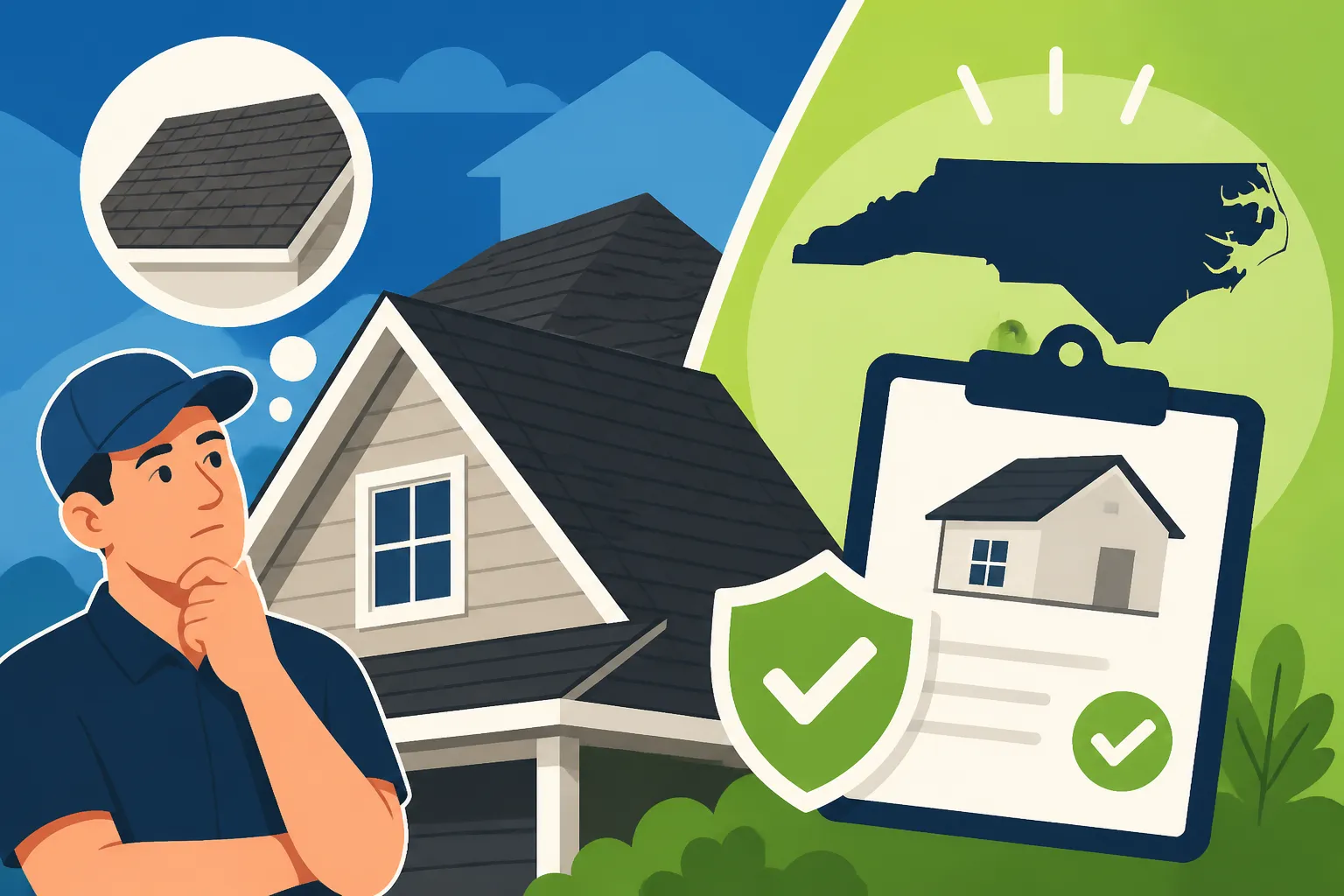
Trying to figure out if you need a roofing permit for a project in North Carolina can feel like navigating a maze. Every homeowner just wants to do things by the book, but the rules often seem to change depending on who you ask or which town line you cross. This guide is here to clear up the confusion, walking you through the ins and outs of roofing permits across the Tar Heel State, helping you understand when they're essential and why they matter.
Understanding North Carolina's Roofing Permit Landscape
North Carolina is a beautiful state, but when it comes to construction and home improvement, it operates on a system where statewide building codes meet local jurisdiction enforcement. This means that while there's a foundational set of rules that all projects must adhere to, the actual process of applying for, securing, and inspecting permits often falls to your specific county or municipality. It can be a real headache trying to pin down exactly what's required, and many homeowners find themselves scratching their heads wondering if their small repair needs the same hoops as a full roof overhaul.
Statewide Rules Versus Local Ordinances
The North Carolina State Building Code provides the overarching framework for all construction projects, including roofing. This code sets standards for everything from the materials used to the installation methods, ensuring that homes are built safely and resiliently. However, the administration of these codes – meaning the issuance of permits, collection of fees, and conducting of inspections – is typically delegated to local building departments.
This dual system is where a lot of the confusion stems from. You might hear a contractor say, "Oh, for a small patch, you probably don't need a permit," and they could be right in that specific town, but cross into the next county, and their local ordinance might have a different interpretation. It's not that the state codes change, but how they are applied and enforced through the permit process can vary significantly. Some areas are very stringent, while others might have more relaxed rules for minor repairs. The key takeaway is always to check with your local building department, regardless of what you might have heard. It’s far better to make a quick call than to face costly penalties down the road.
When a Permit is Typically Required
Generally speaking, if your roofing project involves more than just a minor cosmetic repair, you're likely going to need a permit in North Carolina. The rationale behind this isn't to make your life harder; it's about ensuring structural integrity, safety, and compliance with modern building standards.
- Full Roof Replacements: This is the most common scenario. If you're undertaking a complete asphalt roof replacement, where all existing shingles and underlayment are torn off down to the roof decking, a permit is almost always mandatory. This allows inspectors to ensure the new roof system meets current energy efficiency, wind resistance, and fire safety codes. Understanding the full process of How a Roof Replacement Works: The Full Process can help you prepare for these steps.
- Structural Changes: Any work that alters the structural components of your roof, such as replacing damaged roof decking, adding new framing, or changing the roof's pitch, will definitely require a permit. These changes directly impact the safety and stability of your home.
- Re-roofing with Tear-off: Even if you're not changing the roof's structure, a re-roofing project that involves removing existing layers of shingles typically necessitates a permit. This is particularly true if you have multiple layers already, as local codes often dictate How Many Layers of Shingles Are Legal to ensure the roof isn't overloaded. This often involves the Cost of Roof Tear-Off and Disposal.
- Significant Repairs: While minor repairs might be exempt, extensive repairs covering a large portion of the roof or addressing severe damage (like after a storm) could require a permit. The exact threshold for "significant" varies by locality, but if it involves more than a few bundles of shingles or exposing a large section of the roof decking, assume you'll need one.
When a Permit Might Not Be Needed
It's not all doom and gloom and paperwork! There are indeed situations where you might be able to tackle a roofing project without needing to jump through the permit hoops. These usually fall into the category of routine maintenance or very minor repairs that don't impact the overall structural integrity or weatherproofing of the entire roof system.
- Minor Repairs: Replacing a handful of missing or damaged shingles, resealing a small area of flashing, or patching a tiny leak that doesn't involve exposing the roof deck are often considered minor repairs. These typically don't require a permit. For example, if you just had a few shingles blow off in a recent gust and you're patching them up, it's usually fine. However, if the "minor" repair starts looking like a significant portion of a roof slope, or if you suspect underlying issues with the roof decking, it’s always prudent to inquire with your local building department.
- Overlaying Existing Shingles (with caveats): In some jurisdictions, if you have only one existing layer of asphalt shingles and the roof decking is in good condition, you might be allowed to install a new layer directly over the old one without a permit. This is often referred to as an "overlay" or "roofing over." However, this is a diminishing practice, and many areas, especially those prone to high winds or heavy snow, now require a full tear-off to ensure proper installation and adherence to current codes. It’s absolutely critical to confirm local rules for an overlay, and remember that many experts recommend a full tear-off for longevity and better warranty coverage anyway. You can learn more about Overlay vs Tear-Off: Which to Choose for your situation.
- Cosmetic Changes Not Affecting Structure: If you're simply cleaning moss and algae off your roof, performing routine gutter maintenance, or making superficial changes that don't involve the roofing materials themselves, a permit is not necessary. These are maintenance tasks, not construction projects.
The table below gives you a quick overview, but remember, always confirm with your local building department!
| Project Type | Typical Permit Requirement in NC | Why a Permit is (or isn't) Needed |
|---|---|---|
| Full Roof Replacement (Tear-off) | Required | Ensures structural integrity, code compliance, safety. |
| Roof Overlay (1 existing layer) | Maybe (check locally) | Varies by jurisdiction; some allow, many now require tear-off. |
| Replacing a Few Shingles | Not Required (minor repair) | Minimal impact on structure or overall roof system. |
| Repairing a Small Leak | Not Required (minor repair) | Usually involves localized patching, not extensive work. |
| Structural Decking Replacement | Required | Direct impact on roof's load-bearing capacity and safety. |
| Installing a New Skylight | Required | Involves cutting into the roof, structural and flashing work. |
| Adding or Modifying Ventilation | Maybe (check locally) | Depends on extent; minor vent replacement often exempt, new vents may require. |
Navigating the Permit Process in Major North Carolina Cities
As we've discussed, the state sets the code, but local jurisdictions handle the permit process. This means that while the general principles remain the same, the specifics of applying, fees, and inspections can vary from Charlotte to Raleigh, and everywhere in between. It's like having a universal recipe but different kitchen setups in each town!
Permit Requirements in Charlotte (Mecklenburg County)
In Charlotte and the surrounding Mecklenburg County, the Development Services Department is responsible for issuing building permits. For roofing projects, they are quite clear: a building permit is required for most re-roofing jobs, especially those that involve a "tear-off" down to the roof decking. This ensures that the structural components of the roof are inspected and that the new roofing system adheres to the latest North Carolina Building Codes, particularly regarding wind resistance and energy efficiency. If you're simply repairing a very small section, like less than 100 square feet or less than 10% of the total roof area with no structural repairs, you might be exempt. However, for anything substantial, you’ll need a permit. The local authorities will want to see details about the materials, the contractor's credentials, and the scope of work. They also emphasize that the licensed contractor performing the work is typically responsible for pulling the permit. You can find more details on their official website.
Permit Requirements in Raleigh (Wake County)
Moving east to the state capital, Raleigh, within Wake County, the City of Raleigh Development Services Department also mandates permits for roof replacements. Their guidelines typically state that a building permit is necessary for any re-roofing project that involves removing existing roof coverings down to the sheathing or making any structural repairs to the roof deck. Even if you're replacing rotten or damaged roof decking, a permit will be required, highlighting the importance of proper structural integrity. They're looking to ensure that new installations meet current codes, including specifics around underlayment, flashing, and proper ventilation. Minor repairs that don't involve a tear-off and are limited in scope are usually exempt. It’s always best to have your contractor handle the permit process, as they’ll be familiar with the city's specific application forms and inspection schedules.
Permit Requirements in Greensboro and Winston-Salem
In the heart of the Piedmont Triad, both Greensboro (Guilford County) and Winston-Salem (Forsyth County) share similar approaches to roofing permits. In both cities, a permit is generally required for roof replacements where existing roofing materials are removed. This includes situations where you're upgrading your shingles to a different type, like from 3-tab to architectural shingles, or even if you're just replacing like-for-like after a storm. The intent is to ensure that the installation adheres to the North Carolina Building Code, especially regarding load-bearing capacity and weather protection.
For example, the City of Greensboro's Planning & Development Department emphasizes that permits are crucial for verifying that the entire roofing system, from underlayment to the final shingle layer, is installed correctly and safely. Similarly, Winston-Salem's Development Services Department will require a permit to confirm that any new roofing meets current standards for fire resistance and structural integrity. Both cities typically expect a licensed contractor to pull the permit and facilitate inspections. Minor repairs, as in other locales, usually don't trigger a permit requirement, but significant repairs or full replacements definitely will.
Permit Requirements in Asheville and Wilmington
On opposite ends of the state, Asheville in the mountains and Wilmington on the coast, both have specific considerations for roofing permits, often influenced by their unique environments.
Asheville (Buncombe County), nestled in the Blue Ridge Mountains, requires permits for roof replacements, particularly when existing materials are removed. Due to its climate, which can include heavy rain and snow, local inspections ensure that installations are robust and designed to handle these conditions. They'll also be looking at proper flashing around chimneys and vents, and adequate ice and water shield installation, which is vital in colder mountain regions. The City of Asheville's Development Services is the go-to for permit applications.
Wilmington (New Hanover County), being a coastal city, faces significant challenges from hurricanes and severe weather. Consequently, their roofing permit requirements are often geared towards enhancing wind resistance and structural resilience. A permit for a roof replacement in Wilmington will ensure that your new roof meets heightened wind uplift standards, often requiring specific nailing patterns and stronger adhesives. This is crucial for protecting homes against the fierce coastal storms. The New Hanover County Development Services typically processes these permits, and they are particularly focused on ensuring compliance with codes designed for hurricane zones. Understanding the specifics of permits in these areas is crucial for homeowners looking into their Roofing Cost in Hurricane Zones or preparing for severe weather.
The Benefits and Risks of Roofing Permits
Now, you might be thinking, "This sounds like a lot of hassle. Why even bother with a permit?" It's a fair question, and the answer boils down to protection – protection for you, your investment, and your family. While permits can feel like an extra layer of bureaucracy, they serve several crucial purposes that ultimately benefit the homeowner.
Why Permits Protect Homeowners
Permits are your hidden guardian angels in a roofing project. They're designed to ensure that the work performed on your home meets safety standards, adheres to building codes, and is completed by qualified professionals.
- Quality Control and Code Compliance: When a permit is issued, it triggers a series of inspections by local building officials. These inspectors are there to ensure that your new roof is installed correctly and meets the latest North Carolina Building Codes. They'll check things like the integrity of the roof decking, the type of underlayment used, the nailing patterns for shingles, and proper flashing. This oversight acts as a critical quality control measure, helping to prevent shoddy workmanship that could lead to premature roof failure or leaks down the line. It's essentially an impartial third party verifying that your contractor is doing things by the book.
- Safety Assurance: Proper roofing installation is paramount for the safety of your home's occupants and the structural integrity of the entire house. A permit process ensures that the roof can withstand local weather conditions, from heavy rains to high winds, as dictated by code. It also covers aspects like fire resistance, ensuring your home is as safe as possible from potential hazards.
- Verification of Licensed and Insured Contractors: In many North Carolina jurisdictions, a permit won't even be issued unless a licensed and insured contractor is performing the work. This protects you from unlicensed "fly-by-night" operations that might cut corners or leave you liable if an accident occurs on your property. Knowing that your contractor has gone through the permit process often gives homeowners peace of mind. Learning How to Choose a Roofing Contractor and insisting they pull the permit is a smart move.
- Resale Value and Insurance Protection: A properly permitted and inspected roof replacement adds significant value and legitimacy to your home. When you sell your house, potential buyers and their inspectors will often look for proof of permits for major renovations. An unpermitted roof job can raise red flags, leading to delays, renegotiations, or even a decrease in sale price. Furthermore, if you ever need to file an insurance claim for future roof damage, your insurance company may deny coverage or reduce payouts if the initial installation was done without the necessary permits and inspections, as it could be deemed non-compliant. This also ties into crucial topics like Does Insurance Cover Roof Replacement.
The Pitfalls of Skipping a Permit
While the idea of saving a little time or money by skipping a permit might seem tempting, the risks far outweigh any potential benefits. The consequences of an unpermitted roof job can range from minor headaches to significant financial and legal troubles.
- Fines and Penalties: If your local building department discovers that you've had a major roofing project completed without a permit, you could face hefty fines. These penalties can sometimes be double or triple the original permit fee, and you might even be required to pay for retroactive inspections. Imagine paying hundreds or even thousands of dollars in fines on top of what you already paid for your roof!
- Forced Remediation or Removal: In severe cases, particularly if the unpermitted work doesn't meet code standards, the building department could issue a "stop work" order (if work is ongoing) or even demand that you remove the non-compliant sections of the roof and redo them properly, with a permit. This could mean tearing off a brand new roof, incurring massive additional costs, and prolonging the inconvenience.
- Insurance Complications: As mentioned earlier, insurance companies are notoriously particular about permitted work. If your roof fails prematurely or suffers storm damage and was installed without a permit, your homeowner's insurance policy might deny your claim. They could argue that the unpermitted installation violated code and therefore isn't covered. This could leave you footing the entire bill for a new roof out of pocket.
- Difficulty Selling Your Home: When you decide to sell your home, buyers often conduct thorough due diligence, including checking for permits on significant repairs or replacements. An unpermitted roof can become a major sticking point, causing delays, forcing you to pay for retroactive permits and inspections, or even scaring off potential buyers entirely. Disclosing unpermitted work is typically required, and failing to do so could lead to legal issues.
- Safety Hazards: Without the oversight of a building inspector, there's no guarantee that your roof was installed correctly or safely. Substandard work can lead to leaks, structural damage, and even collapse in extreme weather, putting your family and your home at risk. The permit process is designed to prevent these very scenarios. Learn more about What Happens If You Skip a Roofing Permit and the real-world implications.
Working with Your Contractor on Permits
The good news is that you don't have to navigate the permit process alone. A reputable and experienced roofing contractor will be intimately familiar with local permit requirements and should handle the application process on your behalf. This is one of the key indicators of a professional operation versus a less scrupulous one.
Who Should Pull the Permit
In virtually all cases, your licensed roofing contractor should be the one to pull the permit for your roofing project. There are several critical reasons for this:
- Contractor Expertise: Professional roofing contractors are accustomed to dealing with local building departments. They know the specific forms to fill out, the documentation required (like proof of licensure and insurance, scope of work, and material specifications), and the proper channels for submission. Trying to do it yourself can be a frustrating and time-consuming endeavor if you're not familiar with the process.
- Responsibility and Liability: When a contractor pulls the permit, they become the "permit holder" and are primarily responsible for ensuring the work complies with all codes and passes inspections. This shifts the burden of compliance from your shoulders to theirs. If an issue arises during inspection, it's the contractor's responsibility to rectify it. This is a crucial aspect of professional accountability. You can read more about Who Pulls the Roofing Permit: You or the Contractor.
- Insurance and Licensing Verification: Building departments often require proof of a contractor's valid state license and liability insurance before issuing a permit. This vetting process provides an extra layer of assurance for you, the homeowner, that you're working with a legitimate business.
If a contractor suggests you pull the permit, or even worse, hints that a permit isn't necessary for a major job when it clearly is, consider it a significant red flag. This could indicate they are not properly licensed, lack insurance, or are attempting to cut corners.
What Your Contractor Needs to Provide
Before any work begins, and especially before a permit is pulled, your chosen roofing contractor should provide you with a comprehensive proposal and be transparent about their credentials. This information is often necessary for the permit application itself and for your own peace of mind.
- Proof of Licensing and Insurance: Always verify that your contractor holds a valid general contractor's license for North Carolina (if required for roofing in your area, or a specialized roofing license) and carries adequate liability and workers' compensation insurance. Ask for copies of their certificates and verify them with the issuing authority. This protects you from potential liabilities if an accident occurs on your property.
- Detailed Scope of Work: Your contractor should provide a clear, written contract detailing every aspect of the roofing project. This includes the exact materials to be used (e.g., GAF Timberline HDZ or Owens Corning Duration shingles), the scope of tear-off (one layer, two layers, etc.), any decking replacement, underlayment type, flashing details, and ventilation plan. This document is often submitted with the permit application and ensures everyone is on the same page.
- Warranty Information: Understand both the manufacturer's warranty on the shingles and the contractor's workmanship warranty. A reputable contractor will offer a robust warranty package, and a permit helps ensure that the installation adheres to the manufacturer's specifications, which is often a prerequisite for valid warranty coverage.
- Timeline and Payment Schedule: A transparent contractor will outline the estimated start and completion dates, as well as a clear payment schedule tied to project milestones, not just an upfront lump sum. This protects both parties and helps manage expectations. You should also ensure the contractor plans for a final inspection to close out the permit properly, which is crucial for ensuring the work meets code requirements.
Remember, a responsible contractor isn't just selling you a roof; they're selling you peace of mind. Their willingness to handle the permit process efficiently and transparently is a key indicator of their professionalism and commitment to quality. When reviewing different options, make sure to consider not just the How Much Does an Asphalt Shingle Roof Cost, but also the quality and reliability of the contractor and their adherence to all regulatory requirements.
Disclaimer
Please remember that building codes and permit requirements are subject to change and can vary significantly by specific municipality within North Carolina. This article provides general guidance based on common practices, but it is not a substitute for professional legal advice or direct consultation with your local building department. Always verify the most current requirements with your specific city or county building officials before undertaking any roofing project.