Cost of Roof Tear-Off and Disposal
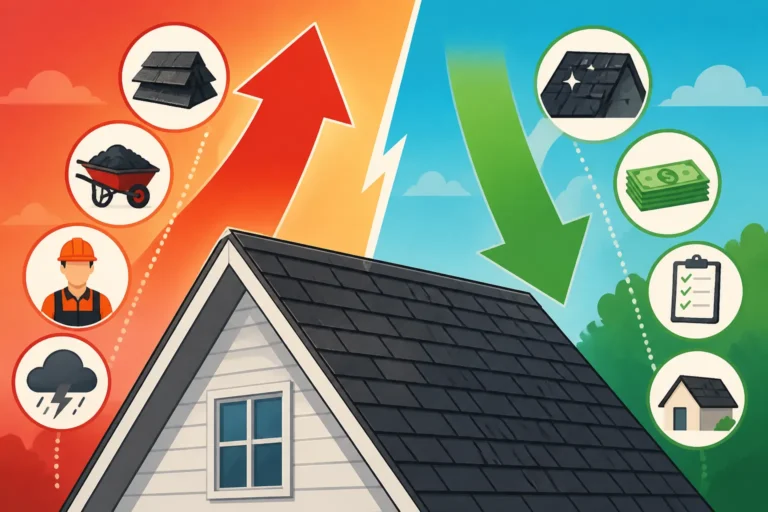
The moment you realize your asphalt roof needs replacing, your mind often jumps straight to the shiny new shingles and the promise of a leak-free home. But what many homeowners don't fully anticipate, and what can hit the budget hard, is the cost associated with tearing off the old roof and properly disposing of all that debris. This guide will walk you through everything you need to know about the often-overlooked expenses of roof tear-off and disposal, helping you prepare for a crucial part of any roof replacement project.
Understanding Roof Tear-Off and Disposal
Before you can enjoy your beautiful new asphalt shingles, the old ones have to go. This isn't just a simple matter of stripping them off; it's a labor-intensive process with significant logistical and financial implications.
What Exactly is a Roof Tear-Off?
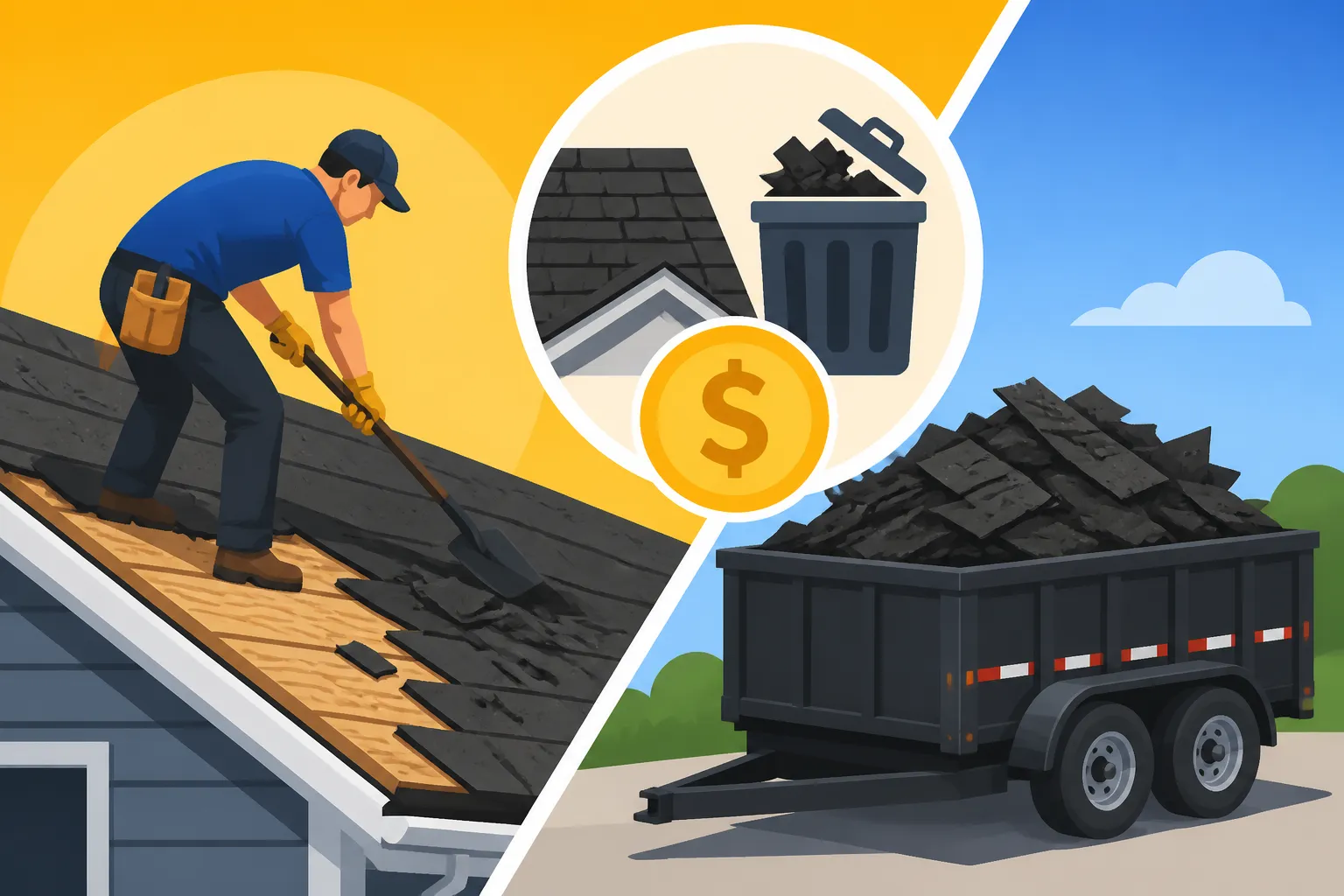
A roof tear-off, sometimes called a "rip-off" or "strip-off," is precisely what it sounds like: the complete removal of all existing roofing materials down to the roof decking. This isn't merely taking off the top layer of shingles. It involves stripping away every shingle, the underlying felt or synthetic underlayment, drip edge, flashing around chimneys and vents, and often even old nails. The goal is to create a clean, smooth, and stable surface on the roof deck, ready for the installation of the new roofing system.
This process is vital for several reasons. First, it allows the roofing contractor to thoroughly inspect the roof decking for any damage, rot, or structural issues that might be hidden beneath the old layers. Finding and addressing these issues, such as replacing damaged roof decking, is critical to ensuring the longevity and integrity of your new roof. Second, removing the old materials prevents potential issues like "picture framing" (where the edges of old shingles show through the new ones) and excessive weight, which could compromise the roof's structure and even void manufacturer warranties. Most building codes now require a full tear-off, especially if there are already two layers of shingles present.
Why Disposal is More Than Just Hauling Away
Once the old roofing materials are torn off, they don't just magically disappear. They become construction waste – and a lot of it. A typical residential asphalt roof can generate tons of debris, which needs to be carefully handled, transported, and disposed of according to local regulations. This isn't a task for your curbside recycling bin; it requires specialized equipment, manpower, and often significant fees.
The disposal aspect includes several components: collecting all the shingles, nails, underlayment, and other debris from your roof and yard, loading it into a dumpster or trailer, transporting it to a designated disposal facility, and finally, paying the disposal or landfill fees. Many homeowners are surprised by how much this phase adds to the overall cost. Factors like the sheer volume and weight of the materials, the distance to the disposal site, and local environmental regulations all play a role in determining these costs. In some areas, efforts are even made to recycle asphalt shingles, which can sometimes reduce landfill waste but might still incur specific processing fees.
Factors Influencing Tear-Off and Disposal Costs
The cost of tearing off an old roof and disposing of the debris isn't a fixed price; it varies widely based on a multitude of factors unique to your home and location. Understanding these can help you anticipate the final bill.
Roof Size and Pitch
Naturally, the larger your roof, the more material needs to be removed, which translates directly to more labor hours and higher disposal volume. A sprawling ranch home might have a large footprint but a relatively simple, low-pitch roof. In contrast, a two-story home with a smaller footprint but a steep, complex roof can involve significant tear-off costs.
The roof pitch, or its steepness, is a major cost driver. A low-slope roof is easier and safer for roofers to work on, allowing them to move quickly and efficiently. On a steep roof, however, workers must take extra safety precautions, including using harnesses, ropes, and specialized staging. This slows down the work considerably and requires more skilled labor, increasing the overall labor cost. For example, a house with a steep roof pitch might incur a higher labor cost compared to a home with a gentler slope, even if the square footage is similar. This "Steep Roof Cost Premium" is a very real thing in the roofing industry.
Number of Shingle Layers
This is perhaps one of the most significant factors influencing your tear-off and disposal costs. If your home has only one layer of asphalt shingles to be removed, the process is relatively straightforward. However, it's common for older homes to have multiple layers of roofing, especially if a previous owner opted for a "roof-over" (installing new shingles directly over the old ones) rather than a full tear-off.
Each additional layer dramatically increases the weight and volume of material that needs to be removed and disposed of. This means more time for labor, heavier loads for dumpsters, and higher disposal fees. For instance, removing two or even three layers of shingles can double or triple the labor and disposal costs compared to a single layer. Many building codes now limit the number of shingle layers, often to two, requiring a full tear-off if more exist. This is a key detail your contractor will check during an inspection. If you're unsure about how many layers your roof has, your roofing estimate should clearly outline this after an initial assessment.
Type of Shingles Being Removed
While asphalt shingles are the most common, the type of roofing material being removed can also influence the cost. Older asphalt shingles are generally easy to remove. However, if your roof currently has or previously had materials like wood shakes, slate, or even tile, the tear-off process becomes more specialized and labor-intensive. Wood shakes, for example, can be tightly woven and require more effort to pry off, and their irregular shapes can take up more dumpster space. Slate or tile roofs are very heavy and brittle, requiring careful removal to prevent damage to the decking and ensure worker safety, and their disposal can also be more complex and costly.
Even within asphalt, the age and condition of the existing shingles matter. Extremely brittle or heavily deteriorated shingles might break apart easily, but they can also create more dust and smaller debris that require meticulous clean-up. Understanding the existing material helps the contractor plan appropriately and allocate the right resources.
Accessibility and Job Site Conditions
The ease with which roofers can access your roof and manage the job site plays a significant role in costs. If your home is easily accessible with ample space for a dumpster and material staging, the process will be smoother and potentially less expensive. However, challenges such as tight property lines, steep hills, limited parking, or extensive landscaping can complicate matters.
For instance, if a dumpster can't be placed close to the house, roofers might need to manually carry debris further, adding to labor time. Delicate landscaping, gardens, or patios below the roofline will require extra protection, such as tarps and plywood, to prevent damage during the tear-off, which also adds to labor and material costs for protection. If the project requires specialized equipment due to limited access or extreme height, these factors will also contribute to a higher overall cost.
Regional Disposal Fees and Labor Rates
Just like everything else, the cost of roof tear-off and disposal varies significantly by geographical region, state, and even local municipality. Labor rates for roofing crews fluctuate based on the cost of living and demand in a given area. For example, roofing labor costs in California or the Northeast will typically be higher than in the Midwest or Southern states.
Disposal fees, too, are highly localized. Landfill tipping fees can differ dramatically from county to county based on operating costs, environmental regulations, and local taxes. In areas with strict environmental policies or limited landfill space, disposal costs will likely be higher. Some municipalities also offer shingle recycling programs, which might have different fee structures but could be a more environmentally friendly option. It's wise to get quotes from local roofing companies like those found through Modernize to understand the prevailing rates in your specific area, whether you're in a bustling city like Dallas or a quiet suburb in Ohio.
Average Costs for Roof Tear-Off and Disposal
Let's talk numbers. While the exact cost for your specific project will depend on the factors we've just discussed, we can give you a general idea of what to expect for asphalt roof tear-off and disposal. It's important to remember these are averages, and local market conditions can cause significant variations.
Per Square Foot Breakdown
Roofing costs are often discussed in "squares," where one square equals 100 square feet. This is how contractors typically bid on projects. For tear-off and disposal, you can expect costs to range from $1 to $5 per square foot, or $100 to $500 per roofing square.
This range accounts for variables like the number of layers, roof pitch, and regional differences. For a single layer of asphalt shingles on a moderately pitched roof, you might be at the lower end of that spectrum. If you have two or more layers, a very steep roof, or live in an area with high labor and disposal costs, you'll see prices closer to the higher end. For example, a 2,000 square foot roof (20 squares) with one layer might cost around $2,000 to $4,000 for tear-off and disposal, while the same size roof with two layers could easily push that to $4,000 to $8,000 or more.
Here's a simplified breakdown:
| Number of Shingle Layers | Average Cost per Square Foot | Average Cost per Roofing Square (100 sq ft) |
|---|---|---|
| 1 Layer | $1.00 – $2.50 | $100 – $250 |
| 2 Layers | $2.50 – $4.00 | $250 – $400 |
| 3+ Layers | $4.00 – $5.00+ | $400 – $500+ |
Note: These are average estimates for tear-off and disposal only and do not include the cost of new materials or installation.
Total Project Cost Impact
The tear-off and disposal portion of a roof replacement project typically accounts for 10% to 20% of the overall cost. While it might not seem like the largest chunk, it's a significant expense that often catches homeowners off guard, as they tend to focus more on the material and installation costs of the new roof itself.
Let's consider a hypothetical scenario: You're replacing an asphalt shingle roof on a 2,000 square foot house. The total asphalt roof replacement cost could range from $8,000 to $18,000 or more, depending on the shingle type, complexity, and regional factors. If your tear-off and disposal falls within the average range of $2 to $4 per square foot (or $4000 to $8000 for a 2,000 sq ft roof), you can see how it significantly impacts your budget. It's not just a minor line item; it's a fundamental part of the investment. Many homeowners overlook these "hidden costs in a roof replacement" until they receive the final estimate.
What's Included in a Roofing Estimate
When you receive an estimate from a reputable roofing contractor, the tear-off and disposal costs should be clearly itemized. This section typically covers:
- Labor for Removal: This is the cost of the crew's time to manually remove all the old roofing materials. It's influenced by the size, pitch, and complexity of your roof, as well as the number of layers.
- Dumpster Rental or Hauling: The cost of renting a large container to collect the debris and the transportation of that container to a disposal facility. Dumpster sizes vary, and the contractor will choose one appropriate for the estimated volume of your old roof.
- Disposal/Landfill Fees: These are the charges levied by the landfill or recycling facility based on the weight of the debris. These fees can be substantial, especially for multiple-layer roofs.
- Site Protection and Cleanup: This includes the cost of laying down tarps to protect your landscaping, siding, and other property, as well as the thorough clean-up of nails and small debris using magnetic sweeps after the project is complete. A good contractor will ensure your property is left as clean, if not cleaner, than it was before they started.
When you're comparing roofing estimates, always scrutinize this section. A suspiciously low bid might cut corners on tear-off or disposal, potentially leading to additional charges later or an improperly prepared roof deck. It's one of the key points to look for when learning how to read and compare roofing estimates.
The Impact of Multiple Shingle Layers
We've touched on this already, but it bears repeating because the number of existing shingle layers is often the single biggest differentiator in tear-off and disposal costs. It's a common issue that homeowners discover only after a professional inspection.
The "Roof Over" Dilemma and Building Codes
Decades ago, it was a common practice for homeowners and even some contractors to install a new layer of asphalt shingles directly over an existing layer, a process known as a "roof over" or "overlay." This was seen as a way to save money and time by avoiding the labor and disposal costs of a full tear-off. While it offered short-term savings, it came with significant drawbacks.
Adding a second layer of shingles adds considerable weight to the roof structure, which might not have been designed to support it. This extra weight can stress the framing, leading to sagging and potential structural damage over time. Furthermore, an overlay prevents proper inspection of the roof deck, hiding underlying issues like rot or mold. The insulation and ventilation of the attic can also be compromised, and the lifespan of the new shingles can be reduced because they might not seal properly over an uneven surface. Because of these issues, most modern building codes and manufacturer warranties now restrict the number of shingle layers allowed, typically to two. If your roof has three or more layers, a full tear-off is almost certainly mandated by code, and your contractor will need to comply. This is a critical factor when considering whether to tear off an existing roof or to opt for a less costly, though often problematic, "Cost to Roof Over Existing Shingles."
Increased Labor and Disposal Weight
Each additional layer of asphalt shingles translates directly to more labor and heavier disposal. Imagine peeling off a single sticker versus peeling off three stickers layered on top of each other – it's simply more work. Roofers have to exert more effort to pry up multiple layers, and the old materials are often more adhered and brittle, making the removal process slower and more physically demanding. This increased labor time means higher labor costs for the tear-off crew.
Beyond labor, the weight factor is huge. A typical square of asphalt shingles (100 sq ft) weighs between 200 and 400 pounds. So, a 2,000 square foot roof with one layer means approximately 4,000 to 8,000 pounds of waste. If there are two layers, you're looking at 8,000 to 16,000 pounds. Three layers? A staggering 12,000 to 24,000 pounds. Landfill and disposal facilities charge by weight, so doubling or tripling the weight of the debris can significantly escalate your disposal fees. This is why the "Cost to Remove Two Layers of Shingles" is substantially higher than a single layer.
Potential for Decking Damage
While a full tear-off allows for inspection of the roof decking, the process of removing multiple layers can sometimes reveal or even exacerbate existing damage. Older, multiple-layered roofs often hide issues like weakened or rotted plywood or OSB decking that has deteriorated due to previous leaks or poor ventilation. When roofers are prying up multiple layers of shingles, especially if they are heavily adhered, there's a higher chance that some of the older, weaker decking might splinter or get damaged during the removal process.
Any damaged sections of the roof deck will need to be replaced before the new roofing system can be installed. This adds to the overall cost of the project and is considered a separate expense, often categorized under "Roof Decking Replacement Cost". A good contractor will identify this possibility upfront and include contingencies in the estimate, or at least communicate clearly about how such discoveries will be handled. While it's an added expense, addressing decking damage is absolutely crucial for the structural integrity and longevity of your new roof.
Disposal Methods and Environmental Considerations
The days of just tossing everything into a giant hole in the ground are thankfully fading. Modern roofing disposal is becoming more conscious of its environmental impact, offering various methods and considerations.
Landfill vs. Recycling: What Happens to Old Shingles?
Historically, almost all roofing debris, including old asphalt shingles, ended up in landfills. This contributes significantly to solid waste streams, as roofing materials are bulky and take a very long time to decompose. However, there's a growing movement towards recycling asphalt shingles. Recycled asphalt shingles (RAS) can be ground up and repurposed, most commonly as aggregate in asphalt pavement for roads.
The availability and feasibility of shingle recycling programs vary greatly by region. In some states, like California or certain parts of the Northeast, shingle recycling is actively encouraged or even mandated, and recycling facilities are readily available. In other areas, particularly rural ones, recycling options might be limited or non-existent, making landfills the only viable option. When discussing your project with a contractor, ask about their disposal practices. Choosing a contractor who utilizes recycling (if available) can be a great way to reduce your project's environmental footprint, though it might sometimes incur specific recycling fees that are different from standard landfill tipping fees.
Hazardous Materials: What to Do if Asbestos is Suspected
While incredibly rare for modern asphalt shingles, older roofing materials, particularly those installed before the 1980s, could potentially contain asbestos. Asbestos was a common fire-retardant additive in certain building materials, including some roofing products like cement asbestos shingles or some types of mastics. It is highly unlikely to be found in typical asphalt shingles.
However, if your home is very old and there's any suspicion of asbestos-containing materials (ACMs) in the roof system, your contractor has a legal and ethical obligation to halt work and recommend testing. This is not a DIY job; handling asbestos requires specialized training, licensing, and strict adherence to safety protocols. If testing confirms the presence of asbestos, you would need to hire a certified asbestos abatement company to safely remove and dispose of the materials, which can be a significant additional cost. While not a common concern for standard asphalt roof replacements, it's a possibility to be aware of, especially for historic homes.
Local Regulations for Waste Management
Every city and county has specific regulations regarding construction waste disposal. These rules dictate everything from acceptable disposal sites and types of materials allowed to hours of operation for landfills and recycling centers. Some areas might have specific requirements for separating certain materials, while others might have restrictions on burning waste (which is generally not allowed for roofing debris).
Your chosen roofing contractor should be fully aware of and compliant with all local waste management regulations. This includes proper permitting for waste containers, understanding local landfill requirements, and ensuring all debris is disposed of legally and responsibly. A reputable contractor will factor these regulatory requirements into their tear-off and disposal costs, ensuring no shortcuts are taken that could lead to fines or environmental issues down the line. It’s part of their responsibility to manage the "Roofing Permits: Who Pulls Them" and ensure everything is above board.
Saving Money on Tear-Off and Disposal Costs
While tear-off and disposal are unavoidable expenses, there are smart strategies you can employ to potentially reduce these costs without compromising the quality of your roof replacement.
Getting Multiple Bids and Detailed Estimates
The single most effective way to ensure you're getting a fair price for tear-off and disposal, and indeed for the entire roofing project, is to obtain multiple bids from different reputable contractors. Don't settle for just one quote. Reach out to at least three different roofing companies. This allows you to compare not only the bottom-line price but also how each contractor breaks down the costs, including the tear-off and disposal.
When reviewing estimates, pay close attention to the detail provided for tear-off and disposal. Does it specify the number of layers being removed? Does it include dumpster fees and landfill charges? A vague "demolition" line item might hide inflated costs or incomplete services. By comparing detailed estimates, you can spot discrepancies, ask clarifying questions, and identify contractors who might be overcharging for this specific phase of the project. Platforms like Modernize can connect you with qualified local contractors, making the process of gathering multiple bids much simpler. Knowing how much asphalt shingle roof cost is for the entire project will help you put the tear-off and disposal costs into perspective.
Negotiating with Contractors
While it might feel intimidating, there is often some room for negotiation with roofing contractors, especially if you have multiple bids in hand. You might not be able to negotiate down the price of landfill fees directly, but you could discuss labor rates or dumpster costs.
For example, if one contractor's overall bid is competitive but their tear-off labor seems slightly higher than another's, you could inquire about it. Perhaps they plan to use a larger crew, which speeds up the process, or they factor in more extensive site protection. Understanding these nuances can help you make an informed decision. You could also ask if they offer any discounts for certain payment methods or if there are off-peak seasons when they might be more flexible on pricing. Remember, a good negotiation isn't about driving the price to the absolute bottom at the expense of quality; it's about ensuring fair value for the services provided.
DIY Options and Their Risks
Some homeowners consider taking on the tear-off process themselves to save money on labor. On the surface, it might seem like a straightforward way to cut costs. You could rent a dumpster and spend a weekend with friends stripping off the old shingles. However, this option comes with significant risks and is generally not recommended for most homeowners.
- Safety Hazards: Roofing work is dangerous. Working at heights, especially on a sloped roof, carries a high risk of falls and serious injury. You'll be dealing with sharp tools, nails, heavy debris, and potentially unstable surfaces. Professional roofers have specialized safety equipment, training, and insurance to handle these risks.
- Time and Effort: Tearing off a roof is incredibly labor-intensive and messy. What a professional crew can do in a day or two might take a homeowner weeks, especially if they have limited experience or help. The debris also needs to be meticulously cleaned up, as stray nails can puncture tires or injure people.
- Proper Disposal: You'd be responsible for coordinating dumpster rental, loading it correctly, and understanding local disposal regulations and fees. Mismanaging disposal can lead to fines.
- Warranty Issues: If you damage the roof deck during tear-off, it could lead to issues with your new roof installation and potentially void parts of your material or workmanship warranty if the contractor installs over a compromised surface.
- Liability: If someone gets injured on your property during a DIY tear-off, your homeowner's insurance might not cover it, especially if you're undertaking a major construction project without professional help.
For these reasons, the savings from a DIY tear-off rarely outweigh the substantial risks and effort involved. It's almost always best to leave this part of the job to experienced, licensed, and insured roofing professionals. Focus on getting competitive bids for the entire project instead.
What a Comprehensive Roofing Estimate Should Include
When you're gathering bids for your new asphalt roof, a thorough and transparent estimate is your best friend. It helps you understand exactly what you're paying for and compare offers accurately. A complete estimate goes far beyond just the final price tag.
Itemized Breakdown of Costs
A truly comprehensive roofing estimate will provide a detailed, itemized breakdown of all anticipated expenses. This means separating costs for materials, labor, tear-off and disposal, permits, and any other auxiliary services. You should see distinct line items for:
- Materials: This includes the specific type and brand of asphalt shingles (e.g., GAF Timberline HDZ, Owens Corning Duration), underlayment (synthetic vs. felt), drip edge, flashing, starter strips, ridge cap shingles, and any other components of the roofing system. Different grades and styles of shingles, such as architectural or designer shingles, will have different costs.
- Labor: The cost associated with the roofing crew's time for installation and any necessary repairs. This will often vary based on roof complexity, pitch, and the number of layers being removed.
- Tear-Off and Disposal: As discussed extensively, this should include the cost for removal of old shingles and underlayment, dumpster rental, and disposal fees.
- Permits: The cost of obtaining the necessary building permits from your local municipality. Your contractor should handle this.
- Ancillary Costs: This might include things like the cost of a crane if needed for material delivery, repairs to the roof decking if rot is found, or additional ventilation improvements like a ridge vent installation. These might not be upfront but should be discussed as potential additions.
Scope of Work and Timeline
Beyond just costs, a good estimate will clearly define the scope of work. It should specify what will be done, step-by-step. This includes:
- Existing Roof Condition: An assessment of your current roof, including the number of shingle layers identified.
- Tear-Off Procedure: Confirmation that a full tear-off will occur and how debris will be managed.
- Decking Inspection and Repair: A clear statement that the roof deck will be inspected, and a process for how any necessary repairs will be handled and priced.
- Installation Process: A description of how the new roofing system will be installed, including underlayment, flashing, ventilation, and shingle application.
- Site Protection and Cleanup: Details on how your property will be protected during the project and how thorough the final cleanup will be.
- Project Timeline: An estimated start and completion date, as well as an understanding of what factors might cause delays (e.g., weather).
Having a clear understanding of the scope of work ensures that both you and the contractor are on the same page, minimizing misunderstandings and unexpected costs. This level of detail is a hallmark of a professional contractor and can help you avoid signs of a bad roofing job.
Warranty Information
The estimate should also clearly outline the warranty coverage for your new roof. There are typically two types of warranties:
- Manufacturer's Warranty: This covers the roofing materials themselves against defects. It specifies the duration of coverage (e.g., 25-year, 30-year, or limited lifetime) and what it covers (e.g., shingle defects, wind resistance, algae resistance). Many manufacturers like GAF, Owens Corning, and CertainTeed offer enhanced warranties when their entire roofing system is installed by a certified contractor.
- Workmanship Warranty: This covers the quality of the installation performed by the roofing contractor. A reputable contractor will offer a workmanship warranty, typically ranging from 2 to 10 years, ensuring that if any issues arise due to improper installation, they will correct them.
Understanding both warranties is crucial for protecting your investment. Ask about transferability if you plan to sell your home. A reliable contractor will be transparent about all warranty terms, ensuring you understand the long-term protection your new roof provides.
Final Thoughts on Tear-Off and Disposal
Replacing your roof is a significant home improvement project, and the cost of roof tear-off and disposal is an integral, often underestimated, part of that investment. While it might not be the most glamorous part of getting a new roof, it's absolutely essential for ensuring the longevity, safety, and proper performance of your new asphalt roofing system.
By understanding the factors that influence these costs – from the size and pitch of your roof to the number of existing shingle layers and local disposal fees – you can approach your roof replacement with confidence and a well-informed budget. Always prioritize working with a reputable, licensed, and insured contractor who provides a detailed, transparent estimate. They will ensure the tear-off and disposal are handled safely, legally, and efficiently, paving the way for a beautiful and durable new roof over your head.
Disclaimer
This article provides general information and estimates for roof tear-off and disposal costs. Actual costs will vary significantly based on your specific location, roof size, complexity, number of shingle layers, chosen contractor, and current market conditions. Always obtain multiple detailed estimates from qualified local roofing professionals to get an accurate assessment for your project.