Is an Asphalt Shingle Roof Worth the Money
It’s a thought that crosses every homeowner's mind eventually, especially when those first signs of wear and tear start showing on the roof: "Is an asphalt shingle roof truly worth the significant investment?" The truth is, staring down a potential roof replacement can feel overwhelming, with countless options and varying price tags. You want to make a smart decision that protects your home without breaking the bank. This in-depth guide is here to cut through the confusion, meticulously exploring the value, longevity, and overall benefits of asphalt shingle roofs, so you can confidently decide if they're the right choice for your home and your wallet.
Understanding the Upfront Cost of Asphalt Shingle Roofs
When you start looking into a new roof, the first thing that hits you is often the price. It's a major home improvement project, and understanding what goes into that final figure is crucial. Many homeowners get caught off guard by the sheer number of components and labor involved, thinking it’s just shingles and nails. But there’s a lot more beneath the surface that dictates the overall financial outlay for an asphalt shingle roof.
Breaking Down Material and Labor Expenses
The cost of an asphalt shingle roof is primarily a combination of materials and labor. Let's talk materials first. Asphalt shingles themselves come in a few main varieties, each with its own price point and aesthetic. You have the more economical 3-tab shingles, which are flat and uniform, often lasting 15-20 years. Then there are architectural shingles, also known as dimensional shingles, which are thicker, offer a more textured look, and tend to last 20-30 years. Finally, luxury or designer shingles mimic the appearance of slate or wood shakes, providing exceptional aesthetics and durability, often carrying warranties of 30-50 years or even longer. The choice here significantly impacts your material cost, as you might expect. When you're comparing options, it's wise to look beyond just the per-bundle price of shingles and understand the long-term value each type offers.
Beyond the shingles, you also have underlayment (synthetic or felt), drip edge, starter strips, hip and ridge cap shingles, flashing for chimneys and vents, and proper ventilation components like ridge vents or soffit vents. All these elements are essential to a complete, watertight, and code-compliant roofing system. Each contributes to the material cost, and skimping on these can lead to bigger problems down the line, potentially voiding your warranty.
Then comes the labor. This isn't just a few hours of work; it's a skilled trade that requires precision and experience. Labor costs for a new asphalt roof typically include the tear-off of your old roof (and disposal of the old materials), preparation of the roof deck, installation of all new components, and thorough cleanup. The number of layers your existing roof has will affect the tear-off cost, as removing two or more layers is more labor-intensive and creates more debris. The crew size, the complexity of your roof, and the regional labor rates for roofing professionals all play a role. For example, a roofer in a high-cost-of-living area like Los Angeles or New York will likely charge more per hour than one in a smaller town in the Midwest. It’s a detailed process, and the price reflects the expertise and effort involved. For a full understanding of the financial commitment, you can refer to our guide on the How Much Does an Asphalt Shingle Roof Cost].
Factors That Drive the Initial Price Tag
While material and labor are the big hitters, several other factors contribute to the overall initial price of an asphalt shingle roof. It's easy to think of a roof as a flat surface, but most homes have intricate designs that add to the complexity and, consequently, the cost.
First off, the size and complexity of your roof make a huge difference. A simple, low-pitch ranch-style home will cost significantly less to re-roof than a multi-story home with a steep pitch, multiple valleys, dormers, and skylights. Each angle, each penetration (like a chimney or vent pipe), and each change in plane adds time, requires specialized flashing, and increases the potential for installation challenges, all of which contribute to the overall What Drives Asphalt Roofing Costs Up or Down]. The steeper the pitch, the more dangerous and slow the work becomes, leading to a "steep roof cost premium" that many contractors will include in their estimates.
Another significant cost factor is the existing roof. If your contractor needs to perform a full tear-off because you have two layers of shingles already (which is often the maximum allowed by code) or because the decking underneath is compromised, that adds considerable expense. A Cost of Roof Tear-Off and Disposal] is not insignificant, including both the labor for removal and the fees for hauling away the old materials. If there’s any rotten or damaged roof decking that needs replacement, that's another unexpected cost that can pop up.
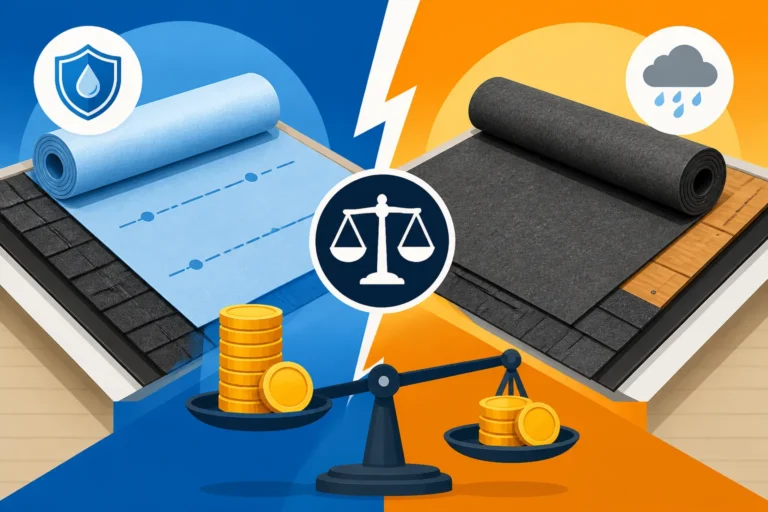
Your choice of underlayment also plays a role. While felt paper is a traditional, more economical option, many homeowners opt for synthetic underlayment due to its superior tear resistance, water protection, and longevity. Then there's ice and water shield, a crucial self-adhering membrane often required by code in colder climates or highly recommended for vulnerable areas like valleys and around penetrations, which adds another layer of cost. Even small details like the type of drip edge or ventilation system you choose can add up.
Finally, the contractor you choose makes a difference. Reputable, licensed, and insured roofers with strong warranties and manufacturer certifications (like GAF Master Elite or Owens Corning Platinum Preferred) often charge a bit more, but they offer peace of mind and higher quality workmanship that can save you from costly headaches later on. While it's tempting to go with the cheapest bid, this is one area where you absolutely get what you pay for. A comprehensive guide on How to Read and Compare Roofing Estimates] can help you navigate these quotes effectively.
The Lifespan and Durability of Asphalt Shingles
When you're asking if an asphalt shingle roof is "worth the money," you're really asking about its longevity and how well it will stand up to the elements over time. Nobody wants to invest in a new roof only to find it needs replacing again in a decade. The good news is that modern asphalt shingles are designed for impressive durability, but their expected lifespan isn't a one-size-fits-all answer.
What You Can Expect from Different Shingle Types
The type of asphalt shingle you choose is the single biggest factor in determining its expected lifespan. It’s like buying a car; a basic model will get you around, but a luxury model often comes with enhanced features and a longer warranty.
Let's break it down:
- 3-Tab Shingles: These are the most basic and economical asphalt shingles. They get their name from the three distinct tabs on each strip. While they offer decent protection, their lighter weight and simpler construction mean they generally have the shortest lifespan, typically around 15 to 20 years. They are also less resistant to high winds and hail compared to their heavier counterparts. If you're on a very tight budget or plan to sell your home relatively soon, they might be an option, but for long-term value, other choices usually win out.
- Architectural (Dimensional) Shingles: By far the most popular choice today, architectural shingles (you might hear them called "laminate" or "dimensional" shingles) are a significant upgrade. They're constructed with multiple layers of asphalt and granules, giving them a thicker, more textured appearance that mimics natural wood shakes or slate. This multi-layered design not only looks better but also adds to their durability and wind resistance. You can typically expect these shingles to last 20 to 30 years, and many come with limited lifetime warranties. Brands like Owens Corning Duration and GAF Timberline HDZ are popular examples, offering excellent balance between cost, aesthetics, and longevity.
- Designer (Luxury) Shingles: For those seeking the ultimate in aesthetics and performance, designer or luxury shingles are the top tier of asphalt roofing. These are even thicker and heavier than architectural shingles, often designed to replicate the look of natural slate, cedar, or European tile with remarkable authenticity. They offer superior wind and impact resistance, and it's not uncommon for them to come with 30- to 50-year warranties, sometimes even longer. While the upfront cost is higher, their exceptional lifespan and curb appeal often make them a worthwhile investment for homeowners looking for a premium product.
It’s also worth noting specialized shingles like impact-resistant (Class 4) shingles, which are engineered to withstand severe hail, and cool-roof shingles designed to reflect more sunlight. These can also contribute to a longer effective lifespan by protecting against specific environmental stressors. Understanding these distinctions is key to determining How Long Does an Asphalt Roof Last] for your specific home.
Environmental Factors and Maintenance Impacting Longevity
Even the best shingles won't reach their full potential lifespan without proper installation and ongoing care. Your roof is constantly battling Mother Nature, and certain environmental factors and homeowner habits can significantly affect how long it truly lasts.
Firstly, weather exposure is huge. If you live in an area prone to severe storms, high winds, or heavy hail, your roof will naturally face more stress than one in a milder climate. Intense UV radiation from constant sun exposure can also accelerate the degradation of asphalt and the loss of protective granules. Conversely, extreme temperature fluctuations, common in places like Colorado, can cause shingles to expand and contract repeatedly, leading to cracking over time.
Installation quality is paramount. Even the highest-quality shingles are only as good as their installation. Improper nailing, inadequate flashing, or insufficient overlap can lead to premature failure, leaks, and voided warranties. This is why choosing a reputable, manufacturer-certified contractor is so important. They understand the nuances of How Asphalt Shingles Are Installed: Step by Step] to ensure your roof performs as intended.
Attic ventilation is another unsung hero in roof longevity. A poorly ventilated attic can trap excessive heat in the summer, essentially "baking" your shingles from below and dramatically shortening their lifespan. In winter, inadequate ventilation can lead to moisture buildup and ice dams, which can cause water infiltration and damage to your roof deck and interior. Proper attic ventilation helps regulate temperature and humidity, extending the life of your shingles and improving your home's energy efficiency. Our guide on How Roof Ventilation Works] delves into this critical component.
Finally, regular maintenance plays a bigger role than many homeowners realize. This isn't just about patching leaks; it's about preventative care. Simple tasks like keeping your gutters clean, trimming overhanging branches that can drop debris or scrape shingles, and addressing moss or algae growth can all contribute to a longer-lasting roof. Ignoring these issues allows small problems to escalate into costly repairs or even premature replacement. A good rule of thumb is an annual inspection, either by yourself from the ground or by a professional, to catch issues early.
Energy Efficiency and Home Comfort
It might not be the first thing you think about when considering a new roof, but the right asphalt shingle roof can have a significant impact on your home's energy efficiency and overall comfort. Nobody enjoys sky-high utility bills or a house that's boiling in the summer and freezing in the winter. Your roof acts as a crucial barrier, and its characteristics directly influence how well your home regulates temperature.
How Shingle Color and Type Affect Thermal Performance
The color of your roof isn't just an aesthetic choice; it's an important factor in how much heat your home absorbs from the sun. Think about wearing a black shirt versus a white shirt on a sunny day—the principle is the same.
Darker-colored shingles tend to absorb more solar radiation, which can lead to higher attic temperatures, especially in hot, sunny climates. This absorbed heat then radiates down into your living space, forcing your air conditioning system to work harder and increasing your energy bills. While darker roofs can look sleek and modern, their thermal performance might be a drawback if you live in a scorching region.
Conversely, lighter-colored shingles and specially designed "cool-roof" shingles are engineered to reflect more of the sun's infrared and ultraviolet rays. This reflective quality means less heat is absorbed by the roof, resulting in lower attic temperatures and a cooler home interior. Many manufacturers, like Owens Corning and CertainTeed, offer specific lines of cool-roof shingles that are ENERGY STAR® certified. These shingles use special reflective granules that don't compromise the aesthetic appeal, coming in a variety of lighter and even some darker shades that still offer superior reflectivity. While cool-roof shingles might have a slightly higher upfront cost, the long-term savings on your energy bills, especially in warm climates like Florida or Arizona, can make them a very worthwhile investment, potentially paying for themselves over the roof's lifespan.
The material composition itself also matters. While all asphalt shingles are essentially made of the same core components, the density and layering in architectural and luxury shingles can offer a slightly better insulating value than lighter 3-tab options, though the primary thermal benefit comes from the surface color and reflectivity.
The Role of Proper Ventilation
You could have the most reflective cool-roof shingles on the market, but without adequate attic ventilation, you're still missing a huge piece of the energy-efficiency puzzle. Proper roof ventilation is absolutely critical for maintaining comfortable indoor temperatures and preventing a host of roof-related problems.
Imagine your attic in the summer: if hot air gets trapped up there, it can reach scorching temperatures, sometimes exceeding 150 degrees Fahrenheit. This intense heat doesn't just radiate down into your living spaces, making your air conditioner strain; it also cooks your roof shingles from below. This "cooking" effect significantly accelerates the aging process of the asphalt and the loss of protective granules, drastically shortening your roof's lifespan.
Effective ventilation works by creating a continuous airflow. Cool, fresh air enters through intake vents, typically located in the soffits (under the eaves), travels through the attic space, and then exhausts through outlet vents, most commonly ridge vents, which run along the peak of your roof. This system allows the superheated air to escape, keeping the attic cooler. In winter, this same airflow helps prevent moisture buildup, which can lead to condensation, mold, and even rot in your roof decking. It also helps prevent ice dams by keeping the roof deck temperature more consistent with the outside air.
For example, manufacturers like GAF strongly emphasize the importance of a complete roofing system, including their Cobra® Exhaust Vent or other ridge vents, paired with adequate intake vents. This synergistic approach not only enhances energy efficiency but is often a requirement for qualifying for their enhanced warranties. Many homeowners overlook the condition of their attic ventilation when replacing a roof, but it’s a non-negotiable component for maximizing your roof's performance, protecting your home's structure, and keeping those energy bills in check. Investing in proper ventilation is just as important as the shingles themselves for the overall long-term value of your roof.
Aesthetic Appeal and Curb Appeal Impact
Let's be honest, beyond protecting your home, you want your roof to look good. It's a huge part of your home's exterior, and its appearance can dramatically affect how your house is perceived, not just by you, but by neighbors and potential buyers. The good news is that asphalt shingles have come a long, long way from the basic, flat, often dull-looking roofs of decades past.
Versatility in Styles and Colors
One of the most compelling arguments for asphalt shingles being "worth the money" is their incredible versatility. No matter your home's architectural style, from a quaint Cape Cod to a sprawling modern ranch or a stately Colonial, there's likely an asphalt shingle designed to complement it perfectly.
Gone are the days when your only choices were standard gray or brown. Today's asphalt shingles come in a dazzling array of colors and profiles. You can find rich, deep tones like charcoal, forest green, or even deep reds, or subtle, earthy blends that incorporate multiple hues for a more dynamic look. Lighter shades of tan, beige, and light gray are also widely available for those looking for a cooler roof or a softer aesthetic.
Beyond color, the style of asphalt shingles has evolved remarkably.
- Architectural shingles offer a textured, multi-dimensional look that can mimic natural wood shakes, without the maintenance headaches or fire risks associated with real wood. The varying tab sizes and shadow lines create a depth that adds character to your roof.
- Designer or luxury shingles take this a step further, meticulously engineered to replicate the sophisticated appearance of expensive natural slate or clay tiles. Brands like CertainTeed's Presidential Shake or GAF's Grand Sequoia offer truly stunning profiles that can transform a home's entire facade. These premium options allow you to achieve a high-end look at a fraction of the cost and weight of authentic slate or tile.
This versatility means you can truly personalize your home, matching the roof to your siding, trim, and even your landscaping. The ability to achieve diverse aesthetics while still benefiting from the practicality and cost-effectiveness of asphalt makes them an incredibly attractive option for homeowners focused on curb appeal.
Boosting Your Home's Value
A new roof is more than just overhead protection; it's a significant investment that pays dividends, especially when it comes to your home's market value. When considering if an asphalt shingle roof is worth the money, its impact on your home's curb appeal and resale value is a huge part of the equation.
First, let's talk about the immediate visual impact. An old, worn, or visibly damaged roof can be a huge turn-off for prospective buyers. Curling, cracked, or missing shingles, noticeable granule loss, or dark algae streaks immediately signal neglect and potential future expenses. This detracts significantly from your home's curb appeal and can even cause buyers to question the overall maintenance of the property.
In contrast, a brand-new, beautifully installed asphalt shingle roof instantly elevates your home's exterior. It projects an image of care, reliability, and modern appeal. Many real estate experts agree that a new roof can provide one of the highest returns on investment for home improvement projects, often recouping 60-70% or even more of its cost in increased resale value. This is because buyers see a new roof as one less major expense they'll have to worry about for years to come, which is a powerful selling point. You can delve deeper into this topic in our article on Roof Replacement ROI Explained].
Beyond aesthetics, a new roof protects the structural integrity of your home. It prevents water infiltration, which can lead to costly damage to the attic, ceilings, walls, and even the foundation. Buyers are savvy; they know that an old roof can hide serious problems. A fresh roof signals that the property is well-maintained and structurally sound, giving them confidence in their investment. In many competitive housing markets, a new roof can be the difference between a quick sale at asking price and a listing that languishes with price reductions. When you're ready to sell, a modern, durable asphalt shingle roof won't just look great; it will quite literally add tangible value to your property.
Maintenance Requirements and Long-Term Care
Thinking about how much an asphalt shingle roof is "worth" isn't just about the initial cost and installation; it's also about what kind of commitment you're making to keep it in top shape for years to come. The good news is that asphalt roofs are generally known for being relatively low-maintenance, but "low" doesn't mean "no." A proactive approach to care can significantly extend your roof's life and ensure your investment truly pays off.
Routine Inspections and Minor Repairs
One of the best habits a homeowner can adopt for their asphalt shingle roof is routine inspection. You don't need to be a professional roofer to spot many common issues, and catching them early can save you a fortune in the long run.
Aim for at least one inspection annually, preferably in the spring or fall, and certainly after any major storm with high winds or hail. You can often do a good initial check from the ground with a pair of binoculars. What are you looking for?
- Missing or damaged shingles: Strong winds can lift and tear off shingles, creating vulnerable spots. Hail can leave visible dents or bruises.
- Curling, cracking, or blistering shingles: These are classic signs of an aging roof or sun damage.
- Granule loss: Look in your gutters or downspouts for excessive amounts of asphalt granules. A little is normal, but a lot indicates significant wear.
- Loose or damaged flashing: Check around chimneys, vent pipes, skylights, and valleys for flashing that has pulled away or is corroded. This is where many leaks originate.
- Moss or algae growth: While often aesthetic, heavy growth can trap moisture and degrade shingles over time.
If you spot anything concerning, don't hesitate to call a professional. Many minor repairs, such as replacing a few missing shingles or resealing loose flashing, are relatively inexpensive if addressed promptly. Waiting until a small issue turns into a major leak means dealing with not only roof repair costs but also potential interior damage to ceilings, insulation, and even structural components. Proactive maintenance is a significant part of making your asphalt roof worth the money, safeguarding your home and your wallet from unexpected, costly surprises.
Preventing Common Issues to Extend Roof Life
Beyond reactive repairs, there are several simple, preventative measures you can take to maximize the lifespan of your asphalt shingle roof. These aren't big, complicated projects, but consistent effort here will ensure your roof performs optimally for decades.
Gutter cleaning is probably the simplest yet most overlooked preventative task. Clogged gutters prevent rainwater from draining properly, causing it to back up and overflow. This can lead to water pooling on your roof, seeping under shingles, or rotting your fascia and soffits. In colder climates, clogged gutters contribute to ice dam formation, which can force water under your shingles and into your home. A clear gutter system ensures water is directed away from your roof and foundation.
Trimming overhanging tree branches is another crucial step. Branches that scrape against your roof in the wind can abrade shingles, causing premature granule loss and wear. Falling branches, even small ones, can cause significant damage, especially during storms. Keeping trees pruned back from your roof minimizes debris accumulation, prevents shade-induced moss growth, and reduces the risk of impact damage.
If you notice moss or algae growth, particularly the unsightly dark streaks often caused by gloeocapsa magma algae, address it. While typically not immediately damaging to the roof's integrity, heavy moss can hold moisture against the shingles and eventually cause degradation. Algae can be cleaned with appropriate roof cleaning solutions (never power wash asphalt shingles!) or prevented with zinc strips installed near the ridge. Many modern architectural shingles, like those from CertainTeed and Atlas, now come with copper granules infused specifically to resist algae growth, which is a fantastic long-term preventative measure.
Finally, ensuring proper attic ventilation (as discussed earlier) is key. This isn't just about energy efficiency; it directly impacts your shingles. Adequate airflow prevents heat buildup that can cook shingles from the underside and helps manage moisture that can lead to rot and mold. Regularly checking that your soffit and ridge vents aren't blocked by insulation or debris contributes significantly to your roof's health.
By taking these straightforward steps, you're not just maintaining a roof; you're actively preserving a major home investment. This consistent care is what truly makes an asphalt shingle roof worth the money, ensuring it protects your family and home for its full intended lifespan.
Warranty Coverage and Peace of Mind
When you’re making a significant investment like a new roof, you want assurance that it’s protected. Warranty coverage provides that crucial peace of mind, signaling that both the manufacturer and the installer stand behind their work. Understanding the different types of warranties available for asphalt shingle roofs is essential to determining if your investment is truly "worth the money" in the long term.
Understanding Manufacturer and Workmanship Warranties
It’s easy to get confused by roofing warranties because there are often two distinct types at play, and they cover different aspects of your new roof.
First, you have the manufacturer's warranty. This warranty covers the shingles and other roofing components (like underlayment, starter strips, and ridge caps) themselves, ensuring they are free from defects in materials. Most asphalt shingles come with a "limited lifetime warranty," which sounds impressive, but it's important to read the fine print. "Lifetime" usually refers to the period during which the original homeowner owns the home, and the coverage often prorates over time. This means that after a certain number of years, the manufacturer may only cover a percentage of the material cost, not the full replacement value. For instance, a basic 3-tab shingle might only have a 20-25 year limited warranty, while architectural shingles can extend to 30-50 years.
However, many leading manufacturers like GAF, Owens Corning, and CertainTeed offer enhanced "complete system" warranties. These typically require that all components of your roofing system (shingles, underlayment, flashing, vents) are from their brand and are installed by a contractor certified by them. For example, GAF's Golden Pledge® Warranty or Owens Corning's Platinum Protection Roofing System Limited Warranty often provide non-prorated coverage for both materials and labor for a longer period (e.g., 50 years) and are transferable to a new homeowner. This level of protection is incredibly valuable and significantly enhances the long-term worth of your roof. Our guide on Roofing Warranty: Workmanship vs Manufacturer] provides a deeper dive into these distinctions.
Second, there's the workmanship warranty, which comes directly from your roofing contractor. This warranty covers the quality of the installation. Even the best shingles won't perform if they're installed incorrectly. A reputable contractor will offer a strong workmanship warranty, typically ranging from 5 to 25 years. This protects you in case a leak or problem arises due to an error in how the roof was put on. Without a solid workmanship warranty, you could be left footing the bill for repairs even if the materials themselves aren't defective. When you're comparing contractors, always ask about their specific workmanship warranty and get it in writing. This is one of the key questions to ask a roofing contractor before hiring.
What Can Void Your Warranty
Having a warranty is great, but it’s crucial to understand what actions could potentially void it, leaving you without protection. Manufacturers and contractors have specific requirements, and straying from them can jeopardize your coverage, making your investment a lot less "worth it."
One of the most common ways to void a manufacturer's warranty is improper installation. This goes back to why choosing a certified, experienced contractor is so vital. If shingles are nailed incorrectly, underlayment isn't installed to specifications, or flashing is improperly sealed, the manufacturer can deny a claim, arguing that the product wasn't installed according to their guidelines. This is especially true for the enhanced "complete system" warranties, which often require installation by a factory-certified contractor.
Mixing different shingle brands or components can also void a warranty. If you use GAF shingles but an Owens Corning underlayment, and a problem arises, both manufacturers might point fingers at each other, leaving you in the middle. Sticking to a single manufacturer's complete system, when possible, is often the safest bet for maximum warranty coverage.
Unauthorized repairs or modifications are another red flag. If you try to do a DIY repair on a small leak and accidentally damage the shingles or install them incorrectly, the manufacturer could argue that your actions contributed to the problem. Always consult with your original installer or a certified professional before attempting any significant repairs, especially if your roof is still under warranty.
Finally, poor attic ventilation can surprisingly void a shingle warranty. Many manufacturers specify proper attic ventilation as a condition of their warranty. As we discussed, inadequate airflow can cause shingles to overheat and degrade prematurely. If a warranty claim is filed and an inspection reveals poor ventilation contributed to the shingle failure, the claim could be denied.
Understanding these conditions and actively avoiding them ensures that your investment in an asphalt shingle roof remains protected. A strong, intact warranty is a huge part of the long-term value proposition, offering genuine peace of mind and financial security. Our comprehensive article on What Voids a Shingle Warranty] offers more specific details to keep your coverage valid.
Comparing Asphalt Shingles to Other Roofing Materials
When you're asking if an asphalt shingle roof is "worth the money," it's natural to compare it against the alternatives. After all, there are many other materials out there, each with its own set of pros and cons. Understanding how asphalt stacks up against metal, tile, and wood shakes can truly highlight its unique value proposition and help you make an informed decision that aligns with your budget and priorities.
Asphalt vs. Metal Roofing
Metal roofing has gained significant popularity in recent years, and for good reason. It’s important to understand where asphalt shingles shine and where metal roofs have an edge, especially concerning costs and longevity.
Cost: This is where asphalt typically wins on the upfront investment. A new asphalt shingle roof, especially with architectural shingles, generally costs significantly less per square foot to install than a metal roof. Metal roofing, whether it's standing seam or metal shingles, involves higher material costs and often requires specialized installation expertise, which drives up labor expenses. If your budget is a primary concern for the initial outlay, asphalt shingles are almost always the more economical choice. For example, the Cost of Roof Tear-Off and Disposal] would be similar, but the new materials and installation would be notably different.
Lifespan & Durability: This is where metal often pulls ahead. A well-installed metal roof can last 40-70 years, sometimes even longer, making it a truly long-term investment. They are exceptionally durable against extreme weather, including high winds and hail, and are inherently fire-resistant. Asphalt shingles, while durable, typically last 20-30 years for architectural types. They can withstand considerable weather, but over many decades, asphalt will degrade faster than metal. However, it's worth noting that high-quality, impact-resistant asphalt shingles can offer substantial hail resistance, often earning Class 4 ratings, which can extend their life and even qualify for insurance discounts.
Aesthetics & Maintenance: Asphalt shingles offer incredible versatility in color and style, easily mimicking other materials and adapting to almost any architectural design. They are also relatively quiet during rain or hail storms. Metal roofs have a more distinct, often industrial or modern aesthetic, though metal shingles can mimic tile or wood. Metal roofs can be noisier during heavy rain. In terms of maintenance, both require relatively low upkeep, but metal roofs are generally even less prone to issues like moss growth or granule loss.
The decision often comes down to budget versus ultimate longevity. If you want a robust, long-lasting roof and are prepared for a higher upfront cost, metal might be appealing. But if you're looking for an excellent balance of affordability, good durability, and vast aesthetic options, asphalt shingles undeniably offer compelling value.
Asphalt vs. Tile and Wood Shakes
Venturing into other premium roofing materials like tile and wood shakes further highlights the practical advantages of asphalt shingles. These materials, while beautiful, come with distinct characteristics that may not suit every homeowner or budget.
Cost: Both tile and wood shake roofs are considerably more expensive than asphalt shingle roofs, often by a factor of two or three times, sometimes even more for genuine slate or high-end clay tiles. The materials themselves are costly, and their installation requires highly specialized skills and significant labor, contributing to a much higher overall project price. Moreover, tile and slate roofs are exceptionally heavy, often requiring additional structural reinforcement for your home, which is another substantial cost.
Lifespan & Durability: Tile roofs (clay, concrete, or slate) are incredibly durable and boast an exceptional lifespan, often lasting 50-100 years or more with proper maintenance. They are fire-resistant and hold up extremely well against weather. Wood shakes, while aesthetically beautiful and natural, typically last 20-40 years, similar to or slightly longer than architectural asphalt. However, wood shakes require more maintenance, are susceptible to moss, rot, and insects, and, crucially, are a fire hazard unless specifically treated.
Aesthetics & Maintenance: Tile and wood shakes offer a very specific, often high-end, aesthetic that suits particular architectural styles (e.g., Spanish Colonial for tile, rustic or Craftsman for wood shakes). If that's the look you're going for and budget isn't a concern, they are stunning. However, their aesthetic options are far more limited than asphalt. In terms of maintenance, wood shakes require regular cleaning, sealing, and potential replacement of individual shakes. Tile is very low maintenance but extremely fragile underfoot; stepping on a tile incorrectly can easily break it, leading to costly repairs.
Asphalt shingles, in comparison, offer a remarkable balance. They provide a good lifespan, excellent protection, and incredible aesthetic versatility, including the ability to mimic the look of more expensive materials like slate or wood shakes (with designer shingles), all at a much more accessible price point. For the vast majority of homeowners, asphalt shingles offer the most practical, cost-effective, and adaptable roofing solution, making them overwhelmingly "worth the money" when considering the alternatives.
Financial Considerations and Return on Investment (ROI)
Ultimately, the question "Is an asphalt shingle roof worth the money?" boils down to financial sense. It's a major home expense, and you want to know that you're making a smart investment, not just throwing money at a problem. Beyond the immediate protection and aesthetic upgrade, a new asphalt shingle roof offers tangible financial benefits, both in terms of increased home value and potential savings.
How a New Roof Impacts Home Value
Let's talk about one of the biggest motivators for home improvements: what it does for your property's value. A new asphalt shingle roof, while not always the flashiest renovation, is one of the most impactful in terms of return on investment (ROI) and overall appeal to potential buyers.
Real estate professionals consistently rank a new roof high on the list of value-adding upgrades. While the exact ROI can vary by region and market conditions, studies often show homeowners recouping a significant portion of their investment, sometimes 60-70% or more, when they sell their home. For instance, a report from Remodeling Magazine often places roof replacement high in terms of cost recouped.
Why is this the case? For one, a new roof is a massive worry removed for any prospective buyer. No one wants to move into a new house only to face a $15,000-$30,000 expense shortly after closing. A relatively new roof, especially one with a transferable warranty, acts as a powerful selling point, providing buyers with immediate peace of mind and reducing their perception of future maintenance costs. It signals that the current homeowner has taken good care of the property, which can positively influence how buyers view other aspects of the home.
Secondly, the aesthetic impact is undeniable. An old, worn-out roof with missing granules, curling shingles, or unsightly streaks instantly dates a home and detracts from its curb appeal. A fresh, clean, and modern asphalt shingle roof enhances the overall look of your property, making it more attractive and marketable. In a competitive market, this visual appeal can be the difference between your house standing out or blending in.
Finally, a new roof is a non-negotiable structural component. It protects your entire home from the elements. If a roof is nearing the end of its life, it can trigger red flags during a home inspection, potentially leading to lower offers or even scaring off buyers altogether. By proactively replacing an aging roof with quality asphalt shingles, you're not just maintaining your home; you're actively preparing it for future market success and ensuring its long-term structural integrity. You can definitely get a great return when you replace a roof that’s past its prime.
Potential Insurance Savings and Financing Options
Beyond direct resale value, a new asphalt shingle roof can offer surprising financial advantages in the form of insurance savings and flexible financing, further solidifying its "worth."
Many homeowners overlook the potential for insurance premium reductions when installing a new roof. Insurance companies view older roofs as higher risk due to their increased susceptibility to leaks, wind damage, and other issues. Conversely, a new, properly installed roof, especially one that meets current building codes and incorporates features like impact-resistant (Class 4) shingles, can significantly lower your risk profile. In areas prone to hail or high winds, selecting impact-resistant shingles, such as those offered by Malarkey or Atlas, can often lead to notable discounts on your homeowner's insurance premiums. It's always worth contacting your insurance provider after a new roof installation to see what discounts you might qualify for. These savings, accumulated over the lifespan of your roof, can add up to a substantial amount. Find out more in our guide, Does Insurance Cover Roof Replacement].
When it comes to the upfront cost, the reality is that a full roof replacement is a significant investment that most homeowners don't have sitting in a savings account. Thankfully, there are numerous financing options available to make a new asphalt shingle roof more accessible. Many roofing contractors, often through partnerships with financial institutions, offer specific roof financing programs. These can range from low-interest loans to deferred interest options (like 0% APR for a certain period), allowing you to pay for your roof in manageable monthly installments. Platforms like Modernize can help connect you with contractors who offer various financing solutions, making the initial investment less burdensome.
Other options include:
- Home Equity Lines of Credit (HELOCs): These leverage the equity in your home to provide a revolving line of credit.
- Personal Loans: Unsecured loans that can be a good option for those with strong credit.
- Refinancing Your Mortgage: If interest rates are favorable and you have other projects, this can consolidate costs.
- Government-backed programs: Some states or municipalities offer energy efficiency loans or grants for roofing upgrades, especially for cool-roof or energy-saving installations.
By taking advantage of these financing options, homeowners can spread out the cost of their roof over several years, making the investment much more manageable. This financial flexibility, combined with potential insurance savings and a strong return on investment, means that a new asphalt shingle roof isn't just an expense; it's a valuable, long-term asset that protects your home and your financial well-being. Knowing how to How to Budget for a New Roof] is an essential step in this process.
| Shingle Type | Avg. Cost per Square (Installed) | Expected Lifespan | Durability/Features | Key Benefit |
|---|---|---|---|---|
| 3-Tab Shingles | $250 – $350 | 15-20 years | Basic weather protection, lighter weight, uniform appearance | Most economical upfront cost |
| Architectural Shingles | $350 – $550 | 20-30 years | Multi-layered, enhanced wind resistance, dimensional look, wider color selection | Excellent balance of cost, durability, and aesthetics; popular choice |
| Designer (Luxury) Shingles | $550 – $800+ | 30-50+ years | Heaviest, superior wind/impact resistance, replicates slate/wood, premium aesthetics | Maximum curb appeal and longevity; often comes with enhanced warranties |
| Impact-Resistant (Class 4) | Add $50 – $100+ to base cost | Extends base lifespan | Engineered for hail resistance, can reduce insurance premiums | Superior protection in hail-prone areas; potential insurance savings |
| Cool Roof Shingles | Add $20 – $50+ to base cost | Extends base lifespan | Reflective granules reduce heat absorption, ENERGY STAR® certified | Lower cooling costs in hot climates; increased energy efficiency |
Note: Costs are approximate and can vary widely based on location, roof complexity, and specific contractor.
Disclaimer
Please note that this article is intended for informational purposes only and should not be considered professional advice. Roofing costs, regulations, and best practices can vary significantly based on location, specific building codes, and individual project details. Always consult with licensed and insured roofing professionals for accurate estimates, tailored recommendations, and to ensure compliance with all local requirements before undertaking any roofing project.