Roofing Regulations by State
State roofing regulations vary significantly by climate and location, affecting permit rules, material standards, and contractor licensing.
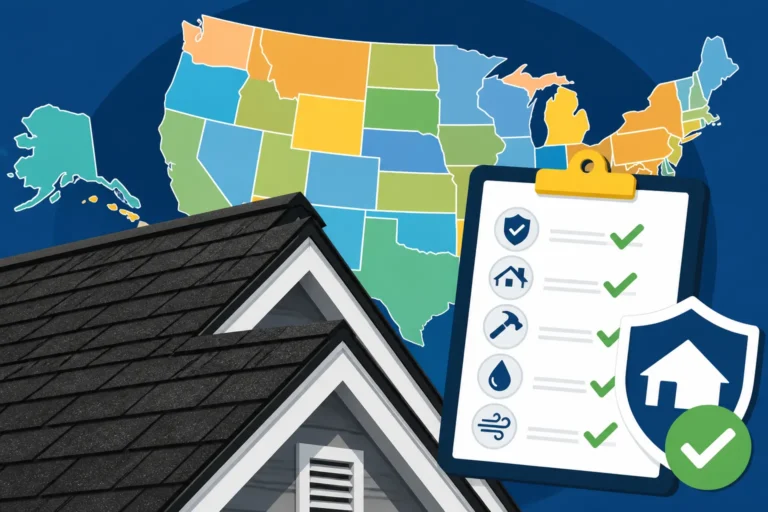
State roofing regulations vary significantly by climate and location, affecting permit rules, material standards, and contractor licensing.

Roofing permits protect homeowners through required code compliance, necessary inspections, and predictable application fees.
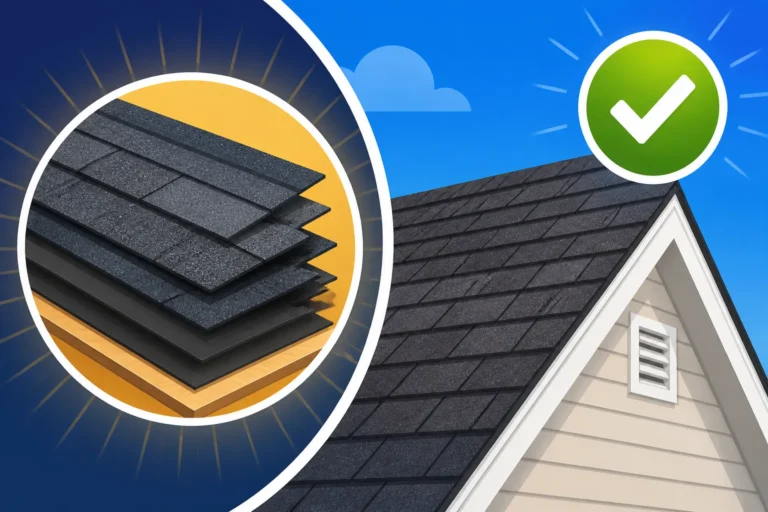
Local building codes and the International Residential Code limit roofs to two shingle layers to protect structural integrity.

Roof inspections explain local building codes, installation rules, and specific repair requirements for asphalt shingle roofing systems.

Homeowner association roof rules govern materials, colors, and styles, requiring official architectural committee approval before you replace shingles.

Roofing warranties cover material defects and contractor installation errors differently, protecting investments from unexpected repair costs.
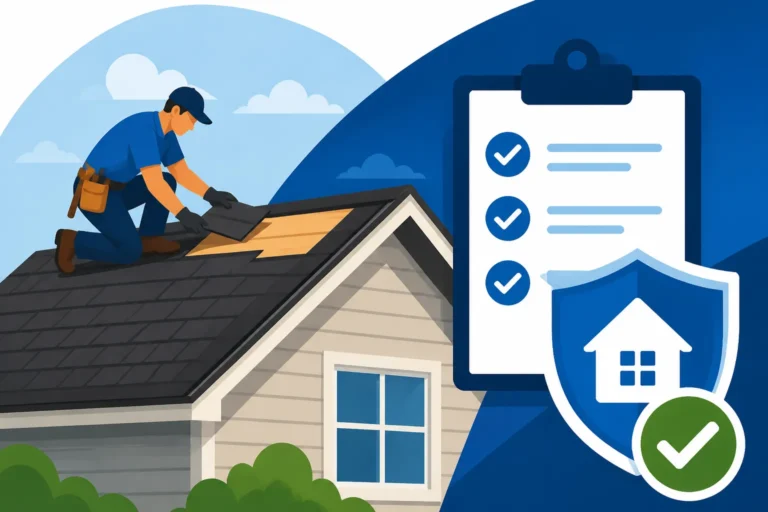
Homeowners insurance policies, actual cash value versus replacement cost, deductibles, depreciation, and common exclusions for roof damage claims.
Roofing building codes dictate material standards, ventilation, and installation rules to ensure home safety and long-term durability.
Roofing permit requirements and regulations ensure structural safety, building code compliance, and homeowner protection during major projects.

Roof replacement permit requirements vary by local municipality, detailing application processes, safety codes, and mandatory building inspections.