How Class 4 Shingles Resist Hail
The sound of hail drumming against your roof can send a chill down any homeowner's spine. That immediate pit in your stomach, wondering if this storm is the one that finally wrecks your shingles and leads to costly repairs, is a feeling many of us know all too well. It’s a frustrating reality, especially if you live in an area prone to severe weather. This guide is here to shed light on how Class 4 shingles are engineered to stand up to Mother Nature's fury, specifically hail, giving you peace of mind and potentially saving you a lot of headache and money down the line.
The Relentless Threat of Hail to Traditional Roofs
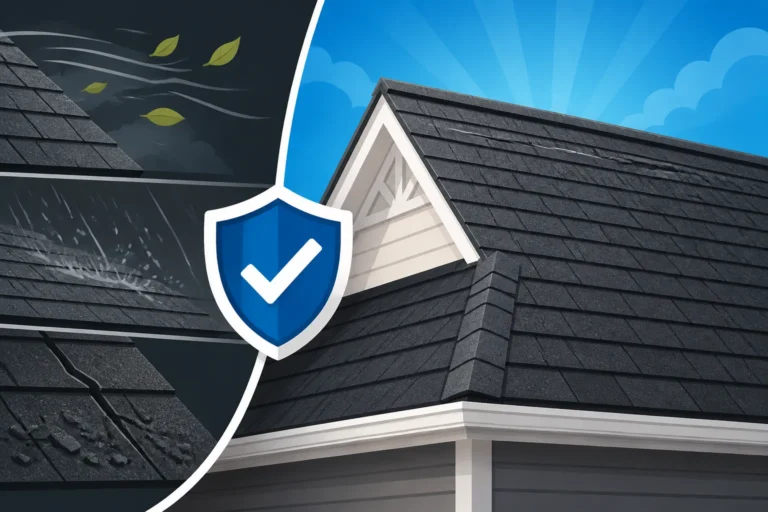
Hailstorms aren't just a nuisance; they're a destructive force that can utterly devastate a conventional asphalt shingle roof. It's not always the dramatic, golf-ball-sized chunks that cause the most damage; even smaller hailstones can wreak havoc over time, leading to silent problems that only reveal themselves much later.
Understanding the Damage Hail Inflicts
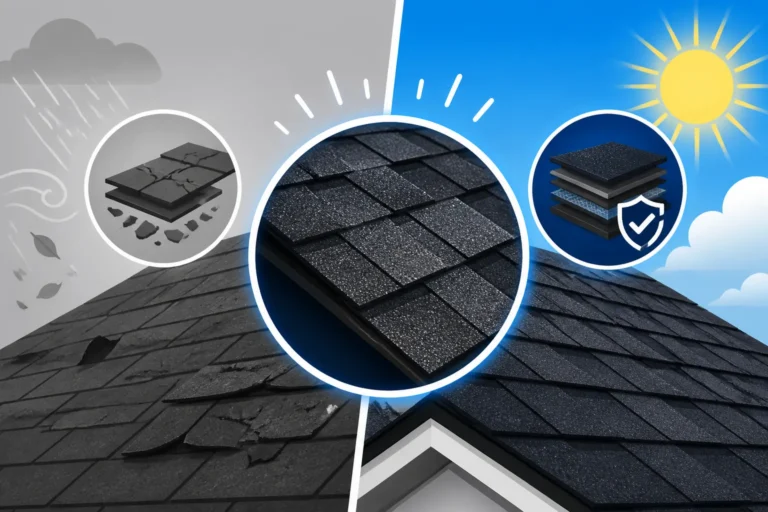
When hailstones strike a standard asphalt shingle, the impact can cause a range of issues. The most visible is often the loss of granules, those tiny, ceramic-coated particles embedded in the asphalt. These granules aren't just for aesthetics; they provide crucial UV protection, shielding the underlying asphalt from the sun's degrading rays. When they're dislodged, the asphalt beneath becomes exposed, accelerating its aging process and making the shingle brittle.
Beyond granule loss, hail can also cause deeper, less obvious damage. The force of impact can "bruise" the shingle, crushing the asphalt mat and breaking the fiberglass reinforcing mat underneath without immediately puncturing it. Imagine getting a deep bruise; the skin might not be broken, but the underlying tissue is damaged. It's similar for your shingles. These bruises create weak spots that can crack over time, especially with temperature fluctuations or subsequent storms. You might not see a leak for months or even years after the hail event, leading to frustrating discoveries in your attic or ceiling. If you're wondering how bad it can get, check out our guide on what to do when you see Signs of Roof Hail Damage.
The Costly Aftermath for Homeowners
The financial implications of hail damage are significant. Even minor damage can lead to a partial or full roof replacement, which can be an incredibly expensive undertaking. Many homeowners find themselves navigating complex insurance claims, trying to prove the damage was indeed caused by hail. It's a process that can be both time-consuming and emotionally draining. We've heard countless stories from homeowners who felt overwhelmed by the process, from getting estimates to dealing with adjusters.
The average roof replacement cost can run into the tens of thousands, and while insurance often helps, deductibles, depreciation, and potential premium increases can still hit your wallet hard. Beyond the direct costs, there's the stress of living with a compromised roof, the disruption of construction, and the constant worry about the next storm. For those in hail-prone states like Colorado, Texas, or Oklahoma, this isn't just a rare occurrence; it's a recurring nightmare. This is why investing in a resilient roofing system is more than just a home improvement; it's an investment in your peace of mind and long-term financial security. It makes you wonder, Is Hail Damage Covered by Insurance? and how that plays into your decision-making.
The Engineering Marvel of Class 4 Shingles
For homeowners living in areas frequently battered by hail, standard shingles simply might not cut it. That's where Class 4 impact-resistant shingles come into their own, offering a level of protection that can make all the difference. But what exactly makes them so tough? It's all in the materials and how they're rigorously tested.
What Defines a Class 4 Shingle
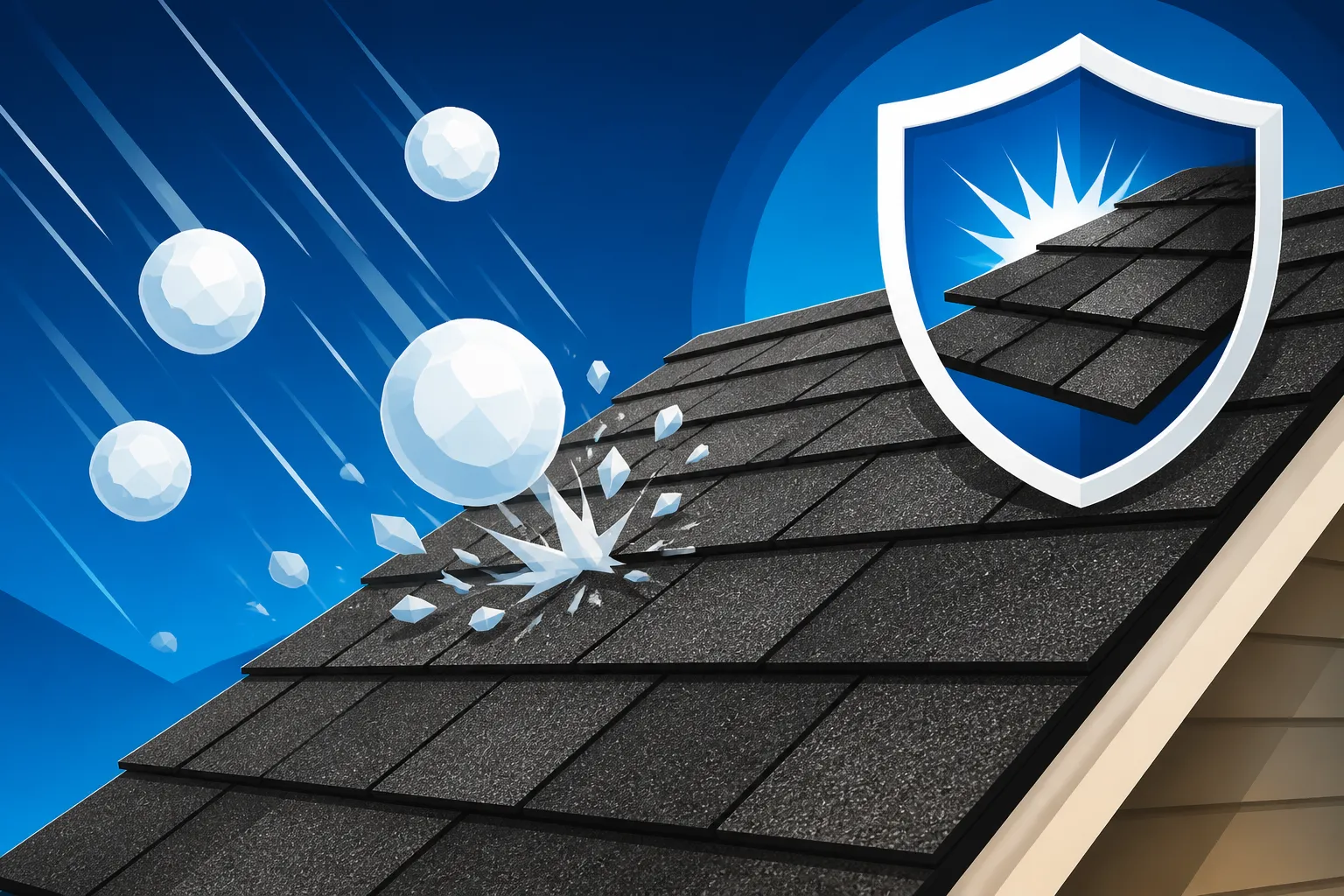
The "Class 4" designation isn't just a marketing term; it's a specific rating established by industry-standard tests, primarily the UL 2218 Standard for Impact Resistance of Prepared Roof Covering Materials. This standard puts shingles through a brutal test: steel balls of varying sizes are dropped from significant heights onto the shingle surface. For a shingle to achieve a Class 4 rating, it must withstand the impact of a 2-inch steel ball dropped from 20 feet, with no evidence of cracking or tearing on the front or back of the shingle. This isn't a one-and-done test; multiple impacts are delivered to different points on the shingle.
What does this rigorous testing signify? It means that these shingles are designed to resist impacts from hailstones up to two inches in diameter, a size that would severely damage or even destroy a conventional shingle. This robust performance is a testament to their advanced construction and material science.
Advanced Materials for Superior Resistance
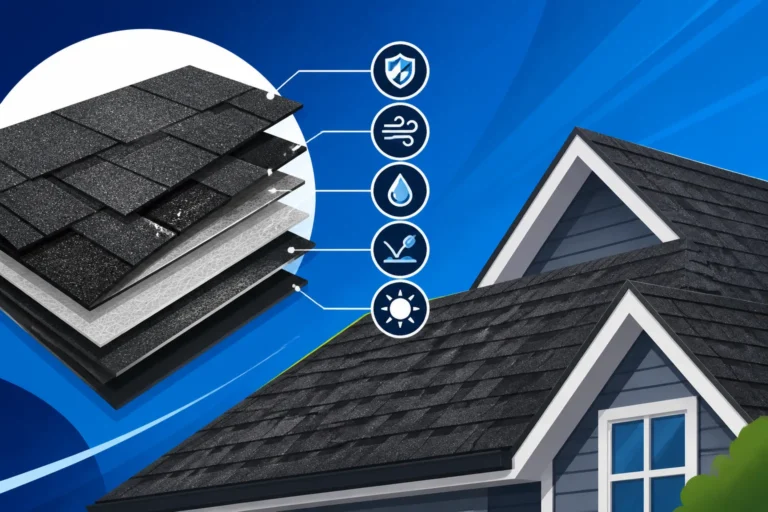
The secret to a Class 4 shingle's resilience lies in its specialized composition. Unlike traditional shingles that typically use a standard fiberglass mat saturated with oxidized asphalt, Class 4 shingles incorporate modified asphalt and often a stronger, more flexible reinforcing mat.
- Modified Asphalt: Many Class 4 shingles, like those from manufacturers such as Malarkey or CertainTeed, use a rubberized or polymer-modified asphalt. This modification makes the asphalt more flexible and elastic, allowing it to absorb impact energy rather than cracking or bruising. When a hailstone hits, the rubberized asphalt can temporarily deform and then return to its original shape, much like a shock absorber. This significantly reduces the chances of granule loss and underlying mat damage.
- Enhanced Reinforcing Mats: While standard shingles use fiberglass mats, some Class 4 options feature a more robust, woven, or heavier-duty fiberglass mat. This provides increased tear strength and helps distribute the impact force over a larger area, further preventing localized damage. It creates a stronger, more resilient foundation for the shingle's protective layers.
These advanced materials work in concert to create a shingle that is not only more durable against direct impact but also more resistant to cracking and delamination over time, even after repeated exposure to harsh weather cycles. This makes them a wise choice for homes in regions where hailstorms are a consistent threat. If you're looking into specific options, you might want to learn more about Impact-Resistant Shingles: How They Work.
How Class 4 Shingles Actively Tackle Hail
It's one thing to say Class 4 shingles are tough; it's another to understand the ingenious ways they actually defend against the brutal force of hailstones. Their design isn't just about resisting; it's about mitigating and absorbing, turning a potentially devastating impact into a mere shrug.
Absorbing and Dissipating Impact Energy
Imagine a boxer wearing gloves. The gloves don't stop the punch entirely, but they absorb and distribute the force, protecting the hand and opponent. Class 4 shingles work on a similar principle. When a hailstone strikes, the modified asphalt, often rubberized (like Styrene-Butadiene-Styrene or SBS-modified asphalt), behaves differently than standard, rigid asphalt. Instead of directly transmitting the force to the underlying mat and causing a break, the elastic nature of the modified asphalt allows it to momentarily flex and compress. This flexibility absorbs much of the hailstone's kinetic energy.
Think of it like dropping a rubber ball versus a golf ball. The rubber ball bounces and deforms, dissipating energy. The golf ball is rigid and transfers more force upon impact. Class 4 shingles mimic the rubber ball, cushioning the blow. This absorption minimizes the transfer of force to the fiberglass mat, dramatically reducing the likelihood of cracking, tearing, or bruising beneath the surface. This is a stark contrast to traditional shingles where the impact is often too great for the standard asphalt to handle without permanent deformation or fracture. The core solution here is that the shingle itself is engineered to be a shock absorber.
Beyond the Materials: The Full Protection System
While the shingle itself is the star of the show for hail resistance, it's crucial to remember that no shingle acts alone. The entire roofing system plays a vital role in ensuring your home's protection. A Class 4 shingle, no matter how superior, needs to be installed correctly as part of a comprehensive system.
- Proper Installation Techniques: Even the toughest shingle can fail if not installed according to manufacturer specifications and local building codes. This includes correct nailing patterns (often requiring specific high-wind nailing for enhanced security), appropriate underlayment, and meticulous flashing work. A reputable roofing contractor who understands how to properly install a Class 4 roofing system is paramount. You don't want to invest in premium materials only to have them undermined by sloppy workmanship. This is a scenario where finding reliable local contractors through services like Modernize can be incredibly helpful. They can connect you with pros who are experienced in handling these advanced materials.
- Underlayment and Flashing: Beneath those tough shingles, a high-quality synthetic underlayment acts as a secondary barrier against water, while properly installed flashing around chimneys, vents, and valleys ensures that water can't sneak in where different roof components meet. While these don't directly resist hail impact, they are crucial components in preventing leaks if the shingle's primary defense is somehow compromised by an extreme event. For more details on the full system, you can explore guides like How Asphalt Shingles Are Installed: Step by Step or learn about the vital role of Underlayment Explained: Synthetic vs Felt.
- Enhanced Warranties and Insurance Benefits: Because of their proven durability, many manufacturers offer enhanced warranties on their Class 4 impact-resistant shingles. These warranties often provide longer coverage periods or better terms for hail damage. Furthermore, many insurance companies recognize the reduced risk associated with Class 4 roofs and offer significant premium discounts to homeowners who install them, especially in hail-prone regions. This can lead to substantial long-term savings on your homeowners insurance, making the initial investment even more worthwhile. It's a fantastic incentive to consider upgrading when your roof is due for replacement, especially if you're already looking at the overall Asphalt Roof Replacement Cost.
Choosing Class 4 shingles means investing in a formidable defense against hail, but it's the combination of these advanced materials, expert installation, and supporting roof components that truly creates an impenetrable shield for your home. When you work with a certified installer, you're not just getting shingles; you're getting a complete, resilient roofing solution. Modernize can assist in finding those certified professionals.
Comparing Standard vs. Class 4 Shingles
Let's lay out a clear comparison to illustrate why Class 4 shingles are such a game-changer, especially in hail-prone areas. This table highlights the key differences that translate into superior protection and long-term value.
| Feature | Standard Asphalt Shingles | Class 4 Impact-Resistant Shingles |
|---|---|---|
| Material Composition | Oxidized asphalt, fiberglass mat, ceramic granules | Polymer-modified (rubberized) asphalt, enhanced fiberglass mat, granules |
| Impact Absorption | Rigid, prone to cracking/bruising upon impact | Flexible, elastic; absorbs and dissipates impact energy |
| Hail Resistance (UL 2218) | Typically Class 1 or 2 (resists smaller impacts) | Class 4 (resists impacts from 2-inch steel balls/hailstones) |
| Common Hail Damage | Granule loss, bruising, cracking, shingle fracture | Significantly reduced granule loss, bruising, and cracking |
| Lifespan Expectation | 15-25 years (can be shortened by hail exposure) | 20-30+ years (better resistance to weathering & impact) |
| Initial Cost | Lower | Higher (typically 15-25% more than standard architectural shingles) |
| Insurance Premiums | Standard rates | Potential discounts (10-30% off, depending on insurer and location) |
| Ideal For | Areas with minimal hail risk, budget-conscious projects | Hail-prone regions, homeowners seeking maximum protection & savings |
As you can see, while the upfront cost for Class 4 shingles, like those offered by GAF or Owens Corning, is generally higher, the long-term benefits in terms of damage resistance, potential insurance savings, and extended roof lifespan often far outweigh that initial investment. They're built to last, especially when facing challenging weather conditions.
Real-World Scenarios and Benefits
Think about a homeowner in Fort Worth, Texas, an area notorious for intense spring hailstorms. With a traditional roof, every storm brings anxiety. After a significant hail event, they might face weeks of waiting for an adjuster, then a contractor, all while living under a potentially compromised roof. The process of getting a new roof installed, dealing with permits (Do You Need a Permit to Replace a Roof?), and coordinating repairs can be a huge disruption.
Now, picture that same homeowner with a Class 4 impact-resistant roof. When the hail hits, they still might hear the noise, but the worry is significantly reduced. While no roof is entirely indestructible, the likelihood of severe, claim-worthy damage is drastically lower. This means less stress, fewer insurance claims (which helps keep premiums stable), and a longer, more reliable roof life. It's truly a game-changer for homes in challenging climates. Many homeowners report that the peace of mind alone is worth the investment. It’s not just about surviving one storm; it’s about enduring years of unpredictable weather without constant concern. When considering a roof replacement, this resilience can also boost your home's value and appeal to future buyers, especially if you live in an area known for severe weather.
Choosing the Right Path for Your Home
Deciding to invest in a Class 4 impact-resistant roof is a significant step towards safeguarding your home and your peace of mind. But with so many options and contractors out there, how do you make the best choice? It boils down to thorough research, asking the right questions, and partnering with experienced professionals.
Navigating Contractor Selection and Estimates
The quality of your roof is only as good as its installation. Even the highest-grade Class 4 shingles won't perform optimally if they're not installed correctly. This is where selecting the right roofing contractor becomes paramount. Don't just go with the first quote you receive or the cheapest option; that can often lead to more problems down the road. Instead, look for contractors who specialize in or have extensive experience with impact-resistant roofing systems.
Ask potential contractors about their experience with Class 4 shingles, what specific brands they recommend (like GAF, Owens Corning, CertainTeed, or Malarkey), and if their installers are certified by the shingle manufacturers. Manufacturer certification often means the contractor has undergone specific training and can offer enhanced warranties that cover both materials and workmanship. A great place to start your search for qualified professionals is by utilizing platforms like Modernize, which connects homeowners with pre-vetted contractors in their area. They can help you gather multiple quotes and ensure you're speaking with reputable companies.
When reviewing estimates, make sure they explicitly state Class 4 impact-resistant shingles and detail all components of the roofing system, including underlayment, flashing, and ventilation. A comprehensive estimate should leave no stone unturned, allowing you to compare options apples-to-apples. For guidance on evaluating bids, you might find our article on How to Read and Compare Roofing Estimates particularly useful.
Maximizing Your Investment with Insurance Benefits
One of the most compelling reasons to choose Class 4 shingles, beyond their superior protection, is the potential for significant savings on your homeowners insurance premiums. Insurance companies are in the business of assessing risk, and a Class 4 roof dramatically lowers the risk of expensive hail damage claims.
After your Class 4 roof is installed, be sure to inform your insurance provider. Many will require proof of installation, such as an invoice from your contractor and documentation of the shingle's Class 4 rating. They might send an inspector to verify the installation. Once confirmed, you could see a reduction of 10-30% or even more on the dwelling coverage portion of your premium, depending on your insurer and your geographic location. This can add up to hundreds or even thousands of dollars over the lifespan of your roof. It's a tangible financial benefit that helps offset the higher initial cost of these premium materials. Always confirm these potential savings with your insurance agent before making a final decision. You can also dive deeper into this topic by reading up on Do Class 4 Shingles Lower Insurance Premiums.
Long-Term Value and Peace of Mind
Ultimately, investing in Class 4 impact-resistant shingles is an investment in your home's longevity, your financial stability, and your peace of mind. In hail-prone regions, it's not a question of if your roof will face severe weather, but when. Having a roof designed to withstand those impacts means less worry during storm season, fewer frantic calls to your insurance company, and less disruption to your daily life.
Beyond protection, the extended lifespan and enhanced durability of Class 4 shingles often translate into a better return on investment over time. A robust roof is a key selling point for your home, especially if it comes with the added benefit of lower insurance costs for future buyers. It's a smart decision that pays dividends in both tangible savings and invaluable tranquility.
Disclaimer
Please remember that while Class 4 shingles offer superior hail resistance, no roofing material is 100% impervious to all forms of extreme weather or impact. This guide provides general information and should not be taken as professional advice. Always consult with a qualified roofing contractor and your insurance provider to discuss your specific needs and local building codes.