How a Soffit Vent Works
Is your attic a sauna in the summer, or do you find yourself constantly battling strange condensation issues? Many homeowners overlook the critical role of proper roof ventilation, especially the seemingly small but mighty soffit vents. This guide will take a deep dive into exactly how these unsung heroes of your roofing system work, why they're so vital for your home's health and comfort, and what you need to know to ensure they're doing their job.
Understanding the Basics of Attic Ventilation and Soffit Vents
When we talk about a healthy roof, most folks immediately think of shingles, underlayment, and maybe flashing. But the air under those shingles and in your attic plays just as crucial a role in the longevity and performance of your entire roofing system. Without proper ventilation, your attic can become a hostile environment, leading to all sorts of problems you'd rather avoid.
The Critical Role of a Balanced System
Think of your attic as the lungs of your house. Just like your lungs need to breathe in fresh air and exhale stale air, your attic needs a constant flow of air to function optimally. This isn't just about keeping things cool; it's about managing moisture, preventing mold, and protecting the structural integrity of your home. A truly effective attic ventilation system relies on a delicate balance between intake vents and exhaust vents. One without the other is like trying to breathe with only one nostril – it's just not going to work right.
The goal is to create a continuous path for air to move through your attic, from the lowest points to the highest. This is where soffit vents come in as the essential intake component. They allow cooler, drier air to enter the attic space, setting the stage for hot, moist air to be expelled. Without adequate intake from the soffits, your exhaust vents (like those handy ridge vents) can't pull enough air, or worse, they can start pulling conditioned air from your living space, wasting energy and causing other issues. To learn more about the complete system, check out our guide on how roof ventilation works.
Where Soffit Vents Fit in Your Roof's Anatomy
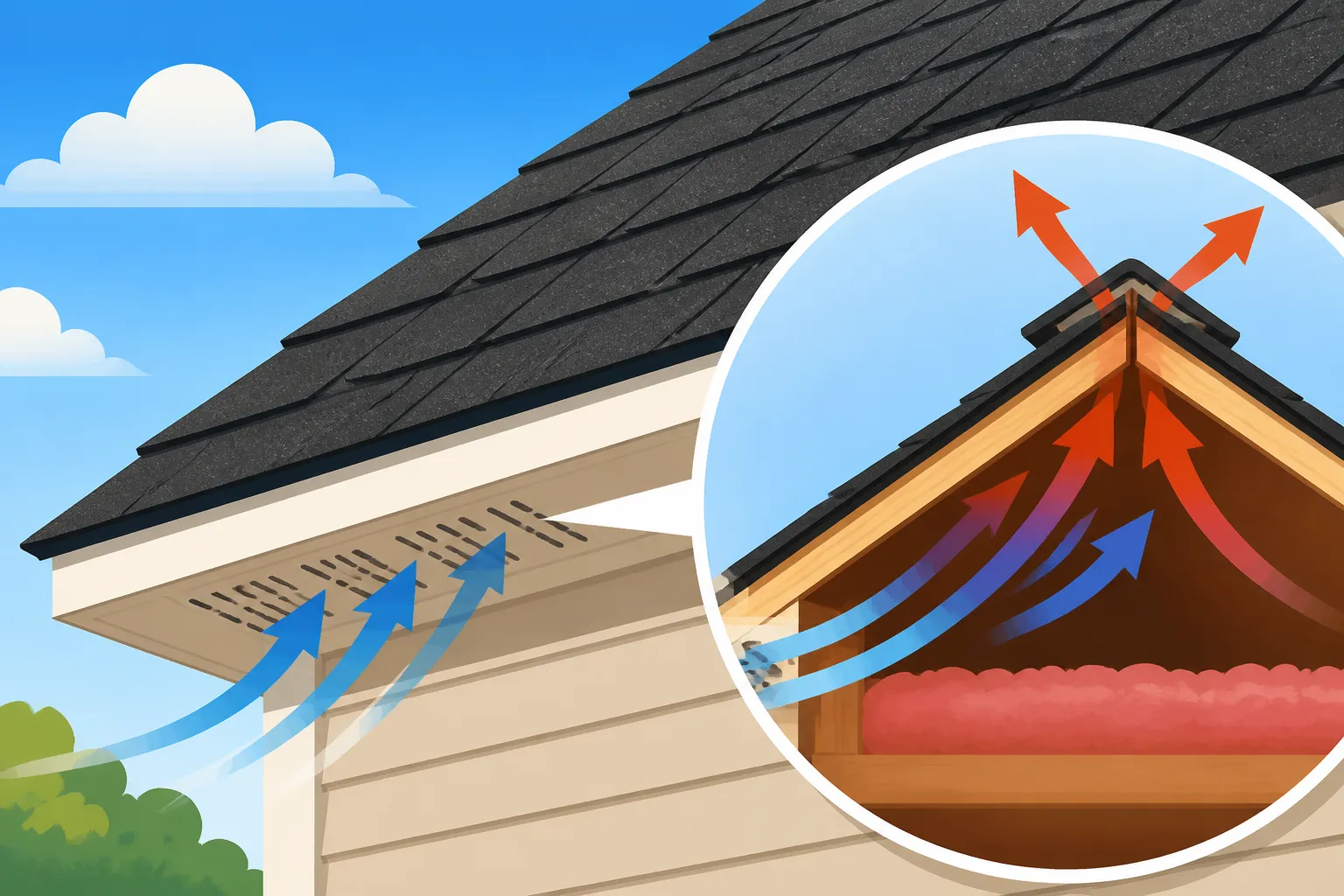
Soffit vents are specifically designed openings located on the soffit—the underside of your roof's eaves, which extend out past the exterior walls of your house. If you look up at the edge of your roof where it overhangs the walls, that flat surface is the soffit. These vents are typically perforated panels, continuous strips, or individual round vents that are discreetly integrated into this area. Their placement along the lower edge of the roofline is strategic, as it allows them to draw in cooler, outside air from below.
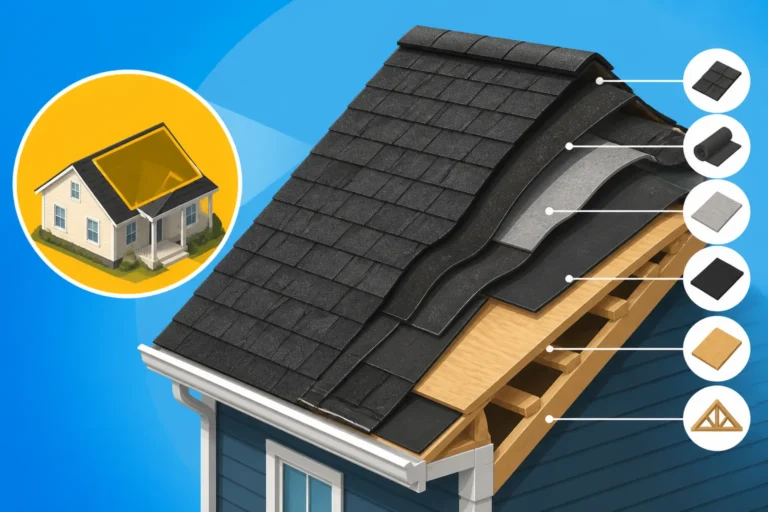
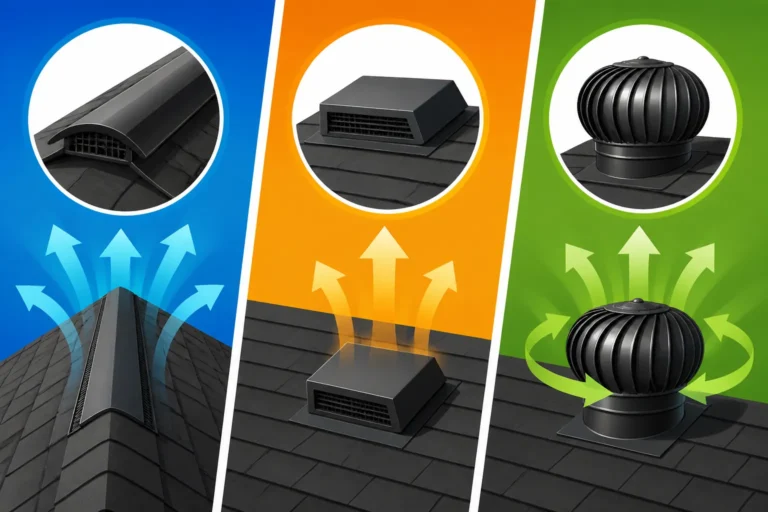
Many homeowners don't even realize they have them, or they might mistake them for decorative elements. However, their functional design is critical. The cool air they bring in creates a natural convection current. This current then travels up through the attic, picking up heat and moisture as it goes, and eventually exits through exhaust vents located at or near the peak of the roof, such as ridge vents, gable vents, or even roof turbines. This continuous flow is the essence of a well-ventilated attic. Without these vital intake points, the entire system breaks down, leaving your attic vulnerable. Understanding all the pieces of your roof can really help, so you might want to read our guide on Roof Anatomy: Parts of an Asphalt Shingle Roof.
Demystifying the "Stack Effect"
The entire principle behind how a soffit vent works, in conjunction with exhaust vents, is rooted in something called the "stack effect" or "convection." It's a natural phenomenon where hot air rises and cool air sinks. In the context of your home, the sun beats down on your roof, heating the shingles and, in turn, the air in your attic. Hot air is less dense than cool air, so it naturally wants to rise.
Soffit vents provide the entry point for cooler, denser air from outside to enter the attic space. As this fresh, cooler air comes in, it pushes the hotter, lighter air upwards. This warmer air then rises towards the peak of your roof where it finds an escape route through exhaust vents. It's a continuous cycle: cool air in, hot air out. The greater the temperature difference between the attic and the outside, and the taller the "stack" (the distance between the soffit and the ridge), the stronger this effect will be. Without the low-level intake provided by soffit vents, exhaust vents would struggle to draw in enough air, potentially creating a vacuum that could even pull air from your conditioned living space, driving up your energy bills.
How Soffit Vents Actively Work to Protect Your Home
It's easy to dismiss soffit vents as just another part of the exterior, but their active role in safeguarding your home cannot be overstated. They are silent, hardworking guardians against a host of common household issues, from sky-high energy bills to structural damage.
Drawing in Fresh Air to Prevent Overheating
During scorching summer months, your attic can reach astonishing temperatures, sometimes exceeding 150 degrees Fahrenheit. This intense heat isn't just trapped; it radiates downwards into your living spaces, forcing your air conditioning system to work overtime. This is a common frustration for many homeowners, especially those in warmer climates like Florida or Texas. The primary function of soffit vents is to continuously introduce cooler, ambient air from the outside into the attic. This cooler air displaces the super-heated air, which then rises and exits through exhaust vents at the roof's peak.
This consistent exchange of air keeps attic temperatures much closer to the outside air temperature, dramatically reducing the heat transfer into your home. The less heat radiating from your attic, the less your AC has to run, translating directly into noticeable savings on your utility bills. It's a simple, passive system that effectively combats one of the biggest energy drains in many homes. Platforms like Modernize can help homeowners connect with local roofing professionals who can assess their current ventilation system and suggest improvements to maximize efficiency.
Combating Moisture Build-up and Its Destructive Effects
Beyond heat, moisture is an equally insidious enemy lurking in poorly ventilated attics. Everyday activities like showering, cooking, and even breathing contribute moisture to your home's interior air, which can then migrate into the attic space, especially during colder months. If this moisture has no way to escape, it condenses on cooler surfaces like the underside of your roof deck. This isn't just an aesthetic problem; it can lead to severe issues.
Moisture in the attic creates a perfect breeding ground for mold and mildew, which can spread rapidly, trigger allergies, and even compromise indoor air quality. More seriously, prolonged moisture exposure can lead to rot in your roof decking, rafters, and other wooden structural components. This structural damage can be incredibly costly to repair and can even compromise the safety of your roof. Soffit vents, by continuously bringing in drier outside air, help to dilute and expel this humid air before it has a chance to cause significant damage, keeping your attic environment dry and healthy. This protective function is a key reason why proper attic ventilation prevents damage.
Extending the Lifespan of Your Asphalt Shingles
Here's a fact many homeowners don't realize: an overheated attic can significantly shorten the life of your asphalt shingles. Shingles are designed to withstand a lot, but prolonged exposure to extreme heat, both from the sun and from trapped attic air, can accelerate their deterioration. The heat causes the asphalt to break down faster, leading to premature granule loss, curling, cracking, and blistering. You can tell your shingles are struggling when you start seeing excessive granules in your gutters or the edges of shingles begin to lift.
When hot air is allowed to build up in the attic because of inadequate intake from soffit vents, the underside of your roof deck and shingles gets cooked from below, while the sun bakes them from above. This double-whammy effect significantly reduces the effective lifespan of your roofing materials. By ensuring a steady flow of cool air into the attic, soffit vents help maintain a more consistent and moderate temperature for your roof deck and the shingles resting on it. This helps preserve the asphalt's flexibility and the adhesion of the protective granules, allowing your asphalt roof to last closer to its intended lifespan, which can be anywhere from 20 to 30 years or more. Knowing how long asphalt shingles last depends heavily on proper installation and good ventilation.
Exploring Different Types of Soffit Vents and Their Placement
Soffit vents aren't a one-size-fits-all solution; there are several types available, each with its own aesthetic and functional considerations. Choosing the right type and ensuring adequate coverage is paramount for an effective ventilation system.
Continuous, Individual, and Hidden Soffit Vent Options
When it comes to soffit vents, you typically have a few main types to choose from:
- Continuous Soffit Vents: These are long, perforated or louvered strips that run along a significant portion of the soffit. They offer the greatest net free area (the actual open area for air to pass through) and provide a seamless, uniform look. They're excellent for maximizing airflow and are often preferred for new construction or full roof replacements because of their efficiency and aesthetic appeal.
- Individual or Round Soffit Vents: These are smaller, circular or rectangular vents installed at regular intervals along the soffit. They are typically 3-4 inches in diameter for round vents, or small grates for rectangular ones. While they don't offer the same continuous airflow as strip vents, they are a good option for retrofitting existing soffits that lack ventilation or for smaller, isolated attic spaces.
- Hidden Soffit Vents: These newer, less visible options are designed to blend seamlessly with the soffit material, often featuring a very low profile or being integrated directly into the soffit panel design. They provide ventilation without detracting from the exterior aesthetic, a popular choice for homes with a more modern or minimalist look.
Regardless of the type, the key is ensuring that the chosen vents provide sufficient "net free area" to match the exhaust ventilation. A certified roofing professional from a platform like Modernize can help you determine the best type and quantity for your specific roof.
The Importance of Adequate Net Free Area
This concept of "net free area" (NFA) is absolutely crucial when discussing roof ventilation. NFA refers to the actual open space within a vent through which air can freely pass, usually measured in square inches. It's not just the size of the vent opening; it's the unobstructed area. A vent might look large, but if it has a dense screen or small perforations, its NFA will be much lower.
The general rule of thumb for a balanced ventilation system is to have 1 square foot of NFA for every 300 square feet of attic floor space. This ratio can be 1:150 if your attic has a vapor barrier. Crucially, the intake NFA (from your soffit vents) should equal or exceed the exhaust NFA (from your ridge vents, etc.). If you have plenty of exhaust but insufficient intake, your exhaust vents will essentially starve for air, becoming less effective, and sometimes even pulling air from unintended sources within your home. Calculating the correct NFA requires careful measurement and consideration of your roof's unique characteristics, making it a task best left to experienced professionals.
Here's a quick comparison of common soffit vent types and their typical NFA:
| Soffit Vent Type | Description | Typical NFA per Linear Foot / Unit | Common Use Cases |
|---|---|---|---|
| Continuous Strip | Long, perforated, or louvered strips | 9-12 sq in per linear foot | Ideal for new construction, maximum airflow, seamless |
| Individual Round | Circular, 3-4 inch diameter vents | 15-25 sq in per unit | Retrofitting existing soffits, targeted ventilation |
| Individual Rectangular | Smaller rectangular grates, various sizes | Varies by size (e.g., 20-50 sq in) | Similar to round, often larger NFA per unit |
| Hidden/Undereave | Integrated into soffit panel, low profile | 6-10 sq in per linear foot | Aesthetic preference, modern homes, subtle ventilation |
Note: Actual NFA varies by manufacturer and specific product. Always check product specifications.
Common Installation Considerations
Proper installation of soffit vents is just as important as choosing the right type and quantity. Simply cutting holes isn't enough; several factors need careful attention to ensure the vents perform as intended.
First and foremost, the vents must be positioned correctly within the soffit to ensure unobstructed airflow into the attic. This means clear of any insulation that might be blocking the entry point. Often, baffles (also known as rafter vents) are installed between the rafters, extending from the soffit to above the attic insulation, creating a clear channel for air to move into the attic space without the insulation blocking it. Without these baffles, insulation can easily block the soffit vents, rendering them useless, no matter how many you have.
The quality of the installation also impacts durability. Vents should be securely fastened and properly sealed to prevent water intrusion. In coastal areas or regions prone to high winds, extra care might be needed to ensure they withstand harsh weather conditions. If you're undertaking a full roof replacement, it's the perfect opportunity to upgrade your entire ventilation system, including installing new, more efficient soffit vents. Even for existing homes, a skilled contractor can often integrate new vents seamlessly. Knowing How Asphalt Shingles Are Installed: Step by Step can give you a better idea of when these vents typically go in during a project.
Maintenance, Troubleshooting, and Why Soffit Vents are Non-Negotiable
Just like any other component of your home, soffit vents aren't a "set it and forget it" item. They require occasional attention to ensure they continue to function effectively and protect your home. Ignoring them can lead to a cascade of problems, often without visible warning until significant damage has occurred.
Keeping Your Soffit Vents Clear and Functional
The biggest enemy of a soffit vent is blockage. Over time, these vents can become clogged with all sorts of debris:
- Insulation: The most common culprit. If attic insulation is pushed too far into the eaves without proper baffles, it can completely block the airflow from the soffit vents.
- Dust and Dirt: Especially in older homes or dusty environments, fine particles can accumulate in the perforations or screens, reducing the net free area.
- Paint: During exterior painting projects, paint can accidentally fill the vent openings, sealing them shut.
- Pest Nests: Birds, wasps, or other small critters might decide a cozy, dark soffit vent is the perfect spot to build a nest.
- Spiderwebs: Believe it or not, a thick layer of spiderwebs can impede airflow.
Regular inspections, perhaps once a year when you're doing other home maintenance, are key. If you can safely access your soffits from the ground or a ladder, take a look. You can often clean minor blockages with a soft brush or a vacuum. For interior blockages like insulation, you'll need to go into the attic and gently push the insulation back, or install/repair baffles to create that clear air channel. If you're unsure or uncomfortable, hiring a professional for a roof inspection can help identify and resolve these issues.
Signs of Insufficient Soffit Ventilation and What to Do
How do you know if your soffit vents aren't doing their job? Your home often sends clear signals:
- Sky-High Energy Bills: This is often the first and most obvious sign. If your AC is running constantly in the summer or your heating costs are excessive in winter (due to heat loss), poor attic ventilation could be a major factor.
- Excessive Heat in the Attic: If your attic feels significantly hotter than the outside air on a summer day, it's a red flag.
- Moisture or Frost in the Attic: Look for condensation on the underside of your roof deck, especially near the peak, or frost buildup in colder months. This is a tell-tale sign of trapped moisture.
- Curling, Cupping, or Blistering Shingles: Premature shingle damage is a direct consequence of an overheated attic. If your shingles are showing these signs prematurely, before their expected lifespan, ventilation is likely an issue. Our guide on Curling Shingles: What They Mean offers more details.
- Mold or Mildew Growth: Any black or green spots on your attic rafters, decking, or insulation point to a serious moisture problem.
If you notice any of these signs, it's time to act. First, perform a visual check for blockages. Next, consider having a professional roofing contractor evaluate your entire attic ventilation system. They can assess the balance between intake and exhaust, calculate the required NFA, and recommend solutions, whether it's adding more soffit vents, clearing existing ones, or installing baffles. Investing in a ventilation upgrade now can save you from far more expensive repairs down the line. Sometimes, even small upgrades can make a huge difference in your Cost of Roof Ventilation Upgrades.
The Long-Term Benefits for Your Home's Health and Wallet
The benefits of properly functioning soffit vents, and by extension, a well-ventilated attic, extend far beyond just comfort. They are fundamental to the long-term health, safety, and value of your home.
Firstly, the energy savings are continuous. By reducing the heat load on your air conditioner in the summer and helping prevent heat loss in the winter (which can happen when moisture-laden insulation loses its R-value), you'll see a consistent reduction in your utility bills. Over the years, these savings can truly add up.
Secondly, you're protecting your investment in your roof. An asphalt shingle roof is a significant expense, and ensuring it lasts its full expected lifespan means you won't be facing a premature roof replacement. This includes avoiding the need to replace roof decking and shingles due to rot or overheating.
Thirdly, you're safeguarding the structural integrity of your home. Preventing moisture buildup means preventing rot, which keeps your roof rafters and attic framing sound. You're also creating a healthier indoor environment by minimizing the risk of mold and mildew, which can have significant health implications for your family. A home with a healthy roof and attic system is also more attractive to potential buyers should you decide to sell.
Ultimately, soffit vents are not an optional luxury; they are an integral, non-negotiable component of a healthy, efficient, and durable asphalt roofing system. They work silently, tirelessly ensuring your attic breathes, your home stays comfortable, and your roof lasts for decades. Taking the time to understand them and ensure they're functioning correctly is a small effort that yields tremendous returns.
Disclaimer
Please remember that this information is for educational purposes only and should not be considered professional advice. Always consult with a qualified and licensed roofing contractor for specific recommendations and services related to your home's roof and ventilation needs. Roofing work can be dangerous and should only be undertaken by trained professionals.