Roofing Contractor Reviews to Trust in North Carolina
Finding a reliable roofing contractor in North Carolina can feel like navigating a minefield, especially with the horror stories circulating about shoddy work, exorbitant prices, and fly-by-night operators who vanish after a storm. Your roof is a massive investment protecting your entire home, so the stakes are incredibly high. This comprehensive guide will walk you through exactly how to interpret, assess, and ultimately trust roofing contractor reviews specific to the unique challenges and regulations here in the Tar Heel State, helping you make an informed decision for your peace of mind.
Why Trusting Roofing Reviews in North Carolina is Tricky
North Carolina, with its diverse climate ranging from the hurricane-prone coast to the snowy mountains and everything in between, sees its fair share of severe weather. This unfortunately means it's often a hotspot for both legitimate, hardworking roofers and those less scrupulous characters. Knowing who to trust and how to filter out the noise in online reviews is paramount.
The Local Landscape of Roofing Scams and Storm Chasers
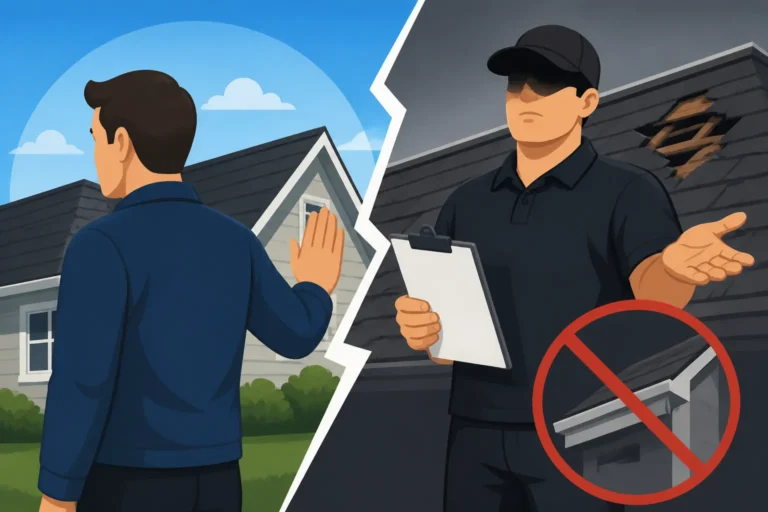
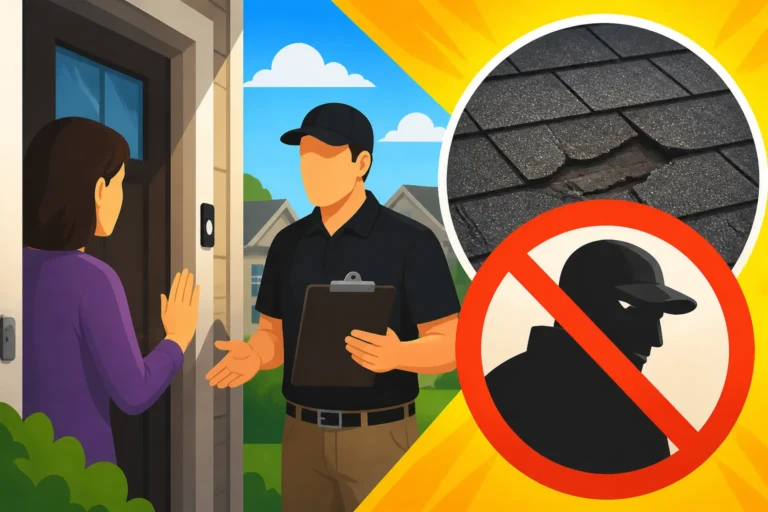
After a major storm, whether it's a hurricane sweeping through the Outer Banks or a hailstorm hitting the Piedmont Triad, North Carolina homeowners often become targets for "storm chasers." These are typically out-of-state contractors who arrive quickly, make big promises, and sometimes even push for immediate, aggressive repairs without proper assessment or local licensing. They often bombard neighborhoods with door-to-door sales tactics, sometimes pressuring homeowners into signing contracts on the spot. Their online reviews, if they have any, can be misleading, featuring quick five-star ratings from desperate homeowners or even entirely fabricated feedback. This makes it incredibly difficult to separate the wheat from the chaff, especially when you're dealing with the stress of a damaged home. It’s not uncommon to hear stories of homeowners in Raleigh or Charlotte who had their roofs "repaired" only to find new leaks months later, with the original contractor nowhere to be found. Understanding how to spot these issues is critical to avoiding a bad experience.
Sorting Through Fake vs. Genuine Reviews
In the digital age, a glowing five-star review isn't always what it seems, and a scathing one might not tell the whole story either. When you're looking for a roofer in North Carolina, you need to develop a keen eye for what makes a review trustworthy. Fake reviews often share common characteristics: they might be excessively short and generic ("Great job!"), use overly enthusiastic language that sounds unnatural, or be posted by accounts with very few other reviews or an unusual posting history. On the flip side, sometimes a series of identical positive reviews for different companies can indicate a review mill. Genuine reviews, even positive ones, usually contain specific details about the project, the crew, the timeline, and the communication process. They might mention specific team members or a particular challenge that was overcome. They also often include photos, which are a huge indicator of authenticity. Look for reviews that offer a balanced perspective, perhaps acknowledging minor hiccups but praising how the contractor handled them.
Where to Find Reliable Roofing Contractor Reviews in North Carolina
When you're embarking on a major home improvement project like a roof replacement, knowing where to begin your search for trustworthy contractors is half the battle. You can’t just type “roofers near me” into a search engine and blindly trust the top results. You need to cast a wide net across reputable platforms and tap into your local community for authentic insights.
Reputable Online Platforms and Databases
The internet is a powerful tool, but it requires careful navigation. Several platforms are excellent starting points for finding roofing contractor reviews in North Carolina, each with its own strengths.
-
Google Business Profile (formerly Google My Business): This is often the first place people look, and for good reason. When a roofing contractor has a well-maintained Google Business Profile, you’ll see their average star rating, read customer reviews, and often find photos of their work. Look for companies with a significant number of reviews (dozens, not just a handful) and a consistently high average. Pay close attention to how the business responds to both positive and negative feedback – a professional and empathetic response to a complaint speaks volumes about their customer service commitment. For instance, if you're in Asheville, you might look up local roofing companies and check their Google reviews for detailed accounts of projects like new asphalt roof installations or storm damage repairs.
-
Better Business Bureau (BBB): The BBB is a classic for a reason. Contractors can become accredited, and customers can file complaints that are mediated by the BBB. While a good rating here doesn't guarantee perfection, it indicates a company's commitment to resolving disputes and maintaining professional standards. Always check a contractor's BBB rating and see if there are any unresolved complaints. This is an excellent complement to other review sites because it offers a more formal dispute resolution process and can reveal systemic issues if they exist.
-
Yelp, Angi (formerly Angie's List), and HomeAdvisor: These platforms are popular for a reason, connecting homeowners with contractors. While useful, remember that some contractors might pay for leads or preferred placement, so always cross-reference. Read the detailed comments, not just the star ratings. Many homeowners use services like Modernize to get multiple competitive roofing quotes from pre-vetted contractors, which can save a lot of time and help you find pros who are already reputable and customer-focused. This approach helps filter out some of the initial noise you might find on broader review sites.
-
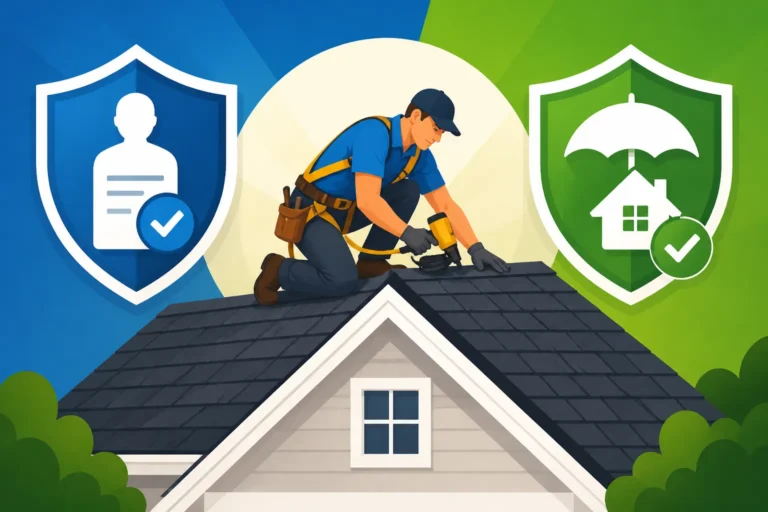
North Carolina Licensing Board: This isn't a review site, but it's perhaps the most critical database. In North Carolina, roofing contractors often need to be licensed, especially for larger projects. You can check with the North Carolina Licensing Board for General Contractors to verify a company's license status, ensuring they are legally qualified to perform work in the state. An active license is non-negotiable and provides a fundamental layer of trust that no online review can replace. Remember, a legitimate contractor will always be happy to provide their license number and proof of insurance, which is crucial for protecting yourself. You can verify if a contractor is licensed and insured.
Beyond the Internet: Personal Referrals and Local Networks
While online reviews are a valuable starting point, some of the most reliable insights come from people you know and trust, or from those who have direct, recent experience with local roofers.
-
Word-of-Mouth Recommendations: This is gold. Ask friends, family, neighbors, and coworkers who they've used for roofing services. A personal recommendation from someone whose judgment you trust often carries more weight than dozens of anonymous online reviews. If your neighbor down the street in Wilmington just had a new roof installed after a hurricane, their honest feedback about the contractor, the process, and the final result is invaluable. They can tell you about things like the crew's professionalism, how long the roof replacement takes, or whether there were any unexpected costs.
-
Community Forums and Social Media Groups: Local Facebook groups, Nextdoor, or community-specific forums can be great resources. Post a question asking for recommendations and be prepared for a flood of responses. You'll get both positive and negative feedback, and often, you can engage in follow-up questions directly with the reviewers. This offers a more interactive way to gather information than static review sites. Just be mindful that opinions can be strong, and not all advice may be universally applicable, so still cross-reference with formal checks.
-
Building Material Suppliers: Local lumber yards or roofing material distributors (like ABC Supply Co. Inc. or Beacon Building Products) often work with many local contractors. They might not give explicit recommendations, but they can sometimes offer insights into which contractors are consistently busy, pay their bills on time, and have a good reputation for professional practices in the industry.
What to Look For in a Trustworthy Roofing Review
Reading reviews isn't just about tallying stars. It's about deep diving into the content, looking for specifics that paint a realistic picture of what it's like to work with a particular company. A single five-star rating doesn't mean much, but a pattern of detailed, positive experiences from numerous customers certainly does.
Key Elements of a Helpful Review
A truly helpful review goes beyond a simple "they were good" or "I wouldn't recommend them." It provides context and specifics that help you understand the full customer experience.
- Detailed Project Information: Look for reviews that mention the specific type of work done (e.g., "full asphalt roof replacement on a 2,000 sq ft house," "repairing hail damage after the storm," or "installing new ventilation"). Reviews that state the type of shingles used, like GAF Timberline HDZ or Owens Corning Duration, show a level of detail that speaks to authenticity. This helps you gauge if the contractor has experience with your specific needs.
- Communication and Professionalism: How well did the contractor communicate throughout the process? Were questions answered promptly? Was the crew polite and respectful of the property? Reviews that highlight clear communication, regular updates, and courteous staff are strong indicators of a well-run operation. For example, a homeowner might praise a contractor for explaining the "How a Roof Replacement Works: The Full Process" clearly from start to finish.
- Timeliness and Efficiency: Did the project start and finish on schedule? Were there unexpected delays, and if so, how were they handled? While weather can always cause delays in North Carolina, a good contractor communicates these issues transparently. Reviews that mention the project being completed efficiently, or even ahead of schedule, are a big plus.
- Quality of Work and Cleanup: This is crucial for a roofing job. Did the roof look good? Were there any callbacks for leaks or issues post-installation? Was the job site clean and free of debris (nails, shingle scraps) after completion? Reviews often mention the thoroughness of cleanup, which is a sign of a meticulous and respectful crew.
- Problem Resolution: Even the best contractors can encounter unforeseen issues. What truly sets them apart is how they handle problems. Look for reviews where a customer had an issue, and the contractor promptly and effectively resolved it. This shows integrity and a commitment to customer satisfaction. A contractor who handles disputes gracefully is far more trustworthy than one with a perfect, unchallenged record.
Red Flags and Green Lights
When sifting through reviews, your job is to identify patterns and specific indicators that either raise concerns or inspire confidence. This often involves looking past the star rating and digging into the narrative.
| Indicator Type | Red Flags (Avoid) | Green Lights (Seek Out) |
|---|---|---|
| Review Content | – Generic/Short: "Good job." "Came on time." Lacks specifics, could be fake. – Too Many Identical Reviews: Copy-pasted phrases across different customers. – Aggressive Responses to Negative Reviews: Contractors who are overtly defensive or insult customers in their replies. – Grammar/Spelling Errors: Frequent, glaring errors in multiple reviews, especially if they appear to be from native English speakers (can indicate foreign review farms). – Unrealistic Promises: Reviews that sound too good to be true, promising things like "free roofs" or immediate, massive insurance payouts without verification. |
– Specific Details: Mentions types of shingles, specific crew members, dates, challenges, and solutions. – Photos/Videos: Evidence of work quality. – Balanced Feedback: Acknowledges minor issues but praises resolution. – Polite & Professional Responses: Contractor addresses concerns constructively and politely. – Consistent Themes: Multiple reviews mention the same positive aspects (e.g., great communication, efficient crew, excellent cleanup). |
| Reviewer Profile | – New Accounts/Few Reviews: A reviewer with only one review (for that contractor) or a history of only five-star reviews for unrelated businesses. – Suspicious Activity: A large number of reviews posted within a very short timeframe. – No Profile Photo/Real Name: Anonymous-sounding accounts without any personal identifiers. |
– Established Accounts: Reviewers with a history of diverse, credible reviews. – Local Reviewers: Reviews from people in your specific North Carolina city or region. – Real Names/Photos: Indicates genuine local homeowners. |
| Contractor Behavior | – No License/Insurance Info: Inability to easily find their North Carolina license number or proof of insurance. – High-Pressure Sales: Reviews mentioning aggressive sales tactics or pushiness to sign immediately. – Demands Full Upfront Payment: A huge red flag; legitimate contractors typically require a deposit, not full payment. – Many Unresolved Complaints: On BBB or state licensing boards. |
– Transparent Credentials: License and insurance easily verifiable. – Professional Consultations: Reviews praise thorough estimates and clear explanations. – Clear Payment Schedule: Deposit followed by payments tied to milestones. – Manufacturer Certifications: Mentions of being GAF Master Elite or Owens Corning Platinum Preferred contractors, which often come with enhanced warranties. |
How to Vet a North Carolina Roofer Using Reviews (and More)
Even with a pile of glowing reviews, your due diligence isn't over. Reviews are a powerful screening tool, but they're just one piece of a larger puzzle. To truly vet a roofer in North Carolina, you need to combine online insights with real-world verification and personal interaction.
Cross-Referencing Reviews with Other Due Diligence
Think of reviews as your starting point, not your finish line. Once you've identified a few promising contractors based on strong review patterns, it's time to dig deeper.
- Verify Licensing and Insurance: This is non-negotiable, especially in North Carolina where licensing requirements are specific. Every reputable roofing contractor in the state should be able to provide proof of their general contractor's license (if required for the project scope, which it often is) and comprehensive liability and worker's compensation insurance. Do not just take their word for it. Call the North Carolina Licensing Board for General Contractors to verify their license is active and in good standing. For insurance, ask the contractor's insurance provider to send the certificate directly to you. This protects you from potential liability if an accident occurs on your property. This step is critical, as it addresses "Licensed and Insured Roofers: Why It Matters" directly.
- Check Manufacturer Certifications: Many top roofing material manufacturers, like GAF, Owens Corning, and CertainTeed, offer specialized certifications to contractors who meet rigorous training and quality standards. These certifications often allow contractors to offer extended, non-prorated warranties on materials and workmanship. If a review praises a contractor for their excellent warranty, follow up by verifying their manufacturer certification. For example, a GAF Master Elite Contractor has undergone specific training and can offer superior warranties compared to a standard installer. This is a significant indicator of a commitment to quality.
- Visit Past Projects (If Possible): If a contractor has done work for a friend or neighbor, ask if you can go see the roof. Nothing beats seeing their craftsmanship firsthand. Even driving by a house where they've completed a job can give you a sense of their aesthetic quality and attention to detail.
- Search for Complaints Beyond Review Sites: While BBB is a good start, also check with the North Carolina Attorney General's office or other consumer protection agencies for any filed complaints that might not appear on standard review platforms. This helps you get a fuller picture of any potential issues.
Asking the Right Questions Based on Reviews
Now that you've got some background, use the insights gleaned from reviews to formulate targeted questions during your consultations. This shows you're a discerning homeowner and helps you gauge the contractor's honesty and transparency.
- Address Specific Concerns from Negative Reviews: If you saw a negative review mentioning poor communication or a slow response time, directly ask the contractor about their communication protocol. For example, "I read a review that mentioned communication challenges during a project. Can you walk me through your process for keeping clients updated and responding to questions?" Their answer will tell you a lot about their commitment to improvement.
- Inquire About Project Management: If positive reviews highlight efficient project completion, ask them to elaborate on their project management style. "Many of your reviews praise your efficiency. How do you ensure projects stay on schedule, especially with unexpected North Carolina weather?"
- Ask for Details on Warranties: If a review mentioned a great warranty, ask for the specifics. "One reviewer was really happy with your warranty. Can you explain the difference between the manufacturer's warranty and your workmanship warranty, and what exactly is covered?" Understanding these nuances is crucial, as roofing warranties can be complex.
- Probe into Cleanup Procedures: If reviews consistently praise their thorough cleanup, ask them about their standard practices. "Several clients mentioned how clean you leave the job site. Can you detail your cleanup process and how you ensure all debris, especially nails, is removed?" This ensures they're not just doing it for show but have a consistent protocol.
- How They Handle Unexpected Issues: Even the best-planned projects can have surprises. Ask them about their approach to unexpected issues like rotten decking found during tear-off. "What's your protocol if you discover unforeseen damage, like rotted decking, once the old roof is removed? How is that communicated and budgeted?" This directly relates to potential hidden costs in a roof replacement.
- Request Multiple Bids: Don't just settle for the first quote. Reach out to several reputable contractors, perhaps through a service like Modernize, to get at least three detailed estimates. This allows you to compare not only the price but also the scope of work, materials, and proposed timelines. A comprehensive quote should break down costs for materials, labor, permits, and disposal. Learning "How to Read and Compare Roofing Estimates" is a vital skill for this stage.
By combining thorough review analysis with robust real-world verification, you can significantly increase your chances of finding a trustworthy and skilled roofing contractor in North Carolina who will protect your home for years to come.
Disclaimer
Please note that the information provided in this guide is intended for general informational purposes only and does not constitute professional advice. Roofing regulations, costs, and contractor availability can vary significantly by location within North Carolina and may change over time. Always consult with licensed and insured roofing professionals for specific advice tailored to your property and circumstances. Verify all contractor credentials, including licenses and insurance, independently.