Roofing Payment: Milestones vs Lump Sum
The moment you realize your roof needs attention, whether it's a nagging leak or granules filling your gutters, your mind immediately jumps to a few big questions: "How much will this cost?" and "How exactly am I supposed to pay for it?" Navigating roofing payment options can feel like stepping into a confusing maze, especially when contractors present different terms. This guide is here to demystify the two most common payment structures—milestone payments versus a single lump sum—so you can make an informed decision and protect your investment in a new asphalt roof.
Understanding Roofing Payment Structures
When it comes to paying for a significant home improvement like a new roof, it's not always a one-size-fits-all scenario. Different contractors, project sizes, and even local regulations can influence how payments are structured. Understanding these fundamental approaches is crucial for setting clear expectations and ensuring a smooth process from start to finish.
The Lump Sum Approach
A lump sum payment means you pay the entire cost of the project in one go, usually either before work begins or immediately upon its completion. This might sound straightforward, but for a substantial project like an asphalt roof replacement, it's rarely the most homeowner-friendly option. While some smaller repairs might lend themselves to a single payment, committing to a full lump sum for a major replacement carries significant risks.
For instance, imagine you're getting a complete tear-off and installation of new architectural shingles on your home in Denver, Colorado. A contractor asking for the full amount upfront before any work has even started leaves you with very little leverage if issues arise, if the project stalls, or if the contractor suddenly becomes unresponsive. Your money is tied up, and the motivation to complete the job to your satisfaction might dwindle for a contractor who's already been paid in full. On the flip side, paying the entire amount only after the job is 100% complete and you've had a chance to inspect it thoroughly can be a good position for a homeowner, but it's less common for contractors to agree to this on large projects due to their own cash flow needs for materials and labor. It's truly a situation where the timing of that single payment is everything.
The Milestone Payment Approach
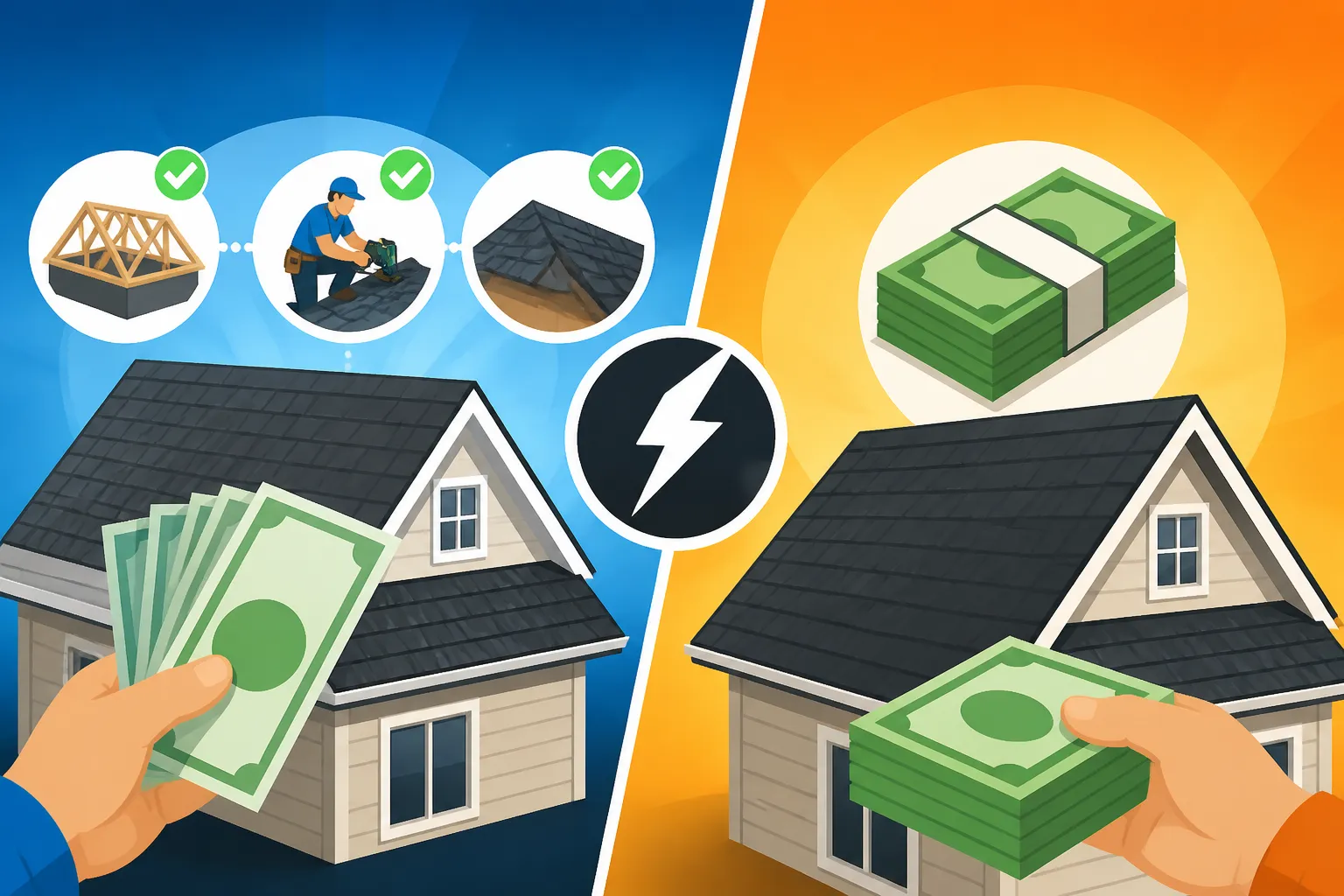
Milestone payments, on the other hand, break the total project cost into smaller, manageable installments that are paid out as specific, pre-defined stages of the work are completed. This structure creates a "pay-as-you-go" system, where payments are contingent upon tangible progress, giving you, the homeowner, far more control and financial protection. It’s a common and highly recommended approach for significant projects, like installing a new durable asphalt roof system.
For example, a roofing project might be divided into four milestones: a deposit to secure materials and schedule the job, a second payment when materials are delivered and the old roof is torn off, a third payment upon completion of the shingle installation, and a final payment after a thorough final inspection and cleanup. Each payment corresponds directly to verifiable work that has been performed, ensuring that the contractor is continuously motivated to move the project forward to receive their next payment. This method reduces your financial risk significantly, as you're never paying for work that hasn't been done yet. This is why many reputable contractors, often found through services like Modernize, will suggest this payment method for larger projects.
How Milestone Payments Protect Homeowners
One of the biggest anxieties homeowners face when embarking on a major home improvement project is the fear of being taken advantage of. You hear horror stories about contractors disappearing with deposits, doing shoddy work, or leaving jobs incomplete. Milestone payments are designed specifically to mitigate these risks, providing a layer of security that a single lump sum simply cannot.
Securing Your Investment Step-by-Step
With milestone payments, each installment you make is tied to a specific phase of the roofing project, which means you have a concrete reason to release funds. This isn't just about good faith; it's about verified progress. The initial payment, often a deposit, typically covers administrative costs, permits, and the ordering of materials, which helps the contractor get the ball rolling without having to front all the capital themselves. For example, when you're getting a new roof, that first payment might cover the costs for your GAF Timberline HDZ shingles and new underlayment, ensuring they arrive on site before work commences.
Before each subsequent payment is due, you or a trusted representative should inspect the completed milestone. If the second milestone is the tear-off of the old roof and inspection of the roof decking, you'd confirm that the old shingles are gone and the decking is sound before releasing that payment. This systematic approach ensures that you're paying for actual, completed work, not just promises. It gives you the power to pause payments if there's a disagreement about quality or completion, prompting the contractor to address the issues before they receive further funds. This structured approach helps prevent scenarios where a contractor might rush through a job or cut corners. A clear roofing contract, detailing these milestones, is absolutely essential.
Avoiding Common Pitfalls with Upfront Payments
The dangers of paying a large portion, or even the entire sum, upfront are real and unfortunately, all too common. One significant pitfall is the risk of encountering a "storm chaser" or an unscrupulous contractor who demands a hefty upfront payment and then either disappears, performs minimal work, or uses substandard materials. Without the leverage of outstanding payments, pursuing recourse can be a lengthy and frustrating legal battle. Understanding roofing contractor red flags to avoid is key here.
Another issue is cash flow. Reputable roofing companies need funds to purchase materials, pay their crew, and cover overhead. A fair deposit is normal, usually ranging from 10-30% of the total project cost. However, any request for 50% or more upfront, especially for a standard asphalt roof replacement, should raise a serious red flag. Milestone payments allow the contractor to cover their immediate costs without placing an undue financial burden or risk on the homeowner. It strikes a balance, ensuring the contractor has the necessary capital to proceed while keeping the homeowner's interests protected throughout the process. Services like Modernize can help connect you with vetted contractors who understand and respect these fair payment practices.
Crafting Your Roofing Payment Schedule
A well-defined payment schedule is the cornerstone of any successful roofing project. It ensures transparency, minimizes misunderstandings, and protects both you and your contractor. Don't be shy about discussing these details and getting everything in writing.
Typical Milestones in an Asphalt Roof Replacement
While every project is unique, a standard asphalt roof replacement typically follows a predictable sequence, making it easy to define payment milestones. Here's a common breakdown you might see in a payment schedule:
- Initial Deposit (10-30%): This is usually due upon signing the contract. It secures your spot on the contractor's schedule, covers preliminary administrative costs, and allows the contractor to order the necessary materials like Owens Corning Duration shingles, underlayment, and flashing. Think of it as the commitment fee that gets the ball rolling. It's reasonable for a contractor to need this to manage their cash flow, but be wary of excessively large deposits. This aligns with what you might read about roofing deposit: how much is normal.
- Material Delivery & Old Roof Tear-Off (25-40%): This payment is often due once all materials have been delivered to your property and the old roof has been completely torn off. This is a significant physical milestone. You can verify that the correct materials are on site and that the messy, labor-intensive part of removing the old roof is done. It also allows the contractor to check the roof decking and address any unforeseen issues, which might lead to additional, pre-approved costs. Understanding the cost of roof tear-off and disposal is helpful here.
- Shingle Installation Complete (25-40%): This installment is paid once the new asphalt shingles have been installed across the entire roof, along with all associated components like ridge caps, vents, and new flashing. This signifies the completion of the primary waterproofing layer of your home. At this point, your roof should look complete and functional from the exterior.
- Final Payment & Project Completion (10-20%): The remaining balance is paid after the entire project is completed, including cleanup, final inspections, and any last-minute adjustments. This is your chance to do a walk-around with the contractor, check for debris, confirm all aspects of the job were done to your satisfaction, and ensure any specific concerns from your initial agreement or the site visit are addressed. This phase should include a thorough inspection by you and the contractor to ensure quality workmanship.
Negotiating Your Payment Terms
Don't ever feel pressured to accept payment terms you're uncomfortable with. This is a significant investment in your home, and you have every right to negotiate. Start by obtaining multiple roofing estimates. This allows you to compare not just prices, but also the proposed payment schedules from different companies. For example, if one contractor asks for 50% upfront, and another, perhaps found through Modernize, proposes a reasonable 15% deposit with clear milestones, you instantly see the difference in their approach and confidence.
When discussing payment terms, ask direct questions:
- "What exactly triggers each payment milestone?"
- "What percentage is due at each stage?"
- "What happens if there's a delay or an issue discovered during a milestone?"
A reputable contractor will be transparent and willing to clearly outline their process. Look for contractors who are happy to put all agreed-upon terms, including the detailed payment schedule, into a comprehensive roofing contract. This contract should also specify the total asphalt roof replacement cost: complete breakdown, including materials, labor, and any potential contingencies. If a contractor seems evasive or insists on terms that make you uneasy, it's a significant red flag. You should always feel empowered to walk away if you're not comfortable with the proposed terms.
When a Lump Sum Might Make Sense (and When it Doesn't)
While milestone payments are generally the safer bet for larger projects, there are specific situations where a lump sum payment might be appropriate. However, these are typically exceptions to the rule, and they still come with caveats.
Small Repairs vs. Full Replacements
For very small, straightforward roofing repairs, a lump sum payment upon completion might be perfectly acceptable. For example, if you have a couple of missing shingles after a windstorm and the repair takes less than a day, paying the entire agreed-upon amount once the two or three shingles are replaced and the area is cleaned up makes sense. The risk is minimal, the scope of work is clear, and the job is quickly verifiable. This is a far cry from a full roof replacement which can take several days and involves multiple complex stages, as detailed in how a roof replacement works: the full process.
However, for anything more substantial—like repairing a leak that requires investigating the underlying decking, replacing a section of damaged fascia, or even replacing a significant portion of an asphalt roof—the complexity and potential for unforeseen issues increase, making milestone payments a wiser choice. A full asphalt roof replacement, given its scope, cost, and impact on your home's integrity, almost always warrants the structured protection of milestone payments.
Contractor Trust and Reputation
The level of trust you have in your roofing contractor plays a huge role in payment discussions. For instance, if you're working with a highly established local company that has been in business for decades, has a solid reputation, is fully licensed and insured, and has a track record of excellent customer reviews, you might feel more comfortable with slightly less stringent payment terms. They have a business to protect and are unlikely to jeopardize it over a single project. You'll want to ask questions to ask a roofing contractor before hiring to gauge their reliability.
However, even with the most reputable contractors, it's generally prudent to follow a milestone payment structure for larger projects. This isn't about distrust; it's about good business practice and safeguarding your investment. If a contractor insists on a full lump sum upfront, even with an excellent reputation, it's still a point of concern. They should understand and respect your need for financial protection. Ultimately, verifying a contractor's credentials and references, and ensuring they have all necessary licenses and insurance, is paramount regardless of the payment structure you choose. You can also explore options to how to get a lower roofing quote without compromising quality, which often involves understanding the detailed breakdown of labor and materials.
Here’s a quick comparison of the two payment methods:
| Feature | Milestone Payments | Lump Sum Payment |
|---|---|---|
| Payment Schedule | Paid in installments as work phases are completed. | Single payment, typically upfront or at completion. |
| Homeowner Protection | High. Payments tied to verifiable progress. | Low (if upfront). High (if after full completion). |
| Contractor Motivation | Continuous motivation to complete milestones. | May decrease after upfront payment. |
| Cash Flow (Contractor) | Steady cash flow as work progresses. | All at once (good) or delayed (potentially bad). |
| Risk of Scam/Fraud | Lower. Less money is out of pocket at any one time. | Higher, especially if paid largely upfront. |
| Project Type Suitability | Ideal for large projects (e.g., full roof replacement). | Best for very small, quick repairs. |
| Flexibility | More flexible for changes or unforeseen issues. | Less flexible once paid. |
| Leverage | Homeowner retains leverage throughout the project. | Homeowner has less leverage after initial payment. |
Ultimately, whether you're dealing with the average roof replacement cost this year or tackling a complex installation, an informed approach to payment is crucial. Utilizing platforms like Modernize to find reputable contractors who prioritize transparent, milestone-based payment schedules can significantly reduce stress and ensure a successful outcome for your asphalt roofing project.
Disclaimer
Please remember that this article provides general information and recommendations. Roofing regulations, contractor practices, and ideal payment structures can vary significantly by location and specific project details. Always consult with multiple qualified, local roofing professionals and review all contracts thoroughly before making any financial commitments.