Should Roofers Be on Angi or Thumbtack
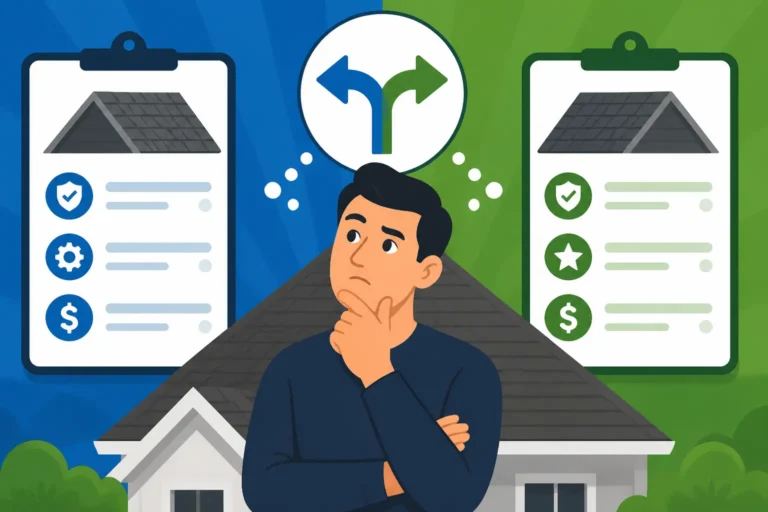
Finding a reliable roofer can feel like a daunting task, especially when your home’s biggest protector is on the line. Many of us turn to online platforms hoping for a quick and easy solution, only to wonder if the contractors listed there are truly the best fit. This guide will dive deep into whether popular platforms like Angi or Thumbtack are the right place to find your next asphalt roofing contractor, helping you navigate the digital landscape with confidence and clarity.
Navigating Online Platforms for Roofing Contractors
In today's digital age, it’s only natural to open an app or website when you need a service, whether it’s dinner delivered or a new roof installed. Platforms like Angi and Thumbtack have become incredibly popular because they promise to connect you with local professionals with minimal effort. But when it comes to something as critical as your roof, understanding how these platforms operate and what they offer (or don't offer) is crucial. It’s not just about getting names; it’s about getting the right names.
How Lead Generation Platforms Operate
Think of Angi (formerly Angie's List) and Thumbtack as digital matchmakers for home services. You, the homeowner, post a request for a roofing job – maybe you need a full replacement for your weathered asphalt shingles or just a tricky repair around a leaky chimney. The platform then takes your project details and, for a fee, sends that information out to contractors who have signed up to receive leads in your area.
For contractors, these platforms are a marketing tool. Instead of cold calling or relying solely on word-of-mouth, they pay to get directly in front of homeowners who explicitly need their services. This can be a huge benefit for smaller, reputable businesses looking to expand their reach, but it also attracts a wide range of contractors, from highly experienced crews to newer, less established ones. The model essentially monetizes the connection, giving contractors a chance to bid for your business. It's an efficient system in theory, but the quality of the connection often depends on how diligently both the platform and the homeowner vet the participants.
The Business Model Behind the Referrals
The core of these platforms' business models revolves around lead generation. Contractors pay for leads, often on a per-lead basis or through subscription packages. This means that a roofer is paying for your contact information, even if they don't ultimately get the job. This model can sometimes create an incentive for contractors to respond quickly and perhaps aggressively to secure the bid, given their upfront investment.
For you, the homeowner, it often feels free to submit a request. However, the cost is ultimately absorbed into the contractor's overhead, which can subtly influence pricing. More importantly, it's essential to recognize that these platforms are not typically endorsing or guaranteeing the quality of every single contractor they connect you with. While they often have review systems and sometimes even screening processes, these are designed to facilitate connections, not necessarily to perform the exhaustive vetting you should do yourself. Always remember that while a platform might suggest a few names, your due diligence remains paramount. For a deeper dive into vetting, consider checking out guides on how to Vet a Roofing Company.
Pros and Cons of Using Angi or Thumbtack
When you're facing a major home project like a roof replacement, convenience is a powerful draw. Online platforms promise to simplify the often-stressful process of finding a contractor. But like anything that sounds too good to be true, there are layers to consider. These platforms definitely offer some appealing benefits, but they also come with a unique set of challenges that can impact your roofing project.
The Apparent Benefits for Homeowners
One of the biggest upsides of platforms like Angi and Thumbtack is sheer accessibility. Instead of flipping through phone books (remember those?) or relying on limited neighborhood recommendations, you can instantly tap into a larger pool of potential contractors. You simply input your project details – say, you need someone to tackle a leaky flat asphalt roof or replace your entire roof after a hailstorm in Dallas – and within minutes, you might have several professionals reaching out. This can save a significant amount of time and legwork.
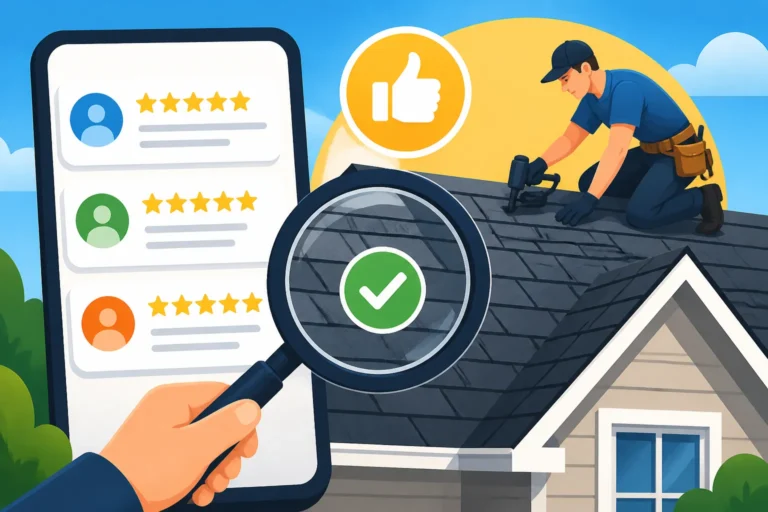
Another key benefit is the review system. Seeing past customer experiences, whether positive or negative, can offer an initial filter. You can read about how a particular contractor handles communication, project timelines, or unexpected issues. Some platforms also offer features like background checks or certifications, which provide a layer of reassurance. For example, if a roofer specializes in GAF shingles, their profile might highlight their GAF Master Elite status, giving you confidence in their manufacturer-backed expertise. The ability to quickly compare multiple bids and contractor profiles side-by-side without endless phone calls is a definite perk for busy homeowners. This quick comparison can be a great first step in learning how to Get Roofing Quotes and Compare Them.
Potential Drawbacks and Hidden Risks
While convenience is appealing, there are significant drawbacks and hidden risks to consider. The lead generation model, as we discussed, means contractors are paying to connect with you. This can sometimes lead to a "race to the bottom" mentality, where some contractors might offer unusually low bids to secure the job, potentially cutting corners on materials or labor. Be wary of a much lower bid than others, as this is a common roofing contractor red flag. You might also find yourself inundated with calls and messages from multiple contractors, which can quickly become overwhelming and frustrating if you're not prepared to manage a high volume of communication.
Another concern is the accuracy and authenticity of reviews. While most platforms try to police fake reviews, it's not a foolproof system. A contractor with many 5-star reviews might still be less experienced or reliable than a local contractor with fewer, but more detailed and verifiable, testimonials. Moreover, the focus on quick connections can sometimes deprioritize a thorough consultation. A good roofer will want to physically inspect your roof, ask detailed questions, and understand your specific needs, rather than just provide a generic estimate based on a few online parameters. The impersonal nature can mean you miss out on building rapport with a contractor who genuinely understands your home's unique challenges.
The User Experience: What to Expect
When you submit a project request on Angi or Thumbtack, expect a fairly rapid response, often within minutes or hours. You'll likely receive messages, emails, and phone calls from multiple contractors eager to bid on your project. This can feel efficient, but it also requires you to be organized and prepared to communicate with several different companies.
You'll be able to view contractor profiles, which typically include their business name, contact information, service area, photos of past work, and customer reviews. This is where you can start your initial vetting process. Pay close attention to not just the star ratings, but also the specific comments from homeowners. Do they mention professionalism, adherence to budget, cleanliness, or good communication? Or do they complain about delays, shoddy work, or unexpected charges?
It's important to use these platforms as a starting point, not the end-all-be-all. Think of them as a directory that also facilitates initial contact. Once you’ve got a few promising leads, you need to transition to your own independent research and verification. Don't let the ease of the platform replace your own critical evaluation.
What to Look for Beyond the Platform
While Angi and Thumbtack can be good starting points to gather a few names, relying solely on them would be a mistake. A successful roofing project, especially with asphalt roofing, demands a deeper level of investigation on your part. You need to become an expert at vetting, going beyond star ratings and quick online bios to truly assess a contractor's credibility and capability.
Due Diligence is the Golden Rule
Once you've received a few contacts from these platforms, your real work begins. Your goal is to narrow down the list to 2-3 truly reputable contractors who are worth inviting for an in-person consultation. Start by cross-referencing their business name with external sources. Check their website, look for their physical address (a P.O. Box only can be a major red flag), and search for them on Google Maps. How long have they been in business? Do they have a consistent online presence outside of the lead generation platform?
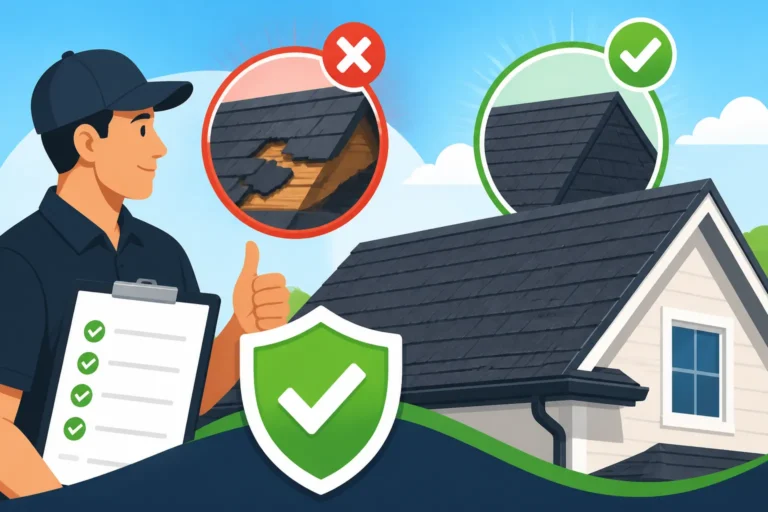
Verify their licensing and insurance. This isn't just a recommendation; it's a non-negotiable requirement. A contractor should be licensed in your state or locality (if required) and carry both general liability insurance and workers' compensation insurance. Don't just take their word for it; ask for current certificates of insurance directly from their insurance provider. This protects you from financial liability if there are accidents or damages during the project. Learn more about why Licensed and Insured Roofers: Why It Matters. Many homeowners also find it useful to verify their standing with the Better Business Bureau (BBB) and read reviews on independent sites that are less susceptible to manipulation.
Verifying Credentials and References
Beyond general licensing and insurance, look for specific credentials that indicate expertise in asphalt roofing. Many top roofing manufacturers like GAF, Owens Corning, and CertainTeed offer certification programs for contractors who meet stringent standards of quality and training. For instance, a GAF Master Elite Contractor has proven expertise in installing GAF roofing systems, which often comes with enhanced warranties. These certifications are a strong indicator of a contractor's commitment to quality and adherence to manufacturer specifications. You can often verify these certifications directly on the manufacturer's website.
Always ask for a list of recent references, specifically from homeowners who had similar asphalt roofing projects completed within the last year or two. Don't hesitate to call these references. Ask about their experience:
- Did the contractor communicate well?
- Were there unexpected delays or cost overruns?
- Was the work site kept clean and tidy?
- Would they hire the contractor again?
Try to drive by some of their completed projects, if possible, to visually inspect the quality of their work. Even from the ground, you can often spot signs of a quality installation, like straight shingle lines, properly installed flashing, and clean edges. This level of verification is crucial for peace of mind.
Assessing the Estimate and Contract
Once you've done your homework and invited a few contractors for consultations, pay meticulous attention to their estimates and the proposed contract. A good roofing estimate should be detailed, breaking down costs for materials (shingles, underlayment, flashing, vents, etc.), labor, tear-off and disposal fees, and any permits required. It should clearly specify the type of asphalt shingle being used (e.g., architectural shingles like Owens Corning Duration, or perhaps impact-resistant Class 4 shingles), the color, and the manufacturer. Beware of vague estimates that just give a lump sum, as these often hide potential hidden costs in a roof replacement.
The contract itself should be comprehensive. It needs to include a clear scope of work, project timeline, payment schedule (never pay 100% upfront), warranty information (both workmanship and manufacturer), and clauses for unforeseen issues. Make sure it explicitly states who is responsible for pulling permits and handling debris removal. A reputable contractor will use a formal, written contract that protects both parties. If a contractor pressures you to sign immediately or offers a deal that expires "today," consider that a significant red flag. Take your time to review the contract thoroughly, and don't be afraid to ask questions or seek clarification. Understanding your Roofing Contract: What to Look For is essential before you commit.
Here's a quick comparison of what you might expect from each platform:
| Feature/Aspect | Angi (formerly Angie's List) | Thumbtack |
|---|---|---|
| Business Model | Primarily subscription-based for pros, some lead fees. Homeowner submits project, pros bid/contact. | Primarily pay-per-lead for pros. Homeowner submits project, pros send quotes directly. |
| Vetting | Claims to perform background checks on pros; relies heavily on customer reviews. | Relies heavily on customer reviews and professional profiles. Less centralized vetting. |
| Lead Quality | Can be higher quality leads for pros due to more detailed homeowner requests. | Can result in more 'tire-kicker' leads for pros, but direct quotes can be fast. |
| User Experience | More curated contractor suggestions, often with detailed profiles. | Quick, multiple quotes from various pros, sometimes overwhelming. |
| Review System | Robust, long-standing review system. | Comprehensive review system, but sometimes newer/less established pros. |
| Cost Influence | Contractor's subscription fees may be factored into bids. | Per-lead fees for contractors can influence bid urgency/pricing. |
| Dispute Resolution | Offers some resolution support, but ultimate responsibility lies with homeowner. | Limited direct dispute resolution, relies on reviews and communication. |
Alternative Strategies for Finding a Reputable Roofer
While online platforms offer a certain level of convenience, they're far from the only, or even always the best, way to find a quality asphalt roofing contractor. Sometimes, going back to basics and leveraging your personal network, combined with thorough research, can yield much better results. Remember, your roof is a long-term investment, so a little extra effort now can save you a lot of headaches and money down the road.
Leveraging Local Networks and Word-of-Mouth
Before you even think about an online platform, tap into your existing network. Ask neighbors, friends, family members, and colleagues who they’ve used for roofing projects. Personal referrals are invaluable because they come from people you trust who have direct experience with a contractor. If your neighbor just had a beautiful new Owens Corning roof installed and raves about the crew’s professionalism and the quality of their work, that’s a gold-plated lead.
Beyond your immediate circle, consider other local professionals. Real estate agents, home inspectors, and even local hardware store owners often have extensive knowledge of reputable contractors in the area. They see the results of good (and bad) work all the time and are usually happy to share their recommendations. Local community groups on social media can also be surprisingly helpful for gathering recommendations and warnings about specific companies. Just be sure to cross-reference any advice you receive. This grassroots approach often leads to contractors who have built their business on a solid reputation, rather than just paid leads.
Direct Research and Manufacturer Certifications
Instead of waiting for contractors to find you, take a proactive approach. Start by searching for "roofing contractors near me" directly on Google. Pay attention to their websites, their longevity in the business, and any accreditations they showcase. Look for roofers who specialize in asphalt roofing and the specific types of shingles you’re interested in, whether it’s a standard 3-tab shingle or a high-end designer shingle.
As mentioned earlier, manufacturer certifications are a huge indicator of quality. Check the websites of major asphalt shingle manufacturers like GAF, Owens Corning, CertainTeed, IKO, or Malarkey. They often have "Find a Contractor" tools that list certified professionals in your area. For example, finding a CertainTeed SELECT ShingleMaster means you're connecting with a roofer who has met rigorous standards set by CertainTeed for quality installation and customer service. These certified contractors usually offer enhanced manufacturer warranties that you wouldn't get from a non-certified installer, adding an extra layer of protection for your investment. This is an excellent way to learn how to Verify Roofer Manufacturer Certification.
The Role of Local Roofing Companies
Don’t underestimate the value of established local roofing companies. These are the businesses that have been serving your community for years, often decades. They rely heavily on their local reputation, repeat business, and word-of-mouth referrals. They have a vested interest in providing excellent service because their livelihood depends on it.
Local companies are also more likely to be familiar with local building codes, weather patterns (especially important if you live in an area prone to hail or high winds), and even specific architectural styles in your neighborhood. They're also often more accessible for follow-up questions or warranty claims down the line. While a national chain might have a broader reach, a dedicated local roofer like Modernize, who is deeply embedded in the community, often provides a more personalized experience and a stronger commitment to customer satisfaction. When considering local companies, make sure to ask them how they approach projects and how they plan to protect your property during a roof installation.
Ultimately, whether you start your search on Angi or Thumbtack, or go directly to local referrals and manufacturer sites, the key is to be an informed and diligent homeowner. Your roof is too important to leave to chance. Take the time to ask the right questions, verify credentials, and compare options thoroughly to ensure you choose a roofer who will protect your home for years to come.
Disclaimer
Please remember that the information provided in this article is for general guidance and informational purposes only. It is not intended as professional advice. Always consult with a qualified and licensed roofing contractor for specific recommendations regarding your home's roofing needs. Local building codes, material availability, and labor costs can vary significantly, so personalized assessments are crucial.