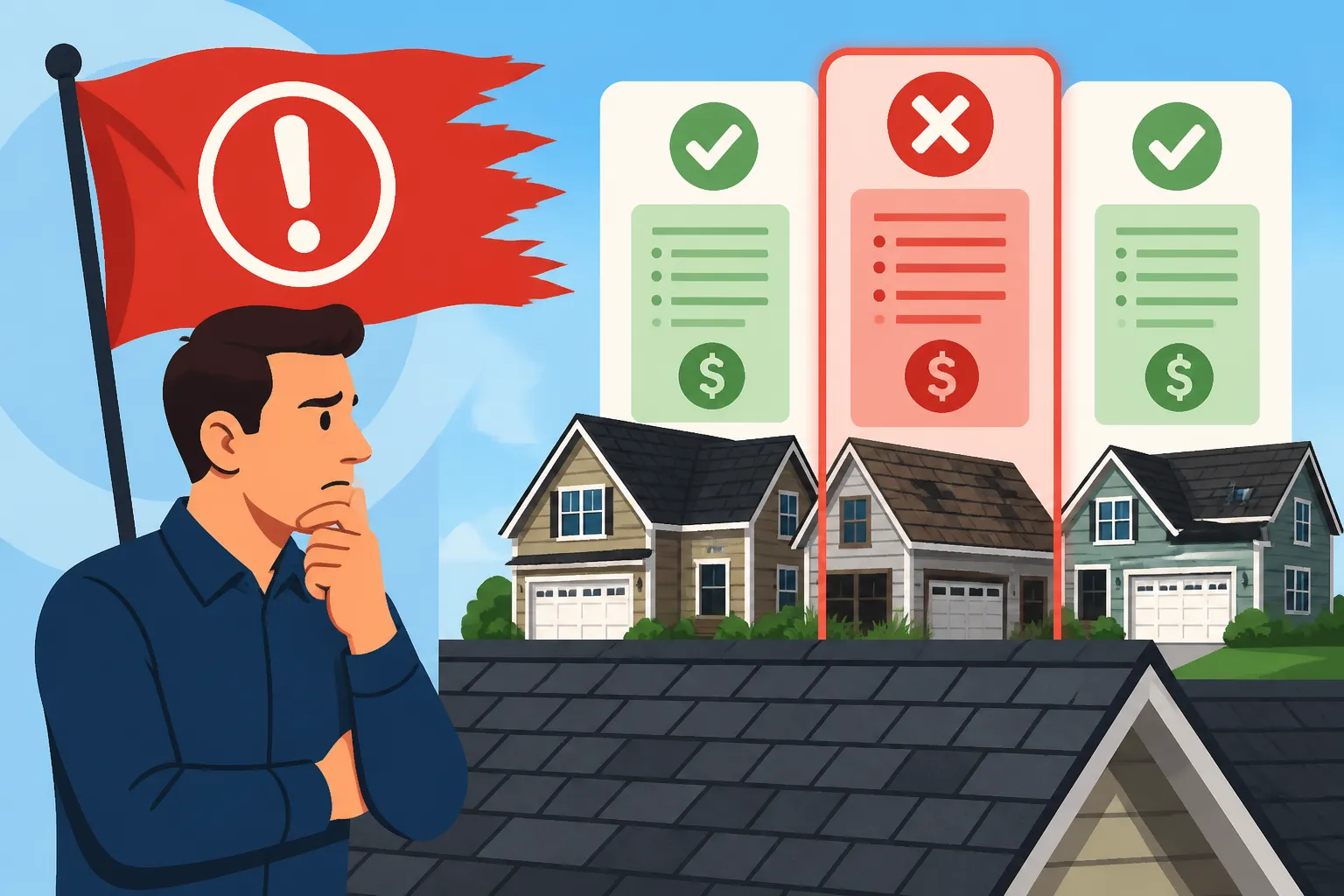
Roofing Red Flag: A Much Lower Bid Than Others
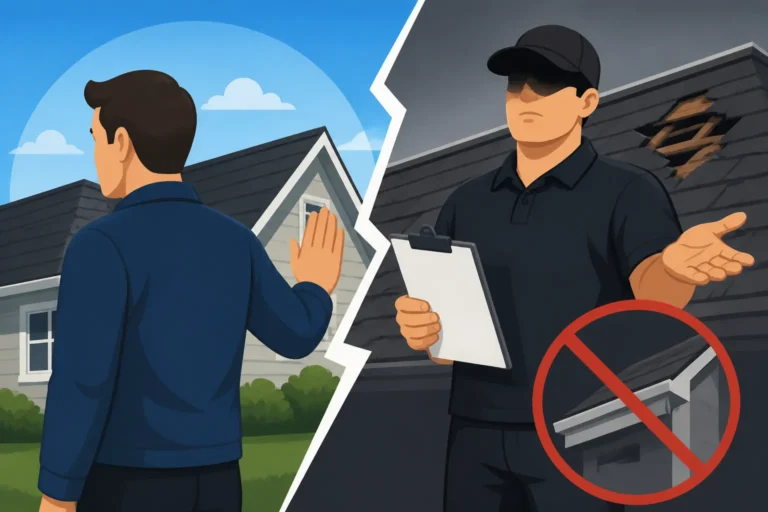
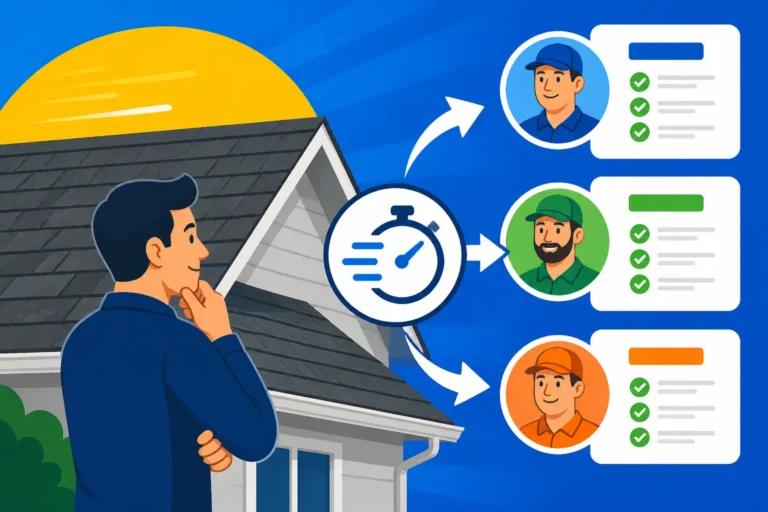
It’s a scenario many homeowners face: you're gathering bids for a major home improvement project like a new roof, and one quote comes in significantly lower than all the others. It feels like hitting the jackpot, right? That rush of excitement, thinking you've found an incredible deal and saved thousands. But often, what seems like a golden opportunity can quickly turn into a costly nightmare. This guide is here to help you understand why a bid that's "too good to be true" usually is, the serious risks involved, and how to protect yourself from making a decision you'll deeply regret.
The Allure and Illusion of a Low Bid
When you're staring down the Barrel of a significant expense like a full asphalt roof replacement, the natural inclination is to find ways to save money. A new roof isn't a frivolous purchase; it's a critical investment in your home's protection and value. So, when a contractor offers a bid that shaves a substantial percentage off the competition, it's incredibly tempting to jump on it.
The Immediate Appeal of Saving Money
Let's be honest, who doesn't love a good deal? Roofing can be expensive, with the average cost of an asphalt shingle roof replacement often ranging from $8,000 to $20,000 or more, depending on your home's size, pitch, and chosen materials. When you've received several quotes in that higher range, and then one lands in your inbox that's 20%, 30%, or even 40% less, it feels like a monumental victory. You might envision using those saved funds for other home projects, a much-needed vacation, or simply bolstering your savings. This immediate financial relief can easily overshadow any lurking doubts or suspicions about how such a significant discount is possible.
Homeowners, particularly those on a tight budget or recovering from unexpected storm damage, are especially vulnerable to this allure. They might feel pressured to accept the lowest bid out of necessity, convincing themselves that all roofers are essentially the same, so why pay more? This mindset, while understandable, can set the stage for major problems down the road. It's a common psychological trap: the promise of immediate savings can blind us to potential long-term expenses and headaches.
Misconceptions About Roofing Costs
Part of the problem stems from a lack of transparency and understanding around what exactly goes into the price of a new roof. Many homeowners don't fully grasp the breakdown of costs, assuming most of it is just for shingles. In reality, a comprehensive roofing estimate includes labor, materials, permits, disposal fees, underlayment, flashing, vents, and the contractor's overhead and profit. When a bid is drastically lower, it’s not usually because the contractor found a secret discount code for shingles. It's because they've likely made significant concessions in one or more of these crucial areas.
For example, homeowners might not know the difference between the various grades of asphalt shingles, from basic 3-tab to durable architectural shingles or even designer luxury options. They might not understand the importance of quality underlayment, proper ventilation, or robust flashing around chimneys and skylights. Without this knowledge, it’s easy to dismiss higher bids as "overpriced" and gravitate towards the one that seems more reasonable, even if that reasonableness comes at a steep hidden cost. Understanding the true scope of the project and what factors drive up or down the cost of an asphalt shingle roof is crucial for evaluating bids effectively.
Why Low Bids Are Often a Major Red Flag
A significantly lower bid isn't usually a sign that you've found an incredibly efficient, underpriced genius roofer. More often than not, it’s a symptom of shortcuts, inexperience, or even outright deception. Here's a closer look at the common reasons behind those suspiciously low prices.
Cutting Corners on Materials
One of the easiest ways for a contractor to offer a rock-bottom price is by skimping on material quality. Instead of using reputable brands like GAF, Owens Corning, or CertainTeed, they might opt for cheaper, lesser-known shingles that won't hold up as well against weather and time. This isn't just about the visible shingles, either. They might use a thinner, less durable underlayment, cheap generic flashing materials, or inferior nails that won't provide adequate wind resistance.
Imagine a scenario: your neighbor just got a new roof and paid $18,000 for high-quality architectural shingles, new synthetic underlayment, and all the bells and whistles. You get a bid for $12,000 from a different crew, using what they claim are "comparable" shingles. What they don't tell you is that they're using basic felt paper for underlayment instead of synthetic, re-using old flashing, and buying off-brand shingles with a significantly shorter lifespan and weaker warranty. On the surface, both roofs look new for a few months, but yours will start showing wear, granule loss, or even leaks much sooner. These hidden material compromises directly impact how long an asphalt roof lasts and its ability to protect your home.
Unlicensed or Uninsured Work
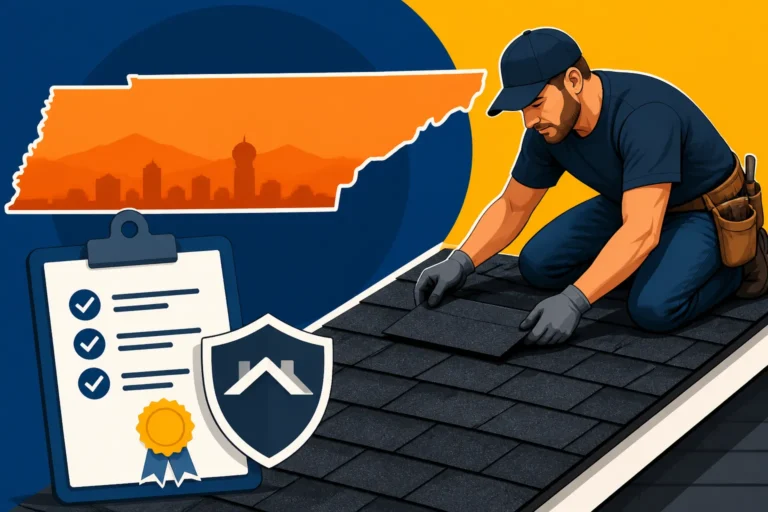
This is arguably one of the most dangerous red flags. Reputable roofing contractors carry proper licensing and robust insurance – specifically general liability insurance and workers' compensation. These aren't optional; they protect you as the homeowner. General liability covers any damage to your property during the project, while workers' compensation ensures that if a crew member is injured on your roof, their medical bills and lost wages are covered without you being held responsible.
A contractor offering a suspiciously low bid might be able to do so because they are operating without a license or, more commonly, without adequate insurance. If a roofer falls and gets seriously hurt on your property, and they don't have workers' comp, guess who might be on the hook for their medical expenses and lost wages? You are. Your homeowner's insurance could be forced to cover it, leading to higher premiums or even policy cancellation. Similarly, if they accidentally drop a bundle of shingles through your skylight or drive a nail through a water pipe, uninsured contractors leave you holding the bag for repairs. Always insist on seeing current proof of licensure and insurance, and verify it independently. Don't just take their word for it. Knowing if your roofer is licensed and insured is non-negotiable.
Hidden Costs and Scope Creep
Another classic tactic of a low-bidding contractor is to present a bare-bones estimate that intentionally omits crucial elements. They get their foot in the door with that attractive low price, only to hit you with a barrage of "unexpected" charges once the project is underway. This is known as scope creep. Common omitted items include:
- Permit fees: Many localities require a roofing permit, but some contractors will "forget" to include it or even try to skip it entirely.
- Old roof tear-off and disposal: A proper roof replacement almost always involves tearing off the old layers. If the bid doesn't explicitly mention the cost of roof tear-off and disposal, it’s a huge red flag. They might plan to roof over existing shingles, which often voids warranties and is illegal in many areas if there are already two layers.
- Underlayment, flashing, and ventilation: These are essential components of a healthy roof system but are sometimes left out of a cheap bid or specified with the lowest possible quality materials.
- Rotten decking replacement: While a full inspection might not reveal all rotted decking beforehand, a responsible contractor will include a line item in their contract for potential decking replacement, usually priced per sheet, rather than springing it on you as a surprise.
- Dumpster rental and site cleanup: A professional job includes debris removal and a thorough cleanup. A cheap bid might leave you with a yard full of nails and old shingles.
You sign for the low price, and then suddenly, "Oh, we found some rotten wood," or "The city requires a permit, that's an extra $500," or "We need a dumpster, that'll be another $700." By then, you're committed, your old roof is half-torn off, and you have little recourse but to pay the escalating costs. This is why it’s critical to scrutinize every line item in a roofing contract and ensure it’s comprehensive.
Substandard Workmanship and Warranty Issues
A low bid often means the contractor is paying their crew below market rates, or they are using inexperienced labor. This directly translates to poor workmanship. Imagine improperly nailed shingles that blow off in the first strong wind, flashing that isn't sealed correctly leading to leaks, or crucial ventilation components that are installed incorrectly, trapping heat and moisture in your attic. These aren't minor issues; they compromise the entire integrity of your roof system.
Even if the materials seem decent, a shoddy installation can void both the manufacturer's warranty on the shingles and any workmanship warranty the contractor might offer. Most shingle manufacturers like GAF or Owens Corning have strict installation guidelines. If these aren't followed (e.g., incorrect nailing patterns, wrong starter shingles), the manufacturer can deny a claim if your roof fails prematurely. A contractor offering a low bid might also be less likely to honor their own workmanship warranty, or they might simply go out of business, leaving you with no one to turn to when problems arise. This is why understanding roofing warranty coverage is so vital. When you're using platforms like Modernize to find contractors, always check if they are manufacturer-certified, as this often indicates higher installation standards and better warranty options.
The Long-Term Consequences of Choosing a Cheap Roofer
The initial "savings" from a low bid can quickly be dwarfed by the expenses and headaches that arise later. Thinking long-term is essential when it comes to something as critical as your roof.
Premature Roof Failure and Costly Repairs
The most immediate and frustrating consequence of a cheap, shoddy roof job is premature failure. Instead of lasting 20-30 years, your new roof might start exhibiting serious issues within 5-10 years, or even sooner. Common problems include:
- Leaking: Improperly installed flashing, inadequate underlayment, or poorly sealed shingles can lead to leaks, causing damage to your attic, ceilings, insulation, and even structural components. Repairing a roof leak can be expensive, especially if it leads to widespread water damage.
- Missing or curling shingles: If shingles aren't nailed correctly or are of poor quality, they can easily blow off in high winds or begin to curl and crack, leaving your roof exposed.
- Granule loss: Cheap shingles or improper installation can accelerate granule loss, reducing the shingles' ability to protect against UV rays and leading to rapid deterioration.
When these issues arise, you're back to square one, but worse. You'll likely need to pay another contractor to fix the mistakes of the first, or even completely replace the "new" roof much earlier than expected. That initial savings will vanish, replaced by double the expense and a profound sense of regret. It's often far more cost-effective in the long run to invest in a quality installation from the start.
Voided Warranties and Insurance Headaches
As mentioned, poor installation can void your manufacturer's warranty, leaving you with no recourse if the materials themselves fail. If the contractor you hired disappears or refuses to honor their workmanship warranty, you're completely unprotected. Trying to get insurance to cover damage from a poorly installed roof can also be an uphill battle. Insurers typically cover damage from sudden, accidental events like storms, not from faulty installation. If their adjusters determine the damage was due to substandard work, your claim could be denied.
Imagine a homeowner in Florida who chose a low-bid contractor after a hurricane. A year later, a minor storm rolls through, and shingles start flying off. They file a claim, but the insurance adjuster finds that the original contractor used too few nails per shingle, violating local building codes and manufacturer specifications. The claim is denied, leaving the homeowner to pay for a second roof replacement out of pocket, all because of an initial "bargain." This is a stark reminder of why it's crucial to confirm that your contractor understands and adheres to high-wind nailing requirements and other local codes.
Potential Legal and Safety Risks
Beyond the financial repercussions, choosing an unlicensed or uninsured contractor can expose you to significant legal and safety risks. If a worker gets injured on your property, and they're not covered by workers' compensation, you could face lawsuits. If the contractor fails to pull the necessary permits, you could be fined by the city or county. Selling your home later could also become complicated, as buyers might discover the unpermitted work during their inspection, requiring you to get it permitted retroactively or even re-do the roof, often at a higher cost.
Furthermore, substandard work can create safety hazards. A poorly installed roof might have compromised structural integrity, or inadequate ventilation could lead to mold growth in the attic, impacting indoor air quality. These are not just financial burdens; they impact your family's safety and well-being. A small investment in finding a reputable contractor through services like Modernize, who pre-screens professionals, can prevent these significant long-term issues.
How to Evaluate Roofing Bids Responsibly
Navigating roofing bids can feel like a minefield, but with a strategic approach, you can avoid the pitfalls of a suspiciously low offer and secure a quality roof installation.
Comparing Apples to Apples
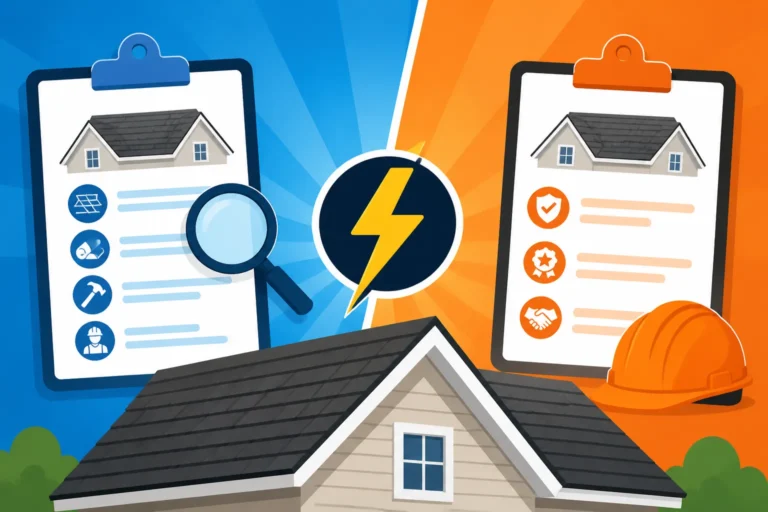
When you receive multiple bids, it’s not enough to just look at the bottom line. You need to meticulously compare what each contractor is offering. This means scrutinizing every line item. Do all the bids specify the same type and brand of shingles (e.g., GAF Timberline HDZ versus a generic 3-tab)? Do they all include the same quality of underlayment, or are some proposing synthetic while others are using felt? Is proper ventilation explicitly included, or are they planning to reuse old vents?
| Feature | Reputable Contractor Bid | Too-Low Bid |
|---|---|---|
| Shingle Type/Brand | Specific brand (e.g., Owens Corning Duration), architectural/dimensional shingles, color specified. | Vague: "Asphalt shingles," "standard shingles," no brand. |
| Underlayment | Synthetic underlayment, ice & water shield in critical areas, specified weight/type. | "Felt paper," "standard underlayment," or not specified. |
| Flashing | New flashing for all penetrations (chimney, vents, valleys), specific material (e.g., galvanized steel). | "Re-use existing flashing" or not mentioned. |
| Ventilation | New ridge vent, soffit vents, or other specific ventilation system. | "Check existing vents," "minimal ventilation," or not mentioned. |
| Decking Replacement | Line item for potential rotten wood replacement (per sheet cost). | No mention of decking, potential for hidden "surprises." |
| Permits | Explicitly includes permit fees and states they will pull the permit. | No mention of permits, implies homeowner responsibility, or plans to skip. |
| Debris Removal | Includes dumpster rental and comprehensive site cleanup. | "Homeowner responsible for cleanup" or vague. |
| Warranty | Detailed breakdown of manufacturer and workmanship warranties, duration, transferability. | Vague "standard warranty" or no details provided. |
| Insurance/License | Proof readily provided, verified. | Reluctant to provide, or cannot be verified. |
Always ask questions when you see discrepancies. Don't assume a lower price includes the same scope of work or quality of materials. A truly comprehensive bid will break down every single component, allowing you to see exactly what you're paying for. This detailed approach is how to read and compare roofing estimates effectively.
Due Diligence and Vet Your Contractor
Before signing any contract, perform thorough due diligence on every prospective contractor, especially the one with the unusually low bid.
- Check Licenses and Insurance: This is non-negotiable. Verify their license with your state or local licensing board and call their insurance providers to confirm active general liability and workers' compensation policies.
- Reviews and References: Look at online reviews on platforms like Google, Yelp, and the Better Business Bureau. Be wary of companies with very few reviews, or a sudden influx of overly positive (or negative) reviews. Ask for local references and call them to inquire about their experience. Did the contractor complete the job on time and on budget? Were there any issues, and how were they resolved?
- Manufacturer Certifications: Many reputable manufacturers offer certification programs (e.g., GAF Master Elite, Owens Corning Platinum Preferred). These certifications indicate that the contractor has met stringent standards for quality, training, and customer service, and often allows them to offer enhanced warranties.
- Physical Address and Longevity: A legitimate company will have a physical business address, not just a P.O. box. Be cautious of "storm chasers" who appear after major weather events, offer quick, cheap fixes, and then disappear. Look for contractors who have been established in your community for several years.
- Get a Detailed Contract: Insist on a written contract that outlines every detail: project scope, materials to be used (brands, colors, types), payment schedule, warranty information, cleanup procedures, and a clear timeline. The contract should also clearly state who is responsible for pulling permits. What to include in a roofing contract is crucial.
- Ask Plenty of Questions: Don't be shy. A good contractor will be happy to answer all your questions thoroughly. Ask about their process for dealing with unforeseen issues, how they protect your landscaping, and what their communication plan is during the project. You can find excellent advice on questions to ask a roofing contractor before hiring to help guide you.
Trusting Your Gut and Seeking Second Opinions
Finally, trust your instincts. If a bid feels too good to be true, it probably is. If a contractor is pressuring you to sign a contract on the spot, demanding a large upfront payment in cash, or refusing to provide detailed information, these are major roofing contractor red flags to avoid.
If you have a dramatically low bid among several reasonable ones, consider getting an extra quote. Sometimes, getting an additional bid from a well-vetted, reputable local company can help validate whether the lower price is an outlier or if there's genuinely a wider price range in your area for similar work. Don't be afraid to politely tell the low-bid contractor that their price is significantly different from others and ask them to explain exactly why. A transparent, honest contractor will be able to justify their pricing, even if it's higher. For an overall sense of what's reasonable, research the average roof replacement cost in your area.
Remember, your roof is your home’s primary defense against the elements. It’s not an area where you want to take unnecessary risks to save a few dollars upfront. Investing in a quality roof installation from a trustworthy, reputable contractor will give you peace of mind and protect your home for decades to come.
Disclaimer
Please note that this article is intended for informational purposes only and does not constitute professional advice. Roofing costs and regulations can vary significantly by location and specific circumstances. Always consult with licensed and insured roofing professionals for accurate estimates and guidance tailored to your specific needs.