How to Check Roofer Reviews and References
It's incredibly frustrating when you're facing a major home project like a roof replacement, and you have no idea who to trust with such a significant investment. The last thing any homeowner wants is to pick the wrong contractor, end up with shoddy workmanship, or worse, get caught in a nightmare scenario with an unlicensed, uninsured crew. This comprehensive guide is here to empower you with the knowledge and practical steps to thoroughly check roofer reviews and references, ensuring you make a confident, informed decision for your home.
Why Vetting Reviews and References Is Your Ultimate Shield
Thinking about a new roof can be overwhelming. There are so many options, so many companies, and everyone seems to have a different opinion. But here's the truth: the quality of your roof hinges almost entirely on the quality of the contractor you choose. You wouldn't hire a babysitter without checking references, right? Your roof protects your entire home and family, so why would you skip due diligence there?
Avoiding the "Roofing Horror Story"
We’ve all heard them, or perhaps even experienced them: the contractor who disappears halfway through the job, the shoddy work that leads to leaks just months later, the hidden fees that suddenly appear on the final bill. These aren't just minor inconveniences; they can turn into massive financial and emotional drains. Imagine getting a brand new roof only to discover during the first heavy rain that water is pouring into your attic because the flashing wasn't installed correctly around your chimney. It’s a complete nightmare. Checking reviews and references is your proactive defense mechanism against these potential disasters. It’s about leveraging the experiences of others—both good and bad—to predict your own outcome. It helps you steer clear of the red flags that could indicate a less-than-reputable company and gravitate towards those with a proven track record of integrity and quality. This isn't just about finding the cheapest bid; it’s about finding a contractor who will deliver the quality and peace of mind you deserve.
Understanding the Contractor Landscape
The roofing industry, like many trades, has a wide spectrum of professionals. On one end, you have highly reputable, established companies with decades of experience, proper licensing, comprehensive insurance, and a team of skilled, certified installers. On the other, you have fly-by-night operations, often "storm chasers" who appear after a major weather event, offering suspiciously low bids but disappearing just as quickly, leaving a trail of incomplete or shoddy work. And then there’s everyone in between. Knowing how to choose a roofing contractor involves understanding these distinctions. Reviews and references act as a filter, helping you distinguish between a true professional and someone who might cut corners or lack the necessary expertise. They give you a peek behind the curtain, offering insights into a company's reliability, communication, workmanship, and commitment to customer satisfaction. Without this crucial step, you're essentially gambling with one of your home's most vital components. You might think you're getting a great deal, only to find yourself dealing with extensive repairs and further costs down the line because of a poorly installed roof.
Navigating the Digital Wild West: Online Reviews
In today's digital age, the first place most people look for information is online, and roofing contractors are no exception. Online reviews can be an incredibly powerful tool, offering a snapshot of a company's reputation from the perspective of their past clients. However, it's a "wild west" out there, and you need to know how to navigate it smartly to separate genuine feedback from potential noise.
Top Platforms to Explore
When you start your online research, don't just stop at the first few results. A comprehensive search means checking multiple platforms. Each platform tends to attract a slightly different user base and offers unique insights.
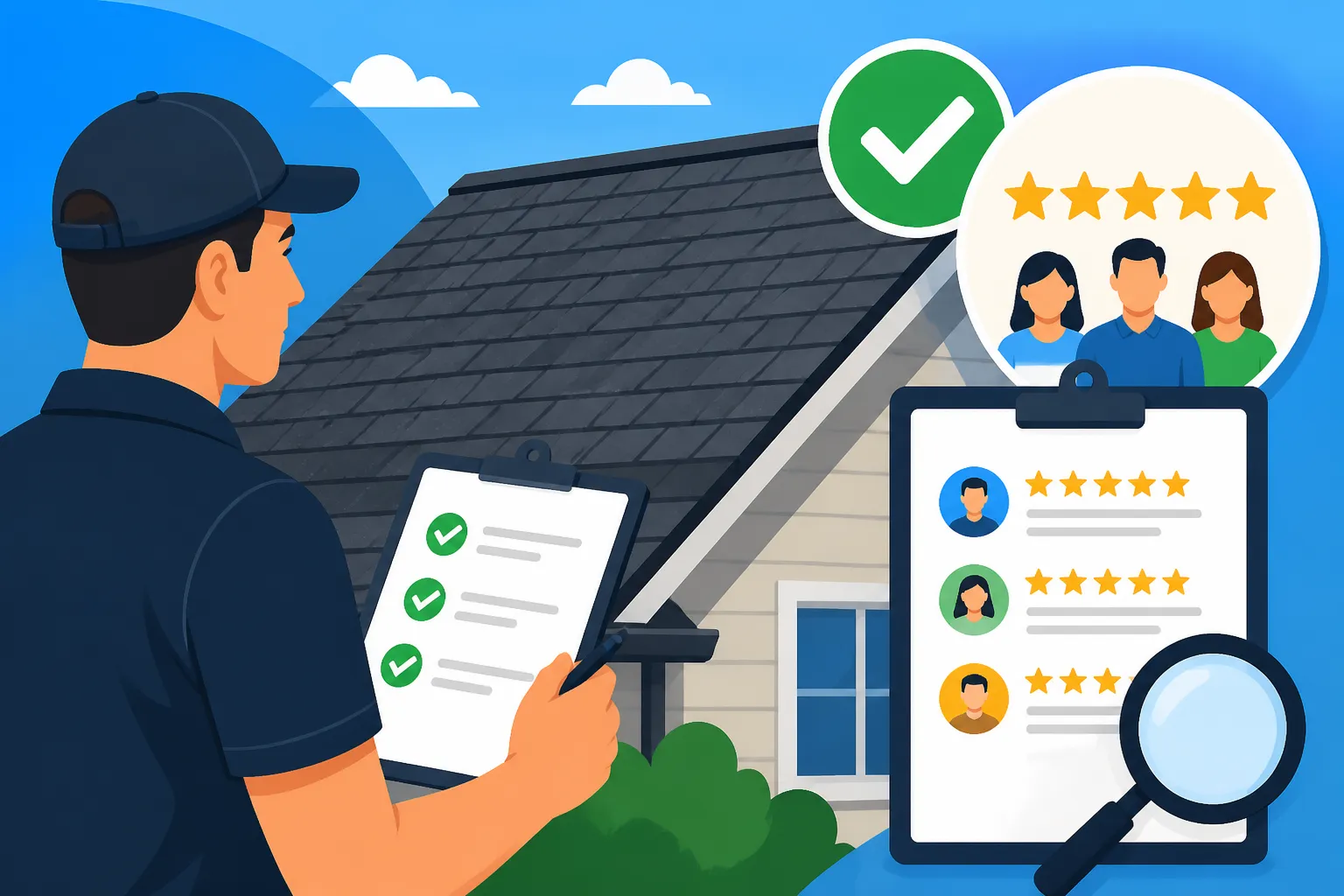
- Google Reviews: Often the first place people look, Google Reviews are tied directly to a business's Google My Business profile. They are prominent in local search results and usually provide a good volume of reviews. Look for consistency in ratings and common themes in the feedback.
- Better Business Bureau (BBB): The BBB is a non-profit organization focused on advancing marketplace trust. While not purely a review site, it provides business ratings (A+ to F), customer reviews, and details on complaints filed against a company and how they were resolved. A high BBB rating and a history of resolving complaints positively are strong indicators of a reputable business. You can learn more about how to find a reputable roofer by consulting sources like the BBB.
- Yelp: Yelp is a popular platform known for its detailed reviews, often with photos. It's user-driven and can give you a feel for customer service and overall satisfaction. Be aware that Yelp has algorithms that filter reviews, so sometimes not all reviews are immediately visible.
- Angi (formerly Angie's List): Angi is specifically geared towards home services. It often provides more detailed project information and reviews from homeowners who have paid for specific services. Many homeowners trust Angi for its focus on qualified contractors.
- HomeAdvisor/Modernize: Platforms like HomeAdvisor and Modernize act as matching services, connecting homeowners with local contractors. They also often feature reviews from customers who found their contractors through the platform. Modernize, for instance, aims to streamline the process of getting roofing quotes and connecting with vetted professionals, and their integrated review system can be a valuable data point.
- Social Media (Facebook, Nextdoor): Don't underestimate social media. Local community groups on Facebook or platforms like Nextdoor can be goldmines for honest, unfiltered local recommendations and warnings. People are often very vocal about their experiences with local businesses in these spaces.
When you're sifting through these platforms, remember that not all reviews are created equal. It's not just about the star rating; it's about the depth and consistency of the feedback.
Decoding Review Scores and Patterns
A high star rating is great, but it's only part of the story. You need to dig deeper to truly understand what the reviews are telling you.
First, consider the volume of reviews. A company with 100 reviews averaging 4.8 stars is generally more reliable than a company with 5 reviews averaging 5 stars. More reviews mean more data points and a more representative sample of their work.
Next, look at the recency. Are the reviews from last week or five years ago? A contractor's quality can change over time due to staff turnover or management shifts. Recent positive reviews are a stronger indicator of current performance.
Then, pay close attention to the themes that emerge. Do multiple reviews mention excellent communication, punctual crews, and clean worksites? Or do many complain about unexpected costs, delays, or difficulty getting a hold of the project manager? Consistent themes, whether positive or negative, usually highlight a company's strengths or weaknesses. For example, if many reviews mention "professional, licensed and insured roofers," that's a great sign. If you see recurring complaints about roofing contractor red flags to avoid, like contractors asking for full payment upfront or lacking a physical address, that should raise a serious alarm.
Also, examine the responses from the contractor. A company that actively responds to both positive and negative feedback demonstrates engagement and a commitment to customer service. How they handle criticism is particularly telling. Do they dismiss it, get defensive, or do they offer a sincere apology and a path to resolution? A professional response to a negative review can sometimes be more reassuring than a string of perfect five-star ratings. It shows they are accountable and willing to address issues, which is crucial if something goes wrong with your own project.
Recognizing Red Flags and Green Lights in Online Feedback
As you delve into the reviews, train your eye to spot certain indicators that can guide your decision-making.
Red Flags:
- Vague or Generic Reviews: Be wary of reviews that sound too perfect or too similar, especially if they lack specific details about the project or the interaction. These can sometimes be fake or incentivized.
- Excessive Use of Capital Letters or Exclamation Points: While some customers are genuinely enthusiastic, an abundance of over-the-top, non-specific praise can be a sign of a fabricated review.
- Sudden Influx of 5-Star Reviews: If a company suddenly gets dozens of glowing reviews in a very short period after a long dry spell, it could be a sign of review manipulation.
- Consistent Complaints About Communication, Delays, or Hidden Costs: These are critical operational issues that can make a project extremely stressful and expensive. Read up on hidden costs in a roof replacement to understand what to watch out for.
- Aggressive or Defensive Responses to Negative Feedback: A contractor who blames the customer or dismisses legitimate concerns in their responses reveals a problematic attitude.
- Lack of Specificity on Work Quality: If reviews focus solely on how "nice" the crew was but say nothing about the durability or quality of the installation, that's a soft red flag.
- No Online Presence or Very Few Reviews: While a newer company might have fewer reviews, an established company with almost no online footprint is unusual and might suggest they've avoided online feedback for a reason.
Green Lights:
- Detailed, Specific Reviews: Look for reviews that mention project specifics (e.g., "they replaced our GAF Timberline HDZ roof," "fixed a tricky leak around our chimney," "handled the storm damage claim smoothly"). This indicates genuine customer experiences.
- Before-and-After Photos: Some platforms allow reviewers to post photos, which can be incredibly helpful in seeing the quality of work firsthand.
- Mentions of Professionalism, Punctuality, and Cleanliness: These practical aspects of a roofing job are crucial for a smooth experience. A clean worksite and respectful crew are signs of a well-run operation.
- Positive Feedback on Problem Resolution: If a review mentions that an issue arose but the contractor handled it promptly and fairly, that's a huge green light. It shows their commitment to standing by their work.
- Manufacturer Certifications: Reviews that mention a contractor is certified by major manufacturers like GAF, Owens Corning, or CertainTeed are a strong positive. Manufacturer-certified roofers explained is a topic worth exploring further, as these certifications often mean higher standards and better warranty coverage.
- Consistent Positive Themes: As mentioned before, if multiple people rave about the same positive aspects, it’s likely true.
- Professional, Measured Responses to All Reviews: A contractor who takes time to thank customers for positive feedback and offers constructive solutions to negative ones shows they truly value their reputation and clients.
By systematically evaluating online reviews with these points in mind, you can gain a much clearer picture of a roofing contractor's reliability and quality before even picking up the phone.
The Personal Touch: Requesting and Contacting References
While online reviews are a great starting point, they are inherently passive. Anyone can post an opinion, and you can't ask follow-up questions. That's why actively requesting and contacting references directly from the contractor is an absolutely critical step that provides a deeper, more verifiable layer of insight.
Why Online Reviews Aren't Enough
Online reviews, for all their utility, have limitations. They can be anonymous, edited, or even fabricated. A disgruntled former employee might leave a scathing review, or a competitor could try to smear a reputable business. Conversely, a company might pay for positive reviews or encourage only their happiest customers to leave feedback. You also can't verify the specifics of the project or the context of the review. For instance, a review might complain about a long project timeline, but you wouldn't know if that was due to unforeseen weather delays or legitimate contractor inefficiency.
Furthermore, online reviews are often short and lack the granular detail you need to truly assess a contractor for your specific project. You won't know if they've worked on a roof similar to yours (e.g., a steep roof, a complex design with multiple valleys, or one requiring specific types of shingles like Class 4 shingles). This is where personal references shine. They offer a direct line to someone who has already gone through the process with the very contractor you're considering, allowing you to ask targeted questions about their experience.
How to Politely Ask for References and What to Expect
When you've narrowed down your choices to a few promising contractors, it's time to ask for references. This is a standard and expected part of the vetting process, so don't feel shy.
How to Ask:
Simply state, "Could you please provide a list of three to five recent references for projects similar to mine, completed within the last year or two?" Specifying "recent" and "similar" is key. You want to speak with customers whose experiences reflect the contractor's current operational standards and capabilities for a job like yours.
What to Expect:
A reputable contractor will typically provide you with a list of contact information (name, phone number, and sometimes email address) for recent clients. They should also provide a brief description of the work performed for each reference. Be understanding if a contractor asks the references for permission before sharing their contact details; this is a sign of respect for their clients' privacy.
If a contractor hesitates, makes excuses, or flat-out refuses to provide references, consider it a major red flag. This could indicate they don't have satisfied customers, or they're trying to hide negative experiences. You need to be able to talk to real people about real projects. This is a crucial step in preventing you from encountering roofing contractor red flags to avoid.
Once you receive the list, aim to contact at least two or three of the references. Be prepared to introduce yourself, explain why you're calling, and assure them you won't take up too much of their time. Most homeowners are happy to share their experiences, knowing they are helping a fellow homeowner make a good decision. Remember to thank them sincerely for their time and insights.
Conducting Your "Interview": Questions to Ask References
You've got the contact information, now what? This isn't just a casual chat; it's your opportunity to get invaluable insights into what it’s really like to work with the contractor. Think of it as a mini-interview to help you decide on the best questions to ask a roofing contractor before hiring.
Getting Down to Brass Tacks: Project-Specific Questions
These questions are designed to get concrete details about the contractor's work quality, efficiency, and adherence to promises.
- "What type of roofing project did [Contractor Name] complete for you, and when was it done?" This helps verify the information the contractor provided and ensures the project was recent and relevant to your needs. For example, if you need a full asphalt roof replacement and the reference only had a small repair done, their experience might not be fully applicable.
- "Did the contractor stick to the agreed-upon timeline and budget?" This is huge. Unforeseen delays and cost overruns are common sources of homeowner frustration. Look for consistency in their answers. A little flexibility for legitimate reasons (like severe weather) is understandable, but consistent complaints about missed deadlines or surprise charges are worrying. This ties directly into understanding your Asphalt Roof Replacement Cost: Complete Breakdown.
- "Were there any unexpected issues or challenges that arose during the project, and how did the contractor handle them?" Even the best projects can hit snags. How a contractor resolves problems speaks volumes about their professionalism and problem-solving skills. Did they communicate clearly, offer viable solutions, and take responsibility? This is far more telling than if everything went perfectly.
- "How was the quality of the workmanship? Are you satisfied with the finished roof?" Ask about specifics. "Does the roof look good? Have you had any leaks or issues since installation? Were the shingles installed correctly?" This is where you can gauge the actual long-term performance.
- "Did the crew maintain a clean and safe worksite?" Roofing jobs can be messy. A professional crew will take precautions to protect your landscaping and thoroughly clean up debris, nails, and old materials daily. A messy site can indicate a lack of attention to detail overall.
- "Did they pull all necessary permits and ensure inspections were completed?" This is crucial for legality and safety. A reputable contractor handles all permits. You can ask directly, "Do You Need a Permit to Replace a Roof?"
- "How did they handle the removal and disposal of old roofing materials?" The cost of roof tear-off and disposal is a significant part of the overall project, and a professional contractor will have a clear process for it.
Uncovering the Contractor's Work Ethic and Communication Style
Beyond the technical aspects, understanding a contractor's soft skills – their communication, reliability, and overall demeanor – is vital for a stress-free experience.
- "How was the communication throughout the project? Were you kept informed of progress, delays, or any changes?" Poor communication is a top complaint for many homeowners. You want a contractor who communicates proactively and responds promptly to your calls or emails.
- "Were the contractor and their crew polite, professional, and respectful of your property?" This speaks to the overall experience. A positive interaction with the people working on your home makes a big difference.
- "Did the contractor address any of your concerns promptly and to your satisfaction?" Even if minor issues arose, how quickly and effectively were they addressed? This shows their commitment to customer service.
- "Did they clearly explain the warranty options, both for workmanship and the manufacturer's products?" A clear understanding of your roofing warranty: workmanship vs manufacturer is essential for long-term peace of mind. A good contractor will walk you through these details.
- "Would you hire this contractor again for future roofing needs, or recommend them to friends and family?" This is the ultimate litmus test. A resounding "yes" is a powerful endorsement. If there's hesitation, probe deeper to understand why.
- "Is there anything you wish you had known or asked before hiring this contractor?" This question can often unearth valuable insights and advice that you might not have considered.
- "Did they follow up after the project was completed to ensure your satisfaction?" Post-project follow-up indicates a commitment to their work and client happiness beyond just getting paid.
By asking these detailed questions, you'll gain a holistic view of the contractor's performance and customer service, far beyond what any online review could provide. It helps you assess if they align with your expectations for a major home improvement project.
Synthesizing Your Findings: Making an Informed Decision
At this point, you've likely gathered a significant amount of information from online reviews, direct references, and your own interactions with the contractors during the quoting process. Now comes the crucial step: putting all these pieces together to make the best decision for your home.
Weighing All the Evidence
It's easy to get swayed by a fantastic price, or conversely, be scared off by a single negative review. But a wise decision requires a balanced approach.
First, create a scorecard or a comparison table. List the contractors you're considering and then add categories for evaluation, such as:
| Evaluation Category | Contractor A (e.g., "Roof Pro Inc.") | Contractor B (e.g., "Apex Roofing Solutions") | Contractor C (e.g., "Elite Shingle Co.") |
|---|---|---|---|
| Online Reputation | 4.7 stars (150 reviews) | 4.2 stars (80 reviews) | 4.9 stars (30 reviews) |
| BBB Rating/Complaints | A+ (0 complaints) | A (2 resolved complaints) | A+ (0 complaints) |
| References Contacted | 3 (all positive, detailed) | 2 (one hesitated, one lukewarm) | 2 (all positive, enthusiastic) |
| Communication Style | Excellent (proactive, responsive) | Good (responsive, sometimes slow) | Excellent (very prompt) |
| Adherence to Budget/Timeline | Consistently Met | Minor delays, small upcharge | Met expectations |
| Workmanship Feedback | High quality, clean | Good, some minor issues reported | Excellent, meticulous |
| Licensing/Insurance Verified | Yes | Yes | Yes |
| Warranty Details | Strong mfg. & workmanship | Standard mfg., 1-yr workmanship | Strong mfg. & workmanship |
| Overall Impression | Very Professional, Trustworthy | Acceptable, but some concerns | Highly skilled, great customer service |
| Quote Received | $22,000 | $19,500 | $24,000 |
This kind of table helps you visualize the strengths and weaknesses of each company side-by-side. Don't let a single factor dominate your decision. For example, while a low price from a company might be tempting, if their online reviews are consistently negative about communication and hidden fees, and their references are hesitant, that cheaper price might end up costing you more in the long run. Remember the adage, "You get what you pay for." This is particularly true in roofing. It's often better to pay a little more for a reputable contractor who will deliver a quality job and stand behind their work. This directly relates to the decision of whether you should hire the cheapest roofer.
Consider what matters most to you. Is it price above all else? Or is it communication, warranty, and proven reliability? Your priorities will help you weigh the factors accordingly. A company like Modernize can help you get multiple quotes, making this comparison process easier as you gather your initial information.
Trusting Your Gut (But Verifying It First!)
After all the research, reading, and interviewing, you'll likely have a gut feeling about one or two contractors. This intuition is valuable, but it should be informed intuition, built on a foundation of solid research, not just a charismatic salesperson.
If your gut tells you a contractor is the right choice, but the reviews or references throw up a red flag, don't ignore it. Dig deeper. Call the contractor and ask them directly about the specific concern. A good contractor will be transparent and willing to address any issues. For instance, if a reference mentioned a delay, ask the contractor what caused it and how they've addressed similar situations since.
Conversely, if a contractor has glowing reviews and references, but something in your personal interaction just feels off – maybe they were pushy, vague on details, or unwilling to provide a detailed roofing contract: what to look for – listen to that feeling. Personal chemistry and trust are important in any relationship, especially one where you're entrusting a significant part of your home to someone.
Ultimately, the goal is to feel genuinely confident in your choice. You should feel comfortable with the contractor's professionalism, their communication style, their proposed solutions, and their pricing. Take your time. Don't feel pressured to make a quick decision. A reputable contractor will understand that you need time to review estimates and references thoroughly. By doing your homework and synthesizing all the information you gather, you'll significantly increase your chances of having a smooth, successful roof replacement project that protects your home for years to come.
Disclaimer
Please note that the information provided in this article is intended for general guidance and informational purposes only. While we strive to offer accurate and up-to-date advice, roofing codes, regulations, and best practices can vary significantly by location and change over time. Always consult with local certified roofing professionals and your municipal building department for advice specific to your situation and geographical area. We do not endorse any specific brand or contractor, and homeowners should always conduct their own thorough due diligence before hiring any professional.