Signs of a Bad Roofing Job
You’ve just invested a significant amount of your hard-earned money into a brand-new asphalt roof, a project that often feels like a huge undertaking. The last thing you want to discover after the crew packs up is that the job wasn't done right. It's a truly disheartening experience, feeling that your trust, and your wallet, might have been taken for a ride. This guide is here to empower you with the knowledge to identify the tell-tale signs of a shoddy roofing job, ensuring you know exactly what to look for and how to respond if things go awry.
Initial Red Flags During Installation
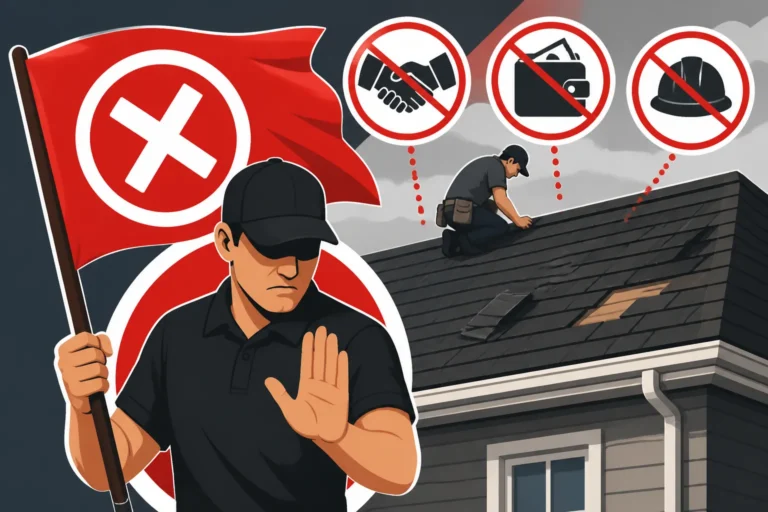
Even before the last shingle is laid, there are often subtle, or not so subtle, indicators that your roofing project might be heading south. It's crucial to pay attention to the process itself, not just the finished product. A professional contractor prioritizes safety, communication, and meticulousness from start to finish. If these foundational elements are missing, it's a huge red flag.
Lack of Professionalism and Communication
One of the first signs of trouble can manifest in the contractor's demeanor and communication style. Did they seem rushed during the initial consultation? Were your questions met with vague answers or dismissal? While some contractors are better communicators than others, a general lack of professionalism is a serious concern. This extends beyond just verbal interactions; it's about how they conduct their business on your property.
Think about the crew's arrival. Were they on time? Did they clearly outline the day's plan or potential disruptions? A reputable company, for instance, would explain the entire process of how a roof replacement works: The Full Process, from tear-off to final inspection. If they're showing up late without notice, taking excessively long breaks, or if the communication feels like pulling teeth, it points to a disorganized operation. This disorganization often trickles down into the quality of their work. You might find yourself constantly chasing them for updates or clarification, which is not what you signed up for when hiring a professional. This goes against everything you should expect from a company you’ve entrusted with protecting your home.
Poor Site Management and Safety
A construction site, even a residential roof replacement, requires careful management. If the work area around your home looks like a disaster zone, it's a major cause for concern. Roofing involves sharp tools, heavy materials, and lots of debris, so safety and organization are paramount. A good contractor will have a clear plan for protecting your landscaping, windows, and property.
Look for tarps laid out to catch old shingles and nails, designated areas for waste, and proper placement of ladders and equipment. If you see old shingles, nails, and other trash scattered haphazardly across your lawn, driveway, or flowerbeds, it’s a sign of carelessness that often reflects the quality of the work on your roof itself. Furthermore, pay attention to the crew's safety practices. Are they wearing appropriate personal protective equipment (PPE) like hard hats, safety glasses, and fall protection? If they're cutting corners on safety, it suggests a broader disregard for industry standards and proper procedures. This neglect of safety could mean they are also overlooking critical steps in your roof's installation, leading to structural weaknesses or premature failure.
Immediate Post-Installation Issues
Once the work is supposedly complete and the crew has departed, take a critical eye to your new roof. While you might not be a roofing expert, many signs of poor workmanship are visible to the untrained eye. Don't be afraid to get a close look (safely, of course, from the ground or an upstairs window) or hire an independent inspector if something feels off.
Visible Shingle Discrepancies
One of the most obvious signs of a bad roofing job lies in the shingles themselves. Asphalt shingles should be installed uniformly, creating a clean, consistent aesthetic across the entire roof plane. Any deviation from this can indicate improper installation and potential problems down the line.
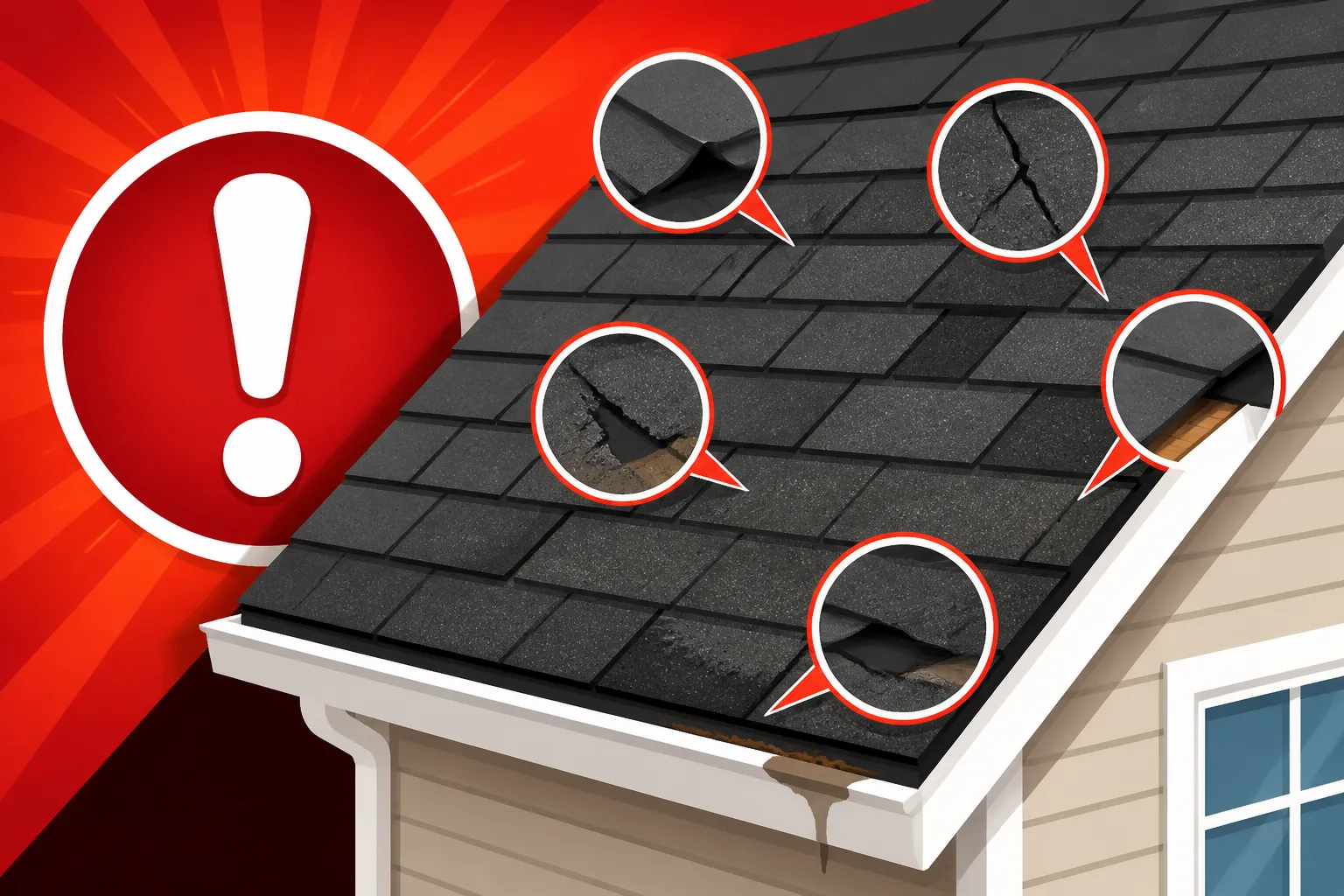
Are the shingles unevenly aligned, creating wavy lines instead of straight ones? Do some shingles appear to be lifting or buckled just days or weeks after installation? These are clear signs of issues like improper nailing, applying shingles to an uneven surface, or even using defective materials. For example, if you notice sections where shingles seem to be misaligned or overlapping incorrectly, it could lead to water channeling underneath rather than over, increasing the risk of leaks. The shingles should lie flat and tight against the roof deck, creating a solid, cohesive barrier against the elements. If you see any curling shingles or cracked shingles prematurely, it's a definite red flag that warrants investigation.
Exposed Nails and Improper Nailing
Proper shingle nailing is a critical, yet often overlooked, detail that significantly impacts the lifespan and performance of your roof. Nails should be driven flush with the shingle surface, neither underdriven (sticking up) nor overdriven (sunk too deep, potentially tearing the shingle). They should also be placed in the manufacturer-specified nailing zone, typically a strip near the top of the shingle.
If you can easily spot exposed nail heads on the surface of your new roof, especially in areas not covered by the overlapping shingle above, that's a serious problem. Exposed nails are direct entry points for water, leading to leaks, and can prematurely rust, weakening the shingle's attachment. Additionally, if nails are consistently overdriven, they can tear through the shingle, compromising its integrity and wind resistance. Conversely, underdriven nails might not properly secure the shingle, making it vulnerable to strong winds and early detachment. This attention to detail in the nailing pattern is paramount for long-term durability. If you’re ever curious about the specifics, understanding how shingles are nailed and sealed can give you a better idea of what to look for.
Structural and Component-Specific Problems
A roof is more than just shingles; it's a complex system of interconnected components designed to work together to protect your home. Issues with the underlying structure, underlayment, flashing, or ventilation can compromise the entire system, even if the shingles themselves look okay on the surface.
Faulty Flashing and Sealant Work
Flashing is arguably the most critical component for preventing leaks around vulnerable areas of your roof, such as chimneys, skylights, vent pipes, and wall intersections. It’s typically made of metal and is designed to divert water away from these penetration points. When flashing is installed improperly or with poor quality materials, your home is left susceptible to significant water damage.
Look for flashing that is bent, rusted, or poorly cut. Are there visible gaps between the flashing and the chimney or wall? Is it secured properly, or does it look loose? For instance, around a chimney, you should see step flashing integrated with the shingles, covered by counter-flashing that's sealed into the mortar joints. If the caulk used around these areas looks messy, cracked, or seems to be the only thing sealing a gap, that's a huge warning sign. Caulk is a temporary sealant and should never be the primary defense against water. Improper flashing around a chimney or roof vents can lead to persistent leaks and extensive water damage to your attic and interior. Understanding how roof flashing works is key to identifying problems in these critical areas.
Inadequate Underlayment and Decking Issues
Beneath your shingles lies the underlayment, a crucial protective layer that acts as a secondary barrier against water penetration, especially during high winds that might lift shingles. Below that, the roof decking provides the structural foundation for your entire roof system. Problems with either of these components can spell disaster.
During the installation process, or if you ever have a chance to peek during a partial repair, look for tears or rips in the underlayment, or sections that aren't properly secured. A quality installation will ensure the underlayment is taut, smooth, and correctly overlapped, directing any water that gets past the shingles safely off the roof. If the underlayment is haphazardly applied, wrinkled, or even completely missing in some sections, it leaves your roof decking exposed to moisture. Furthermore, if your contractor didn't properly inspect and replace any damaged roof decking replacement cost sections before laying the new underlayment and shingles, you could have a weak foundation that won't support the new roof, leading to premature sagging or structural issues. It’s a vital step, and cutting corners here severely compromises your roof's integrity.
Subpar Ventilation
Proper attic and roof ventilation is essential for extending the life of your roof and maintaining a healthy home environment. Without adequate airflow, heat and moisture can build up in your attic, leading to warped decking, mold growth, increased energy bills, and premature shingle deterioration.
After installation, take a look at your roof's ventilation system. Are there soffit vents for intake and ridge or box vents for exhaust? Do they look properly installed and unobstructed? If your old roof had specific types of vents, ensure the new system matches or improves upon them. Sometimes, contractors might simply re-install old, inefficient vents or install too few for the size of your attic. A common issue is installing ridge vents that aren't cut open beneath the shingle, rendering them useless. You might also notice a lack of proper sealing around vents, which can be another source of leaks. An unbalanced ventilation system – for example, too much exhaust without enough intake, or vice-versa – can actually draw conditioned air from your living space, increasing energy costs. This often gets overlooked, but understanding how roof ventilation works is key for homeowners.
Shingle Installation Mistakes
The shingles are the visible face of your roof, and their proper installation is paramount not just for aesthetics but for their ability to shed water and resist wind. Even subtle errors in shingle application can lead to significant problems down the line.
Improper Shingle Overhang and Edge Treatment
The way shingles extend over the eaves and rake edges of your roof might seem like a minor detail, but it's crucial for protecting the vulnerable edges of your roof decking and fascia boards from water damage. There's a sweet spot for overhang; too little, and water can wick back onto the fascia, too much, and shingles can become brittle and susceptible to wind uplift.
A proper installation will typically see shingles extending about 1/4 to 3/4 inch beyond the drip edge, which itself should be installed correctly to guide water into the gutters. If you notice shingles that are cut too short, allowing water to run down the fascia board instead of into the gutter, or if they overhang excessively and look flimsy, these are signs of an inexperienced crew. This kind of mistake can lead to rotten fascia boards, damaged siding, and even foundation issues over time, as water isn't directed away from your home effectively. The drip edge: What it does is a small but vital component in this system, often neglected in a rushed or poor installation.
Cutting and Trimming Errors
Roofing requires precision, especially when cutting shingles to fit around penetrations, valleys, and hips/ridges. Sloppy cutting and trimming are not only unsightly but can also create weak points in your roof's defense system against water.
Look closely at areas where shingles meet flashing around pipes, chimneys, or skylights. Are the cuts clean and tight, or do they look ragged with visible gaps? Shingles in valleys, where two roof planes meet, should also be meticulously cut and sealed according to the manufacturer's recommendations, usually with a closed-cut or woven method, or by installing valley metal underneath. If you see misaligned cuts, large gaps, or exposed underlayment in these critical areas, it's an open invitation for leaks. Similarly, the cap shingles along the hips and ridges should be evenly spaced, cleanly cut, and securely fastened, blending seamlessly with the rest of the roof. Any inconsistency here suggests a lack of attention to detail that could compromise the integrity of the entire system.
Drainage and Water Management Failures
A roof's primary job is to shed water effectively. Any failure in this crucial function means water is lingering, pooling, or, worse, infiltrating your home. Poor drainage and water management are among the most serious signs of a bad roofing job, leading to immediate and long-term damage.
Standing Water or Improper Pitch
While asphalt shingles are designed to handle water, they are not meant for standing water. Your roof should have a sufficient pitch or slope to allow water to run off quickly and efficiently. If you notice areas on your roof where water is pooling, even small puddles, after a rain shower, it's a significant problem.
This issue can stem from several underlying problems. It could be due to an uneven roof deck that wasn't properly addressed before installation, creating low spots. It might also be related to improper shingle installation that creates mini-dams or obstructions. Even slight dips can collect water, accelerating shingle degradation, leading to premature granule loss, and increasing the likelihood of leaks as water has more time to penetrate. This is particularly concerning on lower-slope sections of a roof where water flow is naturally slower. A well-installed roof, even with a low pitch, should ensure continuous drainage. If you suspect an issue, getting a professional roof inspection: What they check can confirm if water pooling is a symptom of poor workmanship or a structural problem.
Gutter Blockage and Downspout Issues
Your gutters and downspouts are the final frontier for water management, channeling runoff safely away from your home's foundation. While gutters aren't strictly part of the roofing system, their proper function is inextricably linked to roof performance. A bad roofing job can inadvertently lead to gutter problems.
During a tear-off and replacement, debris from old shingles, nails, and packaging can easily fall into gutters and downspouts. A responsible contractor will clean the gutters thoroughly as part of the job cleanup. If you find your gutters are overflowing, clogged with debris, or not draining properly after a new roof installation, it might indicate a sloppy cleanup job. Beyond debris, sometimes new drip edge or shingle overhang can inadvertently redirect water past the gutters rather than into them, or even loosen the gutters themselves. This can lead to water cascading down your home's siding, eroding landscaping, and potentially damaging your foundation. It’s frustrating to have a new roof but then have to deal with flooded basements because the post-installation cleanup was neglected.
Longevity and Warranty Concerns
You invest in a new roof with the expectation that it will last for decades and be covered by a warranty should something go wrong. A poorly installed roof often shows signs of premature wear and tear, and critically, the improper installation itself can void your manufacturer's warranty, leaving you with no recourse.
Premature Shingle Failure
It's absolutely infuriating to see your brand-new roof looking old before its time. If you notice signs like widespread granule loss, blistering shingles, or excessive cracking and curling within just a few years, or even months, of installation, it's a clear indicator of a bad roofing job. Asphalt shingles are designed to be durable, typically lasting 20-30 years for architectural shingles and 15-20 years for 3-tab.
Premature failure can be attributed to several factors related to poor installation. Insufficient nailing makes shingles susceptible to wind damage, leading to early granule loss and detachment. Applying shingles over an uneven or damaged roof deck can cause buckling and cracking. Poor ventilation can trap heat, literally baking your shingles from below and accelerating their aging process. Even using an inferior underlayment or not allowing proper curing time for sealants can contribute. This is where the initial cost savings of a cheap roof can quickly turn into much higher costs down the road, making you question if an asphalt shingle roof is worth the money in the first place. You shouldn't be seeing these common problems with a 5-year-old asphalt roof, let alone a newer one.
Voided Manufacturer Warranties
Perhaps one of the most devastating consequences of a bad roofing job is discovering that your manufacturer's warranty is void. Most major shingle manufacturers, like GAF, Owens Corning, and CertainTeed, offer robust warranties on their products, but these are almost always contingent on proper installation according to their specifications and local building codes.
If your roofing contractor cut corners on installation methods – such as improper nailing patterns, incorrect underlayment use, or mixing different brands of components – the manufacturer can and likely will deny any warranty claims. This leaves you, the homeowner, solely responsible for the cost of repairs or even a full replacement if the roof fails prematurely due to these installation errors. This is why choosing a manufacturer-certified roofer is so important; they are trained in specific installation techniques and often offer enhanced warranties. When you’re evaluating a roofing contractor, always ask about their certification status and make sure to get all warranty information in writing. A reputable contractor will also handle the manufacturer warranty registration for you. This often goes hand-in-hand with ensuring all roofing permits are pulled and inspections passed, as these ensure code compliance, which is another aspect manufacturers check.
Addressing a Bad Roofing Job
Discovering that you've been the victim of a bad roofing job is incredibly frustrating, but it's not a hopeless situation. There are concrete steps you can take to address the issue, protect your investment, and seek resolution. It requires patience, documentation, and a clear understanding of your rights.
Document Everything and Contact the Contractor
The very first step when you suspect a bad roofing job is to thoroughly document all issues. Take clear, well-lit photos and videos of every visible problem – loose shingles, exposed nails, poor flashing, standing water, debris, etc. Note the dates when you observe these issues. If you have interior leaks, document water stains, damaged ceilings, or anything else affected. Keep meticulous records of all communications with your contractor: emails, texts, phone call summaries, contracts, invoices, and payment records. This paper trail will be invaluable.
Once you have your documentation in order, contact the contractor immediately and in writing. Clearly state the issues you've identified, referencing specific parts of your contract if applicable. Request that they inspect the work and outline a plan for remediation. Give them a reasonable timeframe to respond and rectify the problems, typically within 7-14 days. Many reputable contractors will want to fix issues to protect their reputation, especially if they are a local business and not a storm chaser. Be firm but polite, and always keep a record of these communications.
Seeking External Resolution and Legal Advice
If your contractor is unresponsive, uncooperative, or refuses to adequately address the problems, it's time to explore external avenues for resolution. Your options will vary depending on your location and the specifics of your contract.
First, check if your contractor is licensed and bonded. If so, you can often file a complaint with their licensing board or make a claim against their bond, which is a form of insurance protecting consumers from shoddy work. You can also file a complaint with consumer protection agencies or the Better Business Bureau. For larger, more complex disputes, consider mediation or arbitration, which are often less expensive and time-consuming than going to court. If all else fails, consulting with a construction attorney experienced in roofing disputes might be necessary. They can advise you on your legal options, which could include filing a lawsuit for breach of contract or negligence. If your state requires specific roofing permits, and your contractor failed to pull them, this can be an additional point of leverage, as it's a violation of local ordinances.
Preventing a Bad Roofing Job from the Start
The best defense against a bad roofing job is proactive prevention. This means doing your homework, asking the right questions, and understanding what constitutes a professional, high-quality installation. Don't rush the process of choosing a contractor; it's one of the most critical decisions you'll make for your home.
Thorough Contractor Vetting
Hiring the right roofing contractor is paramount. This isn't just about getting multiple bids; it's about thoroughly vetting each candidate to ensure they are reputable, experienced, and qualified. Start by asking for local references, not just generic ones, and actually call them to ask about their experience. Look for online reviews on platforms like Google, Yelp, and the Better Business Bureau, but be mindful of extreme outliers, both positive and negative.
Confirm that the contractor is fully licensed and insured for both liability and worker's compensation. Don't just take their word for it; ask for proof and verify it directly with the issuing authority and their insurance provider. A legitimate company will be happy to provide this. Ask about their experience with your specific type of roof and materials, and inquire about manufacturer certifications, like those offered by GAF Master Elite Contractors or Owens Corning Platinum Preferred. These certifications often indicate a higher level of training and can unlock enhanced warranties. You can even use platforms like Modernize to help connect you with pre-screened, local roofing professionals, which can be a great starting point for finding reputable options and getting a few bids. The more questions to ask a roofing contractor before hiring, the better prepared you'll be to spot any red flags.
Comprehensive Contracts and Permits
Never, ever agree to a roofing job without a detailed, written contract. This document is your ultimate protection and should clearly outline every aspect of the project. A good contract should specify the exact materials to be used (brand, style, color), the scope of work (e.g., full tear-off vs. re-roof, number of layers), the total cost, payment schedule, and a detailed timeline.
Crucially, the contract should also include information about warranties – both the manufacturer's product warranty and the contractor's workmanship warranty. What to include in a roofing contract also covers specifics like cleanup procedures, debris removal, and who is responsible for pulling all necessary permits. Speaking of permits, it is almost always the contractor's responsibility to obtain all required local building permits before work begins. These permits ensure that the work is inspected by city or county officials for compliance with local building codes, adding an extra layer of quality control. If a contractor suggests skipping the permit to save money, run the other way – it's a massive red flag and can lead to serious issues down the line, including fines and complications when selling your home. Don’t fall into the trap of letting them convince you that do you need a permit to replace a roof in your specific area.
Common Signs of a Bad Roofing Job Summary
To help you quickly identify potential issues, here's a table summarizing common signs of a bad roofing job, what they look like, and their potential consequences.
| Sign of Bad Workmanship | What It Looks Like | Potential Consequences |
|---|---|---|
| Visible Shingle Issues | Uneven lines, misaligned shingles, buckling, lifting, premature curling/cracking | Leaks, reduced wind resistance, premature roof failure, poor curb appeal |
| Exposed or Improper Nailing | Nails visible on shingle surface, nails overdriven (tearing) or underdriven (sticking up) | Water entry points, leaks, shingle detachment in high winds, voided warranty |
| Faulty Flashing | Gaps around chimneys/vents, rusted metal, messy or solely reliant on caulk | Major leaks, water damage to attic/interior, structural rot |
| Poor Ventilation | Missing vents, blocked vents, vents not cut open, unbalanced system | Premature shingle aging, mold/mildew, higher energy bills, warped decking |
| Sloppy Debris Management | Nails/old shingles left in yard, damaged landscaping, clogged gutters | Safety hazard, costly repairs to property, foundation damage |
| Lack of Drip Edge/Overhang | Water running behind gutters, shingles not extending far enough or too much | Rotting fascia/soffit, water damage to siding, reduced shingle lifespan |
| Inadequate Underlayment | Gaps, tears, wrinkles, or missing sections of underlayment | Direct water exposure to decking, increased leak risk |
| Premature Wear & Tear | Widespread granule loss, algae growth, blistering within a few years | Significantly reduced roof lifespan, constant repairs, early replacement |
Disclaimer
The information provided in this article is intended for general guidance and informational purposes only, and does not constitute professional advice. While we strive to offer accurate and up-to-date content, roofing is a complex field that requires expert assessment. Always consult with a qualified and licensed roofing contractor for specific advice regarding your roof's condition, repairs, or replacement. Building codes, material specifications, and warranty requirements can vary significantly by location and manufacturer. Relying solely on the information presented here without professional verification is at your own risk.