Dimensional Shingle Cost Per Square
Trying to navigate the world of roofing costs can feel overwhelming, especially when you’re trying to pinpoint the exact price for specific materials like dimensional shingles. It’s easy to get lost in numbers and vague estimates, leaving you wondering if you're getting a fair deal or even understanding what you're paying for. This comprehensive guide is designed to demystify the cost of dimensional shingles per square, breaking down the pricing into digestible parts and highlighting all the critical factors that will impact your final roofing project.
Understanding Dimensional Shingles and Their Cost Per Square
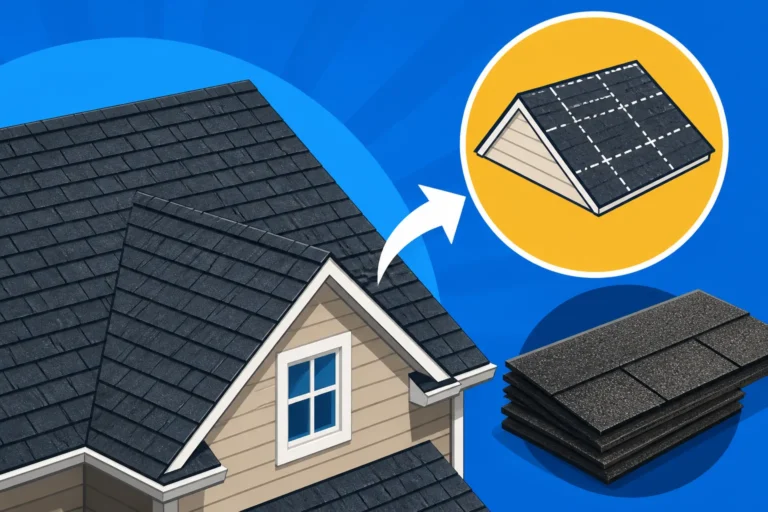
When we talk about dimensional shingles, we're really talking about what many people know as "architectural" or "laminated" shingles. Unlike the older, flatter 3-tab shingles, dimensional shingles are designed with multiple layers of asphalt and granules to create a thicker, more textured appearance that mimics the look of natural wood shakes or slate. They offer a much more appealing aesthetic, often adding significant curb appeal to a home. Beyond looks, they're generally more durable and have better wind resistance, which is a huge plus, especially in areas prone to severe weather.
When you're looking at the cost per square for these shingles, it's important to understand what a "square" means in roofing terms. A roofing square isn't a literal square foot; it’s a unit of measurement equal to 100 square feet of roof surface. So, if your roof is 2,000 square feet, a roofer will typically refer to it as a 20-square roof. This standardized measurement helps contractors price materials and labor consistently.
The actual price tag for dimensional shingles per square can fluctuate quite a bit based on various factors we’ll dive into shortly, but generally, homeowners can expect material costs to range from $120 to $220 per square. When you factor in labor and other components, the installed cost typically falls between $350 and $600 per square. This wide range accounts for differences in shingle quality, brand reputation, regional labor rates, and the complexity of your specific roof. For a broader understanding of overall project expenses, our detailed guide on the average roof replacement cost this year can offer more context.
Material Costs for Dimensional Shingles
The material cost for dimensional shingles is the price you pay for the shingles themselves, delivered to your site, before any installation begins. This cost can vary based on several key aspects, primarily the brand and specific product line. For instance, a basic architectural shingle from a reputable manufacturer will be on the lower end, while premium or "designer" dimensional shingles with enhanced features like increased impact resistance or advanced color blends will naturally command a higher price.
Top brands like GAF, Owens Corning, and CertainTeed all offer a range of dimensional shingles at different price points. A standard GAF Timberline HDZ shingle, for example, might be priced differently than a CertainTeed Landmark Pro, even if both are considered high-quality architectural shingles. These differences often reflect proprietary technologies for wind resistance, algae protection, or extended warranties, which are built into the shingle's material composition. It’s worth noting that bulk purchasing by contractors can sometimes lead to slightly better material rates than if you were to buy them yourself, which is one of the many reasons why working with a professional is usually best.
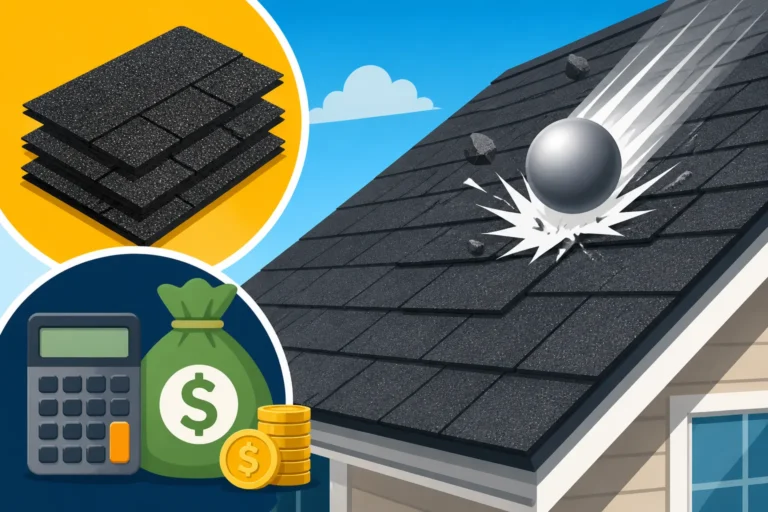
Think of it like buying a car; a base model sedan from one manufacturer might cost less than a luxury trim from another, even if both are reliable. The same applies to shingles. You're paying for the aesthetics, the proven durability, and often, the extended warranty coverage that comes with higher-end products. For those seeking more robust protection, the cost of impact-resistant shingles or Class 4 shingle roof cost will naturally be higher due to their specialized construction designed to withstand extreme weather events.
Installation and Labor Costs
Beyond the shingles themselves, the labor involved in installing dimensional shingles makes up a significant portion of the total cost per square. Roofing is hard, skilled work, and experienced roofers command fair wages. The labor cost typically includes everything from preparing the roof deck, installing underlayment and flashing, nailing the shingles, and cleaning up the job site. The time it takes to complete these tasks directly correlates with labor charges, which are often built into the per-square price.
The complexity of your roof’s design plays a huge role here. A simple, low-pitch roof on a single-story ranch home will be much less labor-intensive than a multi-story home with a steep pitch, numerous valleys, dormers, and skylights. Each of these features adds intricate cutting and fitting work, requiring more time and specialized skills from the roofing crew. For example, our guide on the steep roof cost premium highlights how a greater pitch can significantly increase labor expenses due to safety measures and the slower pace of work.
Moreover, regional differences in labor rates are a major factor. A roofer in a high cost-of-living area like Los Angeles or New York City will have higher hourly rates than one in a smaller city or rural area in the Midwest or South. These regional variations are reflected in the overall installed cost per square. When you're gathering quotes, platforms like Modernize can help you connect with local contractors who understand these regional nuances and can provide competitive pricing based on the current market in your area.
Key Factors Influencing Dimensional Shingle Pricing
The final price tag for your dimensional shingle roof isn’t just about the shingles themselves. There are several other critical factors that converge to determine the cost per square and the overall project total. Understanding these can help you anticipate expenses and make more informed decisions when reviewing estimates.
Roof Size and Complexity
It might seem obvious that a larger roof will cost more in total, but even on a per-square basis, size and complexity matter. While a standard 10×10 square of shingles should theoretically cost the same no matter where it sits, the overall complexity of the entire roof impacts the efficiency of installation, which can subtly affect the per-square cost calculation. A roof with multiple peaks, valleys, dormers, and chimneys requires more intricate cutting, sealing, and flashing work. This isn't just about more labor hours; it also means more wasted material from cuts, and more specialized components like hip and ridge cap shingles.
Consider a simple gable roof on a small home versus a large, complex Victorian-style roof with turrets and multiple intersecting planes. The latter demands far more skill and time, justifying a higher per-square cost for labor, even if the base shingle material price remains the same. The presence of skylights, exhaust vents, or even intricate roof lines around extensions can all add to this complexity. If you're wondering about how these elements add up, our article on roof cost per square: what you'll pay goes into more detail.
Existing Roof Tear-Off and Disposal
One often-overlooked cost factor is the removal of your old roof. If you have an existing layer or two of shingles, they almost always need to be torn off before new dimensional shingles can be installed. This "tear-off" process is labor-intensive and messy. It involves removing all existing shingles, underlayment, and sometimes even the old flashing, then hauling away all the debris. Most local building codes only allow for a maximum of two layers of roofing, and even then, removing all old layers is almost always recommended for a better, longer-lasting installation.
The cost for tear-off and disposal is typically added as a separate line item or factored into the overall per-square price. It can range from $30 to $80 per square, depending on the number of existing layers and local disposal fees. For homes in areas with strict environmental regulations or limited landfill space, these disposal fees can be particularly high. Our dedicated piece on the cost of roof tear-off and disposal offers a deeper look into these specific expenses, ensuring you’re not surprised by them.
Underlayment, Flashing, and Ventilation
A new roof isn’t just shingles; it's a complete system. Beneath those beautiful dimensional shingles lies crucial protective layers, including underlayment, ice and water shield, and new flashing around chimneys, skylights, and vent pipes. Proper ventilation, often involving ridge vents or soffit vents, is also vital for the longevity of your roof and the energy efficiency of your home. These components are essential for preventing leaks and premature roof deterioration.
These ancillary materials and their installation add to the overall cost per square. High-quality synthetic underlayment offers superior protection compared to traditional felt paper, but it comes at a higher price. Similarly, the installation of new metal flashing, which is critical for waterproofing vulnerable areas, requires careful, skilled work. While these elements might not be as visually striking as the shingles, they are non-negotiable for a durable and warrantied roofing system. Understanding the importance and cost of components like the cost of new flashing and drip edge or synthetic vs felt underlayment cost can help you appreciate their value in the overall investment.
Geographic Location and Time of Year
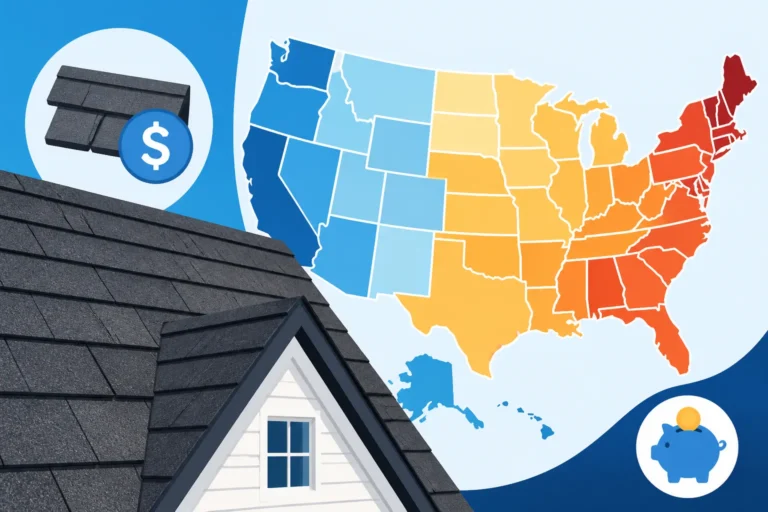
Where you live dramatically influences roofing costs. We touched on labor rates, but material costs can also vary by region due to transportation expenses and local supply and demand. For example, the cost of asphalt roof replacement in California will likely differ significantly from the cost in Georgia, reflecting different economic conditions, regulatory environments, and even prevailing weather patterns that dictate material requirements.
Furthermore, the time of year can subtly affect pricing. In some regions, roofing companies are busiest during late spring, summer, and early fall, which are considered prime roofing seasons due to favorable weather. During these peak times, demand is high, and contractors may be less inclined to offer discounts. Conversely, during slower periods, usually in late fall or winter (depending on local climate), you might find contractors more willing to negotiate, although working in colder temperatures can also introduce its own set of challenges and specialized requirements for installation.
Comparing Dimensional Shingles to Other Options
When you're making a significant investment like a new roof, it's natural to compare your options. Dimensional shingles are a popular choice for good reason, offering a fantastic balance of aesthetics, durability, and cost. However, it's worth understanding how their cost per square stacks up against other common asphalt shingle types.
Dimensional vs. 3-Tab Shingles
The most direct comparison is usually between dimensional shingles and 3-tab shingles. Historically, 3-tab shingles were the standard and are still the most budget-friendly option. They are single-layer shingles, thinner, and lie flat on the roof, giving a very uniform, often somewhat bland, appearance. Their typical material cost per square generally ranges from $70 to $100. When installed, including labor and basic components, you might look at $250 to $400 per square.
The aesthetic upgrade alone often justifies the higher cost of dimensional shingles for many homeowners. Beyond looks, dimensional shingles offer superior performance. They are designed to withstand higher wind speeds (often rated for 110-130 mph compared to 60-70 mph for 3-tab) and generally come with longer warranties, usually 30-50 years or even lifetime limited warranties, as opposed to the 20-25 years typical of 3-tab shingles. If you're trying to weigh these differences, our article on 3-tab vs architectural shingle cost compared offers a detailed breakdown.
Dimensional vs. Designer (Luxury) Shingles
At the other end of the asphalt shingle spectrum are designer, or luxury, shingles. These are essentially the premium version of dimensional shingles, often much thicker, heavier, and crafted to replicate extremely high-end roofing materials like natural slate, wood shakes, or even tile, with incredible realism. They offer unparalleled curb appeal and superior durability, often with the best wind and impact resistance ratings available in asphalt.
As you might expect, this enhanced aesthetic and performance comes with a significantly higher price tag. Material costs for designer shingles can easily range from $250 to $400 per square, and installed costs can climb to $700 or even $1,000+ per square, depending on the specific product and complexity of the roof. While dimensional shingles provide a significant upgrade from 3-tab, designer shingles take that luxury feel to the next level. If you're interested in exploring these high-end options, our guide on designer shingle roof cost can provide more specific pricing. Most homeowners find dimensional shingles to be the sweet spot, offering excellent value and visual appeal without the premium price of true luxury options.
Smart Ways to Get an Accurate Roofing Estimate
When you're ready to move forward with a roof replacement, getting accurate estimates is absolutely paramount. This isn't just about comparing prices; it's about understanding what each contractor is offering and ensuring you're comparing apples to apples. A thorough and detailed estimate can save you from hidden costs and headaches down the road.
Gather Multiple Quotes
This cannot be stressed enough: always obtain at least three, and ideally five, quotes from different reputable roofing contractors. Why so many? Because roofing prices can vary significantly between companies, even for the same materials and scope of work. Each contractor will have their own pricing structure for materials, labor, overhead, and profit margins. By getting multiple quotes, you gain a clearer picture of the average market rate for your specific project in your area.
When you're contacting contractors, don't just ask for a quick phone estimate. Insist on a thorough on-site inspection. A good contractor will get up on your roof, inspect the existing shingles, assess the decking, check the attic for ventilation issues, and measure accurately. Using a platform like Modernize can simplify this process, connecting you with vetted local professionals who are ready to provide detailed evaluations. Make sure each quote clearly itemizes all costs, from permits and tear-off to specific shingle types, underlayment, and any necessary repairs or upgrades to the roof decking. This will allow for a true comparison, helping you understand how much roofers charge per hour and what that translates to in a full project.
Understand What the Estimate Includes
Receiving multiple quotes is only the first step; the next is diligently comparing them. Don't simply pick the lowest number. Carefully examine each estimate to understand exactly what is, and isn't, included. A low bid might seem appealing, but it could be missing crucial components or using lower-quality materials. Conversely, a higher bid might include superior materials, a more comprehensive warranty, or additional services like enhanced ventilation or gutter cleaning.
Look for line items such as:
- Permit fees: Crucial for ensuring work is up to code.
- Tear-off and disposal costs: Including dump fees.
- Specific shingle brand and product line: E.g., GAF Timberline HDZ or Owens Corning Duration.
- Underlayment type: Synthetic is generally preferred.
- Ice and water shield: Specified for vulnerable areas like eaves and valleys.
- New flashing: Around chimneys, vents, and skylights.
- Ventilation components: Ridge vents, soffit vents, or other attic ventilation.
- Drip edge: Essential for protecting fascia.
- Cleanup procedures: How they'll protect your property and remove debris.
- Warranty details: Both material and workmanship warranties.
Our guide on how to read and compare roofing estimates provides a checklist to help you dissect these proposals effectively, ensuring you don’t miss any critical details.
Ask About Warranties and Certifications
A new roof is a long-term investment, and the warranties that come with it are incredibly important. There are typically two types of warranties: the manufacturer's warranty on the materials and the contractor's workmanship warranty. Dimensional shingles often come with excellent manufacturer warranties, sometimes "lifetime limited" for the original homeowner, covering defects in the shingles themselves. However, these warranties often require the shingles to be installed by a certified contractor according to the manufacturer's specifications.
Inquire about the contractor's certifications with major shingle manufacturers like GAF, Owens Corning, or CertainTeed. For instance, a GAF Master Elite Contractor can offer enhanced warranties that cover not only the materials but also the contractor's workmanship for an extended period, which can be a huge peace of mind. Without proper installation, even the best shingles won't last. A robust workmanship warranty protects you if there are issues arising from the installation itself. Always get warranty details in writing, understand what they cover, how long they last, and if they are transferable to a new homeowner. This is especially vital for maximizing the longevity and value of your investment.
Disclaimer
Please remember that all cost estimates and figures provided in this article are averages and can vary significantly based on your specific location, the complexity of your roofing project, current material prices, and labor rates. This information is intended for educational purposes only and should not be taken as a binding quote. Always obtain multiple detailed estimates from qualified, local roofing contractors for an accurate assessment of your project's cost.