How Much Do PABCO Shingles Cost
Navigating the world of roofing costs can feel like trying to solve a complex puzzle with missing pieces, especially when you're trying to pin down the price of specific, high-quality brands. Many homeowners find themselves overwhelmed by conflicting information and opaque pricing structures, leaving them unsure of what a new roof will truly cost. This comprehensive guide is here to unravel the mystery of PABCO shingles cost, detailing what influences their pricing and helping you budget effectively for your asphalt roofing project.
Understanding PABCO Shingles and Their Market Position
PABCO Roofing Products has carved out a niche for itself, particularly on the West Coast, by offering a range of asphalt shingles known for their durability and aesthetic appeal. Unlike some of the larger national players, PABCO often focuses on premium performance and unique design elements, which naturally influences their pricing. When you're considering PABCO, you're looking at shingles designed to withstand various weather conditions while enhancing your home's curb appeal.
What Sets PABCO Apart?
PABCO's reputation stems from its commitment to manufacturing quality shingles that often exceed basic industry standards. They're recognized for their robust construction, offering excellent wind resistance and granule adhesion. Many homeowners are drawn to PABCO for their specific styles and color palettes, which can offer a distinct look compared to more widely available options. They often integrate advanced technologies for enhanced protection, such as their patented "Cascade Signature Cut" or specialized algae resistance treatments, which factor into the overall material cost.
Overview of PABCO Shingle Product Lines
PABCO offers a selection of shingle lines, each designed to meet different aesthetic preferences and performance requirements. Understanding these lines is crucial for grasping their associated costs.
- PABCO Premier®: These are typically architectural, or "laminate," shingles. They offer a multi-dimensional look that emulates the appearance of wood shakes, but with the durability and cost-effectiveness of asphalt. Premier shingles are a popular choice for their balance of aesthetics, performance, and value.
- PABCO Cascade®: Cascade shingles are a unique 3-tab design, but with a difference. They feature a distinct "signature cut" that gives them a more pronounced, sculpted appearance than traditional 3-tab shingles, often mimicking the look of individual shake shingles. This offers an upgraded aesthetic at a potentially lower price point than full architectural shingles.
- PABCO Paramount®: These are PABCO's high-end, heavy-duty architectural shingles, often considered a luxury option. Paramount shingles are thicker, heavier, and designed for maximum impact resistance and wind performance, making them ideal for areas prone to severe weather. They offer a deep, rich aesthetic with superior protection.
- PABCO One-Tab®: This is their traditional 3-tab shingle, offering a more classic, uniform look. While often the most budget-friendly option, PABCO's One-Tab shingles still maintain a high standard of quality.
Each of these lines comes with its own set of features, warranty options, and, of course, price points. For example, selecting architectural shingles over 3-tab shingles will always entail a higher material cost, but also offers greater durability and a more premium aesthetic.
Breaking Down PABCO Shingle Costs Per Square
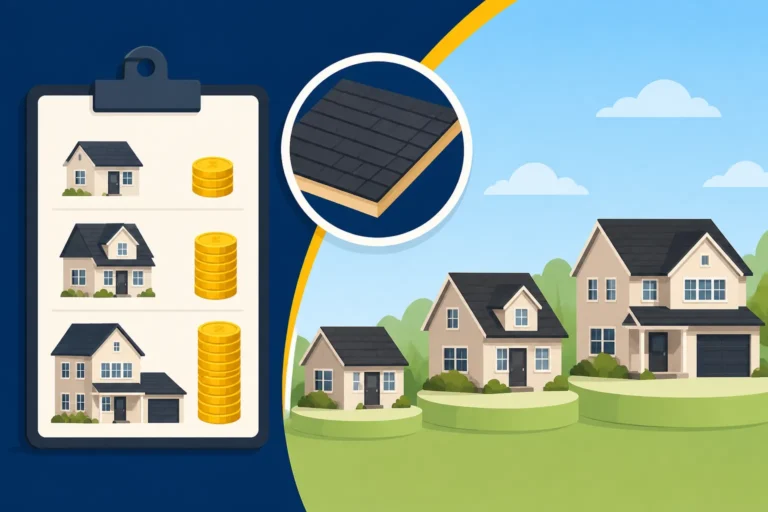
When discussing roofing costs, the term "square" comes up frequently. A roofing square is equal to 100 square feet of roof area. Understanding the cost per square for PABCO shingles is key to estimating your material expenses. Keep in mind these are material-only costs and don't include installation labor, underlayment, flashing, or other necessary components of a complete roofing system.
Material Costs for Different PABCO Shingle Tiers
The cost of PABCO shingles varies significantly based on the specific product line and its features. Here's a general breakdown of what you might expect for material costs per square:
- PABCO One-Tab® (3-Tab): These entry-level shingles typically range from $70 to $100 per square. They offer a foundational level of protection and are a solid choice for homeowners seeking an economical option without sacrificing PABCO's quality standards.
- PABCO Cascade® (Unique 3-Tab): Due to their distinct cut and enhanced aesthetic, Cascade shingles might fall in the range of $90 to $130 per square. They bridge the gap between traditional 3-tab and full architectural styles, offering a visual upgrade.
- PABCO Premier® (Architectural): These popular architectural shingles are usually priced between $110 and $180 per square. Premier shingles offer a robust, multi-layered design, making them a great value for long-term performance and curb appeal. For a deeper dive into this category, you might find our guide on Architectural Shingle Roof Cost particularly useful.
- PABCO Paramount® (Luxury/Heavyweight Architectural): PABCO's premium line, Paramount, can range from $180 to $300+ per square. These shingles are designed for superior durability, impact resistance (often Class 4, which could even lower insurance premiums in some regions), and a truly distinctive look, justifying their higher price point. If you're comparing options, our article on 3-Tab vs Architectural Shingle Cost Compared offers more context on these different tiers.
These prices are averages and can fluctuate based on current market conditions, your supplier, and the specific color or finish you choose within a product line.
Regional Price Variations
Like all construction materials, PABCO shingle costs can vary depending on your geographic location. Since PABCO is primarily known and distributed on the West Coast, homeowners in states like California, Oregon, and Washington might find more competitive pricing and wider availability. Conversely, if you're looking for PABCO shingles in, say, Florida or New York, the added shipping and distribution costs could push the prices higher.
The local demand for a particular shingle style and the number of certified PABCO installers in your area can also play a role. A roofer with an established relationship with a PABCO supplier might be able to secure materials at a slightly better rate.
Total Installed Cost for a PABCO Roof
Understanding the material cost per square is a great starting point, but it's only one piece of the puzzle. The total cost to install a PABCO roof involves a myriad of other factors, from labor to disposal and other roofing components. Many homeowners focus solely on shingle costs, only to be surprised by the comprehensive bill.
Beyond Shingles: The Full Roofing System
A new roof isn't just shingles; it's a complex system of layers and components designed to protect your home. Each of these components adds to the overall cost.
- Underlayment: This protective layer goes directly on your roof decking before the shingles. PABCO, like other manufacturers, recommends specific underlayments, often synthetic, for optimal performance and warranty coverage. The cost of synthetic vs felt underlayment cost varies, but it's a crucial expense.
- Ice and Water Shield: Essential in colder climates, this self-adhering membrane is installed along eaves, valleys, and around penetrations to prevent water backup from ice dams.
- Flashing and Drip Edge: These metal components protect vulnerable areas of your roof, such as chimneys, vents, and edges. The cost of new flashing and drip edge is a standard part of any replacement.
- Ventilation: Proper attic ventilation, including ridge vents, soffit vents, and other options, is vital for a healthy roof and often a requirement for warranty validity. The cost of ridge vent installation can significantly impact air circulation and energy efficiency.
- Starter Shingles and Ridge Caps: These specialized shingles are used at the edges and peaks of your roof, providing a neat finish and crucial protection.
The cumulative cost of these components can add anywhere from $100 to $300 per square to your total project, depending on the quality chosen and the complexity of your roof.
Factors Affecting Installation Costs
Labor is often the largest single expense in a roof replacement. The complexity of your roof, its size, and even the local market for roofing professionals all play a significant role.
- Roof Size and Pitch: A larger roof naturally requires more materials and labor. Similarly, a steep roof pitch is more dangerous and challenging to work on, often leading to a higher labor cost premium. For instance, a complex roof with multiple dormers, valleys, and chimneys will take longer and cost more to install than a simple gable roof. You can explore this further in our guide on Roof Replacement Cost by Pitch.
- Roof Complexity: As mentioned, features like dormers, skylights, chimneys, and multiple valleys all increase the labor involved in cutting, fitting, and flashing shingles correctly. These intricate areas require skilled craftsmanship and more time, driving up the overall cost.
- Tear-Off and Disposal: Almost every roof replacement starts with removing the old roof. This process, known as a tear-off, involves labor for removal, and fees for disposal of the old shingles and debris. The Cost of Roof Tear-Off and Disposal can range from $1 to $5 per square foot, or even higher if there are multiple layers of old roofing to remove.
- Geographic Location and Local Labor Rates: Labor costs fluctuate significantly by region and even within different cities in the same state. A contractor in a high cost-of-living area like Seattle, Washington, will typically charge more per hour than one in a smaller town in central Oregon.
- Contractor's Experience and Certifications: Highly experienced contractors, especially those who are manufacturer-certified by PABCO, may charge more, but they often provide superior workmanship and offer enhanced warranties. When choosing a contractor, always ask for proof of their licensing and insurance. You can learn more in our guide on How to Choose a Roofing Contractor.
- Permits: Most localities require a permit for roof replacement, ensuring the work meets local building codes. Your contractor should handle this, and the cost will be included in your estimate.
- Warranty Upgrades: While PABCO offers standard warranties, many contractors can provide extended or enhanced manufacturer warranties if specific PABCO-approved components are used and the installation is done by a certified professional. These often come with an added cost but offer greater peace of mind. Our article on Roofing Warranties: Manufacturer vs Workmanship delves deeper into this.
When you factor in all these elements, the total installed cost for a PABCO shingle roof typically ranges from $450 to $850 per square (or $4.50 to $8.50 per square foot). For a typical 2,000 square foot roof, this would mean a total project cost ranging from $9,000 to $17,000. These figures can easily go higher for larger, more complex roofs or if you opt for PABCO's premium Paramount line.
Here's a simplified table comparing estimated material and installed costs for common PABCO shingle types:
| PABCO Shingle Type | Material Cost Per Square (100 sq ft) | Total Installed Cost Per Square (100 sq ft) | Estimated Total for 2000 sq ft Roof (Installed) |
|---|---|---|---|
| PABCO One-Tab® | $70 – $100 | $450 – $650 | $9,000 – $13,000 |
| PABCO Cascade® | $90 – $130 | $500 – $700 | $10,000 – $14,000 |
| PABCO Premier® | $110 – $180 | $550 – $780 | $11,000 – $15,600 |
| PABCO Paramount® | $180 – $300+ | $700 – $850+ | $14,000 – $17,000+ |
Note: These are estimated ranges. Actual costs will vary based on location, contractor, roof complexity, and specific product features.
Getting an Accurate PABCO Roofing Estimate
The variability in roofing costs can be frustrating, but the best way to get a clear picture of what you'll pay for a PABCO roof is to gather detailed estimates. This involves more than just getting a number; it means understanding what's included and comparing apples to apples.
The Importance of Multiple Quotes
Never settle for just one roofing estimate. Getting at least three detailed quotes from different reputable contractors is crucial. This allows you to:
- Compare pricing: You'll see the range of costs in your local market for PABCO shingles and installation.
- Evaluate value: A lower price isn't always the best deal if it means cutting corners on materials or labor. Conversely, a higher price should be justified by premium materials, superior warranty, or extensive services.
- Assess contractor communication and professionalism: The way a contractor handles the estimation process can tell you a lot about how they'll manage the project.
Using a service like Modernize can help streamline this process by connecting you with qualified local roofing contractors who are familiar with PABCO products. This can save you time and ensure you're getting competitive bids. When you're comparing bids, make sure they all specify PABCO shingles. Our article on How to Read and Compare Roofing Estimates provides excellent tips for this.
What to Look For in a Comprehensive PABCO Estimate
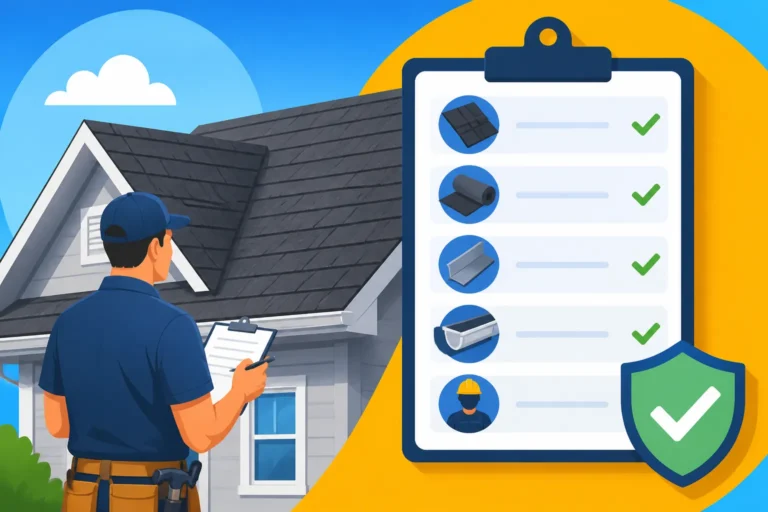
A good roofing estimate should be transparent and detailed, clearly outlining all costs. Here's what to check for:
- Specific PABCO Product: The estimate should clearly state which PABCO shingle line (e.g., Premier, Paramount) and color is being quoted.
- Material Breakdown: It should list quantities and costs for all materials, including shingles, underlayment, ice and water shield, flashing, vents, nails, and other accessories.
- Labor Costs: This might be itemized separately or included in a per-square total, but it should be clear what labor is covered. Our guide on Roofing Material Cost vs Labor Cost can help you understand this balance.
- Scope of Work: A detailed description of the work to be performed, including tear-off, disposal, roof decking inspection and replacement (if needed), installation of all components, and post-job cleanup.
- Permit Costs: Confirmation that the contractor will pull the necessary permits and that the cost is included.
- Warranty Information: Details about both the PABCO manufacturer's warranty and the contractor's workmanship warranty.
- Payment Schedule: A clear schedule for payments, typically with an initial deposit, progress payments, and a final payment upon completion and satisfaction. Avoid contractors who demand full payment upfront.
- Insurance and Licensing: The contractor should provide proof of liability insurance and workers' compensation, as well as their state or local license number. This is non-negotiable for your protection. When you reach out to a professional through Modernize, they typically pre-screen contractors for these credentials.
Don't be afraid to ask questions. A reputable contractor will be happy to explain every line item and ensure you feel comfortable with the process and the investment. It’s also wise to ask them about their experience with PABCO specifically, as proper installation is key to shingle longevity and warranty validity. You might also want to ask Questions to Ask a Roofing Contractor Before Hiring to ensure you're making an informed decision.
Maintaining Your PABCO Roof for Longevity
Once your beautiful new PABCO roof is installed, understanding how to maintain it can significantly extend its lifespan and protect your investment. Even the highest quality shingles, like PABCO's robust Paramount line, benefit from regular care.
Routine Inspections and Cleaning
Regular inspections, ideally twice a year (spring and fall), can catch small issues before they become major problems. Look for:
- Missing, cracked, or curling shingles: While PABCO shingles are durable, extreme weather can still cause damage.
- Granule loss: Some granule loss is normal, especially with new shingles, but excessive loss can indicate wear.
- Damaged or displaced flashing: Around chimneys, vents, and valleys.
- Gutter condition: Ensure gutters are clear and properly directing water away from the roof and foundation.
If you spot moss, algae, or lichen growth, especially in shaded or damp areas, it's important to address it promptly. Many PABCO shingles come with algae-resistant granules, but persistent shade or moisture can still lead to growth. Cleaning should be done carefully, using appropriate methods that won't damage the shingles. This preventative measure helps extend the life of your asphalt roof.
Understanding PABCO Warranties
PABCO offers robust warranties on its shingle products, but understanding the terms and ensuring proper registration is crucial.
- Material Warranty: This covers defects in the shingles themselves. PABCO's warranties often include a period of non-prorated coverage, meaning they'll cover 100% of the material cost if a defect arises within that initial period.
- Workmanship Warranty: This is provided by your contractor and covers issues arising from improper installation. It's vital to choose a contractor who offers a strong workmanship warranty, ideally for at least 5-10 years.
- System Plus Warranties: If your contractor is PABCO-certified and installs a complete PABCO roofing system (shingles, underlayment, starter strips, ridge caps, etc.), you might qualify for an enhanced system warranty. These often offer extended non-prorated periods and may even cover labor costs in case of a valid claim.
Always ensure your contractor registers your warranty with PABCO after installation. Keep all documentation, including your contract and warranty paperwork, in a safe place. Knowing how these warranties work can give you peace of mind and protect your investment for years to come.
Disclaimer
Please remember that all cost estimates provided in this article are general averages and can fluctuate based on market conditions, geographic location, specific product selections, contractor rates, and the unique characteristics of your roofing project. Always obtain multiple detailed estimates from qualified, licensed, and insured roofing professionals for the most accurate pricing for your home.