Asphalt Roof Replacement Cost in California
Facing a roof replacement can feel like a daunting task, especially when you live in a state like California where everything seems to come with a higher price tag. The sticker shock of a new roof can be enough to make anyone anxious, wondering if you're getting a fair deal or even if you can truly afford it. This guide is here to demystify the asphalt roof replacement cost in California, breaking down what you can expect to pay, what factors influence these figures, and how to navigate the process with confidence.
Understanding the Factors Driving Asphalt Roof Costs in California
California is a unique beast when it comes to home improvement projects, and roofing is no exception. The cost isn't just about the shingles; it's a complex blend of local regulations, labor rates, and regional demand that can make your head spin. But once you understand these underlying drivers, the estimates you receive start to make a lot more sense.
Why California's Market is Unique
You've probably noticed that many things cost more in California, and roofing materials and labor are definitely among them. This isn't just a random markup; there are specific reasons for it.
First off, California has some of the highest labor costs in the nation. This isn't just for roofers, but across many trades. High demand for skilled workers, combined with a higher cost of living in many of the state's metropolitan areas, means contractors need to charge more to cover their overhead and provide a living wage for their crews. So, when you get an estimate for your new asphalt roof, a significant portion will be allocated to the hands-on work of the roofing team. Understanding your asphalt roof labor cost explained can help you appreciate this component of your bill.
Secondly, California's building codes and environmental regulations are often more stringent than in other states. For example, many areas, especially those in hotter climates like Southern California or the Central Valley, might have "cool roof" mandates. These codes require roofing materials that reflect more sunlight and absorb less heat, which can drive up material costs. While beneficial for energy efficiency, these requirements add to the overall investment. You might find yourself needing to look at specific options like Cool-Roof Shingle Cost, which can be a bit higher than standard shingles. Permitting processes, which we'll delve into later, also add a layer of expense and complexity unique to the Golden State.
Key Components of Your Roofing Bill
When you receive a quote for an asphalt roof replacement, it's not just a single number pulled out of thin air. It's an accumulation of several critical components, each contributing to the total. Let's break them down so you know what you're paying for.
- Shingle Type and Materials: This is often the first thing people think about, and for good reason. The type of asphalt shingle you choose has a direct and significant impact on the price. Are you looking at basic 3-tab shingles, or are you upgrading to more durable and aesthetically pleasing architectural shingles? Perhaps you're considering luxury designer shingles for a truly distinctive look, or even impact-resistant shingles for added protection against hail. Each has a different price point, with basic 3-tab shingles being the most economical and designer or Class 4 impact-resistant shingles being at the higher end. The brand also matters; whether you opt for GAF, Owens Corning, or CertainTeed, their specific product lines will have varying costs.
- Underlayment and Accessories: Beyond the shingles themselves, there's a whole system that goes into a properly installed roof. This includes the underlayment (which protects your roof deck), starter shingles, ridge cap shingles, and flashing around chimneys, vents, and skylights. If your home is in an area prone to ice dams, an ice and water shield might be required by code, adding to the cost. These components are vital for your roof's long-term performance and weather resistance.
- Labor Costs: As discussed, this is a substantial part of the bill in California. It covers the skill, time, and effort of the roofing crew for everything from tearing off the old roof to meticulously installing the new one. Factors like the complexity of your roof (steep pitch, multiple angles, many dormers) and the size of your home will heavily influence labor costs.
- Permits and Inspections: You absolutely need a permit for a roof replacement in California. This ensures that the work complies with local building codes, protecting both you and future homeowners. The cost of the permit itself, plus any fees for inspections by the city or county, will be included in your contractor's estimate.
- Old Roof Tear-Off and Disposal: Unless you're doing a rare "roof over" (which is often not recommended and may not be code-compliant for more than two layers), your old roof needs to be removed. This involves labor for removal and costs for dumpster rental and disposal fees, which can vary depending on local landfill charges. The Cost of Roof Tear-Off and Disposal can be a significant line item.
Regional Variations Across California
California is a massive state with incredibly diverse landscapes and economies. It's simply not accurate to assume a roof replacement in Los Angeles will cost the same as one in Redding or Fresno. Regional variations play a huge role in the final price tag.
Major Metropolitan Areas (e.g., San Francisco Bay Area, Los Angeles, San Diego): These areas consistently report the highest roofing costs due to higher labor rates, more stringent local regulations (especially regarding energy efficiency and cool roofs), and higher property values. For example, a 2,000 sq ft home in San Jose or Santa Monica could easily see asphalt roof replacement costs ranging from $12,000 to $25,000 or more, depending on shingle type and complexity. The competition for skilled labor and materials drives prices up in these dense urban centers. You might even find specific Impact-Resistant Roofing Requirements in California for certain coastal or wildfire-prone zones, adding to material selection and cost.
Inland Empire/Sacramento Area: These regions often fall somewhere in the middle. While still experiencing California's general higher costs, they might be slightly less expensive than the major coastal metros. A similar 2,000 sq ft home might cost between $10,000 and $20,000 for a full asphalt roof replacement. Labor rates might be a touch lower, and some local codes might be slightly less demanding than, say, San Francisco.
Central Valley/Rural Areas (e.g., Fresno, Bakersfield, Redding): Generally, you'll find the most "affordable" asphalt roof replacement costs in California in these areas, though "affordable" is a relative term in the Golden State. Lower property values and a slightly lower cost of living often translate to more competitive labor rates. A 2,000 sq ft home in these areas could range from $9,000 to $18,000. However, even here, unique challenges like extreme summer heat might still push homeowners towards higher-grade, more heat-resistant shingles, impacting the final cost.
It’s crucial to get multiple quotes specific to your exact location to get an accurate picture of the Roofing Cost Per Square: What You'll Pay in your specific community.
Average Asphalt Roof Replacement Costs in California
Now that we understand why costs vary so much, let's talk numbers. Giving exact figures is always tricky because every roof is different, but we can provide some solid averages and ranges to help you budget effectively for your new asphalt roof.
Cost Per Square and Total Project Estimates
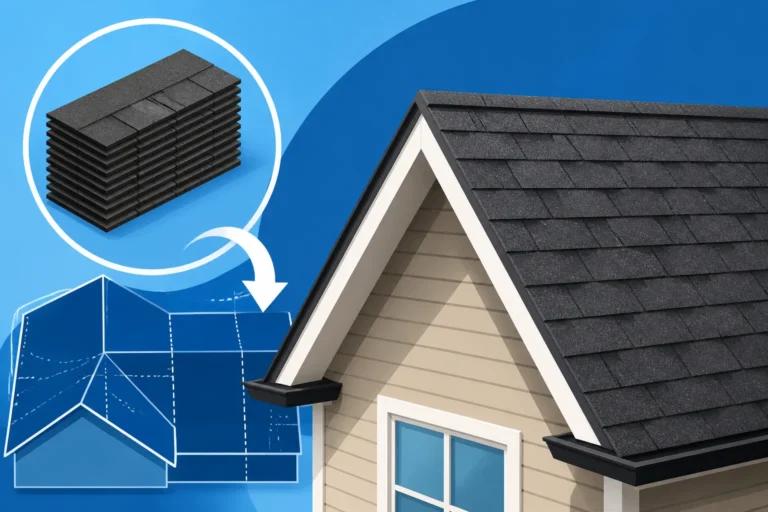
In roofing, "a square" is a unit of measurement equal to 100 square feet of roof area. This isn't the same as your home's footprint; a roof's actual square footage will almost always be larger due to eaves, pitch, and overhangs. When contractors give you estimates, they often break down costs per square.
In California, for a standard architectural asphalt shingle roof, you can generally expect to pay anywhere from $450 to $850 per square, installed. This range accounts for variables like shingle quality, labor rates, and the complexity of your roof.
Let's look at how this translates to total project costs based on typical house sizes:
| House Size (Square Feet) | Estimated Roof Size (Squares) | Estimated Cost Range (Architectural Shingles) |
|---|---|---|
| 1,000 sq ft | 12-15 squares | $5,400 – $12,750 |
| 1,500 sq ft | 18-22 squares | $8,100 – $18,700 |
| 2,000 sq ft | 24-30 squares | $10,800 – $25,500 |
| 2,500 sq ft | 30-38 squares | $13,500 – $32,300 |
| 3,000 sq ft | 36-45 squares | $16,200 – $38,250 |
Keep in mind that these are rough estimates for architectural shingles. If you choose 3-tab shingles, your costs will likely be on the lower end of these ranges. If you opt for premium designer or Class 4 impact-resistant shingles, your costs could easily push the higher end or even exceed these ranges, especially in high-cost areas. For a more detailed look, our guide on the Cost to Replace a Roof by House Size can offer further insights.
Shingle Types and Their Impact on Price
The choice of shingle is perhaps the biggest material cost driver. Here’s a quick rundown of common asphalt shingle types and how they influence the overall price of your asphalt roof replacement in California:
- 3-Tab Shingles: These are the most basic and economical option. They have a flat, uniform appearance and generally come with a 20-25 year warranty. In California, installed 3-tab shingle roofs typically range from $450 to $650 per square. They are a good choice if budget is your absolute top priority, but they offer less wind resistance and a shorter lifespan than other options.
- Architectural (Dimensional) Shingles: These are the most popular choice today. They are thicker, heavier, and offer a multi-dimensional appearance that mimics wood shakes. They come with longer warranties (30-50 years) and better wind resistance. Expect to pay between $550 and $850 per square installed for architectural shingles in California. The 3-Tab vs Architectural Shingle Cost Compared article provides an excellent comparison.
- Designer (Luxury) Shingles: These are premium architectural shingles designed to emulate slate or cedar shakes with exceptional realism. They are the thickest, heaviest, and most durable asphalt shingles, often with lifetime warranties. Installed costs for designer shingles can easily range from $800 to $1,200+ per square in California.
- Cool-Roof Shingles: As mentioned, these are designed to reflect solar energy, reducing heat absorption and helping to lower attic temperatures and energy bills. Many architectural and designer shingles now come in "cool roof" versions. While they have excellent benefits, they often carry a slight premium, potentially adding 10-20% to the cost of a standard shingle of the same type. In areas of California with cool roof mandates, this might be your only compliant option.
- Impact-Resistant (Class 4) Shingles: These shingles are engineered to withstand severe hail and high winds, often qualifying for insurance discounts in hail-prone regions. They are typically architectural or designer styles with enhanced durability. The cost for Class 4 shingles can be 15-30% higher than standard architectural shingles, putting them in the $650 to $950+ per square range installed in California.
Brands like GAF, Owens Corning, CertainTeed, Malarkey, and Atlas all offer various lines within these categories. For example, a GAF Timberline HDZ Roof Cost Installed will typically fall into the architectural shingle range, while a CertainTeed Presidential Roof Cost Installed would be in the luxury category. Each manufacturer has different technologies and warranty offerings that can influence the final price point and perceived value.
Additional Costs to Anticipate
Beyond the basic material and labor, there are several "hidden costs" that can crop up during a roof replacement, especially in a state like California where older homes are common and building codes are strict.
- Roof Decking Replacement: When the old shingles are torn off, the roofing contractor will inspect the plywood or OSB roof decking underneath. If there's rot, water damage, or mold, sections of the decking will need to be replaced. This is a common occurrence, particularly on older homes or where previous leaks went unnoticed. Each sheet of plywood or OSB replaced adds to the material and labor cost, and it's almost impossible to predict the exact extent of this work until the old roof is off. Our guide on Roof Decking Replacement Cost can give you a better idea.
- Structural Repairs: In rare cases, severe water damage or long-term neglect might reveal compromised rafters or trusses, requiring more extensive structural repairs. This isn't usually included in a standard roofing estimate and would be an extra charge.
- Steep Roof Surcharge: If your roof has a very steep pitch (e.g., above 6/12 pitch), it becomes more challenging and dangerous for roofers to work on. This often incurs a "steep roof premium" because it requires more safety equipment, slower work, and potentially more crew members.
- Multiple Layers of Old Shingles: If your existing roof has multiple layers of shingles (some older homes might have two or three layers from past "roof-overs"), removing them all takes significantly more time and generates more waste. While most California codes now limit roofs to two layers, some older homes might still have more. This will increase the tear-off labor and disposal costs.
- Complex Rooflines: A roof with many valleys, hips, dormers, skylights, or chimneys requires more intricate cutting, flashing, and sealing. This adds to labor time and the amount of specialized materials (like flashing) needed, thus increasing the overall cost. For example, replacing a roof and gutters together might also be a good idea, as they often wear out around the same time.
- Chimney, Skylight, or Vent Repair/Replacement: While the flashing around these elements is usually replaced during a reroof, sometimes the chimney itself needs tuckpointing, a skylight is old and leaky and needs full replacement, or vent caps are corroded. These are separate items that can be addressed during the roofing project but will add to the bill.
- Upgraded Ventilation: Proper attic ventilation is critical for extending the life of your roof and improving energy efficiency. If your current ventilation system is inadequate, your contractor might recommend upgrades like adding a ridge vent or more soffit vents. The Cost of Ridge Vent Installation would be an additional line item but is often a worthwhile investment.
- Waste Disposal Fees: California has strict environmental regulations, and disposing of old roofing materials responsibly can be more expensive than in other states. These fees are factored into your overall cost of roof tear-off and disposal.
It’s always a good idea to discuss potential additional costs with your contractor and understand how they will be communicated and approved if they arise. Transparent communication here is key to avoiding hidden costs in a roof replacement.
Navigating the Process and Saving Money in California
Getting a new roof in California is a big investment, but it doesn't have to be a nightmare. With the right approach to choosing a contractor, understanding permits, and exploring financing options, you can make the process much smoother and ensure you get a high-quality roof that lasts.
Getting Accurate Estimates and Vetting Contractors
This is arguably the most critical step in ensuring you get a fair price and a quality installation. Don't settle for the first quote you receive, no matter how tempting it might seem.
- Gather Multiple Bids: I cannot stress this enough – always get at least three detailed estimates from different roofing contractors. This allows you to compare not just the final price, but also the scope of work, material choices, and warranties offered. A trusted resource like Modernize can help connect you with reputable local roofing professionals in California who are pre-screened, saving you a lot of time and hassle in finding reliable options. This helps you understand How to Get Multiple Roofing Estimates Fast.
- Look for Detail, Not Just a Number: A good estimate will break down costs by materials, labor, tear-off, permits, and any potential extra charges (like decking replacement). If an estimate is just a single figure, it's a major red flag. Our guide on How to Read and Compare Roofing Estimates offers a comprehensive checklist.
- Vet Contractors Thoroughly: In California, a roofing contractor must be licensed by the Contractors State License Board (CSLB). Always verify their license number online at the CSLB website. Additionally, ensure they are adequately insured (liability and workers' compensation) to protect you from any accidents or damages during the project. Ask for references and check online reviews. Questions to Ask a Roofing Contractor Before Hiring should include inquiries about their experience with your specific shingle type and local building codes. You also want to check for manufacturer certifications, like GAF Master Elite Contractors Explained or Owens Corning Platinum Preferred, as these signify a higher level of training and often unlock enhanced warranties.
- Understand What Drives Asphalt Roofing Costs Up or Down: Discuss with your potential contractors what factors they see as potential cost accelerators for your specific home. Is it the roof pitch? The number of layers? Specific access challenges? This dialogue will help you understand their pricing better.
Permits, Codes, and Warranties
Navigating the administrative side of roofing in California can feel like a labyrinth, but it's non-negotiable for a legitimate, long-lasting roof.
- Permits are Mandatory: In almost all California municipalities, you absolutely need a permit for a full roof replacement. This isn't just bureaucracy; it ensures that your new roof meets current safety and structural standards. The permit process typically involves an application, fees, and inspections at various stages of the project. Your chosen contractor should be responsible for pulling the permit. If a contractor suggests skipping the permit, walk away immediately – this is a huge red flag and can lead to major headaches down the road, including issues with insurance or when selling your home. Our detailed guide, Do You Need a Permit to Replace a Roof, explains why this is so important. For specific local information, you can always check your city's building department website, or read about Roofing Permit Cost in California.
- Adhering to California Building Codes: California often adopts the latest versions of the International Building Code (IBC) and International Residential Code (IRC), with state-specific amendments. As mentioned, "cool roof" requirements are common in many parts of the state. Other codes cover aspects like proper nailing patterns, underlayment specifications, and ventilation requirements. A reputable contractor will be intimately familiar with the Roofing Building Codes: What to Know in your specific area.
- Understanding Warranties: A new roof comes with two main types of warranties:
- Manufacturer Warranty: This covers the materials (the shingles themselves) against defects. The length and coverage can vary significantly by shingle type and manufacturer (e.g., GAF, Owens Corning). Many premium warranties require the entire roofing system (shingles, underlayment, flashing, etc.) to be from the same manufacturer and installed by a certified contractor.
- Workmanship Warranty: This covers the contractor's installation. Reputable contractors typically offer a 5-10 year workmanship warranty, or even longer if they are manufacturer-certified. This protects you if the roof leaks due to poor installation rather than a material defect. Always get both warranties in writing. Understanding Roofing Warranty: Workmanship vs Manufacturer is key.
Financing and Insurance Considerations
The cost of an asphalt roof replacement in California can be a significant hit to your wallet, but there are options to make it more manageable.
- Roof Financing Options Explained: Many roofing companies offer financing plans, often through third-party lenders. These can range from deferred interest plans (like "0% APR for 12 months") to longer-term loans. Interest rates and terms vary, so compare options carefully. Home equity loans or lines of credit (HELOCs) are also popular choices for homeowners with sufficient equity, often offering more favorable interest rates than unsecured personal loans. Some homeowners might even consider a cash-out refinance if their mortgage rate is still low.
- Insurance Coverage for Storm Damage: If your roof replacement is due to sudden, unexpected damage from a storm (like hail or high winds), your homeowner's insurance policy might cover a significant portion of the cost. However, policy specifics vary widely, especially in California where many policies have higher deductibles for wind and hail, or even exclude certain perils in high-risk zones.
- Document Everything: If you suspect storm damage, take photos and videos of the damage before any repairs begin.
- File a Claim Promptly: Contact your insurance company as soon as possible.
- Get a Professional Inspection: Have a qualified roofing contractor inspect your roof and provide a detailed report, which you can then submit to your insurer. Many contractors specialize in working with insurance claims. Our guide on Does Insurance Cover Roof Replacement offers a comprehensive look at this process.
- Beware of Storm Chasers: After a major storm, "storm chasers" will often appear, promising to handle your claim and even waive your deductible. Be extremely wary of these tactics; they often lead to shoddy work, inflated claims, and potential insurance fraud. Always work with local, established, and reputable contractors, like those found through Modernize, who will provide honest assessments.
Budgeting for a new roof can feel overwhelming, but by breaking down the costs, understanding the process, and choosing the right professionals, you can ensure your California home is protected for decades to come.
Disclaimer
Please remember that the costs and information provided in this article are estimates and general guidelines. Actual asphalt roof replacement costs in California can vary significantly based on your specific location, the complexity of your roof, the materials you choose, the contractor you hire, and prevailing market conditions. Always obtain multiple detailed quotes from licensed and insured local professionals for an accurate assessment tailored to your project.