How to Budget for a New Roof
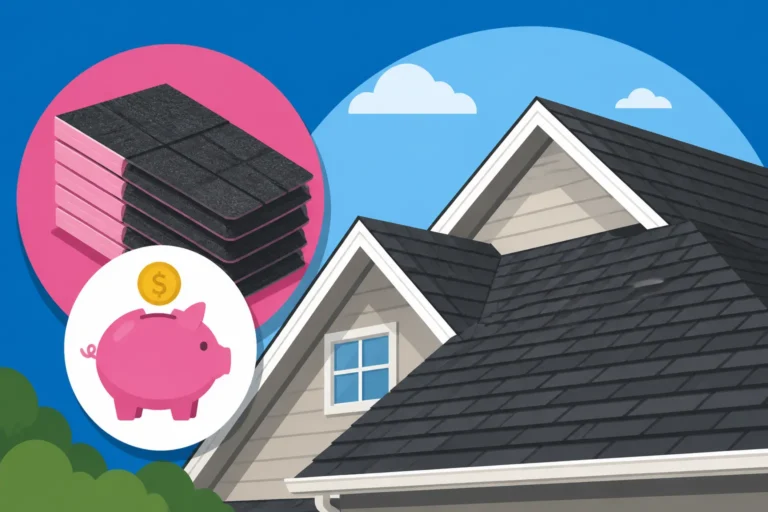
The thought of replacing your roof can send shivers down your spine, not just because of the logistical hassle, but because of the intimidating price tag. It's a major home improvement project, often one of the most significant investments homeowners make, and knowing how to properly budget for it can feel like trying to solve a complex puzzle with missing pieces. This comprehensive guide is here to demystify the process, helping you understand all the factors involved so you can create a realistic and manageable budget for your new asphalt roof.
Understanding the True Cost of a New Roof
Before you can even begin to budget, you need a solid grasp of what contributes to the overall cost of a new asphalt roof. It’s rarely just the shingles themselves; there's a whole system at play, and neglecting any component can lead to long-term issues and additional expenses down the line. Think of it less as buying a product and more as investing in a complete, weather-tight system for your home.
Shingle Material Choices and Their Impact
The type of asphalt shingle you choose is often the first and most obvious cost driver. You have several options, each with its own aesthetic appeal, durability, and price point. Your choice here will significantly influence your budget, so it's wise to explore them thoroughly.
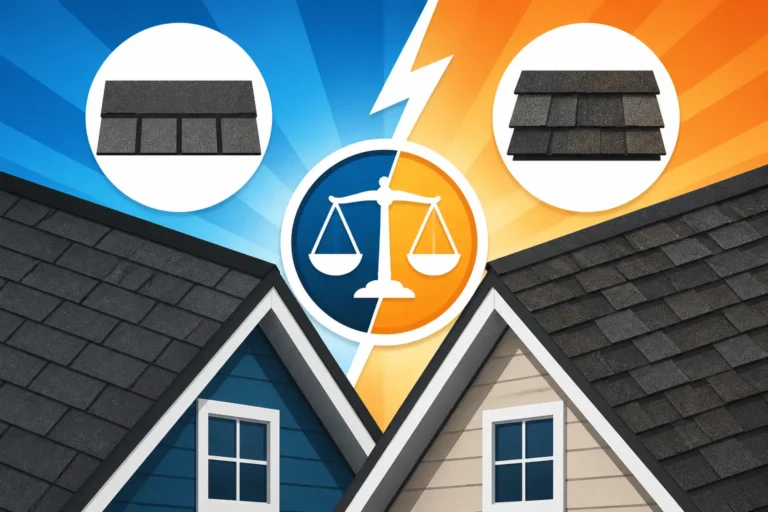
For instance, 3-tab shingles are generally the most economical choice. They offer a flat, uniform appearance and are a good option for homeowners on a tight budget. However, they typically don't offer the same wind resistance or lifespan as their more robust counterparts. If you're looking for an entry-level option, they can keep your initial costs down, but it's important to consider their average lifespan is often 15-20 years, potentially leading to earlier replacement than other types.
Architectural shingles, also known as dimensional shingles, are by far the most popular choice today, and for good reason. They're thicker, more durable, and designed to mimic the look of natural wood or slate, adding significant curb appeal to your home. While they cost more upfront than 3-tab shingles, their extended lifespan, often 25-30 years or more, and better resistance to wind and impact often make them a more cost-effective long-term investment. They are widely available from manufacturers like GAF, Owens Corning, and CertainTeed.
Beyond architectural styles, you might consider specialty shingles. This includes designer or luxury shingles, which offer even more advanced aesthetics and durability, or functional options like impact-resistant shingles (often Class 4 rated) or cool-roof shingles designed to reflect solar heat. These premium options come with a higher price tag, but can offer benefits like lower insurance premiums in hail-prone areas, enhanced energy efficiency, or superior longevity. It's about balancing your budget with the specific needs and desires you have for your home and its protection.
Labor and Installation Factors
The cost of labor is another significant portion of your roofing budget, often accounting for 40-60% of the total project price. This isn't just about the hourly wage of the roofers; it encompasses the expertise, efficiency, and safety protocols they bring to the job. Several elements related to your home's structure directly impact labor costs.
The pitch or steepness of your roof, for example, plays a huge role. A very steep roof requires more specialized equipment, more time for workers to maneuver safely, and often necessitates additional safety measures like scaffolding, all of which drive up labor costs. Roofing contractors often charge a premium for steep roofs because of the increased difficulty and hazard involved. Conversely, a low-slope or flatter roof is generally easier and quicker to work on, reducing labor expenses.
The number of stories on your home also affects labor. A single-story ranch house is much simpler to roof than a multi-story colonial. Workers need to haul materials higher, and the logistics of debris removal become more complex with each additional story. This added effort translates directly into higher labor costs. Similarly, complex rooflines with many valleys, hips, dormers, and chimneys require more intricate cutting, fitting, and flashing work, all of which add time and skill to the project, increasing the overall labor expense.
Finally, don't forget the cost of the tear-off and disposal of your old roof. If your current roof has multiple layers of shingles, or if there's extensive decking damage that needs to be addressed, the labor and disposal fees will naturally increase. A full tear-off ensures a clean slate for your new roof and is generally recommended for optimal performance and warranty validity, but it does add to the labor time and disposal costs. You can learn more about the costs associated with this process in our guide on the Cost of Roof Tear-Off and Disposal.
Geographic and Seasonal Influences
Where you live and even when you decide to replace your roof can impact the final cost. Roofing costs aren't uniform across the country; they fluctuate significantly based on regional labor rates, local material availability, and even common weather patterns.
For example, homeowners in densely populated metropolitan areas like New York or California often face higher labor rates and permit fees compared to those in more rural parts of the Midwest. This is due to a higher cost of living, increased demand, and stricter building codes in many urban centers. Even within a state, prices can vary between major cities and smaller towns. It’s always a good idea to research average Asphalt Roof Replacement Cost by State for your specific region.
The time of year you choose for your roof replacement can also have a subtle effect on pricing. While it might seem counterintuitive, scheduling your project during the "off-season" (late fall or early winter in many climates, as long as temperatures aren't too low for proper shingle sealing) could potentially lead to slightly lower bids as contractors might be trying to fill their schedules. Peak roofing seasons, typically late spring through early fall, often see contractors booked solid, which can sometimes mean less flexibility in pricing. However, always prioritize proper installation conditions – extreme cold can affect shingle adhesion, and intense heat can make working conditions difficult and may necessitate specific installation precautions.
Getting Accurate Estimates: The Foundation of Your Budget
Once you have a general understanding of the cost drivers, the next crucial step in budgeting for a new roof is to gather accurate estimates. This isn't just about getting a number; it's about understanding what that number includes and ensuring you're comparing apples to apples across different contractors. Skipping this step can lead to significant budgetary surprises down the line.
Why Multiple Bids are Essential
It's tempting to go with the first contractor who gives you a reasonable quote, especially when you're eager to get the project started. However, getting multiple bids—ideally three to five—is absolutely non-negotiable for a truly robust budget. This isn't just about finding the cheapest option; it's about gaining a comprehensive understanding of the market rate for your specific project.
Each contractor might have a slightly different approach, offer different shingle brands or warranty packages, or include varying levels of detail in their proposal. By comparing several bids, you can identify outliers (both too high and too low) and spot common denominators. A quote that is significantly lower than the others should raise a red flag, as it might indicate corners are being cut on materials, labor, or insurance. Conversely, a very high quote might be justified by premium materials or extensive warranty coverage, but you'll only know that by having other quotes for comparison.
Using a service like Modernize can simplify the process of gathering multiple quotes. They connect homeowners with pre-screened local roofing professionals, helping you quickly get several competitive bids without the hassle of individually searching and vetting each company. This efficiency is invaluable when you're trying to build an accurate budget under time constraints. Remember to ask the same questions of each contractor to ensure you can effectively compare their offerings.
Deciphering a Detailed Roofing Quote
A good roofing estimate should be more than just a single price. It should be a detailed breakdown of all costs involved. When you receive an estimate, don't just glance at the bottom line. Take the time to meticulously review each component. A thorough quote should clearly list:
- Material Costs: Specify the type, brand, and quantity of shingles (e.g., GAF Timberline HDZ, 30 squares). It should also detail underlayment (synthetic vs. felt), drip edge, flashing materials, and ventilation products like ridge vents.
- Labor Costs: While often grouped, some contractors might break down labor by square, tear-off, installation, and cleanup.
- Permit Fees: This is a non-negotiable item in most localities and should be included.
- Disposal Fees: The cost to haul away the old roofing materials.
- Additional Components: Items like ice and water shield, attic ventilation upgrades, new gutters, or skylight replacements if applicable.
- Warranty Information: Details on both the manufacturer's warranty and the contractor's workmanship warranty.
Don't hesitate to ask questions about anything unclear. For example, clarify if temporary roof repairs (like tarping after storm damage) are included if you need them before the full replacement. Understand what each line item means and why it's there. This granular understanding is critical for our guide on How to Read and Compare Roofing Estimates.
| Component | Description | Budget Impact (Typical) | Questions to Ask Contractors |
|---|---|---|---|
| Shingles | Material choice (3-tab, architectural, designer) | Low-High (e.g., $100-$500 per square) | What brands/lines are you quoting? What are the warranty options? |
| Underlayment | Water barrier beneath shingles (felt, synthetic, ice & water shield) | Low-Medium | What type of underlayment do you use? Is ice & water shield included? |
| Labor | Installation, tear-off, cleanup | High (40-60% of total) | How do you calculate labor? What's the timeline? |
| Flashing & Drip Edge | Metal components protecting vulnerable areas | Low-Medium | What materials do you use for flashing? Is it replaced or reused? |
| Ventilation | Ridge vents, soffit vents, etc., for attic air flow | Low-Medium | Are ventilation upgrades included? What type of vents? |
| Permits & Fees | Local municipality requirements | Low | Who pulls the permit? What's the estimated cost? |
| Debris Disposal | Hauling away old roofing materials | Low-Medium | Is dumpster rental and removal included? |
| Contingency | For unexpected repairs (e.g., rotten decking) | Variable (5-15% of total) | How do you handle unforeseen issues? What are change order procedures? |
Hidden Costs and Unexpected Surprises
Even with the most detailed estimates, roofing projects can sometimes throw homeowners a curveball. Unexpected issues can quickly inflate your budget if you haven't accounted for them. A truly realistic budget always includes a contingency fund to absorb these potential hidden costs, preventing financial stress and project delays. Understanding these common surprises upfront is key to effective budgeting.
Unexpected Decking or Structural Repairs
One of the most frequent "hidden costs" is the discovery of damaged roof decking or underlying structural issues once the old shingles are removed. From the ground or even during a pre-inspection, it's often impossible to fully assess the condition of the plywood or OSB decking beneath the old roof.
Factors like prolonged leaks, inadequate ventilation leading to moisture buildup, or insect infestation can cause plywood to rot, warp, or become soft. When the roofers tear off the old shingles, they might find sections of decking that are no longer structurally sound and need to be replaced. Each sheet of plywood or OSB adds material and labor costs to the project. While the Cost of Roof Decking Replacement may seem small per sheet, if multiple sheets are affected, it can quickly add up. For example, a severe leak might require replacing several sheets of decking around a chimney or skylight, which could be an extra few hundred to over a thousand dollars tacked onto your bill. Always discuss with your contractor how they handle such discoveries and what the per-sheet cost for replacement would be.
Permits, Inspections, and Code Upgrades
Many homeowners overlook the administrative costs associated with a roof replacement, assuming they're minimal or handled entirely by the contractor without extra charge. However, securing a roofing permit is almost always required for a full replacement in most municipalities across the U.S., and the associated fees can vary significantly.
These permits ensure that the work adheres to local building codes, which are in place for safety and structural integrity. Depending on your city or county, permit fees can range from under $100 to several hundred dollars. Beyond the initial permit, your project will likely require inspections by city or county officials at various stages (e.g., after tear-off, before final shingle installation) to ensure compliance. If your roof doesn't meet current codes—perhaps due to outdated ventilation, insufficient nailing, or improper flashing from a previous job—you might be required to make upgrades to meet the new standards, which adds to the cost. For example, if your home is older and lacks adequate attic ventilation, the inspector might require the installation of new ridge vents and soffit vents, an unforeseen expense. These are vital considerations, and our guide on Do You Need a Permit to Replace a Roof provides further insights.
Disposal and Cleanup Fees
While we touched on disposal as part of labor, it's worth highlighting as a distinct cost component that can sometimes surprise homeowners, especially if the volume of debris is larger than anticipated. The old shingles, underlayment, and any replaced decking need to be hauled away, and this isn't a free service.
Most contractors factor debris disposal into their overall bid, often including the cost of a dumpster rental and the fees associated with taking the waste to a local landfill or recycling center. However, if the project generates significantly more waste than estimated—for instance, if there were two layers of old shingles instead of one, or extensive decking replacement—the contractor might incur additional dumpster fees, which could be passed on to you. It's crucial to confirm whether the estimate includes all disposal costs for all layers of existing roofing and any potential additional debris. Some contractors might also charge extra for meticulous cleanup of nails and debris around your property, though most reputable companies include a thorough cleanup as part of their standard service.
Financing Your New Roof
For many homeowners, a new roof is a significant expense that isn't fully covered by existing savings. Exploring various financing options is a critical part of the budgeting process, allowing you to choose a payment strategy that aligns with your financial situation without compromising the quality of your roof.
Cash vs. Home Equity Loans
If you have the cash readily available, paying for your new roof upfront can be the most straightforward and often cheapest option. You avoid interest payments and can sometimes even negotiate a small discount with contractors for a cash payment. This offers peace of mind knowing the project is paid in full once completed.
However, dipping into emergency savings for a roof can be risky. If you don't have a robust emergency fund outside of what you'd use for the roof, it might be wiser to explore other options. This is where a home equity loan or a home equity line of credit (HELOC) comes into play. These financial products allow you to borrow against the equity you've built in your home, typically at a lower interest rate than personal loans, because your home acts as collateral. A home equity loan provides a lump sum, perfect for a fixed expense like a roof replacement, with predictable monthly payments. A HELOC offers more flexibility, allowing you to draw funds as needed over a period, which could be useful if you're uncertain about potential hidden costs. Both options leverage your home's value, and the interest on these loans may even be tax-deductible.
Contractor Financing and Payment Plans
Many roofing contractors understand that a new roof is a big investment and offer their own financing solutions or connect you with third-party lenders. These options can be incredibly convenient, streamlining the financing application process directly through your chosen roofer.
Contractor financing might come in several forms:
- 0% APR Promotional Periods: Some contractors offer introductory periods with no interest, typically for 6, 12, or even 18 months, if the balance is paid in full by the end of the period. This can be an excellent option if you anticipate having the funds within that timeframe. Be mindful of deferred interest clauses, where if you don't pay it off, all back interest from day one becomes due.
- Fixed-Rate Installment Loans: These are standard loans with a set interest rate and a fixed monthly payment over a specific term, usually 3 to 10 years. They offer predictability and can make the large cost of a roof much more manageable on a monthly basis.
- Payment Plans: For smaller projects or repairs, some contractors might offer in-house payment plans, though these are less common for full roof replacements.
It's crucial to compare the interest rates and terms of contractor financing against traditional bank loans or home equity options. Sometimes contractor-offered rates are higher for convenience, so always shop around. You can explore more in-depth details about these options in our guide on Roof Financing Options Explained.
Insurance Claims and Deductibles
If your roof damage is due to a sudden, unexpected event like a hailstorm or high winds, your homeowner's insurance policy might cover a significant portion, or even all, of the replacement cost. Filing an insurance claim can drastically reduce your out-of-pocket expenses.
However, navigating the insurance claim process can be complex. You'll need to understand your policy's coverage, especially regarding actual cash value (ACV) versus replacement cost value (RCV). RCV policies pay for the full cost of replacing your roof with new materials of similar quality, while ACV policies only pay the depreciated value of your old roof, leaving you to cover a larger portion. You'll also be responsible for your deductible, which is the amount you pay before your insurance coverage kicks in. Deductibles can range from a few hundred dollars to 1% or 2% of your home's insured value, so budgeting for this amount is essential. Many reputable roofers are experienced with insurance claims and can help you document the damage and work with your adjuster, making the process smoother. If you suspect storm damage, immediately reach out to your insurance provider and a trusted local roofing company. Our article on Does Insurance Cover Roof Replacement offers further insights.
Maximizing Your Savings Without Compromising Quality
Budgeting for a new roof isn't just about finding money; it's also about making smart choices to optimize value and potentially reduce long-term costs. There are several strategies homeowners can employ to get the most bang for their buck without cutting corners that could lead to future problems.
Timing Your Roof Replacement Strategically
The timing of your roof replacement can have a subtle but impactful effect on your budget and overall experience. While emergency replacements due to storm damage can't be timed, if you're planning a proactive replacement, you have some flexibility.
As mentioned earlier, demand for roofing services typically peaks in the warmer months of spring and summer. During these busy periods, contractors might have less flexibility with pricing as their schedules are full. Scheduling your roof replacement during the "off-season," such as late fall or early winter (in regions where temperatures remain above freezing consistently), could potentially lead to more competitive bids. Contractors might be more willing to offer discounts to keep their crews working during slower periods. However, it's crucial to ensure the weather conditions are appropriate for shingle installation, as very cold temperatures can affect the adhesive strip activation on shingles, compromising their seal. Discuss optimal installation conditions with your chosen contractor. Waiting until your roof is actively leaking and causing interior damage will almost always cost you more in the long run, as you'll also have to factor in interior repairs. Taking a proactive approach by keeping an eye on your roof's age and condition can save you money. Our guide on Roof Age: When to Start Planning Replacement can help you determine the right time.
Comparing Warranties and Long-Term Value
When budgeting, it’s easy to focus solely on the upfront cost. However, a truly savvy homeowner considers the long-term value, and a significant part of that value comes from the roofing warranties. There are typically two types of warranties to consider: the manufacturer's warranty on the materials and the contractor's warranty on the workmanship.
Manufacturer warranties cover defects in the shingles themselves. Basic warranties might be prorated and only cover a limited period, while enhanced "system" warranties (like those offered by GAF, Owens Corning, or CertainTeed when their full roofing system is installed by a certified contractor) can offer non-prorated coverage for longer periods, sometimes 50 years or even lifetime, and often include labor to remove and reinstall defective materials. These enhanced warranties are invaluable for protecting your investment against material failure. The added cost for an enhanced warranty package is often minimal compared to the peace of mind and protection it offers.
The workmanship warranty covers the installation itself. Even the best shingles won't perform if installed incorrectly. A reputable contractor will stand behind their work for a period, typically 5 to 10 years, and some even longer, ensuring that any issues arising from faulty installation are addressed. When comparing quotes, don't just compare the initial price; compare the warranty packages. A slightly higher upfront cost for a superior warranty can prevent costly repairs or premature replacement down the road, thus saving you money in your long-term budget.
Smart Material Choices for Your Climate
Your local climate should heavily influence your material choices, not just for durability but for potential long-term savings. Choosing the right shingles for your environment can help you avoid costly repairs and even reduce energy bills.
For homes in hail-prone regions, investing in Class 4 impact-resistant shingles, such as Malarkey Legacy or CertainTeed Landmark IR, might come with a higher upfront cost but could lead to significant savings. Many insurance companies offer discounts on homeowner's premiums for roofs protected with Class 4 shingles, potentially offsetting the initial expense over time. In sunny, hot climates like those in Texas or Florida, cool-roof shingles, which are designed to reflect more solar radiation, can help reduce attic temperatures and lower your air conditioning costs. While these shingles have a higher initial price, the energy savings over their lifespan can be substantial, making them a wise budgetary decision. Always consult with your contractor about the best shingle options for your specific climate and how they might impact your long-term finances.
The Budgeting Process: Step-by-Step
Creating a solid budget for a new roof can feel overwhelming, but breaking it down into manageable steps makes the process much less daunting. By following a clear, methodical approach, you can ensure you've considered all the variables and are prepared for the financial commitment.
Step 1: Research Average Costs in Your Area
Before you even call a contractor, do some preliminary research. This will give you a ballpark figure and help you identify if a quote is unusually high or low. Look up the average Cost to Replace a Roof by House Size or general asphalt roof replacement costs in your specific city or state. Online tools and recent home improvement surveys can provide ranges for different shingle types and roof complexities.
For example, if you live in Georgia, you might find that the average asphalt roof replacement for a 1,800 sq ft house typically falls within a certain range. This initial research empowers you to approach contractors with some baseline knowledge, making you a more informed consumer. Websites that connect homeowners with local pros, like Modernize, can also offer cost estimates based on similar projects in your area, giving you an early idea of what to expect. This initial homework helps set realistic expectations for your budget.
Step 2: Obtain Multiple Detailed Quotes
This step is arguably the most critical for an accurate budget. As discussed, aim for at least three to five detailed estimates from reputable, licensed, and insured roofing contractors. Make sure each contractor walks you through their proposal, explaining every line item.
When reviewing these quotes, ensure they specify:
- The exact shingle brand, type, and color.
- The type of underlayment (e.g., synthetic vs. felt).
- Details on flashing, ventilation, and drip edge materials.
- Whether a full tear-off is included.
- Permit fees and debris disposal.
- The manufacturer's and workmanship warranties.
Don't just look for the lowest price. Evaluate the value proposition of each bid, considering the quality of materials, the contractor's reputation (check reviews and references!), and the comprehensiveness of the warranty. This detailed comparison will form the backbone of your budget.
Step 3: Factor in Contingency Funds
No matter how thorough your estimates, unforeseen issues can arise. This is why a contingency fund is absolutely essential. A good rule of thumb is to set aside an additional 10-15% of the total estimated project cost for unexpected expenses.
For instance, if your lowest solid bid is $15,000, you should budget an additional $1,500 to $2,250 for contingencies. This fund will cover things like unexpected rotten decking discovery, minor structural repairs, or even a sudden increase in material costs if there are supply chain issues. Having this buffer prevents you from scrambling for funds mid-project and ensures that necessary repairs aren't skipped due to budgetary constraints, which could compromise the integrity of your new roof.
Step 4: Explore Financing and Payment Options
With your estimated total cost (including contingency) in hand, it's time to figure out how you'll pay for it. Revisit the financing options discussed earlier:
- Cash/Savings: If you have the funds, confirm if it leaves your emergency fund adequately intact.
- Home Equity Loan/HELOC: Research current interest rates and application processes.
- Contractor Financing: Compare the rates and terms offered by your chosen contractor to ensure they are competitive.
- Insurance Claim: If applicable, confirm the expected payout and your deductible responsibility.
Remember that payment schedules often involve an initial deposit, progress payments, and a final payment upon completion. Understand these milestones and budget for them accordingly.
Step 5: Finalize Your Budget and Contractor Choice
Once you've done your research, gathered quotes, accounted for contingencies, and explored financing, you can finalize your budget. This means having a clear understanding of the total cost and your chosen method of funding it.
With your budget firmly in place, you can confidently select your roofing contractor. This decision should be based on a combination of factors: competitive pricing, clear communication, a strong reputation, comprehensive warranties, and your overall comfort level with their professionalism. Don't be afraid to negotiate, especially if you have multiple bids that are very close. A well-prepared budget gives you the confidence and leverage to make the best decision for your home and your wallet.
Disclaimer
Please remember that the information provided in this guide is intended for general informational purposes only and does not constitute professional financial, roofing, or insurance advice. Roofing costs and regulations can vary significantly based on location, materials, contractor rates, and individual home conditions. Always consult with licensed roofing professionals, financial advisors, and insurance agents for advice tailored to your specific situation.