Impact-Resistant Roofing Requirements in Florida
Living in Florida means constantly keeping an eye on the sky, especially during hurricane season. The thought of your roof taking a beating from relentless winds, driving rain, and even unexpected hail is a nightmare, and for many homeowners, it's a terrifying reality. Protecting your home starts from the top down, and understanding Florida's impact-resistant roofing requirements is key to fortifying your sanctuary and gaining invaluable peace of mind.
Why Florida Homes Demand Impact-Resistant Roofing
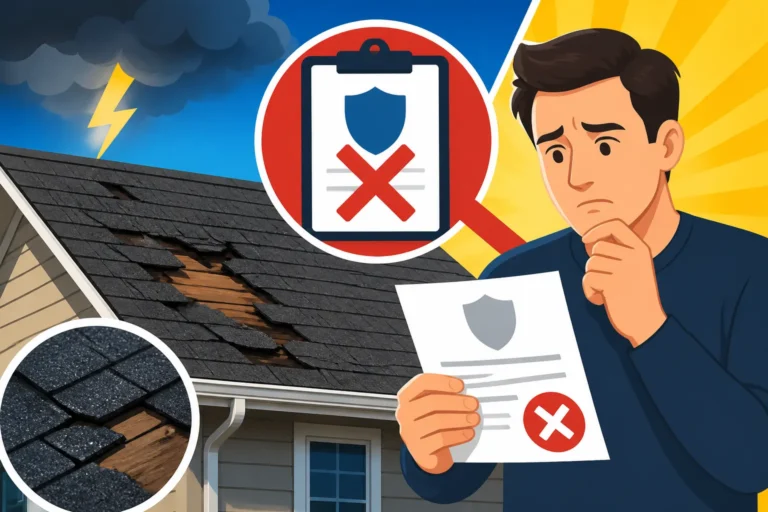
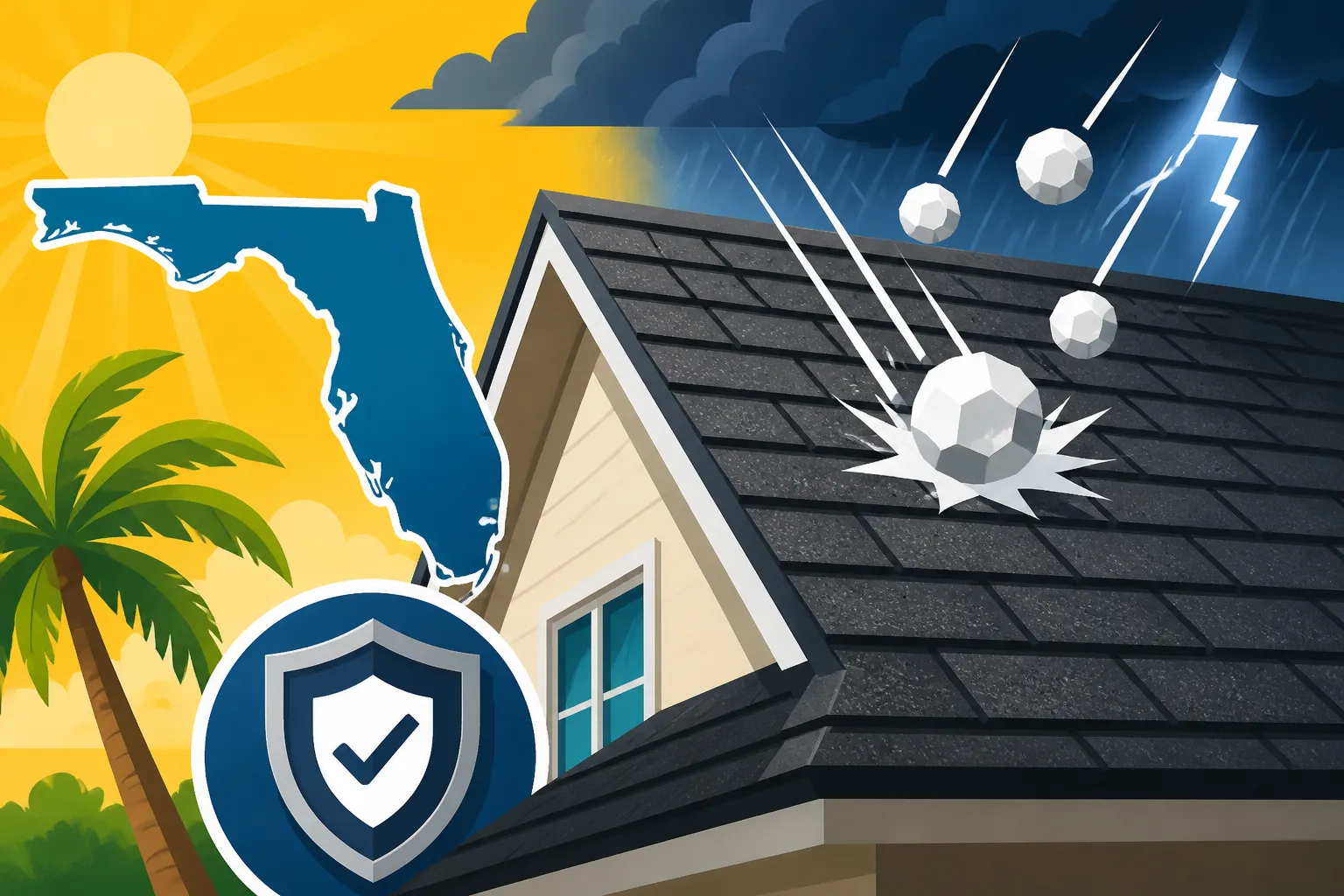
Florida's beautiful sunshine and coastal breezes come with a significant trade-off: it's ground zero for some of the most intense weather events in the country. We're not just talking about heavy rain; we're talking about hurricanes, tropical storms, and surprisingly, a significant number of hailstorms that can pummel a standard roof into submission. If you've ever had to deal with the aftermath of a severe storm – the scramble for emergency tarping, the frustrating insurance claims, or the anxiety of a leaky ceiling – you know the devastation a compromised roof can bring.
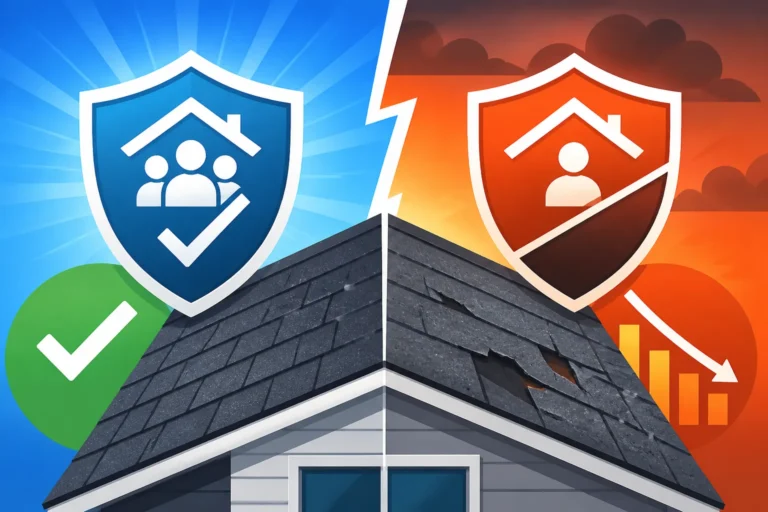
Standard asphalt shingles, while durable for typical wear and tear, often aren't designed to withstand the sheer force of golf-ball-sized hail or wind-driven debris that can turn a beautiful afternoon into a disaster zone. The constant cycles of heat, humidity, and then violent storms accelerate roof degradation, leading to issues like missing shingles, cracked shingles, and significant granule loss long before their expected lifespan. This isn't just an aesthetic problem; it's a structural vulnerability that puts your entire home at risk. Investing in impact-resistant roofing isn't just about adhering to building codes; it's about making a proactive choice to shield your home against the inevitable wrath of Mother Nature, saving you untold stress and financial headaches down the line.
Florida's Building Codes and Impact-Resistant Standards
Florida's unique climate and high risk of severe weather have led to some of the most stringent and well-developed building codes in the nation, particularly concerning roofing. The Florida Building Code (FBC) is a comprehensive set of regulations designed to ensure homes are built to withstand the challenges posed by hurricanes and other extreme events. For homeowners in Florida, especially in coastal areas and high-velocity hurricane zones (HVHZ) like Miami-Dade and Broward counties, simply choosing any shingle won't cut it. You need materials and installation methods that meet specific performance criteria for both wind and impact resistance.
Understanding Wind and Impact Resistance Ratings
When you're looking at roofing materials, you'll encounter a couple of crucial ratings that speak directly to their ability to stand up to Florida's climate. It's important to understand the difference between them, as both are critical for a resilient roof.
First, there's wind resistance. This refers to a shingle's ability to remain adhered to the roof deck and resist tearing off in high winds. The FBC mandates specific wind resistance ratings based on your home's location and designated wind zone. Common standards you'll see are ASTM D3161 (Class A, B, C for wind speeds up to 110 mph, 90 mph, and 60 mph respectively) and ASTM D7158 (Class D, G, H for wind speeds up to 90 mph, 120 mph, and 150 mph). In many parts of Florida, especially near the coast, you'll need shingles rated for very high wind speeds. The way shingles are nailed and sealed plays a huge role here, often requiring enhanced nailing patterns, which can sometimes be referred to as "high-wind nailing."
Second, and directly relevant to impact-resistant roofing requirements, is the impact resistance rating. This measures a shingle's ability to withstand damage from falling objects, primarily hail. The industry standard for this is the UL 2218 Class rating system, which classifies roofing materials based on their resistance to impact from steel balls dropped from varying heights.
Here’s a quick breakdown of the UL 2218 ratings:
| UL 2218 Impact Resistance Class | Test | Resistance Level | Typical Application |
|---|---|---|---|
| Class 1 | Tested with a 1.25-inch steel ball dropped from 12 feet. | Least resistant. Minor impact from small hail. | Generally not recommended for hail-prone or high-storm areas. |
| Class 2 | Tested with a 1.5-inch steel ball dropped from 15 feet. | Moderate resistance. Withstands slightly larger hail. | Better than Class 1, but still may sustain damage in severe storms. |
| Class 3 | Tested with a 1.75-inch steel ball dropped from 17 feet. | Good resistance. Can endure larger hail without significant damage. | A solid choice for many areas, offering decent protection. |
| Class 4 | Tested with a 2-inch steel ball dropped from 20 feet (equivalent to a golf ball). | Highest resistance. Designed to withstand severe hail and impacts. | Highly recommended for Florida and other regions with frequent large hail or hurricane-force winds. |
For Florida homeowners, a UL 2218 Class 4 rating is the gold standard for impact resistance. These shingles are engineered with advanced materials and construction to resist punctures, cracking, and granule loss caused by hail or wind-driven debris, which are common culprits behind many roof replacement scenarios after a storm. While the Florida Building Code doesn't mandate Class 4 shingles across the entire state, choosing them is a smart, proactive move, especially given the state's susceptibility to severe weather. Many local jurisdictions, particularly those more frequently hit by hail, might encourage or incentivize their use.
The Role of Permits and Inspections
Any significant roofing work in Florida, especially a full roof replacement, will require a permit. This isn't just red tape; it's a vital step to ensure your new roof meets the rigorous FBC standards and is installed correctly. Your chosen roofing contractor should be well-versed in the local permitting process, which is why it’s so important to find a reputable roofer.
Once the permit is issued, expect at least one inspection during the roofing process, usually after the old roof has been torn off (if applicable) and before new materials are fully installed, or a final inspection once the job is complete. These inspections verify that the roofing components, such as the underlayment, flashing, and shingle application, comply with the FBC, including specific wind-resistance requirements. For example, inspectors will look for correct nailing patterns to ensure the shingles are properly secured against high winds, a crucial detail to prevent premature failure. Don't let a contractor talk you into skipping the permit; it could void your warranty and lead to major headaches down the road. You can learn more about if you need a permit to replace a roof and the overall process.
Choosing and Installing Impact-Resistant Shingles in Florida
Selecting and installing impact-resistant shingles in Florida isn't just about picking a product; it's about creating a robust, resilient roofing system. With the right materials and expert installation, you can significantly enhance your home's protection against the state's notoriously harsh weather.
Key Features to Look for in Impact-Resistant Shingles
When you're out there talking to roofing contractors, make sure you're asking about specific features that make shingles truly impact-resistant and suitable for Florida's climate.
- UL 2218 Class 4 Rating: As discussed, this is non-negotiable for maximum hail and debris resistance. These shingles typically feature a modified asphalt formula, often blended with rubberizing polymers (like SBS, styrene-butadiene-styrene), which makes them more flexible and resilient to impact without cracking. This flexibility allows them to absorb the energy of an impact rather than breaking.
- High Wind Resistance: Beyond impact, your shingles absolutely must be rated for high winds. Look for shingles with strong adhesion strips and robust construction that can withstand gusts exceeding 130 mph. Many premium architectural shingles, which are already popular in Florida, offer superior wind resistance compared to traditional 3-tab shingles.
- Advanced Adhesion Technology: Many manufacturers incorporate special sealant strips that create a stronger bond when exposed to the sun's heat. For instance, some GAF shingles feature DuraGrip™ Adhesive, while Owens Corning Duration® shingles boast SureNail® Technology, both designed to enhance adhesion and prevent shingles from blowing off in high winds. These aren't just marketing buzzwords; they represent real engineering advancements crucial for Florida.
- Algae Resistance: Florida's humidity makes roofs a prime breeding ground for unsightly black streaks caused by blue-green algae. While not directly related to impact, algae-resistant shingles, often containing copper granules, are a smart choice to maintain your roof's appearance and longevity in our climate.
- Manufacturer Warranties: Look for shingles backed by strong manufacturer warranties that specifically cover wind and impact damage. These warranties often require a complete roofing system installation (shingles, underlayment, flashing, ventilation) by a manufacturer-certified contractor to be fully valid.
The Importance of Professional Installation
Even the best impact-resistant shingles won't perform as intended if they're not installed correctly. This is where your choice of roofing contractor becomes paramount. A cheap quote might seem appealing, but if it means cutting corners on installation, you're setting yourself up for future problems.
- Certified Contractors: Look for contractors who are certified by leading shingle manufacturers like GAF (e.g., GAF Master Elite® Contractors) or Owens Corning (e.g., Owens Corning Platinum Preferred Contractors). These certifications mean the contractor has undergone specific training and meets stringent standards for installation, allowing them to offer enhanced warranties that often include extended coverage for workmanship and materials.
- Adherence to Florida Building Code: A qualified Florida roofer will know the ins and outs of the FBC, including specific requirements for underlayment, drip edge, flashing, and nailing patterns that are designed to maximize wind and impact resistance. They will ensure your roof's components work together as a cohesive system, rather than just slapping shingles on.
- Proper Nailing: This is a huge factor in preventing blow-offs. Impact-resistant shingles often require a specific nailing pattern (e.g., six nails per shingle instead of the standard four) and precise placement to achieve their maximum wind uplift ratings. Your contractor should confirm they follow these manufacturer-specific and FBC-mandated nailing guidelines. We have a detailed guide on how shingles are nailed and sealed.
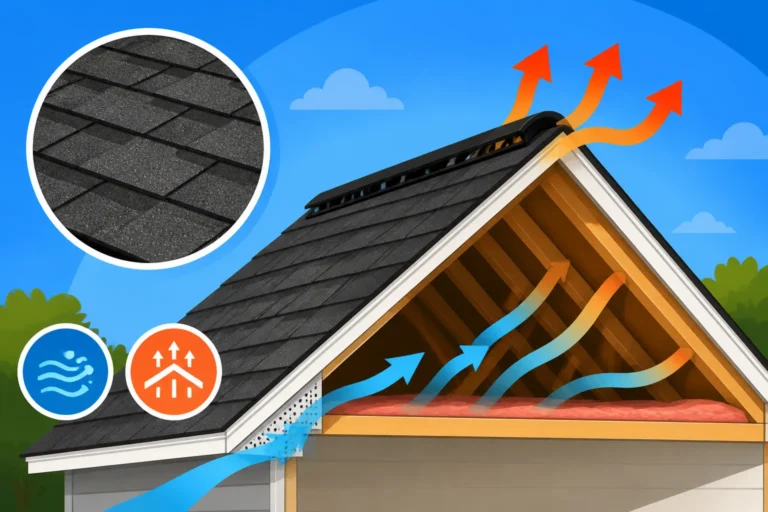
- Complete System Installation: A truly impact-resistant roof is more than just the shingles. It includes a high-quality synthetic underlayment, ice and water shield in critical areas (like valleys and eaves), proper ventilation (ridge vents, soffit vents), and durable flashing around chimneys and vents. All these elements contribute to the roof's overall resilience against the elements. If you're wondering how a roof replacement works, it's a comprehensive process.
Choosing and installing impact-resistant shingles in Florida is a significant investment, but it's one that pays dividends in protection and peace of mind. By focusing on UL Class 4 rated products and entrusting the job to a certified, experienced local contractor, you're building a fortress against the storms that are an unavoidable part of Florida living.
Insurance Incentives and Long-Term Value of Impact-Resistant Roofs
Let's be honest, replacing a roof is a significant investment. But when it comes to impact-resistant roofing in Florida, it’s an investment that often comes with tangible financial benefits, especially concerning your homeowners insurance. This isn't just about avoiding costly repairs; it's about smarter homeownership in a high-risk state.
Potential Insurance Premium Reductions
One of the most compelling reasons Florida homeowners choose impact-resistant roofing is the potential for insurance savings. Florida's insurance market has been particularly volatile in recent years due to the increasing frequency and intensity of hurricanes. Insurers are keenly aware of the risks and often provide credits or discounts for homes that are more resilient to storm damage.
Specifically, impact-resistant roofs (especially those with a UL 2218 Class 4 rating) often qualify for wind mitigation credits. A wind mitigation inspection assesses your home's ability to withstand high winds, and a Class 4 roof is a major factor in improving your score. These credits can lead to substantial reductions in your annual homeowners insurance premiums. For example, depending on your insurer and specific property, you might see savings anywhere from 10% to 30% or more on the wind portion of your premium. Over the lifespan of your roof, these savings can add up, helping to offset a portion of the initial cost of the impact-resistant materials. It's always a good idea to discuss these potential savings with your insurance agent before starting your roof replacement project. They can often provide estimates based on different roofing options. Understanding your roof replacement and insurance claims can be complex, so proactive communication is key.
Enhanced Durability and Reduced Maintenance
Beyond the upfront insurance savings, an impact-resistant roof simply lasts longer and requires less frequent intervention, especially in a state like Florida.
- Fewer Repairs: The primary benefit is straightforward: less damage from hail and wind-driven debris. This means you're less likely to experience leaks, broken shingles, or structural issues after a storm, significantly reducing the need for costly and inconvenient repairs. This directly impacts how much does an asphalt shingle roof cost over its lifetime, as repair frequency decreases.
- Extended Lifespan: While standard architectural shingles might last 20-30 years, impact-resistant versions, due to their enhanced durability, can often exceed these estimates, particularly if installed correctly and maintained well. This means a longer period before you even need to think about another roof replacement. If you're trying to figure out if signs you need a new roof are appearing, impact-resistant materials can push that timeline back.
- Peace of Mind: This is an intangible benefit, but for many Florida residents, it's priceless. Knowing that your roof is built to withstand the worst that nature can throw at it provides immense relief during hurricane season or unexpected thunderstorms. You worry less about your home, allowing you to focus on the safety of your family.
Increased Home Value and Marketability
Finally, an impact-resistant roof can be a significant selling point if you ever decide to put your Florida home on the market. Buyers in storm-prone regions are increasingly aware of the importance of a resilient roof. A brand-new, Class 4 impact-resistant roof signals to potential buyers that the home is well-maintained and protected, which can increase your property's value and make it more attractive compared to homes with older, standard roofing. It also implies lower ongoing insurance costs for the new homeowner, a highly desirable trait in today's market.
While the initial investment for a Class 4 shingle roof cost might be slightly higher than for standard shingles, the long-term benefits of reduced insurance premiums, fewer repairs, extended lifespan, and enhanced property value make it a truly worthwhile decision for any Florida homeowner.
Disclaimer
Please remember that building codes, insurance regulations, and product availability can change. This guide provides general information and recommendations. Always consult with a licensed and insured roofing contractor, your local building department, and your insurance provider for the most accurate and up-to-date information specific to your property and location in Florida.