Do You Need a Roofing Permit in Washington
Figuring out if you need a roofing permit for work on your home in Washington state can feel like navigating a maze. Many homeowners find themselves confused by varying local regulations and simply want a straightforward answer to avoid costly mistakes. This comprehensive guide will cut through the confusion, explaining exactly when a permit is necessary for your roofing project in Washington, why these rules exist, and how to successfully navigate the process.
The Short Answer: Do You Need a Permit for Roofing in Washington?
Yes, more often than not, you will need a roofing permit for any significant work done on your roof in Washington state. This isn't just a suggestion; it's a legal requirement designed to ensure that the work performed meets local building codes and safety standards. While it might seem like an extra hoop to jump through, the permit process is a critical step in protecting your home and investment.
The exact rules can, and often do, vary slightly from one municipality to another across Washington. What’s required in Seattle might have a minor difference in Tacoma or Spokane. However, the general consensus is that a permit is almost always needed for roof replacement or extensive repairs. It's always best practice to check with your local city or county building department before any work begins to confirm the specific requirements in your area.
When a Permit is Absolutely Required
In Washington, a roofing permit is typically mandatory for any project that involves removing and replacing your existing roof system down to the decking. This is known as a full roof tear-off and replacement. Even if you're just adding a second layer of shingles over an existing one – which is sometimes allowed, though less common now due to building codes and the desire for proper inspection – you'll usually need a permit. The reason is simple: a full replacement involves structural considerations, weatherproofing integrity, and adherence to current energy and safety codes.
Think of it this way: when you replace a roof, you're touching one of the most vital protective layers of your home. The local authorities want to ensure that it’s done correctly, using approved materials and techniques. This includes everything from the underlayment to the flashing and the shingles themselves. If you're undertaking a major renovation that impacts the roof's structure, like adding a dormer or changing the roofline, a permit is unequivocally required. Any work that alters the roof's footprint or structural load will fall under stringent permitting guidelines.
When You Might Be Exempt (Rare Cases)
While exemptions are rare for significant roofing work, there are a few scenarios where you might not need a full permit in Washington. Minor repairs, such as replacing a handful of missing or damaged shingles, are generally considered routine maintenance and don't require a permit. For instance, if a gust of wind tears off three shingles after a Puget Sound storm, and you simply replace those three, you're usually in the clear. The key here is the scale of the repair.
However, if those "minor" repairs start adding up, or if they expose underlying issues like damaged decking or widespread rot, the scope of work quickly shifts into permit territory. For example, if you're replacing ten shingles, then twenty, and then realize a whole section of your roof decking is compromised, you've likely crossed the line into needing a permit for the more extensive work. It's always a good idea to discuss the scope with a reputable contractor, as they can usually advise on whether your specific repair is extensive enough to trigger permit requirements. Keep in mind that doing work without the proper permits can lead to serious headaches down the road.
Why Washington State Has Roofing Permit Requirements
The idea of permits can sometimes feel like an unnecessary bureaucratic hurdle, adding time and cost to your roofing project. But in Washington state, these requirements are in place for some very important reasons that ultimately benefit you, the homeowner. They aren't just about collecting fees; they're about ensuring the longevity, safety, and value of your most significant asset.
The Evergreen State, with its diverse climate ranging from the damp Pacific Northwest coast to the drier eastern plains, experiences a variety of weather conditions that put roofs to the test. From heavy rainfall and snow loads to strong winds, a roof here needs to be robust. Permitting ensures that your new roof is built to withstand these elements, protecting your home for decades to come.
Ensuring Safety and Structural Integrity
At its core, a roofing permit process is about safety. When you replace a roof, you're dealing with heavy materials, potential structural changes, and the crucial task of maintaining your home’s waterproof envelope. Building codes, which permits help enforce, are designed to protect you, your family, and even the workers on your property. For instance, in areas prone to high winds or heavy snowfall, like parts of the Cascade Mountains, there are specific codes regarding how shingles are nailed and the structural integrity of the roof decking. Ignoring these codes could lead to a roof failure during a severe weather event, posing a significant safety risk.
Furthermore, a permit ensures that the materials used meet minimum quality standards. You don't want a roofer installing substandard shingles or using incorrect fastening methods that could lead to premature failure. The inspection phase, which is part of the permit process, provides an extra layer of scrutiny, making sure the work is performed to code. This protects your home from issues like leaks, wind damage, or even structural collapse that could occur if corners are cut during the installation process.
Protecting Homeowners and Future Buyers
Beyond immediate safety, roofing permits offer long-term protection for homeowners. First, it ensures that your contractor is accountable. To pull a permit, a contractor generally needs to be licensed and insured, which protects you from potential liabilities if something goes wrong on the job site. This is a critical factor when considering how to choose a roofing contractor. Secondly, a properly permitted and inspected roof replacement provides official documentation that the work was done correctly and to code. This can be invaluable if you ever decide to sell your home.
Imagine trying to sell a home with a brand-new roof, only for a potential buyer's inspector to discover that the work was never permitted. This can immediately raise red flags, leading to delays, demands for retrospective inspections (which can be costly and complicated), or even a drop in sale price. In some cases, a buyer might even walk away entirely. An unpermitted roof can also cause issues with your homeowners' insurance policy, potentially voiding coverage if damage occurs to a roof that wasn't installed to code. By getting a permit, you're essentially getting an official stamp of approval that protects your investment and provides peace of mind.
Navigating the Permit Application Process in Washington
The idea of applying for a permit might sound intimidating, but it's a routine process that good contractors handle all the time. Understanding the steps involved can help you feel more confident and ensure a smoother project. While local processes may vary slightly, the general outline remains consistent across Washington state.
Whether you're in Seattle, with its bustling city regulations, or a smaller, more rural county, the principles of obtaining a permit are similar. The local building department is your primary point of contact, and they are usually equipped to guide you through their specific requirements. Don't be afraid to ask questions; they are there to help ensure compliance.
Who is Responsible for Pulling the Permit?
This is a common question, and generally, the responsibility for pulling the roofing permit falls to the contractor performing the work. A reputable, licensed, and insured roofing contractor will handle the entire permit process on your behalf. They have experience with the local building department, understand the requirements, and know what documentation is needed. This is one of the key questions to ask a roofing contractor before hiring them. They should include the permit application and associated fees as part of their overall project estimate.
While a homeowner can pull a permit for work on their own home if they are doing the work themselves, it's generally not recommended if you're hiring a professional. If you pull the permit yourself, you become the "owner-builder" and assume all the liability for ensuring the work complies with codes. This means you'd be responsible for coordinating inspections and ensuring every detail meets legal requirements, which can be a huge undertaking if you're not familiar with construction codes. Always confirm with your chosen contractor that they will be pulling the necessary permits for your project.
What Information You'll Need to Provide
When a contractor applies for a roofing permit in Washington, they'll typically need to provide a range of information about your property and the proposed work. This usually includes:
- Property Address and Owner Information: Basic identification of the project location and who owns it.
- Detailed Scope of Work: A clear description of what will be done, e.g., "tear-off and replacement of existing asphalt shingle roof, including new underlayment, flashing, and ridge vents." This might involve stating the number of existing layers, as some areas have rules about how many layers of shingles are legal to have.
- Materials List: The type of shingles (e.g., architectural shingles), underlayment, and other components to be used.
- Contractor Information: Their license number, insurance details, and contact information.
- Site Plan/Roof Diagram: A simple drawing showing the footprint of the house and the roof area being worked on.
- Estimated Cost of Work: Used to calculate permit fees in some jurisdictions.
In some cities, like Vancouver, WA, they may also require specific details about the wind resistance rating of the chosen shingles or other considerations due to local climate factors. Your contractor should be well-versed in these specific requirements for your area. The goal of providing this information is to give the building department a complete picture of the project to ensure it meets all safety and structural standards.
The Inspection Process After Installation
Once the permit is issued and your new roof is installed, the work isn't quite done from a legal standpoint. A final inspection by the local building department is usually required. This inspection ensures that the actual work performed matches the permitted plans and adheres to all applicable building codes. Your contractor will typically schedule this inspection once the roofing project is complete.
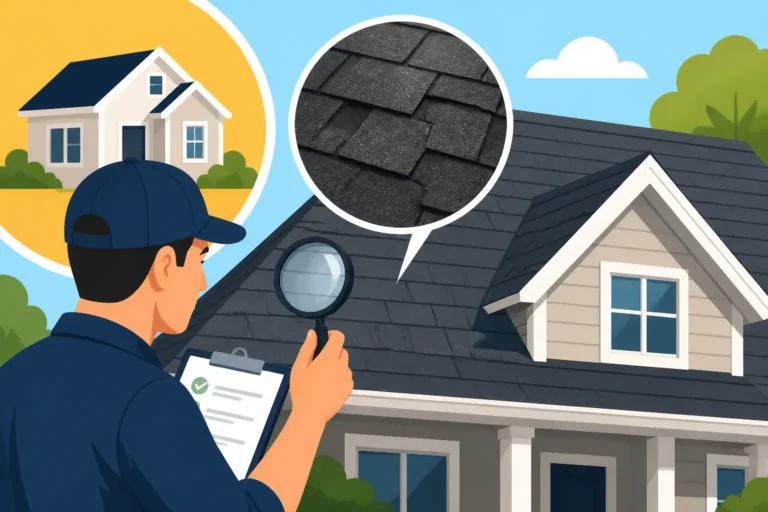
During the inspection, an official from the city or county will review key aspects of the installation. This might include checking the nailing patterns of the shingles, the installation of drip edge and flashing around chimneys and vents, and proper ventilation components like ridge vents. They're looking for code compliance and quality workmanship. If any issues are found, the inspector will typically issue a correction notice, and your contractor will need to address them before the permit can be officially closed out. This "Roofing Inspection: What Inspectors Check" step is crucial for guaranteeing the quality and safety of your new roof, and for providing that official record should you need it for insurance or sale in the future.
Consequences of Skipping a Roofing Permit in Washington
It might be tempting to bypass the permit process to save a little time or money, but in Washington state, doing so can lead to a host of much larger and more expensive problems down the line. What might seem like a shortcut can quickly turn into a costly legal and financial nightmare. This section details some of the severe repercussions homeowners face if they decide to forego the required roofing permit.
Ignoring permit requirements isn't just about avoiding a minor fine; it can undermine the structural integrity of your home, complicate future sales, and potentially void your insurance coverage. It's a risk that almost never pays off.
Potential Fines and Stop-Work Orders
One of the most immediate and direct consequences of skipping a roofing permit is the risk of a stop-work order and hefty fines. If your local building department discovers that unpermitted work is being done on your property, they can issue a stop-work order, immediately halting the project. This means your roof could be left exposed or incomplete, creating a serious vulnerability to weather elements. Trying to get your contractor back to finish after a stop-work order can be difficult and often comes with additional costs.
Beyond the immediate disruption, you could face significant fines, which often far exceed the original cost of the permit itself. Many jurisdictions will also require you to retrospectively apply for the permit, often charging double or triple the original permit fee as a penalty. You'll then have to deal with inspections, and if the work doesn't meet code, you might be forced to tear off parts of the new roof and redo them at your own expense. Imagine having to pay for a new roof twice simply because a permit was overlooked. This is a common and unfortunate scenario when people decide to ignore the regulations.
Issues with Insurance and Home Sale
The long-term repercussions of unpermitted roofing work are perhaps even more daunting. One major concern is your homeowners' insurance. If a new roof installed without a permit suffers damage (say, from a windstorm or heavy snow) and you file a claim, your insurance company could deny coverage. They might argue that the work was not completed to code, thus voiding their obligation to pay for damages. This can leave you on the hook for thousands of dollars in repairs or even a full replacement. For more on this, you might want to read about Roof Replacement and Insurance Claims.
Furthermore, when it comes time to sell your home, unpermitted work becomes a significant liability. During a home inspection, an unpermitted roof will almost certainly be flagged. This can lead to delays in closing, demands for costly retrospective permits and inspections, or even a reduction in your home's sale price. Buyers are often wary of homes with unpermitted renovations because they carry unknown risks and potential future expenses. In some extreme cases, particularly in more stringent markets like the Seattle metro area, an unpermitted roof could even make your home difficult to sell at all until the issue is resolved. It's truly not worth the risk, making it clear why understanding your local Roofing Building Codes: What to Know is so important.
Here's a quick look at estimated permit costs in a few major Washington cities. Remember, these are estimates and can change, so always verify with your local building department.
| City/County | Estimated Roofing Permit Cost (Residential) | Key Considerations |
|---|---|---|
| Seattle | $200 – $500+ | Based on project valuation, requires online application. Includes multiple review types. Roofing Permit Cost by Area provides more details. |
| Spokane | $150 – $400+ | Flat fee plus potential surcharges; focus on energy code compliance. |
| Tacoma | $175 – $450+ | Fees often tiered by square footage or project value. |
| Vancouver | $100 – $350+ | Streamlined process for reroofing; emphasis on wind resistance. |
| King County | $250 – $600+ | Varies widely by unincorporated area, often includes stricter environmental reviews. |
| Pierce County | $150 – $450+ | Based on project valuation; specific forms for residential reroof. |
Please remember that these are just averages, and the actual cost of a permit can vary based on the specifics of your project and any additional reviews or inspections required. Your contractor should give you an accurate estimate for your specific location.
Disclaimer
This article is for general informational purposes only and does not constitute professional advice. Laws, prices and regulations vary by location and change over time. Consult a qualified professional for guidance on your specific situation.