Roofing Warranties: Manufacturer vs Workmanship
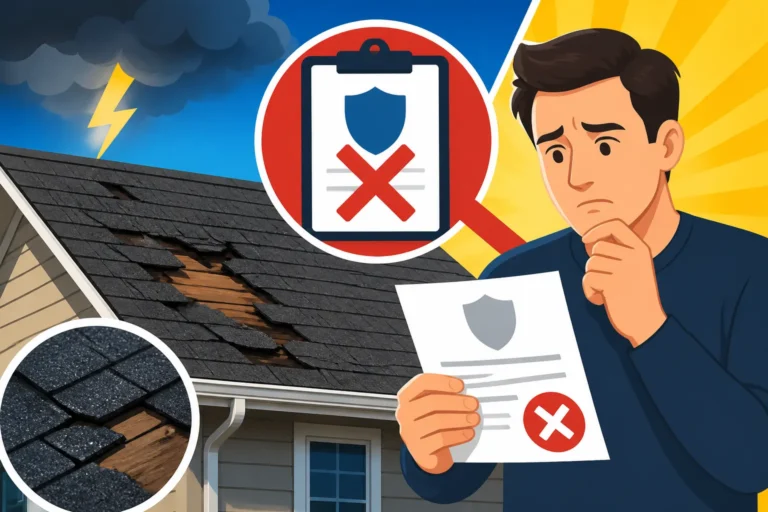
Dealing with roof issues is stressful enough, but when you then have to navigate the murky waters of warranties, it can feel like you need a law degree just to understand your rights. Many homeowners find themselves scratching their heads, wondering if a problem is covered by the shingle manufacturer or the contractor who installed everything. This comprehensive guide is here to untangle the complexities of roofing warranties, specifically breaking down the crucial differences between manufacturer and workmanship coverage, so you can protect your investment and know exactly what to do if trouble strikes.
Understanding the Two Core Types of Roofing Warranties
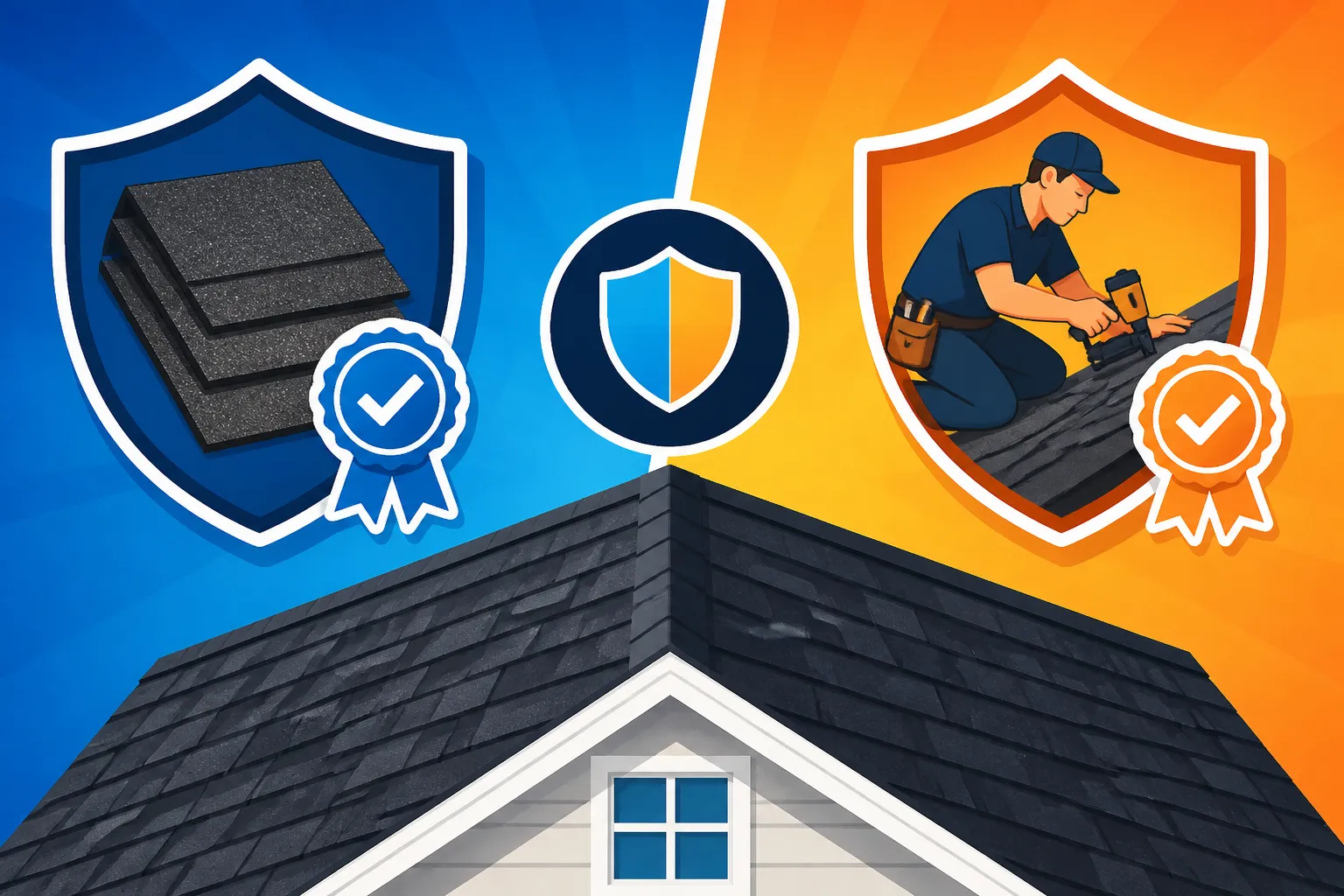
When you invest in a new roof, you're not just buying shingles; you're also purchasing peace of mind, largely thanks to the warranties that come with the materials and the installation. However, it's incredibly common for homeowners to lump all warranties together, not realizing there are distinct protections at play. Understanding the fundamental difference between manufacturer warranties and workmanship warranties is your first step toward being a truly informed homeowner. These aren't interchangeable terms; they cover different aspects of your roof and come from different sources.
Manufacturer Warranties: What They Cover
A manufacturer warranty is exactly what it sounds like: a guarantee from the company that produced your roofing materials – in our case, the asphalt shingles, underlayment, and other components. This warranty typically addresses defects in the materials themselves. Think about it like buying a new appliance; if the washing machine breaks down due to a faulty part, the manufacturer is responsible. Similarly, if your shingles prematurely crack, delaminate, or lose an excessive amount of granules due not to weather or poor installation, but to a defect in how they were made, the manufacturer warranty is designed to step in.
These warranties usually begin when the materials are purchased or installed and can range anywhere from 20 years for basic 3-tab shingles up to 50 years or even a lifetime for higher-end architectural or designer shingles. However, it's crucial to understand that "lifetime" often refers to the period during which the original homeowner owns the property, and terms can change drastically upon transfer of ownership. Coverage typically focuses on replacing the defective materials and, in some cases, may include a prorated amount for labor during the initial years. It's a promise that the product you bought will perform as intended, free from manufacturing flaws.
Workmanship Warranties: What They Protect Against
While the manufacturer stands behind their product, the workmanship warranty is the contractor's promise that they will install those products correctly, according to manufacturer specifications and local building codes. This is where the rubber meets the road, because even the best shingles in the world can fail if they're not installed properly. A workmanship warranty protects you from issues arising from installation errors, such as improper nailing, incorrect flashing installation around chimneys or vents, or inadequate sealing.
Imagine a scenario where your roof starts leaking just a year after installation, but the shingles themselves appear perfectly fine. Upon inspection, it's discovered that the flashing around a skylight was installed incorrectly, allowing water to seep in. This isn't a material defect; it's an installation error. In this case, your workmanship warranty from the contractor should cover the repair. These warranties vary significantly in length, from a standard one to two years up to 10-25 years, depending on the contractor and the specific products installed. For guidance on finding a trustworthy professional, you might find our guide on How to Choose a Roofing Contractor helpful.
Manufacturer Warranties: Delving Deeper into the Coverage
Manufacturer warranties are a cornerstone of your roof's protection, offering assurances directly from the companies that produce the materials keeping your home safe and dry. However, the details of these warranties can be complex, with various types of coverage, duration periods, and specific conditions that homeowners need to be aware of. It's not just about the length of the warranty; it's about what it actually covers and for how long.
Shingle Defects and Material Flaws
The primary purpose of a manufacturer warranty is to protect you against defects in the roofing materials themselves. This could include issues like shingles that rapidly lose their protective granules, leading to premature aging and exposure of the asphalt mat. Another common defect might be delamination, where the layers of an architectural shingle separate, or manufacturing inconsistencies that cause shingles to curl or crack far earlier than their expected lifespan. These are problems rooted in the production process, not in how they were handled or installed on your roof.
For example, if you notice significant granule loss on a relatively new GAF Timberline HDZ roof, and there hasn't been any severe weather event like hail, this could point to a manufacturing defect. The warranty would typically cover the cost of new shingles to replace the defective ones. It’s important to remember that general wear and tear, or damage from external forces like extreme weather or falling debris, are usually not covered under a manufacturer's material defect warranty. Knowing the Signs You Need a New Roof or understanding what constitutes normal aging versus a defect is key to making a successful claim.
Prorated vs. Non-Prorated Coverage
One of the most critical distinctions within manufacturer warranties is whether the coverage is prorated or non-prorated. This aspect dramatically impacts the value of your warranty as your roof ages.
- Non-Prorated Coverage: Often referred to as "full coverage," this means that for a specified initial period (which could be 5, 10, or even 50 years, depending on the warranty), the manufacturer will cover 100% of the cost of replacement materials and, in many cases, labor costs to repair or replace the defective portion of your roof. This is the most robust form of coverage and offers the best protection in the early years of your roof's life.
- Prorated Coverage: After the initial non-prorated period expires, or if the warranty is entirely prorated from the start, the amount of coverage decreases over time. The longer your roof has been installed, the less the manufacturer will pay out for a defect. For instance, if you have a 30-year prorated warranty and a defect appears in year 15, the manufacturer might only cover 50% of the material cost, acknowledging the "wear and tear" the product has already experienced. This can significantly reduce the payout you receive, leaving you to cover a larger portion of the replacement costs out of pocket.
Many standard manufacturer warranties on asphalt shingles will have an initial non-prorated period, followed by a longer prorated period. Always scrutinize these terms when comparing different shingle options, as the distinction can save you thousands down the line.
System Warranties and Enhanced Protection
Beyond basic material defect warranties, many leading manufacturers offer comprehensive "system warranties" that cover not just the shingles, but the entire roofing system – including underlayment, starter strips, hip and ridge caps, and ventilation. These are often called "enhanced" or "extended" warranties and are typically only available when a manufacturer-certified contractor installs a complete roofing system using all components from the same brand, such as GAF's Golden Pledge Warranty or Owens Corning's Platinum Protection Roofing System Limited Warranty.
These advanced warranties offer several benefits:
- Extended Non-Prorated Periods: They often extend the non-prorated coverage period significantly, sometimes for the entire "lifetime" of the roof for the original homeowner.
- Workmanship Coverage: Crucially, many system warranties also include coverage for workmanship errors for a substantial period (e.g., 10 to 25 years), bridging the gap between manufacturer and contractor warranties. This means if an installation error causes an issue, you might have recourse directly through the shingle manufacturer's extended warranty program, rather than solely relying on the contractor's independent warranty. This can be a huge advantage if your contractor goes out of business.
- Transferability: While standard warranties are often difficult or impossible to transfer, enhanced system warranties frequently offer more favorable transferability options for new homeowners, adding significant value to your home.
When a contractor tells you they are "manufacturer-certified," like a GAF Master Elite Contractor or an Owens Corning Platinum Preferred Contractor, this is often the pathway to these superior system warranties. These certifications usually mean the contractor has met stringent training and installation standards set by the manufacturer, which is why the manufacturer is willing to back their workmanship. It's an important factor to consider when comparing roofing bids, as the warranty itself can represent a considerable long-term asset.
Workmanship Warranties: The Unsung Hero of Your Roof's Longevity
While material defects are certainly a concern, the vast majority of roofing problems often stem not from faulty shingles, but from faulty installation. This is where the workmanship warranty becomes your unsung hero, providing a critical layer of protection for your investment. Even the highest-quality, most durable asphalt shingles won't last their full lifespan if they're not put on correctly. The quality of the installation directly impacts your roof's performance against the elements, its resistance to leaks, and ultimately, its longevity.
Common Installation Errors Covered
Workmanship warranties are designed to address issues arising from human error or inadequate installation practices. These can manifest in many ways, some subtle and some quite obvious:
- Improper Nailing: This is a big one. Shingles need to be nailed in specific locations and at the correct depth. Nails that are overdriven can cut through the shingle, while underdriven nails can pop up, failing to secure the shingle properly. Both can lead to shingles loosening, blowing off in wind, or creating pathways for water.
- Incorrect Flashing: Flashing, the metal or plastic strips installed around chimneys, skylights, vents, and in valleys, is critical for preventing leaks. If flashing is installed improperly – not overlapped correctly, not sealed adequately, or using the wrong type of flashing – it can lead to devastating water infiltration. Our detailed article on Flashing Leak Repair might offer more insights into how crucial correct flashing is.
- Inadequate Underlayment Application: The underlayment beneath your shingles acts as a secondary barrier against water. If it's not installed smoothly, with proper overlaps and secure fastening, it can wrinkle, tear, or allow moisture to penetrate to the roof decking.
- Poor Shingle Alignment and Sealing: Shingles need to be laid in a staggered, overlapping pattern, and the sealant strips need to adhere properly to create a watertight seal. If shingles are misaligned, not properly bonded, or if starter shingles are omitted, it compromises the entire roof's integrity.
- Insufficient Ventilation: While not a direct installation of the shingle itself, a contractor's failure to ensure proper attic and roof ventilation can lead to issues like premature shingle aging (due to excessive heat buildup), wood rot, and moisture problems. This might fall under workmanship if the contractor was responsible for the full roof system design and installation.
When you experience a roof leak or shingle issues, the first thing a good roofer will assess is whether it's a material defect or an installation error. Your workmanship warranty is your safeguard against the latter.
The Importance of a Reputable Contractor
This brings us to a fundamental truth about roofing: the quality of your warranty is often directly tied to the quality and reliability of your contractor. A workmanship warranty is only as good as the company backing it. If your roofer goes out of business, their workmanship warranty becomes worthless, leaving you with no recourse if installation problems arise. This is why choosing a reputable contractor is paramount.
When you're looking for a roofer, don't just ask about the price. Ask about their workmanship warranty, its duration, and what specifically it covers. Look for contractors with a long-standing history in your community, positive customer reviews, and strong financial stability. A company that has been around for decades and has a solid reputation is far more likely to honor their warranty than a fly-by-night operation. Our guide on Questions to Ask a Roofing Contractor Before Hiring is an excellent resource to help you vet potential roofers.
Understanding Your Contractor's Warranty Terms
Just like manufacturer warranties, contractor workmanship warranties come with their own set of terms and conditions. These can vary widely, so it's essential to get everything in writing and understand the specifics:
- Duration: How long does the workmanship warranty last? Is it 1 year, 5 years, 10 years, or more? Reputable contractors often offer longer warranties, confident in the quality of their work.
- Coverage Scope: What exactly is covered? Does it include labor and materials for fixing installation errors? Are there any exclusions, such as storm damage (which would typically fall under insurance)?
- Transferability: Can the warranty be transferred to a new homeowner if you sell your house? This can be a significant selling point.
- Resolution Process: What is the process for making a claim? Who do you contact? What are the expected timelines for assessment and repair?
- Limitations: Are there any limitations, such as a cap on the total cost the contractor will cover?
Always get a written contract that clearly outlines the workmanship warranty. Don't rely on verbal assurances. A detailed roofing contract should specify every aspect of the job, including warranty information. This will be your primary defense if an issue arises that points to an installation error.
Key Differences and Overlaps: Where the Lines Blur
Navigating roofing warranties can feel like trying to solve a puzzle, especially when issues arise that could potentially fall under both manufacturer and workmanship coverage. While they are distinct, these two types of warranties aren't always entirely separate. Understanding where their responsibilities lie, and where they might intersect, is crucial for homeowners trying to make a claim or ensure comprehensive protection.
Who is Responsible for What
At its core, the division of responsibility is straightforward:
- Manufacturer: Responsible for the quality of the product. If a shingle is inherently flawed and fails prematurely due to a defect in its creation, the manufacturer's warranty is your go-to. They are promising that their asphalt shingle, felt underlayment, or flashing material will perform as designed.
- Contractor: Responsible for the quality of the installation. If the shingles are perfect but were nailed incorrectly, or if the flashing was installed sloppily leading to a leak, then the contractor's workmanship warranty is where you seek resolution. They are guaranteeing their skill and adherence to proper installation standards.
Let's take a common example: curling shingles. If the shingles are curling evenly across the entire roof surface, and it's happening much earlier than expected for their age, it might be a manufacturing defect. However, if only certain shingles are curling, particularly those installed over areas with poor ventilation or where they might have been stretched or improperly fastened, it's more likely a workmanship issue. Our article on Curling Shingles: What They Mean explores this in more detail.
The table below provides a quick overview of the primary differences:
| Feature | Manufacturer Warranty | Workmanship Warranty |
|---|---|---|
| Provider | Shingle/material manufacturer | Roofing contractor |
| What it Covers | Defects in materials (shingles, underlayment, etc.) | Errors in installation (nailing, flashing, sealing, etc.) |
| Duration | Typically 20 years to lifetime (prorated often) | Varies, typically 1 to 25 years |
| Cost Covered | Materials; sometimes prorated labor for a period | Labor and materials to correct installation errors |
| Reliance On | Manufacturer's reputation & financial stability | Contractor's reputation & financial stability |
| Transferability | Varies; often limited or conditional | Varies; less common for full transferability |
The Impact of Improper Installation on Manufacturer Warranties
Here's where the lines can truly blur and cause headaches for homeowners: improper installation can void your manufacturer warranty. Even if the shingles themselves were perfectly manufactured, if they weren't installed according to the manufacturer's specific guidelines – for example, using too few nails, incorrect nail placement, or installing them in temperatures outside the recommended range – the manufacturer can deny your claim for a material defect. Their argument would be that the product's failure wasn't due to their flaw, but due to incorrect application.
This highlights a critical point: the manufacturer's warranty is often conditional on proper installation. This is precisely why choosing a reputable, certified contractor is so vital. A contractor certified by a major manufacturer (like GAF, Owens Corning, or CertainTeed) has proven their understanding of and adherence to that manufacturer's installation protocols, which helps ensure your manufacturer warranty remains valid. This interaction between the two warranty types underscores why a comprehensive understanding of both is so important. You can learn more about how to keep your warranty valid in our piece, What Voids a Shingle Warranty.
How to Avoid Gaps in Coverage
The best way to avoid falling into a warranty gap – where neither the manufacturer nor the contractor takes responsibility – is through careful planning and diligent oversight:
- Hire a Certified and Reputable Contractor: As discussed, this is the single most important step. A contractor with manufacturer certifications (e.g., those who are GAF Master Elite Contractors Explained) is more likely to install the product correctly, and often can offer enhanced system warranties that include extended workmanship coverage directly from the manufacturer. Always verify their licensing, insurance, and references.
- Get a Detailed Contract: Ensure your contract explicitly states the duration and scope of the contractor's workmanship warranty. It should also detail that the installation will adhere to manufacturer specifications and local building codes. Our guide on What to Include in a Roofing Contract can help you here.
- Understand Your Manufacturer Warranty: Read the fine print of the shingle manufacturer's warranty before your roof is installed. Know the non-prorated period, the prorated terms, and any specific installation requirements that could impact coverage.
- Consider a Full Roofing System: Opting for a complete roofing system from a single manufacturer, installed by a certified contractor, often qualifies you for enhanced system warranties. These warranties typically offer the most comprehensive coverage, including extended non-prorated periods and workmanship protection, effectively minimizing potential gaps.
- Regular Maintenance and Inspections: Keeping up with routine roof maintenance and annual inspections can help identify potential issues early, whether they're related to materials or installation, before they escalate into major problems and potentially complicate warranty claims.
By taking these proactive steps, you can significantly reduce the risk of facing a situation where you have a problem but no clear path to warranty resolution.
Navigating the Claims Process for Each Warranty Type
When a problem arises with your roof, whether it's a leak or visible shingle damage, the process of making a warranty claim can feel daunting. Knowing which warranty to pursue and how to go about it is crucial for a smooth resolution. The steps for filing a claim with a manufacturer differ significantly from those for a workmanship claim with your contractor.
Filing a Manufacturer Warranty Claim
If you suspect a material defect, your claim will be directed to the shingle manufacturer. This process typically involves:
- Initial Contact: As soon as you notice a potential defect (like excessive granule loss across the roof, widespread shingle blistering, or premature cracking not caused by impact), contact the shingle manufacturer directly. Their website or warranty documentation should provide contact information for their warranty department. Do this promptly, as delays can sometimes complicate claims.
- Information Gathering: Be prepared to provide detailed information. This usually includes the date of installation, the name of your roofing contractor, the specific product name and color, and proof of purchase (like your original roofing contract or invoices). You'll also need to describe the problem and its location on the roof.
- Inspection and Documentation: The manufacturer will typically send out an independent inspector or one of their representatives to assess the roof. This is where your own documentation becomes incredibly important. Take clear, well-lit photos and videos of the affected areas. Note the date you observed the damage, any specific patterns, and how it differs from unaffected areas. The inspector will look for signs of manufacturing defects versus installation errors or storm damage.
- Resolution: If the manufacturer's inspection confirms a material defect, they will provide a resolution based on your warranty terms. This could involve providing new materials, covering a prorated amount of materials and labor, or issuing a monetary settlement. The process can take time, sometimes weeks or even months, depending on the severity of the issue and the manufacturer's workload.
Remember, the manufacturer is looking to ensure the problem isn't due to poor installation or external factors. Your ability to demonstrate it's a material defect is key.
Pursuing a Workmanship Warranty Claim
If you believe the issue stems from an installation error, your claim will be made with the roofing contractor who performed the work.
- Immediate Contact with Contractor: The moment you suspect an installation error (e.g., a leak around flashing, shingles lifting in a specific area due to improper nailing), contact your roofing contractor immediately. Many workmanship warranties require you to notify them within a specific timeframe after discovering a problem.
- Describe the Problem Clearly: Provide your contractor with a detailed description of the issue, including when you first noticed it, its exact location, and any contributing factors (e.g., "The leak appears when it rains heavily, directly below the vent pipe").
- Contractor Inspection: Your contractor will send a crew or supervisor to inspect the roof. They will assess the installation quality and determine if the issue falls under their workmanship warranty. This is a good opportunity to politely point out your concerns, backed by any photos or observations you've made.
- Scheduling Repairs: If the contractor agrees it's a workmanship issue, they should schedule repairs promptly, usually at no cost to you. Ensure you get a timeline for these repairs.
- Follow-Up: After the repair, monitor the area closely, especially during adverse weather. If the problem persists, contact your contractor again. If the contractor is unresponsive or unwilling to honor their warranty, you may need to escalate the issue by consulting with a legal professional or consumer protection agency. In extreme cases, if a roofer won't finish the job, there are specific steps you can take.
Documentation and Evidence: Your Best Defense
Whether you're dealing with a manufacturer or a contractor, comprehensive documentation is your absolute best friend. Think of it as building your case.
- Original Contract and Warranty Documents: Keep your original roofing contract, including all details about the materials used, the installation date, and, crucially, the written workmanship warranty from your contractor. Store these in a safe, accessible place.
- Proof of Purchase: Keep receipts or invoices for the roofing materials.
- Photographs and Videos:
- Before: If possible, take photos of your roof before installation.
- During: If you were able to, take photos during installation (especially of underlayment, flashing, and shingle application).
- After (Initial): Take photos of your completed new roof.
- Damage: Most importantly, take clear, dated photos and videos of any damage or issues you discover. Capture different angles, close-ups, and wider shots to show context. If there's a leak, document the water damage inside your home as well.
- Communication Records: Keep a detailed log of all communications with your contractor and the manufacturer. Note dates, times, names of individuals you spoke with, and a summary of the conversation. If communicating via email, save all correspondence.
- Maintenance Records: Keep records of any routine maintenance or inspections performed on your roof, as this can demonstrate you've upheld your end of the warranty agreement.
Having this evidence readily available will streamline the claims process and strengthen your position, helping to ensure your warranty is honored.
Protecting Your Warranty: What Homeowners Need to Do
Getting a new roof with comprehensive warranties is a fantastic feeling, but those warranties aren't set-and-forget agreements. As a homeowner, you have a vital role to play in keeping your warranties valid and ensuring your roof reaches its full lifespan. Neglecting certain responsibilities can, unfortunately, provide grounds for a manufacturer or contractor to deny a claim down the road.
Proper Roof Maintenance and Inspections
This is perhaps the most crucial aspect of maintaining your warranty. Just like a car needs regular oil changes, your roof benefits from consistent care.
- Routine Cleaning: Keep your roof clear of debris like leaves, branches, and pine needles. Piles of organic matter can trap moisture, promote moss and algae growth, and accelerate shingle deterioration. While some algae streaks might be covered by specific shingle features (like copper granules), heavy, neglected growth can cause damage not covered by warranty.
- Gutter Maintenance: Ensure your gutters are clean and free-flowing. Clogged gutters can cause water to back up, leading to fascia damage, ice dam formation (in colder climates), and water intrusion under the shingles. Ice Dam Damage: Repair Options delves deeper into this issue.
- Trim Overhanging Branches: Trees that overhang your roof can drop branches, scrape shingles, and deposit debris. Trimming them back minimizes this risk.
- Annual Professional Inspections: Even if your roof looks fine from the ground, a professional roofer can spot subtle issues before they become major problems. An annual inspection can identify loose flashing, damaged sealant, or early signs of shingle wear that could escalate. This proactive approach not only extends your roof's life but also provides documentation that you've been maintaining it, which can be valuable for warranty claims. You can learn more about how often to inspect your roof in our guide.
Understanding Exclusions and Limitations
Every warranty, whether manufacturer or workmanship, comes with exclusions and limitations. These are the specific circumstances or types of damage that are not covered. Being aware of these is critical.
Common exclusions include:
- Acts of God/Nature: Damage from severe storms, hurricanes, tornadoes, hail, or earthquakes is typically excluded from both manufacturer and workmanship warranties. This type of damage is usually covered by your homeowner's insurance policy. Our guide on Storm Damage: Repair or Replace can help you understand these scenarios.
- Improper Maintenance: As mentioned, failure to maintain your roof (e.g., not cleaning gutters, allowing heavy moss growth) can lead to damage that is not covered.
- Modifications by Others: If another contractor or even you perform work on the roof (e.g., installing solar panels, adding a satellite dish, or repairing a chimney) and that work inadvertently damages the roof or compromises the original installation, it can void the warranty for the affected area.
- Structural Issues: Problems arising from the house's foundation, framing, or attic structure that negatively impact the roof (e.g., a sagging roof deck) are usually not covered by roofing warranties.
- Proration: Beyond the initial full coverage period, manufacturer warranties will typically prorate, meaning you only receive a percentage of the replacement value.
- Consequential Damages: Warranties often cover the direct cost of fixing the roof issue but may explicitly exclude "consequential damages," such as damage to your interior ceilings, walls, or belongings caused by a roof leak. That's typically where your homeowner's insurance comes in.
Always read your warranty documents thoroughly. If anything is unclear, ask your contractor or the manufacturer for clarification.
Transferring Your Warranty When Selling Your Home
If you plan to sell your home, the transferability of your roofing warranty can be a significant asset for potential buyers. However, not all warranties are transferable, and those that are often have specific requirements and limitations.
- Manufacturer Warranties: Many manufacturer warranties are transferable, but usually only once and often require a transfer fee and specific notification to the manufacturer within a certain timeframe (e.g., 30-60 days of the sale). The transferred warranty might also revert to a prorated status immediately, even if the original owner was still in the non-prorated period. Enhanced system warranties (from certified contractors) often have more favorable transfer terms.
- Workmanship Warranties: Contractor workmanship warranties are less frequently transferable. Many are tied specifically to the original homeowner. If a workmanship warranty is transferable, it will be clearly stated in your contract and may also involve a fee or notification process.
Understanding your warranty's transferability upfront is important, not just for potential resale value but also to ensure you complete all necessary steps to transfer it successfully. Failing to follow the correct procedure can render the warranty invalid for the new owners. Our dedicated article on How to Transfer a Roof Warranty provides a more in-depth explanation of this process. It's a key detail that can boost your home's appeal and give future buyers confidence.
Choosing a Roofing Contractor with Strong Warranty Offerings
Your roofing contractor plays an instrumental role not only in the quality of your roof's installation but also in the robustness and reliability of your warranties. Choosing wisely isn't just about getting a fair price; it's about securing long-term protection for your home. A great contractor brings expertise, quality workmanship, and often, access to superior warranty programs that independent roofers cannot offer.
The Value of Manufacturer-Certified Contractors
This is arguably one of the most important considerations when selecting a roofer. Major shingle manufacturers, like GAF, Owens Corning, and CertainTeed, offer certification programs for contractors who meet stringent standards. These certifications aren't handed out lightly; they signify that a contractor:
- Is Licensed and Insured: A fundamental requirement for all reputable roofers.
- Has a Proven Track Record: Manufacturers often require a minimum number of years in business and a solid reputation.
- Undergoes Regular Training: Certified contractors receive ongoing training directly from the manufacturer on the proper installation of their products, ensuring they're up-to-date with best practices and new technologies.
- Can Offer Enhanced Warranties: This is the biggest benefit for homeowners. Only manufacturer-certified contractors can offer the enhanced, full-system warranties that extend non-prorated material coverage and often include significant workmanship coverage backed by the manufacturer itself. For example, a GAF Master Elite Contractor can offer the Golden Pledge Warranty, which provides a 50-year non-prorated material warranty and a 25-year workmanship warranty. This means if your contractor goes out of business, the manufacturer will step in to cover approved workmanship issues.
When you see a contractor touting these certifications, it's a strong indicator of their commitment to quality and their ability to provide you with the highest level of warranty protection available. This often provides far greater peace of mind than relying solely on a small, independent contractor's own workmanship warranty. You can delve further into this topic by reading our article on Manufacturer-Certified Roofers Explained.
Comparing Contractor Warranty Periods
Beyond manufacturer certifications, you still need to compare the workmanship warranties offered by different contractors. While enhanced manufacturer system warranties might offer 10-25 years of workmanship coverage, a standard contractor's independent workmanship warranty might range from as little as 1 year to 10 or even 15 years.
When you receive bids:
- Look Beyond the Short-Term: A 1-year workmanship warranty is fairly standard but offers minimal long-term protection. Many roofing issues, especially those related to minor installation flaws, might not show up immediately but could take a few years to manifest. Aim for a contractor offering at least a 5-year workmanship warranty, and ideally 10 years or more.
- Understand What's Included: Does the contractor's workmanship warranty cover both labor and materials needed to fix installation errors? Or just labor? Make sure this is clear.
- Consider the Company's Longevity: A 10-year workmanship warranty from a company that’s only been in business for 2 years is inherently riskier than the same warranty from a company established for 20 years. Always check their business history and reputation.
Don't be afraid to ask contractors to justify the length and scope of their workmanship warranty. It's a reflection of their confidence in their own work.
Getting Everything in Writing
This cannot be stressed enough: every single detail related to your warranties must be in writing. Verbal assurances are worth nothing if a problem arises down the line.
When you finalize your roofing contract, ensure it clearly specifies:
- The specific manufacturer warranty: Including the name of the warranty program (e.g., GAF Golden Pledge, Owens Corning Platinum Protection), its duration, and whether it's prorated or non-prorated, and for how long.
- The contractor's workmanship warranty: Stating the exact duration (e.g., "10-year workmanship warranty"), what it covers, and the process for making a claim.
- Proof of Certification: If your contractor claims to be manufacturer-certified, ensure the contract includes their certification number or confirmation that they will register your warranty with the manufacturer. This registration is often crucial for activating enhanced warranties.
- Scope of Work: The contract should detail all materials to be used, the installation methods, and adherence to manufacturer specifications and local building codes.
A comprehensive and well-documented contract serves as your legal protection and clearly defines the responsibilities of all parties involved. Our article Roofing Contract: What to Look For provides a thorough checklist for what to expect in a sound agreement. Don't sign anything until you fully understand and agree with all warranty clauses.
Real-World Scenarios and Case Studies
Theory is one thing, but seeing how these warranties play out in real-life situations really helps cement the understanding. Let's look at a few common scenarios homeowners face and how manufacturer versus workmanship warranties might apply.
The Curling Shingle Dilemma
Imagine it's three years after you've had a brand-new roof installed on your charming Cape Cod home in Portland, Oregon. One day, you notice that many of the architectural shingles, particularly on the south-facing slope, are starting to curl at the edges. Not just a few, but a significant portion. You think, "Didn't these come with a 50-year warranty?"
-
Scenario 1: Manufacturer Defect
- The Cause: After calling your installer, a certified GAF contractor, they send a representative who conducts an inspection. The representative identifies that the curling is unusually uniform and widespread for such a young roof, even in a sunny climate. They determine that the issue is not due to improper installation (like poor nailing or inadequate ventilation) but appears to be a flaw in the asphalt matting of the shingles themselves, perhaps from a batch defect.
- Warranty Action: In this case, your GAF manufacturer warranty, especially if it was an enhanced system warranty like the Golden Pledge, would kick in. GAF would likely cover the cost of replacement shingles and the labor to re-roof the affected areas (or potentially the entire roof if the defect is systemic). This is where the manufacturer stands behind their product.
-
Scenario 2: Workmanship Issue
- The Cause: Alternatively, the inspection reveals that the curling is concentrated over a specific area of your roof that has poor attic ventilation. It's discovered that during installation, the contractor either failed to install adequate ridge vents as promised, or blocked existing soffit vents, leading to excessive heat buildup in the attic. This intense heat prematurely aged the shingles from below, causing them to curl.
- Warranty Action: Here, the problem isn't the shingle itself, but the installation of the ventilation system, which falls under the workmanship. Your contractor's workmanship warranty (hopefully a robust one, ideally backed by the manufacturer's system warranty if they were certified) would be responsible for correcting the ventilation issue and replacing the damaged shingles. This scenario highlights why proper ventilation works to extend roof life and why a contractor's adherence to such details is critical.
The Mystery Leak
You’re relaxing on a rainy Saturday in your Dallas, Texas home, when suddenly, a drip appears on your ceiling, near a dormer window. Your roof was replaced five years ago with Owens Corning Duration shingles. Panic sets in.
-
Scenario 1: Workmanship Issue (Flashing)
- The Cause: You call your original roofing contractor. Their crew inspects the roof and discovers that the step flashing around the dormer was not properly integrated with the shingles, leaving a small gap where water is consistently finding its way in during heavy rains. The shingles themselves are in excellent condition.
- Warranty Action: This is a clear-cut installation error. Your contractor's workmanship warranty would cover the cost of repairing or replacing the faulty flashing and any associated damaged shingles to make the area watertight again. The important thing here is to act quickly, as our guide on How to Spot a Roof Leak emphasizes, to prevent further interior damage.
-
Scenario 2: Manufacturer Issue (Shingle Adhesion)
- The Cause: After a thorough inspection, the contractor finds no fault with their installation, and indeed, all flashing seems correct. However, upon closer look, they discover that a batch of shingles in that specific area failed to adhere properly at the sealant strips, allowing wind-driven rain to lift the shingle edges and seep underneath. This is an unusual defect for Owens Corning Duration shingles, known for their strong SureNail® Technology.
- Warranty Action: In this rarer instance, if the manufacturer's inspector confirms the adhesion failure is due to a material defect (not improper storage, handling, or low temperature installation that prevented activation), the Owens Corning manufacturer warranty would come into play, covering replacement materials and potentially labor.
Storm Damage and Warranty Questions
A severe hailstorm sweeps through Denver, Colorado, leaving a trail of property damage, including dents on your relatively new asphalt roof. Your roof is only seven years old.
- The Cause: The hail impacts have bruised your shingles, causing granule loss and weakening the shingle mat. While your roof isn't leaking yet, a professional inspection confirms widespread hail damage.
- Warranty Action: Neither your manufacturer's warranty nor your contractor's workmanship warranty will cover hail damage. This falls squarely under "Acts of God" or natural disasters, which are standard exclusions.
- Insurance Action: Your homeowner's insurance policy is the primary coverage for storm damage. You would file a claim with your insurance company, who would typically send an adjuster to assess the damage. If the damage is significant enough, they would cover the cost of a full roof replacement, minus your deductible. In some hail-prone states like Colorado, installing Class 4 Impact-Resistant Shingles can sometimes lead to insurance premium discounts, but even these are not covered by manufacturer warranties if the hail exceeds their tested limits. Our article on Does Insurance Cover Roof Replacement offers comprehensive information on navigating this process.
These scenarios illustrate that identifying the root cause of a roof problem is the first and most critical step in determining which warranty to pursue. Good contractors will help you distinguish between these, ensuring you make the correct claim.
Disclaimer
The information provided in this article is intended for general informational purposes only and does not constitute professional advice. Roofing warranties are complex legal documents, and their terms can vary significantly based on the manufacturer, contractor, product type, and local regulations. Always consult your specific warranty documents, your roofing contractor, and if necessary, legal counsel or your insurance provider for advice tailored to your individual situation. We are not responsible for any actions taken based on the information presented herein.