Roof Repair Before Selling a House
Facing the daunting task of selling your home often brings a whirlwind of questions, and right up there at the top for many homeowners is, "What about the roof?" It’s a major component that buyers and inspectors scrutinize, and deciding whether to make significant repairs or even replace it before putting your house on the market can feel like a high-stakes gamble. This guide will walk you through the nuances of this crucial decision, helping you understand when a roof repair is a wise investment and when it might be better to let the buyer handle it.
The Seller's Dilemma: Why Your Roof is So Critical When Selling Your Home
It’s easy to overlook your roof until there's a problem, but when you're preparing to sell, suddenly it's under a microscope. Buyers aren't just looking at the fresh paint and updated kitchen; they're looking for peace of mind, and the roof is a huge part of that. A roof in questionable condition can cast a shadow over an otherwise perfect property, leading to headaches, delays, and potentially significant financial losses.
Home Inspector's Scrutiny
Think of the home inspector as the ultimate truth-teller about your property's condition. When they climb up on that ladder, they're looking for everything from missing shingles to subtle signs of water damage, granule loss, or an improperly installed ridge vent. Their job is to identify potential problems, and a roof that's nearing the end of its life, or one with obvious deficiencies, will definitely make their report. A "red flag" on the inspection report regarding the roof can kill a deal faster than almost anything else. Buyers often walk away when faced with major repair items, or they'll demand substantial credits or price reductions. It creates uncertainty, and uncertainty scares buyers.
Buyer's First Impression and Negotiation Power
Long before the inspector even arrives, the roof plays a silent role in a buyer’s first impression. If a buyer pulls up to your curb and sees curling shingles, dark algae streaks, or a noticeably worn roof, they're already mentally deducting money from their offer price. They'll factor in the perceived cost of a new roof, and often, their estimate will be higher than the actual cost, just to be safe. This gives them significant leverage in negotiations. Instead of focusing on your home's charming features, their mind is fixated on the looming expense of a new roof, which can derail your asking price expectations entirely. Even if they love everything else, that roof can be a constant point of contention.
Insurance Implications for New Buyers
What many sellers don't realize is that the condition and age of a roof can directly impact a new buyer's ability to secure homeowners insurance. Insurers are becoming increasingly strict, especially in areas prone to severe weather like Florida or hail-prone states like Colorado. If your roof is, say, 15-20 years old, or shows significant signs of wear and tear, an insurance company might refuse to cover it, or demand it be replaced within a certain timeframe before offering a policy. This can throw a major wrench into the closing process, as lenders require homes to be adequately insured. Buyers might find themselves scrambling, facing unexpected costs, or even having their loan fall through, all because of an aging roof. It's a risk factor that new homeowners want to avoid entirely.
Evaluating Your Roof: Repair or Replace Before Listing?
This is where the rubber meets the road. Deciding whether to undertake a costly roof project before selling is a complex financial and logistical puzzle. There’s no single right answer; it truly depends on your specific situation, the condition of your roof, and the local real estate market.
Assessing the Age and Condition of Your Roof
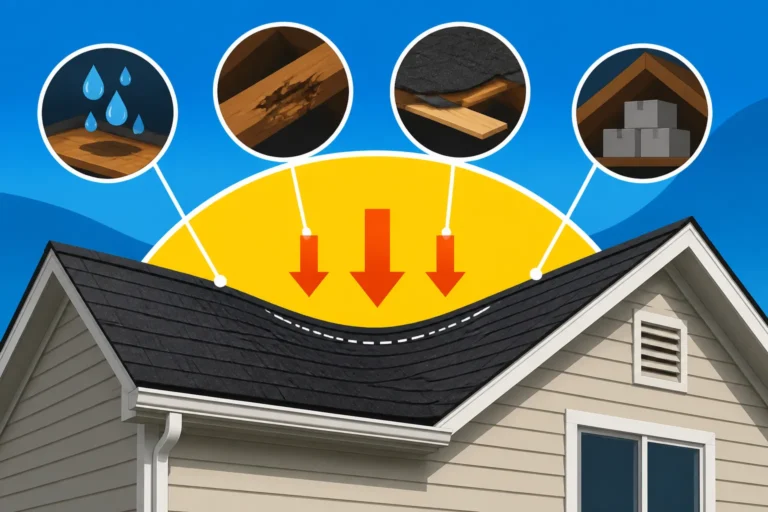
The first step is always to get a clear picture of your roof’s health. If your roof is relatively young, say under 10-15 years old for an asphalt shingle roof, minor repairs might be all you need. However, if your asphalt roof is pushing 20-25 years or more, and especially if it's exhibiting widespread issues, a full replacement is often the more pragmatic choice. You can often get a good sense of your roof's age and condition with a visual check from the ground, looking for obvious signs like excessive granule loss, widespread curling or cracked shingles, or even a sagging roofline.
However, a professional roof damage assessment is truly indispensable here. A reputable roofing contractor can provide an honest, unbiased evaluation. They'll look for things you might miss, such as compromised flashing around chimneys and vents, potential issues with the underlayment, or subtle signs of hail or wind damage that aren't immediately apparent. Getting a detailed report from a certified professional will not only help you decide but also give you documentation to share with potential buyers, demonstrating transparency. Companies found through platforms like Modernize can often provide these detailed assessments, giving you a comprehensive understanding of your roof's lifespan and needed repairs.
Understanding Common Roof Issues and Their Impact
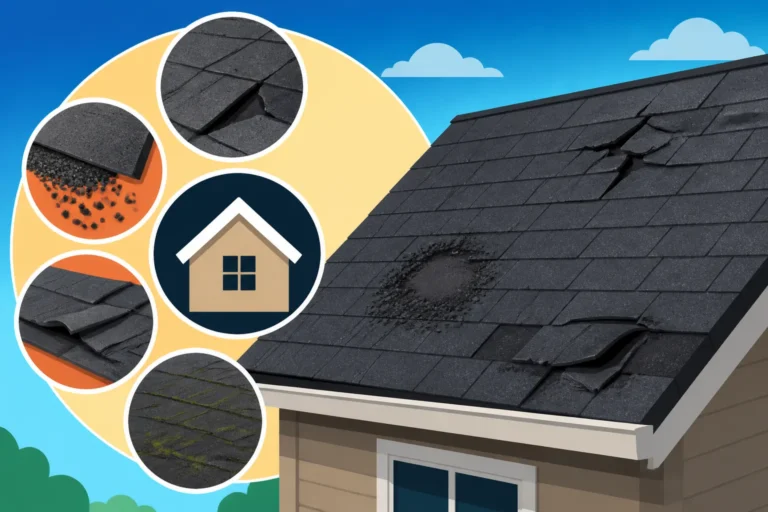
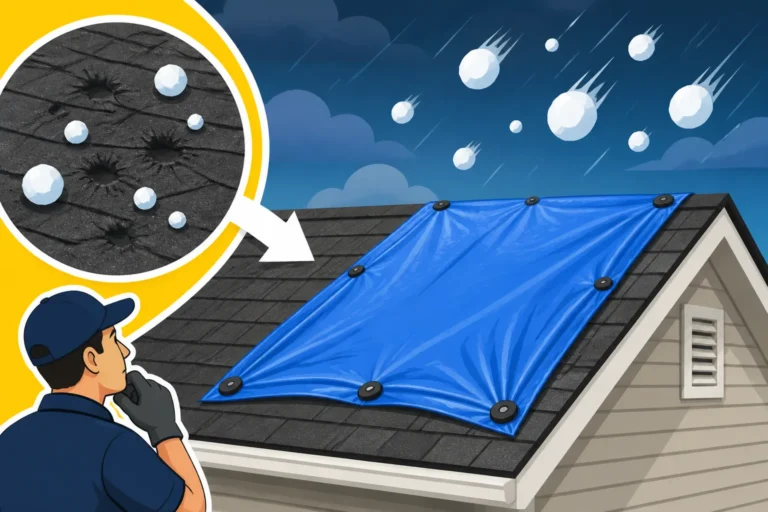
Different roof issues carry different weights in a sales transaction. A few missing shingles after a localized storm might be a quick fix. But extensive granule loss across multiple slopes, which indicates the shingles are losing their protective coating and nearing the end of their functional life, is a much bigger concern.
Consider these common problems:
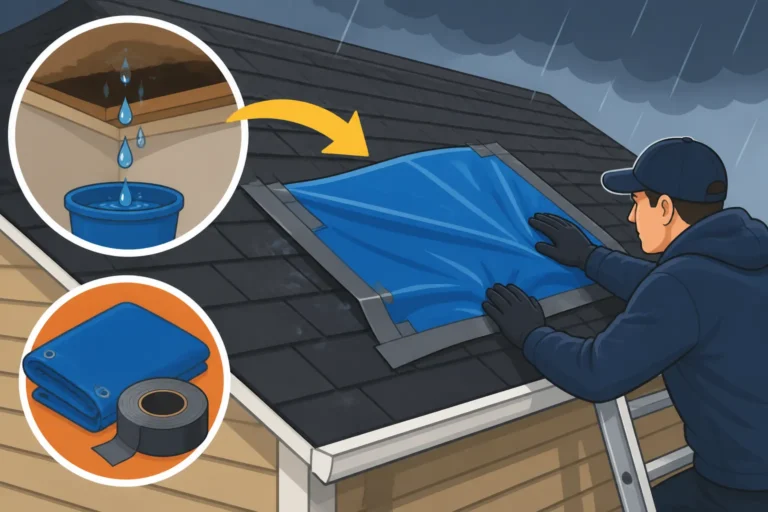
- Leaks: Even a small, intermittent leak can signal underlying rot in the roof decking or attic, a major red flag for inspectors. Addressing the root cause of the leak, which might involve replacing damaged sections of decking and the surrounding shingles, is critical. You don't want a buyer discovering water stains in the attic during their inspection.
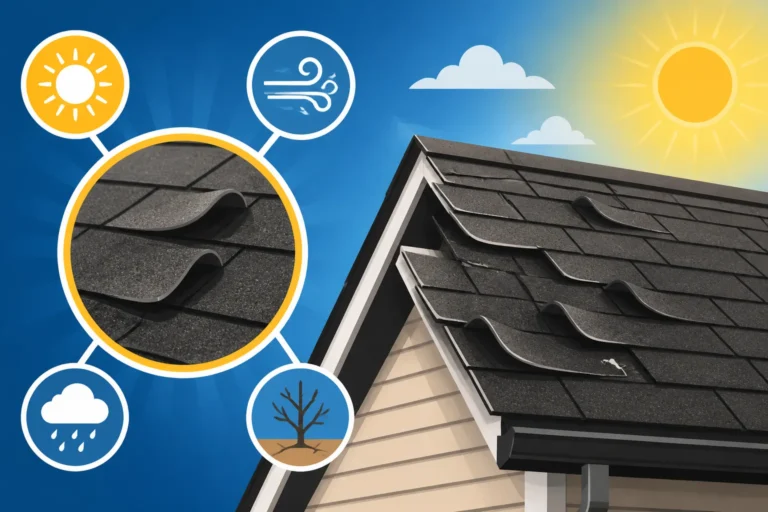
- Curling or Blistering Shingles: These are clear signs of an aging roof, often caused by heat and UV exposure. While a few might not be a deal-breaker, widespread curling suggests the shingles are becoming brittle and losing their ability to protect your home.
- Missing or Damaged Shingles: This is usually an easy fix for a roofer, especially if you have matching shingles available. However, if these are common, it points to either poor installation or an aged roof.
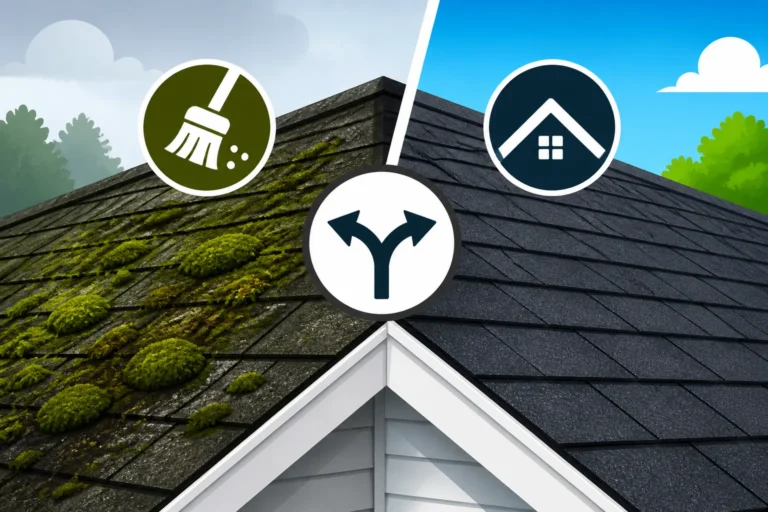
- Moss or Algae Growth: While algae can often be cleaned, widespread moss can trap moisture and degrade shingles. Depending on the severity, it might require more than just a cleaning.
- Damaged Flashing: The metal strips around chimneys, vents, and valleys are critical for preventing leaks. Deteriorated or improperly installed flashing is a common source of water intrusion and will always be noted by an inspector.
- Poor Ventilation: An attic that isn't properly ventilated can lead to heat and moisture buildup, shortening your roof's lifespan and potentially causing mold issues. This isn't always an immediate fix, but inspectors will check for proper ridge vent and soffit vent function.
A general rule of thumb: if the issue is purely cosmetic or a small, isolated repair, it might be worth fixing. If the issue compromises the structural integrity or waterproofing of the roof, or if it's widespread, ignoring it could cost you dearly in negotiations or even prevent a sale. Understanding the impact of a roof leak but no visible damage versus major storm damage can help you prioritize.
The Cost-Benefit Analysis: ROI vs. Investment
This is perhaps the most challenging part of the decision. Is the money you spend on a new roof or major repairs going to come back to you in the sale price, or will it be a sunk cost?
Reasons to Repair/Replace:
- Higher Sale Price & Faster Sale: A new roof is a huge selling point. Buyers love seeing a recent upgrade, and it often leads to offers closer to your asking price. Homes with new roofs tend to sell faster because buyers perceive them as move-in ready with no immediate major expenses.
- Smoother Transaction: Fewer issues on the inspection report mean less stress, fewer re-negotiations, and a quicker path to closing. This also helps avoid the "hidden costs in a roof replacement" argument from buyers.
- Increased Curb Appeal: A clean, new roof simply looks better, enhancing your home's overall aesthetic appeal.
- Insurance Peace of Mind: A new roof guarantees that the buyer will be able to get insurance without issues.
Reasons to Not Repair/Replace:
- Low Return on Investment (ROI): While a new roof generally has a decent ROI, it's rarely 100%. In some markets, or for certain types of homes, you might only recoup 60-80% of the cost. You can learn more about roof replacement ROI explained to see if it's worth it for your area.
- Tight Budget/Limited Funds: Roofing projects are expensive. If you don't have the cash readily available, taking on debt might not be ideal right before a move.
- Hot Seller's Market: In a strong seller's market, buyers might be willing to overlook a less-than-perfect roof, especially if houses are flying off the market. They might be more willing to tackle the replacement themselves later.
- "As-Is" Sale Strategy: If you're selling the home "as-is" for a lower price, often to investors or cash buyers, a new roof isn't necessary.
A good way to frame this decision is to get a few estimates for both repairs and a full replacement. Compare these costs to what realtors in your area suggest buyers typically receive in credits for an old roof. For example, if a new roof costs $15,000 but buyers typically demand a $10,000 credit for an older roof, then the net cost to you is $5,000, but you get a quicker, smoother sale. However, if buyers only ask for $5,000, then the $15,000 investment might not make sense.
Navigating the Process: Getting Estimates, Permits, and Disclosures
Once you've leaned towards repairing or replacing, the execution phase begins. This involves careful planning to ensure the job is done right, on time, and within budget, all while keeping your home sale timeline in mind.
Finding the Right Roofing Professionals
This step is absolutely critical. You want a contractor who is experienced, reliable, and trustworthy. Don't just go with the first quote you receive. Aim to get at least three detailed roofing estimates from different companies. When you're researching, look for contractors who are licensed and insured, and check their references and online reviews. Be wary of storm chaser roofers or anyone pressuring you into signing a contract immediately.
Platforms like Modernize can be a valuable resource for connecting with vetted local contractors. They can help streamline the process of getting multiple bids from reputable companies. When comparing estimates, make sure they are comprehensive and itemize all costs, including materials, labor, tear-off and disposal, and any potential decking replacement. Don't be afraid to ask questions about their process, their warranty offerings (both workmanship and manufacturer), and their experience with similar projects. Learning how to read and compare roofing estimates is a skill that will serve you well here.
Understanding Estimates and Warranties
When you get an estimate, it should clearly detail everything from the type of shingles (e.g., GAF Timberline HDZ, Owens Corning Duration) to the underlayment, flashing, and ventilation components. It should also outline the project timeline.
Regarding warranties, this is a significant selling point for a new roof. A strong warranty can provide immense peace of mind to a new buyer.
- Manufacturer Warranty: This covers defects in the roofing materials themselves. For example, a 25-year or 30-year limited lifetime warranty on architectural shingles is common.
- Workmanship Warranty: This covers the quality of the installation by the contractor. Many reputable contractors offer 5-year, 10-year, or even longer workmanship warranties. Some premium systems installed by manufacturer-certified contractors (like a GAF Master Elite Contractor) can even come with enhanced warranties that cover both materials and labor for an extended period.
Make sure the warranty is transferable to a new homeowner. This adds tremendous value to your home. Always ask for clear documentation of all warranties and ensure they are properly registered.
The Importance of Permits and Disclosures
Ignoring permits and proper disclosures can lead to serious legal and financial repercussions down the line.
- Roofing Permits Explained: In almost all jurisdictions, a permit is required for a full roof replacement, and often even for extensive repairs. This ensures the work meets local building codes and safety standards. Typically, your roofing contractor will pull the necessary permits. Make sure this is part of your agreement and verify it. If a permit isn't pulled, it could cause issues with your home inspection, property insurance, or even future resale, as a new buyer's lender or insurer might require proof of permitted work.
- Full Disclosure: State laws vary, but you are generally required to disclose any known material defects with your home. If you've had past leaks, even if repaired, or if you opt to sell with an older roof, you must disclose its condition. Attempting to hide known roof problems is a huge legal risk and can result in lawsuits long after the sale. Transparency builds trust, even if it means disclosing that the roof is older and needs replacement, which allows the buyer to factor that into their offer.
Beyond the Fix: Other Strategies and Considerations
Sometimes, a full replacement or even a major repair isn't feasible or the best strategic move. In these situations, you still have options to address buyer concerns and facilitate a smooth sale.
Offering a Credit or Allowance
Instead of doing the work yourself, you can offer the buyer a credit at closing or a cash allowance specifically for roof repairs or replacement. This allows the buyer to choose their own contractor and materials, and it eliminates the headache of managing a renovation project while trying to sell. This can be particularly appealing if you're working with a tight timeline or simply don't want the hassle. The amount of the credit can be negotiated based on professional estimates for the work needed. For example, if a professional assessment from a company found through Modernize estimates a roof replacement at $18,000, you might offer a $10,000 credit, acknowledging the issue and giving the buyer a significant head start on the cost.
This approach means you don't have to front the cash for the work, but it does mean a lower net profit from the sale. However, it's often better than having a deal fall apart entirely or dealing with repeated low-ball offers due to roof concerns.
Selling "As-Is"
If your roof is very old, has significant problems, and you're not in a position to repair or replace it, selling your home "as-is" might be an option. This strategy typically means you won't make any repairs or improvements, and the buyer accepts the home in its current condition. This usually appeals to cash buyers, investors, or those looking for a fixer-upper, who are often looking for a discounted price anyway.
While selling "as-is" can simplify the process, it almost always means you'll sell for a lower price. It also doesn't exempt you from disclosing known material defects; you still have to be transparent about the roof's condition. This is a common path when the cost to replace a roof by house size is simply too high for your budget compared to the market value.
Timing Your Roof Project
If you do decide to repair or replace your roof, timing is key. You'll want the project completed before you list your home, if possible. This allows you to market your home with the benefit of a "new roof," show off the completed work, and avoid construction delays or messy job sites during showings.
Consider the typical time it takes for a roof replacement – often just a few days once the crew starts working, but lead times for scheduling and materials can vary. Also, remember that roofing installation in cold weather or hot weather can present challenges, so planning for temperate seasons can be beneficial for both the crew and the quality of the work. If you're short on time, even a robust repair can make a difference, especially if documented by a professional roofer, showing that you’ve addressed critical issues. A well-timed and executed repair can prevent a situation where a buyer asks for a significant concession after the inspection report flags your roof as nearing its end of life.
| Consideration | Repair Before Selling | Replace Before Selling | Sell "As-Is" / Offer Credit |
|---|---|---|---|
| Cost | Lower upfront investment | Significant upfront investment | No upfront cost (for "as-is") / Negotiated credit |
| Sale Price Potential | Moderate increase, reduces buyer concerns | Highest increase, strong selling point | Lower sale price, attracts specific buyer pool |
| Sale Speed | Faster, fewer inspection hurdles | Fastest, eliminates major inspection red flags | Slower, may deter conventional buyers |
| Buyer Perception | Addresses immediate concerns | Excellent, provides long-term peace of mind | Requires buyers to factor in future costs |
| Inspection Impact | Reduces minor flags, but age may still be noted | Minimizes inspection issues | Expect major roof notes, significant negotiation points |
| Warranty | Limited to repaired sections, if any | New full manufacturer and workmanship warranties (transferable) | No new warranty |
| Effort/Stress | Moderate, finding and managing repair | High, managing a major project | Low (for "as-is"), moderate (for credit negotiation) |
| Best For | Minor, isolated issues on a relatively young roof | Aging roof (20+ years), significant damage, competitive market | Very old roof, budget constraints, hot seller's market |
No matter which path you choose, remember that communication and transparency are your best allies in selling your home. Be proactive about addressing the roof's condition, gather professional opinions, and clearly disclose any known issues. This approach will save you stress and headaches, and ultimately help you achieve a smoother, more successful home sale.
Disclaimer
Please note that this article provides general information and recommendations. Roofing costs, building codes, permit requirements, and real estate market conditions can vary significantly by location and over time. Always consult with local, licensed roofing professionals and real estate agents for advice specific to your situation and region.