Ice Dams: Repair or Replace
That first bitter cold snap, followed by a sudden thaw and then another deep freeze – it's a recipe for one of the most frustrating and damaging winter phenomena homeowners face: ice dams. You see that heavy ridge of ice forming at your roof's edge, maybe even massive icicles hanging down, and a knot forms in your stomach. Is it just a nuisance, or is water sneaking into your attic and walls, quietly wreaking havoc? This guide will help you understand ice dams, assess the damage they leave behind, and decide whether a simple repair will suffice or if it’s time to consider a more extensive roof replacement.
What Exactly Are Ice Dams and Why Are They So Destructive?
Ice dams aren't just pretty icicles, unfortunately. They're a clear sign that something isn't quite right with your roof's thermal performance, and they can cause a shocking amount of damage in a relatively short period. Understanding how they form is the first step in tackling the problem.
The Mechanics of Ice Dam Formation
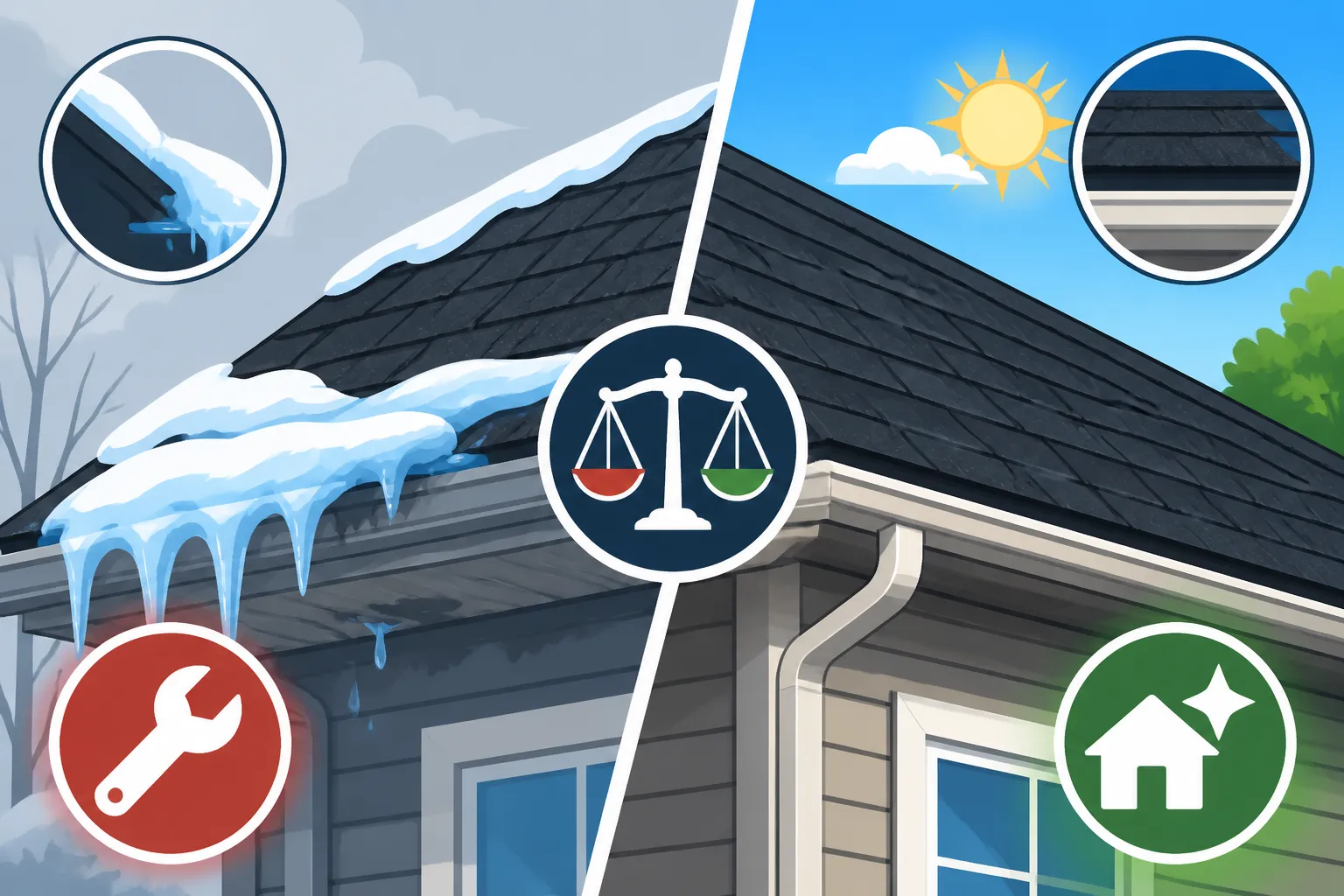
Imagine your roof like a delicate balancing act of temperature. Ice dams typically form when two key ingredients are present: a significant layer of snow on the roof and an uneven roof surface temperature. Here's how it generally plays out: Heat escapes from your living space, rises into your attic, and warms certain sections of your roof deck. This warm roof surface melts the underside of the snow pack. This meltwater then trickles down the roof, flowing under the blanket of snow.
The real problem starts when this water reaches the colder parts of your roof, usually the eaves and gutters, which extend beyond the heated portion of your home. Since these areas aren't warmed by escaping attic heat, the water refreezes. This frozen water creates a barrier – the "dam" itself. As more snow melts and flows down, it backs up behind this ice dam, unable to drain off the roof. This trapped water then has nowhere to go but under your shingles. It's a classic case of physics working against your home's integrity. Factors like inconsistent attic insulation, blocked soffit vents, and even older, less robust roofing materials can contribute significantly to this process, making some homes far more susceptible than others.
How Ice Dams Attack Your Home
Once that water starts backing up behind an ice dam, it’s like a tiny, relentless siege on your home’s defenses. Asphalt shingles are designed to shed water, not to withstand standing water for extended periods, especially water that can creep upwards due to capillary action. The consequences can be widespread and costly. First and foremost, you're looking at potential water infiltration. That water can seep beneath your shingles, penetrate the roofing felt or synthetic underlayment, and eventually make its way to your roof decking.
From there, it can drip into your attic, saturating insulation, running down rafters, and eventually staining ceilings, walls, and even causing paint to peel. Beyond obvious leaks, persistent moisture can lead to insidious problems like wood rot in your roof decking, rafters, and fascia boards. It creates a prime environment for mold and mildew growth, which not only smells unpleasant but can also pose health risks. And don't forget your gutters! The sheer weight of an ice dam can tear gutters right off your house or warp them beyond repair. It’s a cascading series of issues that, if left unaddressed, can compromise your home’s structural integrity and indoor air quality.
Assessing the Toll: Signs of Ice Dam Damage to Your Roof and Home
The visible ice dam itself is just the tip of the iceberg, so to speak. The real concern lies in the damage it might have caused, both overtly and covertly. Knowing what to look for, inside and out, is crucial for an accurate assessment. Sometimes the damage might warrant a full roof replacement, especially if it's systemic.
Visible Exterior Damage Indicators
When an ice dam has had its way with your roof, you'll often see tell-tale signs on the outside. Start by looking up at your roof and gutters once the ice has safely melted. Are your gutters sagging, pulling away from the fascia, or visibly bent and warped? The immense weight of ice and trapped water is a common culprit. You might also notice sections of shingles that appear lifted, cracked, or even missing along the eaves or up the roof slope where the water backed up. This happens because the ice forces the shingles upwards, breaking their seals or even tearing them.
Another less obvious sign is compromised flashing around chimneys, skylights, or vents. While flashing is designed to prevent leaks, the relentless pressure and freezing/thawing cycles of an ice dam can warp or separate it, creating new entry points for water. If you see signs of granule loss on your shingles, particularly in streaks or concentrated areas, it could be where water has been sitting and eroding the protective coating. Remember, a thorough professional inspection, especially after a severe winter, can catch damage you might miss from the ground, ensuring you understand the true extent of the problem and whether it points to a significant roof repair or a larger overhaul.
Hidden Interior Red Flags
The interior signs of ice dam damage are often more alarming because they indicate water has already breached your home's defenses. The most common and immediate indicator is water stains on your ceilings or walls, especially on the top floor of your home. These stains might be brown or yellowish and often appear near the exterior walls or below a roof overhang. Don't just dismiss them as "old house issues"—they're screaming for attention.
Beyond visible stains, be on the lookout for peeling paint or bubbling drywall, particularly in ceiling corners or along the top of walls. This is another clear sign of moisture intrusion. If you have access to your attic, that's where you can often get the clearest picture of the damage. Look for wet or matted insulation, which drastically loses its effectiveness when damp. You might also spot dark streaks or staining on the underside of your roof decking or rafters, indicating past or ongoing leaks. And, of course, the unmistakable musty odor of mold or mildew in your attic or upper rooms is a huge red flag that moisture has been present for a while, potentially leading to widespread issues that could necessitate more than just a simple fix. In some cases, you may need a professional roof damage assessment.
Repairing the Immediate Aftermath vs. Planning for a Full Replacement
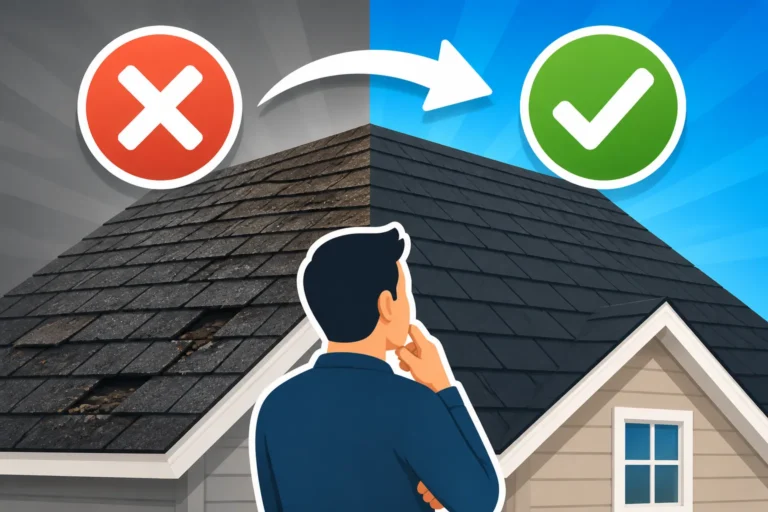
Once you've identified that ice dams have done their dirty work, the big question emerges: can you patch things up, or is it time for a more substantial investment in your home's future? It's a critical decision that hinges on the severity and pervasiveness of the damage.
Immediate Remediation and Patching Up Localized Damage
When you discover an active ice dam, the very first step is safely and effectively removing the ice to prevent further water intrusion. This is not a DIY job with a hammer or an axe, which can cause severe damage to your shingles and gutters. Professional roofers often use steam or specialized de-icing techniques to remove ice dams without harming your roof. For safety and effectiveness, contacting a reputable contractor is always the best course of action. You can often find qualified contractors through services like Modernize, which connects homeowners with local professionals.
Once the ice is gone and the immediate threat of water intrusion has passed, localized repairs can address specific damage. This might involve replacing a few bundles of damaged shingles, re-securing or repairing bent sections of gutters, or addressing small areas of rotted fascia board. If the water only caused cosmetic ceiling stains, a simple primer and fresh coat of paint might suffice after the area has thoroughly dried. For minor attic insulation dampness, sometimes drying it out with fans can work, but severely saturated insulation should be replaced to maintain R-value and prevent mold. These types of repairs are typically cost-effective solutions when the damage is contained and hasn't compromised the overall integrity of your roof system or the underlying structure. Understanding when a roof repair is a waste of money can save you a lot of headache.
When Extensive Damage Points to a New Roof
There comes a point, however, where patching things up becomes a short-term band-aid on a much larger wound. If ice dams have been a recurring problem over several winters, or if a single severe event has caused widespread issues, you might be looking at a full roof replacement. Extensive wood rot in the roof decking, rafters, or even the top plates of your walls is a major indicator that a new roof is needed. Replacing a few sheets of plywood is one thing, but if significant portions of your roof’s skeletal structure are compromised, it’s a job for a complete tear-off. The cost of roof tear-off and disposal is a significant factor in any replacement project.
Similarly, if you're experiencing multiple interior leaks across different areas of your home, or if mold and mildew have become established in your attic, these are signs that your entire roofing system has been compromised. Trying to chase down and fix every individual leak or patch every section of damaged decking can quickly become more expensive and less effective than a full overhaul. A new roof allows you to address not just the visible damage but also the underlying issues that led to the ice dams in the first place, such as inadequate insulation, poor ventilation, and the lack of a proper ice and water shield. In essence, if the damage is widespread, structural, or recurrent, a new roof isn't just a repair; it's an investment in your home's long-term health and your peace of mind. Many homeowners use resources like Modernize to help them connect with reputable roofing contractors who can provide comprehensive estimates for a full replacement.
Long-Term Solutions: Preventing Ice Dams from Reforming
Repairing the damage is one thing, but preventing future ice dams is paramount. Without addressing the root causes, you're likely to find yourself in the same frustrating situation next winter. The good news is that there are proven strategies to make your home much less susceptible to these icy intrusions.
Optimizing Attic Insulation and Ventilation
The absolute cornerstone of ice dam prevention is a well-insulated and properly ventilated attic. Remember how ice dams form due to heat escaping into your attic and warming the roof deck? The solution is to keep that heat where it belongs: inside your living space. This means having sufficient insulation in your attic floor to create a thermal barrier between your warm home and the cold attic space. The recommended R-value for attic insulation varies by climate zone, but in many areas, current building codes suggest R-38 to R-60, which is significantly more than many older homes possess.
Equally important is excellent attic ventilation. This isn't just about keeping the attic cool in summer; it's crucial in winter too. Proper ventilation creates a continuous flow of outside air through the attic, ensuring that any heat that does escape is quickly whisked away before it can warm the roof deck and melt snow. A balanced system usually involves soffit vents (intake) and ridge vents (exhaust), working together to keep the attic temperature as close to the outdoor temperature as possible. When both insulation and ventilation are optimized, your roof stays uniformly cold, preventing the uneven melting and refreezing that causes ice dams. This comprehensive approach is essential to how roof ventilation works.
Essential Roof System Upgrades for Prevention
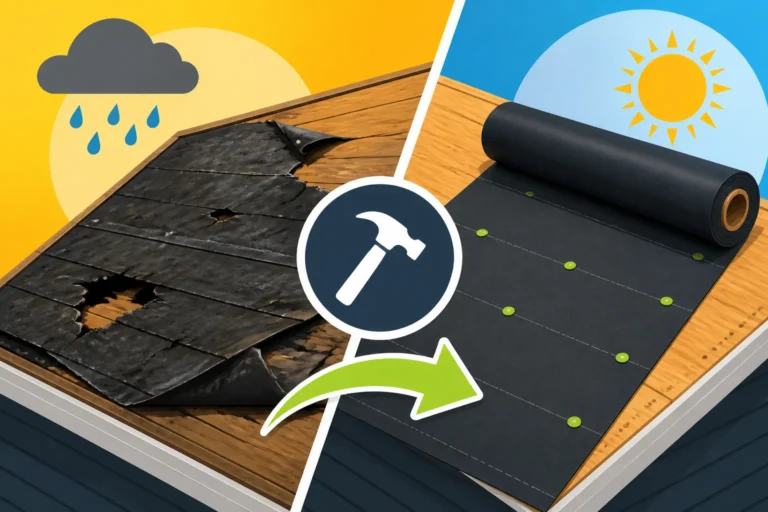
Beyond attic improvements, several upgrades to your roof system itself can significantly boost its resistance to ice dams. One of the most critical is the installation of an ice and water shield. This specialized self-adhering membrane is typically installed directly onto the roof decking, underneath the regular roofing felt and shingles, along the eaves, in valleys, and around penetrations like chimneys and skylights. Its primary job is to create an impenetrable barrier that seals out water, even if it backs up beneath your shingles due to an ice dam. This offers a vital layer of protection that standard roofing felt often can't provide. Many local building codes now mandate its installation in colder climates precisely because of its effectiveness against ice dams.
Another important element is ensuring your gutters and downspouts are not only clear but also properly installed with adequate slope to drain effectively. Clogged gutters can hold snow and ice, creating a starting point for ice dams to form and grow. Regularly cleaning your gutters, especially in late fall, is a simple yet effective preventative measure. For homes in particularly harsh climates or with persistent ice dam issues, consider installing heated gutter cables or even upgrading to a standing seam metal roof on certain sections, as metal sheds snow and ice much more effectively than asphalt shingles. These targeted upgrades, especially when combined with proper insulation and ventilation, can dramatically reduce, if not eliminate, the threat of recurring ice dams, making it a sound investment whether you're performing repairs or undertaking a full roof replacement.
Here's a quick comparison of addressing ice dam damage:
| Feature | Localized Repair | Full Roof Replacement |
|---|---|---|
| Cost | Lower initial cost | Higher initial investment |
| Scope | Addresses specific damaged areas | Replaces entire roofing system, including decking and underlayment if needed |
| Duration | Quick, often 1-2 days | Longer, typically 3-7 days or more depending on size and complexity |
| Underlying Issues | May not address root causes (insulation, vent) | Opportunity to fully resolve underlying insulation/ventilation problems |
| Protection | Restores integrity to patched areas | Provides comprehensive protection with modern materials (e.g., Ice & Water Shield) |
| Warranty | Limited to repaired sections | New manufacturer and workmanship warranties for the entire roof |
| Best For | Minor, isolated damage; first-time ice dams | Extensive rot, multiple leaks, recurring ice dams, systemic roof failures |
When navigating these complex decisions, especially if you're dealing with extensive damage, remember that services like Modernize can help you connect with qualified, local roofing professionals. These experts can provide detailed assessments, explain your options, and offer transparent quotes, helping you make the most informed decision for your home and budget. Deciding between repair and replacement often comes down to weighing immediate costs against long-term peace of mind and the overall health of your home. If you're wondering how long asphalt shingles last, a professional assessment can give you an accurate picture of your roof's remaining lifespan.
Disclaimer
Please remember that this article provides general information and recommendations. Every roofing situation is unique, and the best course of action for your home should always be determined by a qualified and licensed roofing professional after a thorough on-site inspection. Always prioritize safety when dealing with roof issues and never attempt complex repairs or ice dam removal yourself without proper training and equipment.