How Designer Shingles Are Made
Choosing a new roof can feel overwhelming, especially when you're faced with a dizzying array of options beyond the traditional asphalt shingle. Many homeowners wonder what makes those gorgeous, premium roofs so different from the standard fare. This guide will pull back the curtain on the manufacturing process of designer asphalt shingles, revealing the intricate steps that give them their distinctive aesthetic and superior performance.
Understanding the Foundation of Designer Shingles
Before we delve into the magic that creates their unique look, it's essential to understand the basic building blocks that all asphalt shingles share. Designer shingles, while aesthetically advanced, still rely on the fundamental components that make asphalt roofing so durable and popular.
The Core Components: Fiberglass Mat and Asphalt
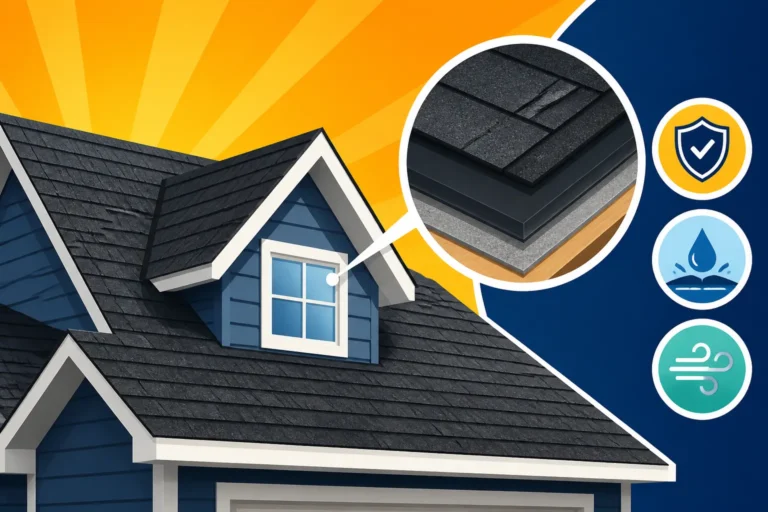
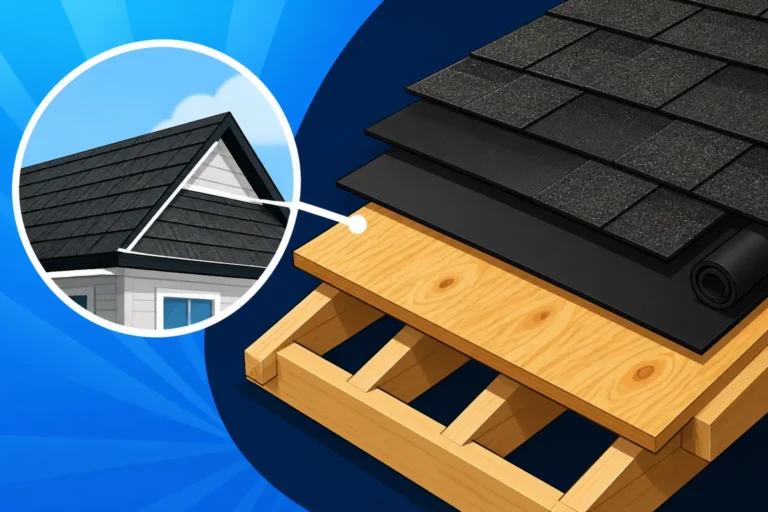
Every asphalt shingle, including the high-end designer varieties, starts with a robust foundation. This isn't just a simple sheet; it's a carefully engineered combination of materials designed for strength and weather resistance.
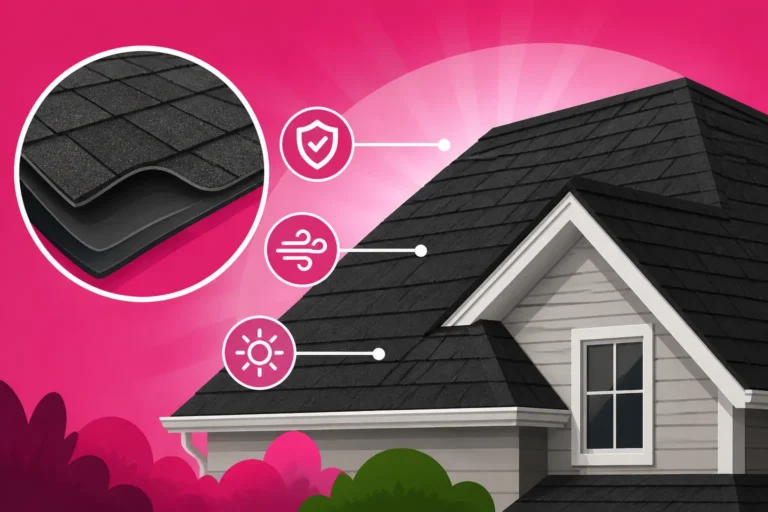
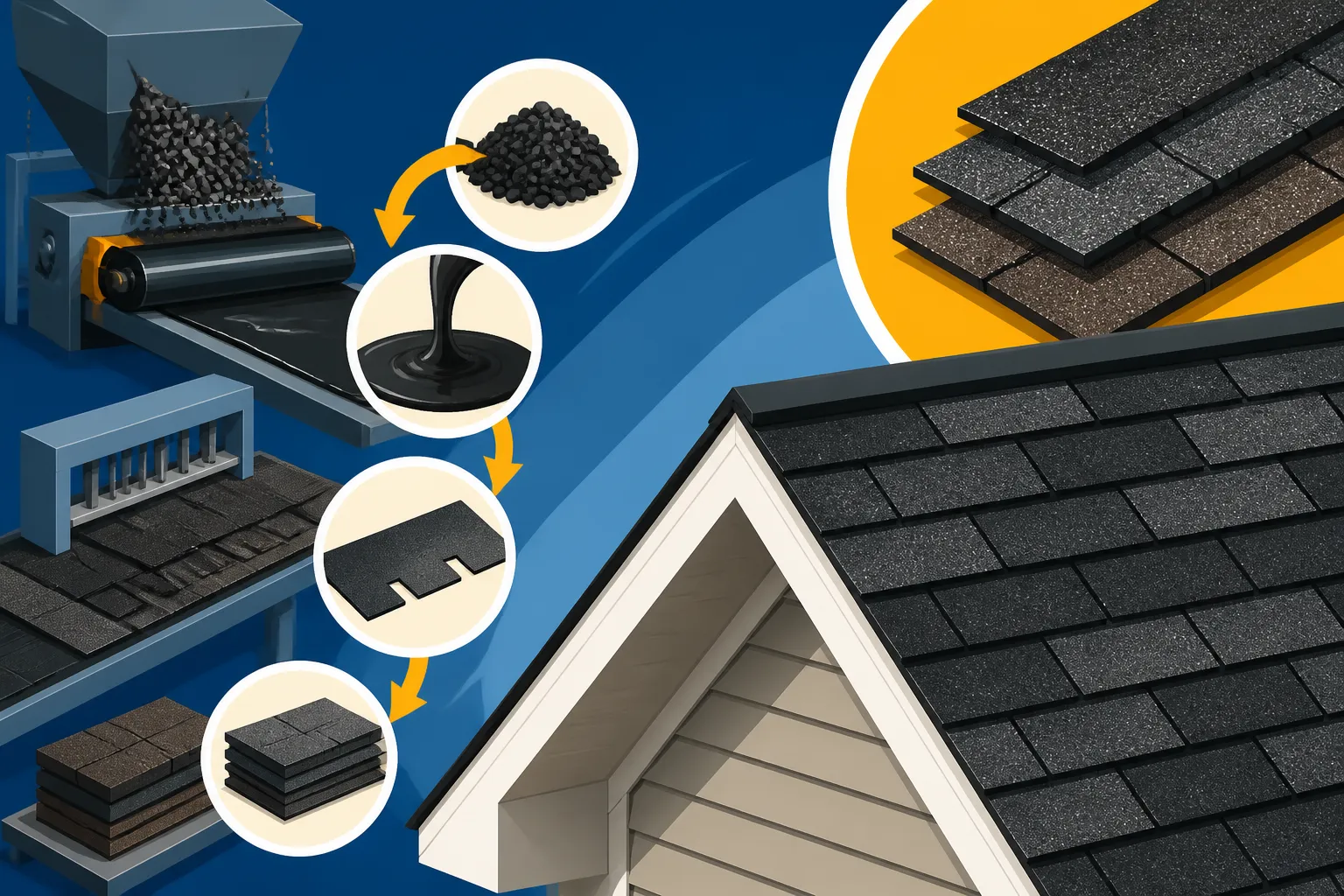
The fiberglass mat forms the backbone of the shingle. Think of it as the skeleton upon which everything else is built. This mat, made from finely spun glass fibers, provides crucial structural integrity. Without it, shingles would be prone to tearing, stretching, and deforming under the stress of daily weather fluctuations. It ensures the shingle maintains its shape through temperature changes, from the scorching heat of a Texas summer to the freezing cold of a Minnesota winter. The fiberglass mat resists moisture absorption, which is key to preventing the shingle from rotting or delaminating over time. Its stability is a primary reason why modern asphalt shingles can offer impressive warranties and long lifespans.
Wrapped around and saturating this fiberglass mat is asphalt. This is where the magic of waterproofing truly happens. The asphalt isn't just any old black tar; it's a specially refined petroleum product that has been modified with various polymers and fillers. This modification enhances its flexibility, durability, and resistance to thermal shock. When the sun heats up your roof, the asphalt softens slightly, and when temperatures drop, it stiffens. These continuous cycles can be brutal on roofing materials, but the engineered asphalt in designer shingles is formulated to withstand this stress without cracking or becoming brittle. Its adhesive properties are also critical, allowing it to securely hold the protective granules that we'll discuss next, and ensuring each shingle layer bonds effectively to its neighbors once installed on your roof.
Granule Application and Function
The colorful, textured surface of an asphalt shingle is probably the first thing you notice, and it's thanks to those tiny, ceramic-coated granules. These aren't just for show; they play a monumental role in the shingle's performance and longevity.
These ceramic-coated granules are essentially crushed rock, like basalt, slate, or slag, that have been coated with a ceramic pigment at high temperatures. This process bakes the color right into the granule, making it highly resistant to fading from UV radiation. Imagine walking outside and seeing your vibrant new roof turn dull and washed out in just a few years – that's what would happen without these tough, color-fast granules. Beyond aesthetics, the granules provide a critical layer of protection against the sun's harsh ultraviolet (UV) rays, which are the primary culprits in the aging and degradation of asphalt. Without this protective shield, the asphalt binder would quickly break down, leading to premature roof failure. This is why you often see granule loss as a sign of an aging roof, indicating that the protective layer is diminishing.
Modern designer shingles often incorporate various granule types for enhanced functionality. For instance, many brands like GAF, Owens Corning, and CertainTeed now offer shingles with algae-resistant granules. These granules are infused with copper particles, which slowly release during rainfall. This natural fungicide helps prevent the unsightly black streaks caused by blue-green algae, especially common in humid climates like Florida or along the Gulf Coast. Furthermore, some designer shingles feature cool-roof granules. These are specially formulated with highly reflective pigments that scatter more of the sun's infrared radiation, rather than absorbing it. This helps to reduce the temperature of the roof surface, which in turn can lead to lower attic temperatures and potentially reduced energy consumption for air conditioning. The careful selection and application of these granules are what allow designer shingles to not only look fantastic but also offer advanced performance benefits that go beyond basic weather protection.
The Art and Science of Manufacturing Designer Shingles
This is where designer shingles truly begin to differentiate themselves. While they share core components with other asphalt shingles, their unique aesthetic and enhanced durability come from sophisticated manufacturing techniques involving precision cutting, layering, and the integration of specialized features.
Precision Cutting and Layering for Aesthetic Appeal
Unlike the simple, single-layer design of a 3-tab shingle, or even the dual-layer construction of many architectural shingles, designer shingles involve a far more intricate cutting and layering process. This complexity is what allows them to mimic the high-end look of traditional roofing materials like natural slate or cedar shakes, but at a fraction of the cost and with much greater durability.
The manufacturing process employs advanced machinery that can precisely cut the fiberglass mat and asphalt layers into various irregular shapes and sizes. These aren't uniform rectangles; instead, they might feature tabs with different widths, varying angles, or even unique notches designed to create specific visual effects. For example, some designer shingles are cut to create deep, shadow-line effects that add dimensionality to the roof, making it appear thicker and more robust. This contrasts sharply with the flat, repetitive pattern of a 3-tab shingle, where each tab is identical. The digital templates and laser-guided cutters ensure consistency in these complex patterns, even across millions of shingles.
Once these individual pieces are cut, they are meticulously bonded together in multiple layers. Instead of just two layers, a premium designer shingle might have three, four, or even five layers of asphalt and fiberglass mat in certain sections. This multi-layering is not random; it's strategically designed to create staggered edges, varying thicknesses, and intricate shadow lines that simulate the natural variations found in genuine slate or wood shake. For instance, a shingle designed to look like slate might have thicker, chamfered edges on some tabs, while others are thinner and more irregularly shaped, just like natural stone. This complex layering is fused together with heat and pressure, creating an incredibly strong, multi-dimensional shingle that not only looks exceptional but also provides superior protection against the elements. This sophisticated approach to layering is a key reason why designer shingles offer such remarkable curb appeal and visual depth compared to their simpler counterparts.
Integrating Advanced Features for Performance
The manufacturing of designer shingles isn't just about making them look good; it's equally focused on building in enhanced performance characteristics that improve durability, energy efficiency, and resistance to environmental factors.
One significant advancement is the integration of impact resistance. This is particularly crucial in areas prone to hailstorms, like Colorado or parts of the Midwest. To achieve a Class 4 impact resistance rating – the highest available for residential roofing – manufacturers incorporate specialized modifiers into the asphalt blend. These modifiers, often rubber-like polymers, make the shingle more pliable and resilient, allowing it to absorb the energy of a hailstorm without cracking or fracturing. The multi-layering also contributes to this, as the increased mass and varied material distribution help dissipate impact force. During the manufacturing process, these specialized asphalt blends are applied to the fiberglass mat, ensuring uniform distribution of the protective properties throughout the shingle. For homeowners in hail-prone regions, understanding the benefits of these shingles can significantly impact insurance premiums and the lifespan of their roof. You can learn more about specific requirements in areas like Florida's high-wind zones or how Class 4 shingles can potentially lower insurance premiums by searching for articles like "Do Class 4 Shingles Lower Insurance Premiums".
Beyond impact resistance, cool roof technology is another integrated feature. As mentioned earlier, this involves using highly reflective granules that are precisely applied during manufacturing. These granules contain pigments that reflect more of the sun's solar radiation, reducing heat absorption by the roof surface. The manufacturing process ensures these granules are evenly distributed and firmly embedded in the asphalt, maximizing their reflective properties over the shingle's lifespan. Similarly, algae resistance is achieved by incorporating copper-infused granules directly into the shingle's surface during production. These copper particles are strategically placed so they can slowly release over time, inhibiting the growth of algae. Manufacturers like Owens Corning with their StreakGuard™ protection or GAF with their StainGuard Plus™ technology showcase these integrated features that tackle common roofing frustrations head-on. By building these performance features directly into the shingle during its creation, manufacturers ensure they are an integral part of the product, providing long-lasting benefits that simple surface treatments can't match.
Quality Control and Finishing Touches
Once the intricate layers are bonded and the specialized granules are applied, the manufacturing process isn't over. A rigorous series of quality control checks ensures that every designer shingle meets stringent standards for durability, aesthetic consistency, and performance.
Rigorous Testing and Standards
Manufacturers of designer shingles invest heavily in state-of-the-art testing facilities to ensure their products stand up to real-world conditions. This isn't just a quick visual inspection; it involves scientific evaluations under simulated extreme weather.
One of the most critical tests is for wind resistance. Shingles are subjected to powerful wind tunnels that simulate hurricane-force winds, often exceeding 130 mph. During these tests, the shingle's sealant strip — the adhesive band that helps shingles bond to each other once installed on a warm roof — is evaluated for its activation speed and holding power. They also assess the shingle's ability to remain intact and shed water effectively under these conditions. Knowing your shingles are rated for high winds can provide immense peace of mind, especially if you live in a coastal area. You can find out more about the different types of wind ratings for shingles and what they mean for your home.
Fire ratings are another crucial aspect. Shingles are tested according to ASTM (American Society for Testing and Materials) standards, specifically ASTM E108, which determines a roof covering's resistance to external fire. Most designer asphalt shingles achieve a Class A fire rating, the highest classification, indicating superior resistance to flame spread and penetration. This is a significant safety feature for any home. Beyond wind and fire, shingles undergo tests for tear strength, granule adhesion (to ensure those protective granules don't just wash away), flexibility in cold temperatures, and resistance to thermal shock. These tests ensure that when you invest in a premium designer shingle, you're getting a product that has been proven to perform under pressure. For example, brands like CertainTeed are known for their rigorous testing protocols, ensuring that their Landmark Pro and Presidential Shake series meet or exceed industry benchmarks.
Packaging and Distribution
After passing all quality control inspections, the finished designer shingles are prepared for their journey to your home. This final stage is crucial for maintaining product integrity and ensuring efficient delivery.
The shingles are typically stacked and compressed, then banded together in bundles. These bundles are designed to be manageable for roofing crews while protecting the shingles from damage during transit. For instance, a typical bundle might weigh between 60 to 80 pounds, which is a significant consideration when calculating labor costs for a roof replacement project. These bundles are then loaded onto pallets, often shrink-wrapped to provide additional protection against moisture and shifting during shipping. The weight and dimensions of these pallets are standardized to facilitate efficient loading, unloading, and storage at distribution centers.
From the factory, these pallets of designer shingles are shipped to various regional distribution hubs and local roofing supply stores across the country. This network ensures that contractors can readily access the materials needed for projects, whether they're installing a GAF Grand Sequoia roof in the mountains of Colorado or an Atlas Pinnacle Pristine roof in the suburbs of Atlanta. Homeowners typically don't interact directly with the manufacturing or distribution process, but understanding these steps can give you confidence in the quality and availability of the materials your chosen contractor, perhaps one found through a service like Modernize, will use for your roof replacement. This streamlined distribution system plays a vital role in ensuring that these sophisticated roofing materials can reach homeowners efficiently, allowing for timely and well-executed roof installations.
Why Designer Shingles Stand Apart
When you look at a roof featuring designer asphalt shingles, you're seeing more than just weather protection; you're witnessing a culmination of advanced manufacturing techniques focused on both stunning aesthetics and superior performance. This section will elaborate on how the meticulous creation process elevates designer shingles above other roofing options.
The Visual Impact and Curb Appeal
The most striking advantage of designer shingles is undoubtedly their unparalleled visual appeal. They are crafted to replicate the premium look of much more expensive roofing materials, transforming the entire aesthetic of a home.
Unlike the uniform, flat appearance of traditional 3-tab shingles or even the somewhat textured look of standard architectural shingles, designer shingles boast a multi-dimensional design that creates depth and character. The varied cuts, irregular shapes, and multi-layered construction are engineered to cast intricate shadow lines that mimic the rugged texture of natural slate or the distinct grain of hand-split cedar shakes. For example, CertainTeed's Presidential Shake series is specifically designed to emulate the look of cedar shakes, complete with deep shadow bands and rich color blends that create a rustic yet refined appearance. Similarly, GAF's Slateline shingles offer a striking resemblance to natural slate, with prominent shadow lines and a bold look. This ability to replicate premium materials is not merely about illusion; it's about making sophisticated design accessible.
Consider a home in a historic district or a high-end neighborhood. While real slate or cedar shake might be the ideal choice aesthetically, the cost and maintenance requirements can be prohibitive. Designer shingles offer a fantastic alternative, allowing homeowners to achieve that coveted high-end look without the significant investment or ongoing upkeep. The manufacturing process allows for a broader palette of complex color blends, combining several granule hues to create a nuanced, rich tone that changes subtly with the light. This means your roof isn't just a single color; it's a dynamic element that enhances your home's architecture, boosts curb appeal, and can significantly increase its market value. The level of detail and realism achieved in designer shingles is a direct result of the precision manufacturing techniques employed, making them a hero product for homeowners prioritizing both style and practicality. If you're considering a roof replacement primarily to boost your home's aesthetic appeal, understanding how designer shingles are made helps explain their transformative power.
Enhanced Durability and Longevity
Beyond their stunning looks, designer asphalt shingles are engineered for exceptional durability and a longer lifespan, offering homeowners greater peace of mind and better long-term value. This superior resilience is a direct outcome of their manufacturing process, which emphasizes robust materials and multi-layered construction.
The inherent multi-layering of designer shingles means they are thicker and heavier than their single or dual-layer counterparts. This increased mass provides a substantial barrier against wind uplift, hail impact, and general wear and tear from the elements. Imagine a standard architectural shingle with two bonded layers; a designer shingle might have three, four, or even five layers in critical areas, often reinforced with specific asphalt formulations and bonding agents. This extra material significantly enhances the shingle's structural integrity, making it much harder for strong winds to lift and tear them away. For example, in regions prone to hurricanes or strong derechos, a heavy, multi-layered designer shingle with a robust wind rating offers superior protection compared to lighter options. This inherent strength contributes to their impressive wind resistance ratings, often reaching 130 mph or more, providing greater security during severe weather events.
Furthermore, the higher quantity and quality of asphalt used in designer shingles, coupled with the dense application of ceramic-coated granules, provides enhanced protection against UV degradation and thermal cycling. The specialized asphalt modifiers, as discussed earlier, help the shingles remain flexible in cold weather and stable in hot weather, minimizing cracking and brittleness over time. This robust construction translates into a significantly longer expected lifespan. While 3-tab shingles might last 15-20 years and architectural shingles 25-30 years, many designer shingles are backed by limited lifetime warranties and are expected to perform for 30, 40, or even 50 years. This extended durability reduces the frequency of roof replacements, saving homeowners money and hassle in the long run. When evaluating your roofing options, remember that the initial investment in designer shingles often pays off through their enhanced longevity and reduced maintenance needs.
| Shingle Type | Number of Layers | Appearance | Typical Lifespan (Years) |
|---|---|---|---|
| 3-Tab Shingle | 1 | Flat, uniform, repetitive | 15-20 |
| Architectural Shingle | 2 | Dimensional, textured, non-uniform | 25-30 |
| Designer Shingle | 3 to 5 (or more) | Highly dimensional, mimics slate/shake, varied shapes | 30-50+ |
The additional weight and material in designer shingles also make them inherently more resistant to everyday damage, such as foot traffic during maintenance or falling debris. This means fewer repair calls over the years, contributing to a lower overall cost of ownership. When you're talking with a roofing professional about your options, whether it's through a platform like Modernize or directly with a local contractor, be sure to ask about the specific performance features and warranty details of designer shingles. Understanding how these shingles are made helps clarify why they offer such a compelling blend of beauty, strength, and lasting value for your home. You'll find that while the upfront cost might be higher, the benefits in terms of aesthetic appeal, durability, and longer warranty coverage often make them a worthwhile investment. This long-term thinking is key when considering the overall Cost to Replace a Roof by House Size or the Asphalt Roof Replacement Cost: Complete Breakdown.
Disclaimer
Please remember that this article provides general information. Building codes, product availability, and best practices can vary significantly by location and change over time. Always consult with qualified local roofing professionals and your municipality for specific advice tailored to your project. This information is not a substitute for professional guidance.