Roofing Contractor Reviews to Trust in Arizona
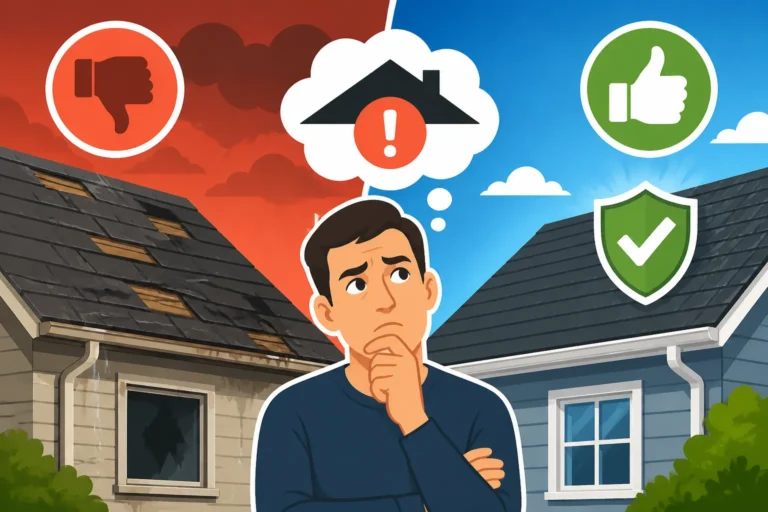
It’s a tough world out there when you’re trying to find a trustworthy roofing contractor, especially in a state like Arizona. The stakes are high – your home's protection hinges on it – and the sheer volume of choices, not to mention the occasional fly-by-night operator, can feel utterly overwhelming. You just want to make an informed decision, and that means really knowing how to evaluate the reviews you stumble upon. This guide is here to cut through the noise, showing you exactly how to find and interpret roofing contractor reviews to trust in Arizona.
The Unique Roofing Landscape and Why Reviews Matter in Arizona
Arizona's beauty is undeniable, but it comes with a particular set of challenges for your home's roof. When you’re looking for a roofer, it’s not just about finding someone who can nail shingles; it’s about finding someone who understands the very specific stresses a roof in this climate endures. This is where honest, detailed reviews become absolutely indispensable.
Climate Challenges and Their Impact on Roofs
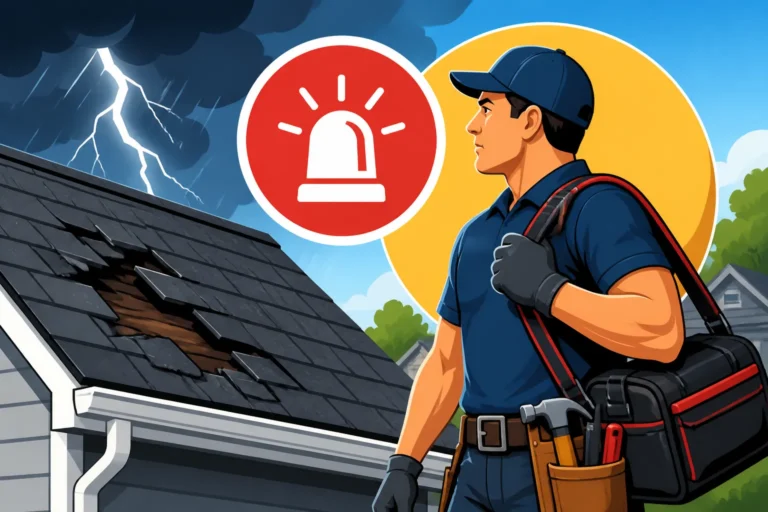
Let's be real: the Arizona sun is relentless. We're talking 300+ days of sunshine a year, with summer temperatures regularly soaring above 100 degrees Fahrenheit. This intense UV radiation and extreme heat can absolutely brutalize roofing materials, causing premature aging, cracking, and granule loss on asphalt shingles. Even the dry heat itself can play a role, making materials brittle over time. Then there are the monsoons, which, while brief, bring sudden, torrential downpours and often fierce winds. These storms can exploit any weakness in a roof, turning a small issue into a major leak in an instant.
So, when you're reading reviews for an Arizona roofer, you're not just looking for comments about general installation quality. You want to see if customers mention the contractor's understanding of these local conditions. Do previous clients talk about how their roof has held up through multiple summers? Have they praised the contractor's swift response after a monsoon storm revealed an issue? These specific details in a review speak volumes about a contractor's local expertise and the durability of their work under Arizona’s tough environmental conditions. Without this local insight, a roof might look fine on day one but start failing much sooner than expected.
Navigating a Crowded Contractor Market
Arizona, particularly areas like Phoenix, Tucson, and Mesa, has a booming construction and home improvement industry. That means there's no shortage of roofing contractors advertising their services. On one hand, competition can be good for consumers, driving prices down and quality up. On the other hand, it can make finding a reputable, reliable professional feel like searching for a needle in a haystack. Everyone claims to be the best, and without a strong referral or a solid understanding of how to vet them, you might just pick the one with the flashiest website or the lowest bid – which, as we all know, can lead to disaster.
Reviews provide a critical filter in this crowded market. Instead of just taking a contractor's word for it, you get to hear directly from people who have gone through the process. Imagine you're comparing two companies, both with slick marketing. One has a handful of generic five-star reviews, while the other has a slightly lower average but dozens of detailed reviews praising their project communication, cleanup, and adherence to the budget. Which one would you lean towards? The details in those reviews help you see past the marketing spin and get a truer picture of a company's day-to-day operations and customer service. They help you understand how to choose a roofing contractor that truly stands out.
The Local Phenomenon of Storm Chasers
Unfortunately, Arizona isn't immune to "storm chasers" – out-of-state roofing companies that swarm into an area after a significant hail or wind event. They often promise quick repairs, work with insurance claims, and sometimes offer deals that seem too good to be true. While not all out-of-state companies are bad, many storm chasers are notorious for shoddy work, taking deposits and disappearing, or using high-pressure sales tactics. They often lack local licenses or insurance, making it nearly impossible to hold them accountable if something goes wrong down the line.
Reviews become your first line of defense against these less reputable operators. A well-established local contractor will have a long history of reviews from local residents, often spanning years. These reviews will mention their fixed local address, their involvement in the community, and consistent service. A newer company, or one that suddenly appears after a storm, might have a flurry of very recent, generic-sounding reviews, or suspiciously few reviews for the volume of work they claim to do. Be wary of any company with no local presence or a history that seems to start only after the latest big storm. Trustworthy reviews are crucial for learning how to avoid roofing scams.
Your Digital Detective Toolkit: Where to Find Arizona Roofing Reviews
Alright, so you understand why reviews are so important, especially here in Arizona. Now, let’s talk about where to actually find them. It's not just about typing "roofing contractor reviews" into a search engine; it's about knowing which platforms offer the most reliable insights and how to leverage them.
The Big Name Review Sites: Google, Yelp, and BBB
These are often the first places people look, and for good reason – they’re widely used, easily accessible, and generally provide a good starting point.
-
Google Reviews: When you search for "roofing contractors near me" in Phoenix or Mesa, Google often pulls up a list of local businesses with their star ratings and review counts. These reviews are tied to Google Business Profiles, which legitimate businesses manage. You'll often find a mix of detailed and brief reviews here. The strength of Google reviews is their ubiquity; almost everyone uses Google, so the sheer volume can be impressive. Pay attention to how the contractor responds to reviews, both positive and negative. A professional, respectful response to criticism can be a huge green flag, showing they care about their reputation and customer satisfaction. It's a key part of learning how to vet a roofing company.
-
Yelp: Yelp has a strong community aspect, and its users often leave incredibly detailed, narrative-style reviews. While Yelp has faced some controversy over its filtering algorithms, it remains a powerful tool for discovering local businesses. For a roofing contractor, Yelp reviews might go into specifics about the crew's professionalism, the cleanup process, or how smoothly the project ran. Always check the "not recommended" section, as Yelp sometimes filters out legitimate reviews it deems suspicious. Take a balanced view, and don't let a few negative filtered reviews deter you if the overall picture is positive.
-
Better Business Bureau (BBB): The BBB isn't just a review site; it's a non-profit organization that rates businesses based on a variety of factors, including customer complaints, transparency, and licensing. A high BBB rating (A+ being the best) and a history of resolved complaints can be a strong indicator of a reputable contractor. While the BBB also hosts customer reviews, its primary value comes from its complaint resolution service and business accreditation. It provides another layer of scrutiny beyond simple star ratings, offering a valuable insight into a company's ethical practices. Always check a contractor's BBB profile, especially if you're dealing with a larger, more established firm.
Niche Platforms and Contractor Matching Services
Beyond the big general review sites, there are platforms specifically designed to connect homeowners with vetted contractors, and some even collect their own reviews.
- Angie's List (now Angi): This platform has been around for a long time and allows homeowners to find, hire, and review local service professionals. Reviews on Angi tend to be more detailed, as users often pay for access to certain features, indicating a more serious intent. You can often find a lot of information about specific services, pricing, and overall satisfaction.
- HomeAdvisor and Modernize: These are contractor matching services. Instead of you sifting through endless lists, you input your project details, and they connect you with pre-screened local contractors. What's fantastic about a service like Modernize is that they often have their own internal vetting processes, checking licenses and insurance, and collecting customer feedback on the contractors they recommend. While you should still do your own due diligence, starting with a contractor from a platform like Modernize can give you a baseline of confidence. They simplify the process of getting multiple roofing quotes and comparing them. Reviews on these platforms often focus on the efficiency of the matching process and the quality of the contractors provided.
- Nextdoor: This neighborhood-focused social media platform can be an unexpected goldmine for local recommendations. People often ask their neighbors for suggestions for everything from plumbers to roofers. The reviews and recommendations here are often from people you might even know or who live just down the street, adding an extra layer of trust. A real-life scenario: A homeowner in Scottsdale might post, "Anyone have a good roofer after that hail storm last week?" and get a flood of genuine, firsthand experiences from neighbors. These hyper-local recommendations are invaluable.
Harnessing the Power of Local Community Forums
Don't underestimate the power of your local community. In Arizona, especially in tight-knit communities or specific subdivisions within larger cities, word-of-mouth still carries immense weight.
- Facebook Groups: Many Arizona cities and neighborhoods have dedicated Facebook groups where residents share information, ask for recommendations, and review local businesses. These groups can be incredibly active and provide immediate, relevant feedback. If you're looking for a roofer in, say, Gilbert, a quick post in a "Gilbert AZ Community" group could yield several strong recommendations (and warnings!).
- Chamber of Commerce: Your local Chamber of Commerce website might list accredited businesses, often with testimonials or awards. While not strictly "reviews," being a member of the Chamber can indicate a commitment to the local business community and adherence to certain standards.
- Real Estate Agents and Insurance Brokers: These professionals work with roofers constantly and often have a curated list of trusted, reliable contractors. They have a vested interest in recommending good people because a bad referral reflects poorly on them. A quick call to your trusted real estate agent in Chandler or your insurance broker in Tempe could give you a fantastic lead. They often know which roofers are reliable when it comes to insurance claims for storm damage.
Reading Between the Lines: How to Interpret Reviews Effectively
Finding reviews is only half the battle. The real skill lies in knowing how to interpret them. A five-star rating isn’t always a guarantee of perfection, and a negative review doesn’t automatically mean a contractor is bad. It’s all about context and common sense.
Distinguishing Genuine Feedback from Fabricated Stories
This is where your inner detective needs to come out. Fake reviews exist, both positive and negative, and they can skew your perception.
- Look for patterns: If a contractor has dozens of five-star reviews all posted within a short timeframe, with similar generic language, that's a red flag. Real reviews tend to be more staggered over time and vary in tone and detail.
- Check reviewer profiles: On platforms like Yelp or Google, you can often click on a reviewer's profile. If they've only ever left one review (for that specific contractor) or if all their reviews are glowing five-stars for seemingly unrelated businesses, be suspicious. Legitimate reviewers usually have a history of diverse feedback.
- Read the specifics: Generic reviews ("Great job!" or "Very professional!") are less useful than detailed ones that mention specific aspects of the project, like the type of shingles installed (e.g., GAF Timberline HDZ), the crew’s efficiency, or how they handled a tricky skylight flashing. Details are harder to fake convincingly. A review that mentions the team completed the tear-off and installation of a 2,000 sq ft roof in two days and cleaned up impeccably is far more credible than one that just says "best roof ever!"
What Positive Reviews Really Tell You
When you see a string of positive reviews, what should you really be looking for?
- Consistent themes: Are multiple reviewers praising the same aspects? If everyone mentions excellent communication, punctuality, and a clean job site, those are strong indicators of a contractor’s consistent strengths. For example, if several reviews mention the crew protecting plants and cleaning up thoroughly after a roof tear-off, that's a great sign.
- Problem resolution: Even the best contractors can encounter unexpected issues – that’s just the nature of home improvement. A truly great contractor is one who resolves those issues professionally and efficiently. Look for reviews where customers mention a problem arose, and the contractor handled it admirably. "There was a minor delay due to a material backorder, but the team communicated it promptly and kept us updated," is a fantastic sign of a contractor who prioritizes transparency.
- Longevity and follow-up: Some of the most valuable reviews are those left months or even years after the job was completed, confirming the roof has held up well. Or reviews that mention excellent post-installation support or warranty assistance. These show a commitment beyond just getting paid. This ties into questions to ask a roofing contractor before hiring about their warranty.
Decoding Negative Reviews and Red Flags
Negative reviews are inevitable for any business. The key is to assess their validity and the contractor's response.
- Context is king: Was the negative review about a minor misunderstanding, or a major structural failure? Sometimes, a customer's expectations might have been unrealistic. For instance, a review complaining about the "Cost to Replace a Roof by House Size" being too high might not reflect the contractor's quality but rather the homeowner's budget constraints.
- Contractor's response: This is perhaps the most critical part. Did the contractor respond to the negative review? Was their response professional, empathetic, and aimed at resolving the issue, or was it defensive and dismissive? A contractor who publicly tries to make things right or clarify a misunderstanding shows good faith. A lack of response, or an aggressive one, is a huge red flag.
- Consistent complaints: If multiple negative reviews highlight the same problem – say, poor cleanup, communication breakdowns, or unexpected charges not reflected in the initial roofing estimate – then you've identified a systemic issue. One bad review about a missed appointment might be an anomaly; five reviews about unreturned calls are a pattern. Other roofing contractor red flags to avoid include contractors who constantly ask for full payment upfront.
- Watch for specific details: If a review mentions a safety incident, damage to property, or failure to pull permits, these are serious concerns. "The crew left nails all over my driveway after the job," is a specific, actionable complaint that points to carelessness.
Review Analysis Checklist
Here's a handy table to help you dissect those reviews:
| Feature to Analyze | Green Flags (Good Signs) | Red Flags (Warning Signs) |
|---|---|---|
| Reviewer Profile | Diverse review history, real name/picture, local area mentioned. | Only one review ever, generic name, no profile picture, reviews only for this contractor. |
| Review Details | Specifics about materials, crew, communication, cleanup, problem resolution. | Vague, generic praise ("great job"), no specifics. |
| Review Frequency | Staggered over time, consistent flow, long-term history. | Many reviews posted at once, sudden surge after a specific date. |
| Contractor Response | Professional, polite, addresses concerns, offers solutions, clarifies misunderstandings. | No response, defensive, aggressive, blames the customer. |
| Recurring Themes | Consistent praise for quality, punctuality, communication, cleanup. | Multiple complaints about cost overruns, poor quality, missed deadlines, no-shows. |
| Local Specifics | Mentions performance in AZ heat/monsoons, knowledge of local codes. | No mention of local challenges, seems generic for any region. |
Layering Your Research: Essential Steps Beyond Online Reviews
While online reviews are an excellent starting point, they should never be your only source of information. The most astute homeowners combine review analysis with practical, hands-on vetting to ensure they hire the best possible contractor for their Arizona home.
Verifying Credentials: Licenses, Insurance, and Certifications in Arizona
This step is non-negotiable and perhaps even more critical than any five-star review. You absolutely must verify that your chosen contractor is properly licensed, insured, and, ideally, manufacturer-certified.
- Arizona Licensing: In Arizona, roofing contractors are typically required to be licensed by the Arizona Registrar of Contractors (ROC). You can easily look up a contractor's license number on the ROC website. This will tell you if their license is active, what classification they hold (e.g., C-39 for Roofing), and if they have any disciplinary actions or unresolved complaints against them. Don't just ask if they're licensed; ask for their license number and verify it yourself. This is a crucial step that even positive reviews can't replace. Knowing the roofing license requirements in Arizona is your responsibility.
- Insurance: A reputable contractor will carry both workers' compensation insurance and general liability insurance. Workers' comp protects the contractor's employees if they get injured on your property, preventing you from being liable. General liability protects your property against damage caused by the roofing crew. Ask for current certificates of insurance directly from their insurance provider – don't just accept a photocopy from the contractor. This is one of the most important questions to ask a roofing contractor before hiring. What happens if a roofer gets injured on your property can quickly become your problem if they aren't properly insured.
- Manufacturer Certifications: Many top shingle manufacturers like GAF, Owens Corning, and CertainTeed offer certification programs for contractors. These certifications often mean the contractor has undergone specific training, adheres to manufacturer installation standards, and can offer enhanced warranties. For example, a GAF Master Elite Contractor can offer GAF's strongest warranties. These certifications are a good sign of a contractor's commitment to quality and ongoing education. Check if your contractor is a GAF Master Elite Contractor Explained or similar.
Interviewing Contractors and Evaluating Their Communication
Once you've narrowed down your list based on reviews and initial credential checks, it's time to talk to them face-to-face. This is where you assess their professionalism and communication skills, which are vital for a smooth project.
- Initial Consultation: How easy was it to schedule an appointment? Did they show up on time? Were they prepared, polite, and attentive? These initial interactions often set the tone for the entire project. During the consultation, they should inspect your roof thoroughly, not just give you a quick estimate from the curb. They should be able to explain the process, materials, and timeline clearly.
- Communication Style: Do they listen to your concerns? Do they answer your questions thoroughly and patiently, or do they rush you? A good contractor will communicate effectively, keeping you informed every step of the way, from the initial inspection to the final cleanup. They should be upfront about any potential challenges, like the possibility of needing roof decking replacement due to rot. Pay attention to how they present themselves; professionalism is key.
- References: Beyond online reviews, ask for a few recent references – customers they’ve worked for in the past year or two. While you might only get glowing references, it's still worth calling them to ask specific questions about the contractor's performance, communication, and how they handled any issues. Ask about things like "Roofing Deposit: How Much Is Normal" or their experience with the team.
The Critical Role of Comprehensive Estimates and Contracts
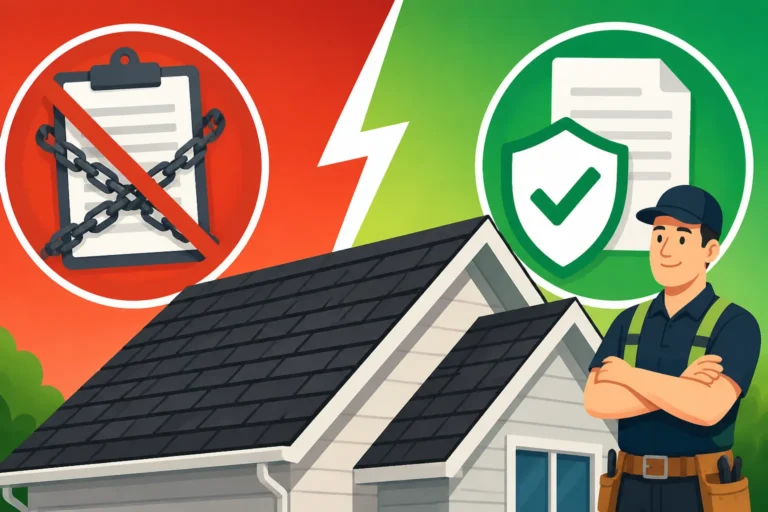
Finally, before you sign anything, meticulously review the estimate and contract. This is where all the promises and details are formally laid out.
- Detailed Estimates: A trustworthy contractor will provide a detailed, written estimate that breaks down all costs: materials (shingles, underlayment, flashing, vents), labor, tear-off and disposal fees, permit costs, and any potential hidden costs in a roof replacement. It should specify the type and brand of materials, the scope of work, and the payment schedule. A vague, one-line estimate is a major red flag. Learning what a roofing estimate should include is critical.
- Clear Contract Terms: The contract should clearly outline everything agreed upon, including start and completion dates, warranty information (both for materials and workmanship), cleanup procedures, and what happens if unforeseen issues arise. It should specify who is responsible for pulling permits (it should be the contractor). Ensure the contract includes provisions for a final walk-through and inspection. Never feel pressured to sign a contract on the spot. Take your time to review it thoroughly, and don't hesitate to ask for clarification on any point. This also helps you understand the differences between a roofing estimate vs roofing bid.
- Warranty Information: Understand the warranties being offered. There are typically two types: the manufacturer's warranty for the materials and the contractor's warranty for their workmanship. Make sure both are clearly outlined in your contract. A good contractor will stand behind their work for several years, offering a robust workmanship warranty. Understanding your roofing warranty: workmanship vs manufacturer is vital for long-term peace of mind.
By combining the wisdom of online reviews with thorough personal vetting, you'll be well-equipped to find a reputable roofing contractor in Arizona who will protect your home for years to come.
Disclaimer
Please remember that this guide provides general information and recommendations. Always conduct your own thorough research, verify licenses and insurance, and consult with multiple local roofing professionals to ensure you make the best decision for your specific roofing needs in Arizona. Building codes and regulations can change, so always confirm the latest requirements with your local authorities.