Transferable Roofing Warranties Explained
Buying or selling a home can be a whirlwind of inspections, paperwork, and unexpected costs, and often, the roof's warranty gets lost in the shuffle. It's frustrating to think you're protected, only to find out crucial coverage disappeared when the keys changed hands. This guide will meticulously break down transferable roofing warranties, explaining what they are, how to transfer them, and why understanding them is vital for both current and future homeowners.
Understanding Transferable Roofing Warranties
When you invest in a new roof, you're not just buying shingles; you're investing in peace of mind. A roofing warranty is meant to secure that peace, promising protection against material defects or installation errors. But what happens to that promise when you decide to sell your home? That's where the concept of a "transferable" warranty comes into play, a feature that can significantly impact a home's value and a buyer's confidence. Unfortunately, many homeowners assume their warranty automatically transfers, only to discover later that this isn't always the case.
Manufacturer Warranties Versus Workmanship Warranties
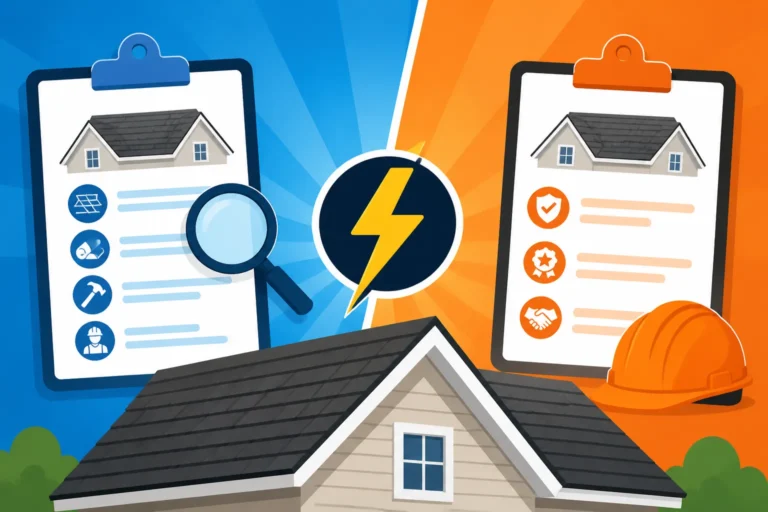
It's crucial to understand that roofing warranties typically come in two main flavors: manufacturer warranties and workmanship warranties. Each covers different aspects of your roof and often has different transferability clauses.
A manufacturer warranty primarily covers the roofing materials themselves – the shingles, underlayment, and other components from brands like GAF, Owens Corning, or CertainTeed. It protects against defects in manufacturing that might cause premature failure, like excessive granule loss, splitting, or blistering. These warranties can range from 20 years to a lifetime, depending on the shingle product chosen. Often, these are the easiest to transfer, but even then, there are specific steps and sometimes fees involved. Without a transferable manufacturer warranty, a new homeowner could be left on the hook if the materials themselves fail prematurely.
On the other hand, a workmanship warranty (also known as a contractor or labor warranty) covers the installation of the roof. This is provided by the roofing contractor who performed the work and guarantees that the roof was installed correctly, according to manufacturer specifications and local building codes. If your roof starts leaking due to poor flashing around a chimney or improperly nailed shingles, a workmanship warranty is what you'd rely on. The transferability of these warranties is often trickier and less common. Many contractors offer a limited workmanship warranty to the original homeowner, and transferring it to a new owner might not be an option, or it might require a special arrangement and fee. Understanding the nuances of a roofing warranty: workmanship vs manufacturer is key here.
Defining 'Transferable' in the Context of a Roof Warranty
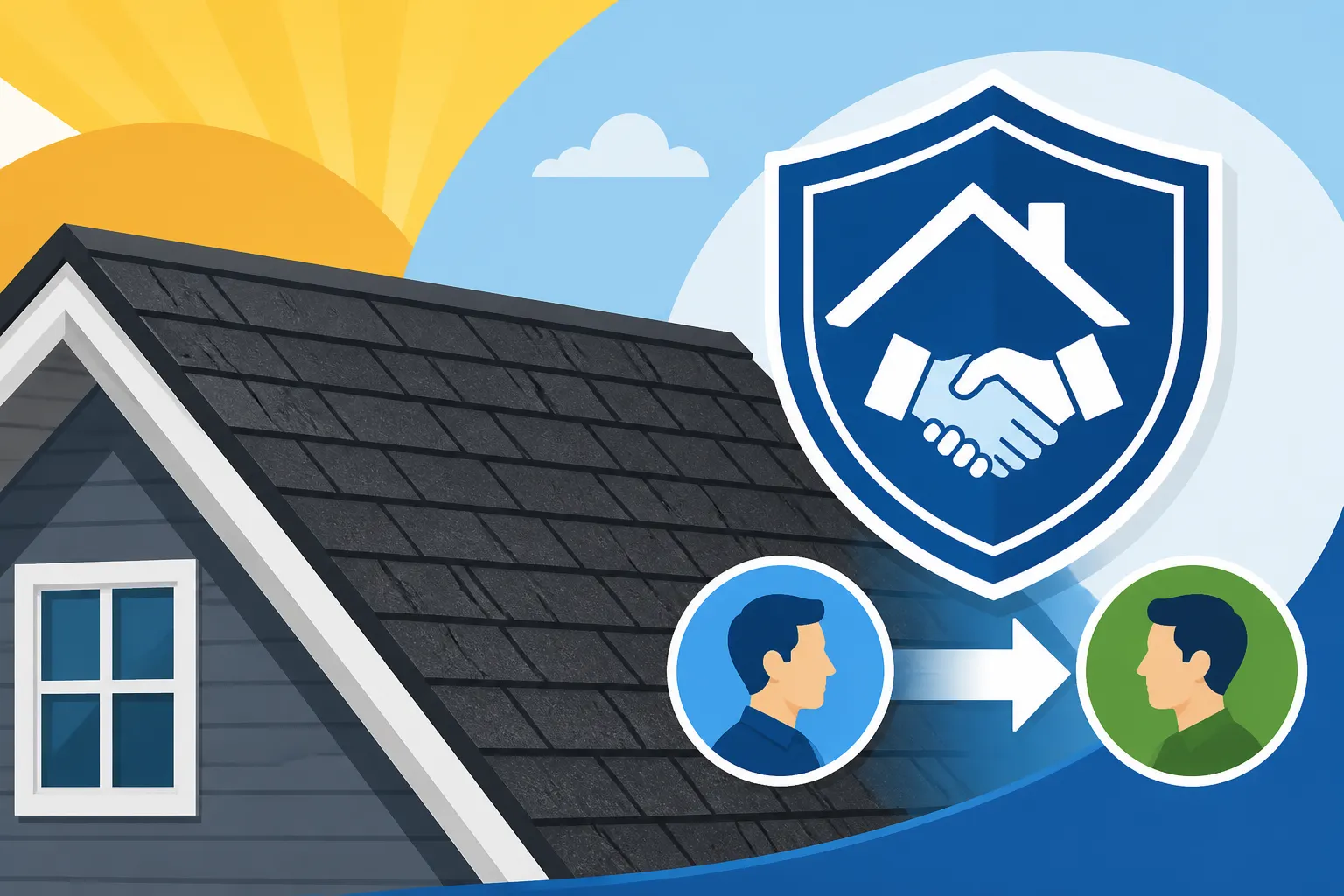
Simply put, a "transferable" warranty is one that can be passed from the original homeowner to a subsequent homeowner when the property is sold. Sounds straightforward, right? Not always. The term "transferable" isn't a blanket statement. It usually comes with conditions, limitations, and a process that must be strictly followed.
For example, many manufacturer warranties allow for a single transfer, often within a specific timeframe (e.g., within 60 or 90 days of the property sale). The transferred warranty might also be downgraded in coverage or duration. A "lifetime" warranty for the original owner might become a 50-year prorated warranty for the second owner. This means the coverage value decreases over time, or the new owner might only get a fraction of the remaining warranty period. It's not uncommon for these warranties to have a small transfer fee attached as well, which can vary from a few dozen to a couple hundred dollars. Without these details, a new buyer might mistakenly believe they have the same robust protection as the original homeowner. When you're assessing a home's value, or even negotiating the sale, knowing the exact terms of the roof's warranty can be a powerful tool.
The Mechanics of Transfer: What You Need to Do
The process of transferring a roofing warranty can feel like navigating a maze of bureaucracy, but it's a vital step that can save a new homeowner significant money and stress down the line. Missing a deadline or failing to provide the correct documentation could render the warranty null and void, leaving the new buyer completely unprotected.
Initiating the Transfer Process
The first step in transferring a warranty is usually initiated by the original homeowner (the seller) or their real estate agent, well before closing. It's not something the new buyer can typically do on their own without the original documentation. This is where having organized records from your initial roof installation becomes invaluable. You'll need the original warranty certificate, the installation date, the name of the roofing contractor, and details about the specific shingle products installed. If you're working with a service like Modernize to find contractors, they often provide resources to help keep these records in order.
Most manufacturers will require a written request for transfer, sometimes accompanied by a specific form. This request needs to be sent within a prescribed timeframe after the property changes hands – often 30 to 90 days. Forgetting this crucial step or submitting it late can lead to the warranty being deemed non-transferable. Imagine buying a home with a 10-year-old roof, believing it has another 15 years of coverage, only to find out the previous owner didn't complete the transfer paperwork. That's a headache no one wants.
Required Documentation and Fees
To successfully transfer a roofing warranty, you'll almost always need to provide several pieces of documentation. While requirements can vary slightly between manufacturers, here's a general list:
- Original Warranty Certificate: This is the most critical document. It proves the warranty exists and details its terms.
- Proof of Sale: A copy of the deed or sales contract clearly showing the date of transfer of ownership and the names of the old and new owners.
- Transfer Request Form: Many manufacturers have a specific form that needs to be filled out by the seller and/or buyer.
- Transfer Fee: As mentioned, a fee is common. This fee compensates the manufacturer for the administrative costs of updating their records and continuing coverage.
| Feature | Original Owner Warranty | Transferred Warranty (Common Scenario) |
|---|---|---|
| Duration | Full (e.g., Lifetime, 50 years) | Reduced (e.g., 50 years prorated, 25 years) |
| Coverage Type | Non-prorated for initial period, then prorated | Often immediately prorated |
| Number of Transfers | N/A (original owner) | Usually one (to first subsequent owner) |
| Transfer Fee | N/A | Typically required (e.g., $50-$250) |
| Notification Window | N/A | Strict (e.g., 30-90 days post-sale) |
| Workmanship Coverage | Often included (if installed by certified contractor) | Rarely transfers from contractor |
It’s important to clarify who is responsible for paying this fee. Typically, it’s the seller's responsibility, as they are facilitating the transfer for the benefit of the sale. However, sometimes it's negotiated as part of the closing costs. Always check the specific warranty terms and conditions regarding fees and how they should be paid. Without proper adherence to these requirements, a valuable warranty could simply vanish, leaving the new homeowner exposed to potential roofing issues. It's another reason why knowing How to Read and Compare Roofing Estimates, including warranty details, is so important from the start.
Why Transferability Matters for Homeowners and Buyers
A transferable roofing warranty isn't just a piece of paper; it's a significant asset that adds tangible value to a home. For both sellers and buyers, understanding and leveraging this aspect of a roof's protection can influence negotiations, ease minds, and provide long-term financial security.
Boosting Home Value and Appeal
For sellers, offering a home with a documented, transferable roofing warranty can be a huge selling point. It signals to potential buyers that the roof is not only relatively new or well-maintained but also that they won't have to worry about major material defects or potential issues for years to come. In a competitive housing market, this can make your property stand out. Think about it: a buyer looking at two similar homes, one with a clear, transferable 20-year manufacturer warranty and another where the roof's status is ambiguous, will almost always lean towards the former.
A solid, transferable warranty translates directly into perceived value. Buyers know that a roof replacement is one of the most significant home expenses, often costing thousands of dollars. The reassurance that they won't face that expense prematurely due to material failure or shoddy installation is priceless. It removes a major unknown and provides a compelling argument for the home's long-term value, potentially even allowing you to list at a slightly higher price. This contributes directly to a positive roof replacement and home value proposition.
Providing Peace of Mind for Buyers
From a buyer's perspective, walking into a new home knowing the roof is protected by a transferable warranty brings immense peace of mind. The last thing anyone wants after moving in is to discover a leaking roof or damaged shingles that aren't covered by a warranty. This is especially true for those buying older homes where the roof might be nearing the end of its life, but a recent replacement means peace of mind. When you're buying a home, your mind is already racing with mortgage payments, decorating, and school districts; worrying about the roof shouldn't be on that list.
A transferable warranty means if issues arise, such as manufacturing defects with the shingles or even certain installation errors (if a transferable workmanship warranty is in place), the new homeowner has a clear recourse. They won't have to shoulder the entire cost of repairs or a premature replacement out of pocket. This protection is particularly valuable in areas prone to severe weather, where issues like unexpected hail or wind damage could expose vulnerabilities in the materials. Knowing how long a roof replacement takes and that a transferable warranty will cover unexpected issues is a huge relief.
Common Pitfalls and How to Avoid Them
Even with the best intentions, navigating transferable roofing warranties can be tricky. There are several common mistakes homeowners make that can inadvertently void or complicate the transfer of a valuable warranty. Being aware of these pitfalls is the first step in ensuring your investment in a quality roof remains protected, regardless of who owns the home.
Missing Deadlines and Documentation
One of the most frequent reasons a warranty fails to transfer is simply missing the prescribed deadline. Manufacturers are very strict about the window in which a transfer request must be submitted after the sale of a home. This period is typically 30 to 90 days, but it's crucial to confirm the exact timeframe with your specific warranty provider. Imagine closing on a house, getting caught up in moving, and realizing three months later that you forgot to mail in the transfer form. That oversight could cost you thousands in future repairs.
Beyond deadlines, insufficient or incorrect documentation is another major hurdle. The original warranty certificate, proof of sale, and any required transfer forms must be accurately completed and submitted. Sometimes, the original homeowner might not even have the warranty certificate, having misplaced it over the years. This highlights the importance of keeping all roofing documents in a safe, accessible place, perhaps even scanning them to a digital file. This is also why, when dealing with contractors, it’s critical to confirm they provide all necessary warranty documentation upon project completion. Using a resource like Modernize can help connect you with reputable contractors who understand the importance of comprehensive warranty provision.
Not Understanding the Specific Warranty Terms
Not all transferable warranties are created equal, and assuming they are is a costly mistake. Many homeowners don't take the time to read the fine print, which can lead to unpleasant surprises. For instance, some warranties might be fully transferable for a certain period but then become prorated or limited in scope after the transfer. A "lifetime" warranty for the original owner might convert to a 20-year warranty for the second owner, or coverage for specific components might be reduced.
Furthermore, some warranties have specific conditions that, if not met, can void the coverage entirely. This could include requirements for regular roof maintenance, specific types of ventilation, or even restrictions on adding certain features like solar panels without prior approval. Understanding what voids a shingle warranty from the outset is paramount. If you're a buyer, insist on reviewing the original warranty document before closing. If you're a seller, be transparent about any limitations. If you have any questions or doubts, contact the manufacturer directly to clarify the terms. Asking crucial questions to ask about roofing warranties should be part of your due diligence.
The Problem with Uncertified Installations
A significant factor affecting warranty transferability, and even validity, is whether the roof was installed by a manufacturer-certified contractor. Many enhanced manufacturer warranties (often referred to as "system warranties") are only valid if the roof was installed by a contractor who has undergone specific training and certification from the shingle manufacturer. For example, GAF offers their Golden Pledge Warranty only when installed by a GAF Master Elite Contractor. If your roof wasn't installed by such a certified professional, the most robust warranties might not apply, or their transferability could be severely limited.
This scenario particularly impacts older homes where the original contractor might no longer be in business or wasn't certified. For buyers, it’s vital to confirm not only the existence of a warranty but also that the initial installation qualified for it. Asking about contractor certification and verifying it before any work begins, or when evaluating a home for purchase, is a critical step in safeguarding your investment. Checking a contractor's credentials is part of how to choose a roofing contractor who can stand behind their work and the manufacturer's products.
Disclaimer
Please remember that this article provides general information about transferable roofing warranties. Warranty terms and conditions can vary significantly by manufacturer, product line, state, and even individual contractor. Always refer to your specific warranty documentation or contact the manufacturer directly for the most accurate and up-to-date information regarding your roof's warranty and its transferability.