How to Verify Roofer Manufacturer Certification
Navigating the world of home renovations can feel like walking through a minefield, especially when it comes to something as crucial and expensive as your roof. You want peace of mind, a job done right, and a roof that will protect your home for decades, but figuring out which contractor to trust can be incredibly daunting. This guide is here to shed light on one of the most important aspects of choosing a roofer: manufacturer certification, and how you can confidently verify it.
Why Manufacturer Certification Even Matters
When you're talking about something as critical as your home's first line of defense against the elements, you don't want just any roofer. You want someone who knows the ins and outs of the materials they're installing, someone who has proven their expertise to the very companies that make those shingles. That's where manufacturer certification comes in, offering a layer of assurance that goes beyond a basic license.
The Promise of a Stronger Warranty
One of the biggest frustrations for homeowners dealing with roof issues is getting caught in a blame game between the shingle manufacturer and the installer. Was it a defective product, or was it shoddy workmanship? Manufacturer certification often bridges this gap by offering enhanced warranty programs that cover both. For instance, many top-tier certifications unlock extended, non-prorated warranties on materials and even offer coverage on the contractor's workmanship. This means if something goes wrong, you're not left footing the bill for materials that failed prematurely or for installation errors. Imagine getting a new roof and knowing that for the next 20, 30, or even 50 years, you're covered. This kind of robust protection can significantly impact the long-term value and security of your investment, effectively making the question, "Is an Asphalt Shingle Roof Worth the Money," a resounding yes.
Assurance of Expert Installation Techniques
It might seem like laying shingles is a straightforward task, but there's a real science to it. Each manufacturer has specific guidelines and best practices for installing their products to ensure maximum performance, durability, and wind resistance. A contractor who holds a manufacturer certification hasn't just read a manual; they've undergone specialized training directly from the shingle company. This training covers everything from proper nailing patterns to sealing techniques, flashing installation, and ventilation requirements, ensuring that every component of your roofing system works together seamlessly. This means they're up-to-date on the latest methods and technologies, reducing the risk of common issues like leaks or premature shingle failure. When you're spending thousands on a new roof, you want to be sure it's installed to perfection, and certification is a strong indicator of that commitment to quality.
Access to Top-Tier Products and Systems
Manufacturers often reserve their most advanced products and comprehensive roofing systems for their certified contractors. These aren't just individual shingles; they're integrated systems that include underlayment, starter strips, hip and ridge cap shingles, and proper ventilation. A certified contractor can offer you these complete systems, which are designed to work in harmony, maximizing the longevity and performance of your roof. For example, a roofer without certain certifications might only be able to offer a basic shingle warranty, while a certified contractor can provide an all-encompassing system warranty that covers every component of the roof. This holistic approach ensures that every part of your roof contributes to its overall strength and weather resistance, giving you peace of mind that you're getting the best possible protection.
The Big Players: Understanding Different Certifications
The roofing industry has several major manufacturers, and each has its own tiered certification programs for contractors. Understanding these can help you discern the level of expertise and commitment a contractor brings to the table. It’s like knowing the difference between a general practitioner and a specialist – both are good, but one has a more focused, in-depth understanding of a specific area.
GAF Master Elite and Certified Contractors
GAF is one of the largest roofing manufacturers in North America, and their certifications are highly sought after. The most prestigious is the GAF Master Elite Contractor status. Only about 3% of roofing contractors nationwide achieve this level. To become a Master Elite, a roofer must meet stringent criteria: they need to be properly licensed, adequately insured, have a proven reputation for quality work, and commit to ongoing professional training. This elite status allows them to offer GAF's strongest warranty, the Golden Pledge® Warranty, which covers both material defects and the contractor's workmanship for up to 50 years (non-prorated) and 25 years respectively. If you’re considering a GAF roof, finding a GAF Master Elite Contractor Explained is key to unlocking the best protections and ensuring top-notch installation. GAF also has a "Certified Contractor" designation, which is a step below Master Elite but still indicates a commitment to quality and proper installation.
Owens Corning Platinum Preferred and Preferred Contractors
Owens Corning is another titan in the roofing world, known for its innovative Duration® shingles. Their highest tier of certification for residential contractors is the Owens Corning Platinum Preferred Contractor. This designation is awarded to a select group of roofers who meet high standards for professionalism, reliability, and craftsmanship. Like GAF, Platinum Preferred contractors undergo rigorous training and adhere to strict installation protocols set by Owens Corning. This allows them to offer their most comprehensive warranty, the Owens Corning Platinum Protection Roofing System Limited Warranty, which provides extensive material and workmanship coverage. If you’re looking at Owens Corning products, learning about the Owens Corning Platinum Preferred Explained will give you a clear advantage in securing long-term roof protection. They also offer a "Preferred Contractor" designation, which is a solid indicator of quality, allowing access to enhanced material warranties, but not the full Platinum Protection system warranty.
CertainTeed SELECT ShingleMaster and Master Shingle Applicators
CertainTeed is recognized for its wide range of high-quality asphalt shingles, including the popular Landmark® series. Their top-tier certification is the SELECT ShingleMaster™. Contractors earning this designation have demonstrated extensive knowledge of CertainTeed roofing products and installation methods through rigorous testing and continuing education. To qualify, a contractor must have a Master Shingle Applicator™ on staff, along with a certain number of credentialed employees. This certification allows them to offer CertainTeed’s strongest extended warranties, like the SureStart™ PLUS 5-Star Coverage, which includes enhanced non-prorated coverage for materials and workmanship. Understanding the CertainTeed SELECT ShingleMaster Explained can help you secure a roof that's built to last with superior warranty protection. Their "Master Shingle Applicator" certification is also a strong credential, indicating proficiency in shingle installation, though it doesn't unlock the same comprehensive warranty benefits as SELECT ShingleMaster.
Other Notable Manufacturer Certifications
While GAF, Owens Corning, and CertainTeed dominate much of the residential roofing market, other reputable manufacturers also offer contractor certification programs that are worth noting. For example, IKO offers their "IKO ShieldPro Plus+" program, which enables contractors to provide extended warranties on IKO products. Atlas Roofing has the "AtlasPRO™ Contractor" program, providing access to their Signature Select® Roofing System and enhanced warranties. Malarkey Roofing Products, known for their sustainable and durable shingles, offers "Emerald Pro" and "Emerald Premium" contractor programs, which are particularly relevant in hail-prone regions where their Class 4 impact-resistant shingles are popular. Always remember, regardless of the brand, a certified contractor means they've invested time and resources into proper training, which benefits you, the homeowner.
Your Step-by-Step Guide to Verifying Certification
So, you've found a roofer, and they claim to be certified by a major manufacturer. That's a great start! But how do you make absolutely sure they're telling the truth and that their certification is current? This verification process is crucial for your peace of mind and to ensure your investment is protected. Think of it like checking a doctor's credentials before a major surgery – it's a non-negotiable step.
Start with the Manufacturer's Website
The absolute best place to start your verification process is on the official website of the shingle manufacturer. Every major brand—GAF, Owens Corning, CertainTeed, IKO, Atlas, and Malarkey—has a "Find a Contractor" or "Dealer Locator" tool on their site. This is your most reliable resource. You simply enter your zip code, and the tool will show you a list of their currently certified contractors in your area, along with their specific certification levels. For instance, if a roofer claims to be a GAF Master Elite contractor, you should be able to find their company listed with that specific designation on GAF's site.
Using these online tools offers several advantages:
- Accuracy: It pulls directly from the manufacturer's real-time database, so you know the information is current.
- Completeness: It often provides contact information, a link to the contractor's website, and sometimes even reviews or ratings within the manufacturer's system.
- Convenience: You can quickly compare several certified contractors in your area from the comfort of your home.
It's also worth noting that services like Modernize can help streamline this process. They connect homeowners with pre-vetted, certified roofing professionals in their local area, often saving you the legwork of finding and verifying contractors one by one. This can be incredibly helpful when you're trying to get multiple roofing estimates and compare them efficiently.
Ask for Proof and Documentation
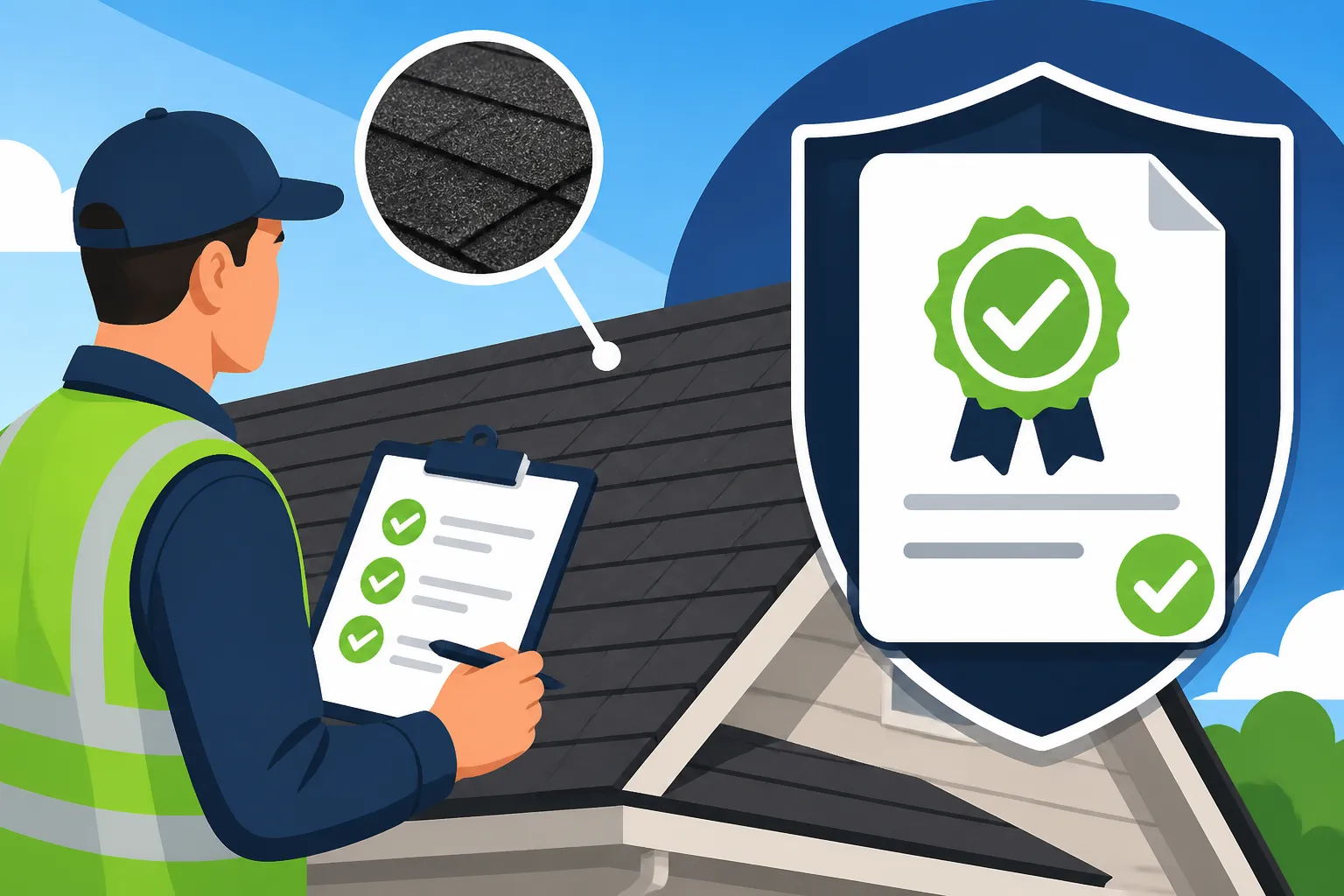
While the manufacturer's website is the primary source, it's always smart to ask the contractor for physical proof during your consultation. A legitimate, certified roofer will be proud of their credentials and happy to show them off. They should be able to provide you with:
- A certificate of certification: This often includes the company name, the specific certification level (e.g., GAF Master Elite), the date it was issued, and an expiration date.
- An official identification card: Many manufacturers issue ID cards to their certified contractors or their key personnel, similar to a professional license.
When reviewing these documents, pay close attention to the details. Does the company name on the certificate exactly match the company name on their business card and your proposal? Are the dates current? An expired certification means they might not be able to offer you the enhanced warranty benefits, even if they were once certified. This step is a crucial part of vetting a roofing company and ensuring you avoid any potential roofing contractor red flags to avoid.
Double-Check with the Manufacturer Directly
If you have any lingering doubts, or if the online tool isn't clear, don't hesitate to take the extra step and call the manufacturer's customer service line directly. This is a failsafe method to confirm a contractor's status. Be prepared to provide the contractor's full company name, address, and any certification numbers they may have given you. The manufacturer's representative can then look up the company in their internal system and confirm their current certification level. This small effort can save you a significant headache down the road.
Don't Confuse General Licensing with Manufacturer Certification
This is a really important distinction! A roofer needs to be both licensed and insured, and those are non-negotiable requirements for any reputable contractor. A state or local license (like those issued by the Contractors State License Board in California or the Department of Business and Professional Regulation in Florida) proves they're legally permitted to operate and have met basic industry standards. Insurance (general liability and workers' compensation) protects you if something goes wrong on your property or if a worker gets injured.
Manufacturer certification, however, is an additional credential. It shows specialized expertise in a particular brand's products, going beyond the general requirements of a license. Think of it this way: a driver's license lets you drive any car, but a certification from a specific car manufacturer proves you're an expert in repairing their vehicles. While a licensed and insured contractor is a must, a manufacturer-certified one offers that extra layer of specialized skill and warranty protection that can make all the difference in the longevity and performance of your new asphalt roof. Always ensure your roofer is licensed and insured, and then look for manufacturer certification as a bonus layer of expertise. Knowing how to verify a roofer's insurance is just as important as verifying their certification.
Common Pitfalls and What to Watch Out For
Even with the best intentions, it's easy to fall prey to misunderstandings or outright deceptive practices when it comes to contractor certifications. Staying vigilant and knowing what to look for can protect you from unnecessary headaches and expenses.
Expired or Revoked Certifications
Just like a driver's license, manufacturer certifications aren't forever. They typically need to be renewed periodically, and contractors must continue to meet certain standards, including ongoing training and maintaining a good reputation. It's not uncommon for a contractor who was certified a few years ago to let their status lapse, perhaps due to financial reasons, a change in business model, or simply neglecting the renewal process. If a certification has expired or, worse, been revoked due to poor performance or unresolved customer complaints, that contractor can no longer offer the enhanced warranties or benefits associated with that status. Always check the current status on the manufacturer's website. If a contractor tries to show you an old, outdated certificate, that's a red flag.
Misleading Claims and "Paper Certifications"
Unfortunately, not every contractor operates with complete transparency. Some less scrupulous roofers might try to imply certification without actually holding the specific, top-tier designations. They might say they "work with" GAF products, or that they are "certified installers," which might be technically true in a very basic sense, but doesn't necessarily grant them the ability to offer comprehensive manufacturer warranties. They might even have a lower-tier certification and try to pass it off as the highest level.
For example, a company might claim they are "GAF certified" when they only hold the "GAF Authorized Installer" status, which doesn't carry the same weight or warranty benefits as "GAF Master Elite." Always look for the exact title of the certification they claim to have and verify it precisely. If a contractor uses vague language or avoids giving a clear answer, proceed with caution. This kind of ambiguity should be noted when you're trying to figure out what a roofing estimate should include.
Why Some Good Roofers Aren't Certified
While manufacturer certification offers significant advantages, it's also important to have a realistic perspective. Not every excellent, trustworthy roofing company will hold the highest-tier certifications from every major manufacturer. There are several reasons for this:
- Specialization: Some contractors choose to specialize in one or two brands and focus their training and certification efforts there, rather than trying to get certified by every company.
- Cost and Resources: Achieving and maintaining top-tier certifications requires a significant investment in time, training fees, and administrative effort. Smaller, highly reputable local companies might prioritize keeping their overhead low and passing those savings on to customers, relying instead on their long-standing local reputation, excellent customer reviews, and strong local licensing and insurance.
- Product Preference: A contractor might simply prefer to work with a different brand of shingle for which they do hold certification, or they might prefer an uncertified brand known for excellent quality that doesn't offer extensive programs.
The key takeaway here is that while manufacturer certification is a powerful indicator of quality and warranty access, it's not the only factor to consider. When you're choosing a roofing contractor, always look at the full picture: their local reputation, customer reviews, years in business, proper licensing and insurance, and the clarity of their contract. A reputable contractor, even if not highly certified by a specific manufacturer, should still be transparent about their credentials and offer a solid workmanship warranty of their own.
Here's a quick comparison of how top-tier certifications from leading manufacturers generally stack up:
| Manufacturer | Top-Tier Certification | Key Benefits for Homeowners | Typical Warranty Length (Workmanship/Materials) |
|---|---|---|---|
| GAF | Master Elite | Strongest warranties, 50-year system coverage, advanced training. | 25 Years / 50 Years (non-prorated) |
| Owens Corning | Platinum Preferred | Platinum Protection Warranty, exclusive products, extended non-prorated coverage. | Up to Lifetime / Up to Lifetime (non-prorated) |
| CertainTeed | SELECT ShingleMaster™ | SureStart™ PLUS 5-Star Coverage, extensive product knowledge. | 25 Years / 50 Years (non-prorated) |
| IKO | ShieldPro Plus+ | Extended material and labor warranties, premium installation. | Varies, up to 15 Years / 20 Years |
| Atlas | AtlasPRO™ Contractor | Signature Select® System, enhanced warranties, storm-resistant focus. | 15 Years / Up to Lifetime |
| Malarkey | Emerald Premium | Advanced impact resistance, sustainable practices, enhanced warranties. | Varies, up to 20 Years / 50 Years (Right Start) |
Note: Warranty lengths and terms can vary based on specific products, registration, and geographic location. Always confirm directly with your contractor and the manufacturer.
Remember, verifying a contractor's manufacturer certification is an important step in making an informed decision about your roof replacement. It's all about ensuring you get the quality work and robust warranty protection you deserve for your home.
Disclaimer
Please remember that this article provides general information and should not be considered professional advice. Always consult with a qualified roofing contractor and review local building codes and regulations for your specific project. Warranty terms, certification requirements, and product availability can change, so always verify current information directly with manufacturers and contractors.