How to Choose a Roofer for a steep roof
Getting a new roof is already a big undertaking, but when your home has a steep roof, the process can feel even more daunting and downright dangerous. You’re not just looking for any roofer; you need someone with specialized skills, equipment, and a deep understanding of the unique challenges these roofs present. This guide will walk you through exactly what to look for, the critical questions to ask, and how to confidently choose a qualified contractor who can handle your steep roof replacement safely and effectively.
The Unique Challenges of Steep Roofs
Steep roofs, often found on charming Victorian homes, Tudor-style houses, or modern A-frames, certainly add character and architectural flair. However, that impressive aesthetic comes with a host of practical considerations, especially when it's time for a repair or full replacement. These aren't your typical low-slope jobs, and recognizing that is the first step in finding the right professional.
Increased Safety Risks for Workers
The most immediate and critical concern with a steep roof is safety. Working at height on a significant incline dramatically amplifies the risk of falls, equipment accidents, and material mishaps. Imagine trying to maneuver heavy bundles of shingles, power tools, or even just your own body weight on a roof where every step feels like a precarious climb. This isn't just about the roofer's well-being; it impacts homeowners too. If a contractor doesn't prioritize safety, you could be facing property damage, extended project timelines, or even legal issues if an accident occurs on your property. This is why understanding "What Happens If a Roofer Gets Injured on Your Property" is so important.
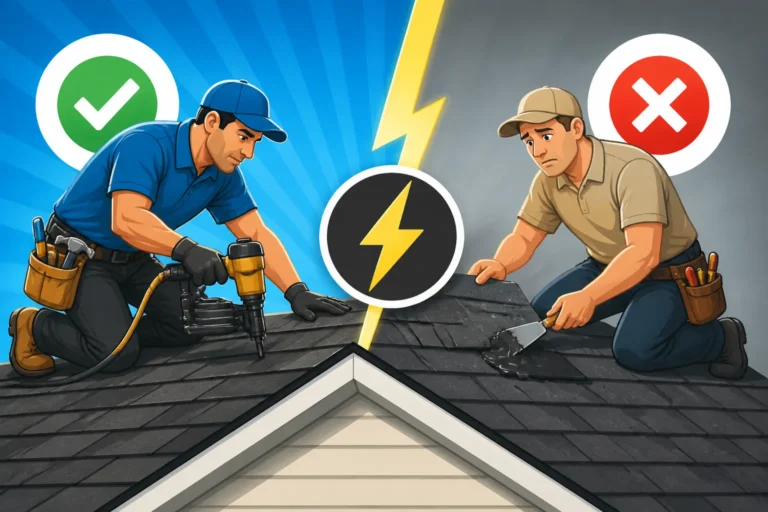
A steep pitch means that gravity is constantly working against the crew. Standard footing is impossible, and any misstep can lead to serious injury. Roofers must rely heavily on specialized safety equipment, secure anchoring points, and rigorous training to mitigate these inherent dangers. It's not a job for the faint of heart or the unprepared. A contractor who takes shortcuts on safety on a steep roof is a major red flag, putting their crew and your project at unnecessary risk.
Specialized Equipment and Techniques Required
Beyond basic tools, steep roof projects demand specific equipment to ensure both safety and efficiency. This isn't just about a few extra harnesses; it involves comprehensive systems. Think about secure scaffolding, specialized ladders with roof extensions, toe boards, roof jacks, safety ropes, and fall arrest systems that are anchored to the structure. Without these, the crew cannot work safely or effectively.
The installation techniques themselves might also differ. For instance, moving materials up to a steep roof often requires powered hoists or intricate pulley systems, rather than simply walking bundles up a low-pitch roof. Shingle laying might need to be done in smaller sections, and debris removal must be carefully controlled to prevent damage to landscaping or other parts of your property. A contractor experienced with these nuances will have a clear plan for material delivery, on-roof staging, and waste management.
Longer Project Timelines and Higher Costs
It's natural that increased risk and specialized requirements translate directly into longer project timelines and, consequently, higher costs. The simple act of moving around a steep roof takes more time and effort than on a flatter surface. Each shingle, each nail, each piece of flashing has to be installed with extra care to ensure both worker safety and the integrity of the finished product. This careful, methodical pace, while crucial for quality, extends the overall duration of the job.
This extended labor time, combined with the rental or ownership costs of specialized safety equipment and the need for a highly skilled crew, contributes to a higher overall price tag. You’re paying for expertise, safety, and the added complexity of the job. It's not uncommon for a homeowner to face a significant "Steep Roof Cost Premium" compared to a similar-sized, lower-pitched roof. When you’re evaluating "How Much Roofers Charge Per Hour", remember that these hourly rates reflect the unique demands of steep roofing.
Essential Qualities of a Top-Notch Steep Roof Contractor
When you’re entrusting someone with the significant task of working on your steep roof, you need to be exceptionally discerning. It's not enough for a roofer to simply say they can do the job; they need to demonstrate a clear aptitude and commitment to specialized practices.
Proven Experience with Steep Pitch Projects
Experience is paramount, and when it comes to steep roofs, specific experience is non-negotiable. Don't settle for a contractor who primarily works on suburban ranch homes if you live in a multi-story home with a challenging gable or hip roof. You want a team that has tackled numerous roofs with pitches similar to or steeper than yours. Ask them for specific examples, perhaps even addresses where they’ve completed work that you can drive by (with the homeowner's permission, of course, if you plan to knock on doors).
A contractor with genuine steep roof experience will be able to articulate the challenges confidently and offer clear solutions. They'll talk about their safety protocols, the equipment they use, and how they manage material flow on a difficult incline. They won't brush off your concerns about height or complexity; instead, they'll acknowledge them and explain how they proactively address them.
Robust Safety Protocols and Equipment
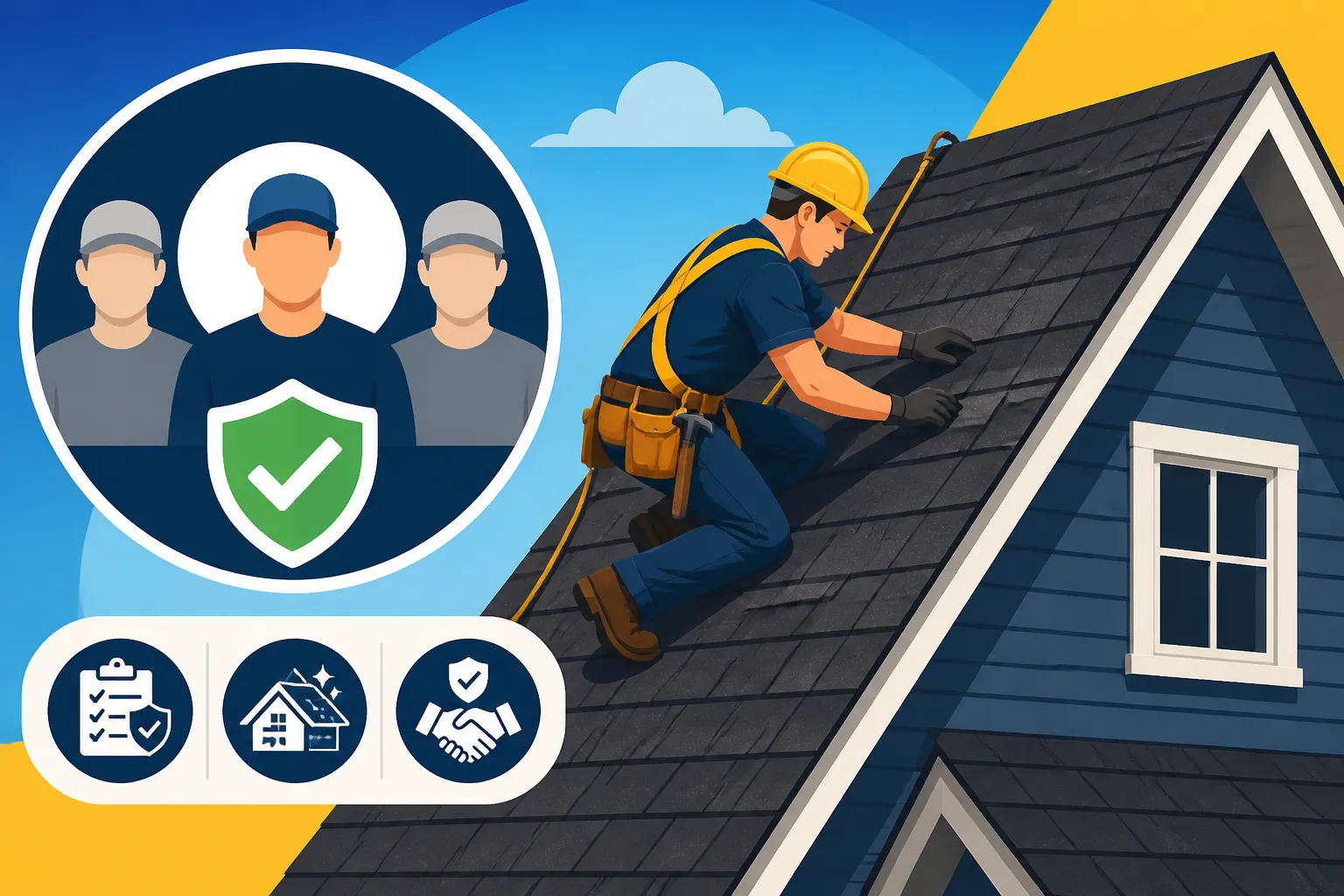
This isn't just a suggestion; it's a critical requirement. A reputable contractor for a steep roof will have an unwavering commitment to safety. This means their crew will be equipped with personal fall arrest systems – harnesses, lanyards, and anchor points – that are used at all times when working at height. You should also see proper scaffolding, stable ladders that extend well above the roofline, and toe boards or roof jacks installed to provide secure footing.
Ask prospective roofers about their safety plan in detail. How do they train their crew? What steps do they take to prevent falls? Do they have a designated safety officer on site? Observe their initial visit; do they seem cautious and aware of the risks, or do they scramble up without a second thought? This visible commitment to safety is a direct indicator of their professionalism and their understanding of the job's demands.
Comprehensive Insurance Coverage
Working on a steep roof significantly increases the risk of accidents. This makes proper insurance coverage absolutely non-negotiable. Any contractor you consider must carry both Workers' Compensation insurance and General Liability insurance. Workers' Comp protects their employees if they get injured on your property, preventing you from being held liable. General Liability covers damages to your property or a neighbor's property that might occur during the roofing process – think falling debris, accidental damage to siding, or landscaping. This is a topic thoroughly explored in "Licensed and Insured Roofers: Why It Matters".
Always ask for current Certificates of Insurance directly from their insurance provider, not just a copy from the contractor. Verify the policy numbers and expiration dates. A contractor who balks at providing this, or who has inadequate coverage, is putting you at immense financial risk. Imagine a roofer falling and breaking a leg on your steep roof without Workers' Comp; you could be on the hook for their medical bills. Don't take chances here.
Asking the Right Questions and Vetting Your Options
Finding the right contractor for your steep asphalt roof isn't about picking the first name you see online. It requires diligent research, thoughtful questions, and a keen eye for detail. This is where your vetting process truly shines.
Key Questions to Pose During the Interview
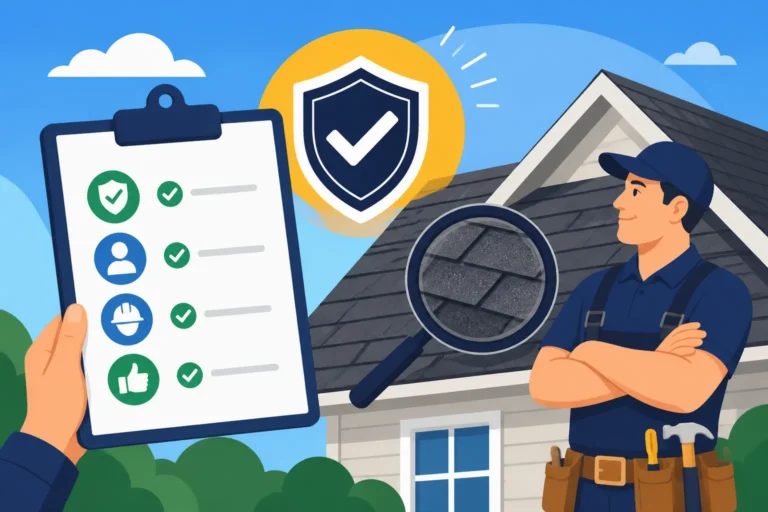
When you're sitting down with potential contractors, treat it like a job interview – because it is! You're hiring them for a specialized, high-risk job. Here are some essential questions to ask, tailored specifically for steep roof projects:
- "What is your experience with roofs of this specific pitch and complexity?" Don't accept vague answers. Ask for details, project examples, and photos.
- "What specific safety equipment and protocols do you use for steep roof projects?" Listen for mentions of harnesses, fall arrest systems, toe boards, and crew training.
- "Can you provide proof of current Workers' Compensation and General Liability insurance directly from your insurance carrier?" This is crucial.
- "How will you protect my landscaping, decks, and other property elements from falling debris during the tear-off and installation?" This shows their attention to detail and property care.
- "What is your plan for material delivery and debris removal on a roof this steep?" Look for a clear, organized strategy.
- "Can you provide at least three references from recent steep roof projects?" Follow up on these references!
- "Do you foresee any specific challenges with my particular roof, given its pitch, valleys, or dormers?" A knowledgeable roofer will be able to identify potential issues upfront.
These questions, and many more, are covered in our guide on "Questions to Ask a Roofing Contractor Before Hiring".
Reviewing Portfolios and Checking References
Beyond the questions, a good contractor will have a portfolio of past work, ideally with photos or even drone footage of steep roof projects. Look for consistency in their work, attention to detail, and proper installation of flashing and ventilation. This isn't just about aesthetics; it’s about structural integrity and weatherproofing.
Checking references is equally vital. When you call their past clients, ask specific questions about their experience with the steep roof project:
- Did the crew maintain a safe worksite?
- Were there any unexpected issues, and if so, how were they handled?
- Was the project completed within the estimated timeframe and budget?
- How was communication throughout the job?
- Would they hire them again for a similar steep roof project?
Don't just rely on online reviews alone. While helpful, personal references give you a direct, unfiltered account of a contractor's performance on jobs similar to yours.
The Role of Manufacturer Certifications
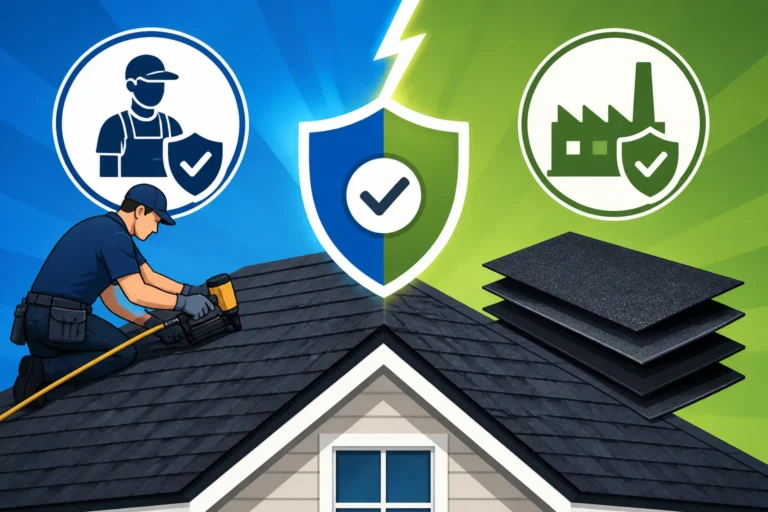
Many reputable shingle manufacturers, like GAF, Owens Corning, and CertainTeed, offer certification programs for contractors. While these certifications don't specifically target steep roofs, they indicate a commitment to higher standards of installation, ongoing training, and often provide access to enhanced warranties. A contractor certified by a major manufacturer suggests they are invested in quality workmanship and professional development, which bodes well for a complex steep roof project.
For example, a GAF Master Elite Contractor or an Owens Corning Platinum Preferred Contractor has met stringent requirements set by the manufacturer. These certifications mean the contractor has demonstrated financial stability, good business practices, and a commitment to continuous training. While not a direct guarantee for steep roofs, it's a strong indicator of overall professionalism and expertise. When you're ready to start gathering quotes, services like Modernize can help connect you with vetted professionals, some of whom carry these valuable certifications.
Navigating the Costs and Avoiding Red Flags
Understanding the financial aspects and knowing how to spot potential problems are crucial steps in securing a successful steep roof replacement. You want quality work, but you also need to ensure you're getting a fair price and avoiding costly mistakes.
Understanding the Cost Breakdown
As mentioned, steep roofs invariably come with a higher price tag. When you're comparing bids, remember that the "Roofing Material Cost vs Labor Cost" ratio might shift for a steep roof. Labor will likely represent a larger percentage of the total cost due to the increased time, effort, and safety measures required. An "Average Roof Replacement Cost This Year" calculation for a standard roof might not accurately reflect the pricing for your unique situation.
A transparent contractor will provide a detailed estimate that clearly breaks down the costs, including:
- Material Costs: Shingles, underlayment, flashing, vents, etc.
- Labor Costs: Reflecting the complexity and time required for a steep roof.
- Equipment Rental/Usage: For scaffolding, hoists, safety systems.
- Permit Fees: Which are often necessary for major roofing work.
- Debris Removal: Including dumpster rental and disposal fees.
Don't shy away from asking for clarification on any line item. A good contractor will be happy to explain their pricing structure. Remember, the cheapest bid is rarely the best, especially for a steep and challenging project. Investing in a qualified, experienced contractor now can save you significant headaches and expenses down the line. When seeking out multiple bids, resources like Modernize can help you connect with local roofing professionals who understand the specifics of your area's climate and building codes.
Comparing Estimates and Contracts
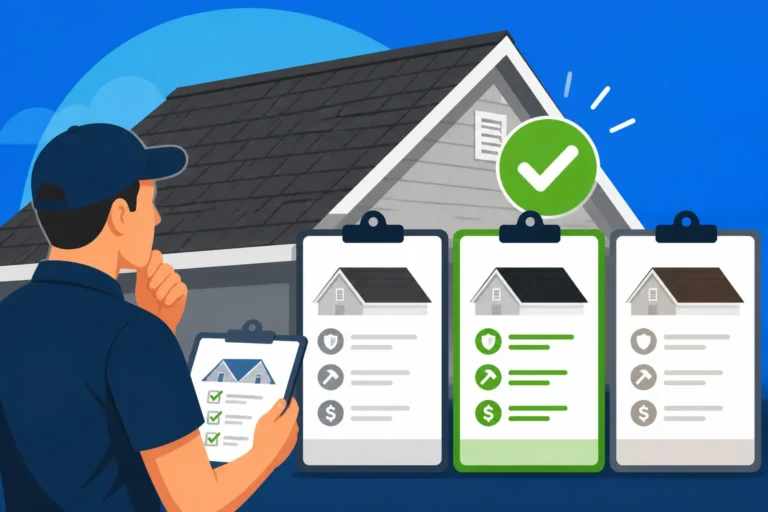
It’s essential to get at least three detailed estimates. This allows you to compare not just the bottom-line price, but also the scope of work, materials specified, and warranties offered. When reviewing "How to Get Roofing Quotes and Compare Them", pay close attention to how each contractor plans to address the unique challenges of your steep roof. Does one specify extensive scaffolding while another plans to "wing it" with ladders? That's a critical difference.
Once you’ve chosen a contractor, ensure you receive a comprehensive written "Roofing Contract: What to Look For". This contract should detail everything: the exact materials to be used, the scope of work, project timeline, payment schedule, warranty information (both manufacturer and workmanship), and explicit safety measures for steep roofs. Do not sign anything that is vague or incomplete. Any promises made verbally should be included in the written agreement.
Red Flags to Watch For
Unfortunately, the roofing industry, like any other, has its share of less-than-reputable players. On a steep roof, the stakes are even higher. Here are some "Roofing Contractor Red Flags to Avoid" that are particularly pertinent when dealing with complex projects:
- No discussion of safety: If a contractor doesn't bring up safety measures or seems dismissive of the risks, walk away immediately.
- Lack of proper equipment: If they show up for an estimate without safety gear, or propose tackling your steep roof with just a few ladders, they're not the right fit.
- Unwillingness to provide insurance proof: This is a deal-breaker. No legitimate contractor will hesitate to provide certificates of insurance.
- Pressure to sign immediately: High-pressure tactics, especially with a significant investment like a steep roof, are a sign of trouble.
- Extremely low bids: While everyone loves a bargain, a bid significantly lower than others for a steep roof often means corners are being cut – either in materials, labor, or safety.
- Asking for a large upfront payment: A reasonable deposit is fine, but avoid contractors who demand a substantial portion or the entire payment before any work has begun.
- No physical office or local references: Storm chasers or fly-by-night operations are common, especially after bad weather. Always check for a local presence and established track record. Modernize focuses on connecting you with reputable local businesses, which can help avoid these types of scams.
By keeping these points in mind, you'll be well-equipped to choose a contractor who prioritizes safety, delivers quality workmanship, and provides a durable, beautiful roof for your challenging steep home.
Disclaimer
Please note that the information provided in this article is intended for general guidance and informational purposes only. Roofing projects, especially on steep roofs, involve significant risks and complexities. Always consult with multiple licensed and insured roofing professionals for accurate assessments, detailed quotes, and professional advice tailored to your specific situation and local building codes. Do not attempt any roofing work yourself unless you are a qualified and experienced professional.