How to Choose a Roofer for an insurance claim
Dealing with roof damage is stressful enough, but then you're hit with the added headache of navigating an insurance claim. It can feel like you're caught between a rock and a hard place: you need to find a trustworthy roofer who understands the intricate dance of insurance paperwork, adjusters, and approvals, all while trying to protect your home. This guide is here to walk you through exactly how to choose the right roofing contractor when an insurance claim is on the line, ensuring a smoother process and a properly restored roof.
The Unique Challenges of Roofing Insurance Claims
Getting your roof repaired or replaced after damage, especially storm damage, often means involving your homeowner's insurance. This isn't just a regular home improvement project; it's a whole different ballgame with its own set of rules, jargon, and potential frustrations. You're not just finding someone to nail shingles; you're looking for an advocate and an expert in a very specific niche.
Understanding Your Policy and Damage Assessment
Before you even start looking for a roofer, it’s absolutely critical to dig into your homeowner's insurance policy. Many homeowners skip this step, assuming all roof damage is covered equally, and that's a mistake that can cost you dearly. Policies vary wildly. Some might cover "actual cash value" (ACV), meaning they'll pay for the depreciated value of your roof, leaving you to cover the difference for a new one. Others offer "replacement cost value" (RCV), which is much better as it aims to pay for a new roof of similar quality, often releasing the full amount in stages. Knowing which one you have will profoundly impact your financial responsibility and expectations. This is also a good time to understand if your policy has a separate wind or hail deductible.
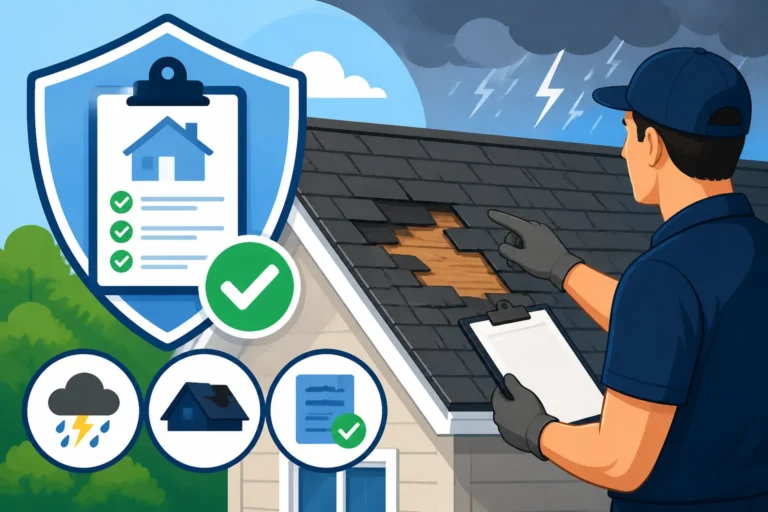
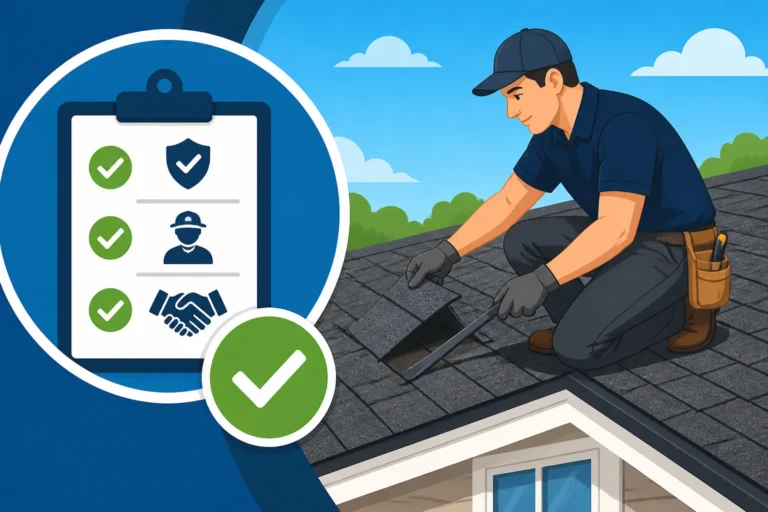
Beyond your policy's specifics, accurately assessing the damage is the first critical step. It’s easy to look up and see a few missing shingles and think that’s the extent of it. However, wind damage often causes unseen issues, and hail can leave subtle but structurally significant impacts that aren't immediately obvious from the ground. A reputable roofer specializing in insurance claims will perform a thorough inspection, often more detailed than what an average homeowner can do safely. They should be looking for things like granule loss, bruised shingles, damaged flashing, and even structural concerns in your attic, which are all vital pieces of evidence for your claim. This initial, comprehensive assessment is foundational to a successful claim.
The Insurance Adjuster's Role
The insurance adjuster is the person your insurance company sends to evaluate the damage and determine what they believe is covered and how much they’re willing to pay. This interaction can be a source of major frustration for homeowners because adjusters often have a different perspective than you or your chosen contractor. Their primary role is to assess the damage from the insurance company's standpoint, which sometimes means looking for reasons not to cover certain items or to offer a lower payout. It's not necessarily malicious, but it's a reality of the business.
This is why having a roofer who is experienced with insurance claims by your side can be a game-changer. They understand what adjusters look for, the language they use, and how to properly present evidence of damage. Ideally, your roofer should be willing to meet with the adjuster at your home during their inspection. This allows them to point out specific damages, discuss repair methods, and advocate for a fair assessment of the work needed. They can ensure that all visible and hidden damages are accounted for, which is crucial for maximizing your claim and ensuring a complete repair. If your roof insurance claim is denied, having detailed documentation from a roofer can be vital for an appeal.
What to Look for in a Roofer for Insurance Work
Choosing a roofer for an insurance claim isn't quite the same as picking one for a proactive upgrade. You need someone with a specific skill set that extends beyond just being good with a hammer and nails. You need a partner who can help navigate the complexities of your claim while ensuring your home gets the roof it needs.
Experience with Insurance Claims
This is non-negotiable. You wouldn't hire a divorce lawyer to handle a criminal case, and similarly, you shouldn't hire a roofer who doesn't understand the nuances of insurance claims. Ask potential contractors about their experience specifically with insurance work. How many claims have they helped facilitate? Do they have a dedicated claims department or personnel trained in insurance procedures? A contractor with extensive experience will know the proper terminology, understand common insurance company practices, and be familiar with the documentation required. They should be comfortable reviewing your adjuster's report and discussing discrepancies.
An experienced insurance roofing contractor will often have established relationships with local adjusters and can streamline the communication process. They know how to speak the "insurance language" and can present your case effectively, preventing common delays or misunderstandings that often plague homeowners. They’ll also be well-versed in handling supplemental claims if additional damage is discovered once the initial work begins, which is a common scenario. This expertise can truly save you headaches and potentially thousands of dollars. You need someone who can help you get insurance to pay for a roof in full, as your policy allows.
Communication and Documentation Skills
Navigating an insurance claim involves a mountain of paperwork and constant communication between you, your insurer, and your roofer. Therefore, excellent communication and meticulous documentation are paramount. Your chosen roofer should be proactive in keeping you informed every step of the way, from the initial inspection findings to scheduling the repair and final invoicing. They should explain things clearly, without using confusing industry jargon, and be readily available to answer your questions.
Equally important is their ability to thoroughly document everything. This includes detailed photos and videos of the damage, written estimates that align with insurance company requirements (often using specific software like Xactimate), and any communication logs with the insurance company. This comprehensive documentation acts as your strongest defense if disputes arise or if you need to appeal a decision. When you're trying to compare roofing estimates, having a detailed, itemized breakdown from each contractor, especially one prepared for insurance purposes, is invaluable. A reliable company like those found through platforms like Modernize can help you connect with contractors who prioritize clear communication and thorough record-keeping.
Local Reputation and Credentials
When dealing with something as critical as your roof, especially after damage, choosing a roofer with a strong local reputation and solid credentials is more important than ever. This helps protect you from less scrupulous contractors, often referred to as "storm chasers," who descend on areas after major weather events, do shoddy work, and then disappear. Always look for a roofing company that has a long-standing presence in your community. Ask for local references and don't hesitate to call them. Check online reviews on platforms like Google, Yelp, and the Better Business Bureau.
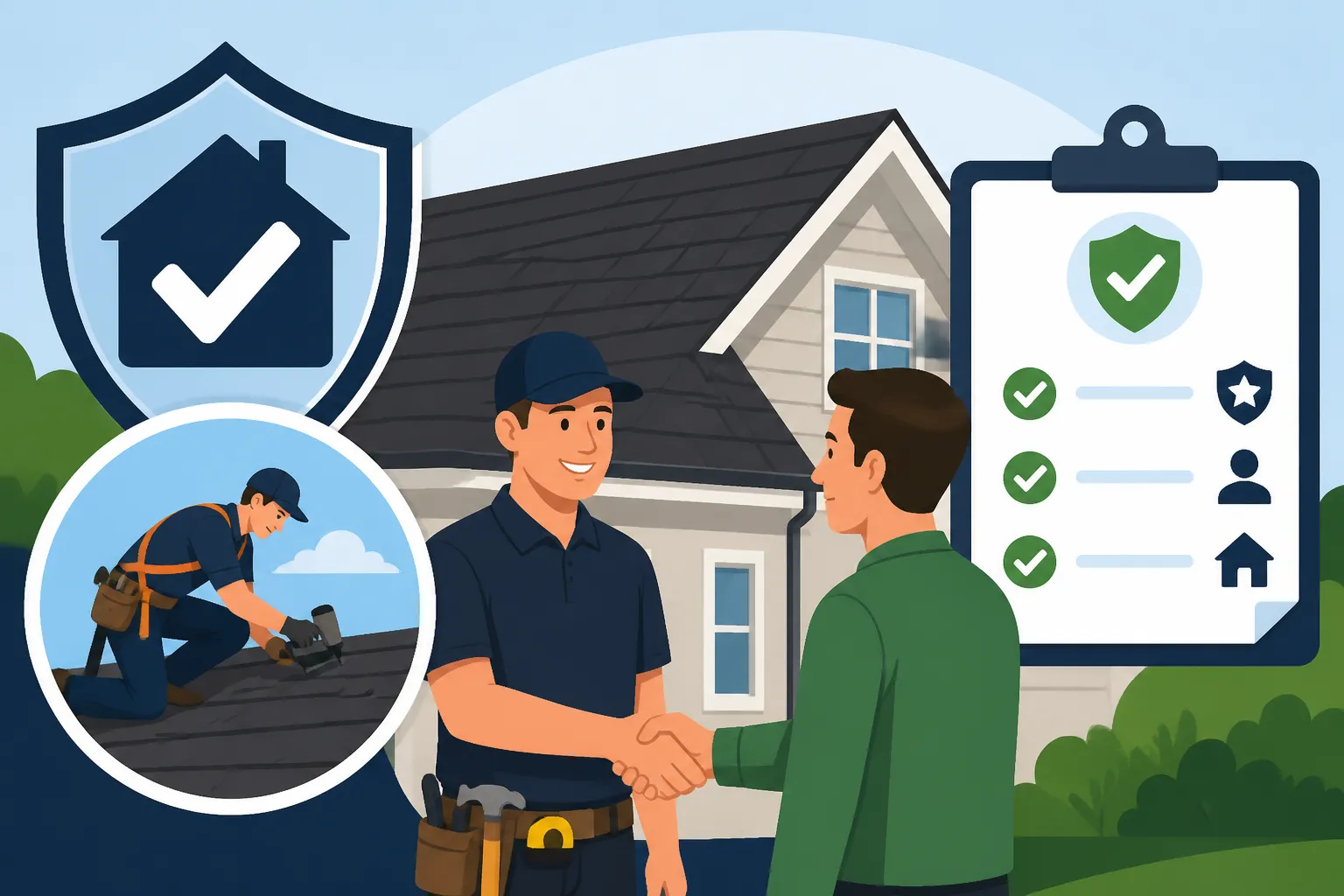
Beyond reputation, ensure your roofer is properly licensed and insured. This means they should carry general liability insurance to cover any damage to your property during the project and workers' compensation insurance for their crew. Request to see current certificates of insurance and verify them with the issuing agency. A reputable roofer will also be happy to provide their license number, which you can verify with your state or local licensing board. Choosing a licensed and insured roofer protects you from financial liability if something goes wrong. For more details, you might want to look into Licensed and Insured Roofers: Why It Matters.
Navigating the Process with Your Chosen Roofer
Once you've zeroed in on a roofer who meets your criteria, the real work begins. This phase involves working closely with them to get your roof repaired or replaced, ensuring everything aligns with your insurance claim.
Getting Detailed Estimates
This step is crucial, and it’s where many homeowners get confused or overwhelmed. You should aim to get multiple estimates, even if you feel confident in one roofer. This helps you understand the range of costs and ensures you're getting a fair price for the work. However, when working with an insurance claim, these estimates need to be specifically tailored to what the insurance company will accept. A good roofer will prepare an estimate using industry-standard software (like Xactimate) that your insurance adjuster will understand and typically accept. This helps avoid back-and-forth arguments about pricing.
Your roofer's estimate should be incredibly detailed, breaking down costs for materials, labor, tear-off and disposal, underlayment, flashing, ventilation, and any other components. It should clearly outline the scope of work, including any necessary decking replacement or unforeseen repairs. Don't settle for a vague, one-page quote. A transparent, itemized estimate is a hallmark of a professional contractor and is essential for submitting to your insurance company. Remember, the goal isn't necessarily to get the cheapest estimate, but the most comprehensive and accurate one that covers all the necessary repairs. For more insights, check out How to Read and Compare Roofing Estimates.
Managing the Claim and Repairs
Once your roofer provides a detailed estimate, they should be prepared to work directly with your insurance company to justify the scope and cost of the repairs. This often involves submitting their estimate, discussing it with the adjuster, and sometimes negotiating on your behalf. They should be able to explain any discrepancies between their estimate and the adjuster’s initial report. This proactive approach by your roofer can significantly reduce your stress and the time it takes to get approval.
During the actual repair or replacement, your roofer should manage the project efficiently, keeping you informed of progress. They should ensure all necessary permits are pulled, which is often a requirement for insurance coverage and local building codes. Once the work is complete, they will typically provide the final invoice to your insurance company. Many insurance companies release funds in stages, so your roofer should be accustomed to this process and help you navigate the final payment release. Their involvement from start to finish ensures continuity and accountability, allowing you to breathe a little easier knowing your property is in good hands.
Common Pitfalls to Avoid
The roofing industry, especially after major weather events, can attract some less-than-reputable characters. Being aware of these common pitfalls can save you from a lot of heartache and financial trouble.
Storm Chasers and Unscrupulous Contractors
After a major storm, like a hailstorm that swept through Dallas, Texas, or a hurricane hitting the Florida coast, you'll often see an influx of out-of-state roofing companies. While some are legitimate and simply following the work, many are "storm chasers" who prey on homeowners' desperation. These contractors often offer suspiciously low bids, pressure you into signing contracts immediately, and sometimes even offer to waive your deductible (which is illegal in many states).
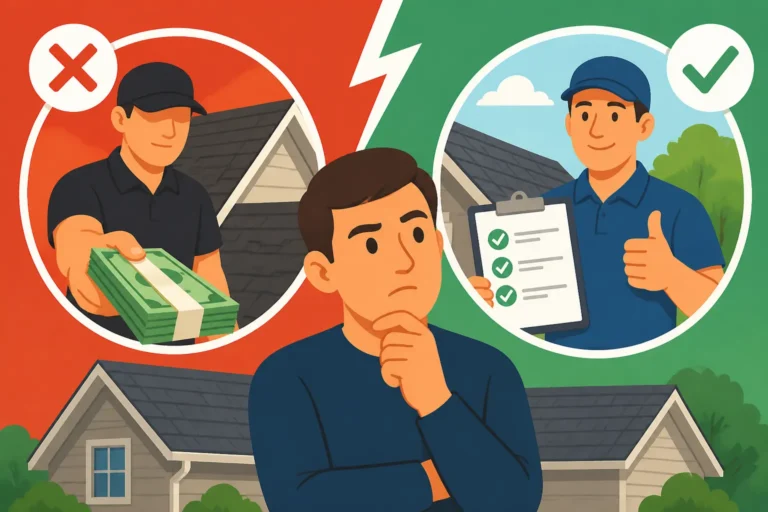
The biggest red flag is a contractor who shows up unsolicited, especially if they are from out of town and have no local references or established business presence. They might do subpar work, use cheap materials, or take your deposit and disappear. Always verify a contractor's physical address, check their licensing and insurance, and look for a long-standing local presence. Be wary of anyone demanding full payment upfront. If you're concerned, you can use a service like Modernize to find vetted, local contractors who have a proven track record. This helps avoid Roofing Contractor Red Flags to Avoid.
The "Too Good to Be True" Estimate
We all love a good deal, but when it comes to a roof replacement, an estimate that seems significantly lower than others should immediately raise a red flag. While competitive pricing is good, a drastically lower bid often indicates one of several problems: the use of inferior materials, cutting corners on labor, lack of proper insurance or licensing, or a misunderstanding of the full scope of work. These hidden costs in a roof replacement can quickly add up and leave you with more problems than you started with.
A responsible roofer will provide a comprehensive estimate that includes all necessary components and adheres to local building codes. They understand the true Cost of a Roof Tear-Off and Disposal and other expenses. If one estimate is considerably cheaper, ask for a detailed breakdown and compare it line-by-line with other quotes. Challenge them on why their price is so much lower. Is something missing? Are they using different materials? Sometimes, a slightly higher initial investment ensures a quality, long-lasting roof that won't give you problems down the road, and importantly, one that fully satisfies your insurance claim requirements. Don't compromise on quality for a seemingly good deal; your roof is too important for that.
Disclaimer
Please note that this article provides general information and recommendations regarding choosing a roofer for an insurance claim. Roofing practices, insurance policies, and local regulations can vary significantly. Always consult with your specific insurance provider and multiple qualified, licensed, and insured local roofing contractors to get personalized advice and estimates for your situation.