How to Find an Atlas Certified Contractor
It’s a common scenario: your roof is showing its age, you’ve decided on durable Atlas shingles, and now you’re staring at a daunting list of roofers, wondering how to possibly choose the right one. The truth is, selecting a contractor can feel like navigating a minefield, especially when you want the assurance that your significant investment will be handled by someone truly competent. This guide will walk you through the essential steps and insights to help you find and vet an Atlas Certified Contractor, ensuring your new roof is installed with the quality and confidence you deserve.
Why Choosing an Atlas Certified Contractor Matters
When it comes to something as critical as your home's roof, you don't want to cut corners. Choosing a contractor certified by the shingle manufacturer, like Atlas, isn't just about a fancy plaque on their wall; it's about a commitment to specific standards, training, and a deeper understanding of the products they install. This dedication can significantly impact the longevity and performance of your new asphalt roof.
Understanding Atlas's Certification Programs
Atlas offers various levels of certification for contractors, each signifying a different degree of commitment and training. These programs are designed to ensure that participating contractors are thoroughly familiar with Atlas products, their proper installation techniques, and the company's best practices. For instance, an Atlas Pro™ Plus contractor has demonstrated a higher level of expertise and dedication to the brand's roofing systems. These certifications aren't just handed out; contractors must meet specific criteria, often including ongoing training, a proven track record of quality installations, and financial stability. It's Atlas's way of vouching for the professionalism and skill of the roofers representing their brand.
This multi-tiered approach means that a certified contractor isn't just someone who buys Atlas shingles from a supply house; they've actively invested in understanding the nuances of the entire roofing system, from the underlayment to the ridge caps. They learn about product features like Scotchgard™ Protector for algae resistance or the durability of their Core4™ Technology. This specialized knowledge means they're better equipped to recommend the right products for your home's specific needs and climate, and crucially, install them in a way that maximizes their performance and warranty coverage.
The Benefits of a Manufacturer-Backed Warranty
One of the most compelling reasons to choose an Atlas Certified Contractor is the enhanced warranty coverage often associated with their installations. While standard material warranties cover defects in the shingles themselves, a manufacturer-certified installation can unlock extended warranties that cover not only the materials but also the contractor's workmanship. This is a huge deal for homeowners. Think about it: if a shingle fails due to a manufacturing defect, the material warranty will kick in. But what if the shingles were installed incorrectly, leading to a leak or premature failure? That's where a workmanship warranty, especially one backed by the manufacturer through a certified installer, becomes invaluable.
For example, Atlas offers certain Signature Select® Roofing System warranties that are only available when the entire system is installed by an Atlas Pro™ or Atlas Pro™ Plus contractor. These warranties often provide longer periods of non-prorated coverage and can even be transferred if you sell your home, adding significant value. Without this certification, you might only get a basic limited warranty, leaving you exposed to potential costs if an installation error occurs down the line. It's a critical layer of protection that truly makes a difference, offering peace of mind that your investment is secure for years to come. Understanding your potential coverage is a key part of choosing a roofing contractor.
Ensuring Quality Workmanship and Product Knowledge
A certified contractor brings a superior level of workmanship and product knowledge to your roofing project. They are trained directly by Atlas on the correct installation methods, which can often be more stringent than basic building codes. This training covers everything from proper nailing patterns for high-wind areas to the correct application of Ice and Water Shield Explained. This attention to detail reduces the likelihood of common roofing problems like leaks, premature shingle failure, or issues related to improper ventilation.
Imagine a scenario where a non-certified roofer incorrectly installs the flashing around your chimney. A year later, you notice water stains on your ceiling. With a certified contractor, their training would have emphasized the precise steps for Chimney Flashing Explained, greatly minimizing this risk. Their crews are often trained as well, ensuring consistency across the entire installation team. This translates into a roof that not only looks fantastic but also performs optimally against the elements, providing the protection your home needs for decades.
Key Steps to Finding an Atlas Certified Contractor
Finding a contractor can sometimes feel like searching for a needle in a haystack, especially when you're looking for someone with specific manufacturer certifications. However, Atlas provides excellent resources, and a little due diligence on your part will go a long way in securing a reputable professional.
Utilizing Atlas's Online Contractor Locator
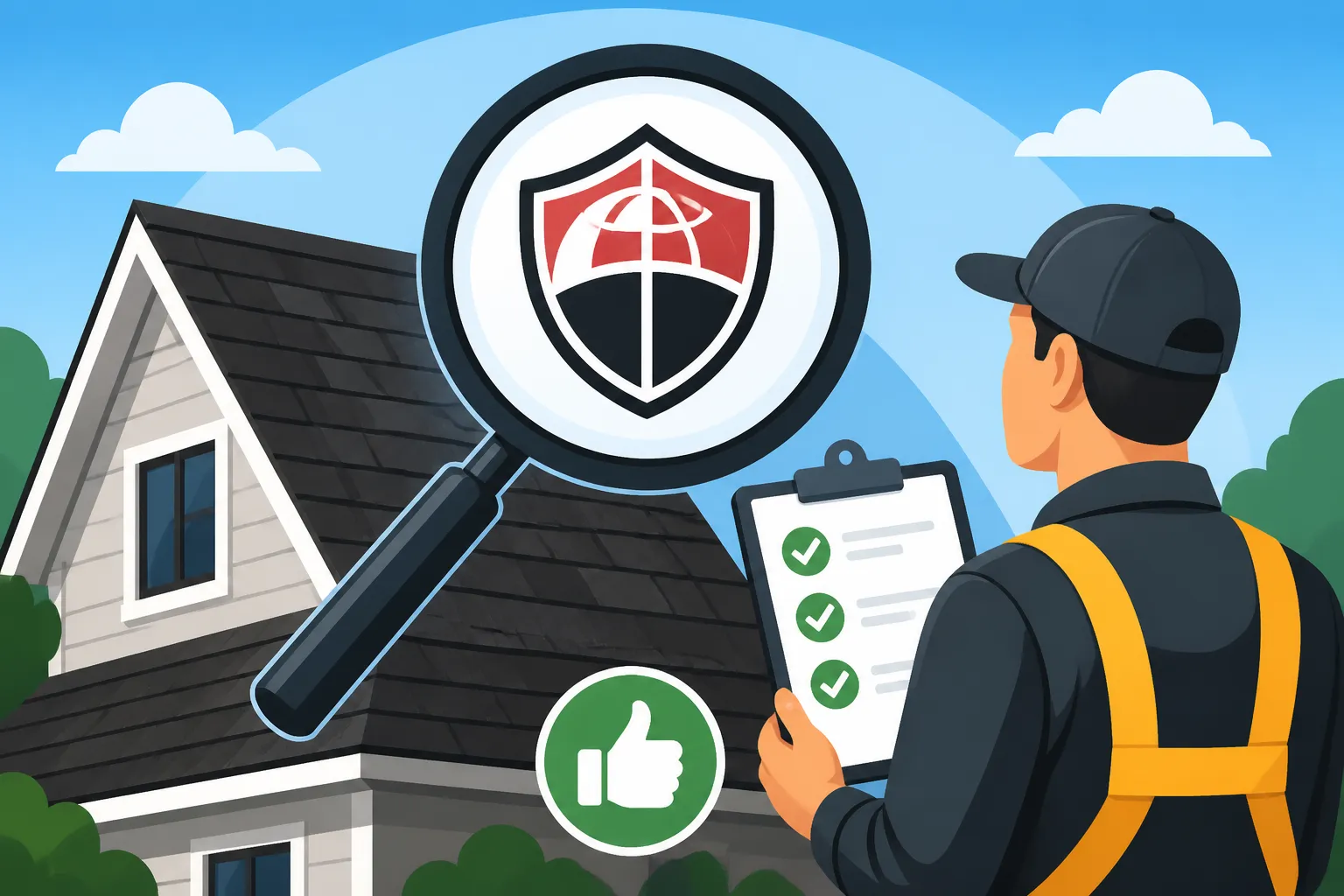
The easiest and most reliable way to find an Atlas Certified Contractor is to use Atlas's official online locator tool. You can usually find this on the "Find a Contractor" or "Dealer Locator" section of their website. By simply entering your zip code, the tool will provide a list of local contractors who have achieved various levels of Atlas certification. This directly connects you with roofers who have met Atlas's standards, saving you the headache of sifting through unverified claims.
When you use the locator, pay attention to the different certification levels displayed, such as Atlas Pro™ or Atlas Pro™ Plus. These distinctions indicate the contractor's experience and commitment to Atlas products. The tool often includes contact information, websites, and sometimes even reviews or ratings. This initial step is crucial for compiling a preliminary list of potential candidates who are already pre-qualified by the manufacturer. You can also leverage platforms like Modernize to connect with pre-screened contractors in your area, which can streamline the process of getting multiple quotes from qualified professionals.
Verifying Certifications Independently
While the Atlas locator is a great starting point, it's always wise to perform your own verification. Unfortunately, some less scrupulous individuals might claim certifications they don't possess. Once you have a list of potential contractors, don't hesitate to directly ask for proof of their Atlas certification. This might be a certificate, a unique ID number, or a listing in an official directory. You can then cross-reference this information with Atlas directly if you have any doubts. Most reputable manufacturers will have a way for homeowners to confirm a contractor's status.
Beyond manufacturer certifications, remember to verify other crucial credentials. Always confirm that the contractor is fully Licensed and Insured Roofers: Why It Matters. This includes general liability insurance to protect your property and workers' compensation insurance to cover their crew in case of an accident. Ask for copies of these documents and verify them with the issuing authorities. A legitimate contractor will be transparent and happy to provide this information. Never work with a roofer who cannot provide proof of proper licensing and insurance; it's a huge risk for you as the homeowner.
Gathering Multiple Estimates and Comparing
Once you've identified a few Atlas Certified Contractors, the next step is to gather detailed estimates from at least three different companies. This isn't just about finding the cheapest price; it's about comparing the scope of work, materials, timelines, and proposed solutions. A comprehensive estimate should clearly break down the cost of materials, labor, tear-off and disposal, permits, and any other associated fees. For a deep dive into understanding your bids, check out How to Read and Compare Roofing Estimates.
When comparing estimates, ensure that all contractors are proposing to install an equivalent Atlas roofing system, including all necessary components like underlayment, starter shingles, and ridge cap shingles. Pay close attention to the details of the warranties offered with each estimate, noting if they are manufacturer-backed workmanship warranties. Don't be afraid to ask Questions to Ask a Roofing Contractor Before Hiring to clarify any discrepancies or uncertainties. A significant price difference, either too low or too high, should raise a red flag and warrants further investigation. Remember, the goal is to find the best value for your investment, not just the lowest cost.
What to Expect from an Atlas Certified Professional
Hiring an Atlas Certified Contractor should provide a distinct experience characterized by professionalism, transparency, and a high standard of work. Knowing what to expect throughout the process can help you recognize a truly reputable and competent roofer.
Thorough Roof Inspection and Assessment
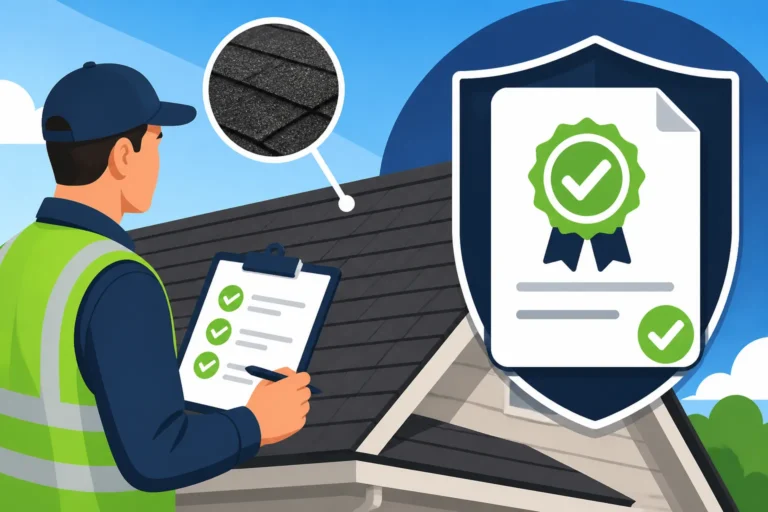
A hallmark of a professional, Atlas Certified Contractor is their commitment to a thorough inspection before providing an estimate. They won't just glance at your roof from the ground and give you a number. Instead, they'll perform a detailed visual inspection of your entire roof, including the shingles, flashing, gutters, fascia, and ventilation system. They will also likely go into your attic to check for signs of leaks, proper insulation, and adequate ventilation. This comprehensive assessment allows them to identify any underlying issues, such as damaged decking or insufficient ventilation, that need to be addressed during the roof replacement.
During this inspection, they should be able to clearly explain what they observe, pointing out specific areas of concern and educating you on the condition of your existing roof. An Atlas-certified pro will also discuss the various Atlas shingle options available, such as the Atlas Pinnacle Pristine Roof Cost Installed or other architectural shingle choices, and how they might benefit your home. This level of detail shows their expertise and commitment to providing an accurate assessment and a tailored solution, rather than a generic sales pitch.
Comprehensive Project Proposal and Contract Details
Following the inspection, an Atlas Certified Contractor will present you with a comprehensive project proposal that clearly outlines the scope of work, the materials to be used, the timeline for completion, and the total cost. This proposal should align with all the details discussed during the assessment and include specifications for all Atlas components, from the type of shingles to the underlayment and ventilation products. It should also detail the specific warranty that will apply to your new roof, including any extended manufacturer-backed coverage available due to their certification.
The proposal should then transition into a formal contract. A robust Roofing Contract: What to Look For will include start and end dates, payment schedules, clean-up procedures, and clauses regarding unexpected issues like decking repair. Any changes to the scope of work or materials should be documented in writing and approved by both parties. Don't sign anything until you fully understand every clause and feel comfortable with the terms. An ethical contractor will encourage you to review the contract thoroughly and answer all your questions.
Professional Installation and Project Management
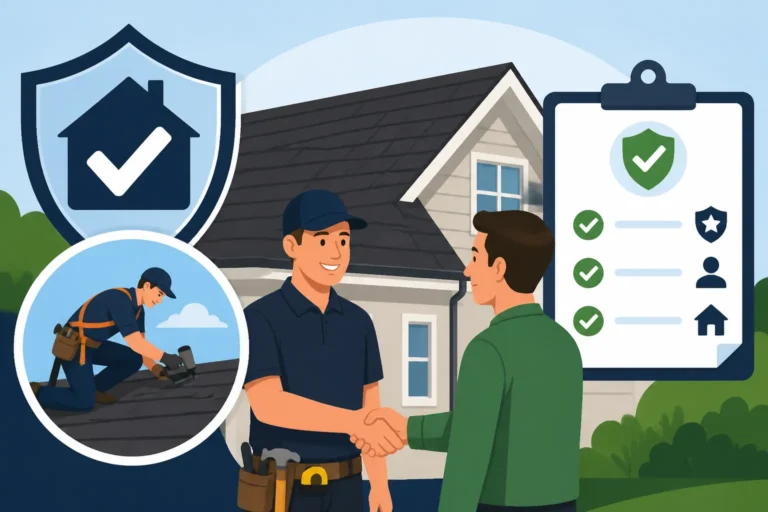
On installation day, you should expect a highly organized and efficient process. An Atlas Certified Contractor will manage the project professionally, ensuring their crew arrives on time, safeguards your property, and adheres to safety protocols. This typically involves laying down tarps to protect landscaping and collecting debris as they work. The crew should be experienced in installing Atlas roofing systems according to manufacturer specifications and local building codes. You can expect them to handle tasks like Cost of Roof Tear-Off and Disposal meticulously and efficiently.
Throughout the project, communication should be clear and consistent. The project manager or lead roofer should be available to answer your questions and address any concerns. Upon completion, they should conduct a final walkthrough with you to ensure your satisfaction and address any lingering issues. A proper clean-up, including magnetic sweeping for nails, is essential. This professional approach from start to finish is what sets a truly certified and reputable contractor apart, ensuring that your investment in an Atlas roof delivers long-term value. For those looking for a smooth experience, utilizing services like Modernize can connect you with contractors who are often highly rated for their project management skills.
Common Pitfalls to Avoid When Hiring a Roofer
Even with the best intentions, homeowners can sometimes fall into traps when hiring a roofing contractor. Being aware of these common pitfalls can help you protect your investment and ensure a successful project.
Beware of Unverified Claims and Pressure Tactics
One of the biggest red flags to watch out for is a contractor making grand claims that can't be easily verified or using high-pressure sales tactics. This could be someone who shows up at your door right after a storm, claiming to be "the only certified roofer in the area" or offering an unbelievably low price if you sign "today." These are classic signs of storm chasers or less reputable companies. While the Atlas certification helps vet contractors, it doesn't mean you should drop your guard completely. Always verify everything: their certification, licensing, insurance, and references.
If a contractor tries to rush you into a decision or makes you feel uncomfortable, it's a strong indicator to walk away. A trustworthy Atlas Certified Contractor will give you time to consider their proposal, compare it with others, and make an informed decision without undue pressure. Remember, your roof is a significant investment, and you have every right to take your time and choose wisely. Getting a second opinion on a roof replacement is always a good idea if you feel pressured.
The Importance of Licensing and Insurance
We touched on this earlier, but it's worth reiterating: never, ever hire a roofing contractor who isn't properly licensed and fully insured. This isn't just a recommendation; it's a non-negotiable requirement for your protection. Hiring an unlicensed contractor can lead to serious legal and financial headaches if something goes wrong. For example, if they don't pull the required permits, you could be responsible for fines or forced to tear off newly installed work.
Even more critically, if a worker gets injured on your property and the contractor doesn't have workers' compensation insurance, you, as the homeowner, could be held liable. This means you could be on the hook for medical bills and lost wages. Similarly, general liability insurance protects your property in case of damage during the installation. Always ask for current certificates of insurance and call the insurance providers to verify their validity. This small step can save you from immense financial hardship and is a cornerstone of how to find a reputable roofer.
Understanding Payment Schedules and Warranties
Before any work begins, make sure you have a clear understanding of the payment schedule. A common red flag is a contractor demanding a large upfront payment, especially if it's more than 30-50% of the total cost, or asking for the full amount before any materials have even been delivered. A fair payment schedule typically involves a deposit, followed by progress payments at agreed-upon milestones, with the final payment due only after the project is completed to your satisfaction. You should never feel pressured to pay a roofer upfront for the entire job.
Equally important is a thorough understanding of your warranty. As mentioned, an Atlas Certified Contractor can often provide enhanced manufacturer-backed warranties. Make sure you receive all warranty documents in writing, understand what they cover (materials, workmanship, duration), and know how to register them if required. Clarify if the warranty is transferable to a new homeowner, which can be a significant selling point if you plan to move. Without clear terms on Roofing Warranty: Workmanship vs Manufacturer and payment, you could find yourself in a difficult position if problems arise after the work is done.
| Aspect | Atlas Certified Contractor (Expected) | Non-Certified/Unvetted Contractor (Potential) |
|---|---|---|
| Product Knowledge | Deep understanding of Atlas roofing systems, features, and optimal application. | Limited knowledge, may recommend incorrect products or improper installation methods. |
| Installation Standards | Trained by Atlas, adheres to manufacturer-specific best practices, often exceeding basic code. | Follows minimum code requirements, may use shortcuts that compromise longevity. |
| Warranty Options | Access to enhanced, manufacturer-backed material and workmanship warranties (e.g., Signature Select®). | Standard material-only warranty, no manufacturer-backed workmanship coverage. |
| Vetting & Credibility | Listed on Atlas's official locator, pre-screened for quality, training, and business practices. | May have no formal manufacturer affiliation, harder to verify claims. |
| Problem Resolution | Manufacturer support, adherence to higher standards, often more responsive to issues. | May be difficult to reach or unwilling to resolve problems without manufacturer backing. |
| Professionalism | Generally higher standards for communication, project management, and site cleanliness. | Inconsistent communication, potential for disorganized work sites and poor clean-up. |
Disclaimer
Please note that the information provided in this article is intended for general guidance and informational purposes only. While we strive to offer accurate and up-to-date content, roofing regulations, product specifications, and contractor certifications can vary by location and change over time. Always consult with multiple local, licensed, and insured roofing professionals, and verify all credentials and warranty details directly with the manufacturers and contractors before making any decisions. The inclusion of brand names is for contextual information and does not constitute an endorsement.