Manufacturer-Certified Roofers Explained
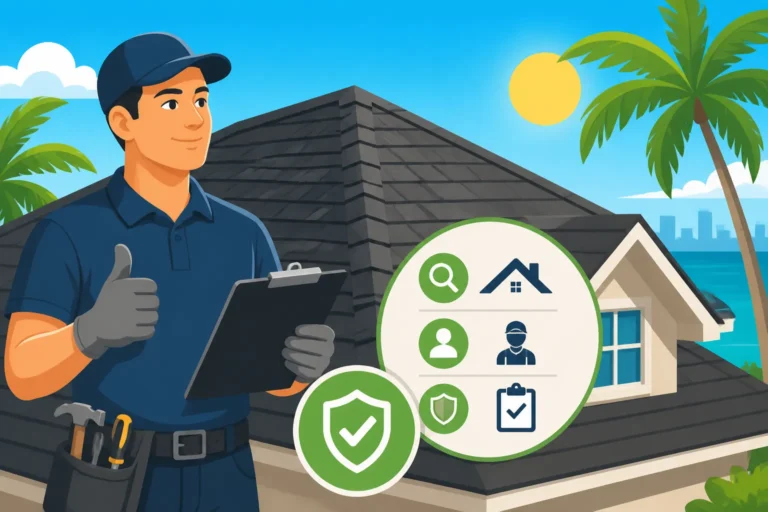
When it comes to something as crucial as your home's roof, the thought of needing a replacement or a major repair can feel overwhelming, not to mention the anxiety of choosing the right contractor. You want to know you're hiring someone skilled, reliable, and that your investment is truly protected. This comprehensive guide will explain everything you need to know about manufacturer-certified roofers, detailing what this esteemed status truly means for your home and your peace of mind.
What Exactly Is a Manufacturer-Certified Roofer?
The world of roofing contractors can sometimes feel like the Wild West. You've got companies big and small, some with decades of experience, others that pop up overnight. So, when a contractor mentions they're "manufacturer-certified," it's not just a fancy badge they picked up at a trade show. It signifies a significant level of commitment, expertise, and a direct partnership with the very companies that make the shingles and roofing materials that protect your home. It's a critical distinction that can influence the quality of your roof and the longevity of its warranty.
Beyond Just a "Good Roofer"
Many roofers are indeed "good roofers." They might do quality work, have a solid local reputation, and provide excellent service. But a manufacturer-certified roofer takes that a step further. Imagine buying a high-end car – you wouldn't just take it to any mechanic for complex engine work, even if that mechanic is generally good. You'd want someone specifically trained and certified by the car's manufacturer. The same principle applies to your roof. These certifications aren't handed out lightly; they represent a stamp of approval directly from the shingle manufacturers themselves, indicating that the contractor has met stringent standards.
This certification means the roofer has undergone specific training, often directly from the manufacturer, on how to correctly install their particular products according to the most current specifications. They understand the nuances of the entire roofing system – from the underlayment to the ventilation, the flashing, and of course, the shingles themselves. This depth of knowledge goes beyond general roofing practices, ensuring that your new roof is installed in a way that maximizes its performance and lifespan, adhering precisely to the engineering intended by the material maker. It’s about building confidence that the job will be done right, the first time.
The Rigorous Vetting Process
Becoming a manufacturer-certified roofer isn't a walk in the park; it involves a rigorous vetting process that scrutinizes various aspects of a roofing company's operations. Manufacturers aren't just looking for contractors who can install shingles; they're looking for partners who uphold their brand's reputation for quality and reliability. This process typically includes deep dives into the contractor's business practices, legal standing, and even their customer service history.
For instance, manufacturers will often check a contractor's financial stability to ensure they're a sustainable business that will be around to honor warranties and complete projects. They’ll verify that the contractor holds all necessary state and local licenses and comprehensive insurance coverage – think general liability and workers' compensation – which is absolutely vital for homeowners. Furthermore, they'll often review the contractor's track record, looking at things like customer satisfaction ratings, complaint history, and the quality of their past work. This comprehensive review aims to filter out fly-by-night operations and ensure that only established, reputable companies earn their certification. It’s a huge benefit for homeowners who might struggle to vet contractors on their own, essentially giving you a pre-screened list of highly qualified candidates.
Why Manufacturers Care So Much
You might wonder why shingle manufacturers go to such lengths to certify installers. It boils down to one thing: reputation and product performance. Even the highest quality shingles won't perform as intended if they're installed incorrectly. A beautiful, durable product can quickly develop issues like leaks, premature wear, or blow-offs if the installation doesn't follow strict guidelines. When a roof fails prematurely due to poor installation, it often reflects poorly on the material manufacturer, regardless of whose fault it truly is.
By certifying contractors, manufacturers ensure their products are installed by professionals who understand the nuances of their systems. This minimizes warranty claims, enhances customer satisfaction, and ultimately protects the manufacturer's brand image. They want their roofing systems to perform optimally for their advertised lifespan, and proper installation is paramount to achieving that goal. In essence, it's a strategic partnership where the manufacturer provides high-quality materials and specialized training, and the certified contractor provides expert installation, creating a win-win for everyone, especially the homeowner.
The Big Benefits of Hiring Certified Professionals
When you're looking at a significant investment like a new roof, you want every assurance that you're making the right choice. Hiring a manufacturer-certified roofer offers a multitude of benefits that extend far beyond simply having shingles put on your house. These advantages often translate into long-term savings, superior protection, and unparalleled peace of mind. It’s about securing your home’s future with confidence.
Access to Enhanced Warranties You Can't Get Elsewhere
This is perhaps one of the most compelling reasons to choose a certified roofer. Standard material warranties from manufacturers often cover defects in the shingles themselves, but they typically offer limited protection, if any, for installation errors. This means if your roof leaks because a shingle was nailed improperly, your standard warranty might not cover the repairs. This is a common frustration many homeowners face, and it often leads to disputes between them, the installer, and the manufacturer.
However, when you work with a manufacturer-certified contractor, they often have the ability to offer enhanced, extended warranties that cover not only the materials but also the contractor's workmanship. These "system warranties" are usually non-prorated for a longer period and can cover the entire roofing system, including components like underlayment, flashing, and vents. For example, a GAF Master Elite contractor can offer the Golden Pledge® Warranty, which is one of the strongest in the industry, often providing 25 years of coverage on workmanship and 50 years (non-prorated) on materials. This level of comprehensive protection is simply unavailable from non-certified contractors and offers a safety net that is incredibly valuable. It means if an installation issue arises years down the line, you have a direct path to resolution and won't be caught in a blame game between the manufacturer and the installer.
Guaranteed Quality and Installation Standards
A major concern for any homeowner is the quality of the installation. A roof replacement is a complex job, and mistakes can be costly. Manufacturer certification programs are designed to mitigate this risk by ensuring that contractors adhere to the highest standards of installation. These standards aren't just suggestions; they're often prerequisites for the enhanced warranties and are rigorously taught through manufacturer-sponsored training programs.
Certified roofers are trained on the latest installation techniques, product specifications, and best practices specific to the manufacturer's roofing system. This means they know the correct nailing patterns, how to properly install flashing around chimneys and vents, and how to integrate underlayment and other components to create a watertight seal. This meticulous approach to installation is a direct result of their training and the manufacturer’s oversight. When you see a contractor with a certification from Owens Corning or CertainTeed, you can be more confident that their crew understands how to execute a high-quality, durable roof system that will perform as promised. This can directly impact your home's resilience against the elements, from heavy rain to high winds, offering superior protection for decades.
Peace of Mind from Vetted Expertise
Let's face it, getting a new roof can be a stressful process. There's the financial outlay, the disruption to your daily life, and the worry about whether you've picked the right company. Hiring a manufacturer-certified roofer significantly reduces this stress by providing a layer of trust and accountability. These contractors have already been vetted by a major manufacturer, which acts as a third-party endorsement of their business practices, financial stability, and technical expertise.
You won't have to spend as much time sifting through endless reviews or worrying about whether a contractor is legitimate. The certification tells you they are licensed, insured, reputable, and knowledgeable. This allows you to focus more on important decisions like shingle style and color, and less on questioning the fundamental competence of your installer. This assurance is invaluable; it means you're not just buying a roof, you're investing in reliable protection and a long-term relationship backed by industry leaders. When you know a company like GAF or CertainTeed stands behind the installer, it provides a much-needed sense of security. If you're looking for a reliable way to connect with these types of vetted professionals, platforms like Modernize can be a great starting point for finding certified roofers in your area.
Major Manufacturer Certification Programs and What They Mean
The roofing industry has several large manufacturers, and most of them offer their own specialized certification programs for contractors. Understanding these programs can help you navigate the landscape and identify the most qualified professionals for your roofing project. Each program has its own set of requirements and offers distinct benefits, both for the contractor and, more importantly, for you, the homeowner.
GAF Master Elite and Certified Contractors
GAF is one of the largest roofing manufacturers in North America, and their certification programs are widely recognized.
The GAF Certified Contractor status is a solid first tier, indicating that a contractor is properly licensed and insured, and committed to ongoing training in GAF products. They can offer GAF's System Plus Limited Warranty, which provides enhanced material coverage.
However, the pinnacle of GAF's program is the GAF Master Elite® Contractor designation. This is an elite status, with only about 2-3% of all roofing contractors in the country achieving it. To become Master Elite, a contractor must meet even more rigorous criteria, including:
- Being properly licensed and insured (minimum $1M liability).
- Having a proven reputation for quality installation and customer service.
- Committing to ongoing professional training specifically in GAF products and installation techniques.
What this means for you is access to the industry-leading GAF Golden Pledge® Warranty. This warranty covers both material defects (for 50 years, non-prorated on most shingle lines) and workmanship (for 25 years). It's incredibly powerful because GAF itself backs the workmanship warranty, not just the contractor. If you're exploring options for a new roof, working with a GAF Master Elite Contractor can offer an exceptional level of protection. You can learn more about GAF Master Elite Contractors Explained to understand the full scope of benefits.
Owens Corning Platinum Preferred and Preferred Contractors
Owens Corning is another giant in the roofing world, known for its innovative products like Duration® Shingles with SureNail® Technology. Their certification structure also has multiple tiers.
The Owens Corning Preferred Contractor program ensures contractors are licensed, insured, and maintain a good business standing. They receive training on Owens Corning products and can offer System Protection, Preferred Protection, or in some cases, the Preferred Protection Plus Warranty, which provide stronger material and limited workmanship coverage.
The highest level is the Owens Corning Platinum Preferred Contractor. This designation is earned by a select group of contractors who meet even stricter criteria, including:
- Being in business for at least three years under the same name.
- Maintaining a clean record with the Better Business Bureau.
- Undergoing rigorous credit and business checks.
- Having specific training and experience with Owens Corning products.
Platinum Preferred Contractors can offer the Owens Corning Platinum Protection Roofing System Limited Warranty, which is their strongest warranty, providing up to 50 years of non-prorated material coverage and extended workmanship coverage. This warranty also includes a provision for a third-party independent inspection by Owens Corning if an issue arises, offering an extra layer of confidence. For homeowners, this means choosing an Owens Corning Platinum Preferred Contractor is a robust way to ensure a high-quality installation backed by a top-tier warranty. You can find further details about Owens Corning Platinum Preferred Explained in our dedicated article.
CertainTeed SELECT ShingleMaster and Master Shingle Applicator
CertainTeed has a long history in roofing, and their certification programs emphasize training and craftsmanship.
The CertainTeed Master Shingle Applicator (MSA) credential is an individual certification, meaning specific crew members have passed a rigorous exam on shingle installation knowledge. Contractors who have at least one MSA on staff, meet licensing and insurance requirements, and have been in business for at least five years, can become a CertainTeed ShingleMaster™. This allows them to offer CertainTeed's SureStart™ Plus 3-Star and 4-Star warranties.
The highest tier for contractors is the CertainTeed SELECT ShingleMaster™. This status is held by a relatively small percentage of roofing companies and requires:
- Maintaining CertainTeed ShingleMaster™ status.
- Having at least one Shingle Quality Specialist on staff (an individual who has completed more advanced training).
- Employing MSAs on 50% of their shingle installation crews.
- Meeting strict insurance and business practice requirements.
SELECT ShingleMaster contractors can offer the most robust SureStart™ Plus 5-Star Extended Warranty. This warranty provides 50 years of non-prorated coverage on materials and 25 years on workmanship for a complete CertainTeed roofing system. It's a comprehensive warranty that provides exceptional protection. If you're interested in understanding the full benefits, explore our article on CertainTeed SELECT ShingleMaster Explained.
IKO ShieldPro Plus and Dynasty Programs
IKO, another major roofing material producer, also offers programs aimed at strengthening contractor knowledge and offering homeowners enhanced value.
The IKO ShieldPro Plus™ program is designed for professional contractors who demonstrate a commitment to quality and customer service. While the specific tiers and warranty offerings can vary, the core of the ShieldPro Plus program focuses on ensuring contractors are well-versed in IKO's extensive range of products and installation guidelines.
Contractors within the ShieldPro Plus network typically receive ongoing training on IKO shingles, including their popular Dynasty® and Cambridge® lines, and are equipped to offer homeowners enhanced warranty options that go beyond basic material coverage. These warranties often provide extended periods of non-prorated protection and may include coverage for workmanship, ensuring that both the materials and the installation are backed by IKO. Choosing an IKO ShieldPro Plus contractor means you're working with a professional who has a direct line to the manufacturer's expertise and can offer you tailored solutions for your home.
Atlas Signature Select and Pro+ Contractor
Atlas Roofing Corporation has carved out a niche with its focus on high-performance shingles and integrated roofing systems. Their Signature Select® Roofing System is designed to work as a complete unit, and their contractor programs are built around ensuring proper installation of these systems.
Atlas offers a Pro+ Contractor designation to professionals who are committed to using the full Signature Select system. These contractors are trained on the components and installation methods required to qualify for Atlas's extended warranties, which include enhanced material coverage and a non-prorated period. The strongest warranty from Atlas is often the Signature Select Limited Lifetime Warranty, which typically includes 15 years of non-prorated material and workmanship coverage when installed by a Pro+ Contractor. This emphasis on a complete, warrantied system ensures that every component of your roof, from the underlayment to the ventilation and shingles, is designed to work together and installed correctly.
Malarkey Certified Contractor Program
Malarkey Roofing Products is known for its focus on sustainable and impact-resistant shingles. Their certification program emphasizes the proper installation of these advanced products. The Malarkey Certified Contractor program identifies roofers who have met specific business requirements, are licensed and insured, and have undergone training on Malarkey's product lines and installation best practices.
Certified Contractors are authorized to offer Malarkey's Enhanced Warranties, which provide extended non-prorated coverage periods and often include workmanship coverage. Malarkey's commitment to performance and durability, especially in regions prone to hail and high winds, makes their certified contractors particularly valuable. They are well-versed in installing Malarkey's Class 4 impact-resistant shingles and can help homeowners leverage potential insurance savings that these products often offer. Working with a Malarkey Certified Contractor ensures you're getting a roofer who understands the unique properties and installation requirements of their high-performance roofing solutions.
The Strict Requirements to Become Certified
Becoming a manufacturer-certified roofer isn't just about showing up and saying you're good at your job. These programs have a rigorous screening process to ensure that only the most reputable, skilled, and financially stable companies represent their brands. This isn't just a formality; it's a deep dive into the contractor's operations to safeguard the homeowner's investment and the manufacturer's reputation. Knowing these requirements can help you understand the true value behind a certification.
Licensing and Insurance Verification
One of the most fundamental, yet often overlooked, requirements for manufacturer certification is the verification of a contractor's licensing and insurance. Manufacturers insist on this because it protects everyone involved – the homeowner, the contractor, and the manufacturer itself. A properly licensed contractor ensures they meet state and local regulatory standards for their trade, demonstrating a baseline level of competence and adherence to legal operating procedures.
Beyond licensing, comprehensive insurance coverage is non-negotiable. This typically includes:
- General Liability Insurance: This protects you, the homeowner, if the contractor or their crew causes damage to your property during the roofing project. Imagine a stray shingle damaging your landscaping or a ladder falling through a window – general liability covers these incidents.
- Workers' Compensation Insurance: This is absolutely critical. It protects the roofing crew if they get injured on your property. Without it, if a roofer falls and gets hurt, you could be held liable for their medical bills and lost wages. This is a huge risk homeowners often don't realize they're taking when hiring uninsured contractors.
Manufacturers verify these policies annually, ensuring they are active and meet specific coverage minimums. This rigorous check means that when you hire a certified roofer, you can be confident that you're working with a legally compliant and financially responsible business, greatly reducing your personal liability. This is why Licensed and Insured Roofers: Why It Matters is such a vital topic for homeowners.
Training and Expertise Requirements
Manufacturers don't just want licensed and insured roofers; they want experts in their specific product lines. This is where specialized training comes in. Certified contractors and their key installation personnel must undergo extensive training programs, often conducted by the manufacturers themselves. These programs cover a wide range of topics, including:
- Product Knowledge: Understanding the composition, features, and benefits of various shingle lines, underlayments, and accessory products.
- Installation Best Practices: Learning the precise techniques for installing each component of the roofing system according to the manufacturer's specifications, including nailing patterns, flashing details, and ventilation requirements.
- Troubleshooting: Identifying and resolving common roofing issues.
- Safety Protocols: Adhering to safety standards during installation.
This training is often ongoing, requiring contractors to stay updated on new products, installation methods, and building codes. For example, a GAF Master Elite contractor’s team regularly participates in educational programs to maintain their status. This continuous education ensures that the certified roofer is not only knowledgeable but also consistently up-to-date with the latest advancements in roofing technology and installation. This commitment to expertise directly translates into a higher quality installation for your home, ensuring that your roof performs exactly as the manufacturer intended.
Financial Stability and Reputation Checks
Manufacturers also want to partner with contractors who are financially sound and have a sterling reputation in the community. They conduct checks that go beyond just licenses and insurance. This might include:
- Credit Checks: To assess the contractor's financial health and ability to purchase materials and manage projects.
- Business Standing: Verifying that the company is properly registered, has a physical address, and has been in business for a significant period (often 3-5 years minimum). This helps weed out fly-by-night operations.
- Customer Satisfaction & Reputation: Manufacturers often look at reviews, ratings with organizations like the Better Business Bureau, and public records to gauge a contractor's track record for customer service and quality work. They want to ensure their certified partners consistently deliver positive experiences.
By scrutinizing these aspects, manufacturers aim to reduce their own risk and provide homeowners with a list of contractors who are not only skilled but also reliable and trustworthy. It's a testament to the fact that these certifications are about more than just installation; they're about fostering a network of reputable professionals who homeowners can confidently choose. When you see a contractor proudly displaying their certification, you can take comfort in knowing they’ve passed these stringent checks, making them a safer bet for your valuable roofing project.
How Certification Impacts Your Roof Warranty
The warranty you receive on your new roof is arguably just as important as the roof itself. It's your long-term protection against defects and installation issues. For many homeowners, understanding the nuances of roofing warranties can be incredibly confusing, and often, standard warranties don't offer the comprehensive coverage people assume they do. This is precisely where manufacturer certification makes a monumental difference, unlocking levels of protection that are otherwise unavailable.
Unlocking Non-Prorated and Full System Coverage
Standard manufacturer warranties for asphalt shingles often come with a prorated clause. This means that as your roof ages, the percentage of coverage for material defects decreases. So, a 30-year shingle might only be 100% covered for the first 5-10 years, and then the payout for a defect might drop to 50% or even less over time. This can lead to significant out-of-pocket expenses for homeowners if a material defect arises later in the roof's life.
Manufacturer certification programs, however, often unlock enhanced warranties that provide non-prorated coverage for much longer periods, sometimes even for the lifetime of the original homeowner. This means that if a covered defect occurs, the manufacturer will provide 100% of the cost for materials to repair or replace the affected area, regardless of how old the roof is.
Beyond non-prorated material coverage, these top-tier warranties also offer full system coverage. A roof is more than just shingles; it's a system of components including underlayment, starter strips, hip and ridge caps, and ventilation. If a component is missing or incompatible, it can compromise the entire roof. Certified installers are trained to install a complete roofing system from a single manufacturer, ensuring all components work together seamlessly. The enhanced warranty covers this entire system, not just the shingles. This is a huge distinction because many issues arise from incompatible parts or improper installation of these critical accessories. This is how a complete roof system qualifies for warranty protection.
The Importance of Proper Installation for Warranty Validity
Here's a hard truth: a manufacturer's material warranty can be voided if the shingles are not installed according to their specific instructions. Even if you bought the best, most expensive shingles, a shoddy installation can render your warranty worthless, leaving you with no recourse if problems arise. This is one of the biggest pitfalls for homeowners who choose uncertified or inexperienced contractors solely based on a lower bid.
Manufacturer-certified roofers are explicitly trained in the correct installation methods for the specific products they install. They understand the proper nailing patterns, how much overlap to use, the correct way to flash around chimneys and skylights, and other critical details. Adhering to these strict guidelines is not just about quality, it's a prerequisite for the validity of the enhanced warranties they offer. The manufacturer trusts these certified contractors to install their products correctly, and in return, they stand behind both the materials and the workmanship. This partnership ensures that your roof is installed in a way that fully complies with warranty terms, safeguarding your investment against potential pitfalls down the line. To fully grasp what makes a warranty valid, understanding What Voids a Shingle Warranty is crucial.
Understanding Different Levels of Warranty Protection
It's important to remember that not all "enhanced" warranties are created equal, even from the same manufacturer. Most manufacturers offer a tiered approach to their warranties, with the highest level of protection typically reserved for installations by their top-tier certified contractors.
Here's a quick look at how warranty levels often differ:
| Warranty Feature | Standard Material Warranty (Non-Certified Installer) | Enhanced Material Warranty (Certified Installer) | Full System & Workmanship Warranty (Top-Tier Certified Installer) |
|---|---|---|---|
| Material Coverage | Prorated after initial period (e.g., 5-10 years) | Non-prorated for extended period (e.g., 10-20 years) | Non-prorated for "lifetime" (e.g., 50 years) |
| Workmanship Coverage | None or very limited (Contractor's responsibility) | Limited period (e.g., 2-10 years), often by contractor | Extended period (e.g., 25 years), often manufacturer-backed |
| Full System Coverage | Shingles only | Shingles & some accessories | All specified manufacturer components (underlayment, vents, etc.) |
| Wind & Algae Protection | Standard manufacturer rating | Enhanced wind resistance, longer algae protection | Highest wind resistance, premium algae protection |
| Transferability | Limited, often for a fee | May be easier, sometimes free for initial transfer | Often more robust and easily transferable to a new homeowner |
When discussing your project with a certified contractor, make sure they clearly explain the specific warranty they can offer, including the duration of non-prorated coverage, the length of the workmanship coverage, and who ultimately stands behind that workmanship (the contractor or the manufacturer). This clarity ensures you fully understand the extent of your protection before signing any contracts. You might also want to look into Roofing Warranty: Workmanship vs Manufacturer to help you differentiate these crucial aspects.
Finding and Vetting a Manufacturer-Certified Roofer
Okay, so now you know why manufacturer-certified roofers are so valuable. The next logical step is figuring out how to find one and, just as importantly, how to vet them properly. While the certification itself is a huge step, you still want to ensure they're the right fit for your specific project and that you feel comfortable with their team.
Using Manufacturer Locators and Online Resources
The easiest and most reliable way to find a manufacturer-certified roofer is to go directly to the source: the shingle manufacturers' websites. Every major manufacturer, such as GAF, Owens Corning, CertainTeed, IKO, Atlas, and Malarkey, has a "Find a Contractor" or "Dealer Locator" tool on their site.
These online tools allow you to input your zip code and will then list certified contractors in your area, often indicating their specific certification level (e.g., GAF Master Elite, Owens Corning Platinum Preferred). This ensures you're getting a list of contractors that the manufacturer has already vetted. It's a fantastic starting point because it cuts through the noise and provides you with a list of reputable businesses right away.
Beyond manufacturer sites, reputable online platforms that connect homeowners with contractors can also be useful. For example, platforms like Modernize can help you connect with local, pre-screened roofing professionals, some of whom will undoubtedly hold these important manufacturer certifications. Always double-check any claims of certification directly on the manufacturer's website or by contacting the manufacturer directly, just to be sure. This step is crucial in ensuring you're getting accurate information.
Essential Questions to Ask During Your Consultation
Even with certification, it’s vital to conduct thorough consultations with prospective roofers. This is your chance to get a feel for their professionalism, their approach to your specific project, and to ensure they can articulate the value of their certification. Don't be shy about asking pointed questions – a good contractor will appreciate your diligence.
Here are some key questions to ask:
- "Which specific manufacturer certifications do you hold, and can you provide proof of current status?" They should be able to show you a certificate or direct you to the manufacturer's website where their status is listed.
- "Which enhanced warranties are you authorized to offer, and can you walk me through the details of the best option for my project?" Have them explain the non-prorated periods, workmanship coverage length, and who backs each part of the warranty.
- "Do you plan to install a complete roofing system from a single manufacturer, and if not, why?" Remember, full system warranties typically require all components to be from the same brand.
- "How long have you been in business, and can you provide local references?" While certification vets longevity, local references offer real-world feedback.
- "Can you provide proof of current licensing and insurance (general liability and workers' compensation)?" Always ask to see the actual certificates and call the insurance carrier to verify.
Asking these questions helps you understand their expertise and ensures they’re transparent about their operations. It’s also a good way to gauge their communication style and responsiveness, which are crucial throughout a roofing project. This aligns perfectly with the advice in our guide on Questions to Ask a Roofing Contractor Before Hiring.
Verifying Their Certification Status
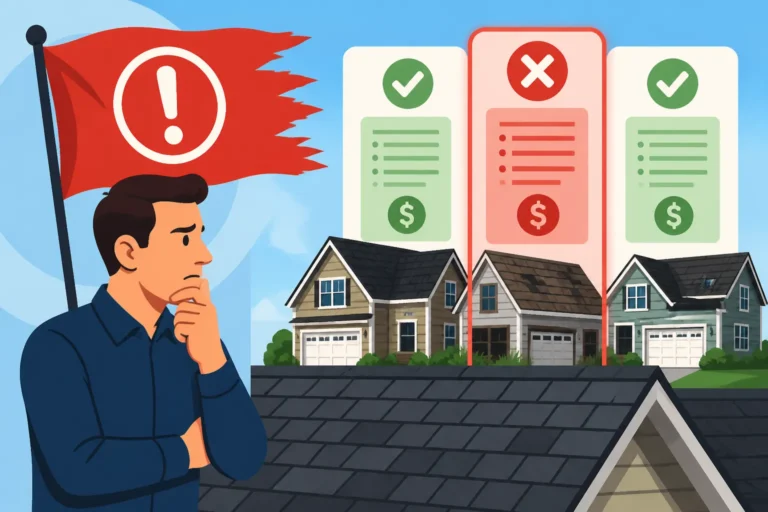
It's one thing for a contractor to say they're certified, and another entirely for them to prove it. Unfortunately, there are unscrupulous individuals who might falsely claim certifications to gain your trust. Therefore, independently verifying their status is a non-negotiable step in your vetting process.
Every major manufacturer maintains an online database or directory of their certified contractors. When a contractor tells you they are, for example, a "GAF Master Elite" or an "Owens Corning Platinum Preferred" contractor, take a moment to visit the respective manufacturer's website and use their contractor locator tool to confirm. You should be able to find the contractor's name and verify their certification level directly there. If their name doesn't appear, or if they claim a higher level than what's listed, that's a significant red flag.
Additionally, don't hesitate to call the manufacturer's customer service line. They can often verify a contractor's status over the phone. This simple verification step only takes a few minutes but provides an immense layer of protection against potential fraud and ensures that the enhanced warranties they promise are genuinely available to you. Taking these steps is part of how to find a reputable roofer and protects your investment.
Are There Any Downsides or Misconceptions?
While the benefits of hiring a manufacturer-certified roofer are clear, it's important to approach the decision with a balanced perspective. There can be some perceived downsides or common misconceptions that homeowners often have, and addressing these helps you make a fully informed choice.
Potentially Higher Upfront Costs
One of the most frequent concerns homeowners raise about certified contractors is the perception that they are always more expensive. And yes, it's true that a certified contractor might present a higher initial quote compared to a non-certified, less experienced roofer. This isn't necessarily because they're overcharging, but rather a reflection of the added value they bring.
Consider what goes into their pricing:
- Investment in Certification: The process of becoming certified involves significant investment in training, maintaining high insurance levels, and ensuring business compliance. These costs are naturally factored into their operating expenses.
- Quality Materials & Full Systems: Certified contractors often use and recommend a complete roofing system from one manufacturer, which can sometimes be more expensive than mixing and matching cheaper, generic components. However, this ensures compatibility and often unlocks those superior warranties.
- Higher Standards of Workmanship: Their crews are generally better trained, use more meticulous installation techniques, and adhere to stricter quality control, all of which contribute to a more durable, longer-lasting roof, but also to higher labor costs.
While the upfront cost might be slightly higher, it's crucial to view it as an investment in quality, long-term protection, and unparalleled warranty coverage. A cheaper initial bid from an uncertified contractor could easily lead to higher costs down the road due to premature failures, voided warranties, or the need for frequent repairs. It often comes down to weighing the "Cost to Replace vs Repair an Old Roof" and considering the long-term value.
The Difference Between "Certified" and "Good"
It's a common misconception that simply having a manufacturer certification automatically makes a contractor the "best" in every single aspect. While certification signifies a high level of expertise and adherence to manufacturer standards, it doesn't necessarily mean they're the perfect fit for every homeowner or every specific project. A certified roofer is definitely a good roofer by industry standards, but personal preferences and project-specific needs still matter.
For example, a certified contractor might specialize heavily in certain types of asphalt shingles or roof styles. If your home has a very unique or historically sensitive roof design, you might still want to look for a certified contractor who also has extensive experience with that particular niche. Also, "good" can encompass things like communication style, responsiveness, and how well a contractor manages the project timeline. While certified contractors are generally professional, it's still important to meet with them, discuss your needs, and ensure you feel a strong rapport. Certification is a powerful indicator of technical competence and reliability, but always combine it with your own personal assessment of the contractor's customer service and communication.
Navigating Multiple Certifications
Some homeowners get overwhelmed when they discover that a single contractor might hold multiple certifications from different manufacturers (e.g., GAF and Owens Corning). This can be a good thing, showing a broad range of expertise, but it can also lead to confusion if not managed properly.
A contractor holding multiple certifications demonstrates their versatility and commitment to different product lines. However, when it comes to your specific roofing project, you'll generally be choosing one manufacturer's system. For example, if you decide on GAF Timberline shingles, you'll want to ensure the contractor is using their GAF certification to offer you the GAF-specific enhanced warranty. They won't be able to offer an Owens Corning Platinum Protection warranty on a GAF roof.
When a contractor has multiple certifications, make sure they clearly explain which specific certification applies to the products you're choosing and the warranty they will provide. Don't let a long list of certifications distract you from confirming the relevance of that certification to your chosen materials. Always verify the specific warranty tied to the manufacturer whose products you ultimately select for your roof.
What Happens If Issues Arise?
Even with a top-tier, manufacturer-certified installation, life happens. Storms, unforeseen events, or even very rare manufacturing defects can sometimes lead to issues with a new roof. One of the most significant advantages of choosing a certified contractor is the clear pathway to resolution and the robust support system that kicks in when problems arise. This is where the true value of those enhanced warranties shines.
Manufacturer Support in Case of Problems
When you invest in a roof installed by a manufacturer-certified contractor and backed by an enhanced warranty (especially one that covers workmanship, like GAF's Golden Pledge or Owens Corning's Platinum Protection), you gain a powerful advocate: the manufacturer itself. If an issue develops with your roof, and you suspect it's either a material defect or an installation error, your first point of contact will usually be your certified contractor. However, if the contractor is unresponsive, out of business, or if there's a dispute, the manufacturer often steps in.
Under these enhanced warranties, the manufacturer is directly involved in resolving problems. This can mean:
- Independent Inspections: Many top-tier warranties include provisions for the manufacturer to send their own independent inspector to assess the issue. This third-party assessment can be invaluable in determining the cause of the problem, whether it’s a material defect or an installation flaw.
- Direct Resolution: If the issue is covered under the manufacturer-backed workmanship portion of the warranty, they will facilitate or directly cover the repairs, even if the original contractor is no longer available. This is a critical distinction from standard warranties, which typically leave you to pursue the original contractor if workmanship is at fault.
This direct manufacturer support provides a much stronger safety net than dealing with a non-certified contractor, where you might be left to fight a potentially difficult battle on your own. It gives you confidence that a major corporation stands behind your investment.
Understanding Your Recourse Options
Knowing your recourse options is essential for peace of mind. With a certified contractor and an enhanced warranty, your options are generally more clearly defined and more robust.
- Contact Your Contractor First: For any issues, your first step should always be to contact the certified contractor who installed your roof. They are typically obligated to address warranty claims as part of their agreement with the manufacturer. A reputable certified contractor will respond promptly and assess the situation.
- Engage the Manufacturer: If your contractor is unresponsive, or if the issue seems to be a significant defect or dispute, you can directly contact the manufacturer's warranty department. Provide them with your warranty documentation and details of the problem. They will guide you through their claims process, which, as mentioned, can include independent inspections and facilitated repairs.
- Legal Avenues (Last Resort): While rare with certified installations, if both the contractor and manufacturer fail to honor their commitments, you would then explore legal avenues. However, the comprehensive nature of these warranties and the manufacturer's vested interest in upholding their brand reputation make this much less likely than with uncertified installations.
The structured nature of these programs provides a clear path forward, reducing the ambiguity and stress that often accompany roofing problems. This is a key reason why many homeowners seek out certified installers.
The Value of a Strong Contract
Even with the best certifications and warranties, a detailed and clear contract remains your ultimate protection. A strong contract outlines the scope of work, materials used, payment schedule, timelines, and crucially, the specific warranties being provided. It ties everything together.
When working with a certified roofer, ensure your contract explicitly states:
- The specific manufacturer and product lines being installed.
- The type and duration of the warranty you are receiving, detailing both material and workmanship coverage, and indicating if it is manufacturer-backed.
- Proof of the contractor’s certification status (or a reference to where it can be verified).
- A clear process for handling warranty claims and who to contact first.
A certified contractor should be transparent and willing to include all these details in your contract. This document serves as a legally binding agreement and your primary reference point if any issues arise, complementing the protections offered by their certification and enhanced warranties. Always review your Roofing Contract: What to Look For carefully before signing.
Disclaimer
Please remember that the information provided in this guide is intended for general informational purposes only and does not constitute professional advice. Roofing material costs, labor rates, and specific contractor certifications can vary significantly based on your location, the complexity of your project, and market conditions. Always consult with multiple qualified, local roofing professionals and review all contracts and warranty documents carefully before making any decisions.