Cost of a New Roof for a Mobile Home
Thinking about replacing the roof on your mobile home can feel like navigating a maze, especially when you're faced with unique considerations that differ from traditional stick-built houses. Many mobile homeowners feel frustrated by the lack of clear, specific information out there, leaving them guessing about budgets and options. This guide is here to cut through the confusion, offering a realistic breakdown of the costs involved in putting a new asphalt shingle roof on your mobile home, helping you make informed decisions without the stress.
Understanding Mobile Home Roofing Needs
Mobile homes, also known as manufactured homes, have their own set of characteristics when it comes to roofing. These differences mean that while the core components of an asphalt shingle roof remain the same, the application and considerations can vary significantly.
Unique Challenges of Mobile Home Roofs
One of the most immediate distinctions you'll notice with many mobile home roofs is their pitch, or lack thereof. Many mobile homes feature very low-slope roofs, sometimes nearly flat. This presents unique challenges for drainage, as asphalt shingles are designed to shed water efficiently on a certain minimum slope, typically 2:12 (meaning a rise of 2 inches over a horizontal run of 12 inches) or steeper. If your mobile home roof has a shallower pitch than this, traditional asphalt shingles might not be the most appropriate solution, or they may require specialized installation techniques and additional waterproofing like peel-and-stick underlayment across the entire deck.
Beyond the pitch, the underlying structure of a mobile home roof can also differ. The trusses and decking might be lighter or constructed with different materials than those found in site-built homes. This means that during a roof replacement, a contractor needs to carefully assess the existing structure for any signs of damage or weakness. If your mobile home currently has a metal roof or rolled asphalt roofing, converting to traditional shingles will involve more than just stripping and re-shingling. It could require reinforcing the decking or adding new sheathing to create a suitable, sturdy base for shingles.
Furthermore, mobile homes are sometimes more susceptible to shifting and settling over time, which can impact the roof structure. They might also be located in open areas, making them more vulnerable to high winds, emphasizing the need for robust installation and durable materials. Lastly, ensuring proper attic ventilation in a mobile home's often smaller or less accessible attic space is crucial for the longevity of a new asphalt roof, preventing issues like heat buildup and moisture accumulation.
Why Asphalt Shingles Can Be a Smart Choice for Mobile Homes
Despite these unique challenges, asphalt shingles remain an incredibly popular and often smart choice for mobile home roofing. For many homeowners, the desire to upgrade from a utilitarian metal or rolled roof to the traditional, aesthetically pleasing look of shingles is a significant motivator. Asphalt shingles come in a vast array of colors and styles, allowing you to dramatically enhance your mobile home's curb appeal and even increase its perceived value.
Modern asphalt shingles, particularly architectural or dimensional shingles, are engineered for durability and offer excellent protection against the elements. They are designed to withstand significant wind uplift, which, as mentioned, is a critical factor for mobile homes. Unlike older 3-tab shingles, architectural shingles have a thicker, multi-layered construction that provides a more robust barrier against hail, wind, and UV degradation. This enhanced durability often translates to a longer lifespan and fewer repair needs compared to some other roofing options.
The availability and relative affordability of asphalt shingles also make them a strong contender. They are widely stocked by suppliers and most roofing contractors are highly experienced in their installation. While the initial investment might be more than some basic rolled roofing, the long-term benefits in terms of protection, longevity, and aesthetic upgrade often outweigh the cost. When installed correctly on a suitable pitch, an asphalt shingle roof can provide decades of reliable service, transforming your mobile home into a more secure and attractive residence.
Factors Influencing the Cost of a Mobile Home Asphalt Roof
The total cost of putting a new asphalt shingle roof on your mobile home isn't a single, fixed number. Instead, it's a dynamic figure influenced by a variety of factors, from the physical characteristics of your home to where you live and the materials you choose.
Roof Size and Complexity
Naturally, the larger your mobile home, the more roofing materials and labor will be required, directly impacting the overall cost. Mobile homes come in various sizes – single-wide, double-wide, and even triple-wide configurations – each presenting a different surface area to cover. Roofing contractors typically measure roofs in "squares," where one square equals 100 square feet. So, a 1,500 square foot roof would be 15 squares. If you're wondering how much roofers charge per hour, it often boils down to this "per square" pricing for the total job.
Beyond sheer size, the complexity of your roofline also plays a significant role. While many mobile homes have relatively simple, gable-style roofs, some newer manufactured homes might feature dormers, multiple peaks, skylights, or even a more intricate design. Each of these elements adds to the labor cost due to the extra cutting, flashing, and sealing required. A roof with many valleys or penetrations (like vent pipes and chimneys) will take more time and specialized attention to ensure proper waterproofing, thereby increasing the installation cost. When you start comparing roofing estimates, you'll see how these details affect the bottom line.
Material Choices and Quality
The type and quality of the asphalt shingles you select are arguably the biggest drivers of your material costs. You have a few main categories:
- 3-Tab Shingles: These are the most economical option, offering a flat, uniform look. They are thinner and typically have a shorter lifespan and lower wind resistance than other types. While budget-friendly, they might not offer the same level of protection or aesthetic appeal.
- Architectural (Dimensional) Shingles: These are the most popular choice for both mobile and traditional homes. They are thicker, multi-layered, and designed to mimic the appearance of wood shakes or slate, providing a more textured and visually appealing roof. They offer better durability and wind resistance than 3-tab shingles. If you're curious, you can delve deeper into the specific architectural shingle roof cost.
- Designer (Luxury) Shingles: These are the premium end of asphalt shingles, offering the highest level of durability, unique shapes, and often specialized features like enhanced wind resistance or algae protection. They come with the highest price tag but offer superior aesthetics and performance.
Beyond the shingles themselves, the underlayment plays a crucial role. You can choose between traditional asphalt-saturated felt or more advanced synthetic underlayment. Synthetic options are more expensive but offer superior tear resistance, water resistance, and often last longer, which can be particularly beneficial for mobile home roofs that might experience more structural movement. In colder climates or areas prone to ice dams, an ice and water shield installed along eaves and in valleys is often a code requirement and adds to material costs, but it's essential for preventing leaks.
Labor and Installation Complexity
The labor involved in a mobile home roof replacement typically accounts for 50% or more of the total project cost. This includes everything from the initial tear-off of the old roof to the meticulous installation of the new system and final cleanup.
If your mobile home has an existing roof that needs to be removed, especially multiple layers of shingles or a stubborn metal roof, you'll incur costs for the roof tear-off and disposal. This process is physically demanding and time-consuming, and the debris must be properly hauled away. Sometimes, old layers of roofing can hide significant damage to the roof decking. If the plywood or OSB sheathing is rotten, soft, or otherwise compromised by moisture or pests, it will need to be replaced before new shingles can be installed. This roof decking replacement cost is a common unexpected expense that can add hundreds or even thousands to your project.
The overall accessibility of your mobile home can also influence labor costs. If the home is on a sloped lot, has surrounding obstacles, or if the contractor faces challenges in getting materials and dumpsters close to the work area, labor might be higher. While mobile homes often don't have the extreme heights of multi-story stick-built homes, careful staging and safety precautions are still paramount. A quality contractor ensures their crew is properly insured and trained, which is reflected in their pricing.
Geographic Location and Permits
Where your mobile home is located plays a significant role in the overall cost. Roofing costs, including labor rates and material prices, vary widely by state, region, and even within different cities or counties. For example, the asphalt roof replacement cost in Florida might be higher due to more stringent building codes for hurricane resistance, requiring specific nailing patterns and higher-rated materials. Similarly, costs in densely populated urban areas often exceed those in rural regions.
Almost all municipalities require a roofing permit for a full roof replacement, including for mobile homes. This permit ensures that the work complies with local building codes, fire safety regulations, and structural integrity standards. The cost of a permit can range from $100 to $500 or more, depending on your locality and the scope of the project. While it's an added expense, getting a permit is crucial. Skipping it can lead to fines, difficulties with insurance claims, or problems when you try to sell your home down the road. Most reputable contractors will handle the permit application process for you, incorporating the fee into your overall estimate. You can often learn more about roofing permits explained through local government resources.
Breakdown of Mobile Home Asphalt Roof Costs
Let's dive into the nitty-gritty of what you can expect to pay for the various components of a new asphalt roof on your mobile home. Remember, these are averages, and your specific costs will depend on the factors we just discussed.
Material Costs Deep Dive
The cost of materials is often the easiest part of a roofing estimate to understand, as it relates directly to the type and quantity of products being installed. The most significant material cost will, of course, be the shingles themselves.
For 3-tab asphalt shingles, you can typically expect to pay between $70 to $120 per square (100 square feet) for the materials alone. These are the most basic and economical option, suitable for those on a very tight budget or for properties where aesthetics are less of a concern.
Moving up, architectural shingles usually range from $100 to $200 per square. These are by far the most popular choice, offering a much more durable and attractive roof for a reasonable premium. They come in a wider variety of colors and styles, often mimicking the look of more expensive materials like wood shakes.
At the higher end, designer or luxury shingles can cost anywhere from $200 to $400 or even more per square. These are premium products, often heavier, with unique designs, enhanced warranties, and specialized features like advanced algae resistance or extreme impact resistance.
Beyond the shingles, you have the underlayment. Traditional felt underlayment is the most basic option, typically costing $10 to $20 per square. It provides a foundational layer of protection. Synthetic underlayment, a more modern and durable alternative, usually runs $25 to $40 per square. While more expensive, it offers superior water resistance and tear strength, making it a worthwhile upgrade, particularly for mobile homes where ensuring a watertight seal is paramount. In regions with harsh winters, ice and water shield is a critical component for vulnerable areas like eaves and valleys, costing around $50 to $100 per roll, with several rolls possibly needed for a full roof.
Other material costs include drip edge (metal flashing along the roof edges), ridge caps (shingles designed for the roof's peak), starter shingles (for the first course), and various flashing materials for chimneys, vent pipes, and skylights. These smaller items can add another $5 to $15 per linear foot or unit, depending on the complexity of your roof.
Here's a quick overview of typical material costs:
| Component | Average Cost per Square (Materials Only) | Notes |
|---|---|---|
| 3-Tab Asphalt Shingles | $70 – $120 | Basic, entry-level, shorter lifespan. |
| Architectural Shingles | $100 – $200 | Most popular, good durability and aesthetics. |
| Designer (Luxury) Shingles | $200 – $400+ | Premium, enhanced features, heavier, highest curb appeal. |
| Synthetic Underlayment | $25 – $40 | More durable, water-resistant, often recommended for mobile homes. |
| Felt Underlayment | $10 – $20 | Standard, basic moisture barrier. |
| Ice & Water Shield | $50 – $100 per roll | Essential for vulnerable areas, especially in cold climates. |
| Flashing & Vents | $5 – $15 per linear foot / unit | Varies by roof complexity and penetrations. |
Labor Costs for Mobile Home Roofing
Labor is typically the largest component of your roof replacement budget, often making up 50% to 60% of the total project cost. For a mobile home, labor costs can sometimes be a bit different than for a traditional house. While the lower height of many mobile homes might suggest easier access, the unique challenges of structural assessment, potential decking repairs, and the precise installation needed for low-slope applications can balance that out.
On average, you might expect labor for an asphalt shingle roof on a mobile home to range from $3.00 to $6.00 per square foot, or roughly $300 to $600 per square. This rate usually includes the tear-off of a single layer of existing roofing, the installation of new underlayment, shingles, flashing, and ridge caps, along with thorough cleanup and debris disposal. Factors like the region you live in, the experience of the roofing crew, and the time of year will all affect these rates. For instance, in an area with a high cost of living like California, you might see labor rates on the higher end, while in a more rural area of Ohio, they could be more moderate.
A critical part of the labor cost is the experience of the contractor. Hiring a reputable, licensed, and insured roofing company is paramount. While it might be tempting to go with the cheapest bid, inexperienced or uninsured crews can lead to shoddy workmanship, voided warranties, or even liability issues if someone is injured on your property. When getting quotes, inquire about their specific experience with mobile or manufactured home roofing, as it requires a nuanced approach.
Hidden and Additional Costs to Consider
It's a common frustration: you get an estimate, but then "hidden" costs pop up. Knowing about these potential extra expenses upfront can help you budget more accurately and avoid unwelcome surprises.
- Tear-Off and Disposal of Multiple Layers: If your mobile home has more than one layer of old roofing, or if the existing roof is heavy metal, the cost to remove two layers of shingles (or more) will be higher. Each additional layer adds labor and disposal fees. Ensure your estimate clearly states how many layers they anticipate removing.
- Roof Decking Repairs or Replacement: This is one of the most frequent "surprises." If your old roof has been leaking, or if the original decking was flimsy, you might find soft spots, rot, or even structural damage once the old roofing is stripped away. Replacing rotten roof decking can add $2-$5 per square foot for materials and labor for the affected areas. It’s an essential repair, as new shingles need a solid foundation.
- Permit Fees: As mentioned, almost all localities require permits. These fees, typically between $100 and $500, are usually included in a professional contractor's estimate.
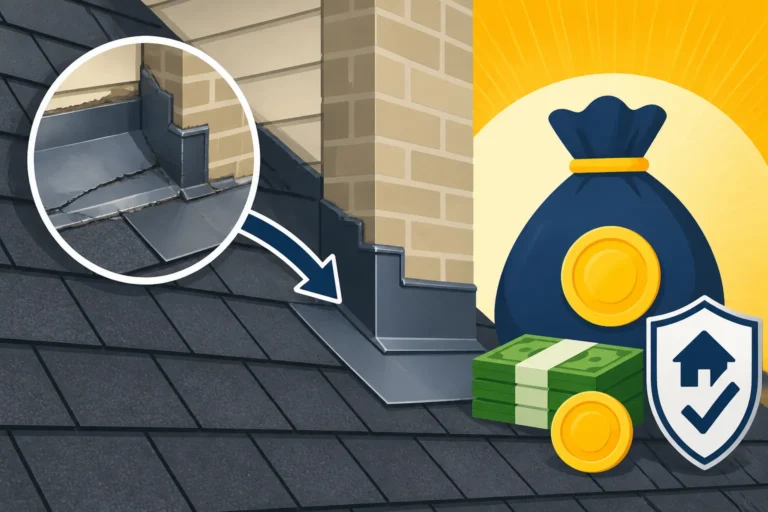
- Chimney, Skylight, or Vent Pipe Repairs: While your roofers will re-flash these penetrations as part of the job, if the chimney masonry is crumbling, a skylight is cracked, or a vent pipe boot is brittle, you'll need to address these issues. This can be an additional repair that falls outside the standard roofing scope.
- HVAC or Solar Panel Removal and Reinstallation: If your mobile home has an HVAC unit, solar panels, or other equipment mounted on the roof, these items will need to be carefully removed and reinstalled by qualified technicians, adding to the overall cost and complexity of the project.
- Unexpected Structural Issues: In older mobile homes, the underlying structure might reveal issues beyond just rotten decking, such as compromised trusses or sagging sections. While rare, these kinds of significant structural repairs would require specialized carpentry work and add considerable expense.
Being aware of these potential extras will help you allocate a contingency fund in your budget, typically 10-15% of the total project cost, to cover any unforeseen issues.
Saving Money on Your Mobile Home Roof Replacement
A new roof is a significant investment, but there are smart strategies you can employ to manage the cost without compromising on quality or safety.
Smart Material Selection
Choosing the right materials doesn't always mean picking the cheapest option; it means selecting the best value for your budget and needs. For many mobile homeowners, architectural shingles strike the perfect balance. They offer significantly better durability, wind resistance, and aesthetic appeal than basic 3-tab shingles, often lasting 30 years or more, but come at a much lower price point than luxury designer shingles. You get a substantial upgrade in quality and appearance without breaking the bank.
When it comes to underlayment, upgrading from traditional felt to synthetic underlayment is a smart, relatively inexpensive way to boost your roof's protection, especially considering the unique characteristics of mobile home roofs. The added tear strength and water resistance can prevent leaks and extend the life of your roof, making it a worthwhile investment over the long term. If your mobile home is in a region prone to hail, considering impact-resistant shingle cost might also be beneficial, as they can sometimes lead to lower insurance premiums over time. Discuss these options with your contractor to understand the long-term benefits versus the upfront cost.
The Power of Multiple Quotes
This cannot be stressed enough: always, always, always get at least three detailed quotes from different roofing contractors. This isn't just about finding the lowest price; it's about thoroughly comparing the scope of work, the specific materials proposed (brand, type, warranty), the contractor's experience, and their customer service. A quote that is significantly lower than all others can be a major red flag, often indicating corners being cut, lack of proper insurance, or hidden fees.
When you receive estimates, take the time to compare them line by line. Do they all include a full tear-off? Do they specify the type of underlayment, flashing, and vents? What kind of warranty do they offer? A service like Modernize can be incredibly helpful here, connecting you with pre-vetted local roofing professionals who understand mobile home specific needs. This makes it easier to gather multiple, legitimate bids. Learning how to read and compare roofing estimates effectively will empower you to ask the right questions and ensure you're comparing apples to apples, ultimately leading to a better deal and a more reliable roof. Don't be afraid to negotiate or ask for clarification on any item in the quote.
Timing Your Project Right
While emergencies can't be timed, if you have the luxury of planning your roof replacement, timing can potentially save you money. Roofing contractors are often busiest during the late spring, summer, and early fall, when weather conditions are ideal. During these peak seasons, demand is high, and contractors might have less flexibility with pricing.
Consider scheduling your project for the late fall or early spring, or even during the winter in milder climates. During these "off-peak" times, contractors may be more willing to offer competitive pricing or schedule your project more quickly to keep their crews busy. Additionally, look out for material sales or manufacturer promotions that might occur at certain times of the year. Starting to plan well in advance of an emergency situation, such as when you first notice signs you need a new roof, will give you the flexibility to shop around, compare bids, and perhaps even take advantage of seasonal discounts. This forward-thinking approach is a cornerstone of how to budget for a new roof effectively. Remember, waiting too long can turn a manageable repair into a full replacement, or worse, lead to internal damage that dramatically increases costs.
Disclaimer
Please remember that this article provides general information and estimated costs based on industry averages and common practices. Actual costs for your mobile home roof replacement will vary significantly based on your specific location, roof size and complexity, chosen materials, contractor rates, and any unforeseen issues that may arise during the project. Always obtain multiple detailed quotes from licensed and insured local roofing professionals for an accurate assessment tailored to your situation.