Steep Roof Cost Premium
Starting a roof replacement project can feel overwhelming, especially when you discover your roof's steep pitch adds a significant cost premium. Many homeowners are caught off guard by these extra expenses, wondering why their seemingly standard asphalt roof project suddenly costs more than their neighbor's. This guide is here to shed light on the steep roof cost premium, breaking down the specific factors that contribute to it and helping you understand what to expect when planning your project.
What Exactly is a "Steep Roof" and How is it Measured?
The term "steep roof" gets tossed around a lot in roofing, and it's not always clear what it truly means beyond just looking tall. Understanding the technical definition is key to grasping why your specific roof might fall into this category and carry a higher price tag. It's all about something called "pitch," and it dictates much of the logistical and safety challenges a roofing crew will face.
Understanding Roof Pitch and its Significance
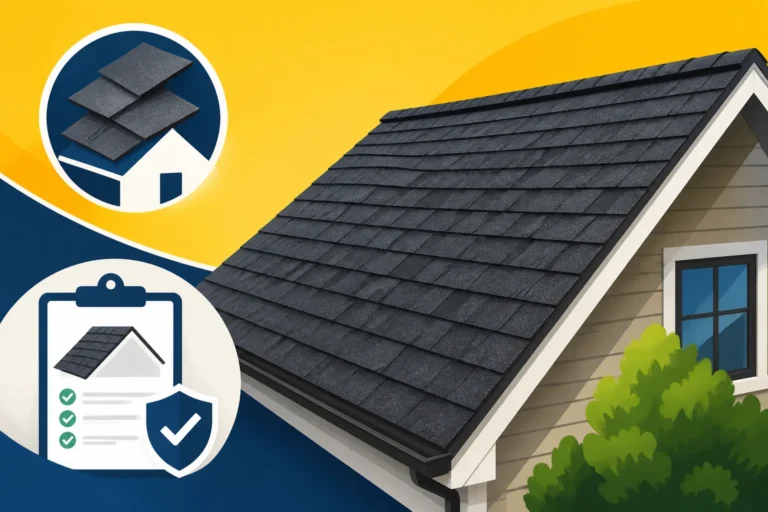
Roof pitch is a fundamental characteristic of your roof's design, representing how steeply angled your roof planes are. It's usually expressed as a ratio, like 6/12 or 8/12. This ratio means that for every 12 inches your roof travels horizontally (known as the "run"), it rises a certain number of inches vertically (the "rise"). So, a 6/12 pitch indicates that the roof rises 6 inches for every 12 inches it runs horizontally. The higher the first number in the ratio, the steeper the roof.
For example, a low-slope roof might be a 2/12 pitch, which is common on modern ranch homes or sometimes used for certain commercial structures where water shedding is still a concern but not as dramatic. Conversely, a very steep roof could reach a 12/12 pitch, which means the roof rises 12 inches for every 12 inches of horizontal run, creating a dramatic, almost triangular profile reminiscent of a classic A-frame design or some Victorian homes. The pitch directly dictates the difficulty, inherent dangers, and overall safety challenges for roofers. When you get a roofing estimate, a professional contractor will measure this pitch precisely because it's a primary factor in calculating their labor costs, the specialized equipment needed, and even the efficiency of material handling. They'll use a specialized tool called a pitch gauge or even just a level and tape measure to accurately determine this ratio.
A standard residential roof typically falls within a pitch range of 4/12 to 6/12. These are generally considered walkable roofs, meaning roofers can move around them with relative ease and without needing extreme safety measures beyond standard fall protection. However, anything above a 7/12 pitch is usually classified as a steep roof, and that's when the "steep roof cost premium" really starts to kick in. Imagine the difference between walking on a slight incline at a park versus trying to traverse a slippery, muddy hill – it’s a similar challenge for roofing professionals. This angle profoundly affects everything from how materials are moved and secured to how safely and stably workers can position themselves during the intensive installation process. For a more detailed breakdown of general costs, you might want to look into how much an asphalt shingle roof cost.
Classifying Roof Steepness: Walkable vs. Non-Walkable
Roofers often categorize roofs not just by their numerical pitch, but more practically by their "walkability." This isn't about whether a person can technically walk on it, but rather whether a crew can work safely and efficiently on it without requiring extensive, specialized fall protection systems and adjusted work methods.
- Standard Pitch (4/12 – 6/12): These are generally considered "walkable" roofs. On these slopes, roofers can navigate fairly freely, bundles of shingles can be temporarily stacked and distributed across the roof deck, and tools are less likely to slide away. The work can progress at a more typical, steady pace, allowing for greater efficiency.
- Steep Pitch (7/12 – 10/12): These roofs are still technically walkable for experienced professionals with appropriate footwear and extreme caution, but they absolutely demand additional safety equipment. This includes things like roof jacks (temporary platforms nailed to the roof), toe boards (small barriers to prevent sliding), specialized harnesses, and secure rope systems. The inherent difficulty means the work slows down considerably, and even staging materials safely becomes a much more complex and time-consuming task. For instance, a roofer might spend a significant amount of time just securing themselves and their tools before they can even begin the crucial task of nailing down shingles.
- Very Steep/Non-Walkable (11/12 and above): At these extreme pitches, workers are effectively operating in an environment where they need to be tied off at all times, often relying on specialized scaffolding, ladder hoists, or even man lifts to gain safe access. These roofs are practically impossible to walk on safely without comprehensive fall arrest systems. Every shingle, every nail, every tool needs to be carefully secured to prevent it from tumbling down the slope. The physical exertion and constant vigilance required are immense.
This practical classification directly impacts the labor portion of your roof replacement cost. It dictates the level of risk, the type of specialized equipment required, and the extended amount of time necessary for the crew to perform their work safely and to a high standard. This is a primary factor in the overall asphalt roof labor cost explained.
The Core Reasons Why Steep Roofs Command a Higher Price Tag
When you receive an estimate for a steep roof, you might notice a distinct "steep pitch premium" line item, or simply a significantly higher overall labor charge. This isn't just an arbitrary markup; it's a reflection of several very real and unavoidable challenges that steep roofs present to a roofing crew. These challenges translate directly into increased time, specialized equipment, and greater physical demands on the workers, all of which contribute to the final price. The unique demands of these roofs are a major contributor to what drives asphalt roofing costs up or down.
Increased Safety Measures and Equipment
Safety is not just important; it's absolutely paramount in roofing. On steep roofs, the risk of falls, injuries, and material accidents is dramatically higher. Imagine a roofer trying to tear off old shingles or meticulously install new ones on a 10/12 pitch roof during a hot summer day – it’s physically grueling, mentally taxing, and inherently dangerous. To mitigate these elevated risks, reputable contractors must implement extensive safety protocols and utilize specialized equipment, all of which contribute significantly to the project's overall cost.
These essential safety measures and equipment include:
- Advanced Fall Arrest Systems: For steep pitches, basic safety precautions aren't enough. Full-body harnesses, robust lifelines, and securely installed anchor points become absolutely mandatory. Each roofer needs to be securely tied off to the roof structure, which takes considerable time and effort to set up correctly, move from one section to another, and constantly monitor.
- Roof Jacks and Toe Boards: These are temporary, sturdy platforms and barriers that are installed onto the roof structure itself. They provide flat, stable working surfaces and prevent both materials and workers from sliding down the perilous incline. They require careful installation with proper fasteners and then meticulous removal, all of which adds specific labor hours to the project.
- Specialized Access Equipment: For extremely steep or exceptionally tall multi-story homes, standard ladders are often insufficient or unsafe. This necessitates the use of more complex access solutions such as full-perimeter scaffolding systems, material hoists, or even rented man lifts. These are significant rental and setup costs that contribute directly to the project's bottom line. Think of the extra time and personnel needed just to erect and dismantle a scaffolding system around a complex, steep home.
- Larger Crew Sizes: Sometimes, a larger crew than typical is needed to safely execute the work on a steep roof. Extra hands are often required to assist with manual material handling, careful debris removal, and to ensure buddy-system safety checks are consistently maintained. This directly increases the total labor hours billed and ensures that tired workers can rotate roles more frequently to maintain peak safety and efficiency.
All these measures are not optional extras; they are critical for worker safety and are often mandated by strict regulatory bodies like the Occupational Safety and Health Administration (OSHA). A professional, reputable roofing contractor will never cut corners on safety, and those essential costs are rightfully reflected in your comprehensive bid.
Slower Work Pace and Higher Labor Demands
It's an undeniable fact: it's just plain harder and more time-consuming to work on a steep roof. Gravity is a constant adversary, making every single task more physically demanding and, consequently, more time-consuming. This directly impacts the efficiency of the crew and the overall project duration.
- Intensive Material Handling: Moving heavy bundles of asphalt shingles (which typically weigh between 60-80 pounds each) up and down a steep roof is an arduous, slow, and often dangerous process. Unlike lower-pitched roofs where bundles can sometimes be quickly distributed, on a steep roof, they cannot just be stacked anywhere; they need to be carefully hauled, secured, and often strategically positioned to prevent them from sliding off. This frequently requires more trips up and down ladders, or the use of specialized material hoists, all adding significant labor.
- Precise Shingle Installation: Nailing individual shingles on a steep incline is inherently slower and requires more deliberate movements. Workers must constantly maintain their balance, adjust their footing on often precarious surfaces, and ensure their nail gun is properly angled and fastened securely, all while battling the relentless pitch. The precision required for proper shingle alignment and correct installation, especially around critical flashing details, is greatly amplified, demanding extra care and time.
- Meticulous Debris Removal: Tearing off old shingles and safely getting them into a dumpster is also a significantly slower operation on a steep roof. Debris cannot simply be flung off the roof; it needs to be carefully lowered, often guided into specialized chutes, or painstakingly carried to the ground to prevent it from damaging landscaping, siding, or injuring ground crew. This meticulous process adds substantial time to the demolition phase.
- Increased Breaks and Fatigue Management: Working on a steep roof is incredibly taxing on a roofer's body. The constant effort to maintain balance, lift heavy materials, and work against gravity leads to quicker fatigue. Crews need more frequent breaks to rest, rehydrate, and regain their focus, especially during hot weather. This natural need for recovery directly extends the project timeline compared to a lower-pitched roof of the same square footage.
This cumulative effect of a slower pace and increased physical demand translates directly into more labor hours, which is the primary driver of the steep roof cost premium. When considering your overall project budget, remember that the cost of roof tear-off and disposal also increases with a steep pitch, as it's a more challenging and time-consuming process to get debris safely and cleanly off the roof.
Additional Material Handling and Potential Waste
Beyond just the intensive labor involved in moving materials, steep roofs can also indirectly impact how materials are ordered, stored, and potentially result in slightly more waste compared to flatter roofs.
- Staging Challenges: On a lower-pitched roof, shingle bundles and other materials can often be distributed efficiently across the roof deck, making them easily accessible to installers. However, on a steep roof, this isn't a safe option due to the high risk of materials sliding off. Instead, materials must often be staged on the ground, on temporary platforms, or carefully secured in smaller batches. This requires workers to make more frequent trips up and down, or necessitates the use of lifts to access materials, adding to labor time and complexity.
- Complex Cutting and Placement: The inherent geometry of a steep roof, especially when combined with intricate features like valleys, hips, and dormers, can sometimes lead to more complex shingle cuts. While skilled roofers strive to minimize waste, the angles and shapes required on a steep slope can, at times, result in a slightly higher percentage of material waste compared to simpler, flatter roof designs. Every miscut on a steep roof might mean an extra trip for replacement material or a delay in progress.
- Increased Risk of Damage: There's a higher intrinsic risk of shingles or other delicate roofing components being dropped, scuffed, or otherwise damaged if not handled with extreme care on a steep slope. While good, professional contractors implement rigorous procedures to minimize this, it's a factor that requires extra vigilance and sometimes, having a slightly larger contingency of materials on hand.
It's important to clarify that the materials themselves are not necessarily more expensive for a steep roof – a top-quality shingle like a GAF Timberline HDZ or an Owens Corning Duration costs the same per bundle whether it's destined for a 4/12 or a 10/12 pitch roof. However, the logistics and handling of those materials in a challenging, steep environment undeniably add to the total project cost.
Beyond Pitch: How Roof Design and Accessibility Amplify Costs
While a steep pitch is often the primary culprit for increased roofing costs, it rarely acts alone. Other architectural elements and site-specific challenges can significantly exacerbate the premium, transforming what might already be a challenging steep roof replacement into an even more complex, time-consuming, and expensive undertaking. These factors compound the difficulty and demand even greater expertise from your roofing crew.
Multiple Valleys, Dormers, and Chimneys
Think of these architectural features not just as decorative elements, but as "complexity spikes" for roofers. Each valley, dormer, or chimney stack introduces intricate cutting, specialized flashing, and precise sealing work that takes significantly more time, skill, and attention to detail than simply laying shingles on a flat plane.
- Valleys: These are the internal angles where two roof planes meet, forming a V-shape. Valleys are critical areas for efficient water runoff and are highly susceptible to leaks if not installed perfectly. They must be meticulously sealed with ice and water shield and often feature a metal valley flashing. On a steep roof, working in these angled channels is far more challenging. Precise cuts of the shingles are absolutely crucial to ensure a watertight seal and proper aesthetic integration, and any error can have severe consequences for the roof's integrity. The cost of a roof with multiple valleys will almost always be higher due to this added complexity.
- Dormers: These charming roof structures protrude from the main roofline, often creating their own miniature roof sections, side walls, and smaller valleys. Each dormer requires incredibly intricate flashing where its roof meets the main roof, around its windows, and at its own roof-to-wall junctions. This dramatically increases both labor and material complexity, as roofers must carefully custom-fit materials to multiple intersecting planes and angles.
- Chimneys: Similar to dormers, chimneys penetrate the roof surface and demand expert flashing to ensure a completely watertight seal. On a steep roof, securing the various components of flashing (which typically include step flashing and counter flashing) around a chimney becomes an even more precarious and time-consuming task, often requiring workers to maneuver carefully on the incline while performing precision work. This is why the cost of new flashing and drip edge is an important consideration in your overall budget, as these intricate details contribute significantly to the overall project cost.
Each of these architectural elements multiplies the labor hours because they interrupt the straightforward process of shingle laying. They demand custom, meticulous work and an acute attention to detail that inevitably slows everything down, contributing substantially to the overall steep roof premium.
Accessibility Challenges and Landscaping Obstacles
Sometimes, the added cost premium isn't solely due to the roof's steepness or architectural complexity, but also because of the surrounding environment of your home. Getting materials, equipment, and workers safely and efficiently to and from the roof can be a massive hurdle, translating directly into higher labor costs and potential equipment rentals.
- Limited Property Access: Is your home situated on a narrow lot, nestled tightly between neighboring houses, or does it have limited space around its perimeter? These constraints can severely restrict the placement of essential equipment like dumpsters for debris, material delivery trucks, and scaffolding. If a crane or a man lift cannot get close enough to hoist materials and personnel, the manual labor costs for carrying everything by hand will soar dramatically. This might involve extended time for workers to walk materials around obstructions, or even manual lifting of debris through narrow pathways.
- Extensive Landscaping and Property Features: Beautiful, mature gardens, existing patios, elaborate decks, expensive outdoor kitchens, or even swimming pools directly below the roofline present significant challenges for debris removal and material staging. Contractors will need to spend extra time and resources protecting these valuable areas. This often involves laying down extensive tarps, sheets of plywood, and sometimes even constructing temporary covers or tunnels to shield sensitive areas from falling debris. This meticulous protective work, and the subsequent thorough cleanup, adds directly to the labor cost and project timeline.
- Multi-Story Homes: A steep roof on a two-story or even a three-story home presents an even greater magnification of all these challenges. The sheer vertical distance required to lift heavy bundles of shingles and other materials, the increased height for implementing robust fall protection systems, and the complex logistics of safely removing debris from such an elevation are all amplified significantly. This is a crucial factor in the multi-story roof cost premium, as every operation becomes more arduous and time-consuming with increased height.
These "site-specific" challenges mean that even two identical steep roofs on different properties could have vastly different overall costs, purely based on how accessible the work area is for the crew and their equipment. This is precisely why a thorough, in-person estimate from a qualified professional is absolutely crucial for any roofing project, but especially so for complex, steep roofs. It allows the contractor to accurately assess all variables and provide a realistic, comprehensive bid.
Smart Budgeting and What to Expect for a Steep Roof Project
Facing a higher estimate for a steep roof replacement can certainly be daunting, and it's easy to feel overwhelmed by the numbers. However, with the right approach to budgeting and a clear understanding of what influences these higher figures, you can navigate the process with confidence and make informed decisions. It’s all about being prepared, asking the right questions, and ensuring transparency throughout the estimating process.
How to Get Accurate Estimates and Avoid Surprises
The absolute key to budgeting effectively for a steep roof replacement is to obtain detailed, transparent, and comprehensive estimates. Never settle for a quick glance, a verbal quote, or a vague ballpark figure, as these are recipes for unexpected costs down the line.
- Secure Multiple Bids: This is foundational for any major home project. Always make sure to get at least three detailed quotes from reputable, licensed, and fully insured roofing contractors. This crucial step allows you to compare not just the final bottom line, but also to scrutinize the specific line items that contribute to the steep roof premium. For guidance on effectively comparing these estimates, checking out how to read and compare roofing estimates is invaluable.
- Insist on a Line-Item Breakdown: A professional contractor should always provide a written estimate that itemizes costs in granular detail. This document should clearly delineate the cost of the tear-off, all materials (including shingles, underlayment, flashing, fasteners, etc.), the labor charges, waste disposal fees, and any specific charges directly related to the steep pitch, complex architectural features, or unique access challenges of your property. If a contractor offers only a single lump sum, this should be considered a significant red flag, as it hides crucial details and makes fair comparison impossible.
- Demand a Thorough On-Site Inspection: While satellite measurement tools are incredibly helpful for obtaining basic roof dimensions, they simply cannot replace a physical, on-site inspection for a steep roof. Ensure each contractor conducts a thorough, in-person assessment. This allows them to physically assess the exact pitch, inspect the condition of the underlying roof decking, accurately count the number of valleys, dormers, and chimney penetrations, and identify any specific landscaping or accessibility obstacles. This direct, first-hand assessment leads to a much more accurate and less prone-to-surprise bid.
- Clarify "Steep Pitch" Charges: Don't hesitate to ask each contractor how they specifically factor in the steep pitch premium. Do they apply a percentage increase to the labor? Is it a charge per square foot? Or do they use a flat fee? Understanding their methodology helps you compare bids fairly and ensures you're comparing apples to apples, rather than apples to oranges. A transparent contractor will be happy to explain their reasoning.
By being proactive and thorough in seeking detailed information, you will significantly reduce the chances of unwelcome surprises and unexpected costs popping up mid-project, giving you greater control over your budget.
Understanding the Balance of Material vs. Labor Costs
On a steep roof replacement project, the financial balance between material costs and labor costs shifts quite considerably when compared to a standard, lower-pitched roof. Recognizing this shift is key to understanding your overall investment.
- Material Costs: The actual cost of the asphalt shingles themselves, the underlayment (and consider the cost difference between synthetic vs felt underlayment cost), and other necessary components like nails, flashing, and ventilation will generally be the same price per square (a roofing square is 100 square feet) as they would be for a lower-pitched roof. However, there might be a slightly higher buffer ordered for materials due to the increased potential for waste from complex cuts or accidental damage during handling on a challenging slope. Crucially, while the cost of the material itself remains constant, the labor required to get those materials safely onto and distributed across the roof is significantly higher.
- Labor Costs: This is precisely where the steep roof premium truly manifests and where the bulk of the additional cost originates. As previously discussed, the increased safety measures, the significantly slower work pace, and the heightened physical demands placed on the crew directly translate into a greater number of labor hours required to complete the project to standard. For a typical, straightforward asphalt roof replacement, labor might account for approximately 40-50% of the total project cost. However, for a steep roof, that percentage can easily jump to 60-70% or even higher. This makes labor often the single largest factor driving up the overall project price.
Consider a hypothetical scenario: a 2,000 square foot roof with a standard 6/12 pitch might see labor making up about 50% of the total project cost. That very same 2,000 square foot roof, but with a challenging 10/12 pitch, could see the labor component jump to 65-70% or more of the total, significantly increasing the overall Average Roof Replacement Cost This Year for your specific area. Always ask your contractor to provide a clear breakdown of these components so you can accurately see where your hard-earned money is really going. This transparency is crucial for managing expectations and budgeting effectively.
Choosing the Right Contractor for Your Steep Roof Project
Selecting the right roofing contractor is always important for any home improvement project, but for a steep roof replacement, it's absolutely critical. You need a team with proven experience specific to challenging pitches, robust and unwavering safety protocols, and a deep, intuitive understanding of the unique logistical and installation challenges these roofs present. Attempting to cut corners here by hiring an inexperienced or unverified crew can lead to shoddy workmanship, dangerous onsite conditions, voided warranties, and ultimately, far more costly future repairs.
The Importance of Experienced, Licensed, and Insured Professionals
You wouldn't trust a novice with a complex medical procedure, and you certainly shouldn't trust an amateur with the integrity of your steep roof. This is emphatically not the job for a casual handyman, a general contractor without specialized roofing experience, or a fly-by-night operation that appears after a storm.
- Demonstrated Experience with Steep Pitches: This is non-negotiable. When interviewing contractors, make it a point to specifically ask about their direct experience with roofs that are similar to yours in both pitch and overall complexity. A seasoned crew that regularly tackles steep roofs will possess the specific equipment, the efficient processes, the necessary physical conditioning, and the invaluable muscle memory to get the job done safely, correctly, and efficiently. They understand the nuances of working on inclines, from staging materials to executing precise cuts under challenging conditions.
- Comprehensive Licensing and Insurance: This aspect is absolutely paramount. Always ensure that your chosen contractor is fully licensed by your state or municipality (licensing requirements vary by location) and, crucially, carries comprehensive liability insurance and workers' compensation insurance. On a steep roof, the risk of injury is inherently higher, and you absolutely do not want to be held financially liable if a worker gets hurt on your property. Request proof of their insurance certificates and, if possible, verify them directly with the insurance provider – never just take their word for it. For more critical information on this topic, read why licensed and insured roofers matter.
- Manufacturer Certification: Many of the top shingle manufacturers, such as GAF, Owens Corning, and CertainTeed, offer specialized certification programs for roofing contractors. These certifications typically mean that the contractor's crew has undergone extensive training in the proper installation techniques for their specific products and, importantly, can often offer enhanced manufacturer warranties that provide superior coverage. This is a huge benefit for a complex steep roof, as proper installation is inextricably linked to warranty validity and overall roof performance.
A truly professional contractor won't just tell you they are experienced and qualified; they will show you through readily available references, photographic examples of past work on similar roofs, and transparent documentation of their credentials. Many highly reputable contractors are also actively involved with industry associations like the National Roofing Contractors Association (NRCA) or local professional roofing guilds. When using platforms like Modernize to find potential contractors, always take the extra step to double-check their credentials and explicitly ask for current proof of insurance and licensing.
Asking the Right Questions and Reviewing Warranties
When you're interviewing potential contractors for your steep roof project, do not be shy about asking pointed, detailed questions, especially those concerning their specific approach to challenging roofs. Your diligence now can save you significant headaches and expenses later.
- Detailed Safety Plan: Ask them to clearly describe their comprehensive safety plan specifically tailored for your roof's pitch and any unique challenges. What specific fall protection systems will they implement? How do they safely secure materials to prevent sliding? How do they manage debris removal from such a height? A confident, detailed, and clear answer to these questions is a very strong indicator of a professional and safety-conscious operation.
- Realistic Project Timeline: Get a realistic and transparent timeline for the completion of your project. Since steep roofs inherently take longer to complete safely and correctly, a contractor who promises an impossibly fast turnaround might be oversimplifying the job or, worse, planning to cut essential corners. Discuss what factors might impact the schedule and how long a roof replacement takes in general for roofs of similar complexity.
- Thorough Warranty Details: Understand all aspects of both the manufacturer's warranty on the shingles themselves and, critically, the contractor's workmanship warranty. For steep roofs, the quality of the installation process is even more paramount, making a robust workmanship warranty from a reputable contractor an invaluable asset. Inquire about the duration, coverage, and any conditions that might void the warranty. Also, ask about transferability if you anticipate selling your home in the future.
- Client References and Independent Reviews: Beyond checking general online reviews, ask the contractor for references from homeowners who have had similar steep roofs replaced. Make an effort to speak with these references about their overall experience with the contractor, paying close attention to aspects like communication, adherence to the budget, project cleanliness, and overall satisfaction with the finished work.
A truly good contractor will not only welcome your detailed questions but will also provide clear, reassuring, and knowledgeable answers. This demonstrates their expertise, their commitment to both quality and safety, and their transparency in handling your challenging steep roof project.
Are There Any Silver Linings? Benefits of a Steep Roof
While the cost premium associated with a steep roof replacement can undoubtedly be a tough pill to swallow, it's not all doom and gloom. These architectural features often come with some distinct practical advantages and significant aesthetic appeals that contribute positively to your home's longevity, performance, and overall curb appeal. Understanding these benefits can help you appreciate the value of your investment.
Enhanced Water Runoff and Durability
One of the most significant and practical benefits of a steep roof is its superior ability to efficiently shed water and resist moisture-related problems. This inherent design advantage contributes directly to the roof's durability and extended lifespan.
- Optimized Drainage: The steeper the pitch, the faster rainwater, melting snow, and ice will run off the roof surface. This rapid drainage minimizes the amount of time water spends pooling or clinging to your asphalt shingles, which significantly reduces the risk of water penetration, the formation of standing water issues, and the development of destructive moss, unsightly algae, or harmful mold growth. This enhanced shedding directly contributes to the shingles' overall lifespan by preventing saturation and deterioration.
- Reduced Debris Accumulation: Leaves, pine needles, small branches, and other organic debris are naturally less likely to accumulate and cling to the surface of a steep roof compared to a lower-slope roof. This natural self-cleaning action means there's less potential for moisture retention underneath accumulated debris, which can prematurely age shingles, promote organic growth, and lead to underlying rot or decay in the roof deck.
- Greater Longevity: Because water sheds so efficiently and debris accumulation is minimized, steep roofs generally place less long-term stress on both the roofing materials and the underlying structural components. This can often translate to a longer effective lifespan for your asphalt shingles. While a typical asphalt roof might last between 20-30 years, a steep roof could easily see the higher end of that spectrum, or even exceed it, due to its excellent drainage characteristics and reduced exposure to standing moisture. This extended life can help offset some of the initial steep roof cost premium over the decades.
This superior performance in shedding water and debris means that your entire roof system works more effectively as it was designed to, providing robust and long-lasting protection for your home against the elements for many years to come.
Aesthetic Appeal and Enhanced Curb Appeal
Beyond the practical, performance-driven benefits, steep roofs often possess a distinct visual charm and architectural grandeur that can significantly enhance your home's curb appeal and even its market value. They create a memorable impression and contribute to a house's unique character.
- Architectural Statement: Steep roofs are a defining hallmark of many classic and beloved architectural styles, such as stately Victorian homes, picturesque Tudor revivals, dramatic Gothic Revival houses, and even minimalist modern A-frame designs. They create striking lines, dramatic shadows, and a strong sense of visual height, often making the house appear larger, more substantial, and more imposing. This unique aesthetic can make your home truly stand out in a neighborhood composed of more conventional or subdued roof designs.
- Increased Visual Volume and Grandeur: The tall, commanding presence of a steep roof adds significant vertical visual interest to your property. It draws the eye upward, contributing to a more impressive and distinguished silhouette against the sky. This can imbue your home with a custom, high-end, and often historic look that is highly sought after by discerning buyers. The roof becomes a prominent architectural feature rather than just a functional covering.
- Design Flexibility for Features: The expansive, dramatic roof planes of a steep roof offer unique opportunities for incorporating additional architectural details that further enhance its beauty. Features like charming dormers, elegant cupolas, dramatic gables, and even intricate shingle patterns or color variations can be beautifully integrated. The right choice of asphalt shingle style, whether it's an architectural shingle for a dimensional look or a more luxurious designer shingle that mimics slate or cedar shakes, can truly complete and elevate the overall aesthetic of your home, making the steep roof an integral part of its character.
While the upfront cost might be higher, the long-term benefits of enhanced durability, reduced maintenance concerns related to moisture, and the undeniable boost to your home's aesthetic appeal and potential resale value can make the steep roof cost premium a truly worthwhile and rewarding investment for many homeowners.
| Roof Pitch Ratio (Rise/Run) | Description | Walkability & Safety Impact | Cost Premium Impact |
|---|---|---|---|
| 2/12 – 3/12 | Low Slope (Minimal Pitch) | Generally not walkable without specialized equipment | Moderate (requires specific materials, e.g., low-slope asphalt) |
| 4/12 – 6/12 | Standard/Moderate Pitch | Generally walkable with standard safety measures | Low/None (Baseline for average asphalt roofing) |
| 7/12 – 9/12 | Steep Pitch | Walkable with significant safety measures (harnesses, roof jacks) | Moderate to High (Increased labor, equipment, slower pace) |
| 10/12 – 12/12 | Very Steep Pitch | Non-walkable; requires extensive fall protection, scaffolding | High (Substantially increased labor, specialized access) |
| > 12/12 | Extremely Steep | Extremely challenging, often requires lifts/cranes, rock climbing | Very High (Maximum labor and equipment costs) |
Disclaimer
Please remember that the information provided in this guide is intended for general informational purposes only and should not be considered professional advice. Roofing costs and requirements can vary significantly based on your specific location, local building codes, chosen materials, contractor rates, and the unique characteristics of your home. Always consult with multiple licensed and insured roofing professionals in your area for personalized estimates and expert advice tailored to your project.