Impact-Resistant Shingle Cost
When you're facing the daunting task of a roof replacement, the sheer number of options can feel overwhelming, especially when you start looking at specialty shingles. One particular area that homeowners often grapple with is understanding the real cost of impact-resistant shingles, and whether that higher upfront investment truly pays off. This comprehensive guide is designed to cut through the confusion, helping you understand the factors influencing these costs and what to expect financially.
Understanding Impact-Resistant Shingles
Before we dive into the numbers, it's crucial to understand what impact-resistant shingles are and why they might be a smart investment, especially if you live in an area prone to severe weather. These aren't just your run-of-the-mill asphalt shingles; they're engineered for enhanced durability and protection.
What Makes Them Different
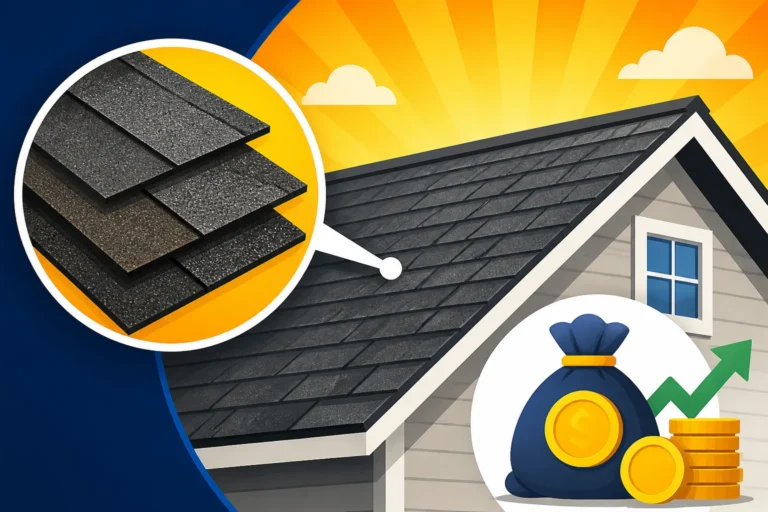
Traditional asphalt shingles are pretty good at protecting your home, but hailstones, falling debris, and strong winds can really take a toll. Impact-resistant shingles are specifically designed to withstand these challenges much better. They achieve this through several key innovations in their construction. Often, this involves a modified asphalt formula, a reinforced mat, or a unique shingle design that helps dissipate the energy from impacts. Think of it like adding an extra layer of armor to your roof, making it far more resilient against the forces of nature.
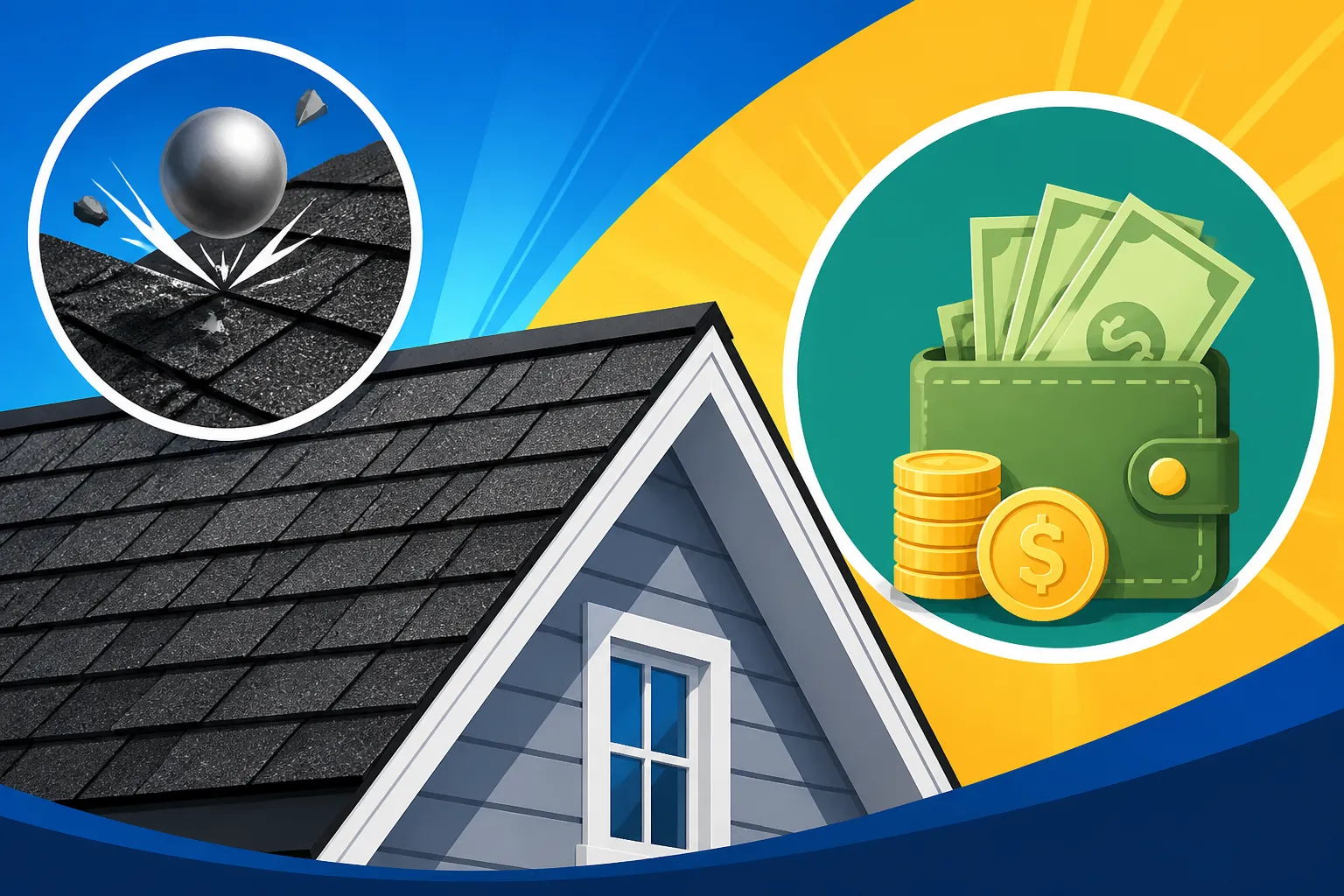
Many of these specialized shingles carry a Class 4 impact resistance rating, which is the highest rating available under UL 2218 testing standards. This rating isn't just a fancy label; it means the shingles have been rigorously tested to withstand the impact of a 2-inch steel ball dropped from 20 feet, simulating large hailstones, without cracking. This level of protection can significantly extend the life of your roof, reducing the likelihood of premature damage and the need for frequent repairs. It's a testament to their superior engineering compared to standard shingles.
Benefits Beyond Durability
The most obvious benefit of impact-resistant shingles is their incredible durability, which can save you a world of headaches and repair costs down the line. Imagine the peace of mind knowing your roof is built to take a beating from the elements. This resilience directly translates into a longer lifespan for your roofing system, pushing back the timeline for your next full roof replacement. Many standard asphalt roofs last about 20-25 years, but high-quality impact-resistant shingles, properly installed, can often exceed that, potentially lasting 30 years or more. This long-term value is a significant consideration when weighing the initial cost.
Beyond just protecting your home from physical damage, these shingles can also offer some attractive financial advantages. Many insurance companies, especially in hail-prone regions like Colorado, Texas, or Oklahoma, offer discounts or reduced premiums for homes protected by Class 4 impact-resistant roofs. This is because the insurer knows they are less likely to pay out claims for hail or wind damage on such a robust roof. Over the years, these insurance savings can really add up, offsetting a portion of the higher upfront cost. It's always a good idea to chat with your insurance agent to see what kind of benefits they offer for these types of upgrades.
Factors Influencing Impact-Resistant Shingle Costs
The cost of impact-resistant shingles isn't a one-size-fits-all number. Several factors play into the final price you'll pay, from the materials themselves to the intricacies of your roof and where you live.
Material Grade and Brand
Just like with regular shingles, there's a range of quality and features even within the "impact-resistant" category. You'll find different grades, styles, and manufacturers, all offering varying levels of performance and aesthetics. For instance, a basic architectural impact-resistant shingle might be more affordable than a luxury designer shingle that also boasts Class 4 protection. The material composition, the thickness of the shingle, and the specific technologies used to achieve impact resistance will all contribute to its price point.
Leading manufacturers in the roofing industry, such as GAF, Owens Corning, and CertainTeed, all offer their versions of impact-resistant shingles. GAF's Timberline Armorshield II, Owens Corning's Duration FLEX, and CertainTeed's Landmark IR are popular examples. Each brand might have slightly different warranties, aesthetic options, and pricing structures. For instance, some may focus on a rubberized asphalt blend for enhanced flexibility, while others might use a woven mat for superior tear resistance. Shopping around and comparing these specific product lines is essential.
Roof Complexity and Size
The design of your roof and its sheer size are always major cost drivers in any roofing project, and impact-resistant shingles are no exception. A larger roof, naturally, requires more materials and labor, pushing the total cost up. However, it's not just about square footage. The complexity of your roofline plays an even bigger role. A simple, straightforward ranch-style roof with minimal hips and valleys will be far less expensive to reroof than a multi-level home with numerous dormers, skylights, and a steep pitch.
Each additional valley, chimney, skylight, or vent requires precise cutting, careful flashing, and more intricate installation techniques, which add to the labor time and material waste. A steep roof cost premium is a very real thing because it's simply more challenging and time-consuming for roofers to work on. Similarly, a multi-story roof cost premium factors into the overall project. When you get a quote, look closely at how the contractor accounts for these architectural elements, as they can significantly impact the final price of installing those specialized impact-resistant shingles.
Regional Labor and Material Costs
Where you live can drastically influence the cost of impact-resistant shingles and their installation. Labor rates for skilled roofing professionals vary widely across the country, influenced by local economic conditions, demand, and the cost of living in a particular area. For example, roofing labor in a high-cost-of-living metropolitan area like Los Angeles or New York City will be considerably higher than in a rural part of, say, Missouri or Arkansas.
Beyond labor, the cost of the shingles themselves, as well as other roofing components like underlayment, flashing, and disposal fees, can fluctuate based on regional supply and demand, transportation costs, and local taxes. Areas frequently hit by severe storms, for example, might see higher demand for impact-resistant materials, which can drive prices up. Conversely, in areas with less demand or more competition among suppliers, you might find slightly better deals. To get a clear picture for your specific area, it's always best to gather multiple estimates from local contractors. Websites like Modernize can help connect you with reputable local roofers who understand the nuances of pricing in your community.
Average Impact-Resistant Shingle Costs
Let's talk numbers. While exact figures can vary, understanding the general cost ranges for impact-resistant shingles, both for materials and full installation, can help you budget effectively.
Material-Only Cost Per Square
When we talk about roofing, costs are often quoted per "square," which is a unit of measurement equal to 100 square feet. This is how contractors and suppliers typically price shingles. For impact-resistant asphalt shingles (Class 4 rated), you can generally expect material costs to range anywhere from $100 to $200 per square.
This range accounts for the differences in quality, style, and brand we discussed earlier. Basic architectural impact-resistant shingles might fall on the lower end, while premium designer or luxury impact-resistant options from brands like GAF or CertainTeed could be at the higher end. Keep in mind this is just for the shingles themselves and doesn't include any other roofing materials like underlayment, drip edge, starter strips, or ridge caps, which are all vital components of a complete roofing system. For example, a homeowner looking for Owens Corning Duration FLEX shingles might find them priced differently than CertainTeed Landmark IR.
Full Installation Cost Per Square
The material cost is only part of the equation. The vast majority of your roof replacement budget will go towards professional installation. When you factor in labor, additional materials (underlayment, flashing, nails, sealants, waste disposal), and the contractor's overhead and profit, the total installed cost for impact-resistant shingles typically ranges from $500 to $800 per square.
So, for an average-sized roof of 1,700 square feet (17 squares), you could be looking at a total project cost between $8,500 and $13,600. This is a significant investment, but as we've highlighted, the long-term benefits and potential insurance savings can make it a worthwhile one. It's crucial to get detailed estimates that break down material and labor costs, ensuring you understand exactly what you're paying for. Comparing several quotes can really help in understanding the market rate in your specific location.
Here's a quick overview of estimated costs:
| Shingle Type | Material Cost Per Square (100 sq ft) | Installed Cost Per Square (100 sq ft) | Total Installed Cost (1700 sq ft roof) |
|---|---|---|---|
| Standard Architectural | $75 – $150 | $400 – $700 | $6,800 – $11,900 |
| Impact-Resistant (Class 4) | $100 – $200 | $500 – $800 | $8,500 – $13,600 |
| Luxury/Designer IR | $150 – $250+ | $700 – $1,100+ | $11,900 – $18,700+ |
These figures are estimates and can vary based on location, roof complexity, and specific contractor rates.
Return on Investment and Insurance Benefits
While the upfront cost of impact-resistant shingles might be higher, it's essential to look at the long-term financial picture. The return on investment (ROI) often goes beyond just the immediate savings from not needing repairs.
Potential Insurance Premium Reductions
One of the most compelling financial arguments for impact-resistant shingles is the potential for reduced homeowner's insurance premiums. Many insurance carriers recognize the superior protection offered by Class 4 rated shingles and are willing to reward homeowners for minimizing their risk of future claims. The exact discount can vary significantly by state, insurer, and even your specific policy, but it's not uncommon to see savings of 10% to 25% or even more on the dwelling coverage portion of your premium.
For example, homeowners in hail-prone states like Colorado or Texas often see the most substantial discounts, as the risk of catastrophic roof damage is much higher there. Even in other regions, a Class 4 roof can lead to noticeable savings over the lifetime of your policy. Before committing to a specific shingle, it's a smart move to call your insurance provider and ask about their specific incentives for impact-resistant shingle cost upgrades. They might even have a list of approved products that qualify for the maximum discount, helping guide your shingle choice.
Long-Term Savings from Reduced Repairs
Beyond insurance discounts, the sheer durability of impact-resistant shingles translates into tangible long-term savings by significantly reducing the need for costly repairs. A typical asphalt roof might suffer hail damage every few years in an active storm corridor, leading to deductibles, repair costs, and the hassle of coordinating with contractors. With impact-resistant shingles, your roof is far less likely to incur damage from common culprits like hailstones up to 2 inches in diameter or flying debris during high winds.
Imagine avoiding a $2,000-$5,000 repair bill every five to seven years because your roof is simply tougher. Over a 20-30 year lifespan, those avoided repair costs can quickly add up, easily surpassing the initial premium you paid for the upgraded shingles. Plus, there's the invaluable benefit of peace of mind, knowing that your home is better protected during severe weather events, which can be hard to put a price on. This type of roof also often qualifies for an extended roof warranty worth the cost, offering even more protection.
Choosing the Right Impact-Resistant Shingles
With several excellent options on the market, choosing the right impact-resistant shingle for your home involves weighing different factors, including your budget, desired aesthetics, and specific climate considerations.
Leading Brands and Their Offerings
Many reputable roofing manufacturers produce high-quality impact-resistant shingles. These often represent the top-tier products within their respective lines, combining advanced protection with attractive designs.
- GAF: Known for its extensive range, GAF offers options like the Timberline AS II (Armorshield II) and Timberline UHDZ with enhanced impact resistance. The Timberline AS II is specifically designed to meet Class 4 standards, providing excellent protection against hail. Their UHDZ line offers a thicker, more dimensional look, often combined with enhanced durability features. For homeowners prioritizing both extreme durability and premium aesthetics, GAF is a strong contender.
- Owens Corning: Owens Corning's Duration FLEX line is a popular choice for its innovative, rubberized SBS polymer-modified asphalt blend. This flexibility helps the shingle absorb impact better, making it highly resistant to cracking and splitting from hail. Homeowners often appreciate the SureNail Technology for enhanced wind resistance, which complements the impact resistance beautifully.
- CertainTeed: CertainTeed offers shingles like the Landmark TL Max Def IR and Presidential Shake IR. The Landmark TL Max Def IR provides excellent impact resistance while mimicking the look of traditional wood shakes. The Presidential Shake IR takes it a step further with an even heavier, multi-layered design, offering robust protection and a luxurious, deep shadow line. These products are favored for their blend of heavy-duty performance and curb appeal.
- Malarkey: Malarkey Roofing Products are highly regarded for their sustainable and durable offerings. Their Legacy and Vista lines often feature their proprietary NEX® polymer modified asphalt, which incorporates recycled rubber and plastics to provide Class 4 impact resistance. Malarkey shingles are also known for their granule adhesion and algae resistance, adding to their longevity.
When exploring these brands, remember to ask about specific product lines that carry the Class 4 rating, as not all shingles from a given manufacturer will have this feature.
Aesthetic Considerations and Color Options
Just because you're prioritizing durability doesn't mean you have to sacrifice curb appeal. Impact-resistant shingles come in a wide array of styles, colors, and textures, allowing you to choose an option that perfectly complements your home's architecture and your personal taste. Most major brands offer architectural (or dimensional) impact-resistant shingles, which feature a layered, textured look that mimics natural wood shakes or slate, without the associated maintenance.
From deep charcoals and warm browns to subtle grays and vibrant reds, the color palette is extensive. The ability to select a shingle that enhances your home's exterior can even contribute to its resale value. When you're comparing options, don't just look at the technical specifications; consider how the shingle will look on your roof and integrate with your home's overall design. Requesting samples from your contractor or viewing completed projects in your neighborhood can give you a better idea of how different styles and colors appear in natural light. A good contractor, easily found through services like Modernize, can help you visualize these options.
Installation and Warranty Considerations
Choosing the right impact-resistant shingle is only half the battle; proper installation is paramount to ensuring its performance and validating its warranty.
The Importance of Certified Installers
Even the highest quality impact-resistant shingles won't perform as intended if they're not installed correctly. This is why working with a manufacturer-certified contractor is incredibly important. Many shingle manufacturers, like GAF with its Master Elite Contractors or Owens Corning with its Platinum Preferred Contractors, offer special certifications to roofers who meet strict criteria for training, experience, and customer satisfaction. These certifications often mean the contractor is deeply familiar with the manufacturer's specific installation guidelines and best practices for their impact-resistant products.
Hiring a certified installer isn't just about peace of mind; it often directly impacts the validity and strength of your roof's warranty. Many premium, non-prorated warranties for impact-resistant shingles are only available when the entire roofing system (shingles, underlayment, ventilation, etc.) is installed by a certified contractor. If something goes wrong due to an installation error, a certified contractor is better equipped to fix it, and your manufacturer warranty is more likely to cover it. You'll want to ask any prospective roofer about their specific certifications and how those relate to the shingle brands they recommend. Make sure to read about questions to ask a roofing contractor before hiring to ensure you pick the right professional.
Understanding Warranties for Impact-Resistant Roofs
Warranties for impact-resistant shingles are a crucial aspect of your investment, providing long-term protection against defects and premature failure. You'll typically encounter two main types: the manufacturer's warranty, which covers the materials, and the contractor's workmanship warranty, which covers the installation.
For impact-resistant shingles, manufacturer warranties often come with enhanced coverage. While basic shingle warranties might be prorated (meaning the coverage decreases over time), many premium impact-resistant lines offer non-prorated coverage for a significant period, sometimes 50 years or even a lifetime, for material defects. This means that if the shingles fail within that non-prorated period due to manufacturing issues, the manufacturer will cover the full cost of replacing the materials. Additionally, some warranties specifically cover hail damage at a higher threshold than standard shingles. It's vital to read the warranty documents carefully, paying close attention to what's covered, for how long, and any conditions that might void the warranty (like improper installation). Always ensure your contractor registers your warranty with the manufacturer after installation to ensure it's fully activated.
Navigating the Cost and Getting Estimates
The thought of funding a new roof can be daunting, but understanding how to approach the financial aspects and gather reliable estimates will make the process much smoother.
Financing Your Impact-Resistant Roof
A new roof is a significant investment, and for many homeowners, financing is a necessary step. Thankfully, there are several options available to help you manage the cost of impact-resistant shingles without breaking the bank. Many roofing companies offer their own financing programs, often through partnerships with banks or lending institutions. These can sometimes include special promotions like 0% APR for a set period or low-interest payment plans. It's always worth asking your contractor about their specific roof financing options explained.
Beyond contractor-specific financing, you can explore traditional home equity loans, home equity lines of credit (HELOCs), or even personal loans from banks or credit unions. These options typically offer competitive interest rates, especially if you have good credit, and can provide the flexibility you need. Additionally, some communities or states offer special programs or incentives for home improvements that increase energy efficiency or enhance storm resilience, which impact-resistant roofs can sometimes qualify for. A quick search for "roof replacement payment plans" in your area can reveal local resources.
How to Get Accurate Quotes
Getting accurate and comparable quotes is arguably the most critical step in understanding the true cost to replace a roof by house size with impact-resistant shingles. You should aim to get at least three detailed estimates from different reputable roofing contractors in your area. Don't just accept the cheapest bid; a significantly lower price can sometimes be a red flag, indicating corners might be cut or hidden costs down the line.
When reviewing quotes, make sure they clearly itemize all costs: materials (specifying the exact brand and model of impact-resistant shingle), labor, tear-off and disposal, permits, and any other components like underlayment, flashing, and ventilation. Ask about the scope of work: Will they protect your landscaping? What's their cleanup process? A thorough contractor will provide a comprehensive proposal that leaves no stone unturned. Utilizing platforms like Modernize can simplify this process by connecting you with pre-vetted contractors who are familiar with your local building codes and material availability. This saves you the headache of cold-calling and ensures you're getting competitive bids from reliable professionals. Don't forget to ask about specific impact-resistant shingle offerings and their associated warranties during your consultation.
Disclaimer
Please remember that all cost estimates provided in this article are general averages and can vary significantly based on location, specific material choices, roof complexity, contractor rates, and market conditions. For the most accurate pricing, always obtain multiple detailed quotes from local, licensed, and insured roofing professionals. This guide is for informational purposes only and should not be considered professional financial or construction advice.